
10 Orange Perennials Pennsylvania Growers Swear By For Bold Summer Impact
Follow us on Google
Orange flowers have a way of waking up a garden, especially during Pennsylvania’s long, humid summer stretch. If your beds start looking flat after spring fades, these reliable perennials bring the kind of saturated color that still reads clearly from the porch, sidewalk, or curb.
Each one earns its spot by handling real Mid-Atlantic conditions, not just looking good in a catalog. Here are the bold orange bloomers local growers keep coming back to when they want heat, pollinators, and serious visual punch.
Butterfly Weed
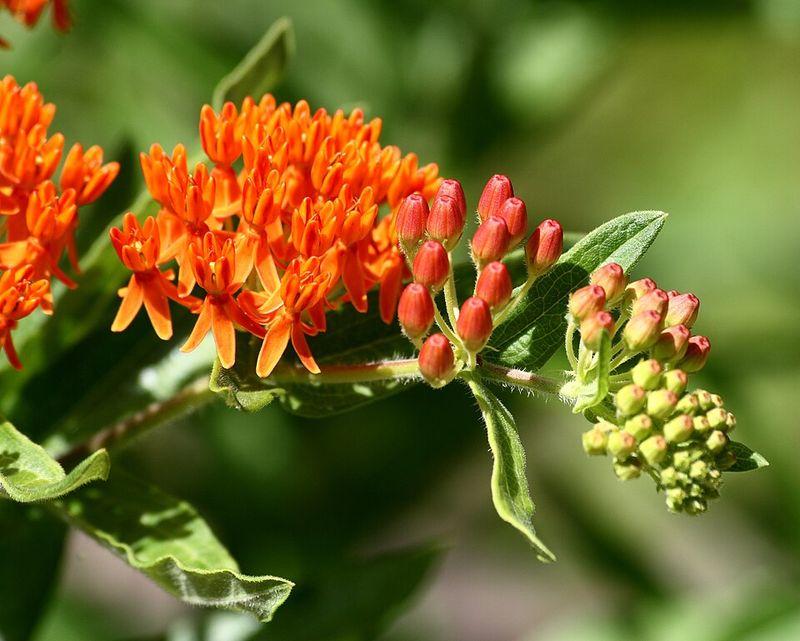
Few plants deliver this much color while asking for so little in return. Butterfly weed lights up summer with flat clusters of saturated orange blooms, and in Pennsylvania it handles heat, lean soil, and dry spells better than many fussier perennials.
You get a native plant that feels tailored for local conditions, which matters if your garden sits in full sun and drains quickly.
Pollinators treat it like a magnet, especially monarchs, swallowtails, and bees, so it pulls double duty as a wildlife plant and a bright border feature. Deep roots help it settle in for the long haul, but they also mean you should choose its spot carefully and avoid moving it later.
Once established, it usually needs less watering than nearby plants, which is useful during sticky July weeks.
Pair it with blue catmint, purple coneflower, or switchgrass if you want the orange tones to look even richer. Deadheading can extend the tidy look, though leaving some seed pods adds structure and seasonal interest.
If you want a perennial that looks lively without constant attention, this one earns the praise it gets.
Daylily ‘Orange Smoothie’
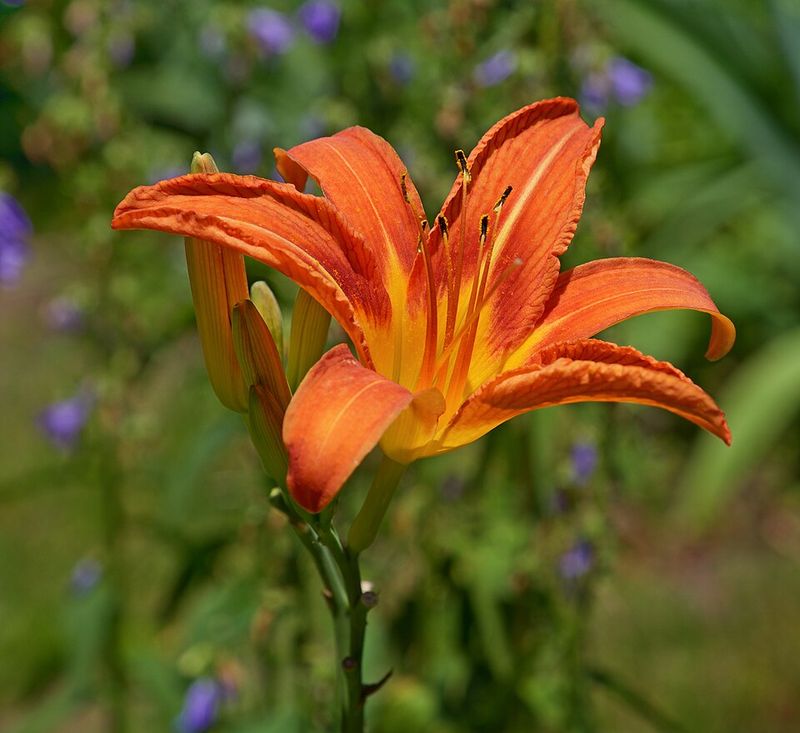
Some gardens need a flower that can handle real life, not perfect conditions, and orange daylilies are built for that role. ‘Orange Smoothie’ produces large, warm-toned blooms that read clearly from a distance, so even a modest border gets a stronger summer presence. In Pennsylvania, it performs well through humidity, clay-leaning soils, and the occasional missed watering.
Strappy foliage forms a neat clump that helps the plant look useful even when it pauses between bloom cycles. Reblooms depend on care and weather, but regular deadheading and a little compost in spring can keep the show going longer.
Because deer sometimes sample daylilies, placement near busier areas or light protection during peak pressure can save frustration.
Use it beside black-eyed Susans, blue salvia, or ornamental grasses for a planting that looks full without becoming chaotic. Dividing every few years keeps the clumps vigorous and gives you extra plants for repeating that orange thread elsewhere in the yard.
If you want dependable color with very little drama, this is the kind of perennial Pennsylvania gardeners trust.
Orange Coneflower
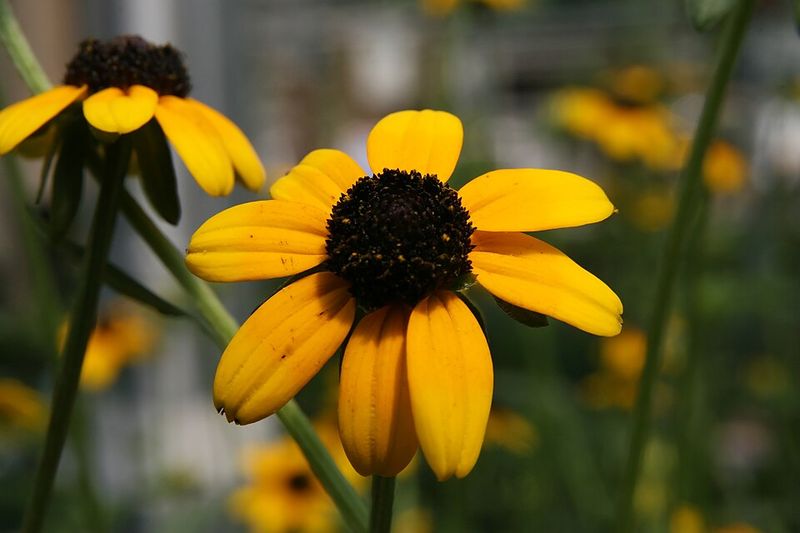
Bright coneflowers in orange shades bring a slightly unexpected twist to a classic summer border. Instead of the usual pink or purple look, orange selections add warmth that feels energetic without overwhelming nearby plants.
Pennsylvania growers like them because they combine familiar echinacea toughness with a color that stands out in late July when many beds start blending together.
Good drainage matters more than rich soil, and full sun keeps the stems strong and the flowering generous. Once rooted in, these plants usually tolerate dry stretches well, though younger clumps appreciate steady moisture their first season.
Seed heads also earn their keep after blooming, giving goldfinches something to visit and keeping the planting interesting into fall.
Try mixing orange coneflowers with dark-leaved sedum, Russian sage, or little bluestem for a border that feels layered instead of flat. Deadheading gives a cleaner look and can encourage more flowers, but leaving some spent blooms is worth it for texture and wildlife value.
If you want a perennial that balances polish, durability, and pollinator appeal, this one deserves a place on your shortlist.
Crocosmia ‘Lucifer’
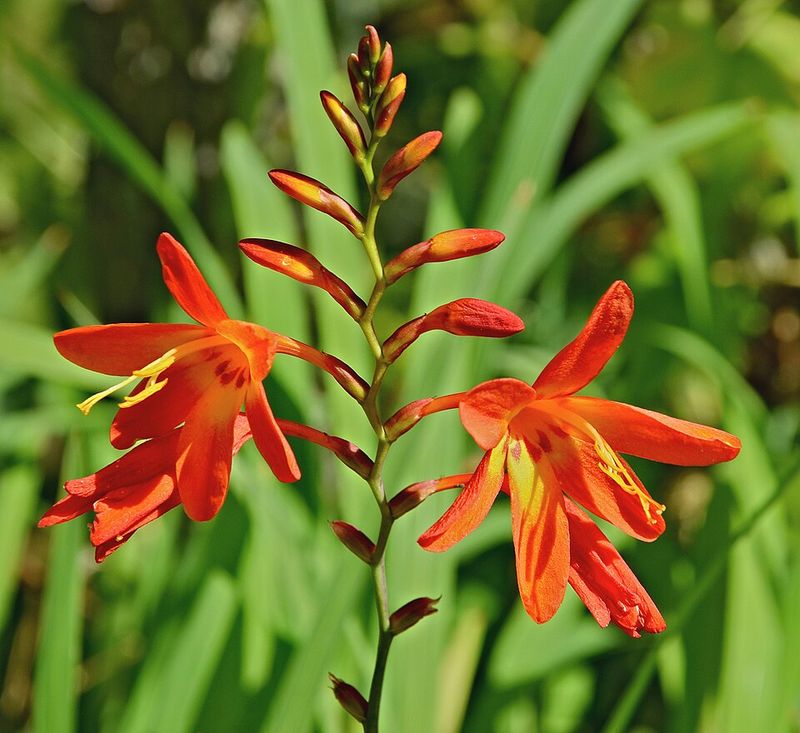
Strong vertical lines and fiery flowers can rescue a border that feels too rounded or sleepy by midsummer. Crocosmia ‘Lucifer’ sends up arching stems packed with vivid orange-red blooms, and the sword-like foliage adds structure even before flowering begins.
In sheltered Pennsylvania gardens, that dramatic form gives a tropical feel without requiring you to replant every spring.
Full sun brings the best bloom count, while rich but well-drained soil helps the corms bulk up over time. In colder parts of the state, winter mulch is a smart insurance policy, especially during seasons with freeze-thaw swings and little snow cover.
Once established, clumps increase steadily, so giving them some room at the start saves you a reshuffling job later.
Hummingbirds love the tubular flowers, which makes this a useful plant if your garden needs more motion and wildlife activity. It looks especially striking with dark cannas, purple salvias, or chartreuse foliage that throws the orange tones forward.
If you want an orange perennial with real stage presence, this one brings height, rhythm, and a stronger silhouette than many common summer bloomers.
Helenium ‘Moerheim Beauty’
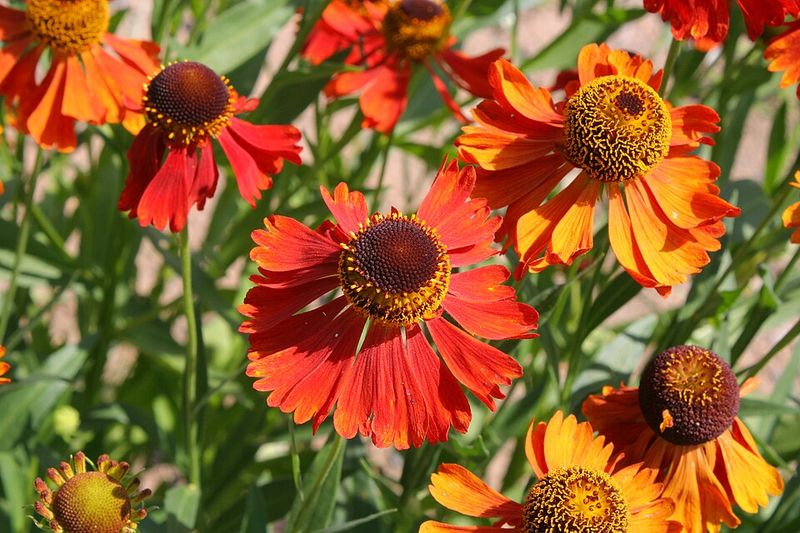
Late summer color can fade fast unless you plant something built for that exact moment. Helenium ‘Moerheim Beauty’ steps in with burnt orange blooms that carry enough red and bronze to feel rich rather than sugary.
Pennsylvania growers appreciate how it peaks when many early performers are slowing down, giving the garden a second wind.
This perennial likes moisture more than drought specialists do, so it works well in beds that hold some water without staying boggy. Pinching stems in late spring can produce a shorter, bushier plant with more flowers and less leaning by August.
Good air circulation is worth paying attention to in humid weather, especially if your borders are densely planted.
Its warm coloring plays beautifully with ornamental grasses, rudbeckia, and deep purple asters, creating that high-season look people notice from the street. Pollinators visit steadily, and the upright habit makes it useful in the middle or back of a border where stronger lines are needed.
If your Pennsylvania garden tends to lose momentum after midsummer, this is one of the smartest orange perennials for restoring energy and depth.
Torch Lily
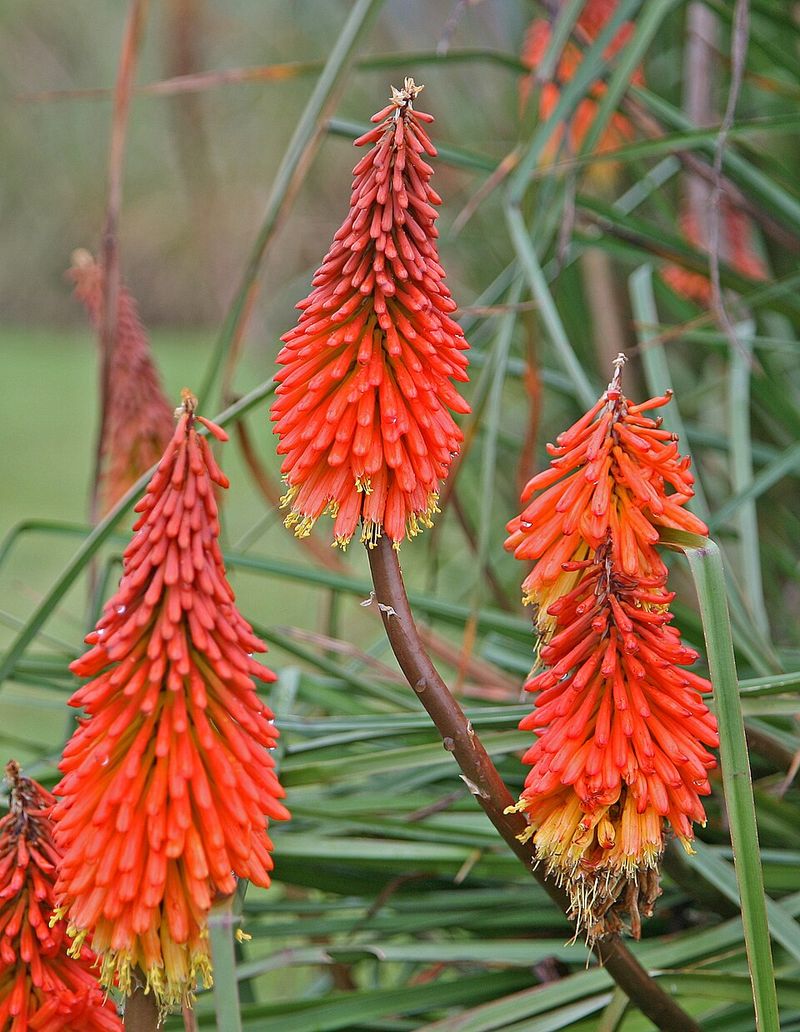
Few flowers create a stronger focal point than a stand of torch lilies rising above the rest of the border. Their poker-shaped blooms shift through orange and warm sunset tones, giving you color plus a distinctly architectural shape.
That combination is why Pennsylvania gardeners use them when a planting needs something more dramatic than another mound of daisies.
Drainage is the deciding factor for success, especially through winter, so raised beds or sloped sites often give the best results. Full sun keeps the flower spikes sturdy, and tying the foliage loosely in fall can help protect the crown from excess moisture in colder areas.
Established plants handle summer heat surprisingly well, which makes them useful during dry stretches.
Because the flower form is so bold, it helps to surround it with simpler companions like salvia, yarrow, or compact grasses. Hummingbirds are frequent visitors, and the vertical spikes read beautifully from a distance, which is helpful if your beds sit far from the house.
If your goal is unmistakable summer impact with a shape that instantly catches the eye, torch lily more than earns its place.
Blanket Flower
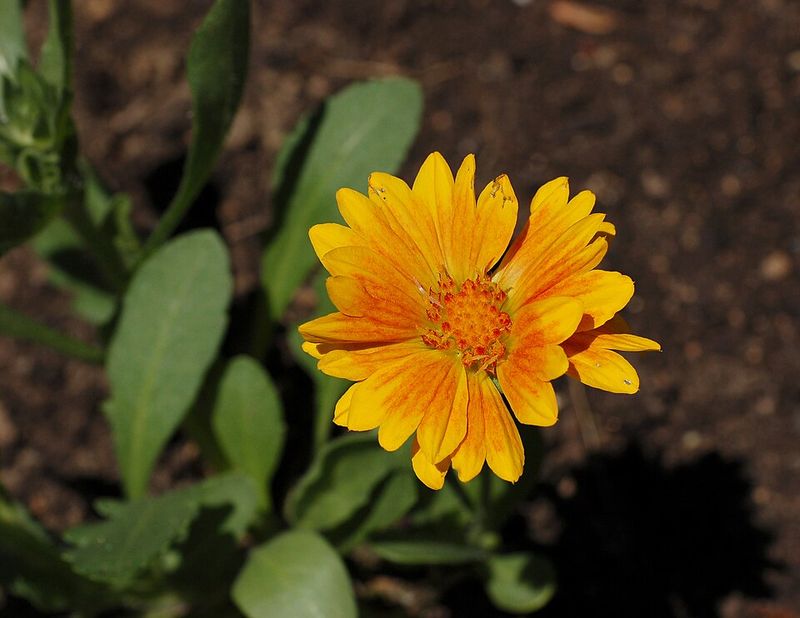
Heat, sun, and lean soil do not bother blanket flower nearly as much as they bother many garden favorites. Orange forms bring a cheerful, slightly wild look that fits informal borders, pollinator patches, and even tougher curbside plantings.
In Pennsylvania, that resilience becomes especially valuable when summer turns hot and watering routines get inconsistent.
Sharp drainage is important, because winter wet can do more harm than summer dryness. Once the plant is established, it usually flowers heavily with minimal feeding, and too much fertilizer can actually make it less impressive.
Deadheading keeps the display cleaner and often extends bloom, though leaving a few seed heads is fine if you do not mind a more relaxed look.
Its daisy form pairs easily with coreopsis, salvia, and yarrow, so it is simple to work into an existing border without redesigning everything. Bees visit constantly, and the warm orange shades help bridge yellow flowers with red or burgundy ones nearby.
If you want a perennial that looks sunny and generous even in tougher spots, blanket flower is one of the easiest ways to add dependable orange energy.
Orange Milkweed Hybrid
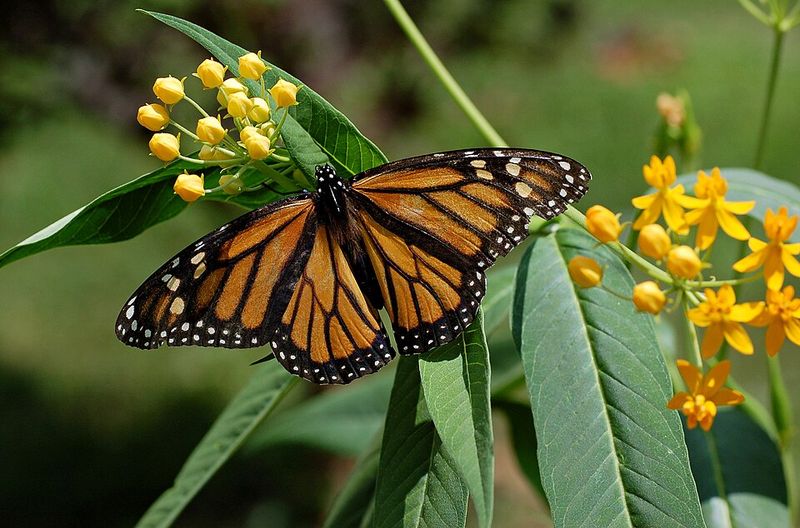
Gardeners who want the pollinator value of milkweed with a slightly more ornamental look often land here. Orange milkweed hybrids offer bright clustered blooms, sturdy habits, and the same ecological usefulness that makes this plant family so important.
For Pennsylvania gardens, that means you can add serious color while also supporting butterflies and other beneficial insects.
Most selections want full sun and soil that drains reasonably well, though they are often adaptable once their roots establish. Avoid overwatering, especially in heavier ground, because strong growth does not need pampering to perform.
Like other milkweeds, they may emerge later in spring than nearby perennials, so marking the spot prevents accidental digging.
These plants look best when combined with companions that do not smother them, such as asters, little bluestem, or compact bee balm. Bloom clusters hold their own visually, and the upright habit helps anchor a pollinator border without making it feel coarse.
If your goal is orange that works hard for wildlife and still reads as intentional garden design, an orange milkweed hybrid is a practical, high-impact choice.
Geum ‘Totally Tangerine’
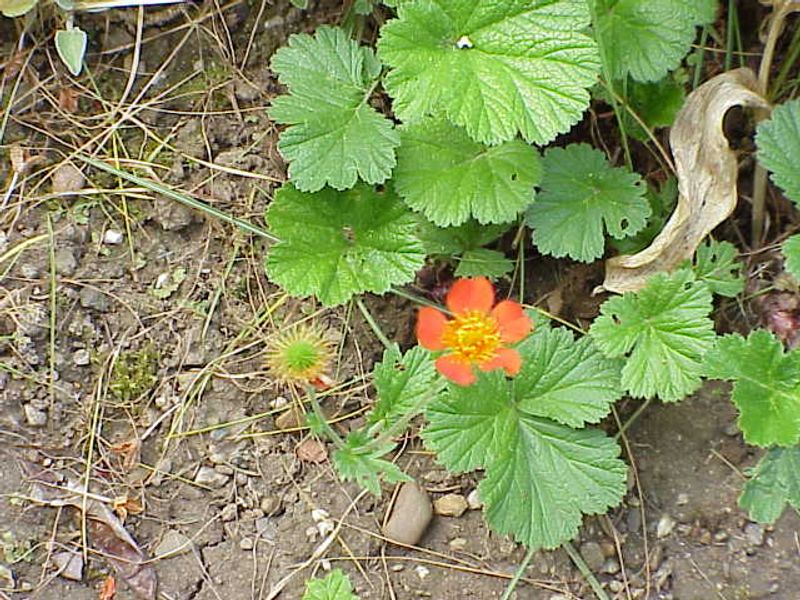
If you want an easygoing perennial that never looks stiff, Geum ‘Totally Tangerine’ earns its place fast. The apricot-orange flowers float on wiry stems for weeks, giving borders a loose, glowing look that feels bright without turning harsh.
In Pennsylvania gardens, it handles summer warmth surprisingly well when soil drains cleanly.
I like pairing it with blue salvia or dark foliage because the color reads richer beside contrast. You also get a long bloom season, tidy clumps, and enough movement to soften more upright plants nearby.
Give it sun, decent drainage, and a little deadheading, and it keeps the whole bed looking intentionally lively.
Asiatic Lily ‘Tiny Orange Sensation’
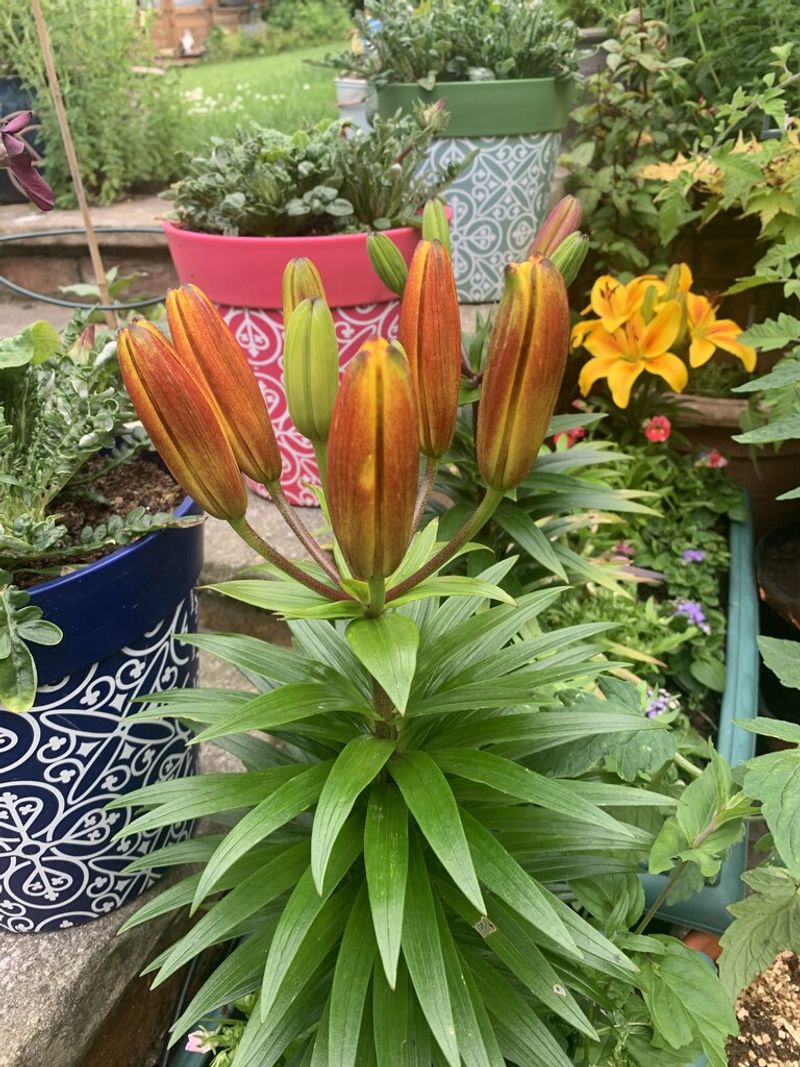
For a cleaner, more upright burst of color, Asiatic Lily ‘Tiny Orange Sensation’ is hard to beat. The blooms come in saturated orange with darker flecking, and they show up right when early summer borders need a stronger second act.
In Pennsylvania, the bulbs settle in nicely if you give them sun and soil that does not stay soggy through winter.
What I love here is its compact habit, which suits smaller beds and borders without losing that classic lily drama. Tuck it among catmint or grasses, and the orange reads brighter.
Once open, the flowers make the whole planting feel sharper and more intentional.