
10 Green-Toned Perennials That Add Unique Texture To Massachusetts Yards
Follow us on Google
A Massachusetts yard can feel flat fast if every plant offers the same leaf shape and the same summer timing. Green-toned perennials fix that problem quietly, adding movement, contrast, and depth long before flowers steal the show.
The best part is that many of these plants handle New England winters, shifting light, and humid summers with very little drama. If you want a landscape that feels layered and interesting from spring through frost, these picks earn their space.
Hosta
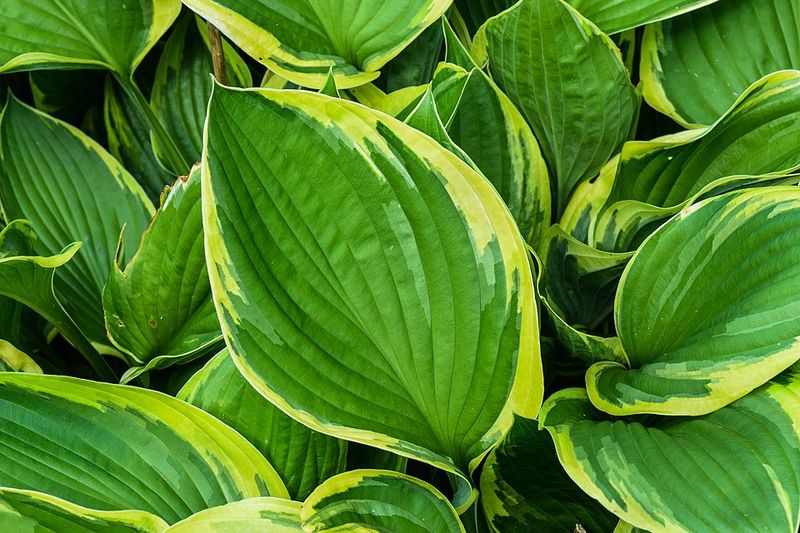
Big, corrugated leaves can anchor a shady bed better than almost anything else, and that is exactly why this plant keeps showing up in Massachusetts yards. You get strong texture from the moment shoots unfurl in spring, especially if you mix blue-green, apple-green, and narrow-leaved types instead of planting one uniform row.
In older neighborhoods with mature maples, that contrast makes a small foundation bed feel much more intentional.
Morning sun and afternoon shade usually keep foliage looking freshest, while rich soil helps leaves reach their full size. I would also leave space around each clump, because crowding hides the sculptural shape that makes hostas worth growing in the first place.
Slug pressure can be real in wet seasons, so better airflow, sharp grit, and careful watering matter more than fancy products.
Try pairing broad leaves with fine textures like ferns or Japanese forest grass for a layered effect that reads clearly from the sidewalk. Frost will flatten everything at the end of the season, but until then, the plant gives your yard a calm, grounded presence.
For dependable green texture in shade, few perennials work harder with less fuss.
Lady’s Mantle
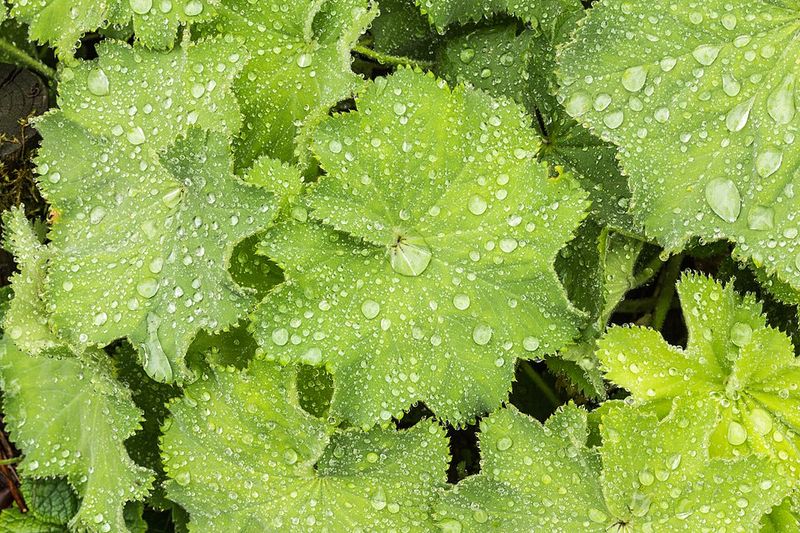
Soft, scalloped leaves bring a velvety look that stands out immediately beside sharper foliage, and the effect is even better after rain. Water beads on the surface like tiny glass droplets, so a simple walkway bed suddenly catches attention without relying on bright flowers.
That subtle showiness fits Massachusetts gardens beautifully, especially around stone edging and older brick foundations.
Cooler weather keeps the foliage neat, which makes this perennial especially useful in spring and early summer when yards need fresh texture. I like placing it near paths where you can actually notice the rounded leaf shape instead of losing it behind taller plants.
If flower stems start to look messy, a light trim often keeps the mound dense and attractive for the rest of the season.
Good drainage matters, because soggy soil can shorten its best performance during humid stretches. Pair it with upright forms like iris, baptisia, or foxglove to make the leaf silhouette read more clearly from a distance.
In a mixed Massachusetts border, this plant works like visual stitching, connecting different colors and heights while keeping the whole bed feeling soft, grounded, and quietly polished through much of the growing season.
Japanese Forest Grass
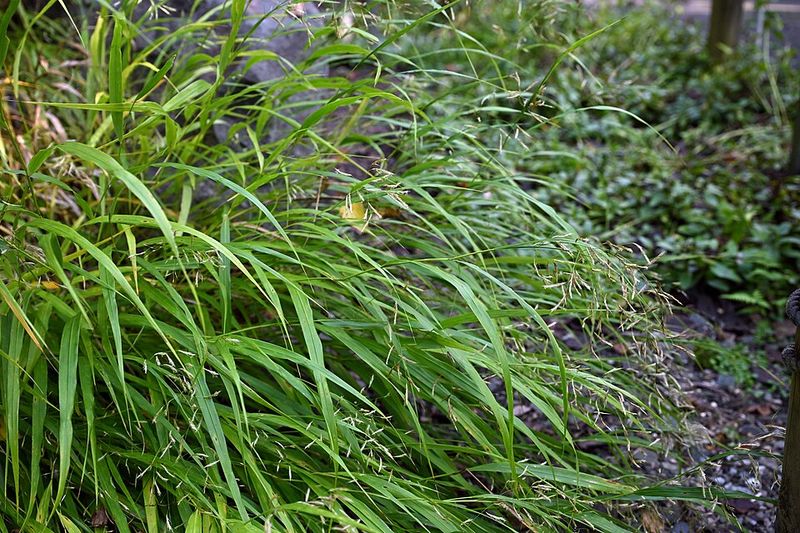
Few plants create motion in a shady border as naturally as this one, thanks to its cascading blades and graceful mound. The texture is finer than hosta but fuller than most groundcovers, so it fills visual gaps without feeling heavy.
In a Massachusetts yard with stone steps or a sloped bed, that soft spill can make the whole area feel more finished.
Part shade with moist, well-drained soil usually gives the best performance, especially where hot late afternoon sun is limited. I would not rush to divide it often, because mature clumps develop a better fountain shape over time.
Patience pays off here, and once established, the foliage becomes one of those details visitors notice even when nothing else is blooming.
Use it to soften hard edges around retaining walls, tree roots, or the front of a woodland planting. The green forms are especially useful when you want texture without adding another bright color to a busy border.
Combined with hellebores, ferns, or dark mulch, the arching habit adds depth from spring into fall, and its gentle movement in a breeze keeps shaded Massachusetts gardens from looking static or overly dense.
Hellebore
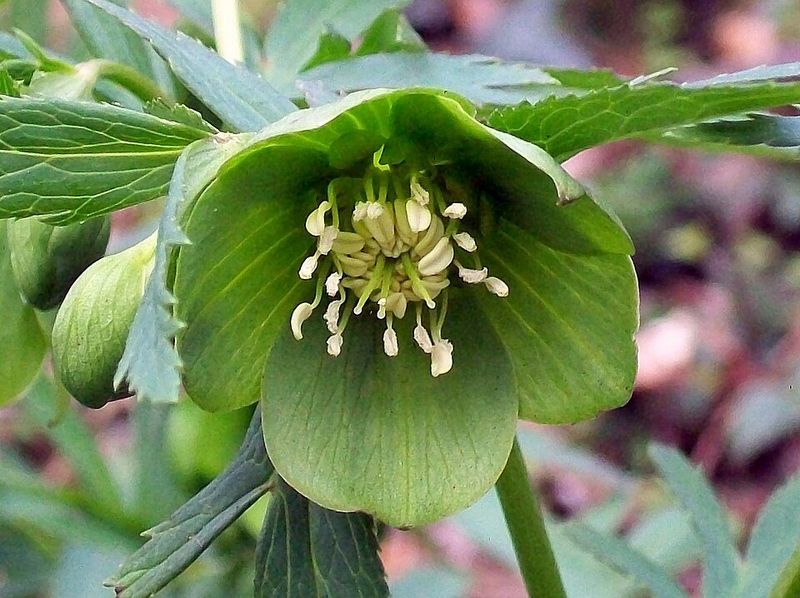
Leathery, divided leaves give this perennial a sturdier texture than many shade plants, which is part of its appeal in New England gardens. Even after the flowers fade, the foliage keeps doing useful visual work, holding structure at the front of borders when spring bulbs disappear.
That dependable presence matters in Massachusetts, where shoulder seasons can make beds look sparse fast.
Filtered shade and well-drained soil help it settle in, especially near deciduous trees where winter light reaches the plant before the canopy fills out. I like cutting away tired old leaves in late winter so the fresh growth and blooms are easier to see.
That quick cleanup also improves air circulation and keeps the clump looking intentional rather than worn out.
Because the foliage is glossy and deeply cut, it pairs beautifully with softer textures like epimedium, sedges, or forest grass. Tuck it near an entry path, under shrubs, or beside stonework where its year-round substance can carry the area during dull months.
For homeowners who want green texture that feels refined instead of flashy, this perennial earns its place by looking composed through cold snaps, muddy springs, and the long stretch between peak bloom periods.
Baptisia
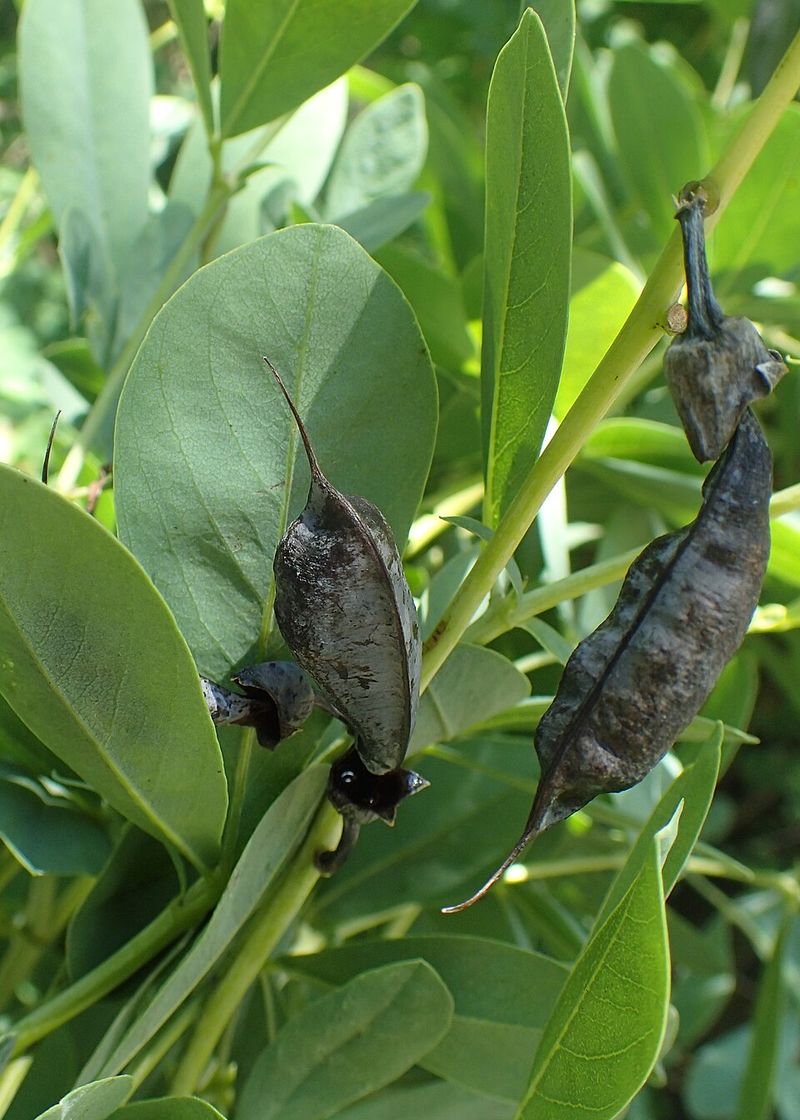
Blue-green leaflets arranged on upright stems give this plant a shrubby texture that reads differently from softer perennials nearby. Even before flowering, the rounded mass looks substantial, making it useful when a sunny bed needs shape without depending on annual fillers.
In Massachusetts yards where spring can be slow, that early structure helps the garden look established sooner.
Deep roots mean it prefers not to be moved once settled, so placement deserves some thought from the start. I would choose a sunny, well-drained spot with room for the clump to widen, because mature plants become broad and architectural.
After a year or two of settling in, it usually asks for very little and handles dry spells better than many traditional border favorites.
The foliage combines especially well with finer grasses, yarrow, or salvia because the leaf shape creates a clean contrast without visual clutter. Dark seed pods later in the season add another layer of interest if you leave them standing.
For a Massachusetts landscape that needs dependable texture in heat, wind, and average soil, this perennial gives you a calm, strong framework that supports flashier blooms without ever fading into the background.
Epimedium
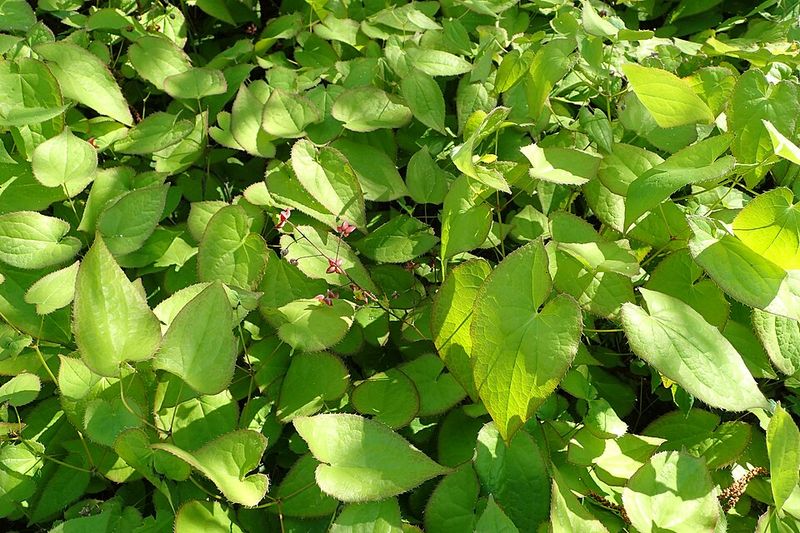
Delicate, heart-shaped foliage gives this ground-hugging perennial a fine texture that feels airy rather than flat. In dry shade, that can be hard to find, especially under mature trees where many plants struggle to settle.
Massachusetts homeowners dealing with root competition often end up appreciating this one long after trendier choices fade out.
Once established, it handles lean conditions with surprising grace, though it still looks best with some compost and occasional spring moisture. I like shearing off old leaves in late winter so the fresh growth starts clean and the small flowers are easier to notice.
That simple task keeps the patch from looking tired and helps the foliage color show more clearly as the season advances.
Use it where mulch constantly slides, where tree roots make planting tricky, or where a shady side yard needs a softer floor layer. The leaf shape contrasts nicely with hellebores, ferns, and hostas, giving mixed shade plantings a more detailed, collected look.
If your Massachusetts yard has those awkward pockets that never seem finished, this perennial fills space thoughtfully, adds quiet movement, and provides a textured green carpet that looks intentional instead of merely convenient.
Solomon’s Seal
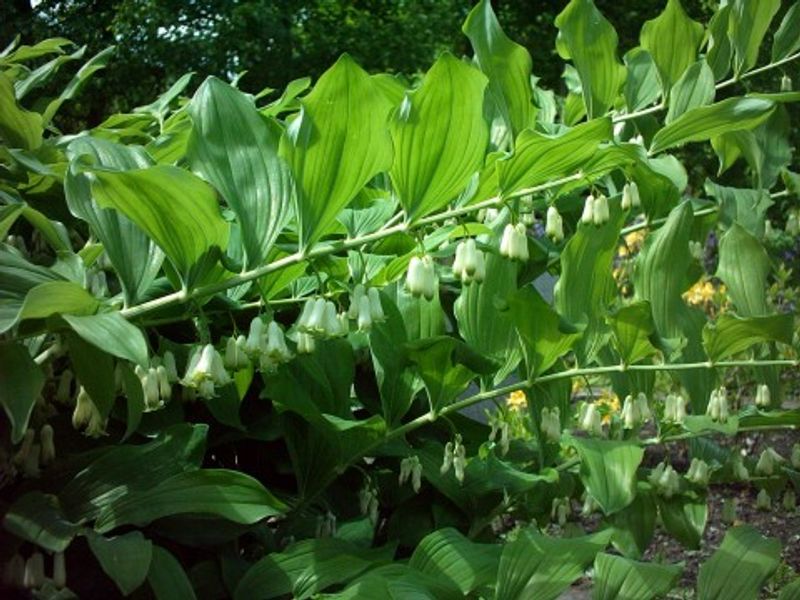
Arching stems lined with smooth green leaves create a graceful rhythm that few shade perennials can match. The habit feels structured and relaxed at the same time, which makes it especially useful in Massachusetts woodland borders that need height without bulk.
Along a fence line or under high tree canopy, those repeating curves can make a narrow planting bed feel deeper.
Moist, humus-rich soil helps it spread steadily, though it is usually not difficult once planted in the right light. I would give it room to naturalize rather than stuffing it into a crowded front edge, because the arching stems deserve space to show their form.
The dangling spring flowers are charming, but the real value lasts longer in the foliage silhouette.
Pair it with broad hostas, matte hellebore leaves, or fine sedges to highlight its clean, layered texture. It also works well near paths where the stem pattern can be appreciated up close instead of blending into background greenery.
For Massachusetts yards with partial to full shade, this perennial adds movement and elegance without demanding constant dividing, staking, or fussing, and that combination makes it one of the smartest green-toned texture plants you can tuck into a long-lived planting plan.
Lady Fern
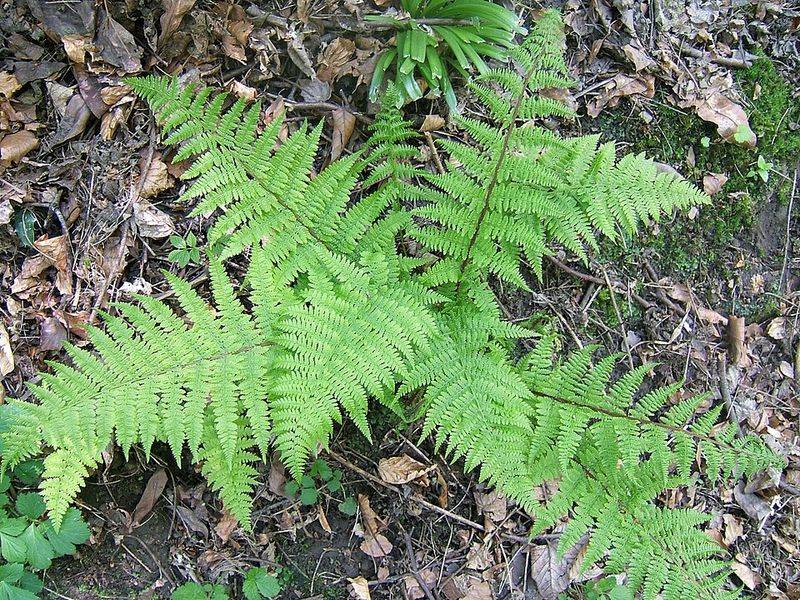
Feathery fronds can lighten a shady planting instantly, especially when nearby leaves are broad, glossy, or heavy. That fine texture brings balance to Massachusetts foundation beds where hostas and shrubs might otherwise dominate the scene.
In humid summers, the fresh green color also helps darker corners feel more open and layered instead of stagnant.
Consistent moisture and organic soil keep the fronds looking full, though this fern is more adaptable than many gardeners expect. I like placing it where morning sun filters in, because that little bit of light often sharpens the form without scorching the foliage.
If a clump gets tattered late in the season, selective cleanup is usually enough to keep the planting neat.
Use it to soften hard transitions between stone, lawn, and shade beds, or thread it through woodland plantings for a natural look. The fronds contrast beautifully with bold hostas, hellebores, and the rounded leaves of lady’s mantle, creating a more complete texture palette.
For Massachusetts yards that need movement in calm green tones rather than loud color, this perennial delivers a gentle, classic presence that feels at home in both informal cottage landscapes and more restrained, traditional designs around older houses.
Sedge
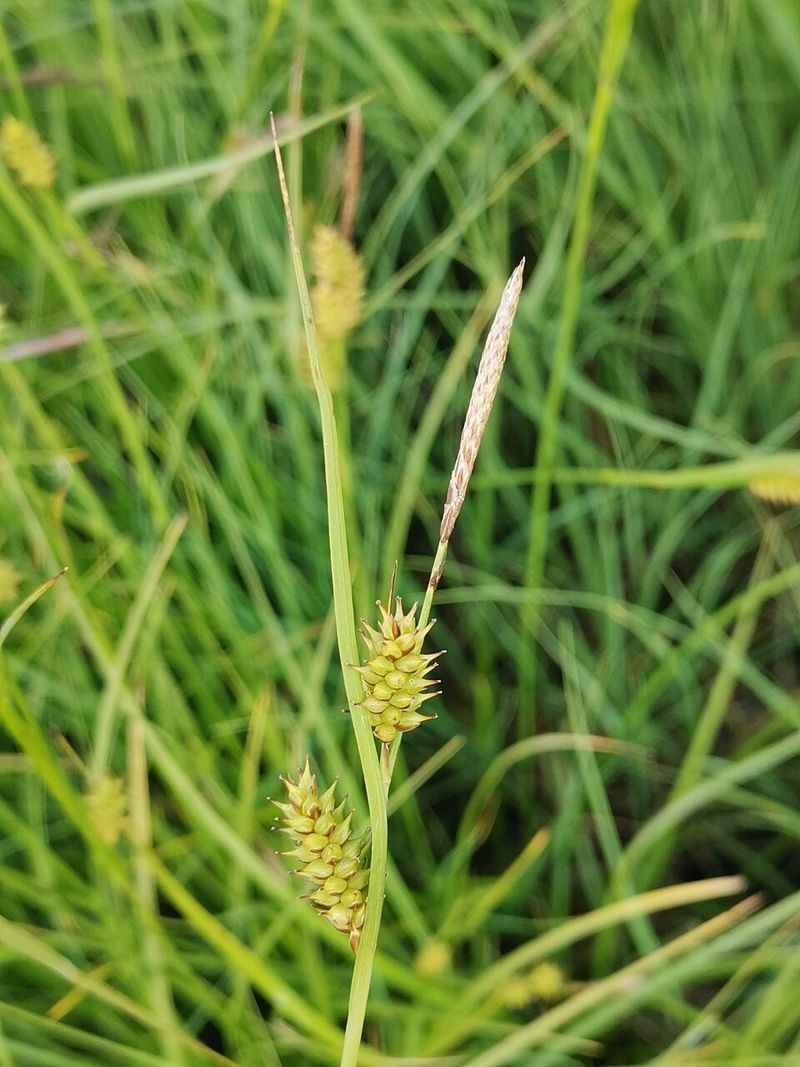
Fine, grassy blades can do a surprising amount of design work, especially when a border needs movement without extra height. Many garden sedges stay tidy and mounded, giving Massachusetts yards a useful textural bridge between broad-leaved perennials and taller shrubs.
That makes them valuable in modern plantings, woodland edges, and even narrow side-yard beds that need a softer outline.
Different species prefer different conditions, so matching the plant to the site is the main trick here. I would look for hardy sedges suited to part shade or dry shade, depending on your yard, rather than grabbing a random nursery label that simply says ornamental grass.
Once the right choice is in place, maintenance is refreshingly light, often limited to a quick spring combing or trim.
Try repeating sedges in several spots to unify a mixed planting and keep the eye moving across the yard. Their narrow blades contrast well with hostas, ferns, baptisia, and spring bulbs, helping each form stand out more clearly.
In Massachusetts gardens where weather shifts quickly and bloom windows can feel brief, sedges provide a steady green texture that quietly supports the whole design from spring through late fall with very little attention.
Goat’s Beard
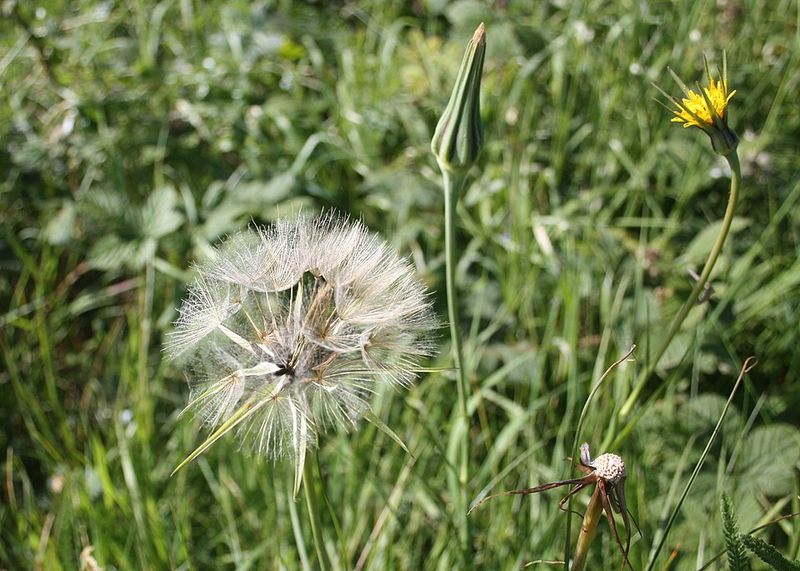
Large, divided leaves give this perennial a bold but airy presence that fills space beautifully in part shade. Before the flower plumes even arrive, the foliage already contributes a coarse texture that can hold its own beside shrubs and small trees.
That is useful in Massachusetts yards where mixed borders often need stronger leaf structure to avoid looking flat by midsummer.
Moist soil and some shelter from harsh afternoon sun usually produce the best-looking plants, especially during hot spells. I like using it toward the middle or back of a border so the substantial foliage can create a backdrop for finer textures in front.
Since mature clumps get broad, giving them breathing room prevents the planting from turning into a crowded green wall.
Pair it with ferns, hostas, or sedges to create contrast among leaf sizes while keeping the palette mostly green and calming. In rain gardens or damp side yards, it can provide the kind of volume many perennials struggle to maintain through summer.
For homeowners who want a perennial that brings both height and texture to Massachusetts landscapes, this one offers a strong seasonal framework and a woodland character that feels grounded, practical, and impressively reliable over time.