
How Florida Gardeners Keep Hanging Baskets Alive Through Intense Heat
Follow us on Google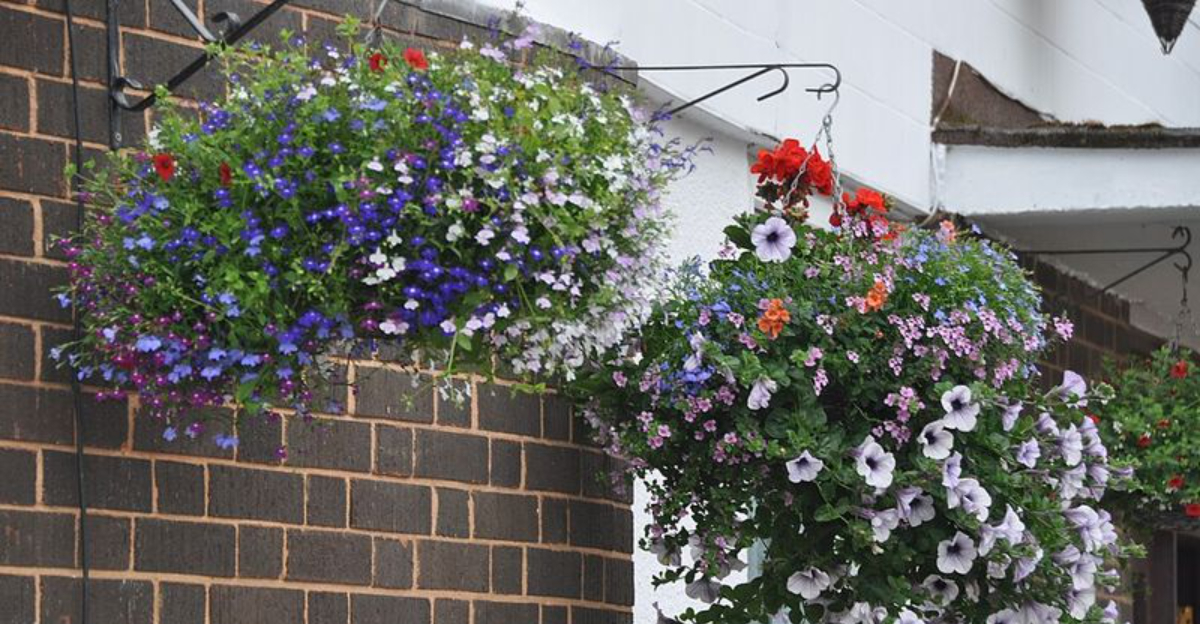
Florida heat can turn a beautiful hanging basket into a crispy mess faster than most gardeners expect. The combination of blazing sun, warm nights, drying wind, and sudden downpours creates a surprisingly tough environment for plants in containers.
If your baskets look amazing in spring and exhausted by midsummer, you are not doing anything wrong. A few smart adjustments can keep them full, colorful, and healthy even through the hardest stretch of the season.
Water Early and Deeply
By midmorning in Florida, a hanging basket can already be losing moisture faster than roots can absorb it. I have found that watering at sunrise gives plants a full reservoir before the sun starts pulling moisture from leaves and soil.
A slow, deep soak works better than a quick splash because peat based mixes can stay dry in the center even when the top looks wet.
One pass is often not enough during extreme heat. I like to water until it runs through, wait a minute, then water again so the root ball fully rehydrates instead of shedding water down the sides.
If the basket still feels suspiciously light by late afternoon, a small second drink can help, but avoid keeping it soggy overnight.
Your best guide is the basket itself. Lift it daily, press the soil, and notice how quickly some spots dry if the plant is root bound or exposed to wind.
Once you learn that rhythm, you stop guessing and start preventing stress before wilt turns into flower drop, brown edges, and a basket that never quite recovers.
Use Larger, Heat-Smart Baskets
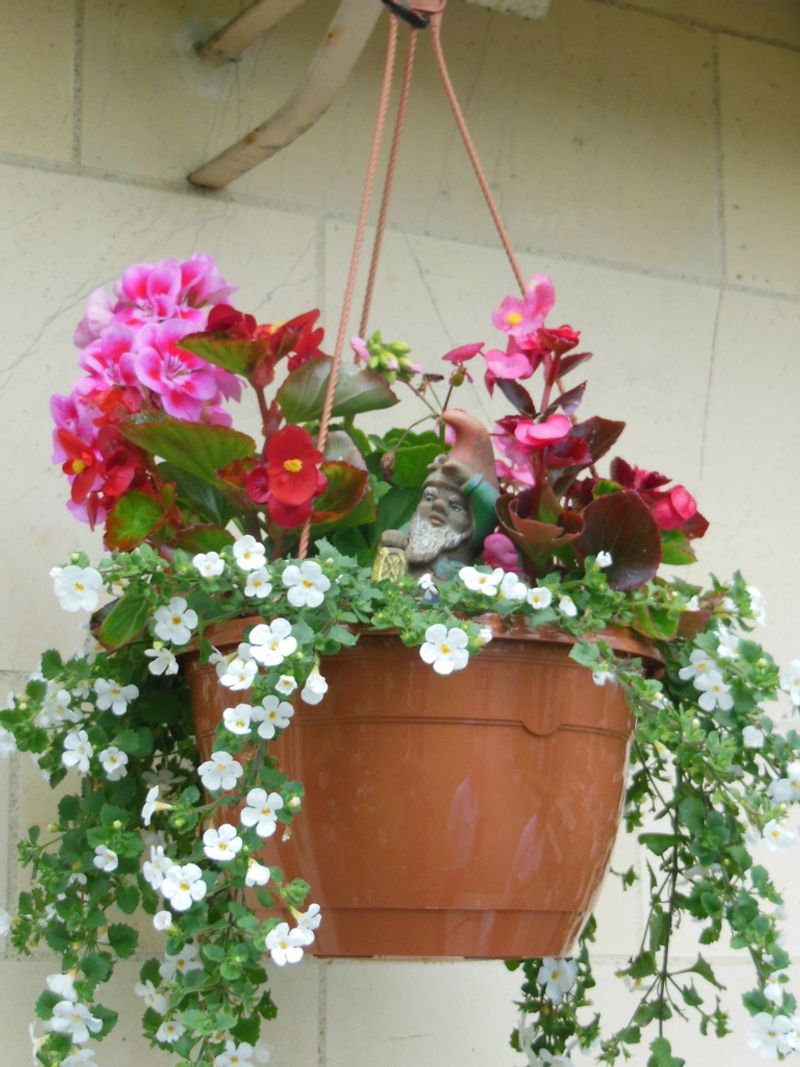
Small hanging baskets may look charming in spring, but Florida summer exposes every weakness they have. A tiny container holds very little soil, which means less water, fewer nutrients, and hotter root temperatures by midday.
When I want baskets to last beyond a few pretty weeks, I start with the biggest container that fits the space and does not become dangerously heavy.
Size matters, but material matters too. Thick plastic, resin, or self watering baskets usually hold moisture longer than thin wire frames lined with coco fiber, which dry out fast in hot wind.
Coco liners can still work if you love the look, but they need closer attention and often more frequent watering than most people expect.
Think of the container as insulation for the roots. More soil volume creates a buffer against heat spikes, missed waterings, and sudden afternoon scorch.
If you are redoing tired baskets, moving from a ten inch pot to a fourteen inch basket is one of the simplest changes that can noticeably improve plant stamina, flower production, and day to day maintenance.
Build a Moisture-Holding Potting Mix
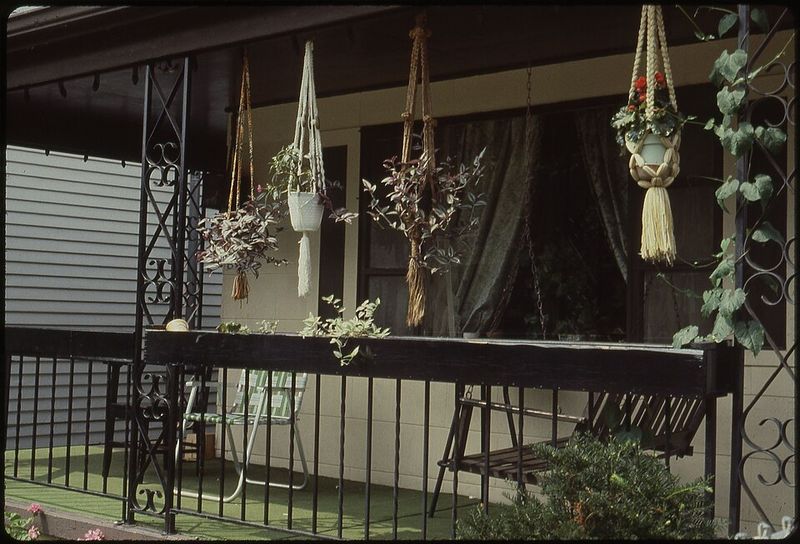
Regular garden soil is too heavy for hanging baskets, but some lightweight mixes dry out so quickly in Florida that plants struggle by noon. I prefer a premium potting mix that includes peat or coir for moisture retention, perlite for airflow, and a little compost for steadier texture.
The goal is not a muddy basket, but a mix that stays evenly damp long enough for roots to keep working.
Before planting, I like to pre moisten the mix so it is uniformly hydrated. Dry potting soil can repel water at first, sending it straight through the basket while the root ball stays thirsty in the middle.
Adding a controlled release fertilizer at planting time also helps because intense watering can wash nutrients away faster than many gardeners realize.
If your baskets repeatedly dry out within hours, refresh the mix instead of blaming the plant. Over time, roots fill every gap, old media compresses, and water either rushes through or misses dry pockets entirely.
Replanting with a fresh, moisture holding blend often gives tired summer baskets a second life that looks much better than simply watering harder every day.
Choose Plants That Like Florida Summers
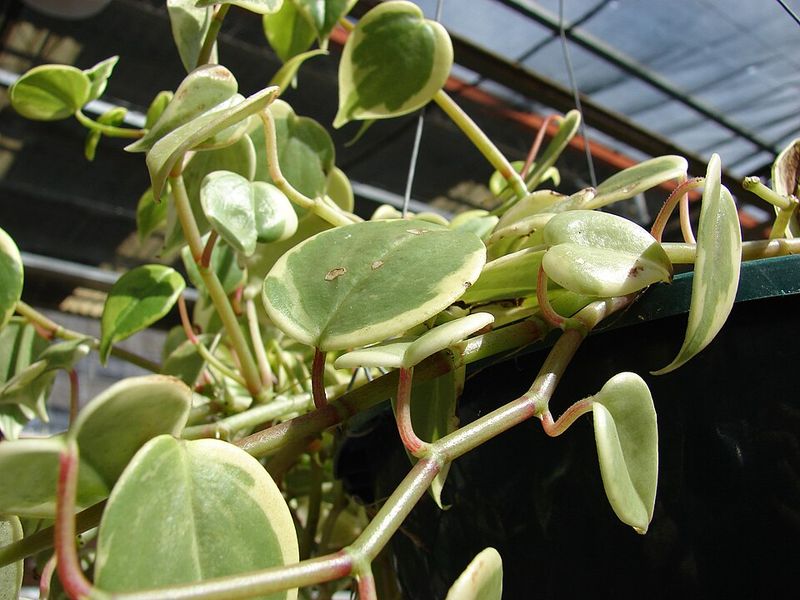
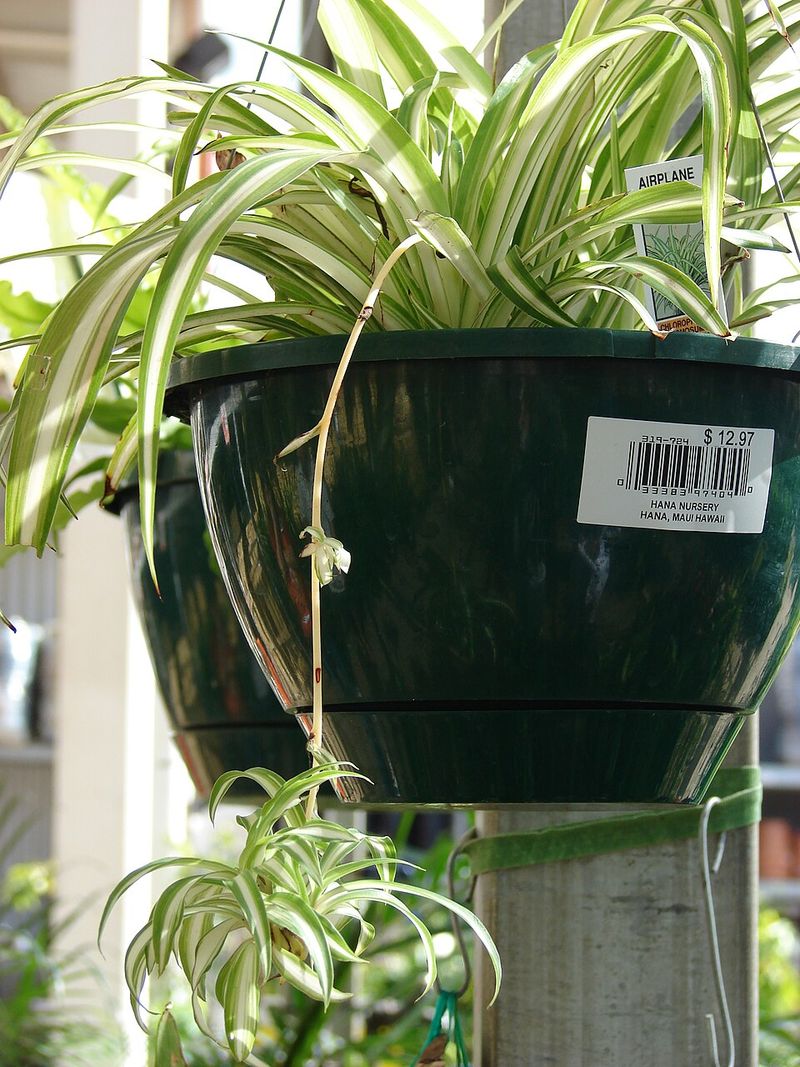
Some baskets fail because the care is wrong, but many fail because the plants were never suited to a Florida summer in the first place. Cool season favorites that look fantastic in spring can fade fast once nights stay warm and humidity climbs.
I get much better results by choosing heat loving plants like purslane, scaevola, pentas, lantana, vinca, sweet potato vine, or certain calibrachoa varieties bred for tougher conditions.
It also helps to match the basket to the exact light you have instead of the light you think you have. A porch that gets five blazing afternoon hours is very different from one with bright shade all day.
Reading plant tags is useful, but local nursery staff often know which varieties still look good by August instead of merely surviving.
Mixing plants with similar water and sun needs saves trouble later. Pairing a thirsty flowering annual with a drought tolerant trailer can create a basket that is always pleasing one plant while stressing the other.
When every plant wants roughly the same conditions, growth stays balanced, maintenance gets simpler, and the basket keeps its shape instead of turning patchy and uneven.
Manage Afternoon Sun and Wind
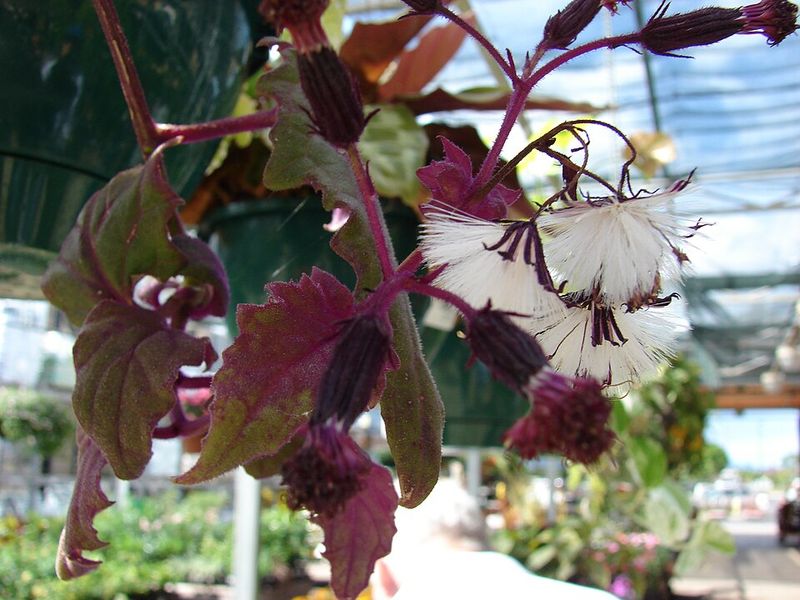
Florida gardeners often blame heat alone, but wind and late day sun can be the real reason baskets collapse. A spot that looks bright and cheerful at breakfast may become brutally reflective by three oclock, especially near stucco walls, pool decks, or concrete patios.
I pay close attention to that afternoon window because it tells me more than the morning ever does.
Many hanging baskets perform better with strong morning sun and some relief after lunch. If yours are cooking, shift them a few feet under a porch edge, pergola, shade sail, or tree canopy where they still get bright light without the harshest exposure.
Even a small location change can lower leaf temperature, reduce water demand, and prevent the repeated wilt cycle that weakens plants over time.
Wind protection matters just as much. Breezy balconies and exposed corners can dry foliage and soil with surprising speed, making you think the basket needs more fertilizer when it really needs a calmer microclimate.
Once I started treating hanging baskets like tiny weather stations instead of simple decorations, it became much easier to place them where they could actually thrive through summer.
Feed Lightly and Groom Often
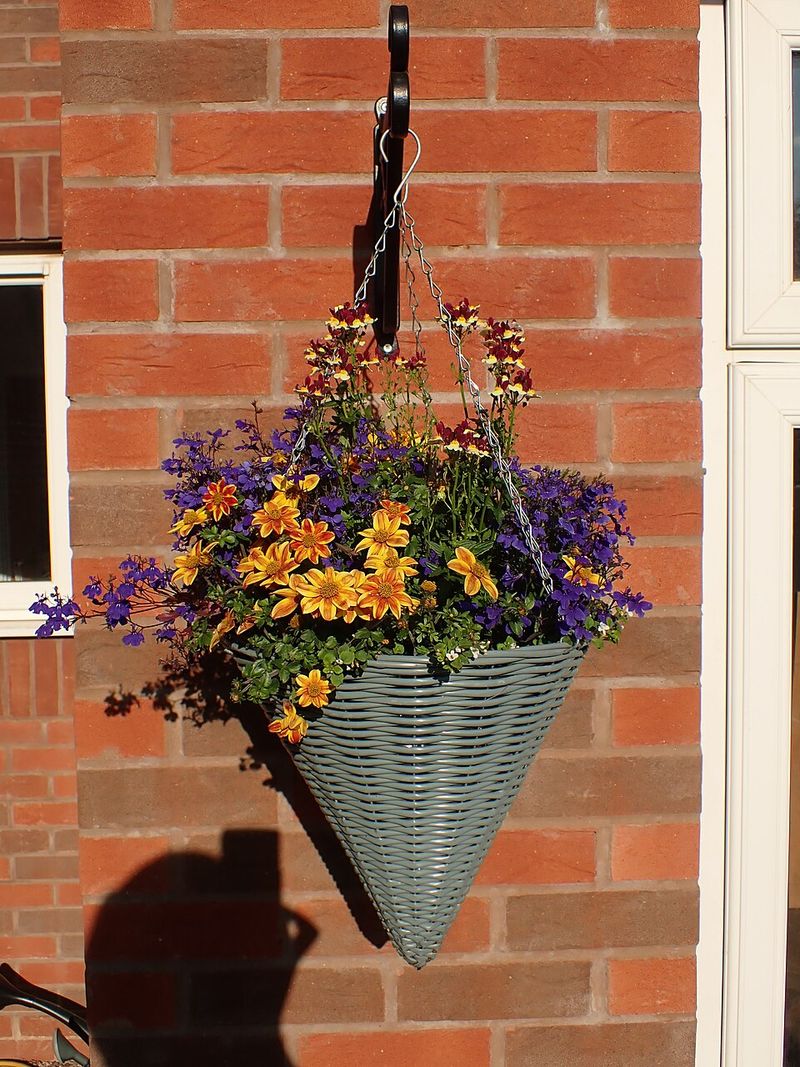
Heavy watering keeps baskets alive in Florida heat, but it also pushes nutrients out of the container faster than many people expect. That is why plants can look pale or stop blooming even when you are watering faithfully.
I like to combine a slow release fertilizer in the soil with a diluted liquid feed every week or two, using a lighter hand rather than one strong dose.
Too much fertilizer during intense heat can backfire. Salts build up, roots get stressed, and soft new growth wilts quickly under the sun.
A modest feeding routine keeps growth steady without forcing the plant to produce more than the weather will comfortably support.
Grooming matters just as much as feeding. Remove spent flowers, yellow leaves, and weak stems before they sap energy and make the basket look tired from a distance.
If growth gets long and sparse, trim it back by a few inches, water well, and give it several days to rebound. That small haircut often encourages branching and fresh blooms, which is why a maintained basket usually looks fuller than one left untouched.
Have a Heat Recovery Plan
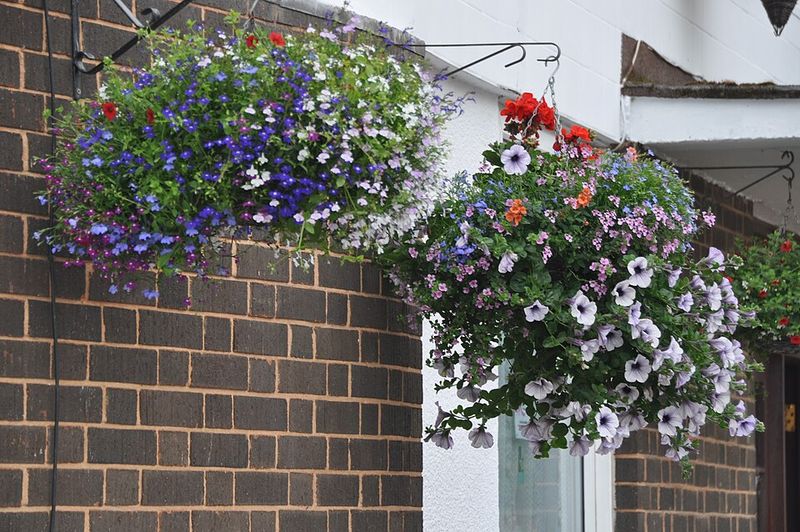
Even well cared for baskets can hit a rough patch after a scorching week, a missed watering, or a sudden burst of dry wind. The key is responding quickly instead of assuming the plant is finished.
When I see a basket badly wilted, I move it into bright shade first, then check whether the soil is truly absorbing water or just letting it run through.
If the root ball has gone bone dry, a top watering may not be enough. Soaking the entire basket in a tub or bucket for several minutes can rehydrate the media far more effectively, especially if the mix has shrunk from the sides.
After that, I trim crispy growth, remove spent blooms, and give the plant a few quieter days out of the harshest sun.
Recovery also means adjusting the routine that caused the stress. Maybe the basket needs a larger container, a different spot, or a second daily check during heat advisories.
Plants usually tell you what failed if you look closely at the pattern, not just the damage. A basket that rebounds once can often stay beautiful for the rest of summer when those clues lead to smarter care.