
10 Compact Flowering Shrubs Perfect For Small Georgia Front Yards
Follow us on Google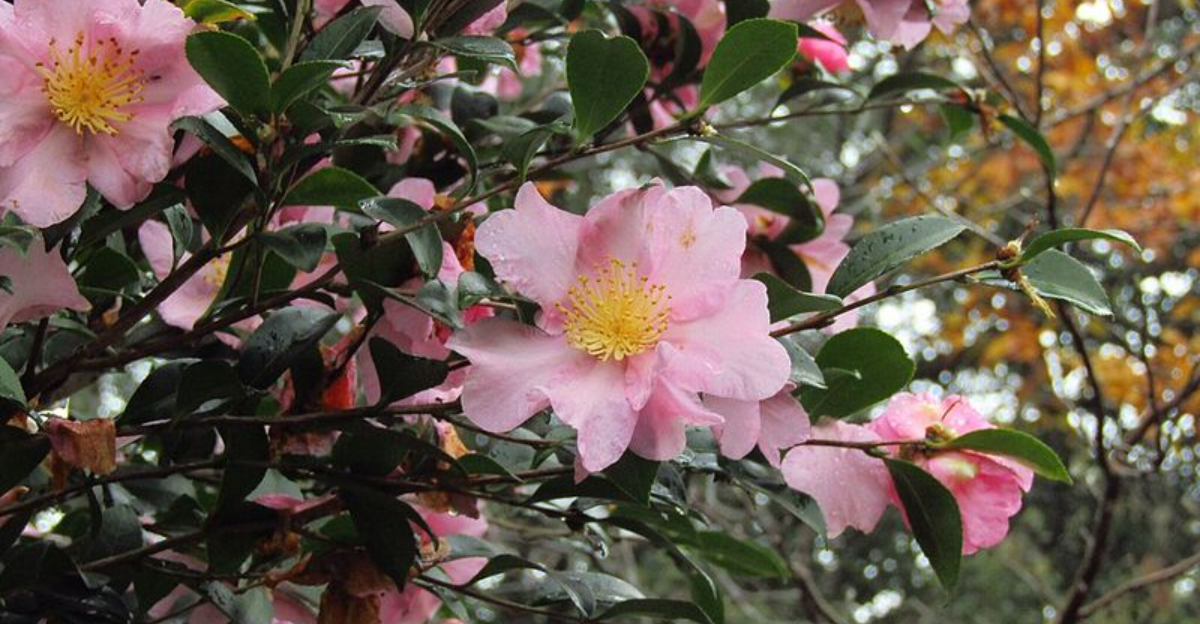
A small front yard in Georgia can still carry serious color, fragrance, and curb appeal if you choose the right shrubs. The trick is picking compact bloomers that handle southern heat, humidity, and the occasional cold snap without swallowing your walkway.
You want plants that look polished near the porch, soften the foundation, and stay manageable through the seasons. These ten flowering shrubs do exactly that, and each one earns its spot in a tight space.
Encore Azalea
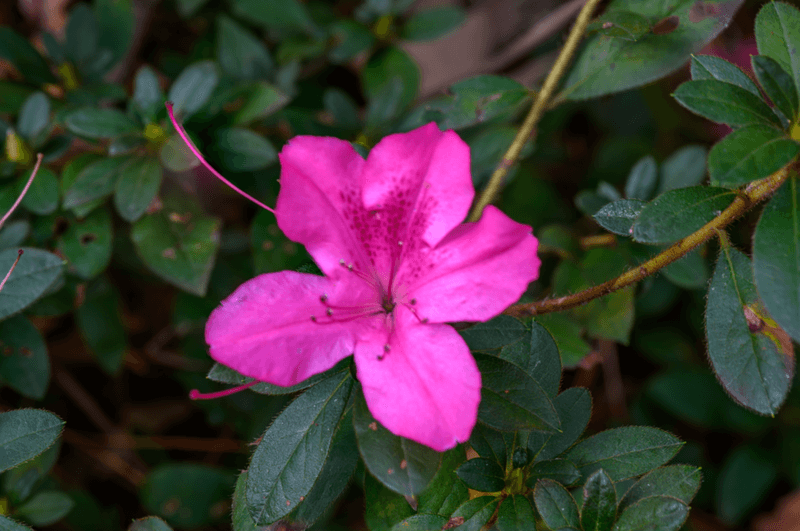
Few shrubs earn their keep in a tight front yard like this one. You get glossy evergreen foliage, a naturally tidy shape, and colorful blooms that often appear in spring, then return in waves through summer and fall.
That repeat flowering habit matters in Georgia, where many homeowners want the entry bed to look alive beyond one short season.
Morning sun with afternoon shade usually gives the best performance, especially in hotter parts of the state. Acidic, well drained soil is important, so it helps to mix in pine bark or organic matter before planting.
A layer of mulch keeps roots cooler and reduces moisture swings during long, humid stretches.
Placement is where this shrub really shines for you. It fits beautifully along a front walk, under windows, or in a curved bed near the porch without looking crowded after two years.
If your house has red brick, white siding, or dark shutters, pink, coral, or lavender cultivars can tie the whole front facade together with very little pruning.
Dwarf Gardenia
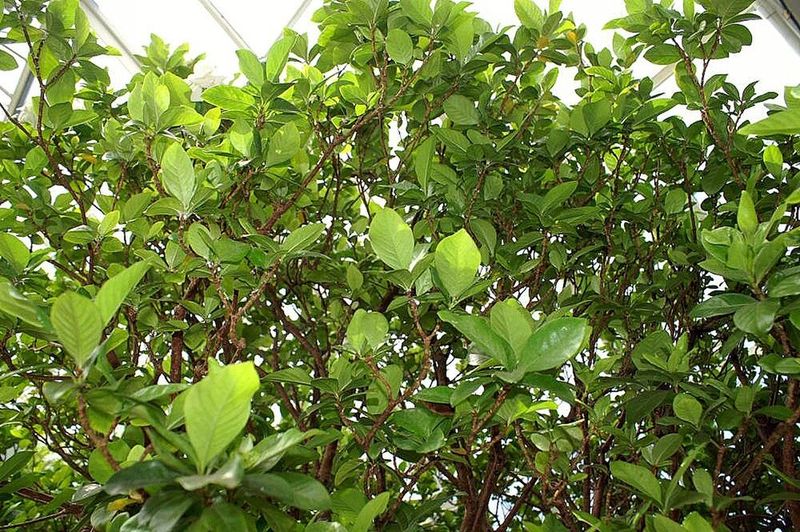
Nothing changes the feel of a front yard faster than fragrance near the front steps. This compact gardenia gives you creamy white flowers, rich evergreen leaves, and a polished look that suits traditional Georgia homes beautifully.
When guests walk by the porch during bloom season, they notice it before they even ring the bell.
Good drainage is the make or break detail here. Heavy clay can be improved with composted bark, and planting slightly high helps prevent root issues during wet periods.
In most of Georgia, a spot with morning sun and filtered afternoon light keeps foliage healthy and flowers from scorching in peak summer heat.
It works best where you can actually enjoy the scent, not hidden in a far corner of the yard. Try one on each side of the steps, or tuck a small grouping near a mailbox bed where the form stays controlled.
A quick trim after flowering usually keeps it dense, and you will appreciate that neat habit when space is limited around windows, paths, and foundation lines.
Little Lime Hydrangea
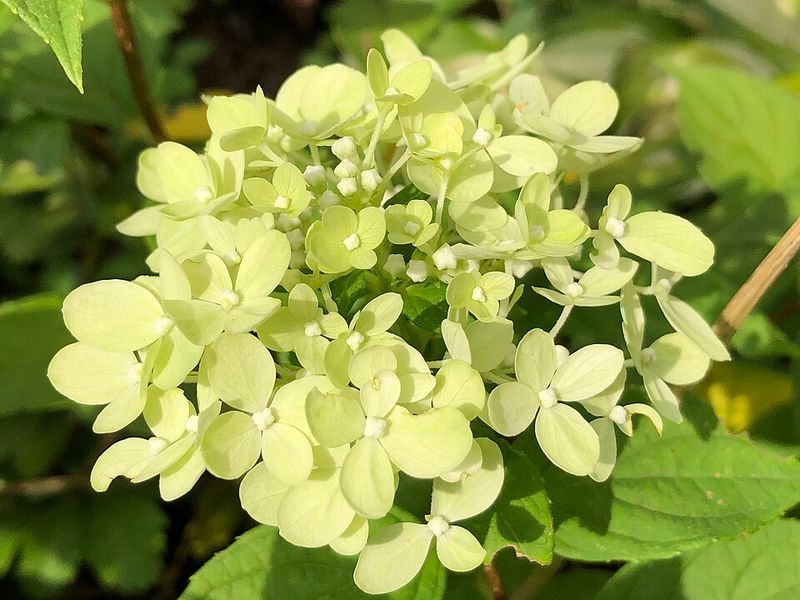
Big hydrangea color does not have to mean a bulky shrub swallowing your front bed. This smaller panicle hydrangea stays much more manageable, yet still produces generous cone shaped blooms that begin soft green, turn creamy white, and often age to pink.
That changing color gives your yard a longer visual season without asking much in return.
Sun tolerance is one reason it performs so well across Georgia. It can handle more direct light than many mophead hydrangeas, though afternoon relief is still helpful in the hottest locations.
Strong stems are another advantage, because summer storms are less likely to flatten the flower heads onto your walkway.
Use it where you need height without a sprawling footprint. One plant can anchor the corner of a foundation bed, and a row of three can define the front of a low porch in a clean, structured way.
Late winter pruning is simple since blooms form on new wood, so you are not stuck guessing which branches to spare after a cold snap or an enthusiastic trim.
Kaleidoscope Abelia
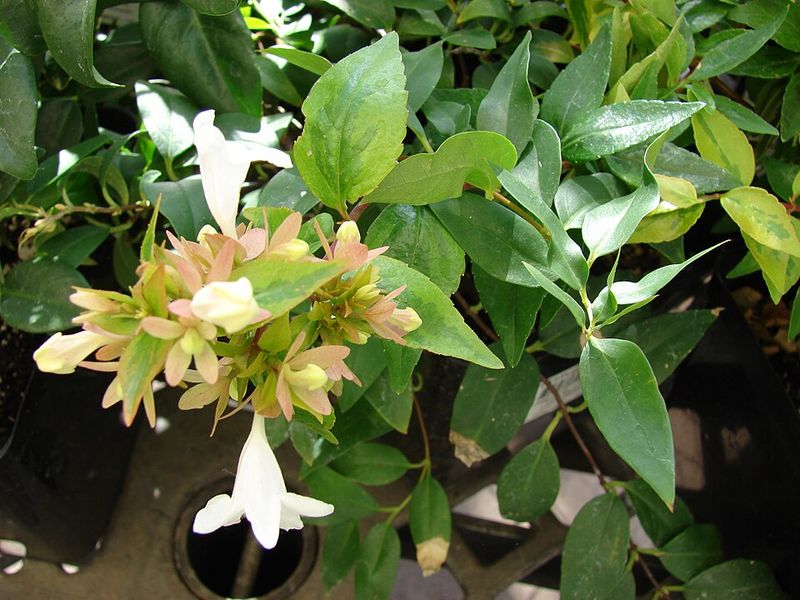
Colorful foliage can carry a small front yard even when flowers are between cycles, and that is where this abelia stands out. Its leaves shift through yellow, green, orange, and red tones depending on the season, while small white blooms add extra interest during warmer months.
You end up with a shrub that looks lively for far longer than many spring only bloomers.
Georgia gardeners appreciate plants that tolerate heat without constant pampering, and this one is refreshingly easygoing. Full sun brings the strongest leaf color, though it still performs in light shade.
Once established, it handles dry spells better than many flowering shrubs, which makes it useful near driveways, sidewalks, and sunny front foundations.
The mounded shape stays naturally compact, so you do not spend weekends hacking it back into submission. It looks especially sharp paired with dark mulch, stone edging, or evergreen companions that highlight its bright foliage.
If your front yard feels flat or too green for most of the year, this shrub adds contrast, flowers, and structure without taking over the limited planting space you actually have.
Dwarf Loropetalum
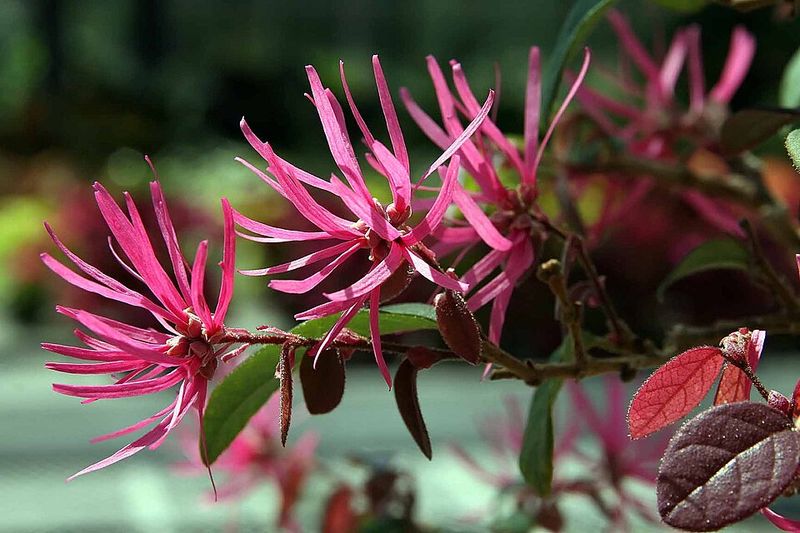
Deep burgundy foliage can make a small front yard look designed instead of accidental, and this shrub delivers that effect all year. In spring, the fringe like pink blooms add a bright burst of color that pops against the darker leaves.
Because many dwarf forms stay compact, you get drama without creating a pruning problem near windows or paths.
Sun helps intensify leaf color, but in much of Georgia it also tolerates a little afternoon shade. Well drained soil matters more than people expect, especially in areas with heavier clay and summer downpours.
A modest mulch ring helps keep roots evenly moist while the plant gets established during its first growing season.
This is a smart choice if your front yard needs contrast against pale siding, stone, or white trim. One rounded plant can anchor a bed by itself, while two or three can create a low, repeating rhythm along the front of the house.
If you want a polished look without relying only on green shrubs, this plant gives you flowers, foliage color, and a tidy footprint in one dependable package.
Dwarf Bottlebrush
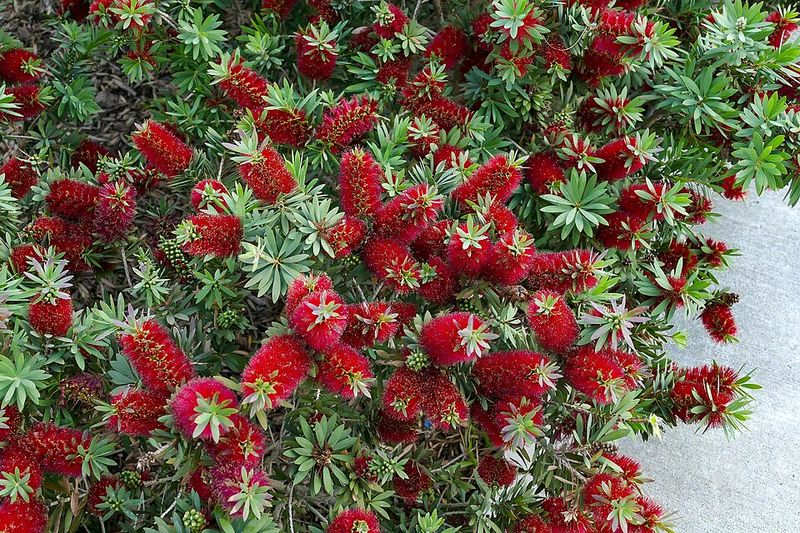
Bright red bottlebrush flowers bring an energetic look that immediately wakes up a small front bed. The blooms are unusual, eye catching, and especially fun near entryways where visitors can see the detail up close.
In the warmer parts of Georgia, this shrub can act almost like a signature plant without needing a huge footprint.
Protection from the harshest winter cold is the key to success. A spot near a south facing wall, brick facade, or sheltered porch gives it a helpful pocket of warmth during cold snaps.
Full sun keeps flowering strong, and fast draining soil prevents the root stress that can happen in soggy winter conditions.
Its compact habit makes it easier to use than larger tropical looking shrubs that quickly outgrow the space. Try it as a focal point in a courtyard style front yard or pair it with low grasses and dark mulch for a clean, modern look.
If you live in coastal or southern Georgia and want something less expected than the usual azalea lineup, this shrub adds color, structure, and personality without overwhelming the yard.
Drift Rose
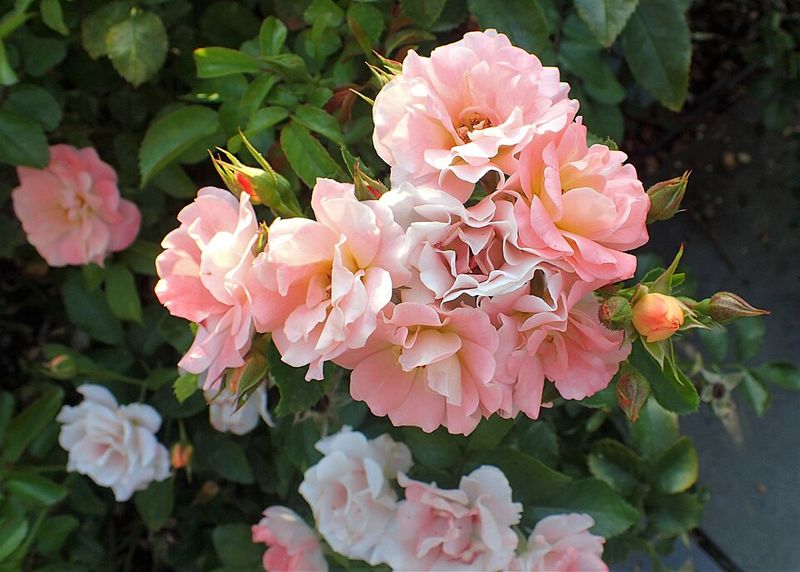
When you want nonstop color without giving up precious square footage, this shrub is hard to beat. It stays low, spreads gently, and covers itself in cheerful blooms for months, which gives a small front yard a finished look without feeling crowded.
In Georgia heat, that kind of steady performance goes a long way.
You still need sun and decent air flow, but care is refreshingly manageable once plants settle in. Tuck one along a walkway, beneath a window, or at the front of a mixed bed, and you get bright flowers, glossy foliage, and a soft, welcoming edge.
Sasanqua Camellia
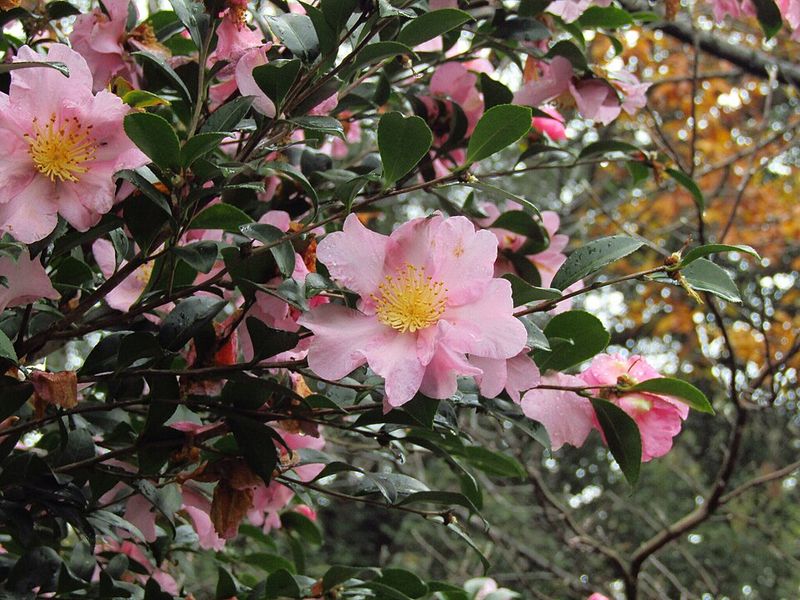
If your front yard gets a little shade, this is one of those shrubs that earns its spot fast. Sasanqua camellias stay dense, evergreen, and surprisingly neat, while their fall blooms arrive right when most landscapes start looking tired.
That seasonal timing gives you color exactly when you notice every bare corner.
Choose a compact variety, and it fits beautifully near an entry, porch, or foundation bed without swallowing the space. The flowers feel refined, the foliage looks polished year round, and in Georgia’s milder winters, you get a shrub that quietly makes the whole front yard seem more established.
Dwarf Spirea
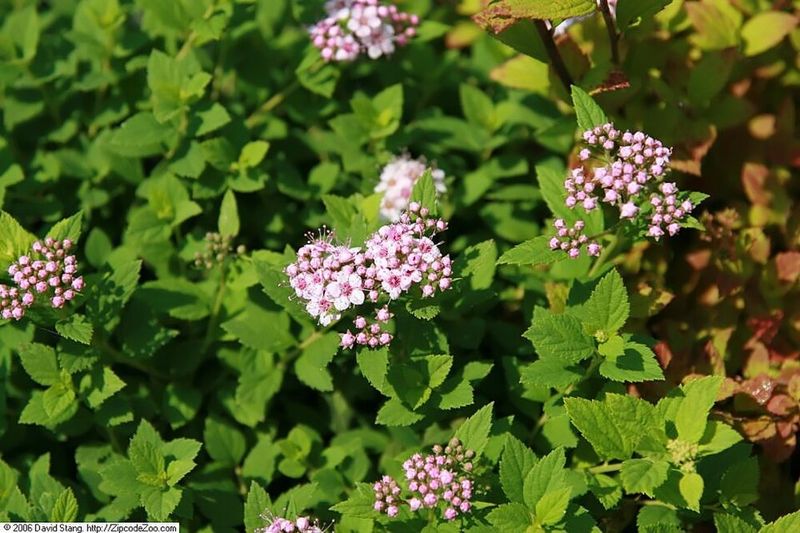
For bright color and a naturally rounded shape, dwarf spirea is one of the easiest ways to fill a small bed. New growth adds interest, and the flower clusters bring a cheerful look that reads well from the street.
It feels tidy rather than stiff, which is a useful balance near the front of a house.
Give it sun, avoid soggy soil, and it settles into a simple routine. In Georgia, heat tolerance matters, especially in front yards where fussier plants can struggle.
Use it to repeat color along a foundation or mailbox bed, and your planting starts looking pulled together fast.
Tea Olive
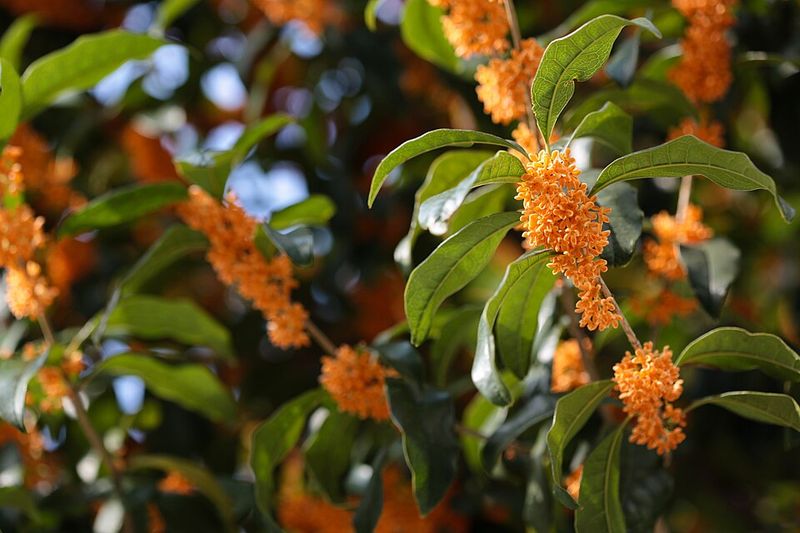
This choice is less about flashy color and more about the kind of welcome people notice before they reach the door. Tea olive carries small creamy blooms, but the real magic is the fragrance, which can drift across the yard on warm Georgia days.
In a compact front space, that sensory payoff makes a big difference.
Look for a smaller cultivar if you are working close to windows or a narrow foundation bed. The evergreen form stays handsome through every season, and the flowers add a quiet charm that feels especially right near porches, paths, and entry gardens where you pass by often.