
12 Florida Wildflowers That Grow Beautifully In Sandy Yards
Follow us on Google
Sandy soil can feel like a gardening challenge until you start planting flowers that actually want those fast-draining conditions. In Florida, plenty of native and Florida-friendly wildflowers handle heat, bright sun, and lean soil without asking for constant fuss.
The right picks can give you long bloom seasons, pollinator activity, and a yard that looks colorful instead of washed out. If your landscape dries quickly and shrugs off richer plants, these wildflowers are the ones worth planting first.
Blanket Flower
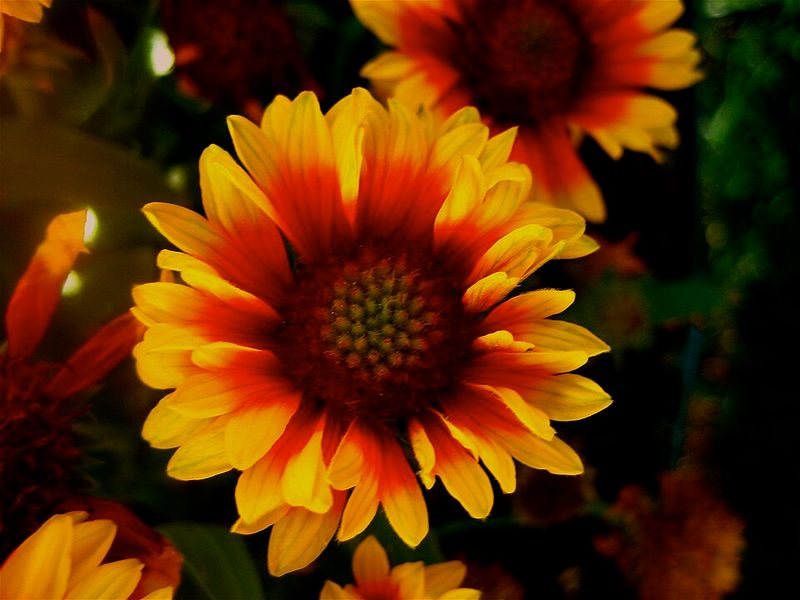
Sandy Florida yards often dry out fast, and that is exactly where this cheerful bloomer proves its value. You get fiery red and yellow flowers that keep showing up through heat, salt, and long sunny afternoons when fussier plants start to fade.
It brings that relaxed roadside wildflower look, but it still feels intentional when planted in small drifts near walkways or mailboxes.
Good drainage matters more than rich soil, so skip heavy compost and give it a spot with at least six hours of sun. During the first few weeks, water enough to help roots settle, then back off so the plant learns to handle dry spells on its own.
Deadheading helps extend bloom time, though I have seen it keep producing even when gardeners forget that step for a while.
Butterflies visit often, and the flowers hold their color better than many short lived annuals in blistering weather. Pair it with beach sunflower, muhly grass, or coreopsis for a yard that feels easy instead of overworked.
If your sand is poor and your schedule is busy, this is one of the safest wildflower choices you can plant.
Beach Sunflower
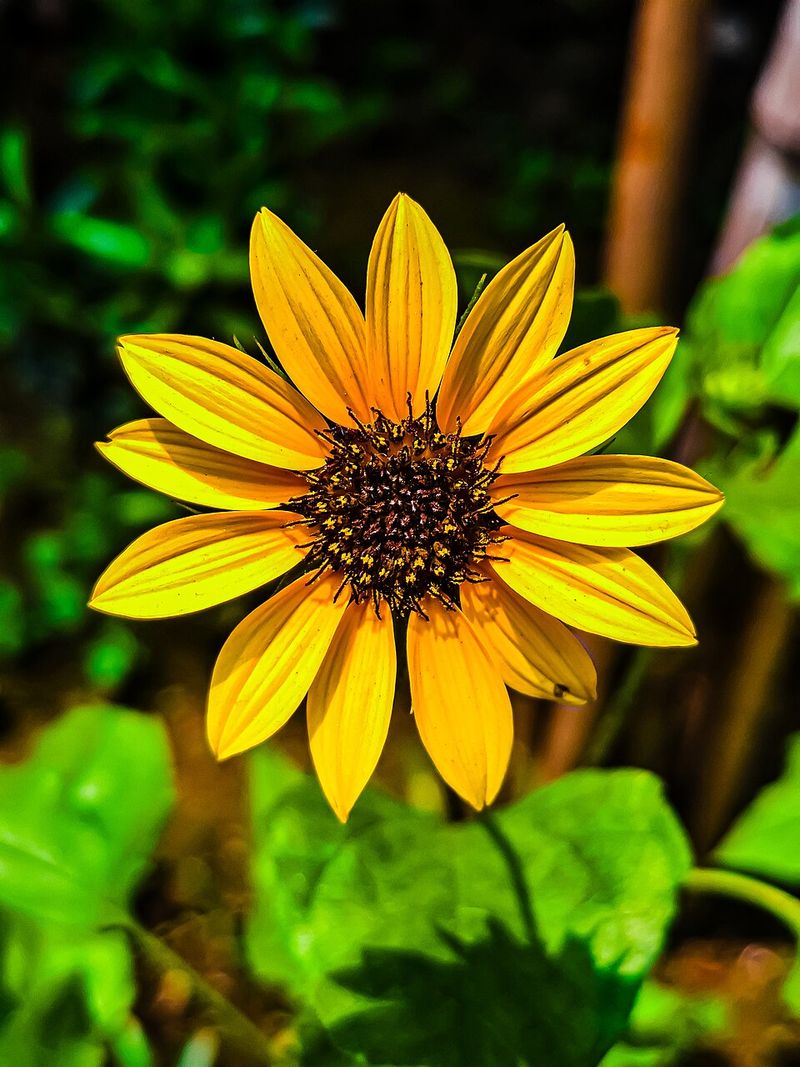
Few plants handle Florida sand with as much confidence as this low, sunny groundcover. You get bright yellow flowers, dark green foliage, and a spreading habit that softens bare patches where turf struggles.
It is especially useful in yards that bake near driveways, sidewalks, or the street, where reflected heat makes other flowers look tired by midsummer.
Full sun is the sweet spot, and the leaner the soil, the happier it usually seems. Start with small nursery plants spaced a couple of feet apart, because they fill in wider than many people expect after a growing season.
Water regularly at planting time, then reduce irrigation once you see new growth, since soggy conditions can make it look thin and weak.
A light trim every so often keeps the shape compact and encourages fresh flowering tips. You can use it as a flowering groundcover, let it spill over a low wall, or weave it through a mailbox bed where it hides sand beautifully.
If you want a yard that looks bright, coastal, and forgiving, this one earns its place quickly.
Lanceleaf Coreopsis
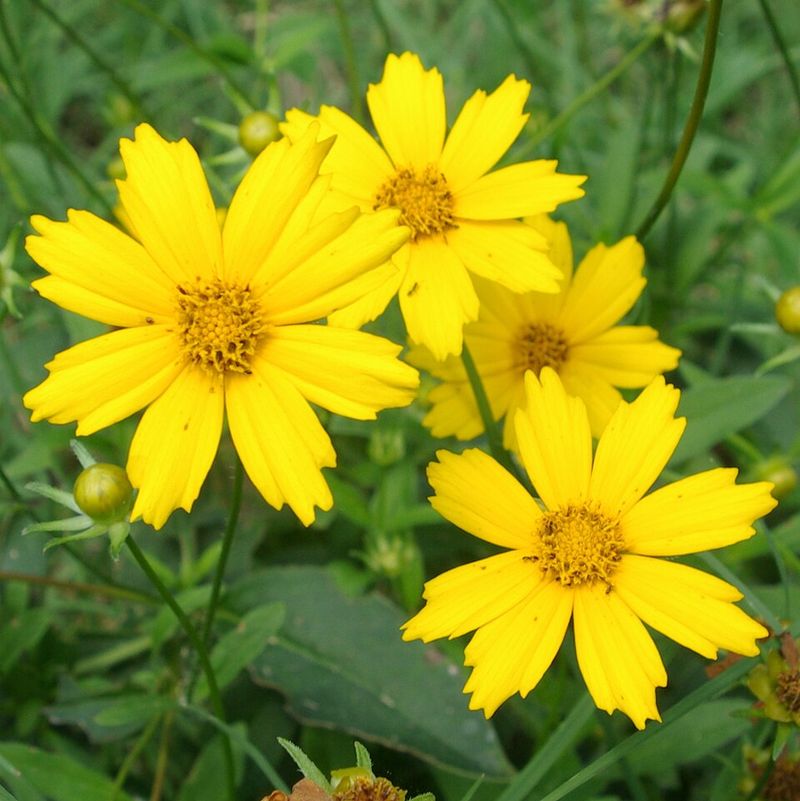
Golden blooms on slender stems can make a sandy yard look brighter without making your maintenance list longer. This Florida friendly wildflower has a light, airy look that fits casual cottage beds, roadside style plantings, and native patches near a porch.
It blooms best in full sun and does not need pampering, which makes it ideal if your soil drains almost too well.
Plant it where irrigation is limited, because too much water can shorten its lifespan and make the growth floppy. A small cluster has more visual impact than one scattered plant, so try grouping several together and leaving room for reseeding.
The flowers draw bees and small butterflies, and the narrow leaves keep the planting from feeling bulky in tight spaces.
After the main flush of blooms, shear spent stems lightly to encourage another round and keep the patch tidy. It also pairs well with native grasses, black eyed Susan, or blanket flower for a layered look that still feels simple.
If you want yellow color that looks natural in Florida rather than forced, this is an easy place to start.
Black-eyed Susan
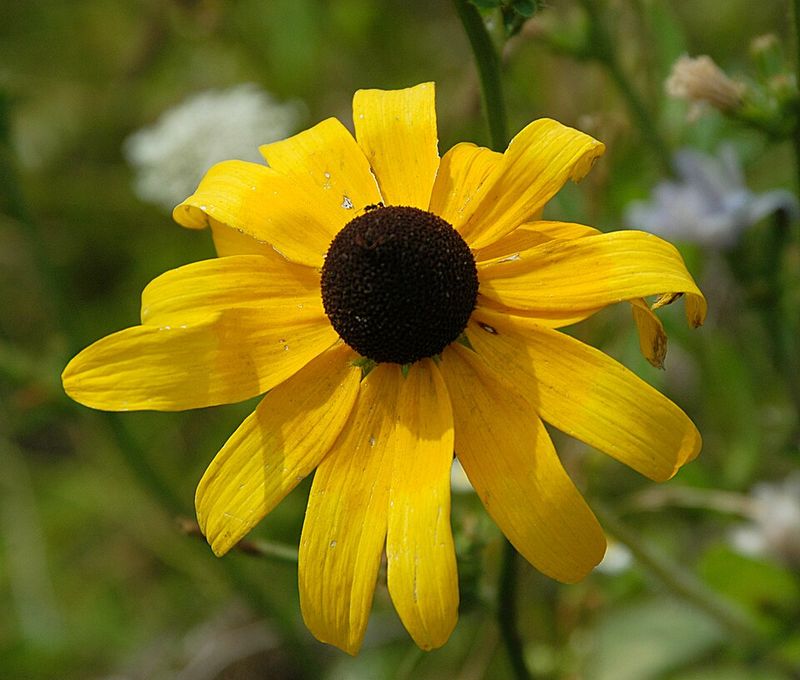
Sunny yellow petals with dark centers give sandy yards a classic wildflower look that reads cheerful from a distance. This plant handles heat well once established and adds a little height without becoming unruly.
It is a good choice for gardeners who want something familiar, dependable, and easy to tuck into existing beds that already drain quickly.
Choose a spot with strong sun and do not overfeed, because rich soil can produce softer growth and fewer flowers. Water it regularly during the first stretch after planting, then let the top layer of soil dry between drinks.
A little air circulation helps prevent leaf issues, so avoid crowding it against dense shrubs or heavy foundation plantings.
The blooms attract pollinators, and seed heads can interest birds later if you leave a few standing. For a more intentional design, place it behind lower growers like beach sunflower or beside ornamental grasses that move in the wind.
When your yard feels too pale or flat, this flower adds color and contrast quickly without asking you to rebuild the whole landscape.
Scarlet Sage
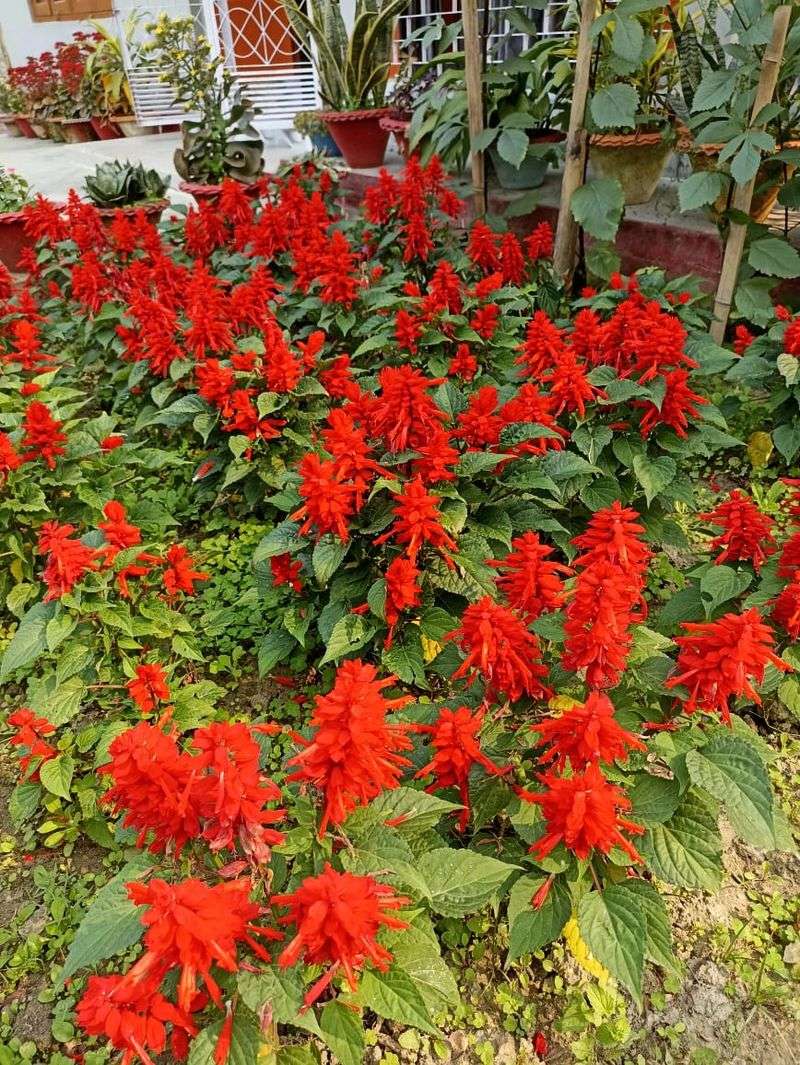
Hummingbirds notice this plant fast, and that alone makes it worth a spot in a sandy Florida yard. Bright red flower spikes stand out against dry, pale soil and add vertical interest where lower growing flowers dominate.
It looks lively near patios, entry beds, or any place you pass often and want quick movement from pollinators.
Give it full sun to light shade, especially in hotter inland areas where a little afternoon break can help. Sandy soil is rarely a problem as long as drainage is good, and it usually performs better without heavy fertilizer.
Pinching young plants once or twice can encourage fuller growth, which means more flowering stems instead of one lanky center shoot.
Regular deadheading keeps the display cleaner and often stretches blooming well beyond the first flush. If you allow a few flowers to set seed, you may see new plants appear nearby, which is a nice bonus in naturalistic beds.
Pair it with yellow coreopsis or blue eyed grass for a color mix that feels vibrant but still grounded in Florida conditions.
Blue-eyed Grass
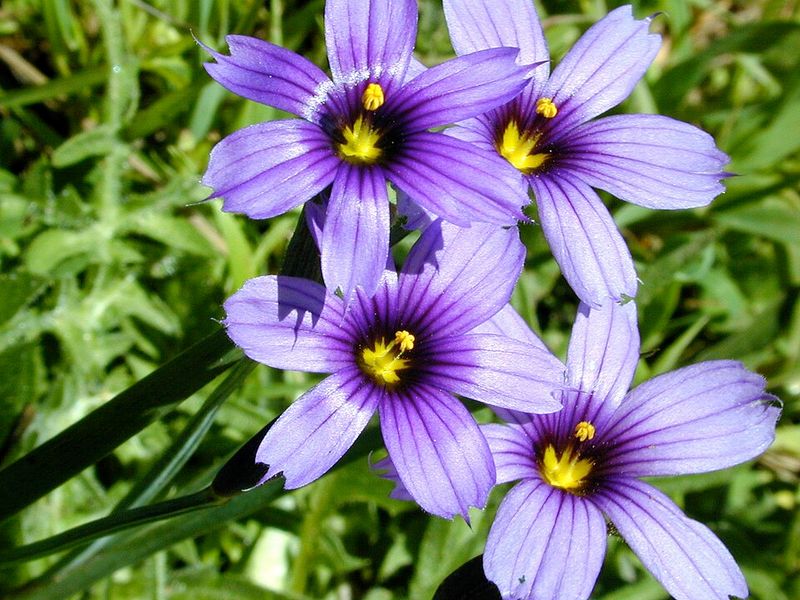
At first glance, this plant looks like a tidy little grass, which makes the small blue violet flowers feel like a pleasant surprise. It works especially well in sandy yards that need softer color and finer texture rather than another bold, sprawling bloomer.
Near stepping stones, along a path, or in the front edge of a native bed, it adds detail that rewards a closer look.
Well drained soil is essential, and a site with morning sun or bright filtered light often gives the best balance in hotter parts of Florida. During establishment, keep moisture even but never swampy, because the roots prefer breathing room.
Clumps slowly expand over time, so it is smart to place them where their neat shape can be appreciated instead of hidden behind larger plants.
This is not the flower for a loud, dramatic statement, but it is excellent for making a planting feel layered and thoughtful. Use it with coreopsis, spiderwort, or low grasses to create a natural scene that does not rely on nonstop bright color.
If your sandy yard needs refinement as much as toughness, this one fits beautifully.
Leavenworth’s Tickseed
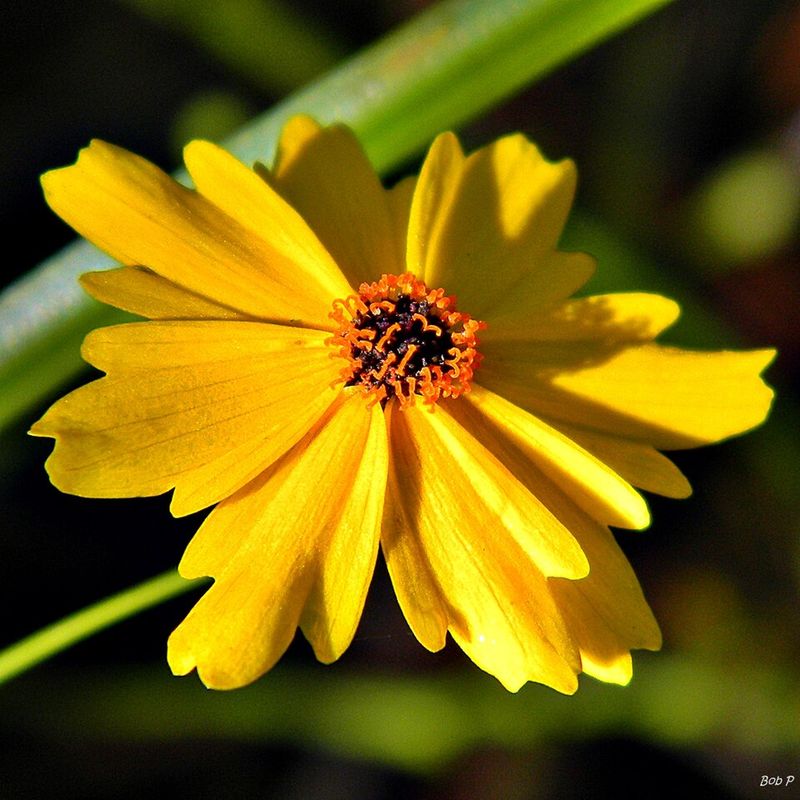
Florida gardeners who want a truly local feel often end up loving this native tickseed. The bright yellow flowers look simple, but they have a light, natural presence that suits sandy yards far better than many imported bedding plants.
Once it gets going, the planting feels relaxed and cheerful instead of stiff or overly designed.
Start it in full sun and resist the urge to improve the soil too much, because it is adapted to lean conditions. Seeds can work well if you are patient, though small transplants give faster results in home landscapes.
Water until roots establish, then let natural rainfall handle most of the job unless drought becomes prolonged and severe.
Allowing a few flowers to mature can encourage reseeding, which helps the patch return with less effort next season. It combines beautifully with blanket flower and black eyed Susan, especially in areas where you want a meadow style effect near fences or open side yards.
For homeowners dealing with dry sand, strong sun, and a wish for easy color, this flower makes practical sense.
Stokes’ Aster
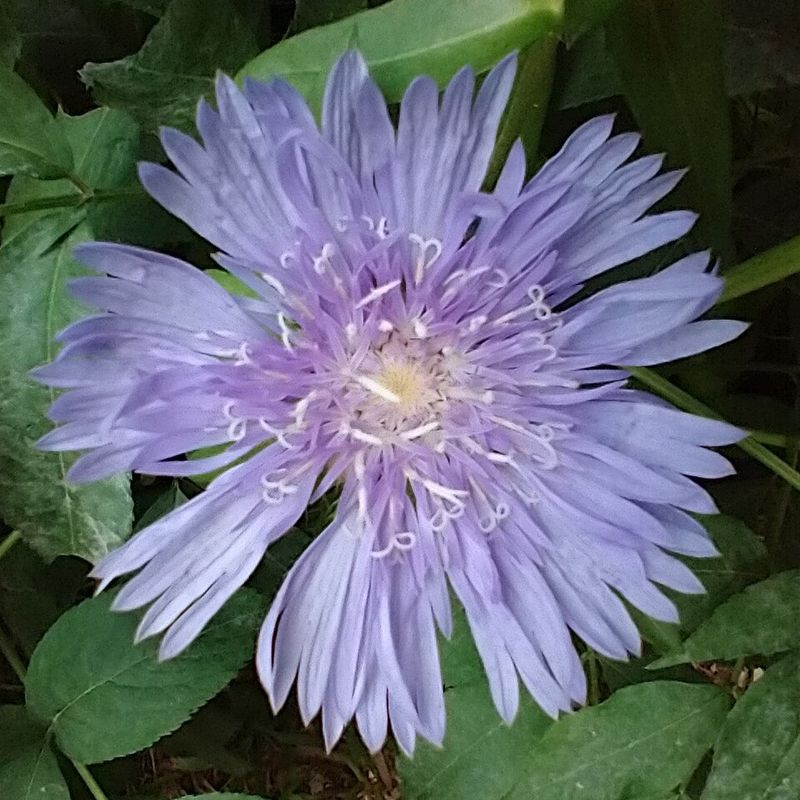
Large lavender blue flowers can cool down the look of a hot sandy yard, and that is where this perennial really shines. It brings fuller blooms than many wildflowers, so the effect feels a bit more polished while still fitting a native friendly landscape.
If your garden leans yellow and red already, this adds welcome contrast without looking out of place.
Good drainage is important, especially in Florida summers, so choose an area where water does not linger after storms. Full sun works in many locations, though a bit of afternoon shade can help the flowers last longer in especially intense heat.
Mulch lightly around the base to moderate temperature, but keep the crown from staying buried or damp.
Because the blooms are larger and more noticeable, this plant works nicely near a front walk, porch bed, or sitting area where details matter. Pollinators appreciate it, and the cut flowers hold up well indoors if you like bringing pieces of the garden inside.
In sandy soil that supports fewer showy perennials, this one gives you a more substantial floral display with manageable care.
Tropical Sage
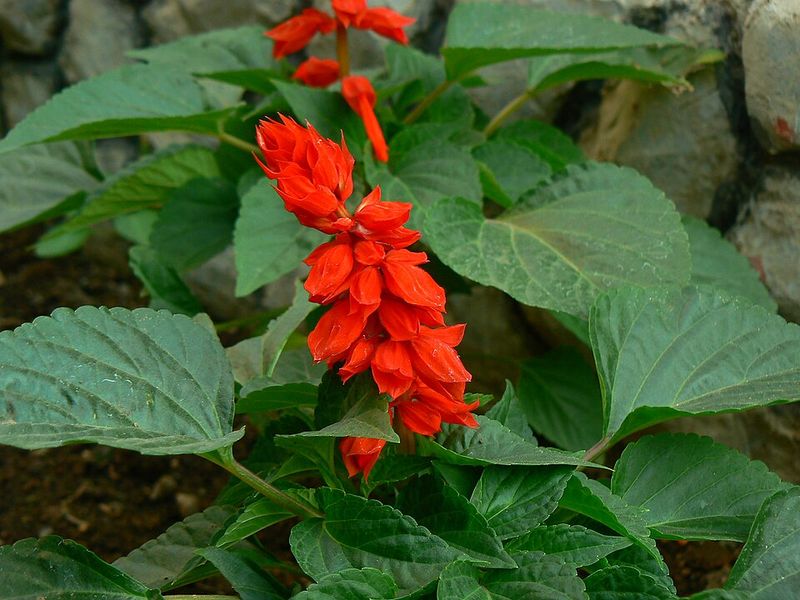
Red tubular flowers on airy stems bring constant motion to the yard because butterflies and hummingbirds rarely ignore them. This native sage handles sandy soil surprisingly well and often blooms through long stretches of warm weather.
It has a looser, more natural shape than formal bedding plants, which works well in Florida landscapes that lean casual and wildlife friendly.
Plant it where it gets plenty of sun, though some afternoon shade is helpful in especially hot inland spots. The soil can stay relatively lean, and too much fertilizer usually produces leaves at the expense of flowers.
Cut back spent stems every now and then to keep the clump fresh and to encourage another wave of bright bloom spikes.
One of the nicest things about growing it is how easy it is to mix with other natives without creating a crowded look. Try it near dune sunflower, coreopsis, or grasses, and let the red flowers pop through softer textures.
If your sandy yard needs color that also brings life and movement, this wildflower earns attention season after season.
Seaside Goldenrod
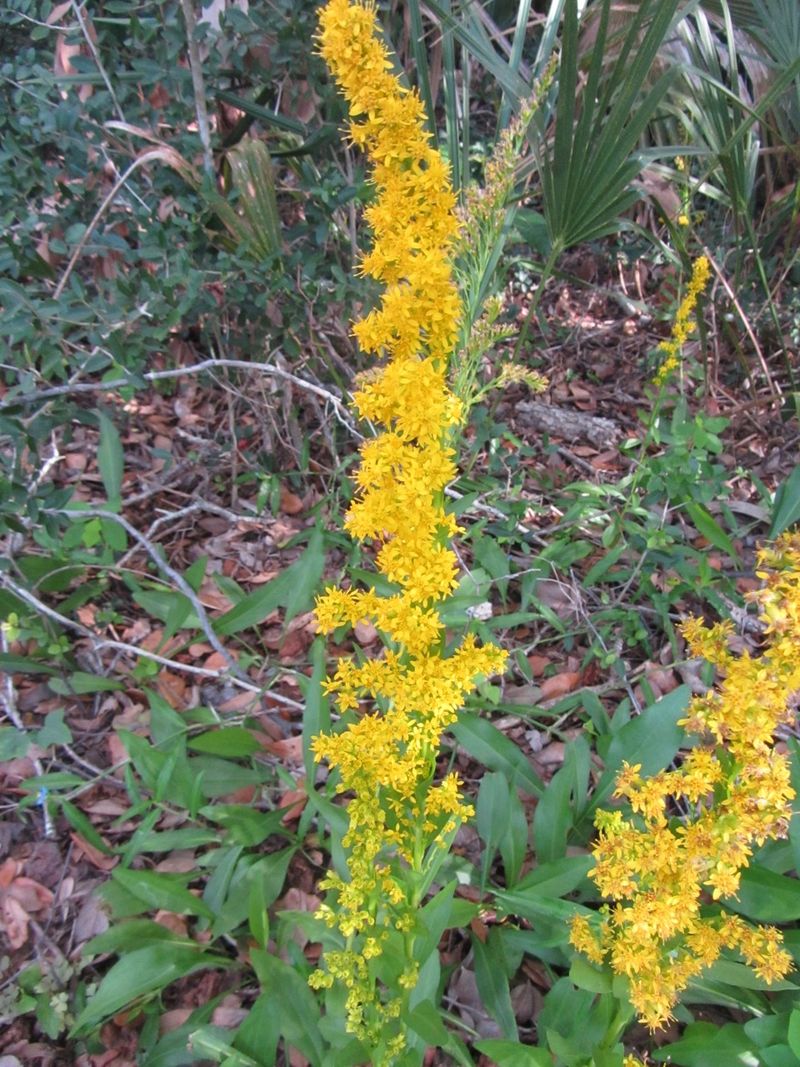
Late season color can be hard to find in sandy yards, which is why this golden bloomer deserves more attention. It sends up warm yellow plumes when many summer flowers are slowing down, giving the garden a second wind.
In coastal and inland sandy sites alike, it handles tough conditions while still looking bright and full.
Sun is essential, and drainage should be sharp enough that roots never sit wet for long. Once established, this plant is remarkably tolerant of dry periods, though an occasional deep watering during extreme drought helps keep blooming strong.
Give it room, because mature clumps can broaden over time and look best when not squeezed between stiff shrubs.
Pollinators appreciate the late nectar source, and that alone makes it valuable in a wildlife focused yard. The upright form also mixes nicely with lower spreading flowers, creating a layered bed that does not feel flat by autumn.
If your sandy landscape fades after midsummer, this is the kind of dependable native that keeps color going when you most want a fresh show.
Spiderwort
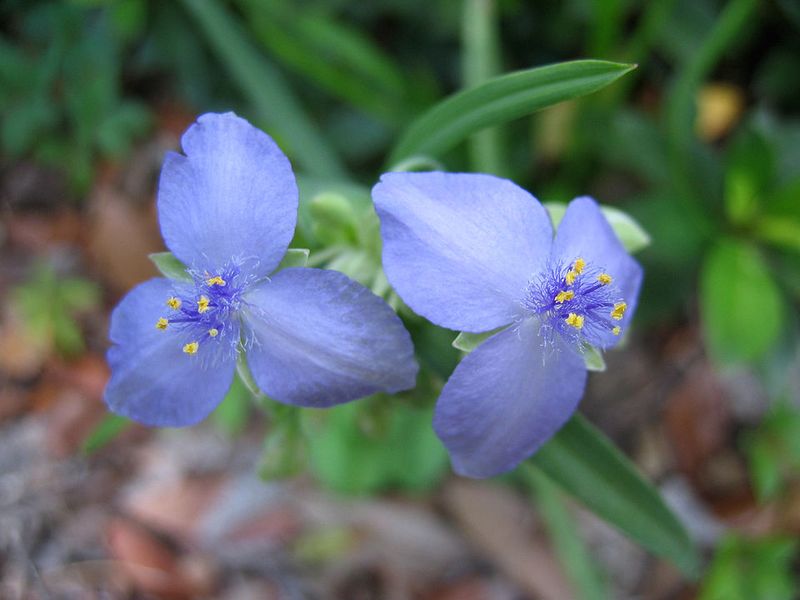
Blue purple blooms that open in the morning can make a sandy yard feel more layered and interesting without overwhelming it. The arching foliage adds movement even when flowers pause, so the plant still contributes structure between bloom cycles.
It is especially helpful in spots that are sandy yet receive a little afternoon shade, where full sun flowers sometimes struggle.
Good drainage remains important, but this wildflower appreciates slightly more moisture than the toughest dry site specialists. That makes it a smart choice near downspouts that dry quickly afterward, along fence lines, or in beds that get irrigation once or twice a week.
If clumps start to look tired later in the season, a light trim often encourages fresh growth and a neater shape.
The flowers do not stay open all day, but that brief morning show has a charm many gardeners end up loving. Pair it with blue eyed grass, scarlet sage, or low grasses to create contrast in both color and leaf shape.
For sandy Florida yards that need something softer than blazing yellow, this one adds a cooler note that still feels easygoing.
Florida Phlox
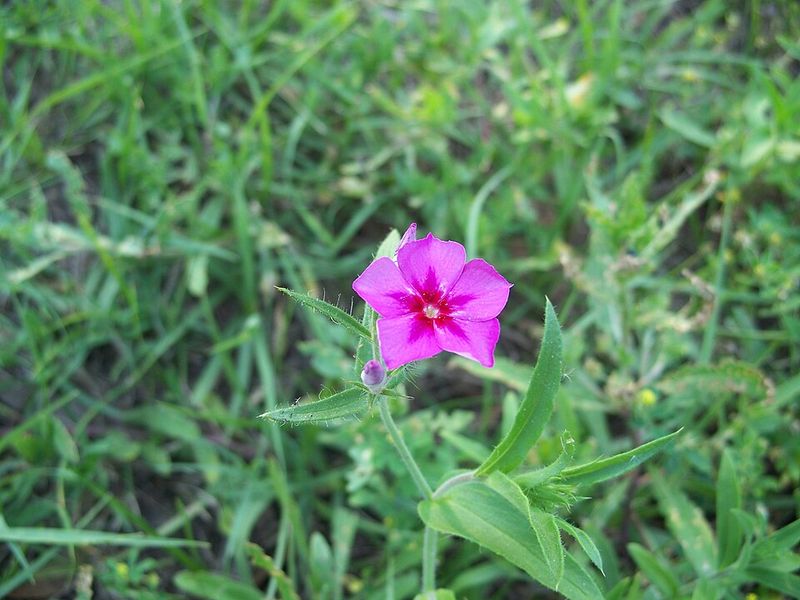
Spring color feels extra welcome in sandy yards, and these pink to lavender flower clusters show up right on time. The blooms have a softer, cottage style look that can make dry, pale soil feel more inviting and less harsh.
In the right spot, it creates the kind of gentle seasonal display that neighbors notice without it seeming forced.
Choose full sun to light shade and make sure the soil drains quickly after rain. It usually performs best when left in relatively lean conditions, so there is no need to overwork the bed with rich amendments.
Water enough to establish young plants, then keep irrigation moderate, because constant wetness can shorten its life and reduce vigor.
This wildflower fits beautifully near paths, in front of shrubs with an open canopy, or mixed into a spring focused native border. After blooming, the foliage stays modest, making it easy to let summer performers take over the spotlight.
If your sandy Florida yard needs a fresh burst of softer color early in the season, this is a practical and charming choice.