
These 12 North Carolina Perennials Multiply Quickly With Almost No Effort
Follow us on Google
A full garden does not have to mean constant planting, dividing, and spending. In North Carolina, plenty of hardworking perennials spread steadily on their own and come back stronger with very little attention.
If you want flower beds that look generous instead of sparse, these reliable growers can fill gaps faster than you might expect. The best part is that most of them thrive with simple care that fits real life.
Black-Eyed Susan
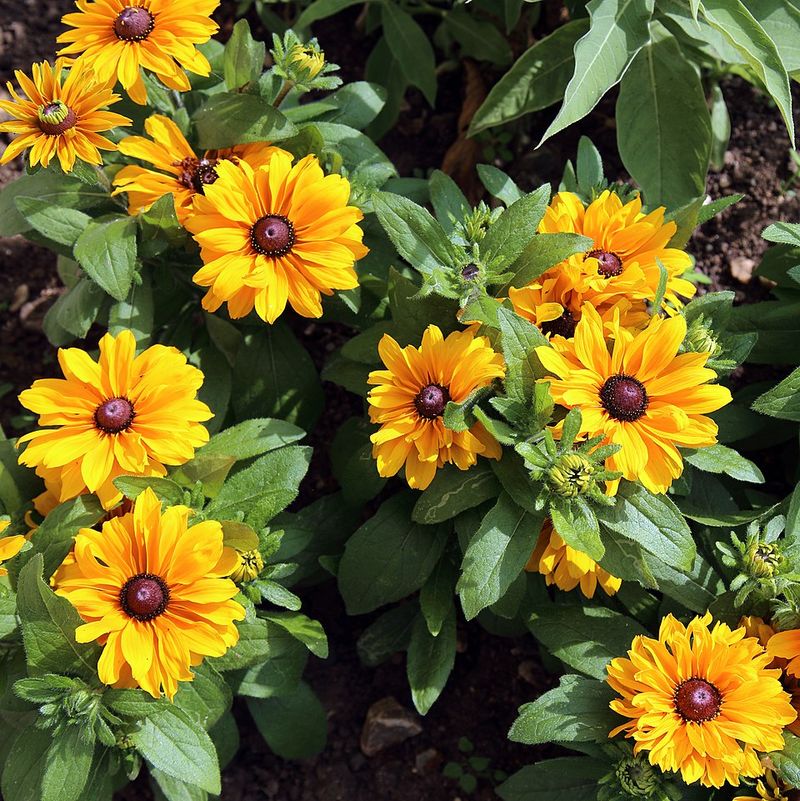
Few plants earn their keep as quickly as this cheerful bloomer. In North Carolina, you can tuck a few into a sunny bed and watch them bulk up through self-seeding and short underground spread.
The bright yellow flowers keep going through summer heat, which makes empty spaces disappear fast.
Good drainage helps, but this plant is not fussy once it settles in. You will get the fastest increase by planting it where it receives at least six hours of sun and leaving some faded flowers in place for seed drop.
If a clump gets crowded after a couple of seasons, a quick spring division gives you even more plants.
That easy growth comes with another bonus: pollinators stay busy around it. Bees and butterflies visit constantly, and the seed heads later attract birds, so the bed keeps offering something useful after bloom time.
A dry spell rarely slows mature plants much, which is helpful during hot Carolina summers.
Try it along a driveway, mailbox border, or mixed cottage bed where you need dependable color. Pairing it with ornamental grasses or purple coneflowers makes the planting look intentional even as it spreads.
For a low-effort garden, this one pulls far more than its weight.
Purple Coneflower
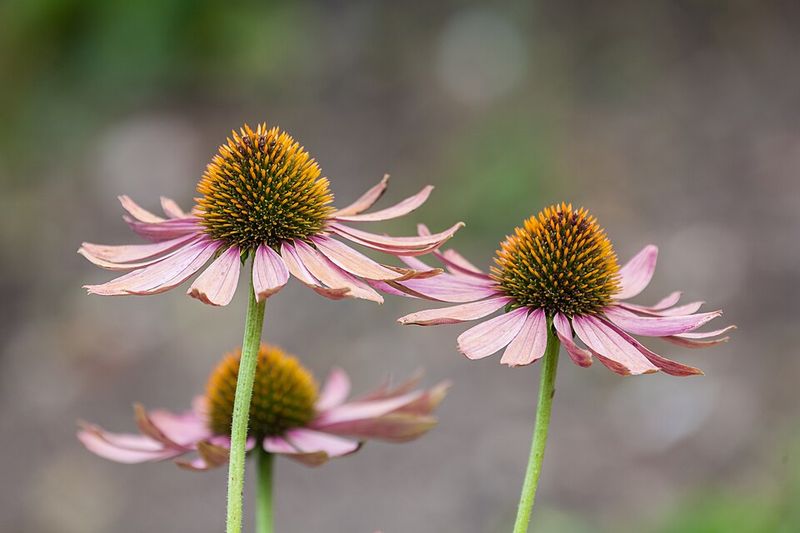
It is hard to beat a perennial that looks polished while acting almost carefree. In North Carolina gardens, purple coneflower expands into broader clumps over time and often drops enough seed to create natural drifts nearby.
That means a small starter planting can look established much sooner than you expect.
Sun is the main requirement for strong stems and heavy flowering. Once roots are in, average soil works fine as long as water does not sit around the crown, and that practical toughness is why so many busy gardeners rely on it.
Cutting spent blooms can keep flowers coming, but leaving some heads allows reseeding and winter interest.
The flower shape also makes the garden feel lively for months. Butterflies visit often, bees work the centers steadily, and goldfinches later pick at the seed heads, so you get movement even when the color starts to fade.
During humid summers, good airflow helps the foliage stay cleaner.
Use it in wide borders, pollinator beds, or sunny front-yard plantings where you want a dependable backbone. Mixing it with black-eyed Susan, yarrow, or coreopsis gives you a long season without much maintenance.
If you want a plant that multiplies without becoming a headache, this one fits beautifully.
Bee Balm
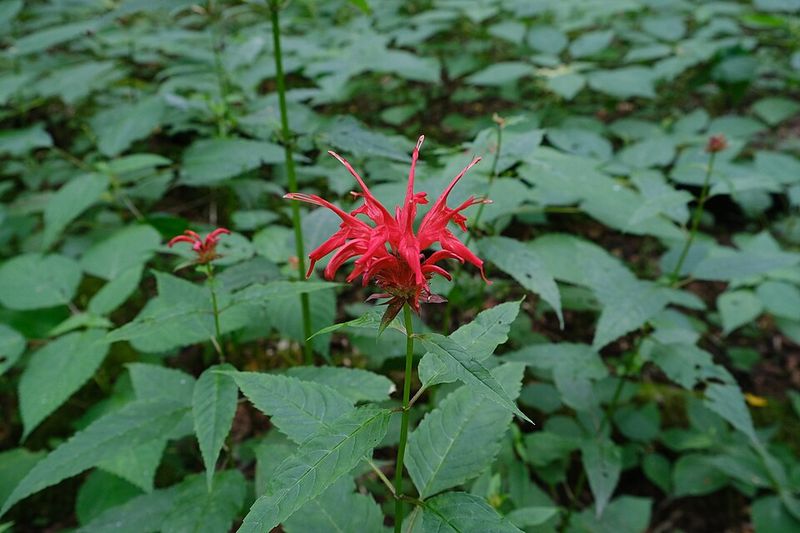
Nothing fills a bed with energy quite like the shaggy blooms of bee balm. In North Carolina, this perennial spreads by rhizomes, so a modest planting can become a generous patch in a short time when moisture and sun are decent.
You get a colorful, slightly wild look that suits cottage gardens especially well.
Morning sun with some afternoon relief works nicely in hotter areas, though full sun is fine when the soil does not dry out too quickly. Consistent moisture keeps the foliage looking fresh and supports faster spread, and a layer of mulch helps during summer heat.
Every few years, thinning crowded clumps improves airflow and keeps powdery mildew less noticeable.
Hummingbirds usually find it before you even finish admiring it. Bees and butterflies also pile in, which makes this one feel more active than many other summer perennials.
If you deadhead some stems, you can stretch the bloom period, but leaving a few allows the patch to keep its relaxed character.
Place it near a patio, along a fence, or in a pollinator border where the quick expansion is helpful instead of troublesome. Pairing it with coneflower or garden phlox gives the planting a full, layered look.
For gardeners who want big payoff from a small start, it delivers fast.
Coreopsis
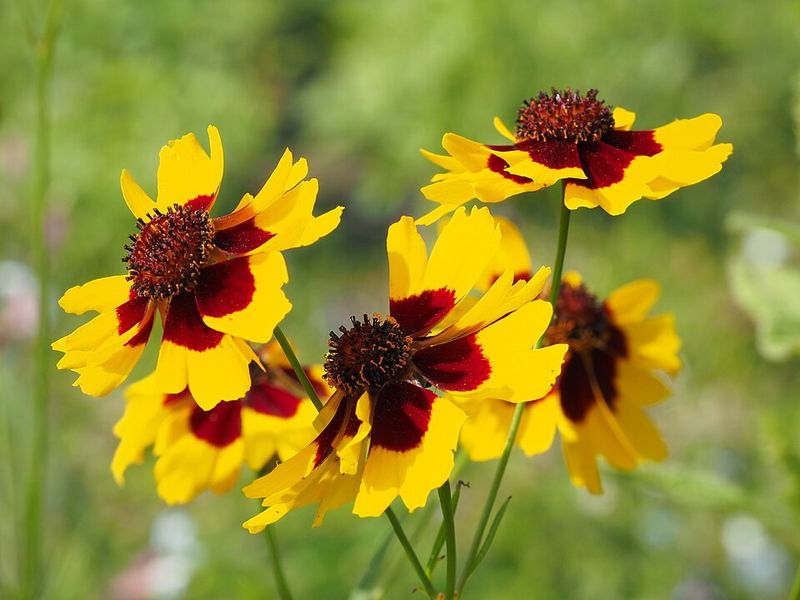
Sunny beds look fuller in a hurry when coreopsis joins the mix. Many perennial types form wider clumps each year, and some lightly reseed, so you keep getting more color without constantly adding new plants.
In North Carolina, that easy habit works well in hot spots where fussier flowers struggle.
Lean soil actually suits it better than rich, soggy ground. Give it excellent drainage and plenty of light, and you will usually see steady growth with very little intervention beyond occasional watering during long dry stretches.
Shearing plants lightly after the first strong flush often encourages fresh foliage and more blooms.
The texture matters just as much as the flowers. Fine leaves keep borders from feeling heavy, while the yellow blooms brighten combinations with purple, blue, and silver-toned companions.
Pollinators appreciate it too, so even a simple planting starts to feel more layered and alive through summer.
Try using it along edges, in front of shrubs, or in wide drifts beside a walkway where its cheerful look can repeat down the bed. It also handles reflected heat near pavement better than many perennials.
If your goal is a fuller garden with fewer chores, coreopsis is an easy yes.
Daylily
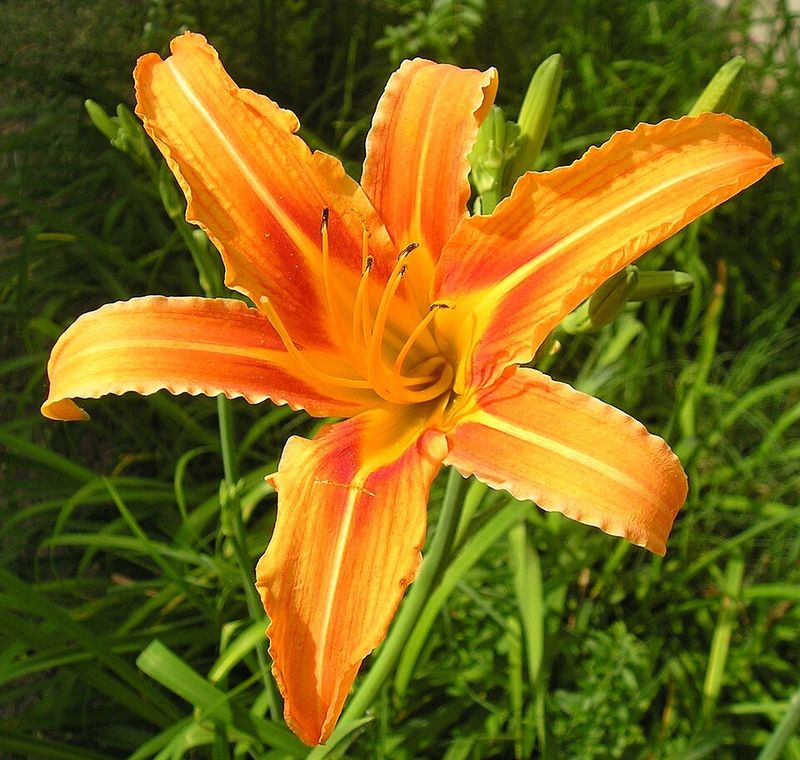
Few perennials are better at making a border look mature quickly. Daylilies expand into dense clumps with very little encouragement, and in North Carolina they often handle heat, clay, and occasional neglect better than plants that seem far more refined.
One small division can turn into a generous colony before you know it.
Full sun gives the best flower show, though many varieties still perform with a little afternoon shade. Average garden soil is usually enough as long as drainage is acceptable, and a spring feeding can help newer plants size up faster.
When clumps bloom less heavily after several years, lifting and dividing them is simple work with a big reward.
That sturdy growth is especially useful in problem spots. Slopes, roadsides, and wide borders all benefit from its strap-like foliage, which keeps the planting looking substantial even when individual flowers last only a day.
New buds open continuously, so the display does not disappear after one pretty week.
Use daylilies where you need a reliable mass of green and color without babysitting. Mixing early, midseason, and reblooming types stretches the season and makes the bed feel deliberate rather than random.
For gardeners who want obvious results from minimal effort, this plant makes the case every summer.
Creeping Phlox
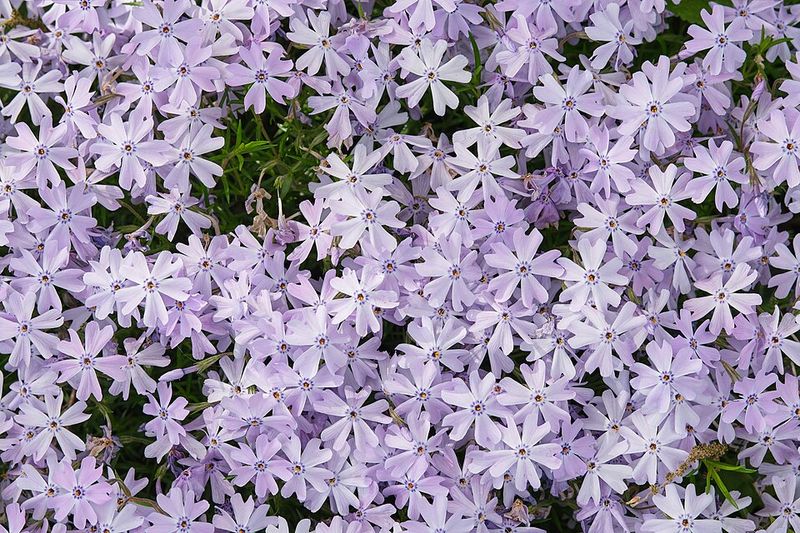
Spring gets a dramatic boost when creeping phlox starts spilling over edges in bloom. This low-growing perennial spreads into thick mats, helping you cover bare soil, soften walls, and reduce weeding without much ongoing effort.
In many North Carolina gardens, it settles in quickly where drainage is sharp and sun is plentiful.
Rocky or sandy spots are often perfect for it, which is useful if you have an area that dries out faster than the rest of the yard. Heavy, wet soil is the main thing to avoid because soggy crowns shorten its life and slow its spread.
A light trim after flowering helps keep the mat neat and can encourage denser growth.
Once established, the evergreen foliage keeps working even when flowers are finished. That year-round coverage makes slopes and borders look intentional instead of patchy, and it also helps reduce erosion on mild inclines.
During bloom, the carpet of pink, purple, or white flowers has the kind of impact people usually assume takes much more maintenance.
Tuck it between stones, at the top of a retaining wall, or along a sunny front border where it can drape naturally. Pairing it with taller summer perennials gives you season-to-season interest from the same bed.
If you want quick spread without an unruly look, this one is especially useful.
Garden Phlox
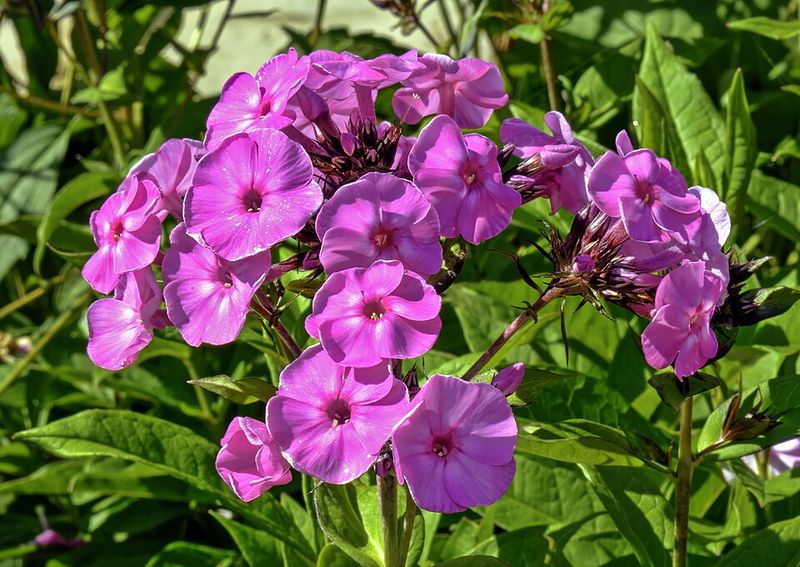
Height, color, and easy expansion all come together nicely with garden phlox. In North Carolina, it forms larger clumps over time and can make a middle border look established much faster than slower-growing perennials.
The flower heads are big enough to read from across the yard, which helps small plantings feel more generous.
Moist, fertile soil gives the strongest performance, especially through summer heat. Good airflow matters because humid conditions can encourage mildew, so giving each clump room is worth it even when you want a full look.
Watering at the base and choosing resistant varieties makes maintenance much easier.
Pollinators treat it like a regular stop all season. Butterflies linger, bees visit steadily, and the fragrant blooms add another layer of appeal near seating areas or paths.
Deadheading can extend flowering, but the plant still earns its place even when you skip that chore during a busy week.
It works especially well in mixed borders where lower plants hide the stems and taller neighbors support the overall design. Combining white, pink, or lavender forms with daylilies and coneflowers keeps the bed colorful without feeling busy.
If you need a perennial that bulks up and adds obvious summer presence, this is a reliable choice.
Obedient Plant
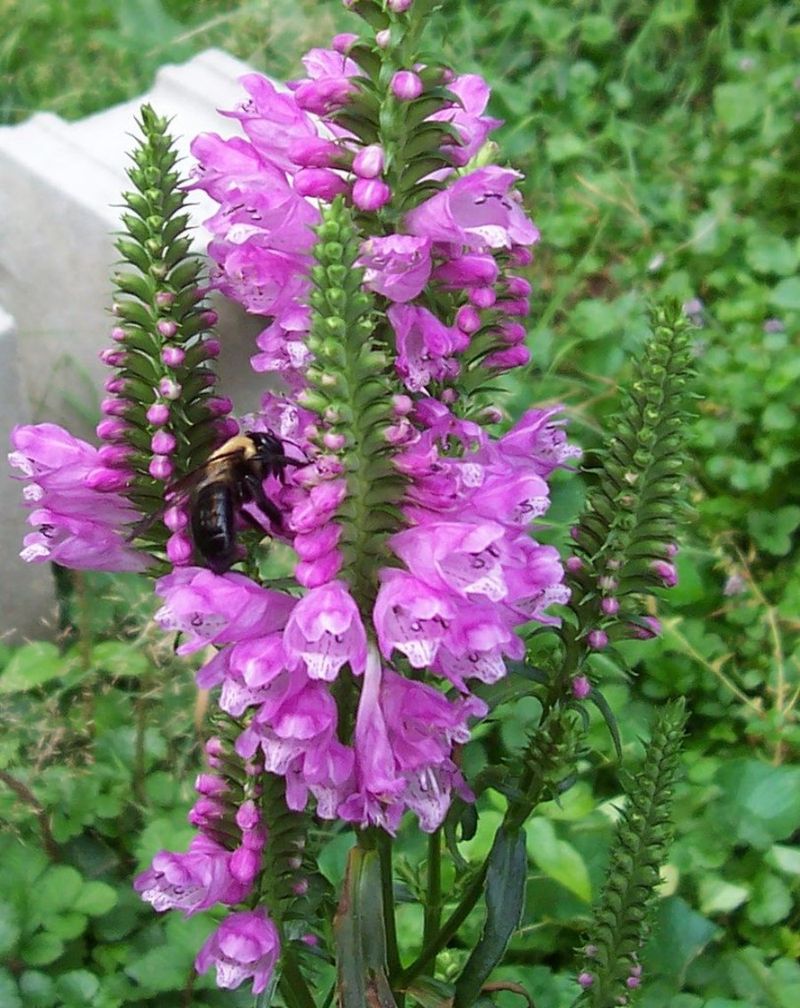
A plant with this much flower power rarely asks so little in return. Obedient plant spreads by underground runners, so it can turn a thin planting into a solid patch surprisingly fast in North Carolina’s warm growing season.
The upright flower spikes also add structure, which makes a loose border look more organized.
Moist soil helps it move quickly, though established clumps are fairly adaptable once roots run deep. Full sun gives the strongest stems, but a little shade is acceptable in hotter inland areas where summer afternoons can be intense.
If it starts to wander farther than you want, extra shoots are easy to dig and share.
Hummingbirds and bees are big fans of the tubular blooms. That steady pollinator traffic gives the garden a busier, more colorful feel without requiring constant deadheading or feeding.
Flowers usually open over a long stretch, so you get useful presence rather than a one-week peak.
Plant it where enthusiastic growth is welcome, such as the back of a wide bed or along a property line that needs softening. It pairs nicely with ornamental grasses, yarrow, and black-eyed Susan for a relaxed, late-summer look.
If you want a perennial that multiplies with real determination, this one absolutely means business.
Yarrow
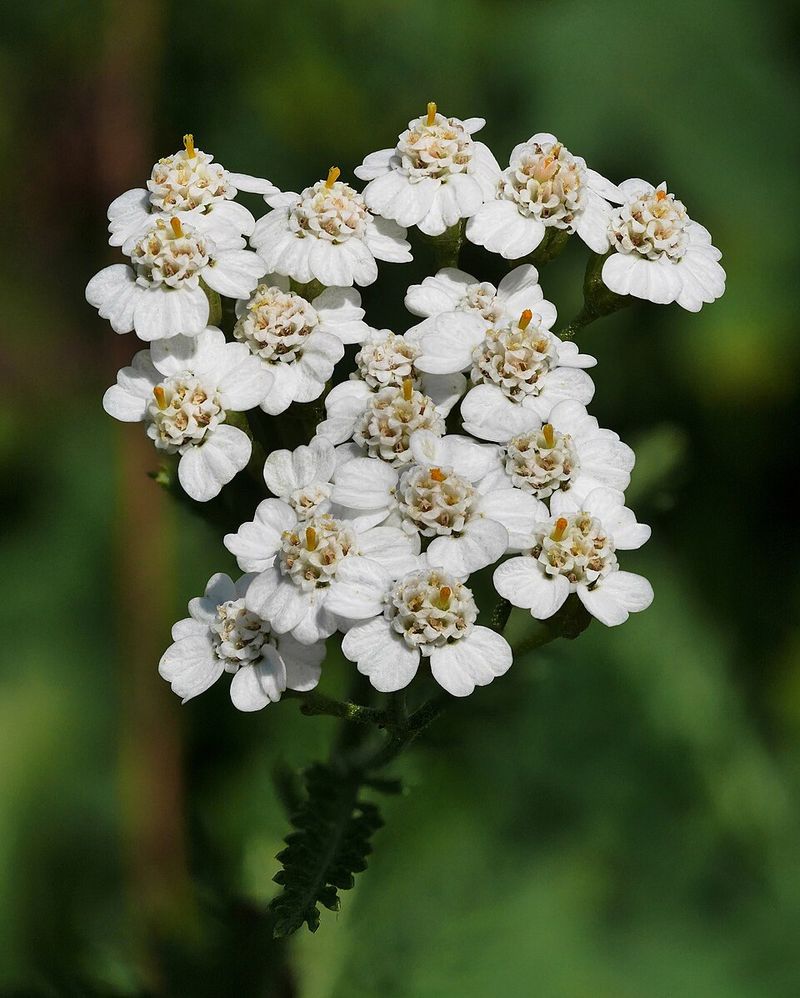
Dry, sunny areas become much easier to fill when yarrow is part of the plan. This perennial expands into broader clumps over time, and in the right spot it does so with almost no pampering.
For North Carolina gardeners dealing with heat and lighter soil, that dependable spread can save both money and effort.
Excellent drainage is the real key to success. Too much fertilizer or overly rich soil can make stems floppy, while leaner conditions usually keep growth compact and sturdy, which is a nice tradeoff if you want low-maintenance structure.
Dividing every few years keeps the center vigorous and gives you extra starts for other beds.
The flat flower clusters are useful in more ways than one. They draw in beneficial insects, mix easily with almost any bloom shape, and hold their color long enough to make the garden feel stable through summer.
Even the ferny foliage adds texture before flowers fully open.
Use it in xeric beds, along hot walkways, or tucked among grasses where the fine leaves soften stronger forms. Soft yellow, white, pink, and terracotta shades make pairing simple, especially with coneflower or coreopsis.
If your yard includes a dry patch that always seems underplanted, yarrow can fill it beautifully without becoming needy.
Shasta Daisy
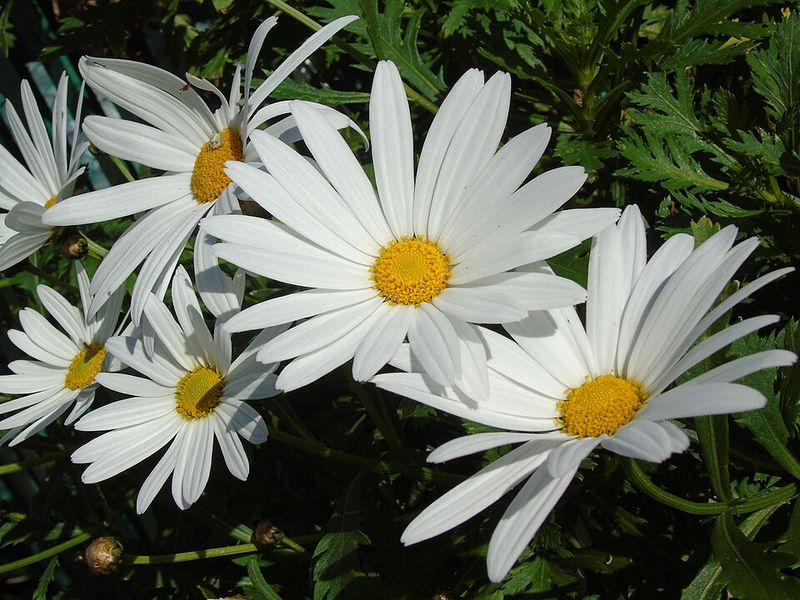
Clean white flowers can make any bed look brighter, and Shasta daisy does that while steadily increasing in size. In North Carolina, clumps usually widen each season and become easy to divide, which means one purchase can stock several parts of the yard later.
The classic bloom shape also blends into almost any garden style.
Full sun and well-drained soil keep it happiest. Rich, soggy spots tend to shorten its life, while average soil with good drainage encourages stronger stems and cleaner growth through humid weather.
Removing spent flowers helps prolong bloom, but even a basic care routine gives you plenty of return.
Its tidy form is one reason gardeners keep coming back to it. The upright stems make a border feel neat, and the white petals lighten combinations that might otherwise look too heavy in midsummer.
Pollinators visit regularly, and the flowers are excellent for cutting if you like bringing a few stems indoors.
Place it in drifts, repeat it along a sunny path, or use it to unify mixed beds that contain stronger colors. Pairing it with salvia, yarrow, or coneflower creates a balanced planting that looks planned rather than accidental.
If you want a perennial that multiplies politely and always looks fresh, Shasta daisy is a strong candidate.
Hardy Geranium
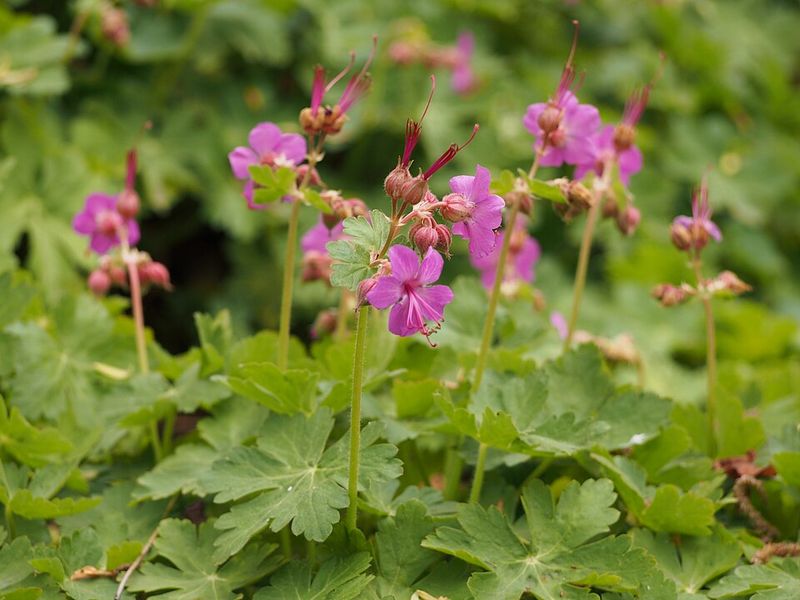
For gardeners who want a soft, mounding filler, hardy geranium is incredibly useful. It spreads into broad, weed-smothering clumps that knit spaces together and make newer beds look settled far sooner.
In many North Carolina gardens, it performs especially well where there is morning sun and some afternoon shade.
Average soil works well if drainage is reasonable, and once established it usually needs little more than occasional watering during extended dry weather. After the first flush of flowers, a light trim can refresh the foliage and sometimes bring another round of bloom.
That simple haircut also keeps the plant from looking tired in midsummer.
The flowers may seem delicate, but the plant itself is sturdy and practical. It slips around roses, shrubs, and taller perennials with ease, covering bare ankles and reducing the amount of open ground where weeds love to settle.
Leaves often stay attractive for a long stretch, which helps the bed feel full even between bloom cycles.
Use it at the front of borders, under open-canopy shrubs, or beside paths where the rounded habit can soften edges. Purple and pink forms both pair well with nearly everything, especially white daisies and blue salvias.
If you need a fast, forgiving perennial to connect the bigger players in a bed, this one earns its space.
Spiderwort
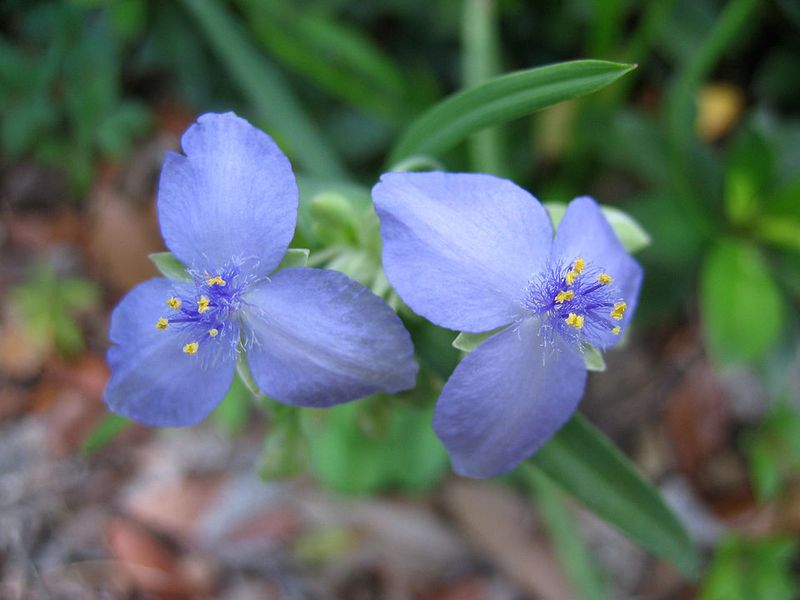
Gardens that need quick color in spring and early summer benefit greatly from spiderwort. This easy perennial forms expanding clumps, and in North Carolina it often naturalizes gently where moisture is decent and the light is not too harsh.
The arching foliage also adds movement that stiff plants cannot provide.
Morning sun with afternoon shade is often ideal, especially in hotter parts of the state. It tolerates full sun better when soil stays evenly moist, and established clumps usually bounce back well after brief dry spells.
If foliage begins to flop after flowering, cutting it back often triggers a fresh, neater regrowth.
The blooms may open for only a day each, but there are plenty of them. That constant turnover keeps the plant interesting for weeks, and the blue to purple shades are useful for cooling down beds dominated by yellows and oranges.
Pollinators appreciate it too, particularly in gardens that bloom heavily in spring.
Try it around rain gardens, woodland edges, or mixed borders with ferns and daylilies. It also works nicely near downspouts where the soil stays a bit more moist than average.
If you want a perennial that fills in quickly without looking coarse or overwhelming, spiderwort is a smart and adaptable choice.