
11 Native Groundcovers North Carolina Gardeners Love Most
Follow us on Google
North Carolina gardens can be beautiful without relying on thirsty, fussy plants that constantly demand attention. Native groundcovers earn their space by handling local weather, supporting pollinators, and filling awkward bare spots with real purpose.
If you want less mowing, fewer weeds, and a yard that looks like it belongs here, these are the plants gardeners return to again and again. Each one brings a different strength, so you can match the right cover to shade, sun, slopes, or that stubborn patch under the trees.
Creeping Phlox
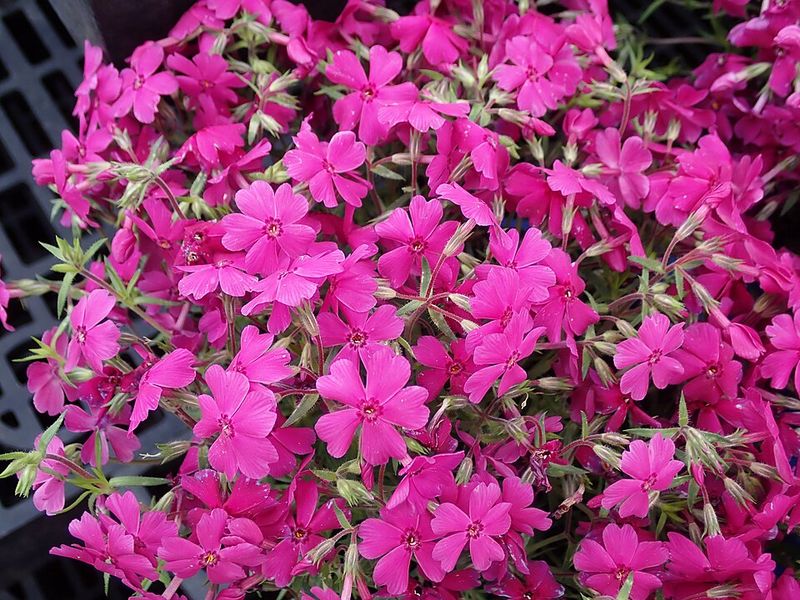
Spring hillsides look unforgettable when creeping phlox starts flowering. This native hugs the ground with evergreen foliage and then covers itself in pink, lavender, blue, or white blooms that soften edges, brighten slopes, and spill beautifully over stone.
Sunny spots suit it best, especially places with sharp drainage such as rock gardens, retaining walls, gravelly borders, and dry banks. In many North Carolina landscapes, that makes it ideal for the areas where rain runs off quickly and taller plants struggle.
You will get the best display by avoiding overly rich soil, which can encourage floppy growth instead of a tight mat. A light trim after flowering keeps the planting neat, encourages denser coverage, and helps prevent bare patches from forming in the middle.
Butterflies visit the flowers, the foliage stays attractive through much of the year, and weeds have a harder time getting established once it fills in. If you need a native option for full sun that looks crisp from the street, this one is hard to beat.
Wild Ginger
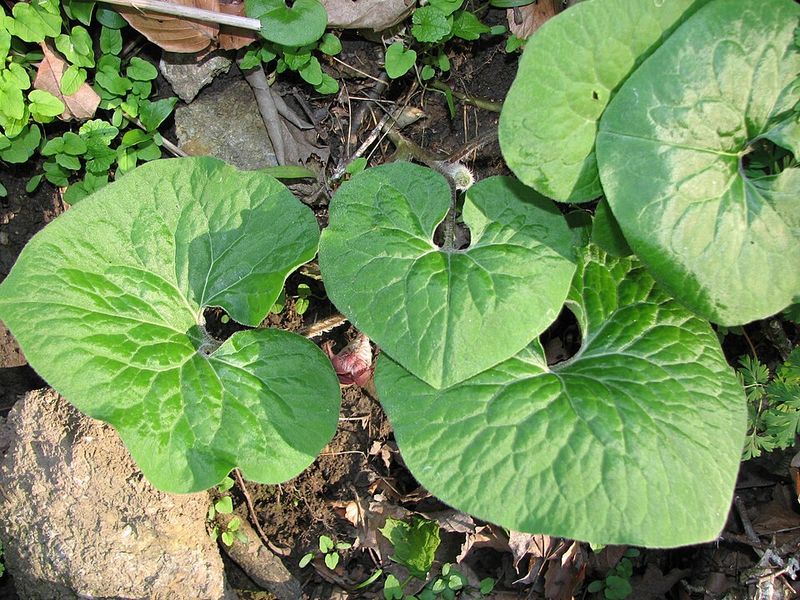
Shade gets easier when a plant can handle roots, leaf litter, and that dry surface layer beneath trees. Wild ginger does exactly that, covering the ground with soft, heart-shaped leaves that create a calm, woodland look from spring through fall.
This is not culinary ginger, so the value here is entirely ornamental and ecological. In North Carolina gardens, it settles into part to full shade and prefers soil rich in organic matter, where it slowly spreads into a dependable colony.
Its small brownish flowers hide near the soil line, so most people grow it for the foliage rather than the bloom show. I think that is part of its appeal, because it reads as intentional, steady, and quiet instead of demanding attention every week.
Use it along shaded walkways, around native shrubs, or in those bare pockets where mulch slides away after heavy rain. Once established, it helps hold soil, discourages weeds, and gives your garden the kind of grounded, regional character that cannot be faked with generic imports.
Golden Ragwort
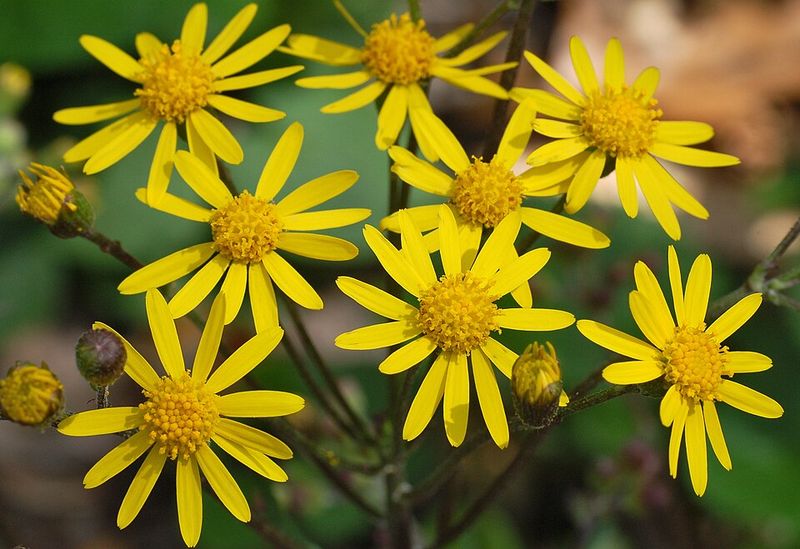
Bright spring color is only part of why gardeners keep planting golden ragwort. This native forms an attractive basal layer of deep green leaves, then sends up stems topped with yellow daisy-like flowers that pull attention exactly when winter-worn beds need energy.
Moist soil and part shade are ideal, though established plants often handle more sun if they do not dry out. In many North Carolina yards, that means it works beautifully near downspouts, along woodland edges, or in rain gardens that stay lightly damp.
After flowering, the foliage continues doing useful work as a weed-suppressing ground layer. You can let seedlings fill in naturally for a relaxed, meadow-like effect, or thin them occasionally if you want a more edited look around paths and foundation plantings.
Pollinators appreciate the early blooms, and deer tend to pass it by, which matters in many suburban neighborhoods. If you are trying to connect ornamental planting with habitat value, this one makes the job easier while still looking like a thoughtful design choice.
Partridgeberry
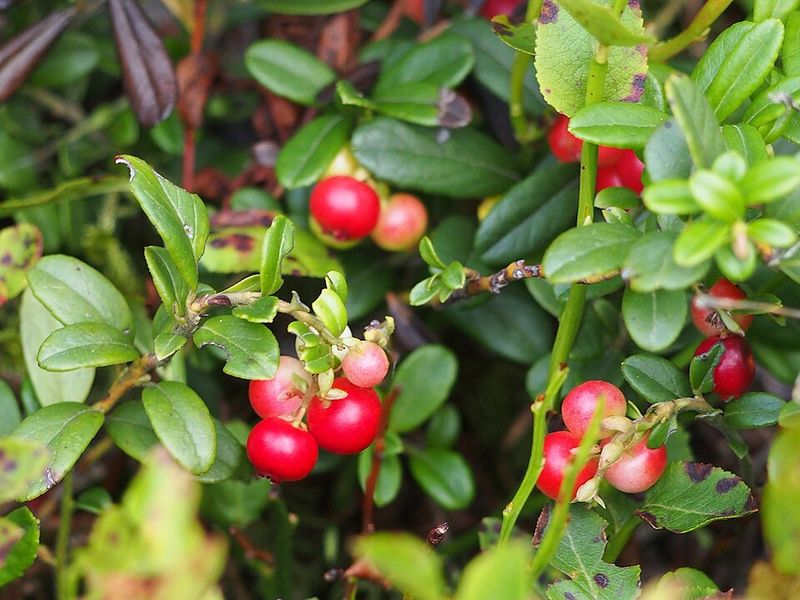
Some of the best groundcovers do their work quietly, and partridgeberry is a perfect example. It creeps along the soil with tiny evergreen leaves, subtle white flowers, and bright red berries that linger, giving shaded spaces detail instead of empty mulch.
Because it stays low and refined, it fits beautifully in woodland gardens where you want a natural look without visual clutter. North Carolina gardeners often use it beneath acid-loving shrubs, around stepping stones, or in pockets of filtered shade with consistent moisture.
Patience helps, since this is not a speed demon like some aggressive nonnatives sold in garden centers. Still, the slower growth is actually an advantage if you want a controlled groundcover that will not swallow neighboring perennials or require constant cutting back.
Good drainage, leaf mold, and protection from harsh afternoon sun keep it looking its best. If you love gardens that reward close attention, this plant gives you season-to-season interest, supports wildlife with its berries, and creates a soft, finished surface where grass never really belonged.
Foamflower
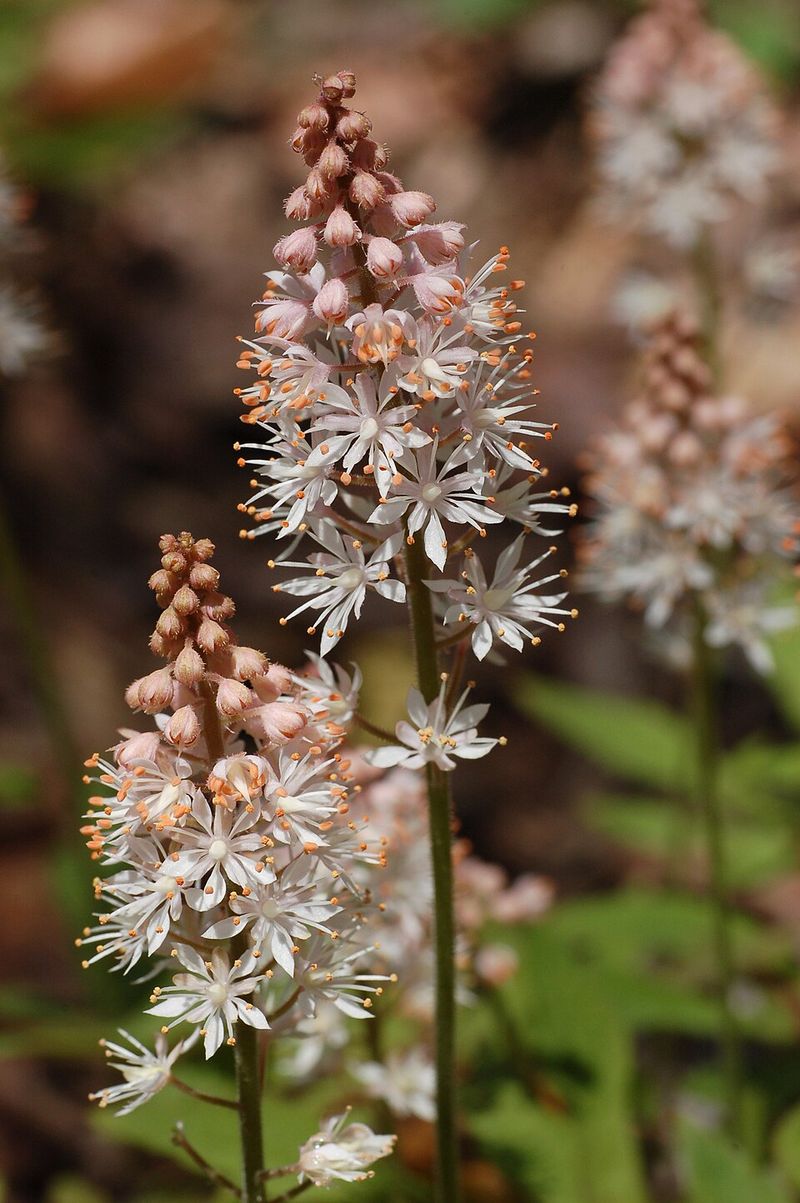
Shady borders often need a plant that looks fresh without becoming coarse, and foamflower handles that role beautifully. Its leafy clumps spread into a soft patchwork, then airy white flower spikes rise above the foliage and lighten the whole bed in spring.
North Carolina gardeners appreciate how well it fits typical woodland conditions, especially rich soil, leaf mulch, and morning sun or open shade. It pairs naturally with ferns, wild ginger, and heuchera, giving you a layered planting that feels settled rather than crowded.
Some forms have beautifully marked leaves, so the plant keeps earning its space after the bloom period ends. I often think of it as a bridge plant because it connects bolder textures, fills awkward gaps, and softens transitions along paths or around tree bases.
It is not a plant for baking dry heat, but in the right place it becomes dependable and easy to divide over time. If your goal is a native groundcover that looks delicate while doing real landscape work, foamflower is one of the smartest choices available.
Allegheny Spurge
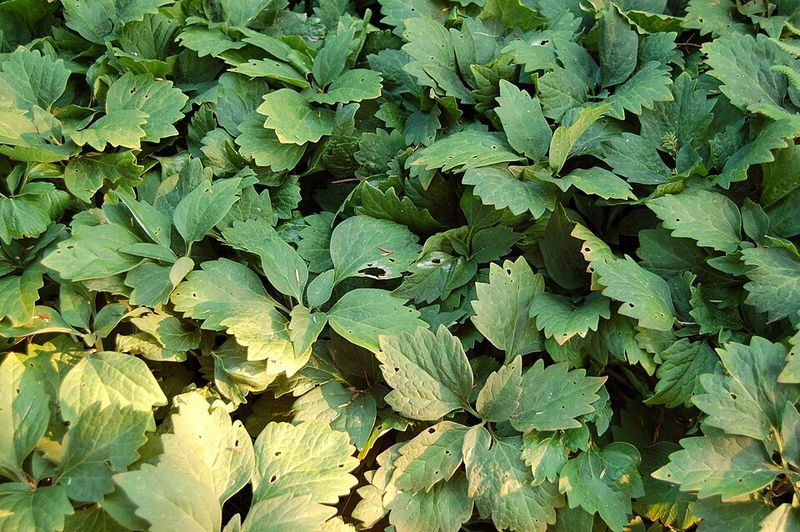
Dry shade under trees can make even experienced gardeners sigh, but Allegheny spurge was built for that challenge. This native pachysandra creates a handsome carpet of mottled evergreen leaves, giving problem areas structure without the invasive tendencies of its Asian cousin.
It prefers acidic, well-drained soil and filtered shade, which lines up nicely with many North Carolina woodland and suburban settings. Once planted in drifts, it gradually fills around roots and stabilizes the soil while keeping the space cooler and less inviting to weeds.
The spring flowers are small and fragrant rather than flashy, so think of them as a bonus instead of the main event. What really matters is the year-round foliage, which stays attractive through winter and gives shady beds a finished look when other perennials disappear.
You will want to water it during establishment and avoid heavy foot traffic across the planting. If your landscape includes pines, oaks, or a north-facing side yard where turf refuses to cooperate, this native is a practical answer that still feels elegant and regionally appropriate.
Blue-Eyed Grass
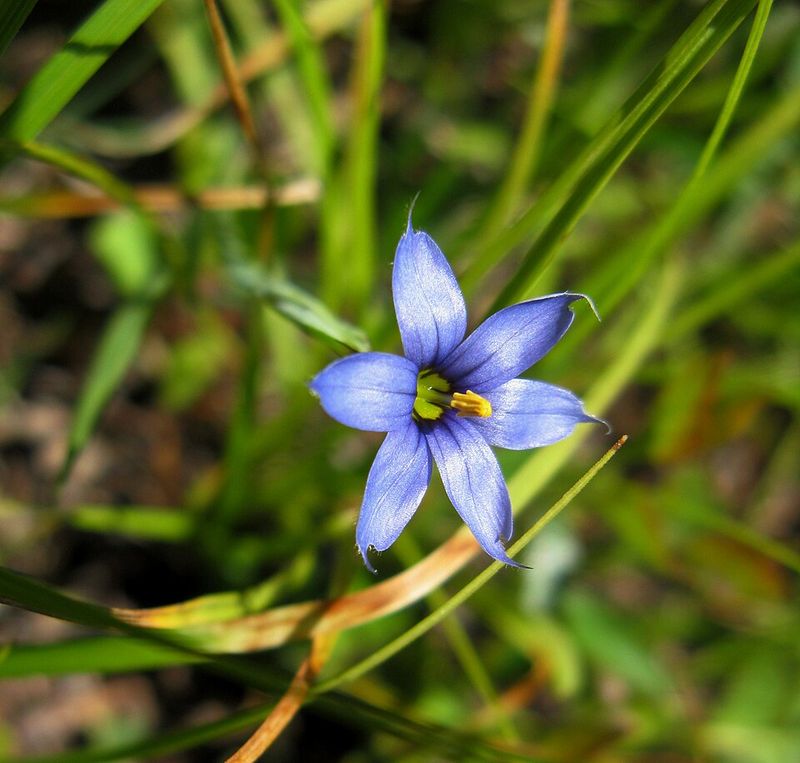
At first glance, blue-eyed grass looks like an ornamental grass, but it is actually a native iris relative with surprising charm. Narrow green blades form tidy clumps, and small starry blue-violet flowers appear above them, adding color without overwhelming nearby plants.
In North Carolina gardens, it thrives in full sun to part shade and likes average to moist, well-drained soil. That flexibility makes it useful along path edges, in open woodland clearings, pollinator gardens, and meadow-style plantings where a short, fine texture is needed.
Because it does not sprawl aggressively, you can use it as a gentle groundcover companion rather than a total carpet. I especially like it mixed with lower wildflowers, where its grassy foliage keeps the planting looking neat even when neighboring bloom cycles shift.
Allow a few seed heads to mature if you want natural spread, or divide clumps every few years to expand a favorite patch. For gardeners who want something native, durable, and a little different from the usual broad-leaved shade covers, this one adds subtle beauty in a very usable form.
Virginia Strawberry
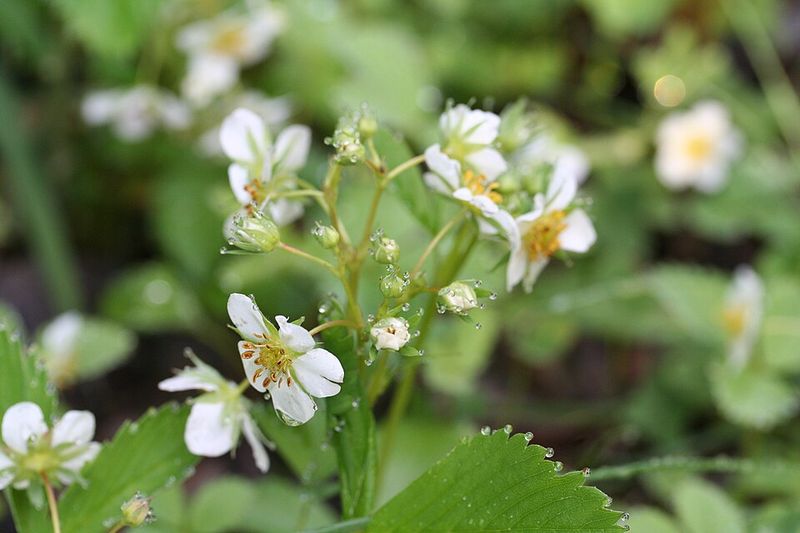
A plant that flowers, fruits, and covers the ground earns instant respect in a home garden. Virginia strawberry spreads by runners to form a low mat of familiar three-part leaves, then offers white flowers followed by small edible berries that wildlife also appreciates.
Full sun gives the best flowering and fruiting, though it can handle light shade in many North Carolina sites. You can use it on slopes, along borders, around stepping stones, or anywhere a casual, natural ground layer would look better than bark mulch alone.
The fruit is much smaller than grocery-store strawberries, but the point is not high production. What you get instead is a resilient native that helps hold soil, supports pollinators, and creates a friendly garden texture that feels both useful and charming.
It appreciates decent drainage and occasional moisture while getting established, yet it is generally forgiving once settled in. If you like the idea of a landscape that feels alive and interactive, this groundcover gives you spring bloom, summer nibbles, and a reliable spread that stays easy to manage.
Christmas Fern
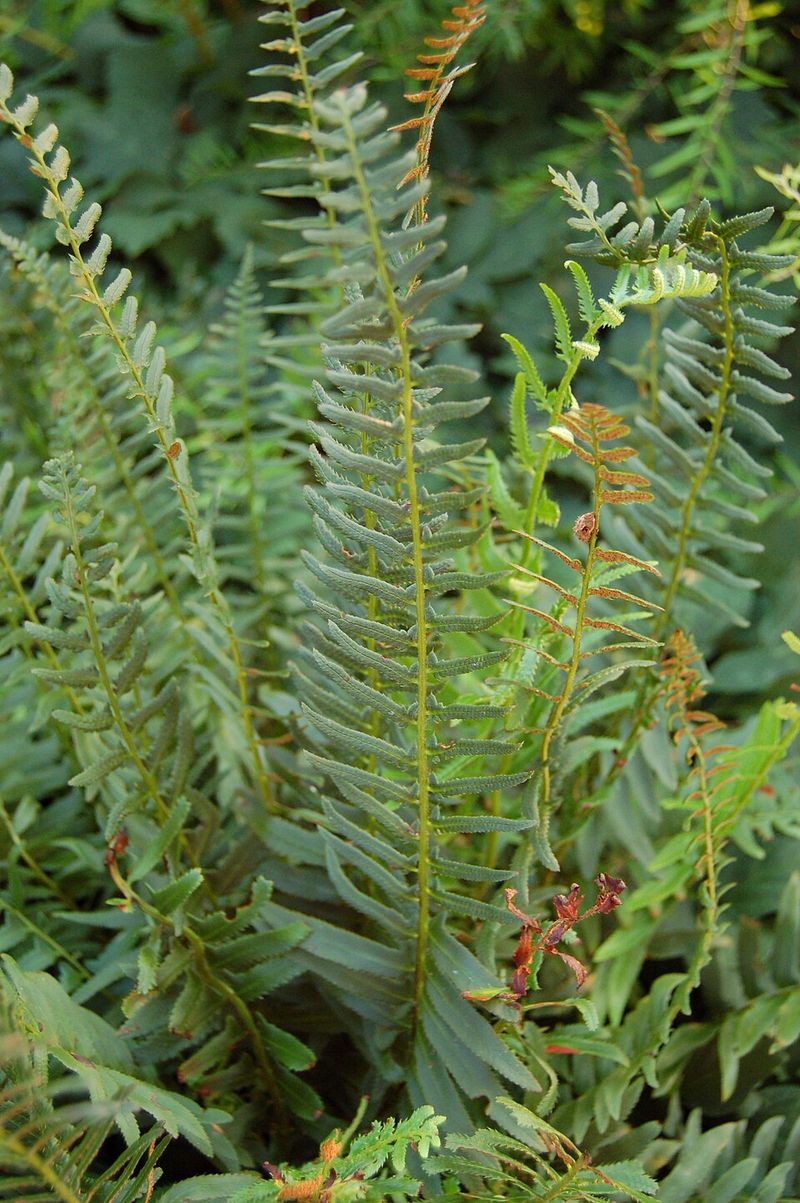
Groundcovers do not have to stay ankle high to do their job well, and Christmas fern proves it. Its arching evergreen fronds create a layered cover that suppresses erosion, softens woodland edges, and keeps shady spaces looking intentional even in the middle of winter.
This native fern is especially valuable on North Carolina slopes, where rain can wash away lighter mulch and expose roots. Plant it in groups beneath trees, beside steps, or along shaded foundations, and it will gradually create a sturdy, textured matrix over time.
Unlike fussier ferns, it tolerates a decent range of soils as long as drainage is reasonable and moisture is available during establishment. I often suggest it for gardeners who want a strong native look with very little babysitting once the root system gets settled.
You can leave old fronds through winter for structure, then trim tattered foliage in late winter before new growth pushes. If your landscape needs a groundcover that offers year-round substance instead of a brief flowering moment, Christmas fern is one of the most reliable native options around.
Pussytoes
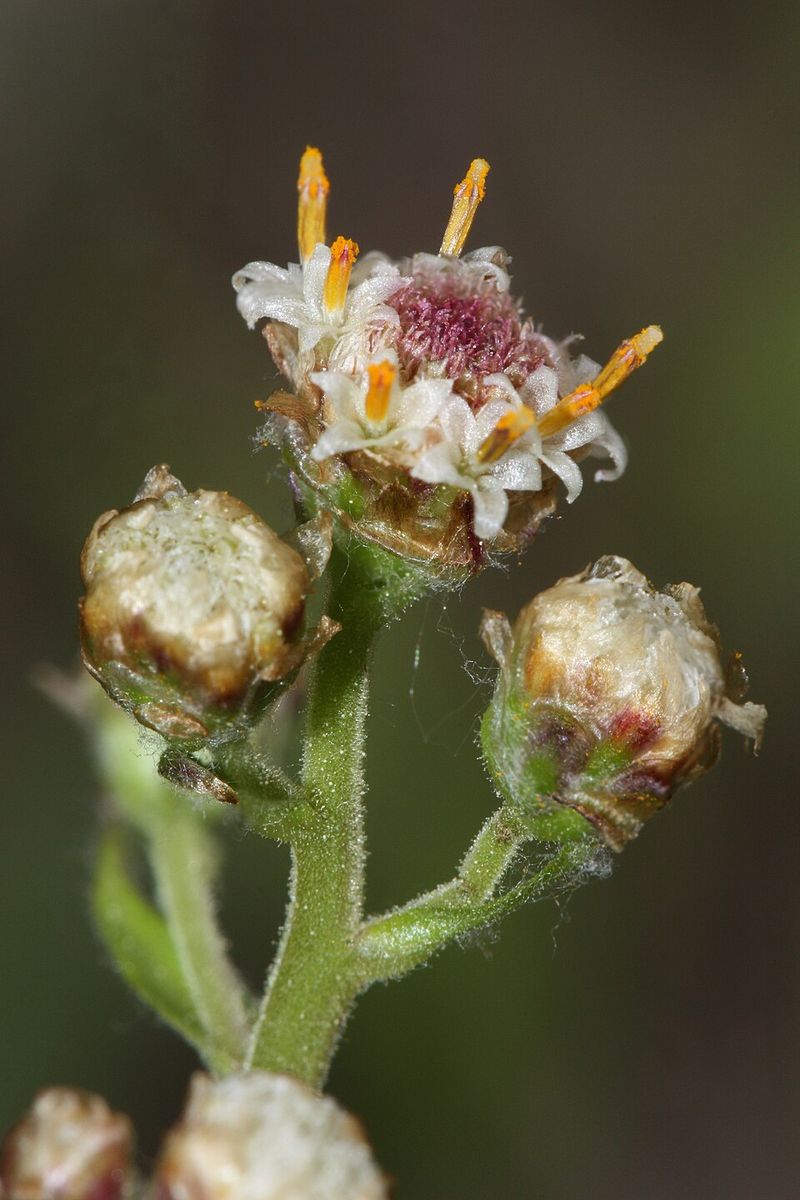
Hot, lean soil can be frustrating, but pussytoes often looks right at home where other plants give up. This native forms a low silvery mat of fuzzy leaves that stays attractive in dry sun, and its small flower clusters bring a soft, understated spring display.
Because it thrives in sandy or rocky ground, it is a strong pick for North Carolina gardeners dealing with dry banks, gravel edges, or sparse soils near driveways. The foliage has a cool gray cast that pairs especially well with stone, warm mulch, and other drought-tolerant natives.
It is also a host plant for American lady butterflies, which gives it ecological value far beyond its modest size. You do not need rich soil or frequent watering to keep it happy, and in fact, too much pampering can shorten its life or make growth less compact.
Use it where you want a native groundcover that stays low, handles heat, and does not mind being ignored once established. For gardeners trying to replace thirsty filler plants in full sun, this one offers a practical solution with a surprisingly refined texture.
Woodland Stonecrop
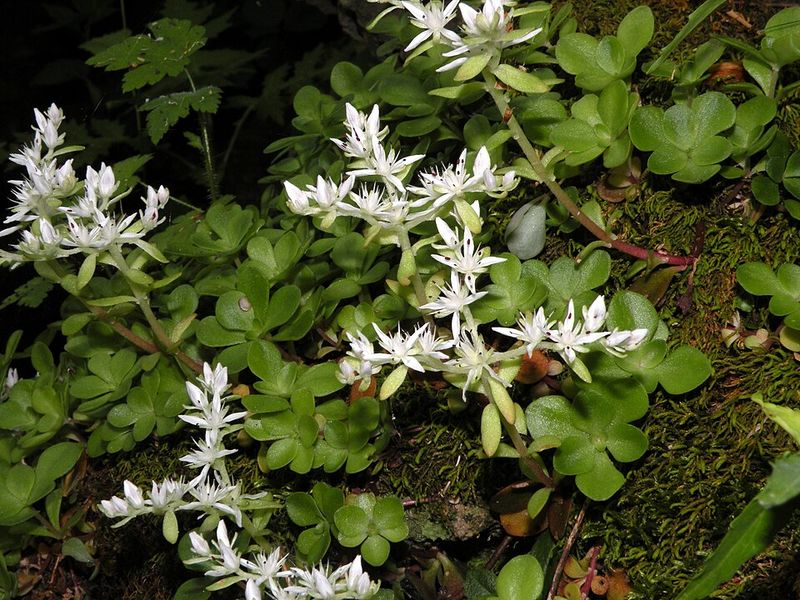
Succulent texture is not something people expect in a woodland planting, which is why woodland stonecrop feels so useful. This native sedum forms a low mat of fleshy leaves that brightens shaded or lightly sunny spots, then adds small yellow flowers in season.
In North Carolina, it works well in rocky woodland gardens, along shaded path edges, or in pockets where soil is thin but drainage is decent. That combination makes it handy for awkward sites that are too dry for moisture lovers yet too shaded for many sun-loving spreaders.
The plant stays low and tidy, so it never reads as bulky or wild. I like it in small drifts around stones or at the front of mixed native beds, where its smooth foliage contrasts nicely with ferns, grasses, and broader woodland leaves.
Give it protection from extreme afternoon heat in hotter areas, and avoid soggy conditions that can cause decline. If you want a native groundcover with an unusual texture, easy manners, and the ability to make tricky spaces look intentionally planted, woodland stonecrop deserves a closer look.