
10 Easy Herbs That Grow Surprisingly Well On Small Apartment Balconies
Follow us on Google
A tiny balcony can grow far more flavor than most people expect. If you get a few hours of light, a couple of pots, and herbs that do not fuss, you can snip fresh ingredients just steps from your kitchen.
These picks stay practical for apartment life, handle containers well, and reward small efforts fast. By the end, you will know exactly which herbs deserve your limited space first.
Basil
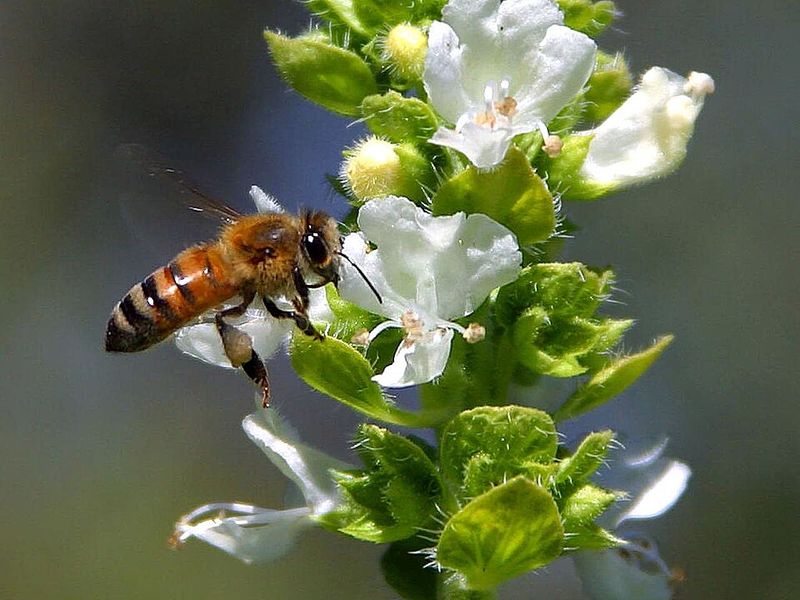
Fresh leaves within arm’s reach can make even a quick pasta feel special, and this plant earns its balcony spot fast. Basil loves warmth, steady sun, and soil that stays lightly moist without turning soggy.
If your balcony gets at least six hours of light, you will usually see quick growth once temperatures settle into consistently warm territory.
Pinching the top sets you up for a fuller plant instead of one tall stem that tires out early. I have found that harvesting often is the simplest trick, because regular snips encourage side shoots and keep flowering from taking over too soon.
A pot with good drainage matters more than fancy gear, and feeding lightly every few weeks helps leaves stay abundant and tender.
Protection from cold snaps is the biggest challenge in apartment setups, so bring containers inside when nights dip. Basil also appreciates airflow, but harsh wind can shred soft leaves, especially on exposed upper floors.
If you want one herb that feels useful almost daily, from sandwiches to salads to eggs, this reliable favorite punches well above the space it asks for.
Mint
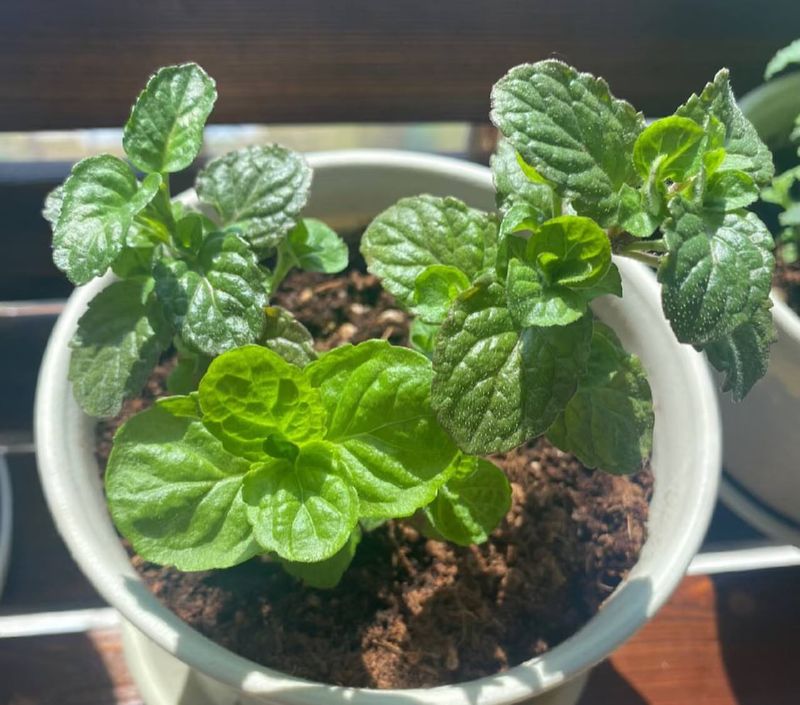
Few herbs feel as forgiving as this one, which is exactly why apartment gardeners keep coming back to it. Mint handles partial sun, rebounds quickly after harvest, and smells incredible every time you brush past the leaves.
On balconies that get gentle morning light rather than intense afternoon heat, it often grows even better than fussier culinary herbs.
Containment is the real secret, because those eager roots spread aggressively when given room. A dedicated pot keeps it productive without letting it bully nearby plants, and regular trimming prevents long, leggy stems.
If you tend to forget watering now and then, mint usually forgives you, though evenly moist soil still gives the best flavor and fuller growth.
Tea, fruit salads, yogurt sauces, and summer drinks all benefit from having a plant you can cut at any moment. I like placing mint near the balcony door where its scent makes the whole setup feel more alive.
Just watch for dry wind on very hot days, since containers can lose moisture quickly, and rotate the pot occasionally so growth stays balanced instead of leaning hard toward the light.
Chives
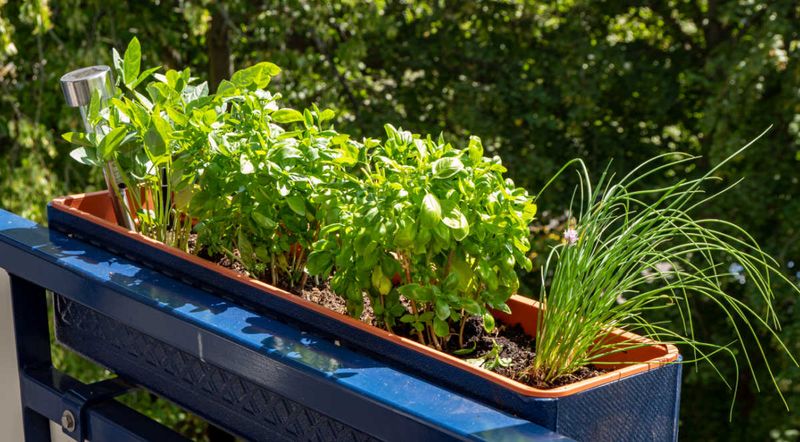
When space is tight, upright herbs earn extra points, and this one stays tidy while producing plenty. Chives grow in clumps rather than sprawling wildly, so they fit windowside tables, narrow planters, and corners that cannot handle bigger pots.
You only need a sunny spot, decent drainage, and regular watering to keep the leaves tender and ready for snipping.
Cutting from the outside of the clump helps the center stay strong, and the plant responds well to frequent harvests. I like recommending chives to beginners because they bounce back quickly and do not demand constant fussing.
Their mild onion flavor is useful in scrambled eggs, baked potatoes, creamy dips, and salads, which means you are more likely to keep harvesting and encouraging fresh growth.
Purple blossoms can appear later and look surprisingly pretty on a balcony, but trimming some flower stems helps the plant focus on leaves. If the pot becomes crowded after a season or two, dividing the clump is simple and gives you more plants for free.
For anyone who wants a low-drama herb that stays compact and productive, chives make a very smart first choice.
Parsley
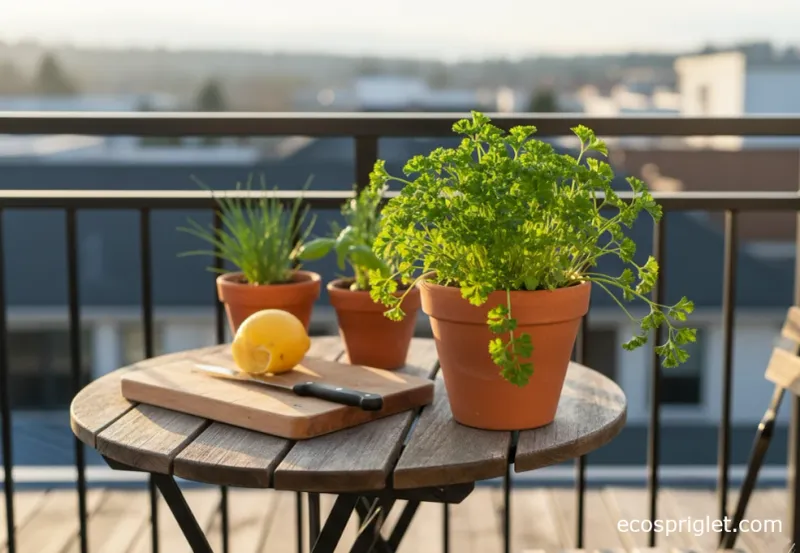
Reliable kitchen herbs are worth their weight in gold when you cook often, and parsley delivers more than garnish status. It handles containers well, stays useful across many dishes, and tolerates cooler conditions better than heat lovers like basil.
A balcony with four to six hours of sun is usually enough, especially if afternoons get intense during summer.
Consistent moisture helps the leaves stay soft and flavorful, so do not let the pot dry completely for long stretches. Cutting outer stems near the base keeps new growth moving from the center, and a deep container gives the roots enough room to stay productive.
I usually suggest flat leaf types for cooking because the flavor is stronger, though curly varieties still work nicely and look decorative in mixed planters.
This herb shines in soups, grain bowls, dressings, roasted vegetables, and quick finishing sprinkles over nearly anything savory. If your balcony runs cool in spring or fall, parsley often outperforms fussier plants and stretches your harvest season.
It can also be slow from seed, so buying a healthy starter plant saves time and gives you earlier results, which matters when you want your small space earning its keep quickly.
Oregano
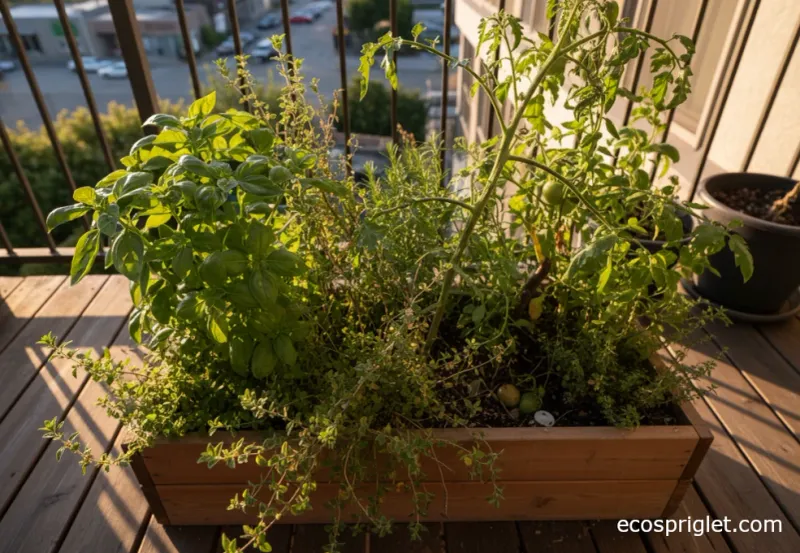
Strong flavor and easy growth make this herb a practical pick when every container needs to justify its place. Oregano thrives in sun, handles leaner conditions than thirsty herbs, and becomes more aromatic when not pampered too much.
On a bright balcony, it usually settles in quickly and starts producing stems you can trim for cooking without waiting forever.
Good drainage is essential, because constant dampness weakens the plant and dulls the flavor. A pot on the smaller side often works well since slightly constrained roots can keep growth compact, and trimming tips encourages branching.
I have noticed that the taste gets stronger once the plant matures a bit, so patience during the first few weeks pays off with better kitchen results later.
Pizza sauce, roasted vegetables, marinades, tomato dishes, and bean soups all benefit from having fresh oregano close by. It can sprawl gently as it grows, which softens hard balcony lines and gives containers a fuller look without becoming unmanageable.
If your space bakes in summer sun and you want an herb that leans into those conditions instead of sulking, oregano is usually one of the most rewarding choices.
Cilantro
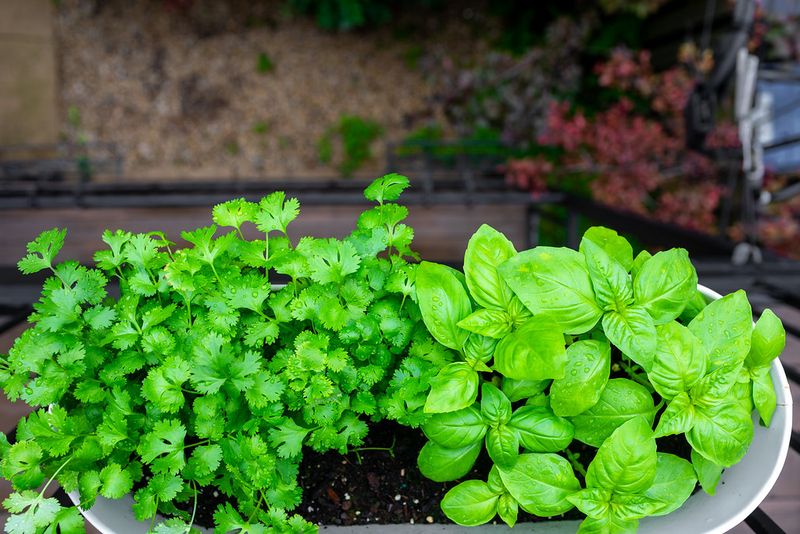
Fast harvests make this herb especially satisfying, but timing matters more than with many balcony favorites. Cilantro prefers cooler weather, so spring and early fall usually bring the best results before heat pushes it to flower.
If your balcony gets bright morning sun and some afternoon shade, you can often stretch the leafy stage longer and enjoy a better harvest.
Shallow roots still appreciate a reasonably deep container because moisture stays steadier and growth remains less stressed. Succession sowing every couple of weeks is the easiest way to avoid having all your plants bolt at once, and regular cutting keeps leaves coming.
I usually tell people not to treat cilantro like a one-time crop, because repeating small plantings works far better in apartment conditions than relying on one large pot.
Fresh leaves wake up tacos, curries, rice bowls, chutneys, and simple lime-heavy salads in a way dried herbs never quite match. Once flowers and seed heads appear, you can still let some develop into coriander seeds, so the plant continues paying you back.
For anyone with a balcony that runs cooler part of the year, cilantro is a smart seasonal herb that earns quick enthusiasm from cooks.
Rosemary
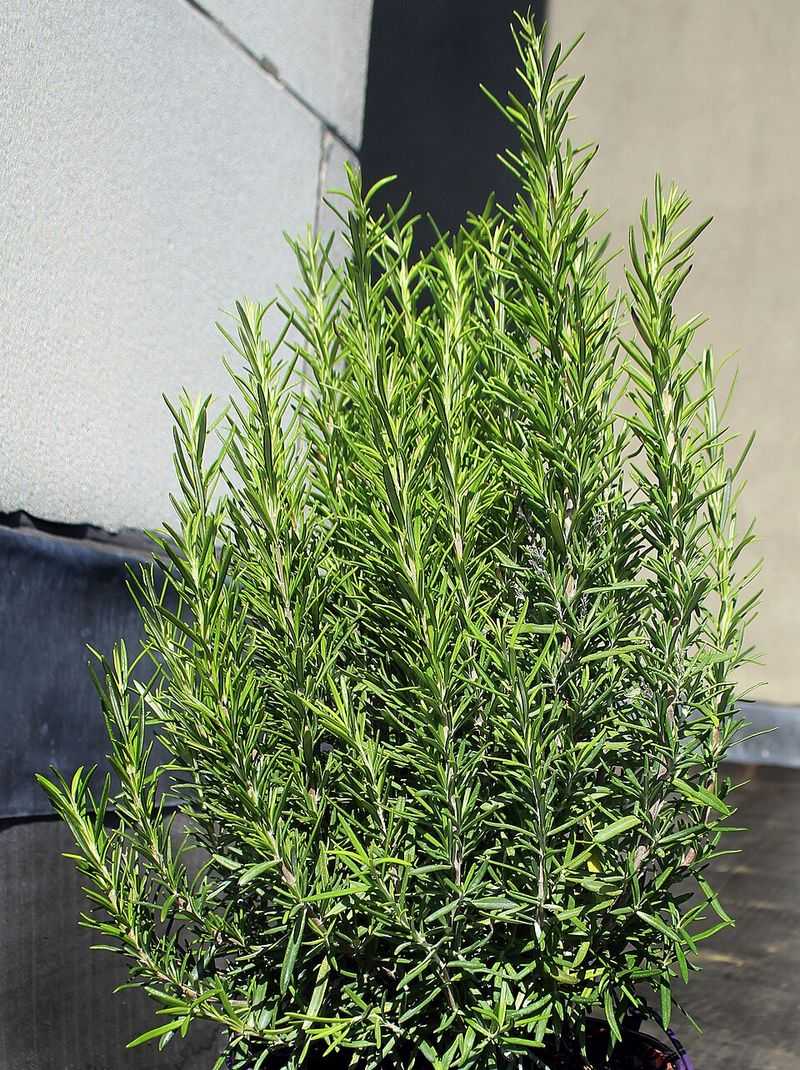
Structure matters on a small balcony, and this herb brings both flavor and a strong visual shape. Rosemary grows upright, smells wonderful in warm sun, and tolerates dry air better than many softer herbs.
If your apartment gets lots of direct light, especially on a south or west facing balcony, it can become one of the most dependable long-term plants you keep.
Drainage is nonnegotiable, since soggy roots are the fastest route to disappointment. Letting the top layer of soil dry before watering again usually works well, and a terracotta pot helps excess moisture escape.
I also like giving rosemary a little breathing room instead of crowding it with thirstier neighbors, because airflow keeps the plant healthier and reduces stress in humid weather.
A few clipped sprigs can flavor roasted potatoes, focaccia, chicken, beans, and even simple infused oils. Growth may be slower at first than basil or mint, but the plant rewards patience by becoming sturdier and more generous over time.
If winters are cold where you live, moving the pot indoors near your brightest window can help it keep going, making rosemary a very worthwhile herb for balcony gardeners who think ahead.
Sage
Textured leaves and a savory, earthy scent give this herb a presence that feels bigger than its pot. Sage handles container life well when given sun, sharp drainage, and a light hand with water.
On balconies where heat builds up against walls, it often stays comfortable as long as roots are not trapped in soggy mix after every watering.
Because the stems can turn woody with age, regular light trimming keeps the plant fuller and more productive. New growth offers the best flavor, so snipping young tips for cooking doubles as maintenance and encourages branching.
I like sage for busy gardeners because it does not wilt dramatically the second conditions shift, which makes it less stressful to manage than some thirstier herbs.
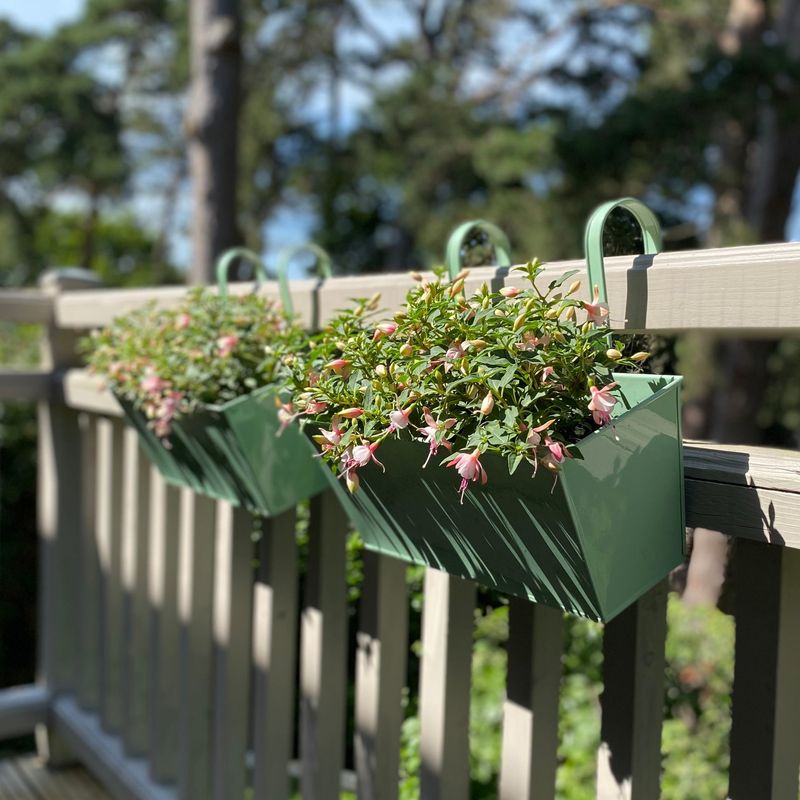
Brown butter sauces, roasted squash, chicken, white beans, and stuffing all get a serious boost from a few fresh leaves. The soft gray-green foliage also looks beautiful against plain balcony railings, giving your setup a subtle decorative edge without requiring flowers.
If you need an herb that is culinary, compact, and comfortable with a sunnier, drier container routine, sage is a very practical addition that feels quietly sophisticated all season.
Dill
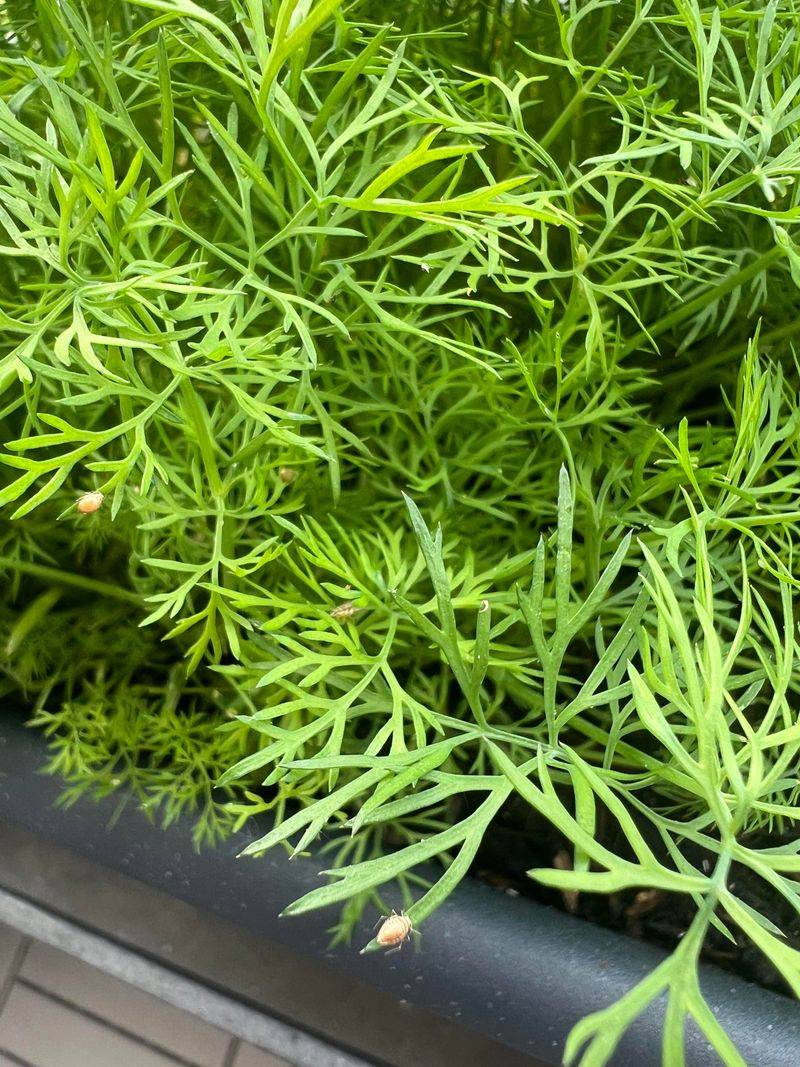
Feathery foliage adds a softer look to container gardens, and this herb brings that visual lightness without much complication. Dill grows quickly from seed, likes sun, and works surprisingly well on balconies if the container is deep enough.
Because it forms a taproot, giving it more vertical room matters more than choosing an especially wide pot.
Steady moisture helps seedlings establish, but mature plants still need drainage that prevents constant wetness. Taller stems can lean in windy spots, so placing the pot near a railing or sheltered wall reduces damage on exposed balconies.
I usually suggest sowing extra seeds every few weeks, since dill grows fast, bolts in heat, and is most satisfying when you keep a fresh wave coming.
Fresh fronds brighten potato salads, yogurt sauces, seafood, cucumbers, and quick pickles with almost no effort. If flowers appear, they attract pollinators when outdoor conditions allow and can also be used for pickling, which extends the plant’s usefulness.
For apartment gardeners who want something airy, flavorful, and easy to start without a nursery run, dill earns its place with speed and a surprising amount of charm.
Lemon Balm
Bright citrusy fragrance makes this herb feel cheerful the moment you touch a leaf, and that alone wins people over. Lemon balm grows easily in containers, tolerates partial sun, and handles apartment balcony life with far less drama than many delicate herbs.
If your outdoor space gets moderate light rather than intense all-day heat, you may find it especially happy there.
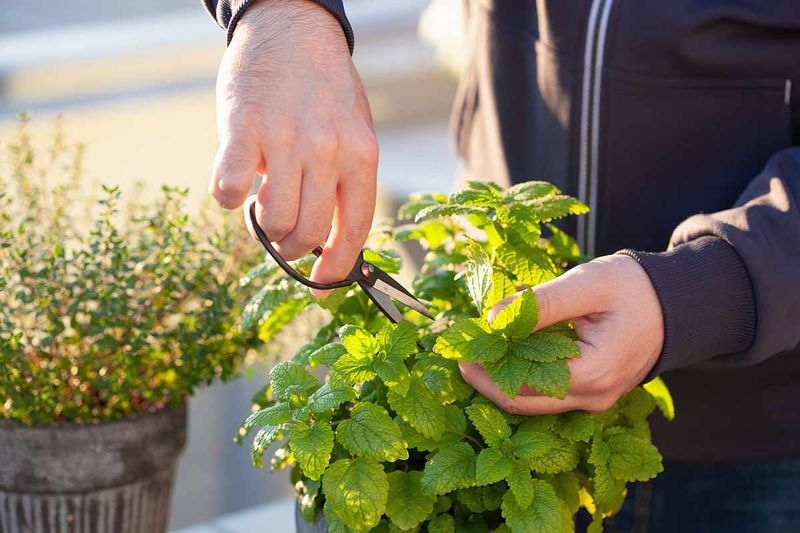
Regular trimming keeps the plant bushy and prevents it from getting lanky as the season moves on. A separate pot is usually smartest, since growth can get enthusiastic under good conditions, though not as aggressively as mint in most setups.
I like recommending lemon balm to people who want something useful beyond cooking, because it works beautifully in herbal teas, cold infusions, and simple dessert garnishes.
Moist but well-drained soil gives the best results, and a little afternoon shade can preserve softer growth in hot climates. Snipping often also keeps the leaves tender and fragrant, which matters if you plan to use them fresh rather than dried.
For a balcony herb that feels generous, smells amazing after rain or watering, and asks for only basic care, lemon balm is one of the nicest surprises you can grow.