
The Georgia Backyard Flowers That Pollinators Visit From Morning Until Evening
Follow us on Google
A busy Georgia backyard can sound different when the right flowers are in bloom. Bees start early, butterflies drift through the heat, and hummingbirds often make their rounds before sunset.
If you want color that also feeds pollinators all day, these flowers earn their space with steady nectar, long bloom windows, and real backyard performance.
Purple Coneflower
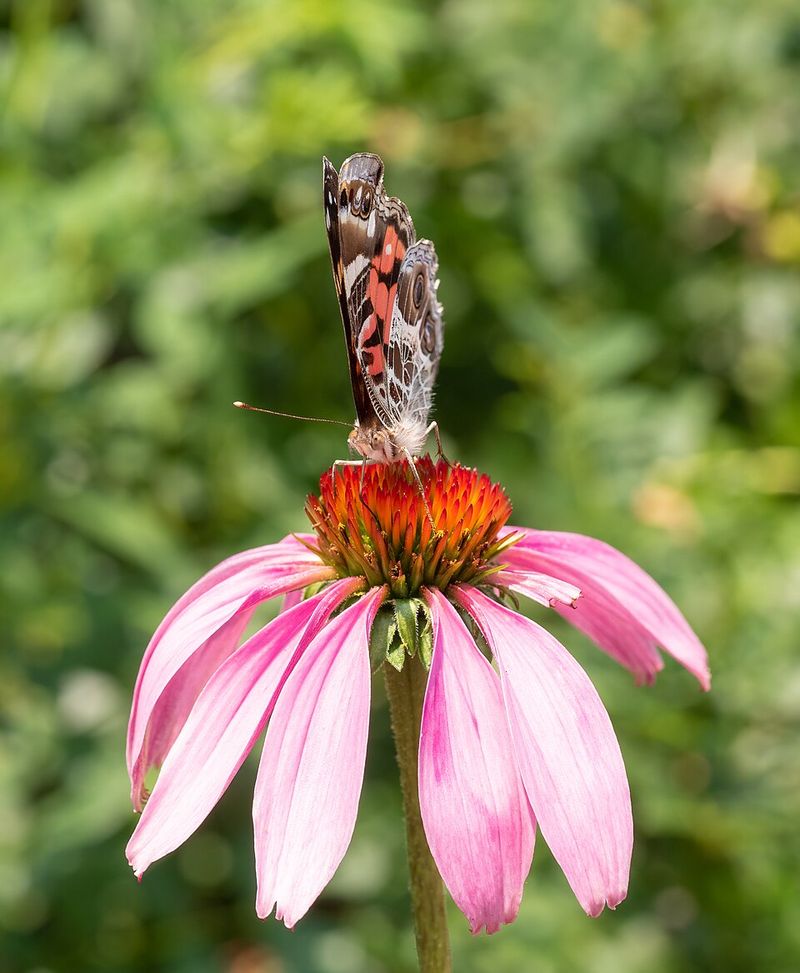
By breakfast time, the upright blooms are already open, and that matters in a Georgia yard where pollinators start working early. You will usually spot native bees first, then butterflies later, all drawn to the easy landing pad and nectar-rich center.
Because the flowers stand above rough, sturdy foliage, they stay visible even in busy mixed borders.
Good drainage makes a real difference here, especially in clay-heavy spots that hold moisture after summer storms. Once plants settle in, they handle heat well and rarely ask for much beyond occasional watering during long dry spells.
Deadheading extends the show, but leaving some seed heads later gives goldfinches a reason to visit too.
Place them where they get at least six hours of sun and enough airflow to keep leaves clean. If your bed bakes in afternoon heat, that is fine, as long as the crowns are not sitting in soggy soil.
A mulch ring helps roots stay cooler without crowding the stems.
What makes this flower especially useful is its long shift. Morning bees, midday butterflies, and late afternoon visitors all seem to check in, so your yard never feels quiet for long.
In a Georgia backyard, that kind of steady traffic is exactly what you want from a reliable pollinator plant.
Bee Balm
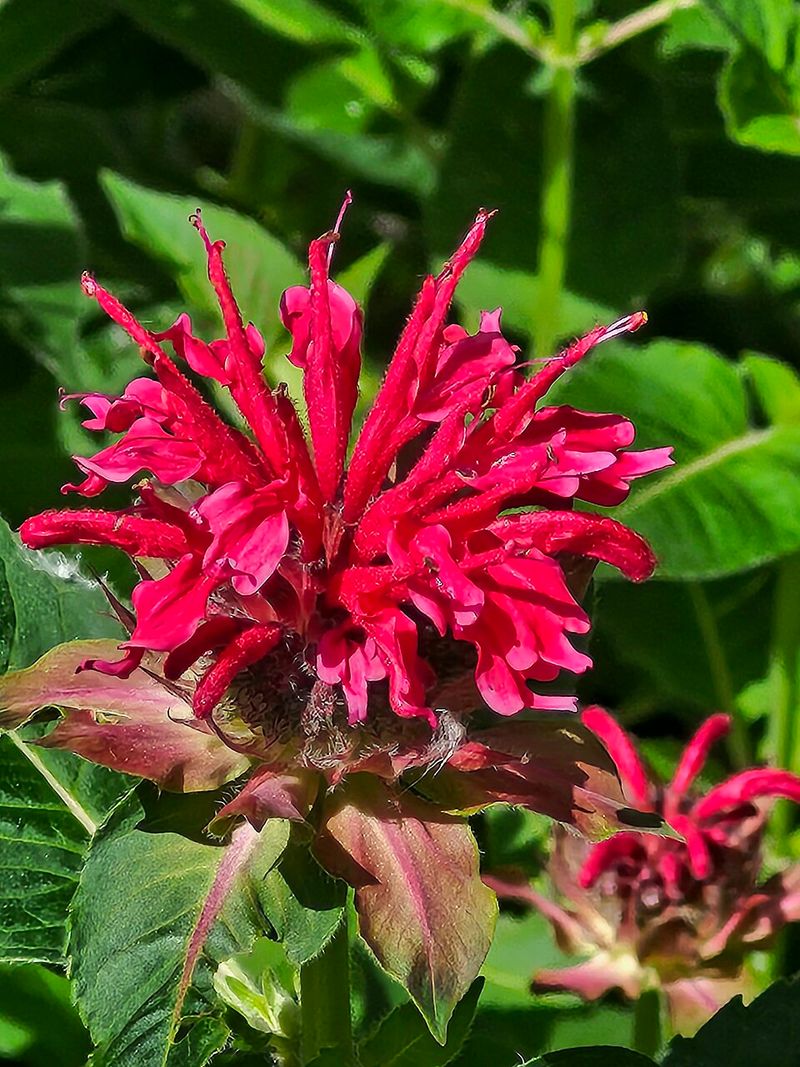
Nothing about these shaggy blooms feels subtle, and that is exactly why pollinators notice them so quickly. Hummingbirds zip in for the tubular flowers, bumblebees push into the petals, and butterflies seem to circle back again and again through the day.
In Georgia heat, that kind of constant attention makes the planting bed feel lively from sunrise on.
Air circulation is the big secret if you want strong performance without powdery mildew taking over by midsummer. Give each clump room, skip overcrowding, and water near the roots instead of wetting the leaves in the evening.
Rich soil helps, but a plant in average garden ground can still do well if it drains properly.
You will get the best show in full sun, though a little afternoon shade can help in hotter parts of the state. Cutting spent blooms encourages fresh flowers and keeps the patch looking less tired during long humid stretches.
Dividing every few years also keeps growth vigorous and flowering steady.
There is a practical reason gardeners keep returning to this one. It bridges that busy summer window when many yards start looking flat, yet pollinators still need dependable nectar.
If you want one flower that feels busy, colorful, and useful all at once, this earns its spot quickly.
Black-Eyed Susan
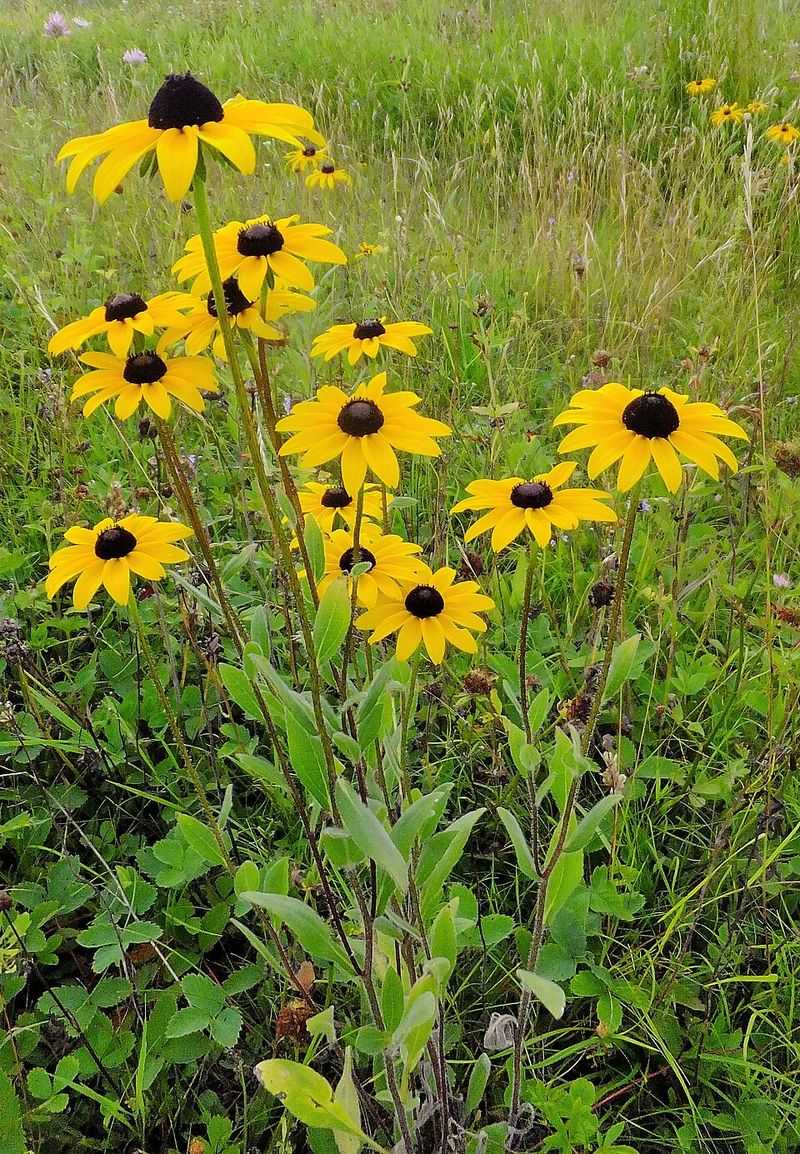
Bright yellow petals and dark centers act like a roadside sign for pollinators, especially in the warm middle stretch of a Georgia summer. Bees find the flowers fast, small butterflies stop in often, and the whole patch keeps working even when temperatures climb.
Because the form is simple and open, visitors do not waste time figuring out where to land.
This is one of those flowers that rewards ordinary care instead of perfection. Full sun keeps stems sturdy, and average soil is usually enough as long as drainage is decent.
Once established, plants cope with heat and short dry periods better than many fussier ornamentals.
Deadheading will prolong bloom, but letting some flowers mature later adds seed for birds and a bit of autumn texture. If your bed tends to flop after heavy rain, place plants where neighboring perennials can offer light support.
That simple choice helps the planting stay upright without stakes cluttering the view.
What gardeners appreciate most is the dependable rhythm. Morning bees work the newly opened blooms, butterflies arrive as the day warms, and even late afternoon still feels active around a healthy clump.
For a backyard that needs easy color and reliable nectar without extra drama, this one delivers more than its humble look suggests.
Salvia
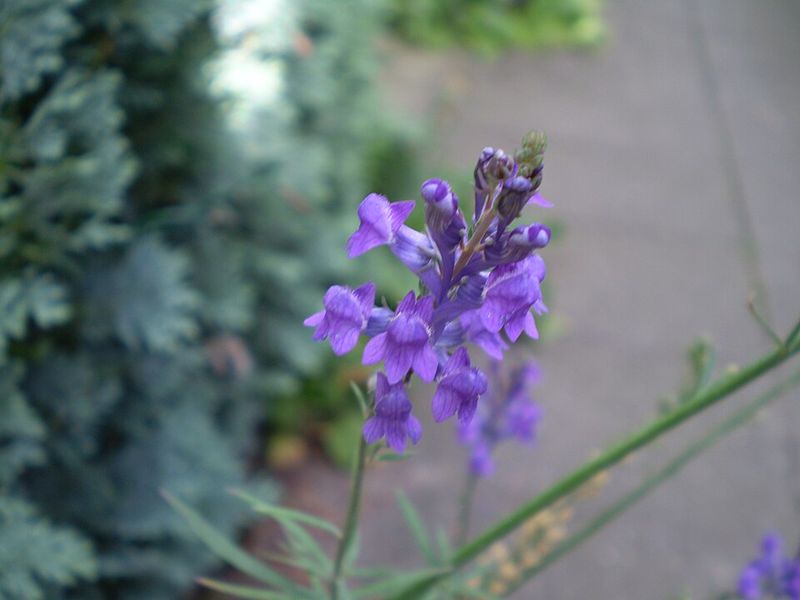
Spikes of blue, violet, or red flowers bring a different shape to the border, and pollinators respond right away. Bees work upward from bloom to bloom, while hummingbirds pause just long enough to sip before darting off again.
In a Georgia backyard, that vertical burst of color also helps the garden look structured instead of loose and sprawling.
Sun is the main requirement, and excellent drainage is close behind. If the planting area stays wet after storms, amend the soil or use a raised bed so roots do not sulk in heavy moisture.
Once established, salvia handles heat with impressive calm and keeps flowering through stretches that wear down softer plants.
Cutting back spent flower spikes is worth the few minutes it takes because rebloom can be strong. A midsummer trim often brings a fresh flush just when the rest of the bed starts looking tired.
Pairing it with mounding companions also hides the lower stems as the season progresses.
The real value is how long the plant stays useful. Early bees, midday butterflies, and evening hummingbirds can all show interest if the bloom cycle is steady.
When you need a pollinator flower that looks tidy, tolerates Georgia summer, and keeps showing up for the long shift, salvia is hard to beat.
Swamp Milkweed
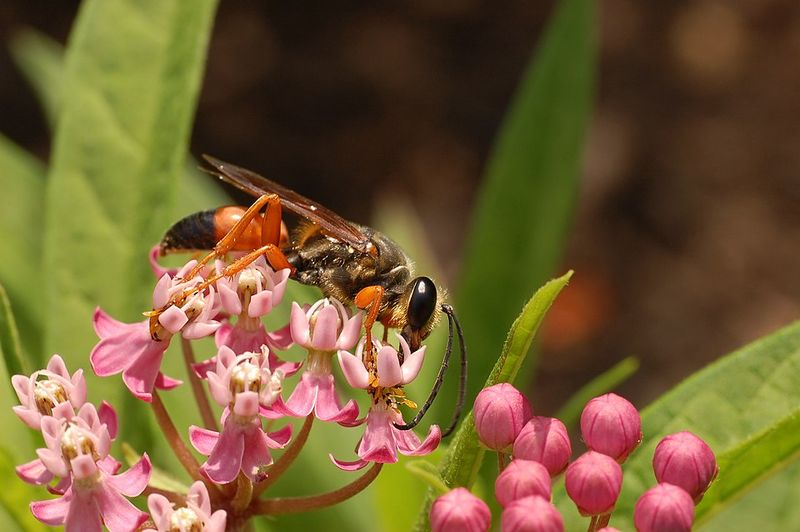
Clusters of pink flowers bring in more than one kind of visitor, which is why this native plant earns so much respect. Bees gather nectar, butterflies linger, and monarchs treat it as both a food source and a nursery plant for caterpillars.
In a Georgia yard, that double role makes it more valuable than many showier flowers.
The name scares some people into thinking it needs standing water, but that is not really the point. Consistent moisture helps, especially during establishment, yet a normal garden bed can work if it does not dry out completely.
Adding compost improves water retention and gives roots a steadier environment through summer heat.
Place it in full sun where the taller stems will not overshadow shorter plants. Unlike tropical milkweed, this native option fits better into regional ecosystems and supports the life cycle pollinators actually need.
If seed pods form, leave a few so you can enjoy the silky fluff and future volunteer plants.
Patience matters because the plant may wake up later in spring than neighboring perennials. Once it gets going, though, the flowers stay busy and the wildlife interest becomes obvious from morning onward.
If you want your backyard to help monarchs without sacrificing beauty, this is one of the smartest additions you can make.
Blanket Flower
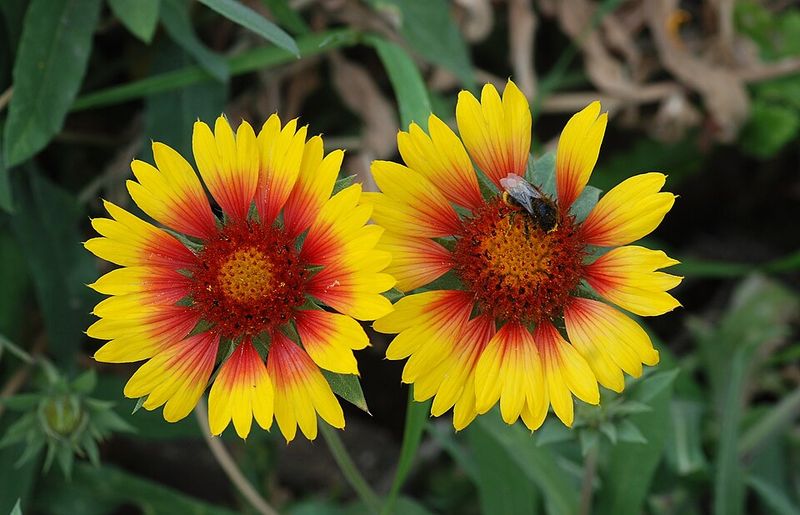
Hot colors and daisy-like faces make these blooms impossible to ignore, even on the brightest Georgia afternoon. Bees visit early, butterflies follow as the day warms, and the flowers keep producing when other plants look tired from heat.
That stamina is a major reason gardeners rely on them in sunny, exposed spots.
Lean soil is not a problem here, and too much pampering can actually shorten performance. Give the plant full sun, avoid heavy fertilizer, and make sure water moves through the bed instead of pooling around the crown.
In clay soil, raised planting or grit mixed into the site can help prevent rot.
Regular deadheading keeps the patch colorful and encourages more blooms over a longer season. If you prefer a slightly wilder look, leave a few spent flowers toward fall and let the plant self-seed lightly.
That casual approach can fill gaps naturally without turning the bed into a maintenance project.
This flower earns its keep during the hardest part of summer, when reliable nectar sources become more important than ever. The petals may look cheerful, but the plant is tougher than it appears and keeps pollinators fed through long hot days.
For dry, sunny Georgia backyards, that is a combination worth making room for.
Aster
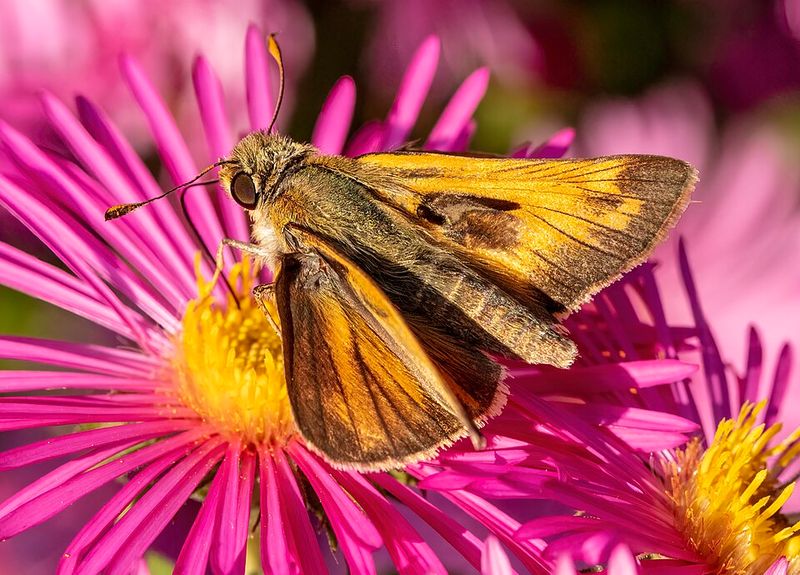
Late in the season, when summer flowers begin fading, these starry blooms step in at exactly the right moment. Bees still need nectar, migrating butterflies need fuel, and your backyard suddenly feels active again instead of winding down.
That timing alone makes asters one of the most practical choices for Georgia pollinator gardens.
Full sun gives the strongest flowering, but a little light shade can work in hotter areas if airflow stays good. Pinching stems earlier in the season creates fuller plants with more blooms and less flopping later.
It is a simple habit that pays off once the flower show begins.
Native or regionally adapted asters fit especially well because they tolerate local conditions and support beneficial insects more naturally. They appreciate decent moisture while growing, though established clumps can handle short dry stretches better than many gardeners expect.
Avoid overfertilizing, or you will get leafy growth at the expense of flowers.
There is something satisfying about seeing pollinators still busy when many beds are running out of steam. Morning bees work the fresh blossoms, and butterflies keep checking in through the warmer hours of the day.
If your yard needs a strong finish to the season, asters provide color, motion, and real ecological value right on schedule.
Coreopsis
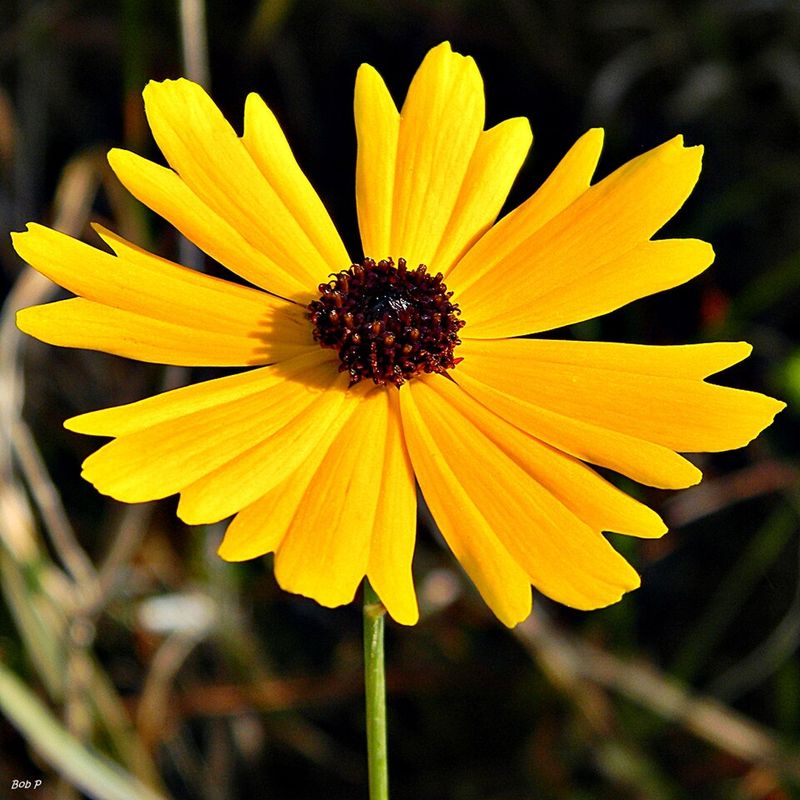
Small daisy-like flowers may not look dramatic from a distance, yet pollinators read them as a dependable food source. Bees move quickly across the open centers, and butterflies often stop for easy nectar during the warmer part of the day.
In Georgia gardens, that steady usefulness matters more than oversized blooms that fade fast.
Sun is essential, and good drainage keeps the plants healthy through humid weather. Many varieties tolerate poor soil, which makes them handy for spots where richer, fussier flowers struggle.
Once established, they ask for little beyond occasional water during extended drought and a trim when blooming slows.
Shearing after the first major flush can refresh the plant and spark a second round of flowers. That sounds severe, but the foliage rebounds quickly if the roots are healthy and the weather is cooperative.
A thin layer of mulch helps moderate soil temperature without burying the crown too deeply.
What you get in return is a flower that keeps the border looking cheerful and keeps pollinators supplied over a long stretch. The effect is not flashy in a forced way, just constant and quietly productive from morning until evening.
If you want low-drama color with real ecological benefit, coreopsis is a smart, hardworking pick.
Garden Phlox
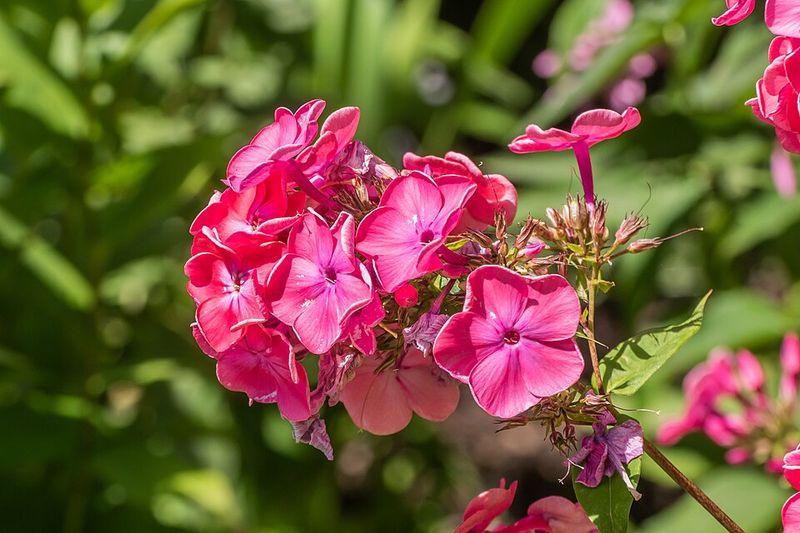
Fragrant flower clusters pull people closer, but pollinators usually arrive first and get straight to work. Butterflies are especially fond of the broad landing surfaces, and bees move through the florets steadily from early day into late afternoon.
In a Georgia backyard, that combination of scent and nectar gives the garden a sense of motion.
Humidity can be challenging, so resistant varieties are worth seeking out instead of hoping for the best. Give plants full sun to light shade, consistent moisture, and enough spacing that air can move between stems.
Watering at the base rather than overhead also helps keep foliage cleaner during muggy stretches.
Deadheading extends bloom, and a little support may help taller stems stay upright after summer storms. If your soil dries quickly, compost mixed into the bed improves moisture retention without making it soggy.
That balance is important because stressed plants flower less and become more vulnerable to disease.
When grown well, phlox earns attention over a long window and keeps the pollinator traffic flowing. The blooms are easy to notice from a patio or kitchen window, so you can actually enjoy the butterflies instead of guessing they showed up.
For gardeners who want beauty, fragrance, and practical nectar value, this is a strong summer choice.
Joe Pye Weed
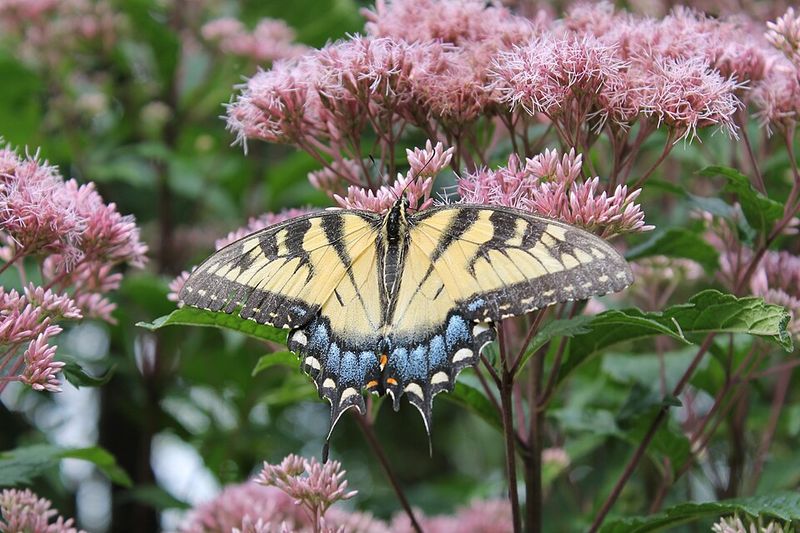
Tall stems topped with dusty pink flower domes create a feeding station that butterflies can spot from a distance. Bees join in too, and the whole plant seems to hum once blooming starts in late summer.
In Georgia, that timing is useful because many pollinators are still active even when shorter flowers begin to fade.
Moisture is important, especially while the plant establishes deep roots, so it performs best where soil does not bake dry. Full sun encourages the strongest stems, though light afternoon shade can be helpful in hotter inland sites.
Because mature plants are sizable, place them near the back of a border or where height will not crowd smaller neighbors.
Native forms fit beautifully into a pollinator-focused yard and feel more graceful than the name suggests. Cutting back by a third in late spring can reduce overall height if you want a tidier scale for suburban beds.
That small adjustment often makes the plant easier to integrate without losing the flower display.
What makes it worth the space is the sheer amount of life it attracts once the clusters open. Butterflies linger, bees keep working, and your garden gains height without losing ecological purpose.
If you have room for a bold native that feeds pollinators from morning through evening, this one makes a convincing case.
Goldenrod
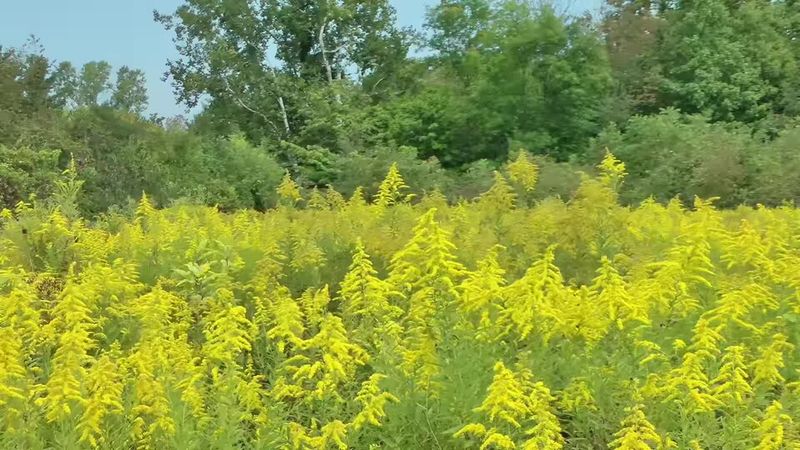
Golden sprays of bloom arrive just when many gardeners need a fresh burst of color, and pollinators clearly agree. Bees cover the flowers, butterflies stop often, and the plant becomes one of the busiest late-season nectar sources in the yard.
Despite the myths, it is not the usual culprit behind seasonal allergies.
Most garden-worthy types thrive in full sun and average soil, especially if drainage is reasonable. Native selections are particularly useful because they support local insects while coping well with Georgia conditions.
If you are worried about aggressive spreading, choose clumping varieties rather than wilder types that roam.
Placing goldenrod beside asters creates a strong late-summer and fall pairing that looks good and feeds a wide range of visitors. A midspring pinch can keep stems fuller and reduce flopping by bloom time.
Beyond that, care is refreshingly simple, with little need for pampering once the plant settles in.
The best part is how much activity it adds when the gardening year feels like it should be winding down. Morning bees get started early, and butterflies continue checking the flowers as the day cools toward evening.
For Georgia backyards that need strong late-season nectar, goldenrod is not optional decoration, it is a real worker.
Zinnia
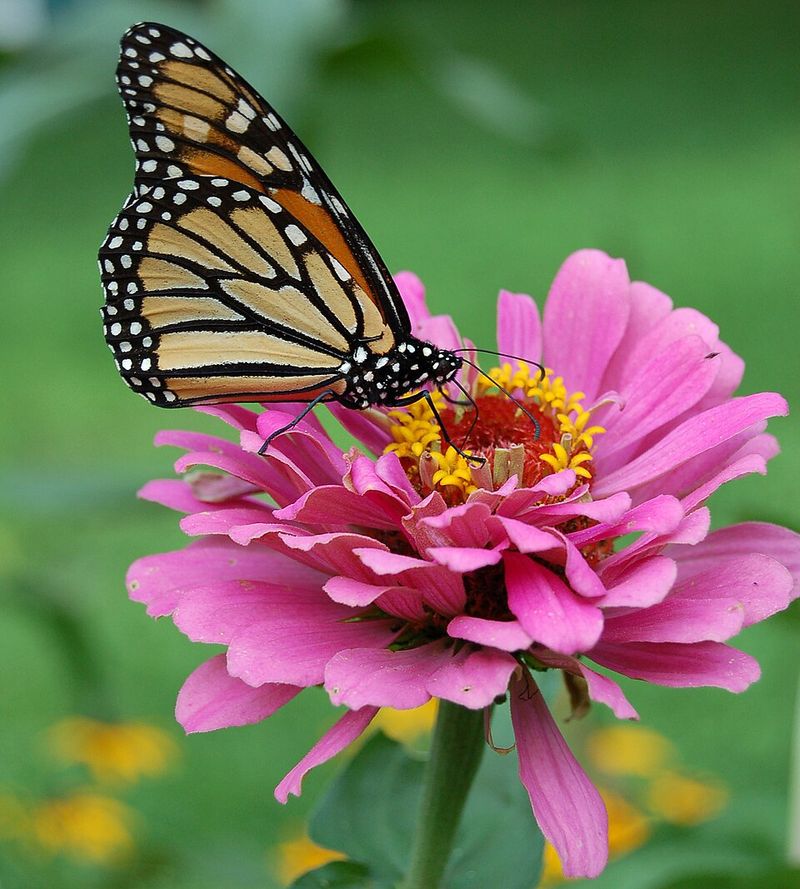
Bright, cheerful blooms keep producing for months, and that nonstop color turns into a reliable buffet for pollinators. Butterflies love the broad landing space, bees visit the open centers, and you can usually count on fresh flowers through much of a Georgia summer.
Few annuals work this hard while also making the garden look intentionally colorful.
Direct sowing is easy once the soil has warmed, which makes this flower a practical choice for gardeners who do not want complicated starts. Full sun is essential, and spacing matters more than people think because crowded plants invite mildew in humid weather.
Water low, keep air moving, and remove tired blooms often.
Choosing single or semi-double forms helps pollinators reach nectar more easily than heavily doubled varieties. Cutting flowers for the house actually encourages more stems, so you do not have to choose between bouquets and backyard wildlife.
That kind of productivity is especially satisfying when you want beauty with a clear purpose.
From breakfast light to the last warm hours of afternoon, the patch rarely feels quiet once flowering ramps up. You can stand nearby for five minutes and usually spot several kinds of visitors making the rounds.
If you want a simple, affordable way to keep pollinators fed all season in Georgia, zinnias are one of the easiest wins.