
10 Florida Herbs That Grow Better In Containers Than Garden Beds
Follow us on Google
Florida can grow herbs fast, but the same heat, rain, and sandy soil that speed things up can also ruin a planting bed in a hurry. Containers give you more control over drainage, sun, moisture, and runaway roots, which is exactly what many herbs need here.
If you have struggled with rot, pests, or herbs that bolt overnight, a pot on the patio may solve more problems than another garden bed. These ten herbs tend to stay healthier, tastier, and easier to manage when you grow them in containers across the Sunshine State.
Mint
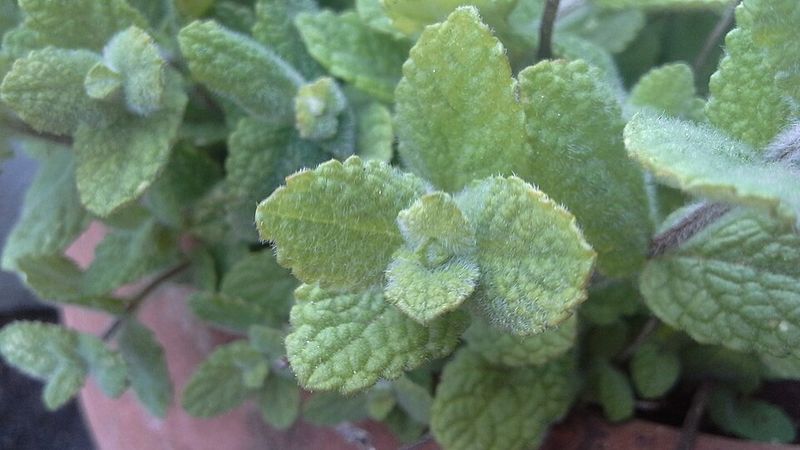
Anyone who has planted mint in a garden bed knows how quickly it tries to own the entire space. In Florida, warm temperatures and regular moisture make that spreading habit even more aggressive.
A container gives you the easiest kind of control, letting you enjoy fresh mint without spending months pulling runners from nearby plants.
Pots also help you manage Florida’s intense summer weather. Mint likes moisture, but soggy soil can still cause trouble, especially during long rainy periods.
With a well-draining potting mix, you can keep roots evenly moist instead of waterlogged, and that usually means cleaner leaves and stronger flavor.
Place the container where it gets morning sun and afternoon shade, especially in hotter inland spots. A pot that is at least 12 inches wide works well because mint fills out quickly.
Trimming stems often keeps growth dense, and removing any tired woody sections encourages fresh, tender shoots for tea, fruit salads, and summer drinks.
Keeping mint near a hose or faucet makes care simple during dry spring weeks. If growth slows, a light feeding with balanced fertilizer usually perks it up fast.
In Florida yards, containers are less about style and more about preventing a takeover while keeping the plant healthy and easy to harvest.
Cilantro
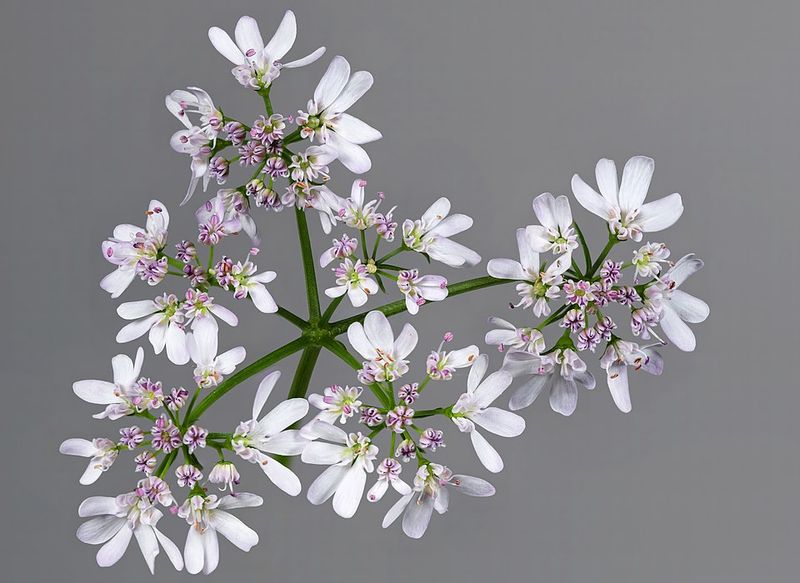
Cilantro is one of those herbs that can feel impossible in Florida if you treat it like a long season bed plant. Heat pushes it to bolt fast, and warm garden soil rarely helps.
Containers give you a better shot because you can start earlier, shift the pot into cooler light, and keep the soil from baking all afternoon.
During Florida’s mild cool season, cilantro does especially well in a shallow, wide container with loose potting mix. That setup drains well after rain but still holds enough moisture for steady growth.
Instead of a muddy bed turning warm and compacted, you get a root zone that stays more balanced.
Succession sowing is the real secret. Plant new seeds every two or three weeks so you are never depending on one tired batch.
A container makes that process easier because you can dedicate a pot to each sowing and replace older plants as soon as they start stretching upward.
Set pots where they receive gentle sun, ideally in the morning, and protect them from hot afternoon exposure. If a cool spell arrives, cilantro usually responds with a burst of leafy growth.
In Florida, that mobility is the difference between a quick disappointment and a steady harvest for salsa, curries, and weeknight tacos.
Thyme
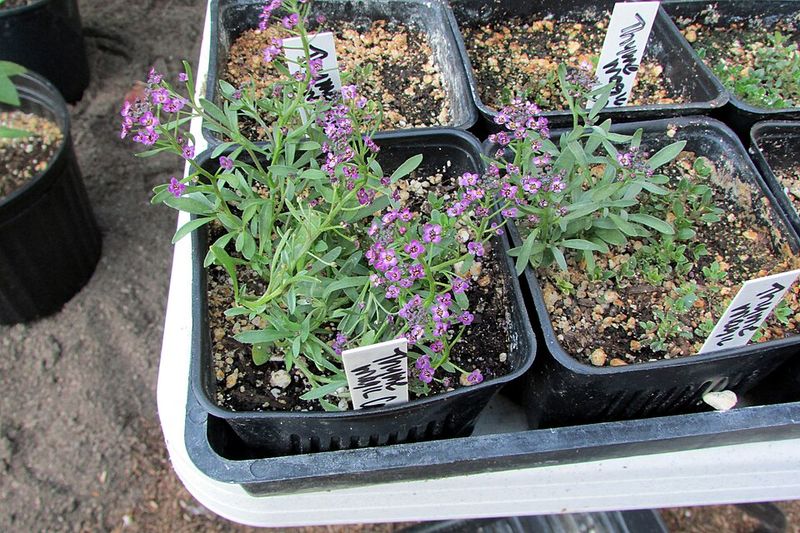
Thyme often struggles in Florida garden beds because the combination of humidity, summer rain, and heavier soil can be too much for its Mediterranean roots. It prefers sharp drainage and a drier rhythm than many landscapes naturally provide.
Growing it in a container lets you create those leaner conditions without fighting your yard all season.
A clay pot is especially helpful because it releases moisture faster than plastic. That matters in a place where sudden downpours can leave beds wet for days.
With gritty potting mix and a container raised slightly off the ground, roots stay healthier and foliage is less likely to decline from excess moisture.
Give thyme plenty of sun, but watch how brutal late afternoon heat gets in peak summer. In many Florida locations, bright morning light and a little relief later in the day keeps plants looking fuller.
Trim lightly and often rather than cutting back too hard at once, since small regular harvests encourage branching.
Container thyme also stays cleaner and easier to use near the kitchen, especially if your in-ground beds get splashed by rain or mulch. You can move the pot under cover during long wet stretches, which helps more than most people expect.
For Florida gardeners, that simple control usually means better flavor and a longer-lived plant.
Basil
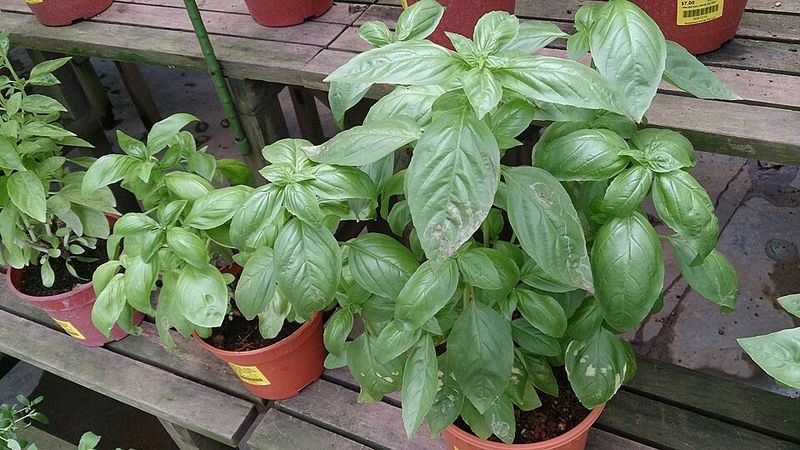
Florida heat can make basil grow fast, but garden beds often stay too wet after heavy summer rain. In a container, you can control drainage, use lighter potting mix, and move the plant when afternoon sun turns intense.
That extra flexibility helps leaves stay tender instead of stressed, spotted, or scorched.
A roomy pot also keeps the root zone warmer in winter and drier during stormy stretches. You will usually notice fewer soil-borne problems, especially if your yard has dense soil or nematode issues.
Pinching flower buds every few days keeps the plant focused on leafy growth, and container basil responds quickly to that attention.
For best results, use a container at least 10 to 12 inches wide with several drainage holes. Water deeply, then wait until the top inch feels dry before watering again.
A spot with morning sun and a little afternoon shade is often the sweet spot in South and Central Florida.
If you cook often, keeping basil near the kitchen door makes harvest easier and more frequent. Regular picking encourages bushier growth, so your pasta nights benefit too.
In Florida, convenience and control are exactly why potted basil usually outperforms the same herb planted straight in the ground.
Oregano
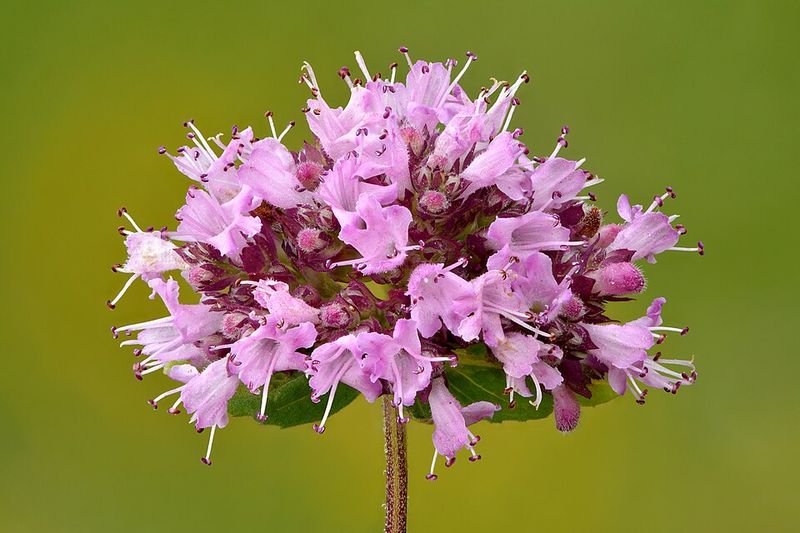
Oregano loves warmth, but Florida garden beds can push it beyond comfortable when rain and humidity stay high for weeks. Too much moisture often leads to legginess, weak flavor, and roots that sit wet longer than they should.
A container lets you keep the soil lighter, drier, and much closer to what oregano naturally prefers.
Using a pot also makes pruning easier, and that matters because oregano tastes best when growth is young and compact. If stems start stretching, trim them back by a third and the plant usually responds with fuller branching.
In a bed, that maintenance can get overlooked, especially when oregano mingles with neighboring plants.
Choose a container with excellent drainage and use a potting mix amended with coarse sand or perlite. Full sun is ideal, though some afternoon protection can help during Florida’s most punishing summer weeks.
Water only when the top inch or two is dry, since oregano would rather be slightly thirsty than constantly damp.
One practical advantage is placement. Keeping a pot near your outdoor cooking area makes it easy to snip a handful for marinades, roasted vegetables, or pizza night.
In Florida, easy access and better drainage work together, which is why container-grown oregano often stays denser, more aromatic, and more productive than plants in open beds.
Rosemary
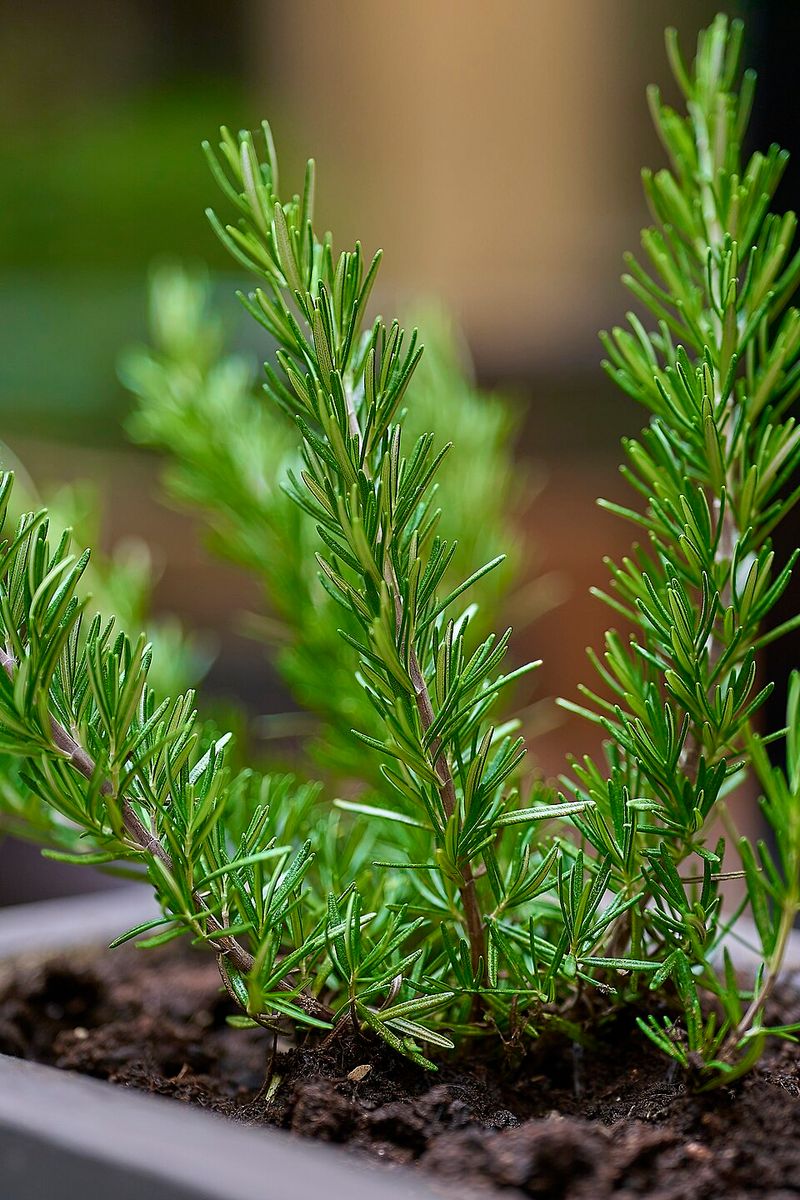
Rosemary can become a sturdy shrub in Florida, but garden beds are not always the best place to start it. Young plants especially dislike sitting in wet soil after frequent summer storms.
A container helps you control moisture from day one, and that often means the difference between steady growth and a plant that slowly declines without obvious warning.
Because rosemary likes airflow, sun, and quick drainage, a pot can actually mimic its preferred conditions better than many landscapes can. Use a coarse potting mix and avoid oversized saucers that trap water beneath the roots.
If your yard soil is rich or stays damp, container growing is usually the safer choice.
Pick a large container with room to grow, since rosemary does not love repeated disturbance once established. Place it where it gets at least six hours of sun and strong air circulation.
Water deeply, then let the mix dry noticeably before watering again, especially during humid periods.
Harvesting little sprigs often keeps the plant tidy and encourages branching without forcing heavy pruning. If a tropical system is coming, you can move a container closer to shelter rather than hoping the bed drains fast enough.
In Florida, that extra control gives rosemary a better chance to stay fragrant, compact, and reliable for years.
Parsley
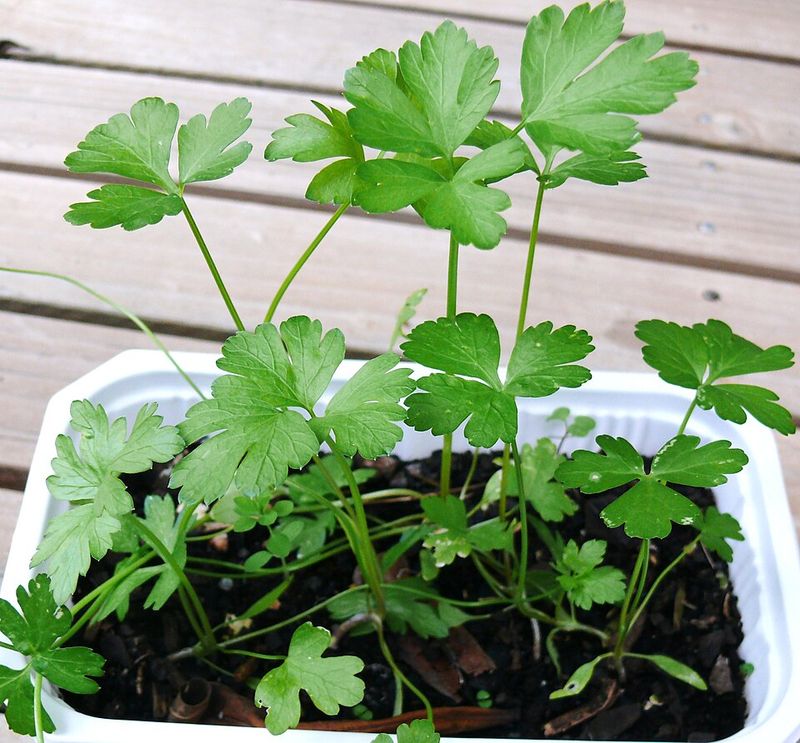
Parsley is often sold as an easy herb, but Florida gardeners know it can sulk when heat rises and beds stay soggy. In containers, you can give it richer potting mix, more consistent moisture, and a location that avoids harsh afternoon exposure.
That controlled setup usually produces cleaner, fuller growth than an open bed does.
During the cooler months, parsley handles sun well, but Florida’s warmer stretches can make leaves yellow or flatten quickly. A movable pot lets you adjust as the season shifts, which is especially useful on patios that change light patterns through the year.
You are not stuck watching a decent planting turn ragged because the weather changed in a week.
Use a pot at least 8 to 10 inches deep so roots have room to develop. Keep the soil evenly moist but never swampy, and feed lightly every few weeks if you harvest often.
Snipping outer stems first helps the center keep producing, which stretches your supply for soups, salads, and chimichurri.
Containers also make parsley easier to protect from swallowtail caterpillars if you want some leaves for yourself. Many gardeners happily share, but not everyone wants the whole plant stripped overnight.
In Florida, potted parsley gives you better control over temperature, pests, and moisture, which is why it often looks better and lasts longer.
Chives
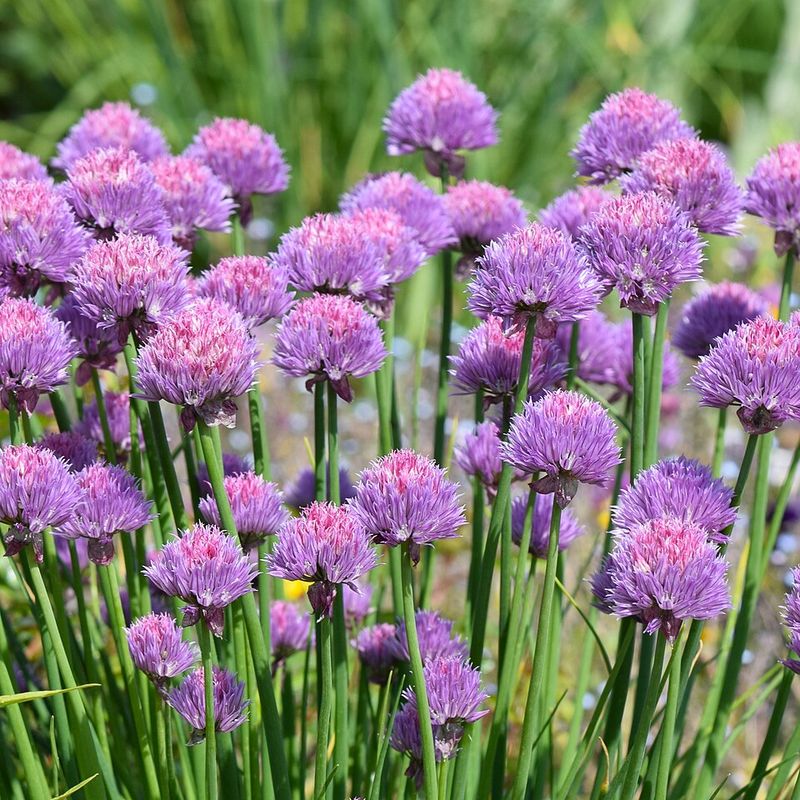
Chives are easy to underestimate until Florida weather tests them. Garden beds can become too wet, too hot, or too crowded, and those thin roots do not always appreciate the chaos.
Containers offer a calmer environment where you can keep moisture even, reduce competition, and place the plant where it gets gentler light.
A pot also helps if your yard soil drains poorly or if summer rains are relentless. Chives like regular water, but they still perform better when excess moisture can escape quickly.
In a container, the clumps stay tighter and cleaner, and harvesting is simpler because grass weeds are not threading through the same space.
Use a container about 8 inches deep with quality potting mix, and divide crowded clumps when the center starts thinning. Morning sun works well in most of Florida, while a bit of afternoon shade prevents stress in hotter months.
Cutting leaves down regularly keeps them tender and encourages fresh growth.
The flowers are edible too, so a patio pot can pull double duty as something useful and attractive near outdoor seating. If cold weather threatens in North Florida, containers are easier to protect overnight.
That convenience matters more than people realize, and it is exactly why chives often stay more productive in pots than in the ground.
Dill
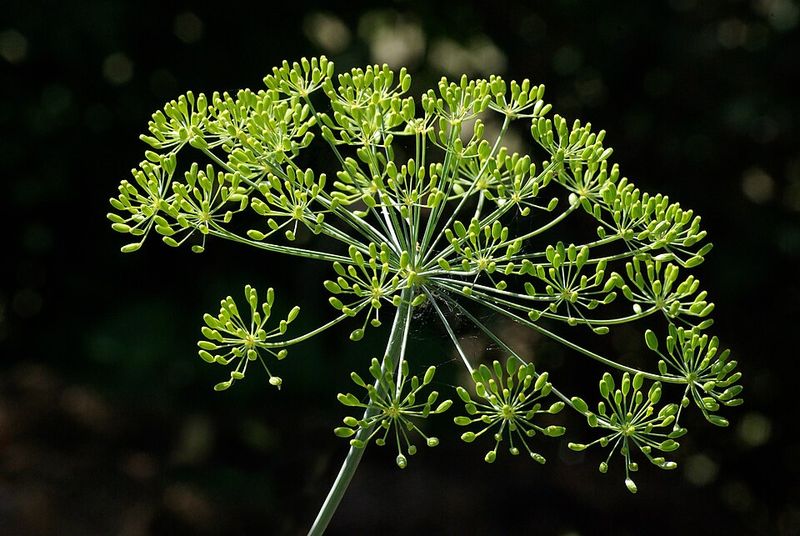
Dill can be surprisingly finicky in Florida beds because it prefers a cooler window and dislikes soggy roots. Heavy rain, heat spikes, and crowded planting spaces often shorten its useful life.
A container gives you a way to time the season better, keep the soil loose, and move the plant when temperatures start climbing.
Because dill sends down a taproot, choose a deeper pot rather than a shallow decorative one. Good drainage is essential, especially in late winter and spring when one storm can soak everything.
In a container, the foliage usually stays cleaner, and you can avoid the splashback that often damages delicate leaves in open beds.
Sow seeds directly into the pot because dill does not always transplant well. Place it in bright sun during cooler weather, then shift it if late spring afternoons become too intense.
If you want a longer harvest, sow a second pot a few weeks later so you are not relying on a single planting.
Growing dill in containers also puts it within easy reach for pickling, seafood dishes, and salads right when the fronds are at their best. If swallowtail caterpillars show up, you can decide how much to share.
In Florida, that balance of flexibility and timing is why potted dill often beats bed-grown dill by a wide margin.
Lemon Balm
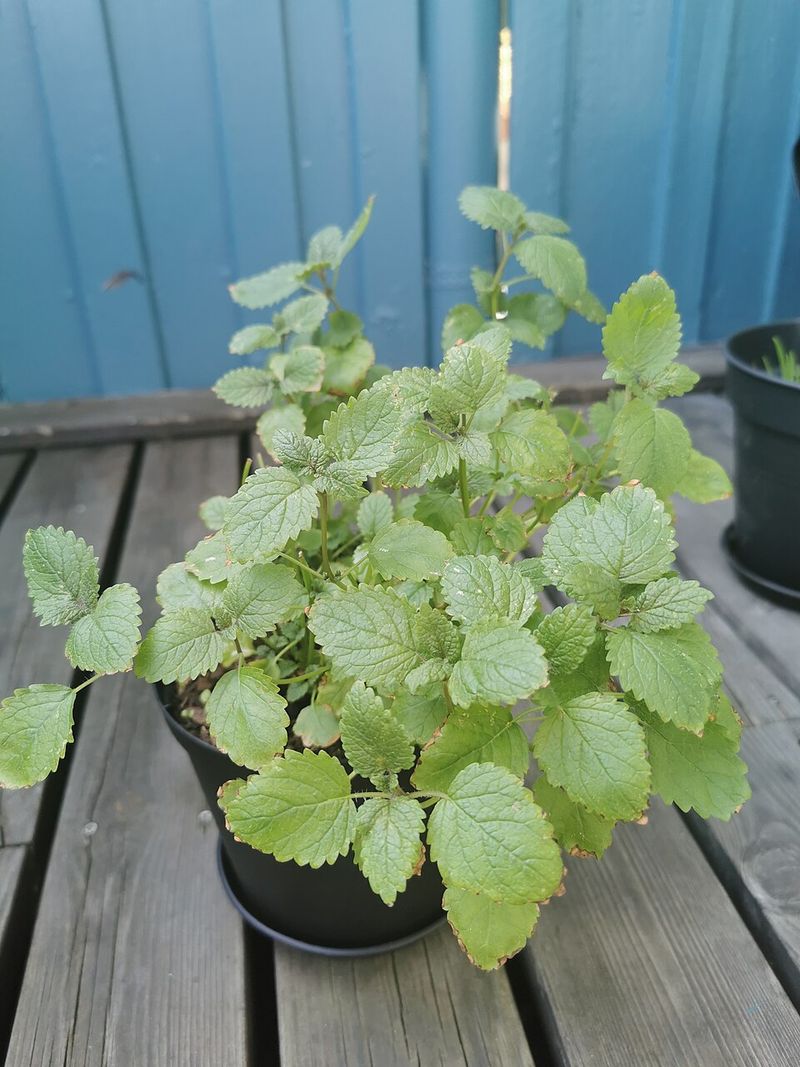
Lemon balm grows enthusiastically in Florida, but that is not always good news in a garden bed. Warmth and moisture can make it spread fast, get floppy, and invite stress from saturated soil.
In a container, you can enjoy the fresh citrus scent and steady regrowth without letting the plant take over valuable space.
Pots help you moderate both sun and water, which matters because lemon balm likes bright light but can look tired in relentless afternoon heat. A container on a porch or patio can be shifted into partial shade before leaves fade or scorch.
That simple adjustment often keeps the plant fuller and more flavorful.
Use a medium to large container with well-draining mix, and pinch stems often to encourage bushiness. If the plant starts getting lanky, cut it back and it usually rebounds quickly with tender new growth.
Consistent watering helps, but avoid keeping the mix constantly soaked during rainy periods.
One practical benefit is how easy it becomes to harvest for tea, fruit infusions, or a handful of chopped leaves in desserts. Keeping lemon balm close by also means you notice pests or mildew sooner and can respond quickly.
In Florida, containers turn a potentially unruly herb into one that feels manageable, productive, and worth growing again.