
The Easy Backyard Flower North Carolina Pollinators Flock To Every Spring
Follow us on Google
If you want one flower that earns its space fast, coreopsis makes a convincing case. In North Carolina, its bright blooms show up right when bees and butterflies start searching hard for dependable nectar.
It is easy to grow, forgiving about imperfect soil, and cheerful enough to make a plain backyard border look intentional. Keep reading and you will see why this spring standout keeps drawing pollinators back year after year.
Why Coreopsis Wins in North Carolina
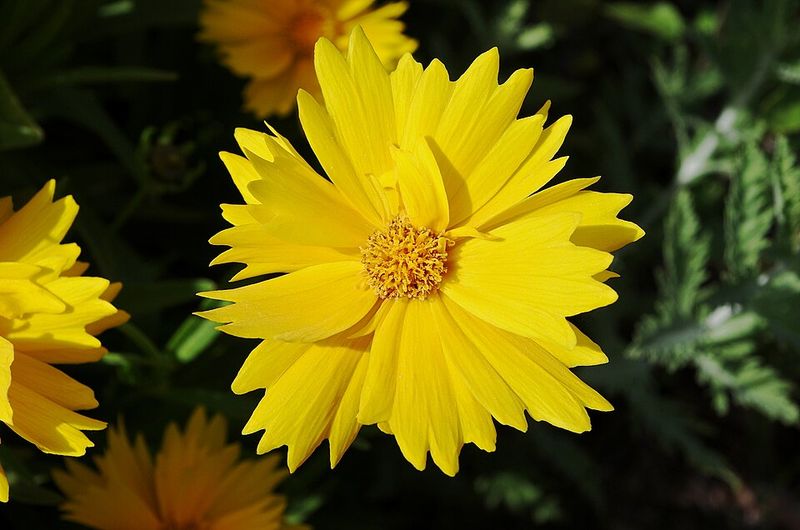
Plenty of flowers look good for a week, then fade into the background. Coreopsis earns attention longer because it handles North Carolina’s changing spring weather without acting fussy, and that matters when you want color plus real pollinator traffic.
You get cheerful yellow blooms, tidy foliage, and a plant that usually keeps going even when the soil is not perfect.
In my experience, this is the kind of flower that makes casual gardeners look more experienced than they feel. It settles into borders, cottage beds, mailbox plantings, and small backyard patches with very little drama.
Bees, tiny native pollinators, and butterflies notice it quickly because the open flower shape makes nectar and pollen easy to reach.
Another reason it stands out is timing. When spring warms up and many people are just beginning to tidy beds, coreopsis starts offering food right when insects need reliable blooms nearby.
That early usefulness, paired with easy care, is exactly why so many North Carolina yards can support more pollinators simply by giving this bright native-friendly favorite a sunny spot.
Best Spot for the Most Blooms
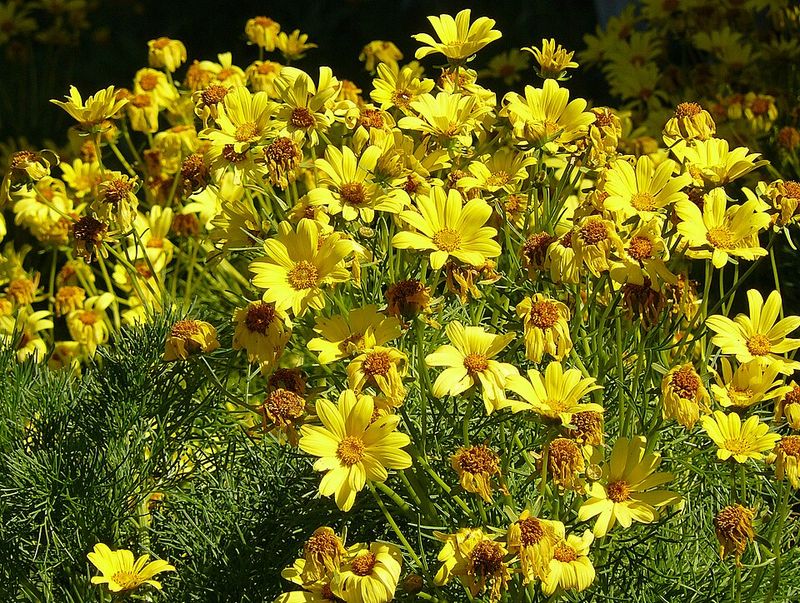
Sunlight makes the biggest difference between a decent patch of coreopsis and one that looks covered in gold. A spot with at least six hours of direct sun usually gives you sturdier stems, more flowers, and better pollinator activity through the day.
If your yard gets heavy afternoon shade, expect fewer blooms and a looser shape.
Drainage matters almost as much as light. Soggy clay can stress roots, especially after a stretch of spring rain, so I like planting on a slight rise, along a border edge, or in amended soil that does not stay wet for long.
You do not need rich, pampered ground here, just a place where water moves through reasonably well.
Think about visibility too. Putting coreopsis near a patio, walkway, or kitchen window makes it easier to notice when bees start working the flowers, and that small bit of access often means you keep up with deadheading and watering.
The simplest planting plan is often the best one: sun, drainage, and a spot you will actually see every day.
How to Plant It Without Fuss
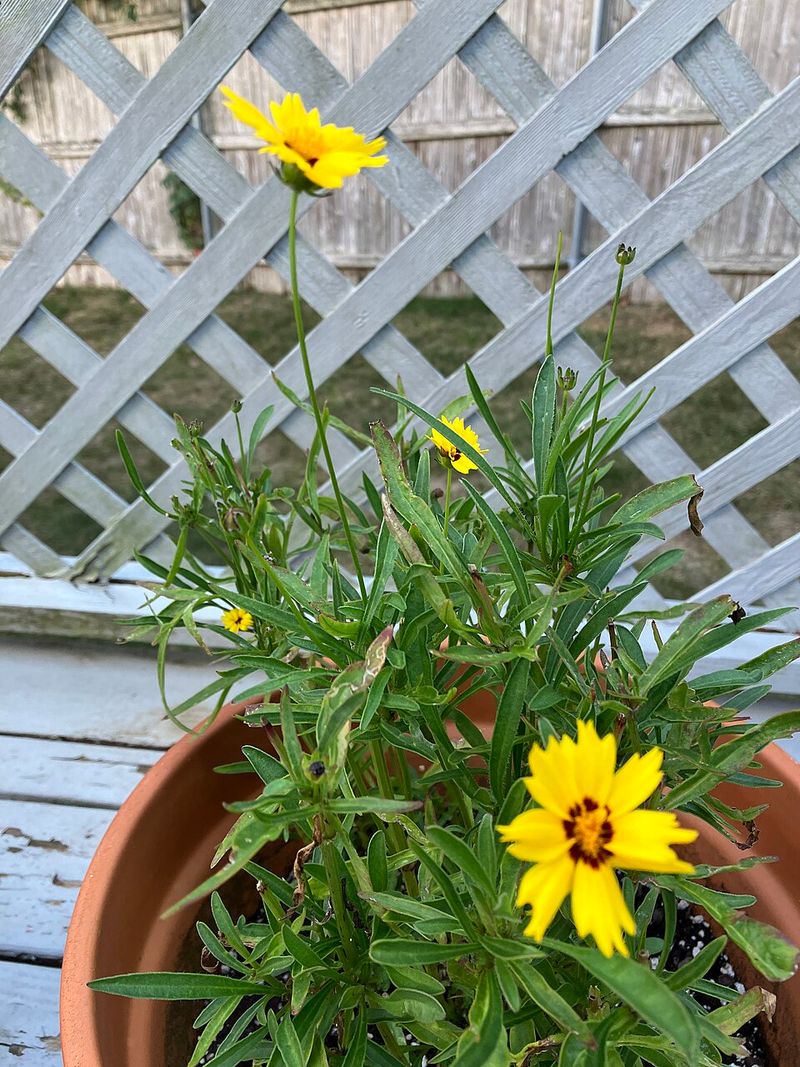
Starting coreopsis does not require a complicated weekend project. You can plant nursery starts in spring after the worst cold has passed, or sow seed in a prepared bed where sunlight is reliable and weeds are under control.
Spacing plants about a foot apart gives them room to fill in without crowding airflow.
Before planting, loosen the soil and mix in a modest amount of compost if your ground is compacted. That small step helps roots settle faster, but too much rich amendment can push leafy growth at the expense of flowers.
After setting plants in place, water deeply to remove air pockets and help them establish strong contact with the surrounding soil.
A thin layer of mulch makes the bed easier to manage, especially during North Carolina’s warm spells and surprise dry weeks. Keep mulch slightly back from the crown so stems stay dry, then let the plants get to work.
Once rooted, coreopsis usually needs less attention than many showier bedding flowers, which is exactly why busy gardeners keep coming back to it.
Why Bees and Butterflies Crowd Around It
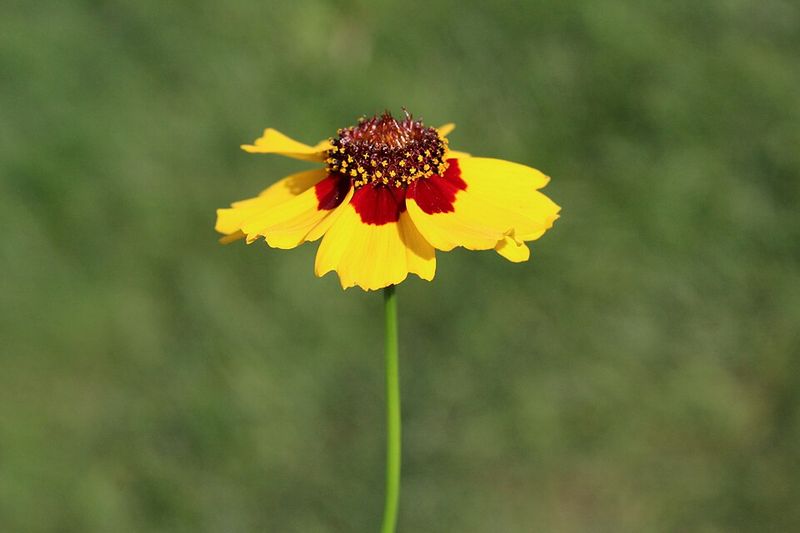
Pollinators are practical, and coreopsis fits what many of them need. Its daisy-like blooms are open and accessible, so bees do not have to wrestle through dense petals to reach pollen and nectar.
That simple flower structure turns a small planting into an easy feeding station during a busy part of the season.
Color helps too. Bright yellow blooms are highly visible in spring borders, especially when planted in drifts instead of single scattered stems.
I have noticed that a grouped patch gets more activity than one lonely plant tucked between shrubs, likely because insects can forage efficiently without wasting energy hopping long distances.
Another advantage is repeat bloom. If you keep plants lightly deadheaded, they continue producing fresh flowers that extend the buffet for longer stretches.
That consistency matters in suburban yards where nectar sources can be patchy from one property to the next. By growing coreopsis, you are not just adding color for yourself, you are filling a useful gap for the small creatures already trying to survive around you.
Watering and Feeding the Smart Way
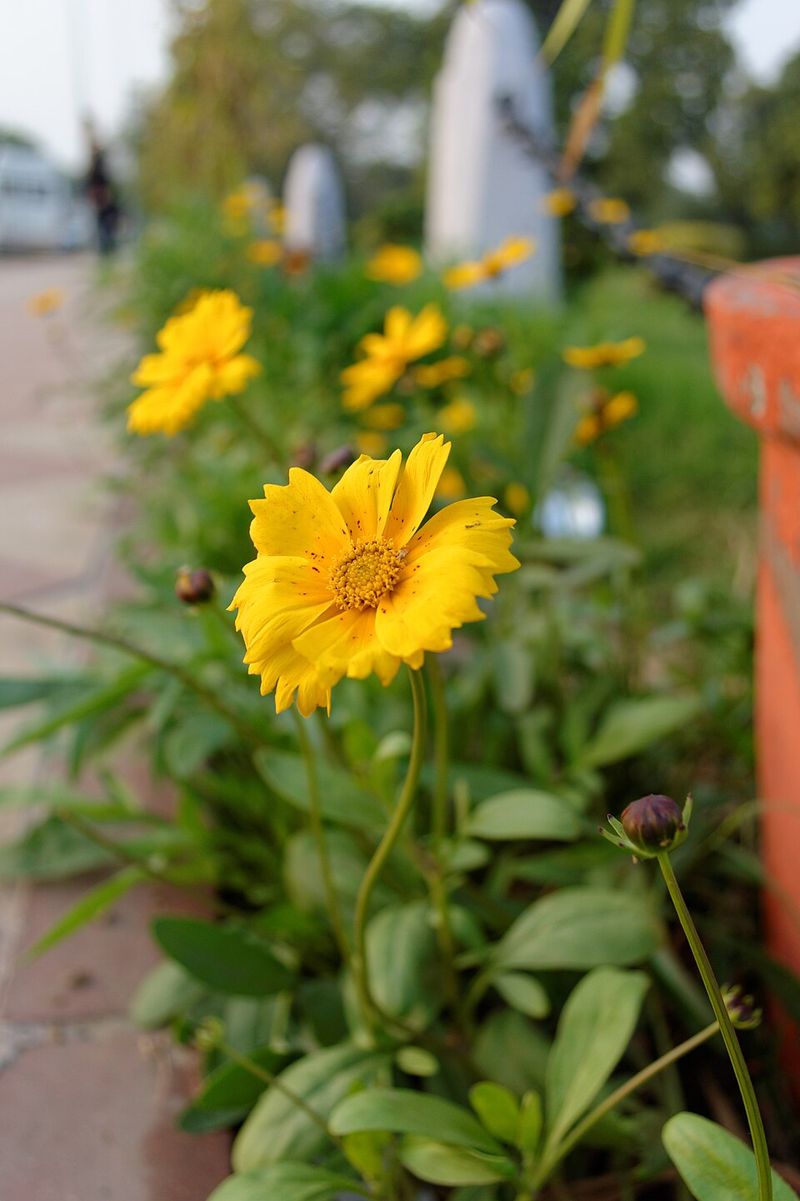
Newly planted coreopsis appreciates regular watering, but established plants are much less needy than many annuals. During the first few weeks, give them a deep soak when the top inch of soil feels dry so roots move downward instead of staying shallow.
After that, normal rainfall often handles most of the job unless your yard turns hot and dry.
Overwatering is a bigger risk than mild neglect. Constantly wet soil can lead to floppy growth and fewer flowers, which means less visual impact and fewer pollinator visits.
A simple habit works well here: water in the morning, aim low at the roots, and let the foliage dry quickly.
Fertilizer should stay light. Too much feeding creates extra leaves and stems when what you really want is bloom production, so I usually skip heavy products and rely on average garden soil with a bit of compost.
If plants seem weak, a balanced slow-release fertilizer used sparingly is enough. Coreopsis performs best when you resist the urge to overmanage it and let its naturally tough character show.
Simple Tricks to Keep Flowers Coming
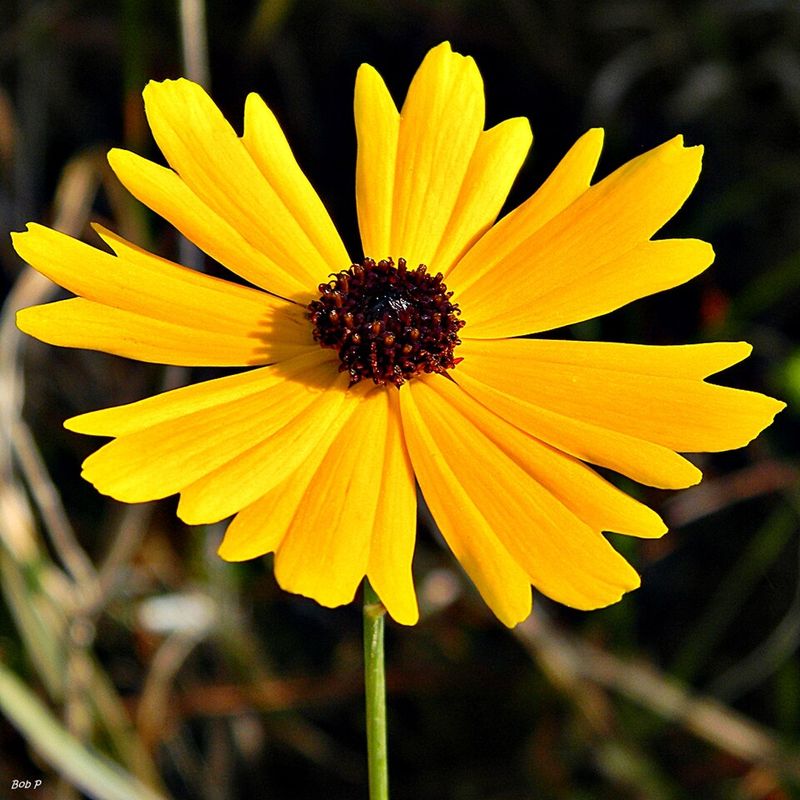
Once the first flush of flowers starts fading, a little maintenance can keep the show going. Snipping spent blooms encourages many coreopsis varieties to push out fresh buds instead of putting energy into seed production right away.
You do not need to obsess over every stem, just tidy plants every few days when you are already outside.
If the whole clump begins to look tired by early summer, a light trim can reset it. Cutting back a portion of the plant, rather than shaving it to the ground all at once, helps preserve some color while new growth develops.
That approach also keeps nectar available for pollinators instead of removing every bloom in one go.
Good airflow helps extend performance too. When nearby plants crowd the bed, moisture lingers and stems stretch, so give coreopsis breathing room from aggressive neighbors.
I also like mixing it with companions that bloom before or after its peak, which keeps the area useful to insects for longer. A few small habits can turn a short burst of flowers into a much more generous season.
Companion Plants That Help Pollinators More
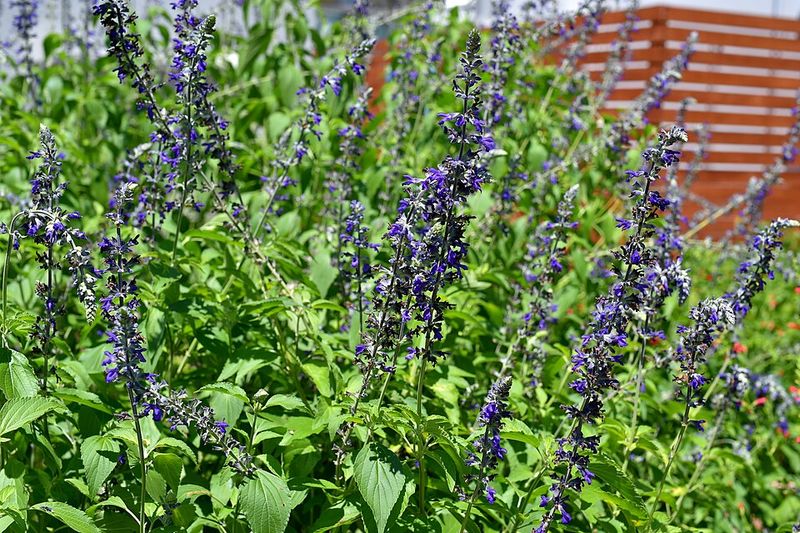
A single flower can help, but a layered planting supports pollinators better across more weeks. Coreopsis pairs nicely with salvia, penstemon, yarrow, coneflower, and black-eyed Susan, giving your yard overlapping bloom times and a wider menu for different insects.
That kind of variety is especially useful in neighborhoods where tidy lawns still outnumber nectar-rich beds.
Texture matters as much as timing. Fine foliage, upright spires, flat-topped flowers, and daisy forms create a garden that works for more species while also looking balanced to the human eye.
I like adding a few native grasses nearby because they soften the bed, reduce visual clutter, and offer shelter many gardeners forget to provide.
Try repeating colors instead of planting one of everything. A drift of yellow coreopsis beside purple salvia and later pink coneflowers looks intentional, not random, and it helps pollinators find resources quickly.
If your space is small, even a narrow border can become useful when every plant contributes something different. The goal is not perfection, just a steady sequence of flowers from spring into summer.
Common Mistakes That Make It Struggle
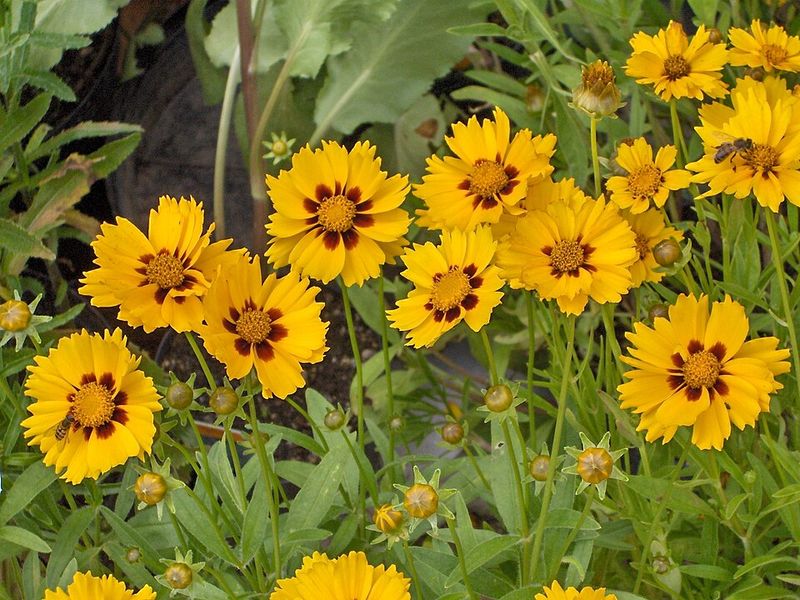
Most problems with coreopsis come from giving it conditions it never wanted in the first place. Too much shade leads to fewer blooms, weaker stems, and a generally tired look that does not attract many pollinators.
Planting in heavy wet soil can be even worse because roots sit in moisture and slowly decline.
Another common issue is crowding. When fast-growing annuals or sprawling perennials push against it, airflow drops and the clump loses its neat shape.
Garden centers sometimes make everything look close and full, but in a real backyard, those tight spacings often create extra work by midsummer.
Feeding too heavily is another easy mistake. It sounds helpful, yet a rush of fertilizer often gives you lush leaves instead of the bloom-heavy display you were hoping for.
I also would not ignore the plant after its first flowering cycle, because a little deadheading and occasional trimming make a real difference. If you keep sunlight, drainage, and spacing in mind from the start, coreopsis usually behaves like one of the easiest flowers in the yard.
Making It Return Year After Year
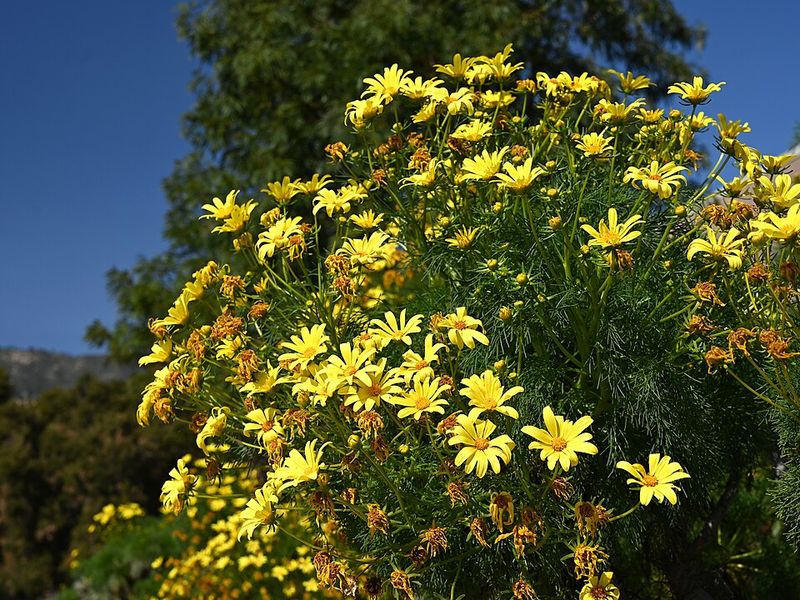
Getting coreopsis through one good season is easy, but helping it return well takes a little planning. Start with a variety suited to your area, especially a perennial type that handles North Carolina winters without fuss.
Once the plant is established in the right spot, yearly upkeep is refreshingly simple compared with many high-maintenance bloomers.
Do not smother the crown with thick wet mulch in winter. A light layer around the plant is enough to moderate temperature swings while still allowing air movement, and that balance matters more than people realize.
In late winter or very early spring, clear away dead stems so new growth can emerge cleanly and get full sun right away.
Every few years, dividing crowded clumps can refresh vigor and give you more plants for other sunny corners of the yard. I like using those extras near a fence line or mailbox bed where spring color helps the whole property feel awake again.
When you give coreopsis drainage, sunlight, and just enough attention, it often rewards you by returning with the kind of reliability every backyard gardener appreciates.