
9 Fast-Growing Secrets For Bigger And Bushier Spider Plants In Florida Homes
Follow us on Google
Florida can make spider plants grow fast, but it can also make them floppy, pale, and surprisingly sparse. If your plant keeps producing long strands without filling out, a few small changes can make a dramatic difference.
The best part is that you do not need fancy supplies or a greenhouse setup to get fuller growth indoors. These simple secrets help you work with Florida heat, humidity, and bright light so your spider plant looks dense, healthy, and ready to show off.
Give Bright Filtered Light, Not Harsh Window Burn
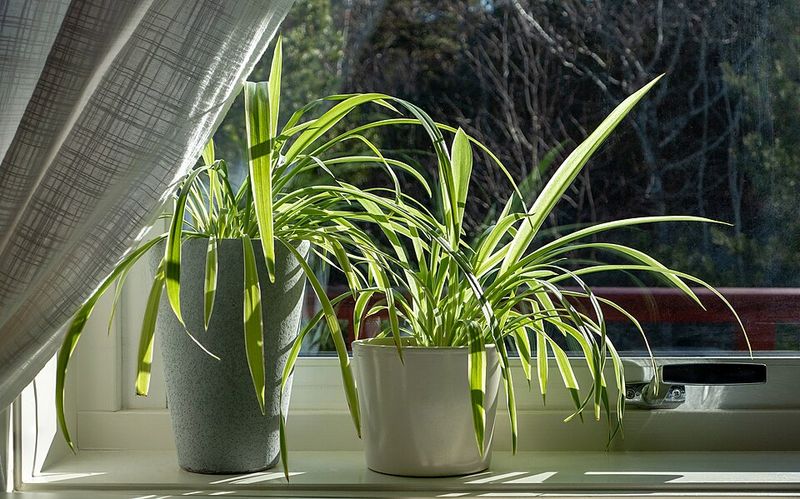
Florida sunlight can be much stronger than many houseplant guides assume, so placement matters more than people think. A spider plant usually bulks up fastest when it gets several hours of bright, filtered light instead of direct afternoon rays that bleach and stress the leaves.
If your plant sits in a west window with no curtain, faded streaks and crispy tips can slow new growth before you notice.
Try moving it a few feet back from a hot glass pane or hang a sheer panel to soften the light. East-facing windows are often ideal in Florida homes because morning sun is bright but gentler, giving leaves enough energy to produce fresh offsets and fuller clumps.
South exposure can also work if the plant is protected from the strongest midday intensity.
You can test the spot by watching the leaf color for two weeks. Rich green centers, strong variegation, and steady new leaves mean you found the sweet spot.
Pale foliage, curling, or dry edges tell you the plant is spending energy recovering instead of expanding.
When light is balanced, the plant responds quickly. You get tighter growth, thicker crowns, and a bushier shape that looks full from every angle.
Use a Fast-Draining Potting Mix That Stays Airy
Heavy potting soil is one of the fastest ways to hold back a spider plant in Florida. Warm temperatures and frequent watering can turn dense mixes soggy, which reduces oxygen around the roots and limits the strong growth you want.
A bigger plant starts below the surface, so the root zone needs air just as much as moisture.
A light blend made with regular indoor potting soil, extra perlite, and a bit of orchid bark works especially well in humid homes. That combination drains quickly but still keeps enough moisture for steady growth, which helps roots stay active instead of sitting wet.
If your current mix feels compacted like a sponge after watering, it is probably time to refresh it.
Repotting into an airy mix can make a tired plant respond within weeks. New leaves often emerge faster, and the center starts filling in because healthy roots can support more foliage at once.
You may even notice fewer brown tips, since stressed roots often show up through leaf damage.
Keep the texture loose every time you repot. When water moves through evenly and roots can breathe, your spider plant spends less effort surviving and more effort getting broad, full, and impressively bushy indoors.
Water Deeply Only When The Top Inch Starts To Dry
Spider plants grow faster when watering is thorough but not constant, especially in Florida where indoor conditions can change quickly. I always look at the top inch of soil first, because soggy roots slow growth long before leaves show obvious stress.
A deep soak encourages roots to spread through the pot instead of hovering near the surface.
If the mix still feels cool and damp, waiting another day is usually better than watering out of habit. That simple pause prevents rot, fungus gnats, and limp growth that never really fills in.
Once you get the timing right, the plant usually responds with steadier, bushier growth.
Raise Humidity Without Keeping The Roots Constantly Wet
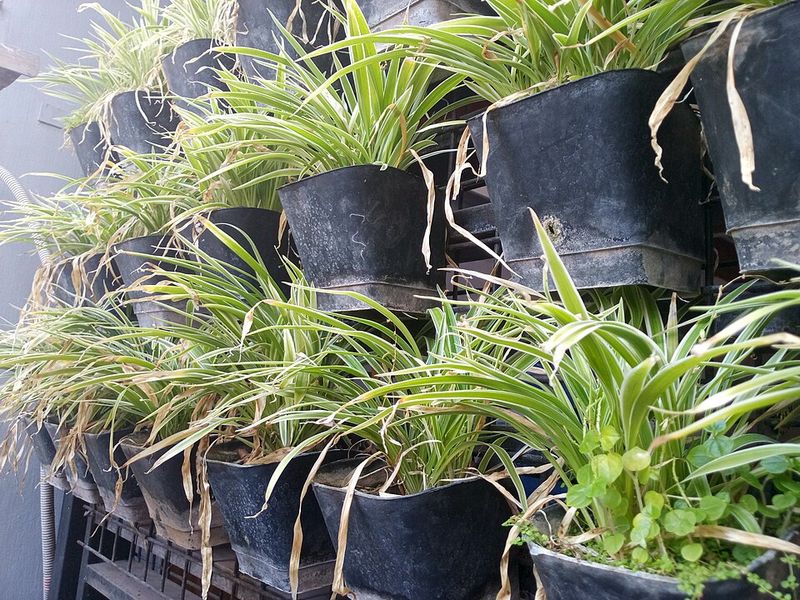
Florida is humid outdoors, but indoor air can still dry out fast once air conditioning runs all day. Spider plants appreciate a little extra moisture around their leaves, yet they do not want heavy soil that stays wet for days.
That balance matters if you want longer blades, cleaner color, and quicker overall growth.
I like using a pebble tray or a small humidifier nearby instead of trying to solve dry air with extra watering. It keeps the foliage comfortable without suffocating the roots below.
When humidity improves, brown tips often slow down, and the whole plant tends to look fuller and more relaxed.
Feed Lightly But Regularly During Florida’s Long Growing Season
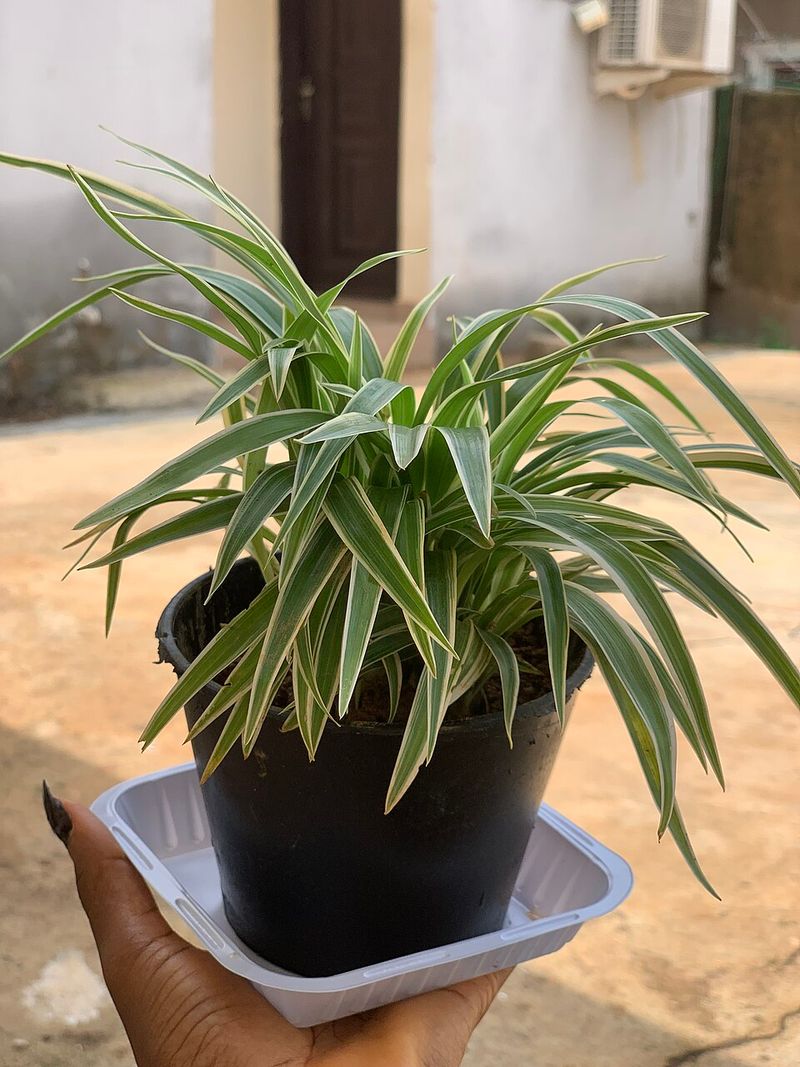
Because Florida homes stay warm for much of the year, spider plants often keep growing longer than basic care guides suggest. That means they can use gentle feeding more consistently, as long as you do not overdo it.
A diluted balanced fertilizer every few weeks usually supports faster leaf production without causing burnt tips or weak, floppy growth.
I treat feeding like a nudge, not a flood of nutrients, since too much fertilizer can build up quickly in pots. If growth looks pale or stalled, regular light feeding often wakes the plant up.
Paired with good light, this habit can make a noticeable difference.
Rotate The Pot So Growth Stays Full And Even
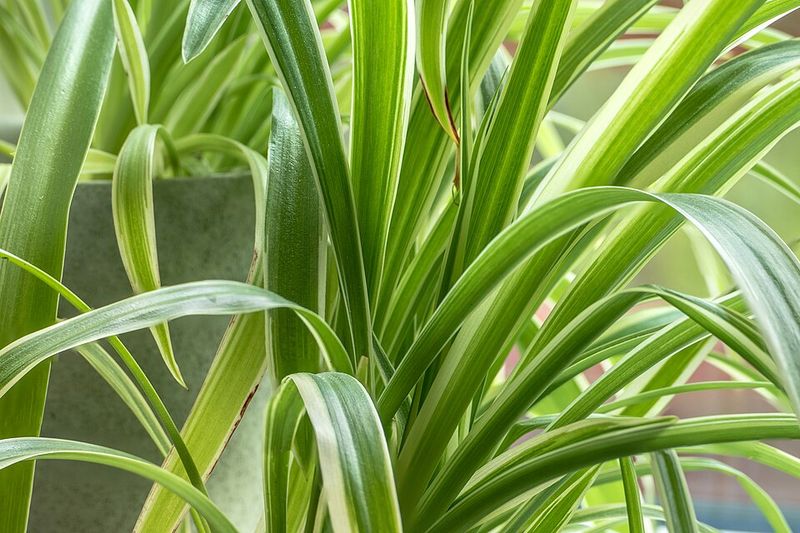
Spider plants naturally lean toward their strongest light source, and in Florida that pull can happen fast. If you leave the pot in one position for weeks, one side often grows lush while the other stays thin and stretched.
Rotating the pot a little every week helps keep the crown balanced and encourages a rounder, fuller shape.
This matters even more near bright windows where light intensity shifts during the day and across seasons. I have found that small turns work better than dramatic repositioning because the plant adjusts without stress.
Over time, even growth makes the whole plant look bigger and healthier.
Trim Brown Tips And Old Leaves Before They Drain Energy
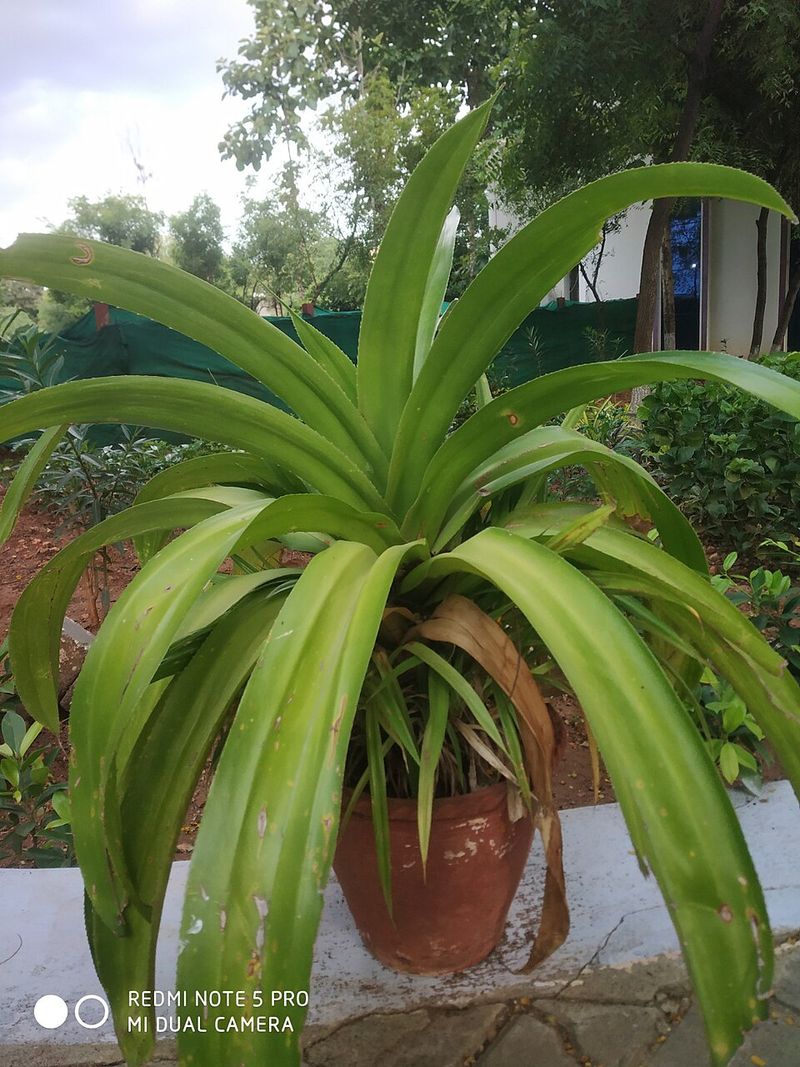
Brown tips are common on spider plants, but too much damaged foliage can make the whole plant look tired and sparse. Removing crispy ends and older leaves will not create magic overnight, yet it does help the plant focus on fresh, active growth.
Clean trimming also improves airflow through the clump, which matters in humid Florida rooms.
I snip back damaged areas with sharp scissors, following the natural shape of the leaf so cuts look less obvious. Then I remove any weak, yellowing leaves at the base.
Once the clutter is gone, new growth stands out more, and the plant often seems to thicken faster.
Keep It Warm And Away From Cold AC Blasts
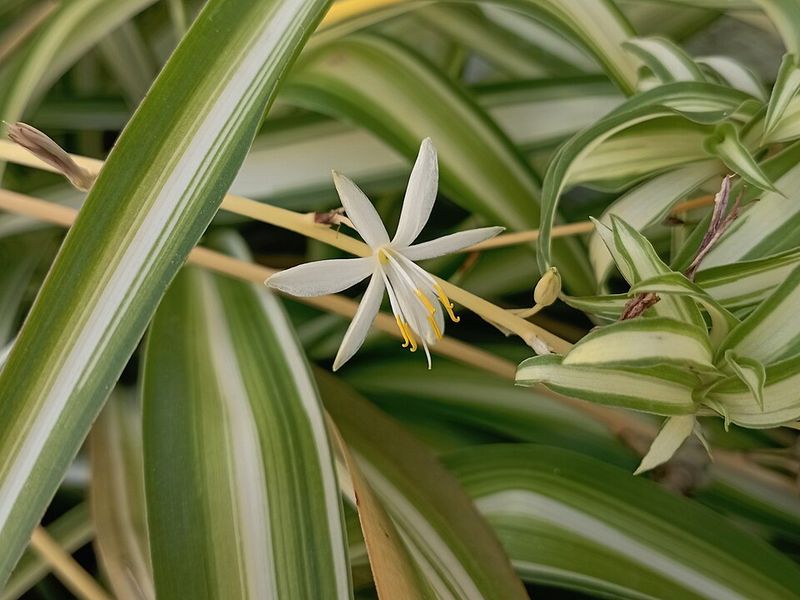
Spider plants may be easygoing, but they do not love sudden temperature swings from blasting air conditioners or cold drafts. In many Florida homes, that steady stream of dry, chilly air can slow growth, curl leaves, and make tips crisp even when everything else seems right.
Warm, stable conditions usually produce the quickest and fullest growth.
I try to place them where they get bright light without sitting directly under a vent or beside a drafty door. Even shifting the pot a few feet can make a surprising difference.
When temperatures stay comfortable, the plant keeps growing instead of spending energy recovering from stress.
Limit Too Many Babies So The Mother Plant Stays Thick
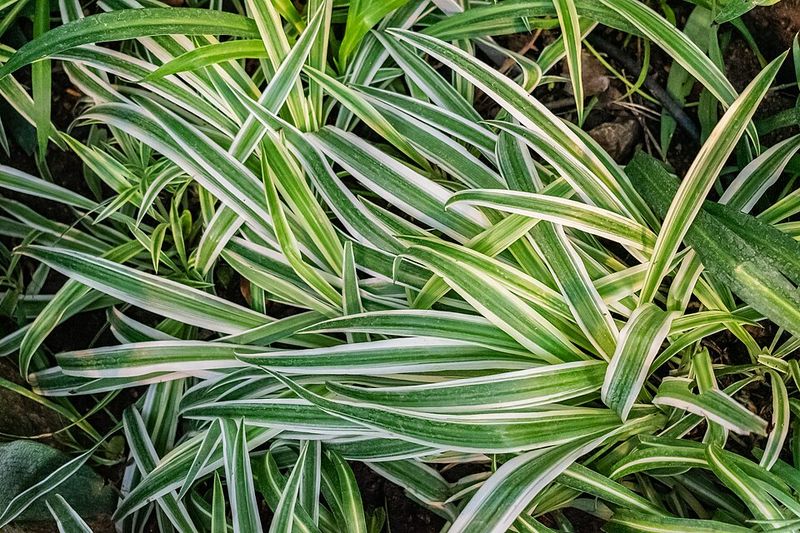
Spider plants love sending out babies, and that is part of their charm, but heavy runner production can sometimes thin the main plant. If the mother plant is small or already stressed, supporting lots of plantlets may pull energy away from making dense new leaves.
Trimming a few runners can help the center stay fuller and more vigorous.
I do not remove every baby, because a few still look beautiful cascading from a healthy pot. The key is not letting the plant overextend itself.
When the main clump gets priority first, you usually end up with stronger roots, thicker foliage, and better long-term growth overall.