
15 Low-Maintenance Flowers That Bloom All Summer In North Carolina
Follow us on Google
North Carolina summers can be hot, humid, and surprisingly hard on fussy plants. If you want reliable color without constant watering, deadheading, and troubleshooting, the right flowers make all the difference.
These easy bloomers handle long warm seasons beautifully and keep your beds, borders, and containers looking full for months. You will find options here for sunny yards, pollinator patches, and those spots where you simply want flowers to do their job and keep going.
Zinnia
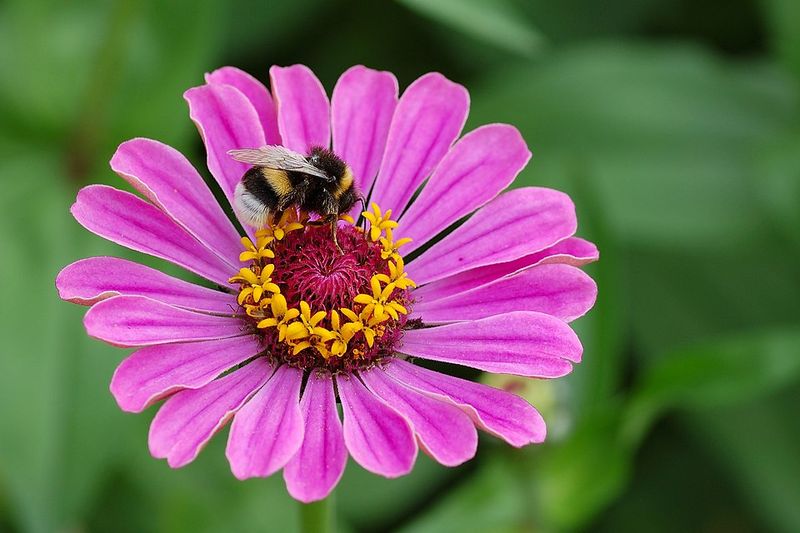
Few flowers earn their keep like this one in a North Carolina summer bed. You get bold color, strong stems, and nonstop blooms once the heat settles in, which makes it ideal for gardeners who want big results without daily upkeep.
It also handles our hot afternoons better than many classic cottage flowers.
Full sun is the sweet spot, and good airflow matters more than pampering. If you water at the base instead of overhead, plants stay cleaner and keep pushing out fresh buds for cutting and backyard bouquets.
A light trim every couple of weeks encourages branching, but even neglected plants usually keep flowering.
Seeds are inexpensive, so it is easy to fill a border, mailbox bed, or vegetable garden edge without stretching your budget. Short varieties fit containers, while taller selections create an easy screen of color near porches and fences.
Butterflies notice them quickly, which gives the whole space more movement and life.
For the easiest success, wait until the soil is fully warm before sowing or transplanting. If you skip rich fertilizer and avoid soggy ground, you will usually get sturdier plants and better bloom production all season long.
That kind of simple routine feels just right during busy summer weeks.
Lantana
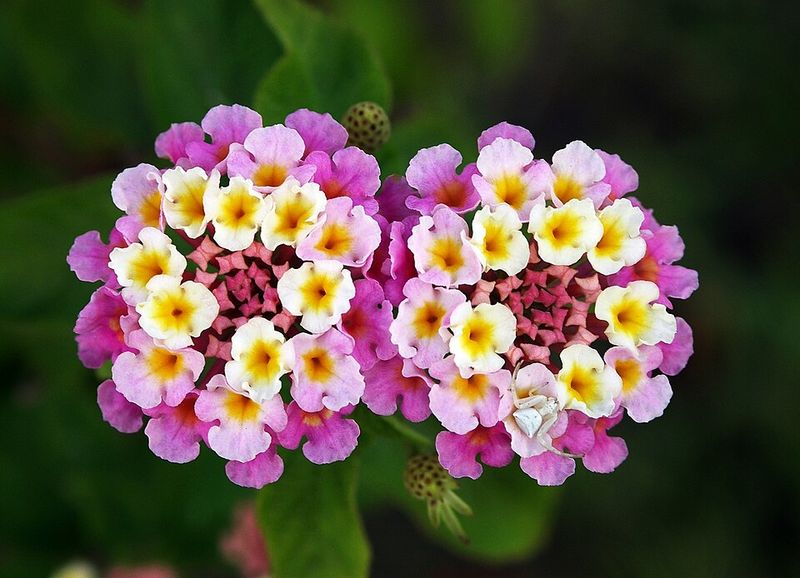
Hot, bright corners of the yard feel much easier to fill when this plant is in the mix. It thrives during the sticky stretch of summer when other flowers slow down, and the multi-colored clusters keep beds and pots looking cheerful with very little attention.
If you forget to water now and then, it usually forgives you.
Sun is essential, and drainage matters more than rich soil. Once established, plants settle into a reliable rhythm of blooming that lasts through the hottest months, especially in containers, foundation beds, and sidewalk strips that bake all afternoon.
Pollinators love it, so the display becomes even busier without extra work from you.
A quick haircut in midsummer can freshen leggier growth and bring on another strong flush of flowers. Deer tend to leave it alone, which is a real benefit in many North Carolina neighborhoods where browsing can ruin more delicate choices.
That alone makes it worth considering for exposed front yards.
If you are planting near patios or entrances, choose a compact variety to keep the shape tidy. Pairing it with ornamental grasses or trailing sweet potato vine creates a full, intentional look that still feels easy to manage.
For steady color through heat and humidity, few flowers ask for less.
Coreopsis
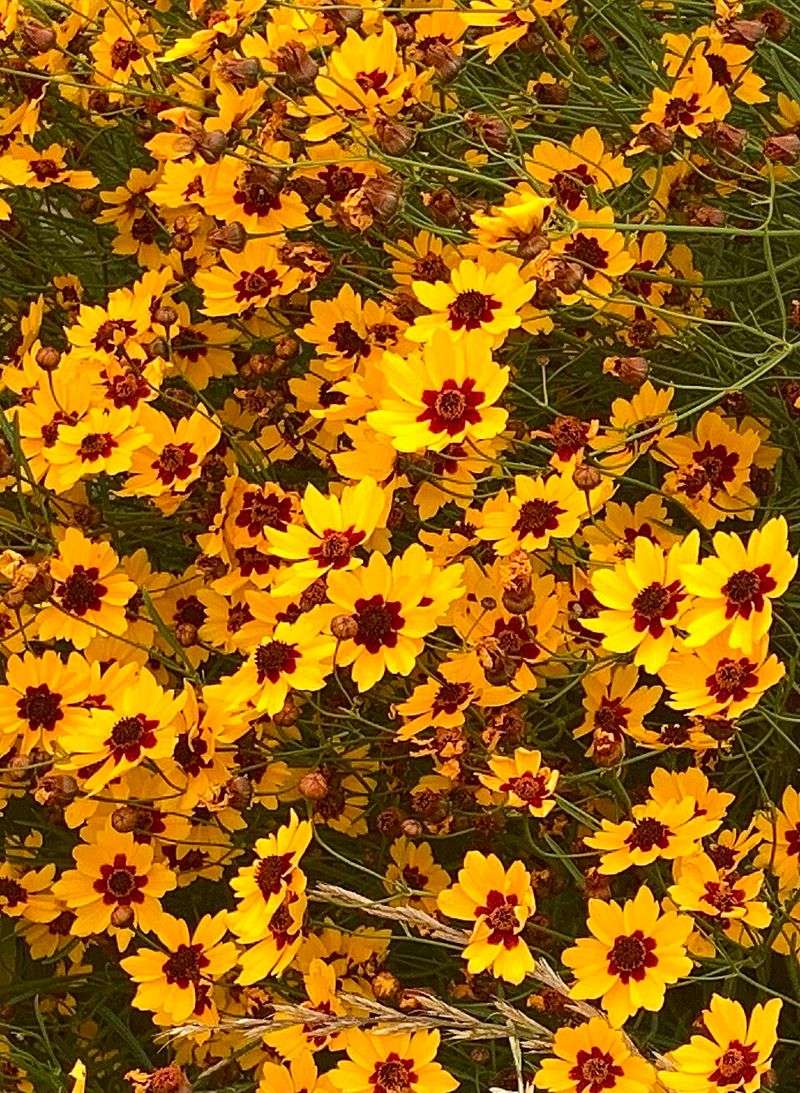
Bright yellow blooms can make a bed feel sunny even on the muggiest North Carolina afternoon. This dependable native-friendly flower starts strong and keeps going through summer with far less fuss than many traditional perennials.
It fits especially well if you want a looser, natural look instead of a tightly manicured border.
Good drainage and full sun are the big requirements, and after that it mostly handles itself. Many varieties bloom heavily without constant deadheading, though a quick shearing after the first major flush can neaten the clump and encourage fresh flowers.
The airy stems mix beautifully with grasses, salvias, and coneflowers.
Because it is not overly demanding, this plant works well in newer landscapes where the soil is still being improved. It also tolerates leaner conditions better than flowers that insist on rich compost and frequent feeding.
That trait matters in long southern summers when you want color without another chore on your list.
Try using it along driveways, in pollinator beds, or in those hard-to-water spots where sprinklers do not quite reach. A simple layer of mulch helps roots stay cool and cuts down on weeds.
Once settled, the cheerful bloom color carries a lot of the garden through the hottest stretch.
Black-Eyed Susan
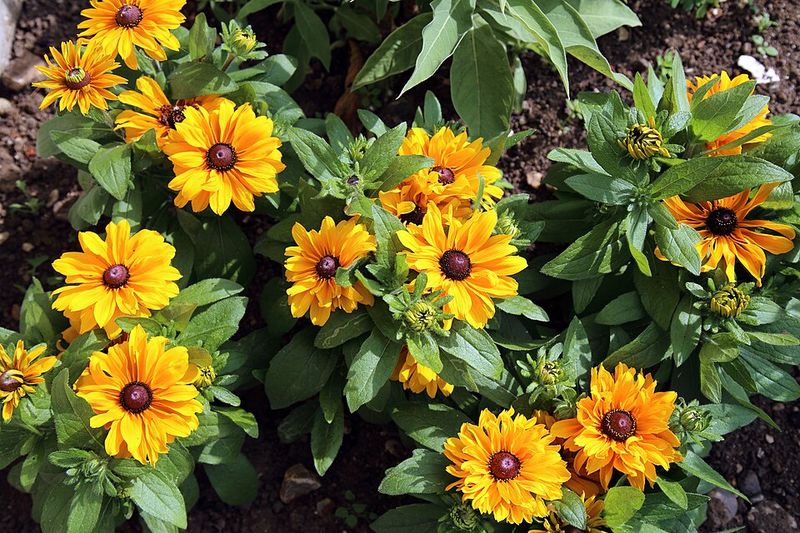
There is something reassuring about a flower that looks good in heat, humidity, and ordinary soil. Golden petals and dark centers give beds a classic summer look, and sturdy stems help the planting hold its shape even when the season feels long.
It is one of those choices that rarely asks for rescue.
Full sun keeps flowering strong, though a bit of afternoon shade can help in tougher sites. Once roots establish, plants tolerate dry spells fairly well and usually need little more than occasional watering during extreme heat.
Deadheading is helpful but not essential if you prefer a relaxed garden routine.
Massing several together creates a bigger visual impact than planting one or two here and there. The flowers pair naturally with purple coneflower, blue salvia, and ornamental grasses, giving your landscape a polished look without complicated design work.
Birds may even visit the seed heads later in the season.
If clumps grow crowded after a few years, dividing them in fall or early spring keeps performance strong. A mulch ring helps suppress weeds and protects the root zone during hot weather.
For North Carolina gardeners who want a reliable perennial with a long bloom window, this one stays near the top of the list.
Salvia
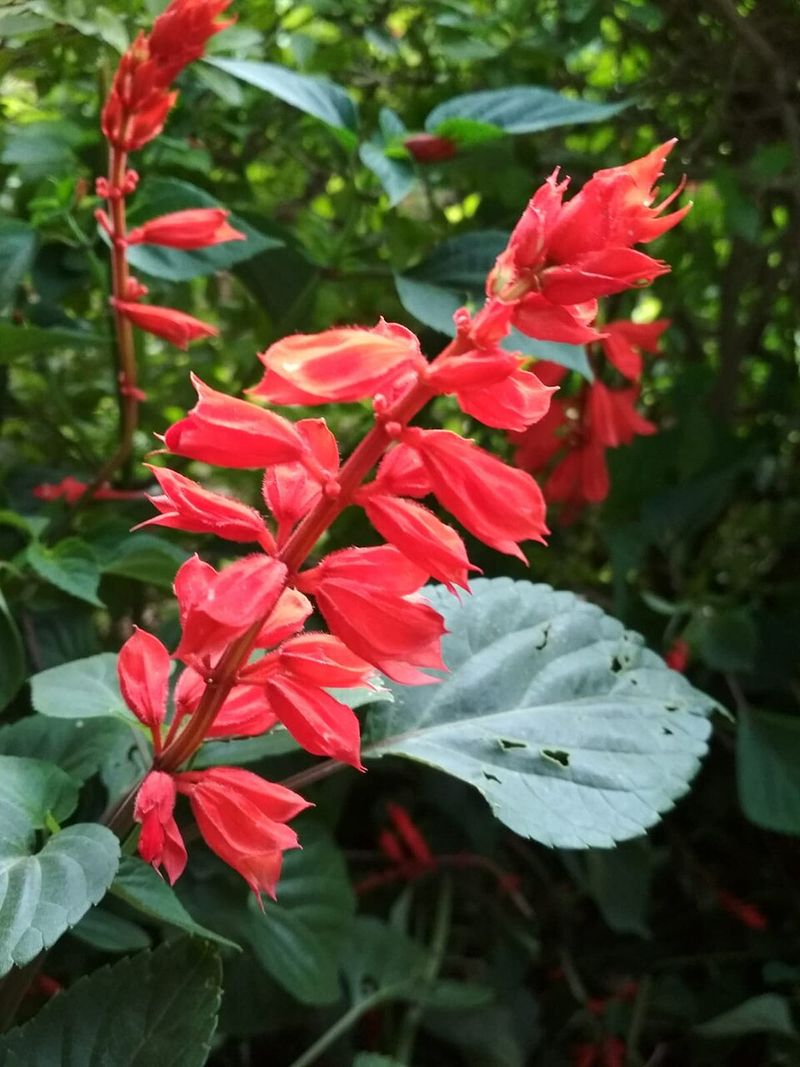
Spikes of purple, blue, or red can keep a summer border from looking flat, and this plant delivers that vertical color with very little drama. It stands up well to North Carolina heat and usually starts blooming early enough to carry the garden into the hottest part of the year.
Hummingbirds notice it almost immediately.
Sun and drainage are the real keys to success here. Rich soil is not necessary, and plants often perform better when they are not overfed, since too much fertilizer can lead to floppy growth instead of sturdy flower spikes.
Once the first flush fades, a quick trim usually sparks another round of blooms.
This is a great choice for gardeners who want something tidy but not fussy. The foliage often has a slightly aromatic quality that deer and rabbits tend to ignore, which can save you frustration in suburban and rural areas alike.
Containers, curbside beds, and mixed borders all benefit from its long-lasting color.
Pair shorter varieties with marigolds or vinca, or use taller types behind coreopsis and daylilies for layered texture. Water deeply during establishment, then ease back as roots settle in.
If you want repeated flowers through summer without a constant maintenance schedule, salvia makes the job feel surprisingly simple.
Verbena
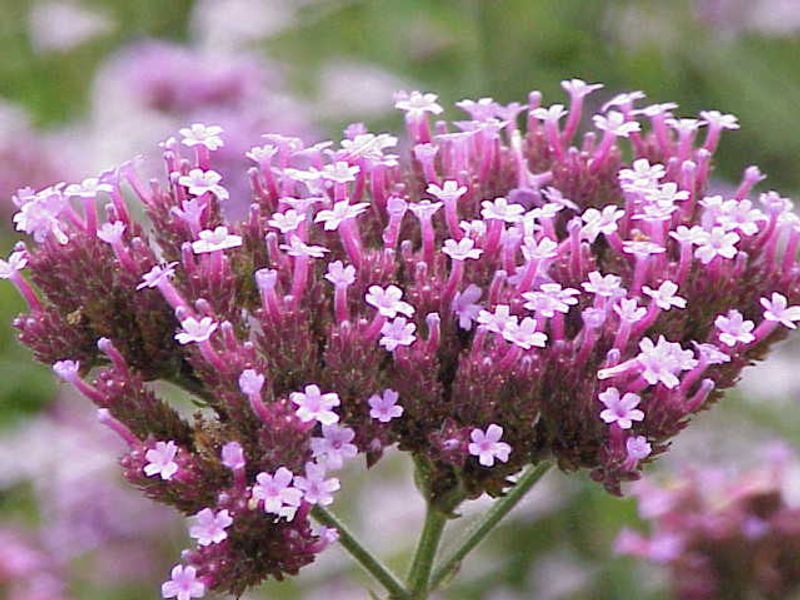
Long weeks of heat do not bother this flower nearly as much as they do fussier bedding plants. It keeps producing clusters of bloom in containers, hanging baskets, and sunny borders, adding steady color when spring flowers have already faded.
That kind of stamina is especially useful in North Carolina’s humid summers.
Drainage comes first, because soggy roots are usually what cause problems. Give it six or more hours of sun, water when the soil starts to dry, and trim back any stretched stems to keep the plant dense and flowering.
With that simple routine, it can stay attractive for a surprisingly long season.
Low, spreading varieties soften the edges of raised beds and patio pots beautifully. Taller selections work well in pollinator gardens, where butterflies gather around the blooms and make the whole planting feel lively.
It also combines well with lantana, angelonia, and calibrachoa if you enjoy mixed summer containers.
Try not to overfertilize, since too much feeding can encourage leaves at the expense of flowers. A light deadheading or occasional shearing is enough to refresh the plant when it looks tired.
For gardeners who want colorful fillers that do not require constant babying, verbena is an easy, practical answer.
Moss Rose
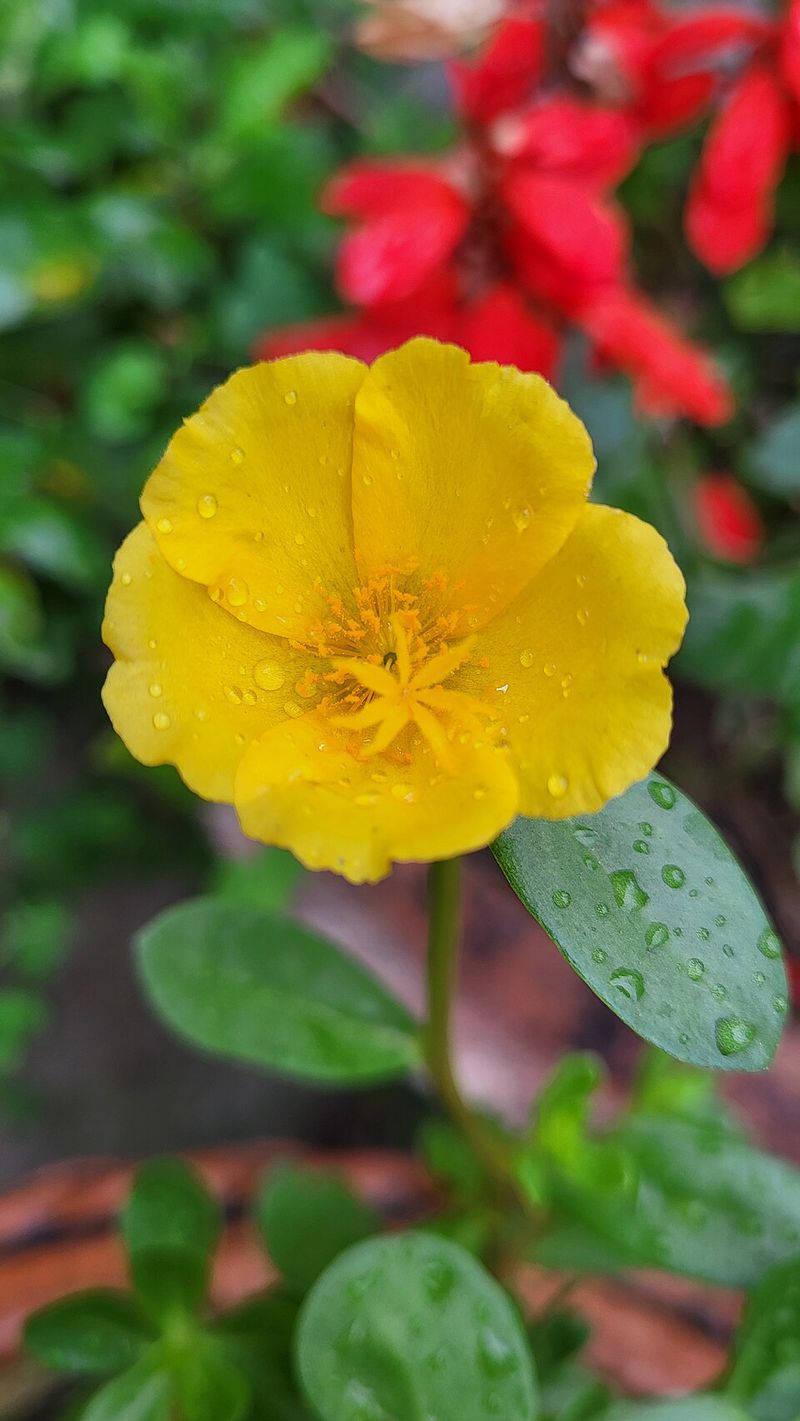
Dry, sunny spots that seem impossible for other flowers can become the easiest places in your yard with this plant. Its succulent foliage stores moisture, and the bright blooms keep coming through hot weather when many annuals start to look tired.
For neglected corners, that is a very useful combination.
Sharp drainage and full sun are essential, so think containers, rock gardens, edging, or sandy beds. Once planted, it asks for very little water and often performs better when you resist the urge to fuss over it.
The low growth habit also helps reduce weed competition around the planting.
Because the flowers open best in bright light, it shines most on patios, walkways, and other exposed areas. Mixing colors creates a playful carpet effect, while a single shade looks clean and modern in low bowls or window boxes.
This is a smart option if you travel often and miss regular watering days.
Avoid heavy soil or crowded spots where moisture lingers after rain. If stems get leggy by midsummer, a light trim can encourage fresher growth and another wave of bloom.
In North Carolina’s hottest months, few annuals match this flower for simple reliability, especially where reflected heat makes other plants struggle.
Pentas
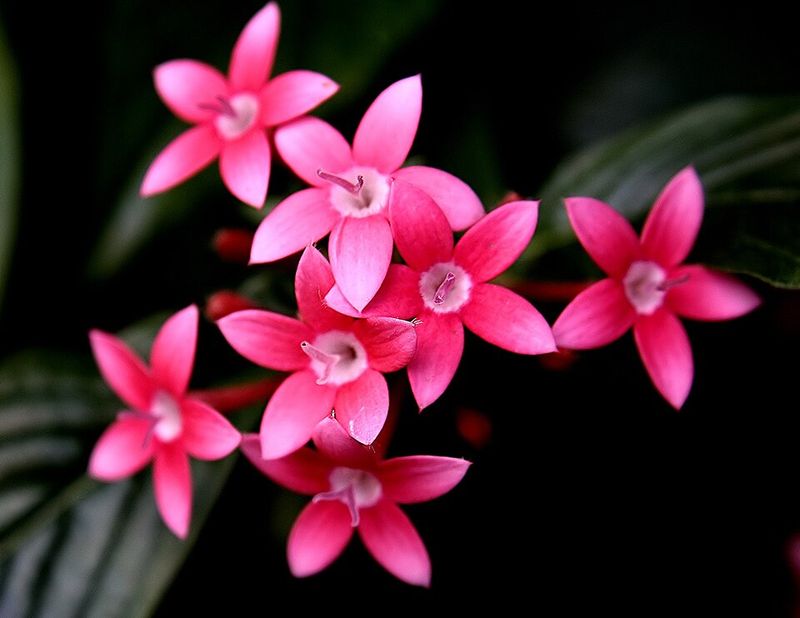
If you want a flower that keeps going through sticky North Carolina heat, pentas deserves a spot near the top of the list. It blooms in rounded clusters for months, brings in butterflies nonstop, and rarely acts dramatic when summer turns hot and humid.
Once it settles in, you mostly get to enjoy the show.
I like it most in sunny borders, containers, and mailbox beds where reliable color really matters. It does best with decent drainage and occasional watering, but it will not demand constant pampering to look full.
Trim spent clusters now and then, and it keeps blooming like summer never plans to end.
Angelonia
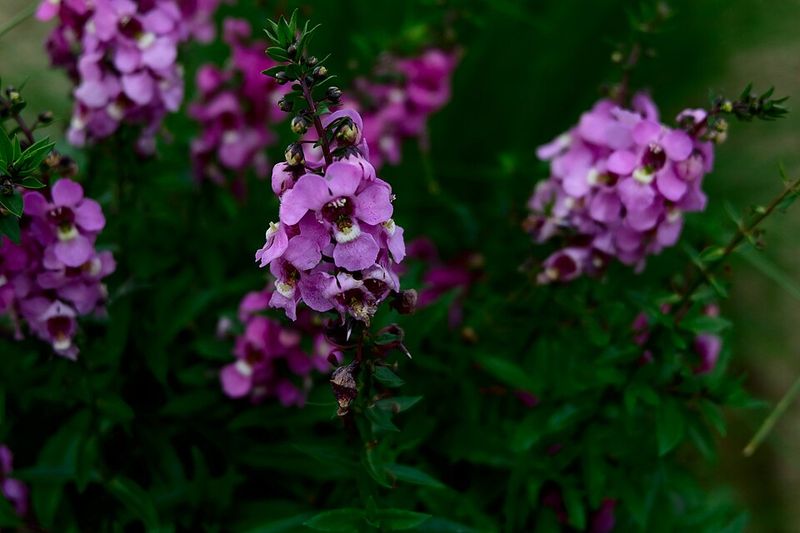
Angelonia has that upright, polished look that makes a planting feel intentional even when the maintenance is minimal. The flower spikes keep rising through the hottest stretch of summer, and the plant stays surprisingly tidy without much coaxing.
In a North Carolina bed, that kind of consistency is hard not to appreciate.
You can tuck it into borders, patio pots, or anywhere you want vertical color without a lot of flopping. It handles heat, humidity, and brief dry spells better than many flowers with a softer look.
Give it full sun and decent drainage, and it will reward you with weeks of bloom and very little complaining.
Madagascar Periwinkle
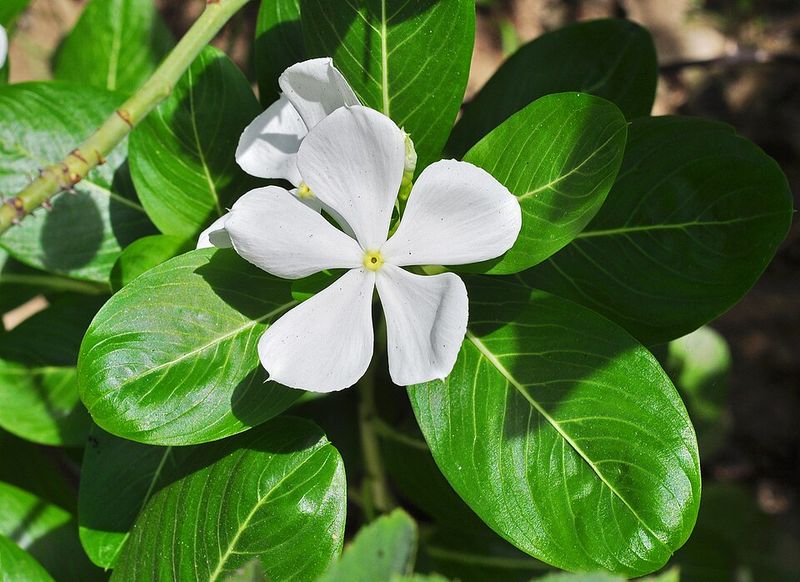
Madagascar periwinkle is one of those flowers that seems completely unfazed by the weather that wilts everything else. When the sun is intense and the air feels heavy, it keeps pushing out clean, cheerful blooms with almost no pause.
That kind of stamina makes it especially useful in North Carolina landscapes.
It works beautifully in foundation beds, sidewalk plantings, and containers that dry faster than you expect. The glossy foliage stays attractive, and the plant rarely asks for more than sunlight, warmth, and sensible watering.
If you tend to forget a flower now and then, this is one that usually forgives you and keeps the color coming.
Marigold
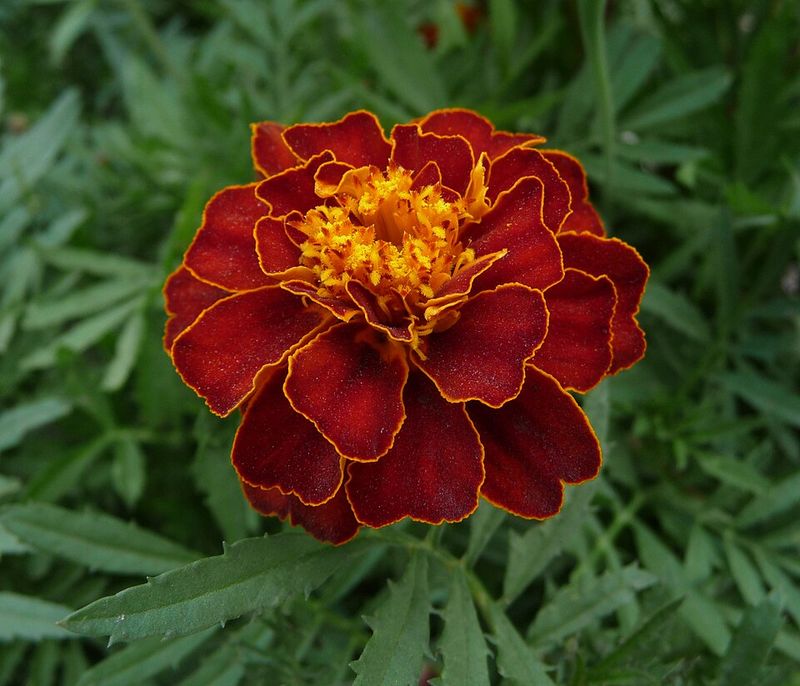
Marigold may be familiar, but that does not make it any less useful when you need dependable summer color. It blooms hard, handles heat well, and gives you those rich gold and orange tones that brighten a bed instantly.
In North Carolina gardens, it often performs best when simpler choices beat fussier ones.
I especially like it for edging vegetable plots, filling gaps in sunny borders, or adding easy color to porch containers. Newer varieties stay neat and bloom longer with very little intervention beyond occasional deadheading.
Give marigold full sun and average soil, and it will carry its share of the garden from early summer well into the warmest weeks.
Gaillardia
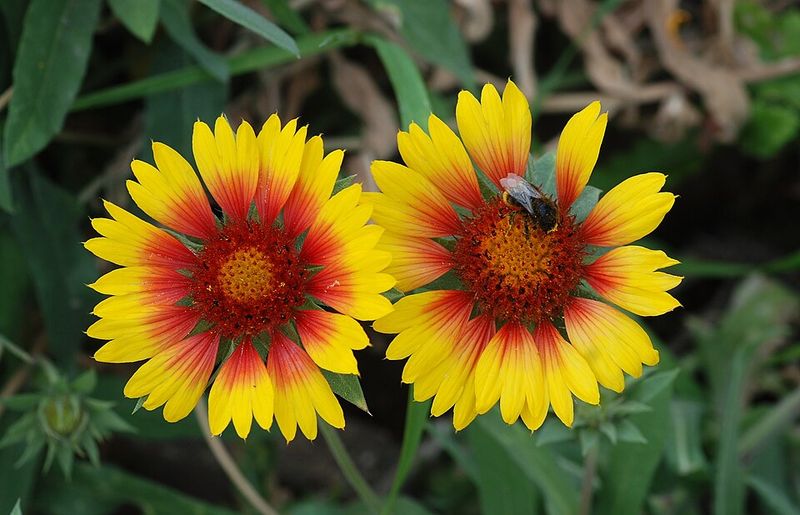
Gaillardia brings the kind of sunset color that makes a summer bed feel lively even on the hottest afternoons. The blooms keep coming in waves, and the plant is far tougher than its bright petals suggest.
If your North Carolina yard gets strong sun and leaner soil, this one can really shine.
It is a smart choice for pollinator gardens, dry borders, and spots where you do not want to hover with a hose. Good drainage matters more than rich soil, and too much pampering can actually work against it.
Snip off older blooms when you feel like it, and gaillardia usually answers with another long round of cheerful color.
Celosia
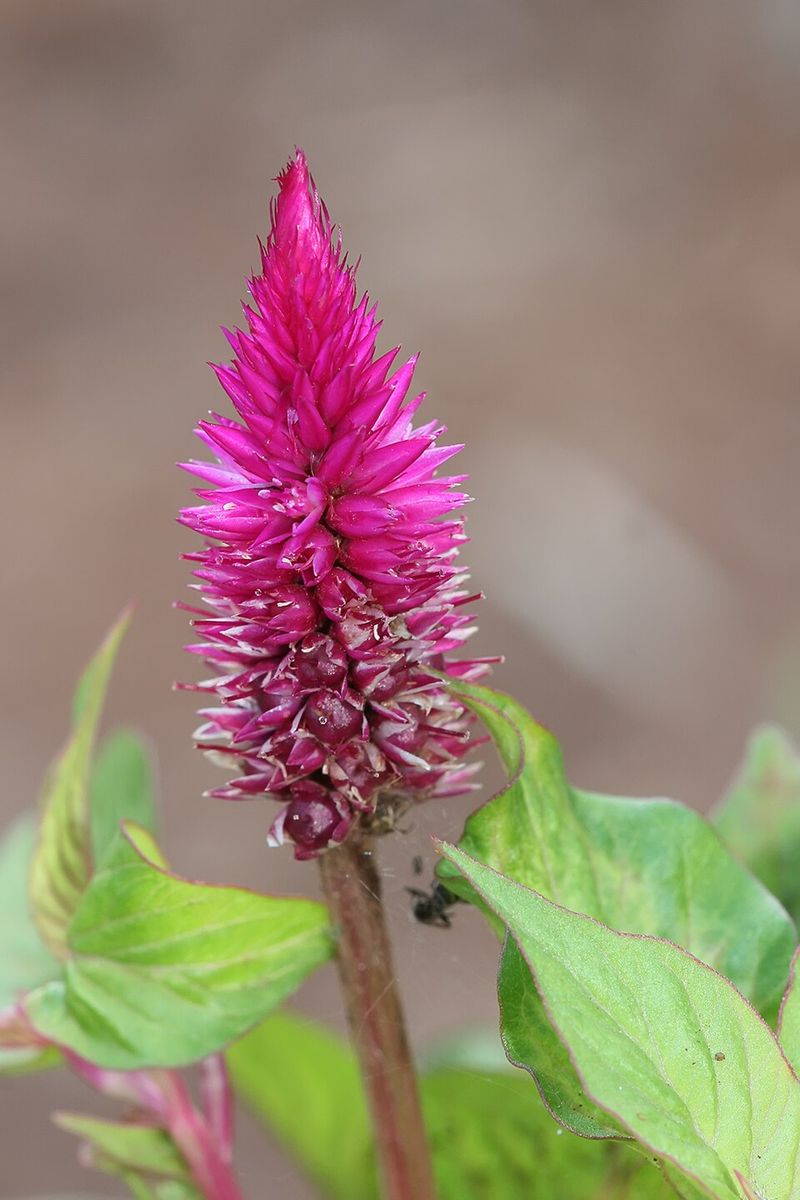
Celosia adds a different kind of summer interest because the blooms bring both color and texture to the garden. Whether you choose plumed or crested types, it holds up well in heat and keeps its strong look when many softer flowers fade.
That makes it a handy option for long North Carolina summers.
I think it works best when you let its shape do some of the design work in beds and containers. The colors stay vivid, the stems stay upright, and it is not especially needy once established.
As long as the site gets full sun and the soil drains reasonably well, celosia keeps delivering without turning into a chore.
Cuphea
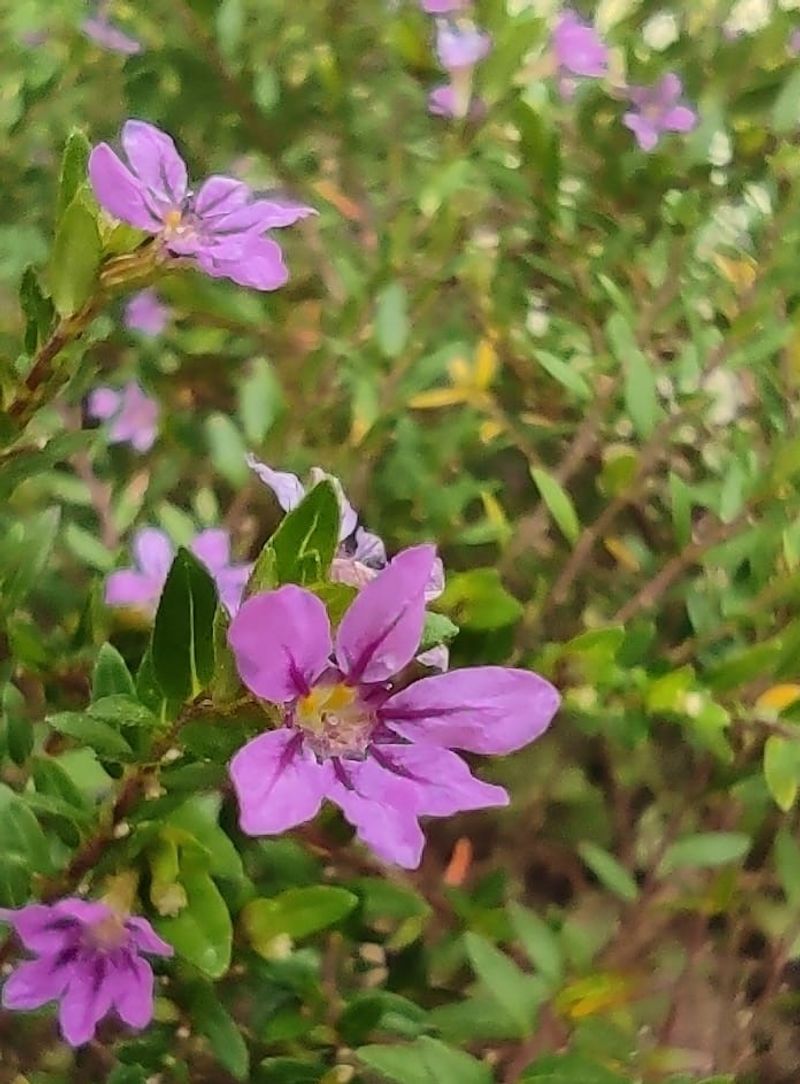
Cuphea is an easy one to overlook at the garden center, but it earns attention once summer gets serious. It blooms steadily, handles humidity better than many annuals, and often attracts hummingbirds when the rest of the border looks tired.
In North Carolina, that steady performance can make a big difference.
The plant stays fairly neat, which means you do not spend much time reshaping or rescuing it midseason. It is especially useful in containers, sunny edges, and mixed plantings where constant bloom matters more than oversized flowers.
Give cuphea sun, moderate water, and a little room, and it settles into a long, reliable rhythm.
Cleome
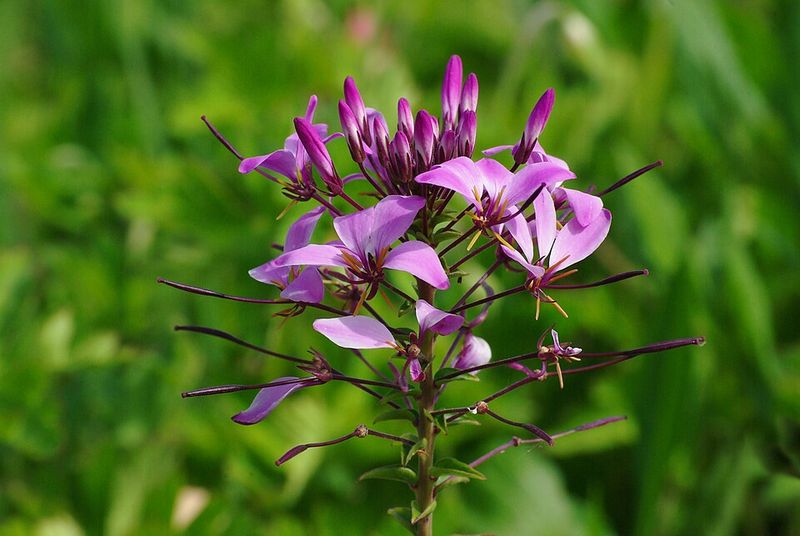
Cleome has an airy, slightly wild look that fits beautifully into relaxed summer plantings. It grows fast, blooms for a long stretch, and adds height without needing the kind of babying many tall flowers demand.
For North Carolina gardeners who want movement and color, it is a strong choice.
Once it gets established, cleome is surprisingly tolerant of heat and ordinary garden conditions. The blooms draw pollinators, the plants weave easily through mixed borders, and the whole display feels generous without feeling high maintenance.
If you give it full sun and a little space to stretch, cleome will keep your beds looking lively deep into the hottest part of summer.