
10 Flowering Trees North Carolina Homeowners Are Choosing Instead Of Crape Myrtle
Follow us on Google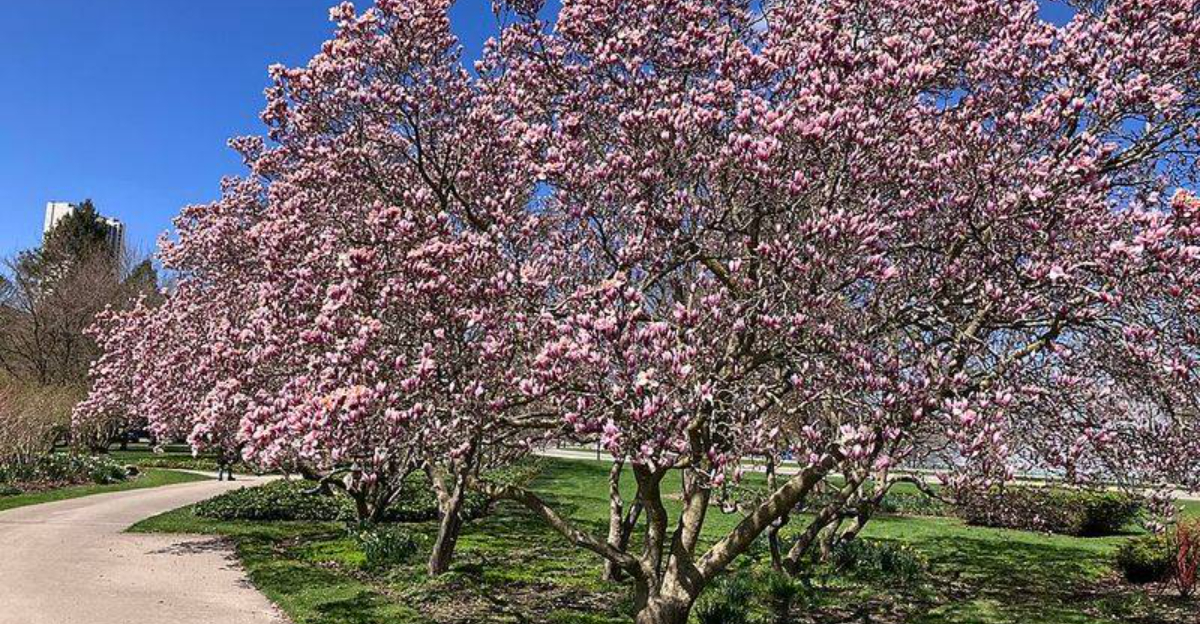
Crape myrtle still has fans, but plenty of North Carolina homeowners want something with a softer shape, better native value, or a bloom season that feels less predictable. If you have been staring at the same street tree choices and wanting a yard that feels more personal, there are some excellent alternatives worth your attention.
These flowering trees can handle North Carolina conditions while offering standout color, texture, and seasonal interest. A few may even solve the exact issues that make people rethink crape myrtle in the first place.
Eastern Redbud
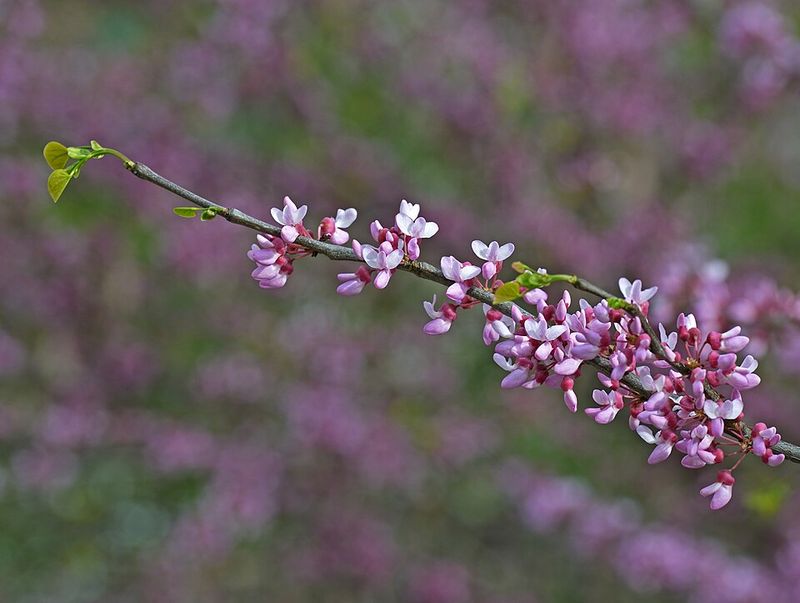
Few spring sights stop you in your tracks like a redbud covered in rosy purple blooms before the leaves even open. That early color feels especially welcome after a gray winter, and it gives your yard a softer, more natural look than the upright habit many crape myrtles create.
In North Carolina, it performs well across much of the state when planted in well drained soil with some protection from harsh afternoon heat.
You can tuck one near a front walk, patio edge, or woodland border and get a strong focal point without overwhelming the space. Most varieties stay manageable, usually around twenty to thirty feet tall, so pruning stays simple and the canopy fits average suburban lots.
Heart shaped leaves follow the flowers, and some cultivars add burgundy foliage or weeping structure if you want extra personality.
Give it morning sun and regular water while it establishes, then expect a fairly easygoing tree. It is also a smart pick if supporting pollinators matters to you, since those early blooms are valuable for bees.
If your goal is a tree that feels graceful, regional, and noticeably different from the usual neighborhood planting, redbud makes a convincing case.
Flowering Dogwood
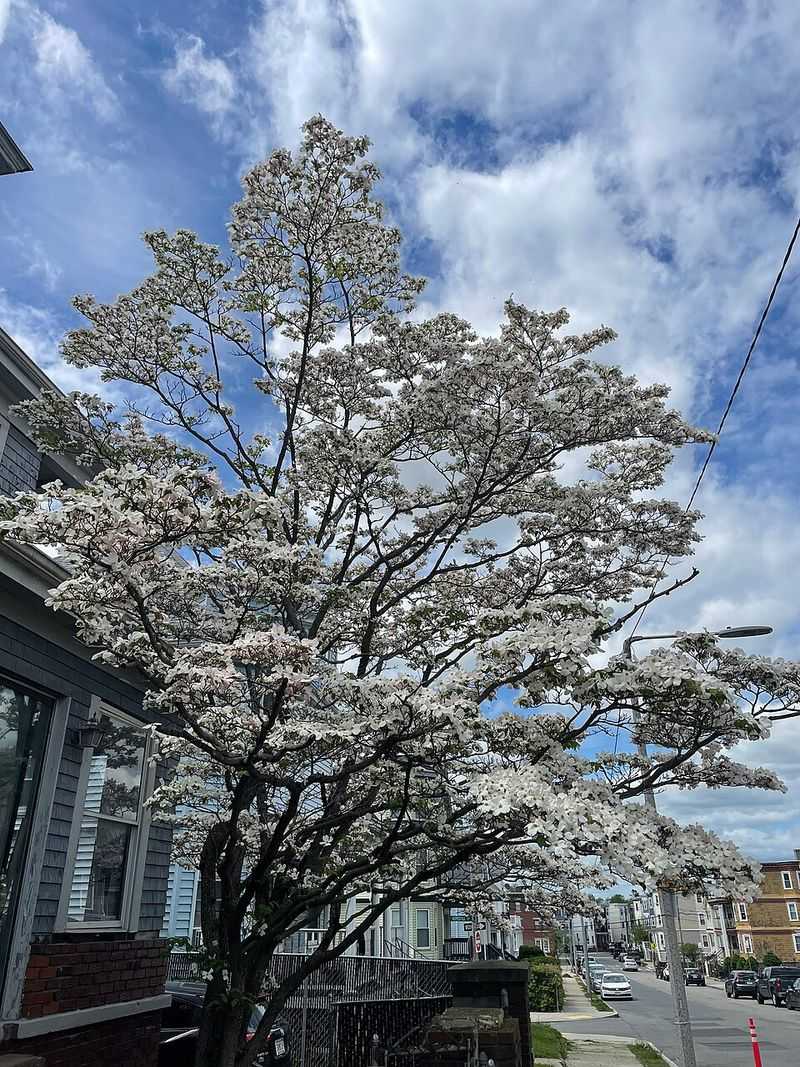
A native dogwood brings the kind of spring display that feels tied to North Carolina itself. The layered branching, crisp white or pink bracts, and red fall fruit give you a longer season of interest than many people expect, especially in a yard that already has pines or taller shade trees nearby.
Compared with crape myrtle, it reads quieter and more classic, which is often exactly what homeowners want near brick homes and traditional landscapes.
Placement matters here, and that is good news if you have filtered light instead of blazing all day sun. An east facing front yard or lightly shaded side garden often suits it beautifully, helping reduce stress and keeping the tree looking fuller through summer.
Mature size usually lands around fifteen to thirty feet, large enough to anchor a space but not so big that it dominates a modest lot.
Mulch the root zone, avoid trunk damage from mowers, and water during prolonged dry spells to keep it healthy. Choosing disease resistant cultivars can make ownership easier, especially where dogwood anthracnose is a concern.
If you want a tree that feels native, refined, and seasonally expressive without constant shaping, flowering dogwood remains one of the strongest alternatives available.
Serviceberry
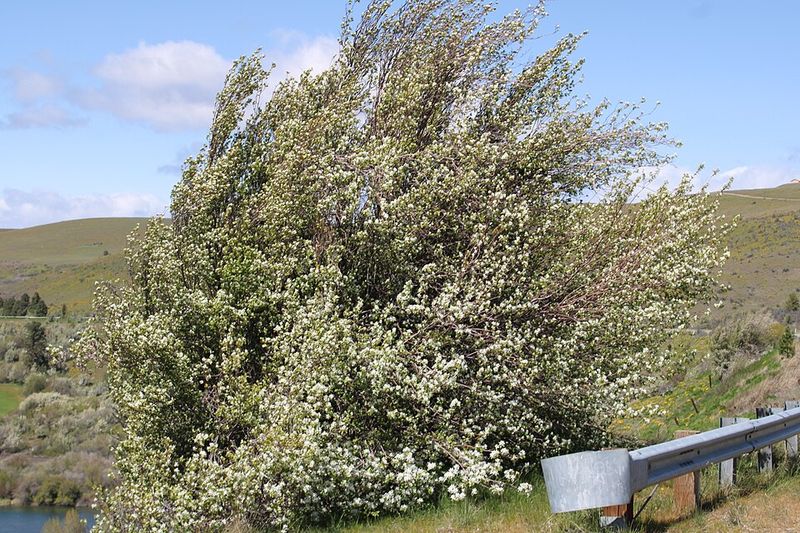
Serviceberry earns attention from homeowners who want more than a single short bloom window. White spring flowers arrive early, small edible berries follow, and the fall color can shift into warm orange and red tones that make the tree pull its weight in every season.
That layered performance is a big reason people choose it when they are ready for something more nuanced than another crape myrtle.
You can use it as a small specimen tree, a loose screen, or part of a mixed native planting where it blends beautifully with shrubs and perennials. Many forms mature around fifteen to twenty five feet, and multi stem varieties give a relaxed shape that suits cottage, woodland, and modern naturalistic landscapes.
Birds love the berries, so expect more movement in the yard once the tree settles in.
Good drainage matters, and a spot with sun to part shade usually keeps flowering strong. It appreciates regular watering during establishment, but after that it is not an especially fussy choice for many North Carolina gardens.
If you have wanted a tree that feels ornamental without looking formal, and useful without seeming overdesigned, serviceberry checks an impressive number of boxes for everyday homeowners.
Fringe Tree
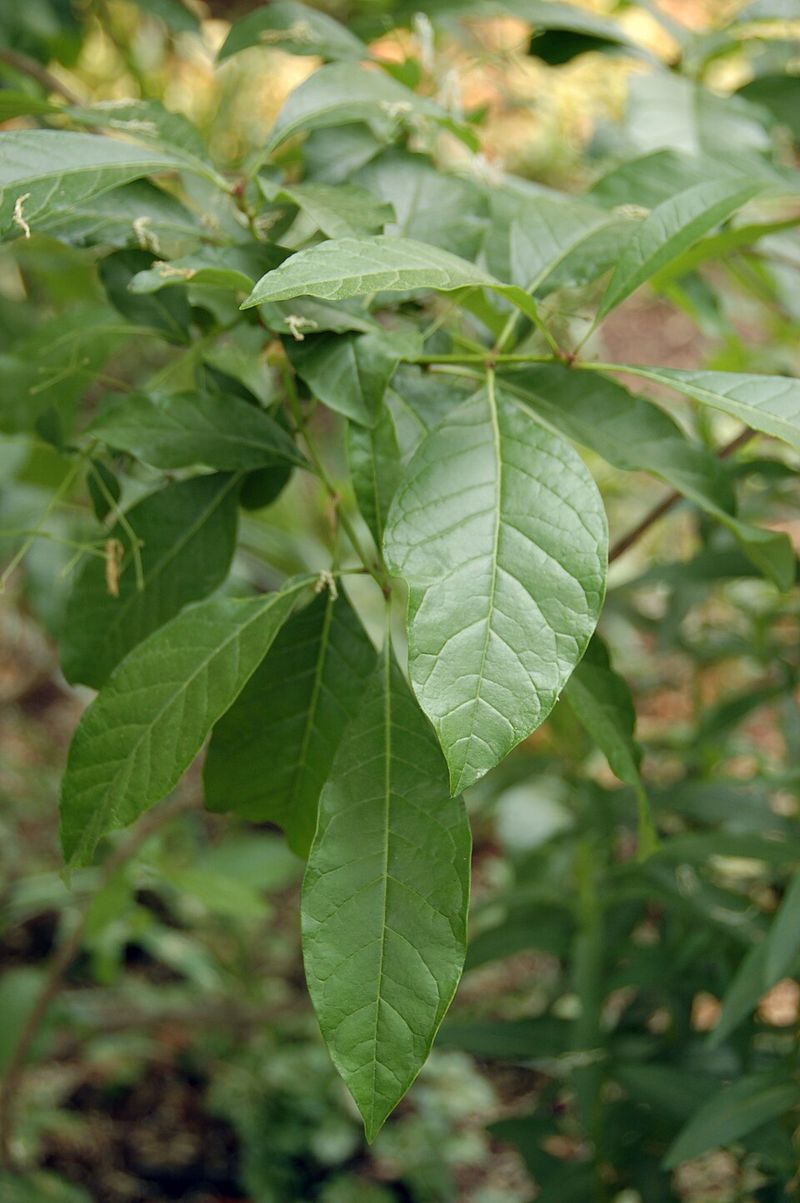
There is something almost weightless about fringe tree in bloom, with soft white petals hanging like tassels across the canopy. That airy look feels very different from the bolder, more common flowering trees planted in many subdivisions, and it gives your yard a calm, collected presence in late spring.
Homeowners in North Carolina often appreciate that it can handle heat and humidity better than some prettier but fussier ornamental choices.
Most selections stay in the small to medium range, commonly twelve to twenty feet tall, which makes them practical near patios, driveways, and smaller front lawns. The branching tends to look naturally graceful instead of stiff, so you usually do not need constant corrective pruning to keep it attractive.
Female trees may also produce dark blue fruit that birds enjoy, adding one more subtle layer of interest after flowering fades.
Plant it in sun or light shade with evenly moist, well drained soil for the best performance. Once established, it is fairly low maintenance and generally less overused than dogwood or magnolia, which helps your landscape feel more original.
If you are trying to break away from the standard crape myrtle formula without sacrificing reliable bloom, fringe tree is a thoughtful and underrated choice.
Saucer Magnolia
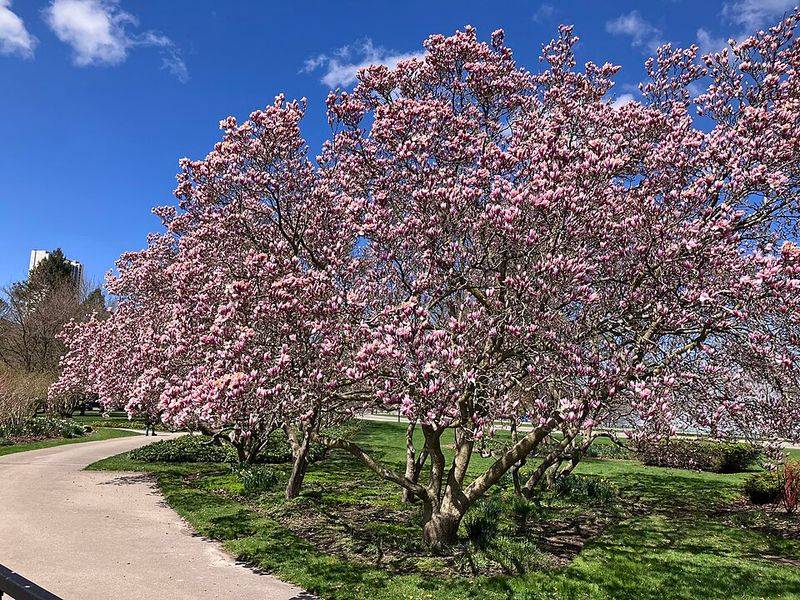
Big goblet shaped flowers make saucer magnolia hard to ignore, especially when the pink and white blooms open before the garden fully wakes up. If you want your yard to feel noticeably different from the usual summer flowering lineup, this tree does the job early and dramatically.
Many North Carolina homeowners pick it for that classic Southern look that still feels polished rather than trendy.
Space planning is important because mature trees can reach twenty to thirty feet tall and nearly as wide, creating a rounded silhouette that needs room to breathe. Near a front lawn corner, beside a driveway curve, or centered in a larger bed, it can become the feature everything else supports.
The structure also works well with evergreen backdrops, which help the bloom color stand out even more in March.
Late frosts can occasionally damage flower buds, so a protected site is worth seeking if you live in cooler parts of the state. Give it rich, well drained soil and steady moisture while it establishes, and avoid heavy pruning unless you truly need to remove crossing branches.
For homeowners willing to trade long summer bloom for unforgettable spring impact, saucer magnolia feels like a very satisfying swap.
Sweetbay Magnolia
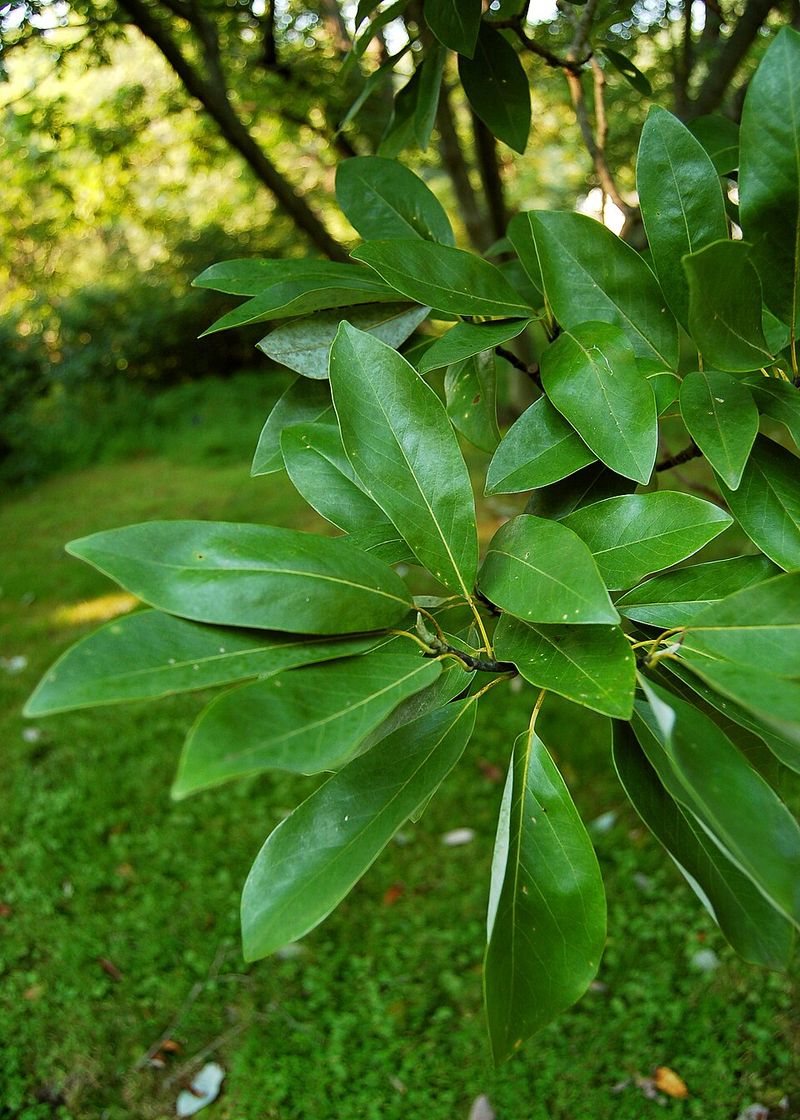
Sweetbay magnolia offers a softer, more relaxed Southern character than the flashier flowering trees most people first consider. Creamy white flowers appear in late spring and early summer, and the fragrance can catch you by surprise when you pass close by a porch or garden path.
In many parts of North Carolina, that scent alone is enough to make homeowners forget all about planting another crape myrtle.
This species handles moist soil better than many ornamental trees, so it is especially useful if parts of your yard stay damp after rain. You can train it as a single trunk tree or allow a multi stem form for a more natural look, depending on how formal you want the landscape to feel.
The leaves also have silvery undersides that flicker in the breeze, adding movement and texture even when flowers are sparse.
Expect a mature height that often ranges from ten to thirty feet, with some variation by cultivar and site conditions. Full sun to part shade works well, and a mulch ring helps keep roots cool during hot spells.
If your goal is a flowering tree with native value, subtle elegance, and a strong fit for humid Southern gardens, sweetbay magnolia is one of the smartest alternatives on this list.
Carolina Silverbell
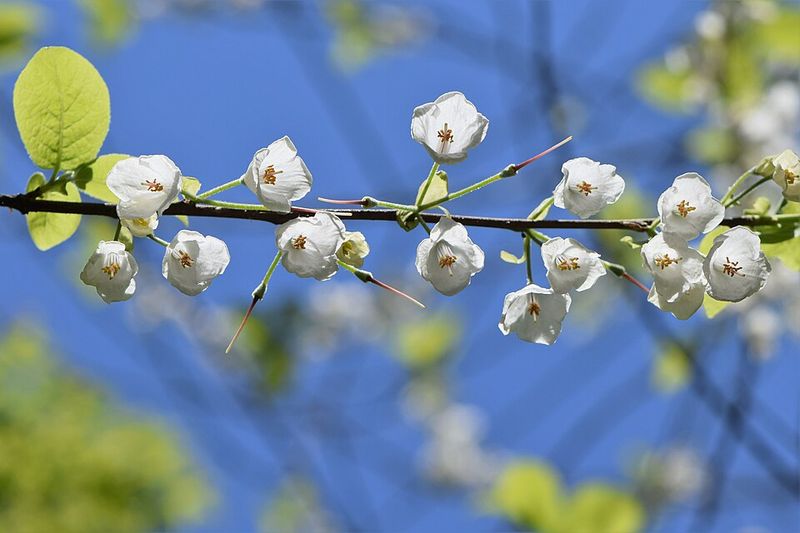
Carolina silverbell feels like a tree you discover and immediately wonder why more people are not planting it. In spring, delicate white bell shaped flowers hang beneath the branches, creating a light, elegant display that suits wooded and semi shaded properties beautifully.
For North Carolina homeowners who want something native and refined, it offers a welcome break from the more predictable crape myrtle look.
This tree fits especially well in landscapes that already lean natural, layered, or slightly informal. It usually matures somewhere around thirty to forty feet tall but keeps a relatively gentle presence, especially when planted near taller trees where its spring flowers can be admired at eye level from underneath.
The leaves turn a clear yellow in fall, giving you one more season of appeal after the bloom period ends.
Give it acidic, well drained soil rich in organic matter, and try not to place it in a hot, exposed spot with reflected afternoon heat. Consistent moisture during establishment helps it settle in faster and maintain better vigor through summer.
If you have a property with a woodland edge, filtered light, or a quieter planting style, Carolina silverbell can feel less like a substitute and more like the tree you wanted all along.
Kousa Dogwood
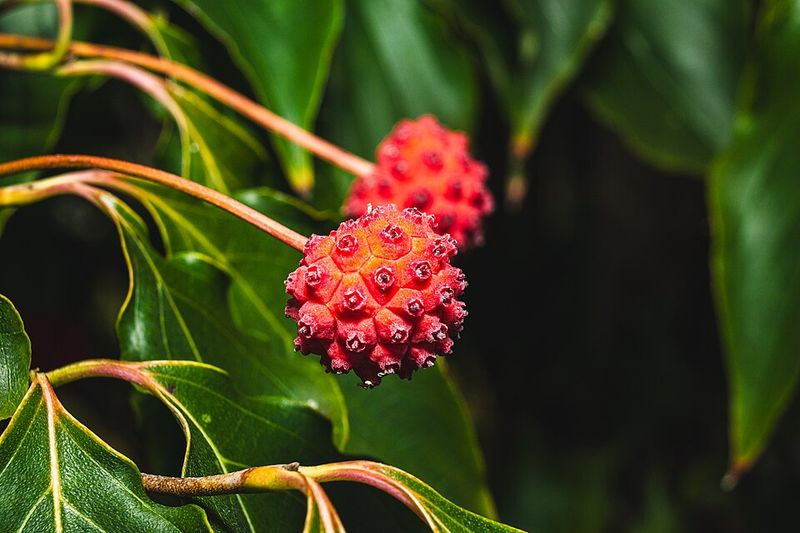
If you love the dogwood look but want something a little different, Kousa dogwood has a lot going for it. Its blooms arrive later than native dogwoods, which helps extend the spring show and gives your landscape a fresh wave of color after many trees have already finished.
That timing can make the whole yard feel more layered and intentional.
It also brings attractive branching, nice fall color, and unusual red fruits that add extra interest. In many North Carolina landscapes, it feels refined without being fussy, and that is a pretty appealing alternative when crape myrtle starts to feel overused.
Japanese Stewartia
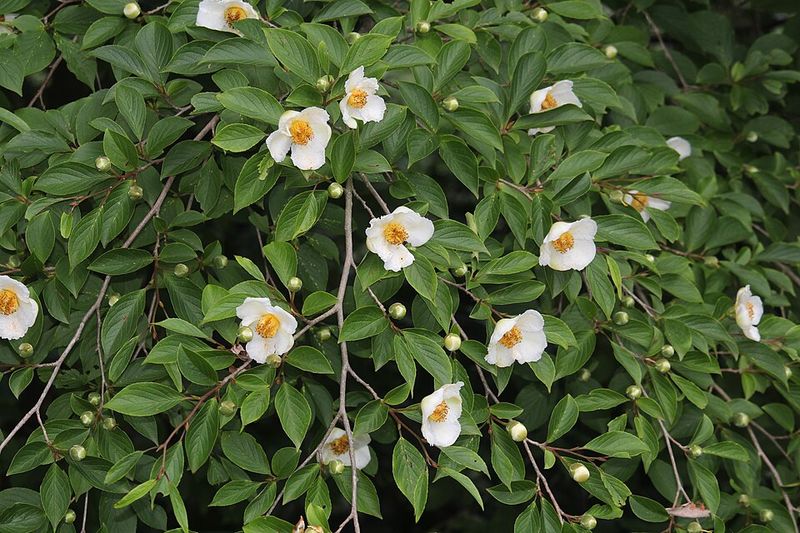
Japanese stewartia is one of those trees that quietly steals the show once you notice its details. The white summer flowers have a simple camellia like beauty, and they appear at a time when many spring bloomers are already done, giving you color without leaning on the usual crape myrtle formula.
It feels elegant, but never flashy.
What really makes it special is how much it offers beyond bloom time. The bark exfoliates in beautiful patches, the branching has a graceful shape, and fall color can be excellent, so in North Carolina yards it rewards you through more than one season.
Okame Cherry
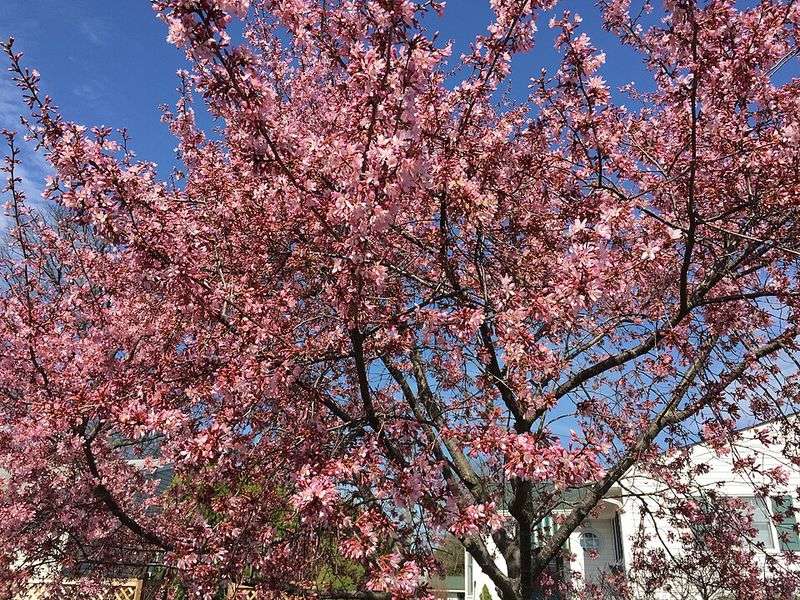
For homeowners who want a real burst of early season color, Okame cherry is hard to ignore. Its vivid pink blossoms show up before many other trees wake up, and that kind of cheerful brightness can completely change how your yard feels at the end of winter.
It brings a classic ornamental look without defaulting to the same summer blooming choice.
The form is tidy, the flowering is generous, and the overall effect feels welcoming from the street. In many parts of North Carolina, it works beautifully as a small focal tree that gives you a memorable spring display and a softer personality than crape myrtle.