
12 Burgundy Perennials Adding Depth To North Carolina Backyard Designs
Follow us on Google
Burgundy foliage has a way of grounding a backyard and making every nearby bloom look richer. In North Carolina, that depth matters because gardens shift fast with heat, humidity, clay soil, and long growing seasons.
The right perennial does more than add color – it gives your beds structure from spring through fall. If you want a yard that feels layered, polished, and a little moodier in the best way, these picks deserve a spot on your list.
Heuchera ‘Palace Purple’
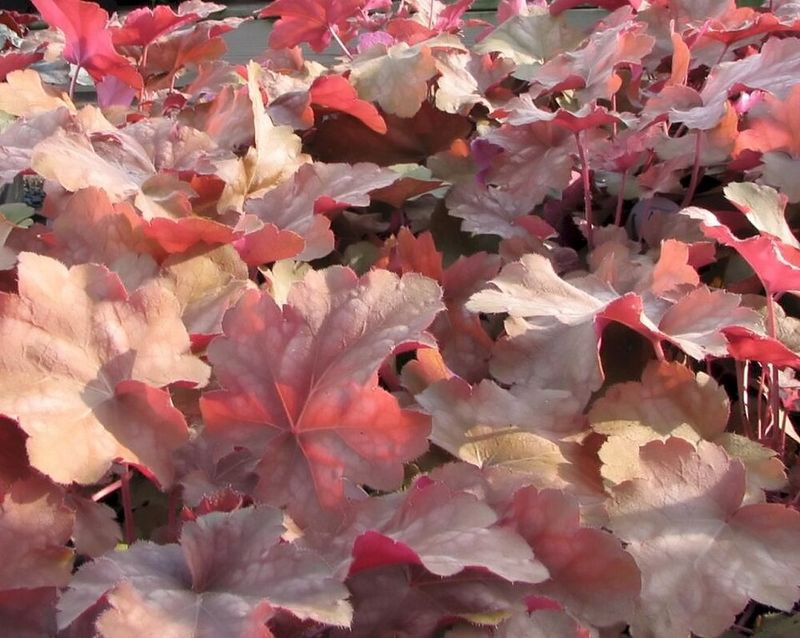
Deep color close to the ground can make an entire planting bed look more intentional, and this classic coral bells variety does exactly that. Its glossy burgundy leaves read as rich purple in shade and warmer mahogany in brighter light, which gives you subtle movement without relying on flowers.
In North Carolina, you will usually get the best foliage color with morning sun and afternoon protection, especially where summers turn sticky.
Good drainage matters more than almost anything else, so loosen clay soil with compost before planting and avoid burying the crown. Along a front border, this variety pairs beautifully with chartreuse hostas, soft blue catmint, and silver artemisia if you want strong contrast that still feels calm.
I also like it near stone edging, where the darker leaves help pale hardscape look cleaner and more defined.
Small cream flower wands appear above the foliage, but the leaves are the real reason to grow it. Use groups of three or five rather than a single plant, because that repetition gives the bed a stronger visual rhythm.
If your backyard has tall shrubs and open lawn, this is one of the easiest ways to connect everything with a grounded, finished look.
Ajuga reptans ‘Black Scallop’
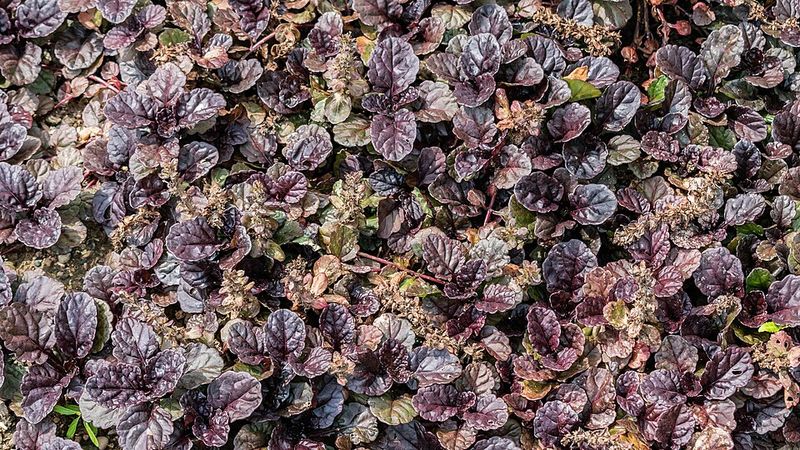
Low-growing plants often decide whether a backyard looks tidy or patchy, and this ajuga brings a polished look fast. The leaves are so dark they can read almost black, with a burgundy sheen that becomes especially striking after rain.
When blue flower spikes rise in spring, you get a dramatic color pairing that feels far more expensive than the plant actually is.
For North Carolina gardens, this one works best where the soil stays evenly moist but not soggy, and where roots are not baked all afternoon. Tuck it along stepping stones, around a patio edge, or beneath small ornamental trees where grass usually struggles.
You will want to give it room, though, because it spreads enthusiastically and can slip into neighboring plants if you are not paying attention.
That vigorous habit can be a strength when you need to cover bare ground and reduce weeding in a hurry. Try it beside pale pink begonias, golden sedge, or green mondo grass to make the foliage stand out.
If your backyard design needs a dark thread that ties several beds together, this creeping perennial can do the job while adding texture at the exact level where many landscapes fall flat.
Penstemon digitalis ‘Dark Towers’
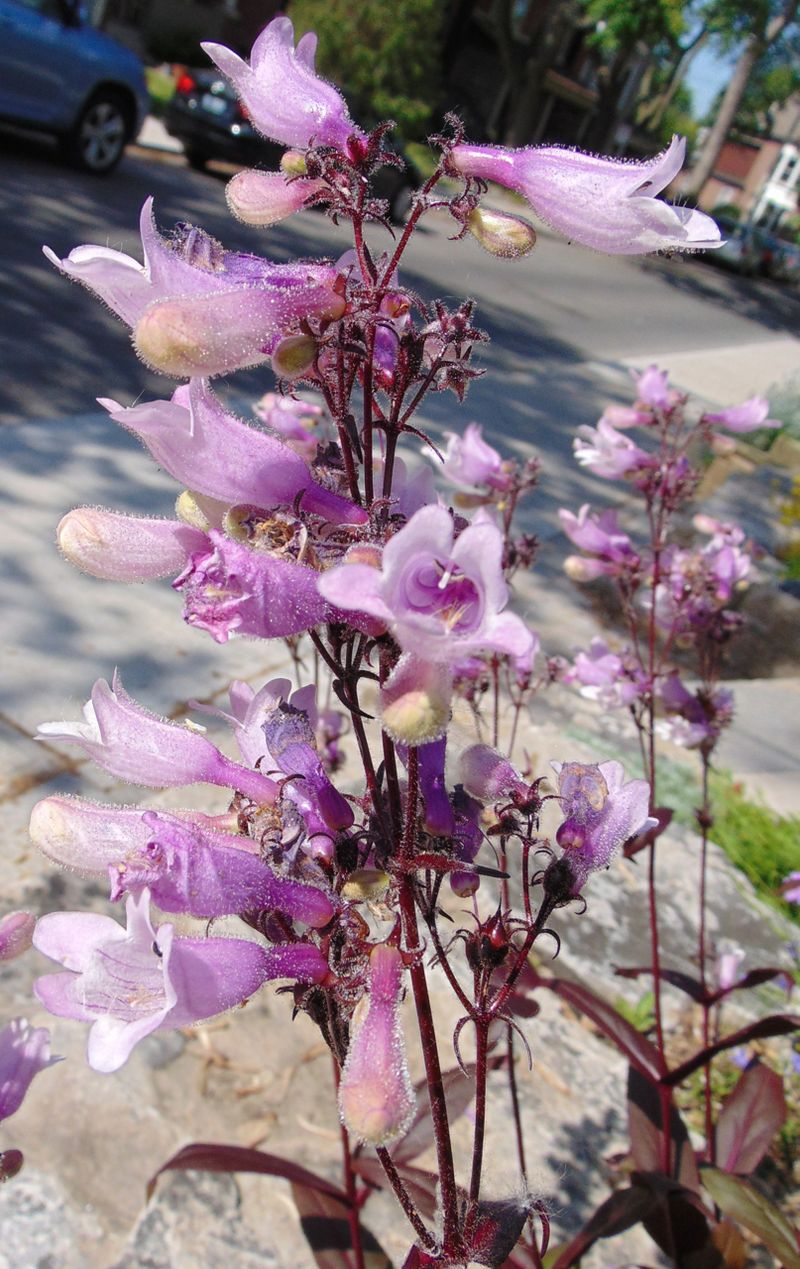
Vertical shape can keep a planting bed from looking sleepy, and this penstemon adds that structure without feeling stiff. The foliage starts greenish bronze and deepens into burgundy tones, while tall flower spikes bring soft pink blooms that attract pollinators for weeks.
In a North Carolina backyard, that upright habit helps bridge lower mounding plants and taller shrubs so the bed reads as layered instead of flat.
Sunny locations suit it best, especially where air circulation is decent and the soil drains well after heavy summer storms. You do not need overly rich ground here, because too much fertility can make stems floppy and shorten the plant’s useful life.
I like placing it behind lower edging plants and in front of evergreens, where the dark leaves stand out and the blooms catch light in late afternoon.
Pairing is easy because the color plays well with ornamental grasses, salvias, yarrow, and pale coneflowers. Leave spent stems standing for a bit if you like a looser, natural look, or deadhead lightly to encourage a tidier appearance.
If your space needs a burgundy perennial that feels airy rather than heavy, this choice gives you depth, height, and a long season of interest without much fuss.
Hibiscus
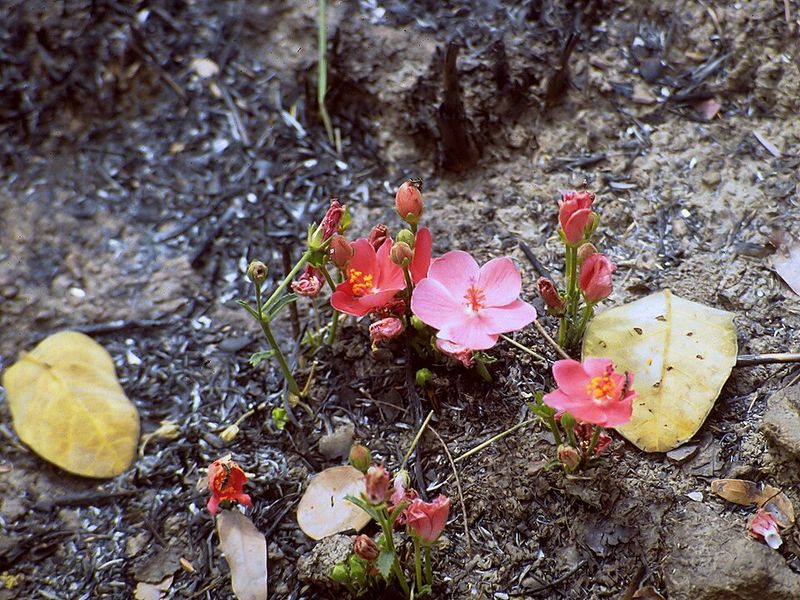
Few perennials make a statement as confidently as a dark-leaved hardy hibiscus loaded with dinner-plate blooms. This variety carries near-black burgundy foliage that looks dramatic from the moment it leafs out, then follows with huge scarlet flowers in summer.
If your North Carolina backyard needs a focal point that still returns reliably, this plant brings serious presence without asking for complicated care.
Full sun is important for the best color and flowering, and regular moisture helps it perform through hot stretches. Because it emerges late in spring, mark the spot clearly so you do not accidentally disturb the crown while other plants are waking up.
Around patios or fence lines, it works beautifully with fine-textured grasses and lighter green shrubs that soften the boldness of the leaves.
Give it enough space, because mature clumps have a substantial footprint and deserve room to breathe. I like using it where a view needs anchoring, such as the back of a mixed border or a corner that currently disappears into summer green.
When those rich red flowers open against the burgundy foliage, the effect feels theatrical but still garden-friendly, which is exactly the kind of drama many backyard designs are missing.
Sedum
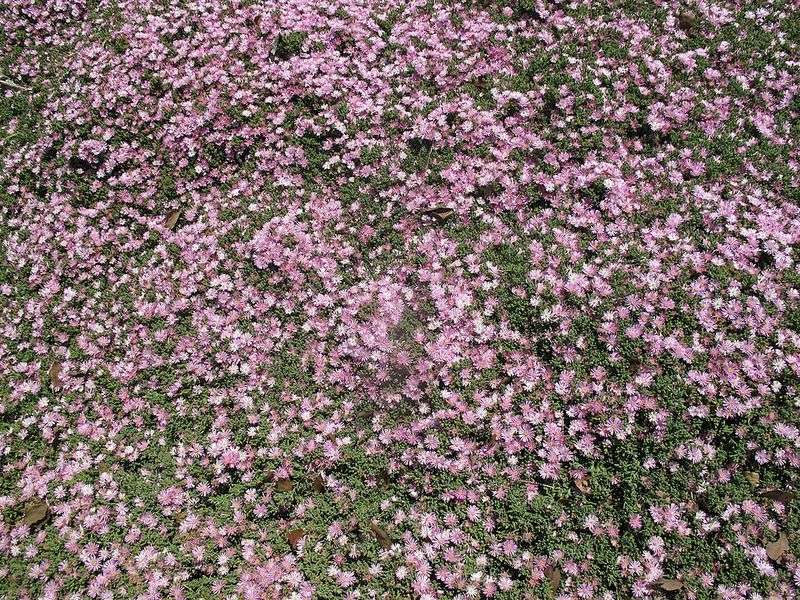
Hot, sunny spots can be difficult to style well, especially when you want color that holds up without constant watering. This sedum answers that problem with thick burgundy-purple foliage that stays handsome through heat and still looks deliberate when nearby plants fade.
Late-season flower heads add dusky pink interest, so you get both a strong foliage base and a useful bloom layer.
In North Carolina, drainage is the key to success, particularly through humid weather and winter wet. Skip overly rich soil, keep mulch light around the crown, and plant it where sun hits for most of the day.
It is excellent beside gravel paths, mailbox beds, and dry retaining wall edges where softer perennials tend to collapse or mildew by midsummer.
Because the form is upright and chunky, it pairs well with airy plants that let the foliage show through. Try it with gaura, Russian sage, threadleaf coreopsis, or blond ornamental grasses if you want a modern, balanced palette.
You will probably appreciate how little maintenance it asks for, especially in a backyard that already has enough thirsty plants. When you need burgundy color in a bright, exposed area, this perennial is one of the smartest and most dependable choices around.
Actaea simplex
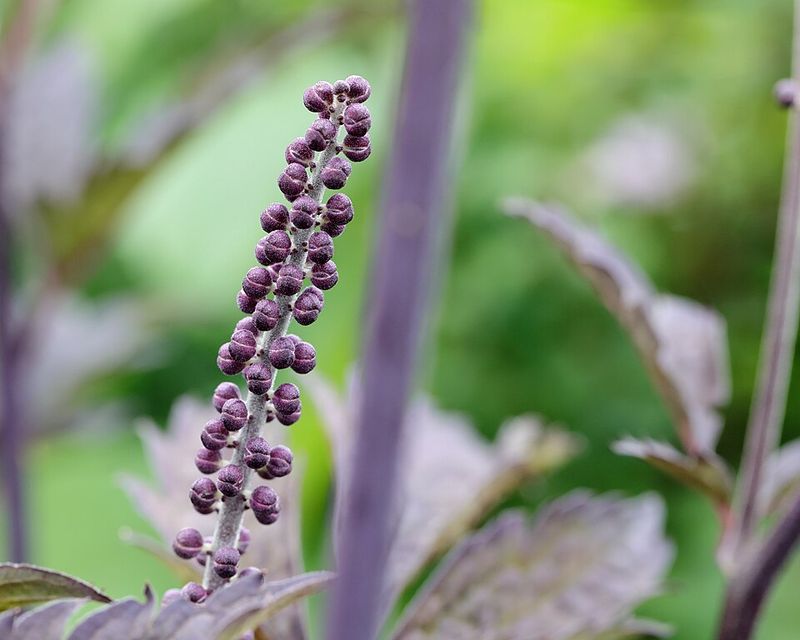
Dark foliage in shade can either disappear or create magic, and this plant definitely lands in the second category. Its finely cut leaves emerge with deep chocolate-burgundy tones that add sophistication to woodland edges and filtered-light borders.
Later in the season, tall pale flower spires rise above the mound, giving you brightness and height without losing that moody base color.
North Carolina gardeners should place it where the soil stays consistently moist and rich with organic matter, because dry shade will stress it quickly. Morning sun is fine, but strong afternoon exposure can scorch the foliage during humid summer weather.
I like using it behind hostas, ferns, and hellebores, where the darker leaves sharpen all those softer greens and make the composition feel more layered.
This is not the plant for a forgotten, droughty corner, but in the right site it becomes unforgettable. The upright flower stems also help late-season beds feel alive just when many shade perennials are fading into the background.
If your backyard has mature trees and you want something more refined than a standard green planting, this selection brings contrast, fragrance, and architectural height in one smart package.
Astilbe ‘Chocolate Shogun’
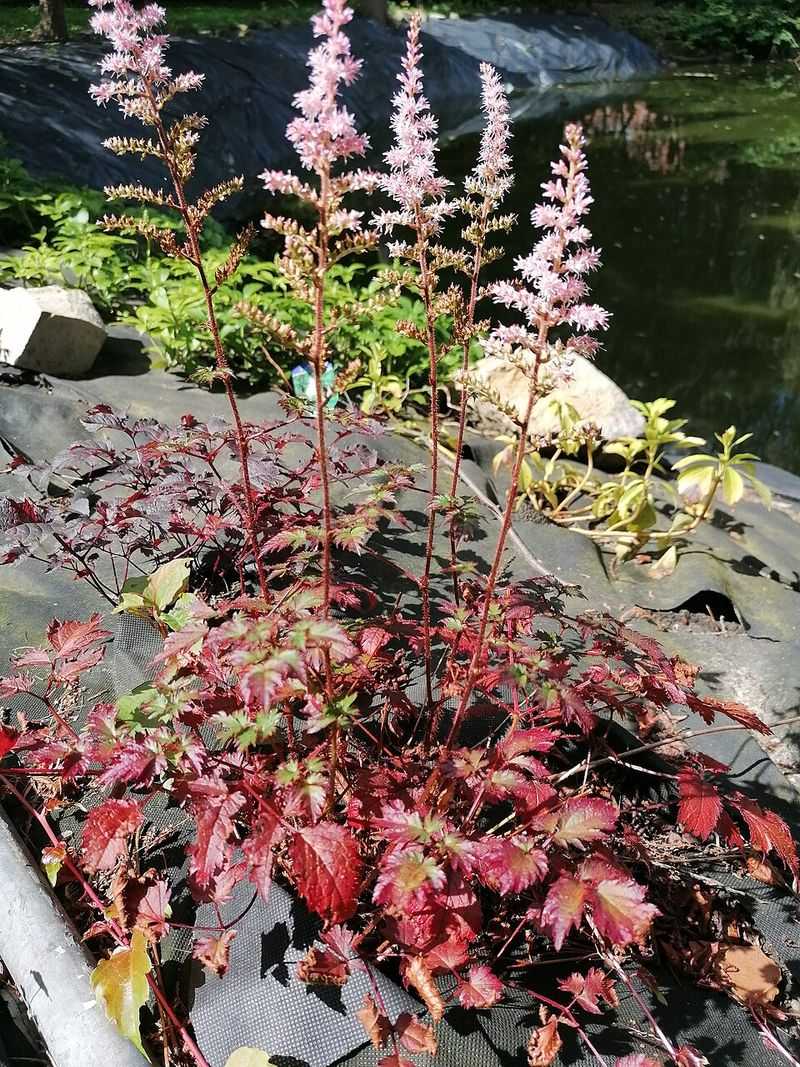
Most astilbes are chosen for flowers first, but this variety earns space even before the plumes appear. New foliage emerges with bronzy burgundy tones that read warm and velvety against typical shade-garden greens.
In a North Carolina backyard, that color can be especially useful where hostas, hydrangeas, and ferns start blending together and the bed needs a darker accent.
Consistent moisture is the nonnegotiable part, so pick a site that never bakes dry by July. Rich soil amended with compost helps, and a layer of mulch keeps roots cooler during long humid stretches.
I like planting it near downspouts redirected into beds, beside shaded patios, or along the edge of a path where you can appreciate both the leaf color and the later flower plumes.
Soft pink blooms lift above the foliage and brighten dark corners without looking sugary. For design, combine it with blue hostas, Japanese forest grass, or white impatiens to create contrast that still feels calm and tailored.
If your shade border feels flat from May onward, this perennial solves two problems at once by bringing unusual leaf color and a flower display that reads clearly even in low light.
Bergenia
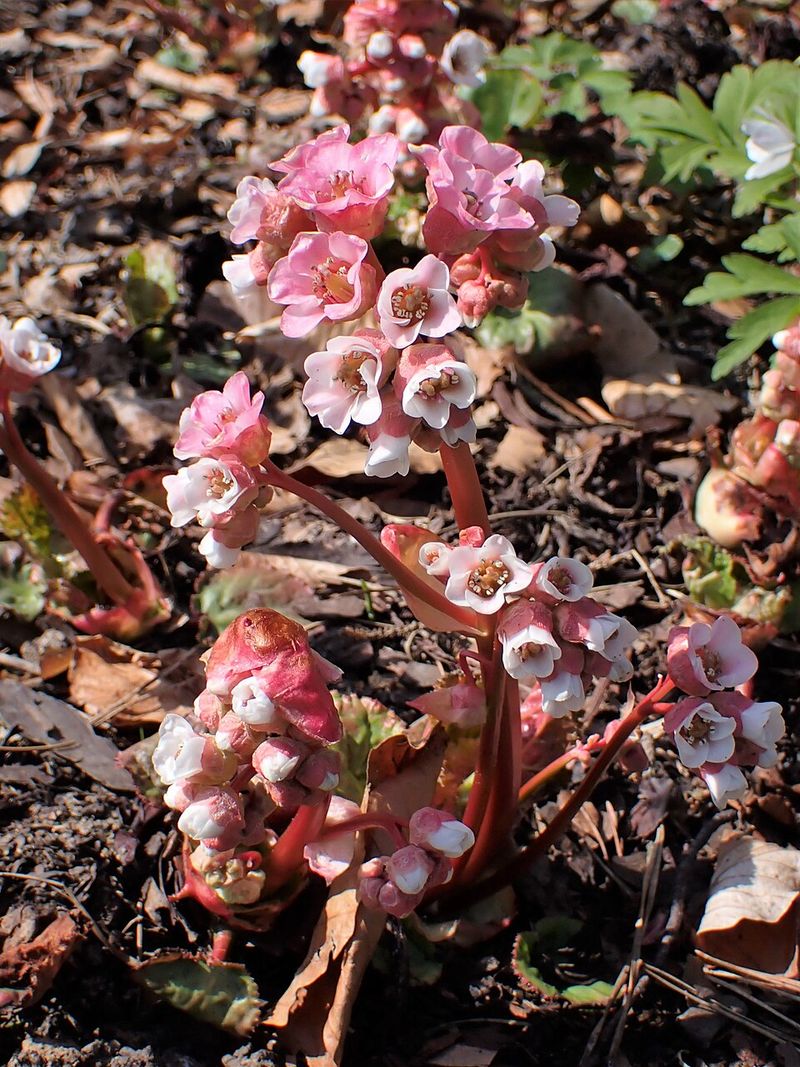
Broad leaves can do a lot of visual work in a backyard, especially when finer textures start to feel busy. This bergenia offers thick, glossy foliage that turns deeper burgundy in cooler weather, adding substance near the front of a bed.
Even in North Carolina’s milder winters, you can still get handsome reddish tones that help the garden avoid that washed-out off-season look.
It handles sun better than many people expect if the soil stays reasonably moist, though partial shade is often ideal in hotter inland areas. Plant it where you need a bold leaf shape to contrast with ferns, iris, or ornamental grasses.
Along steps or foundation beds, the rounded foliage gives a grounded, finished appearance that works especially well in more structured backyard layouts.
Clusters of pink spring flowers are a nice bonus, but the evergreen presence is what makes it valuable year-round. Remove tattered old leaves in late winter and the clump quickly looks fresh again.
I appreciate this perennial when a design needs burgundy without fussiness, because it stays readable from a distance and does not disappear among larger neighbors. If your beds need stronger winter character and cleaner edging, this is a very practical place to start.
Echinacea ‘Fatal Attraction’
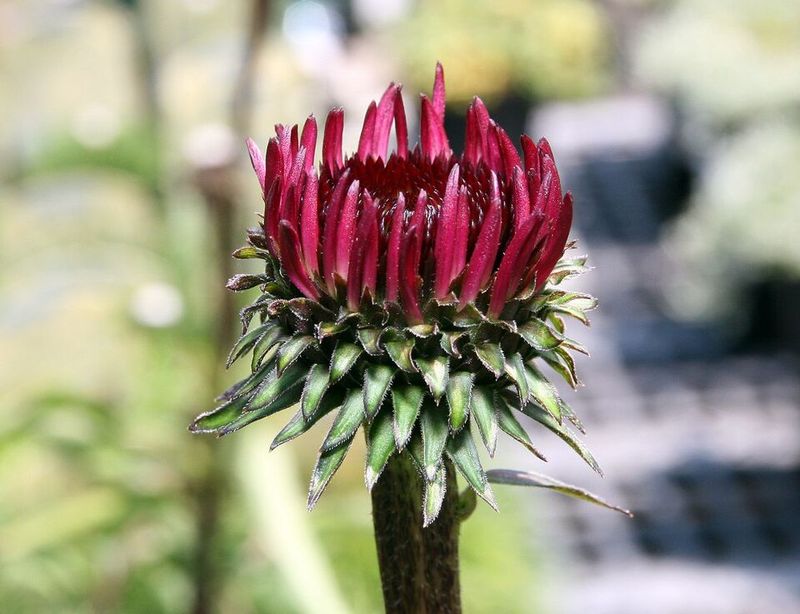
Some perennials earn their keep through details rather than all-over dark foliage, and this coneflower is a great example. The stems and central cones carry rich burgundy coloring that gives the plant a stronger, moodier look than standard forms.
In a North Carolina backyard, those darker notes help tie bright summer flowers into deeper foliage plants so the overall bed feels more cohesive.
Give it full sun, decent air flow, and soil that drains after storms, because coneflowers dislike sitting wet in winter. Once established, it handles heat well and mixes easily into informal borders, pollinator beds, and cut-flower areas.
I like using it where morning and evening light catch the dark stems, especially next to pale yarrow, blue salvia, or burgundy-leaved heuchera for repetition.
The flower color usually leans rosy purple, which keeps the effect lively rather than heavy. Leave some seed heads standing if you enjoy bird activity and a slightly wilder late-season look.
This plant is useful when you want burgundy presence without creating a dark block of foliage across the bed. It gives you movement, pollinator value, and subtle depth, all while fitting comfortably into the kind of sunny mixed borders many North Carolina yards already have.
Geranium pratense
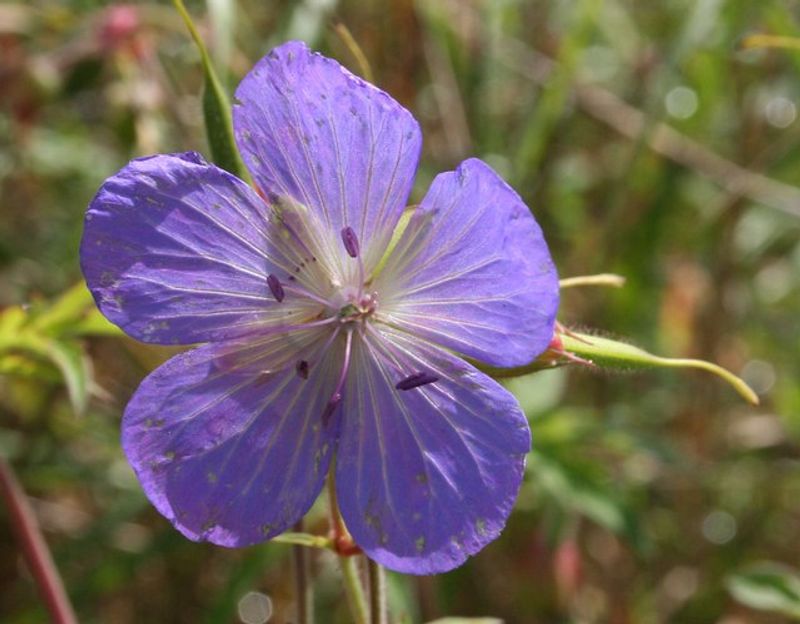
A low mound of dark foliage can make neighboring flowers look brighter, and this hardy geranium does that elegantly. The leaves hold a rich burgundy-purple tone that spreads gently without becoming unruly, while blue-violet flowers float above in late spring and summer.
In North Carolina, it is especially helpful in mixed borders where you want a softer look than ajuga but still need dark contrast near the front.
Morning sun with afternoon shade often keeps the foliage looking best through hot weather, though cooler mountain gardens can give it more light. Average soil is fine if drainage is decent, and a light trim after the first flush can neaten the clump and encourage fresh growth.
I like weaving it between roses, salvias, and pale daylilies so the leaf color repeats quietly rather than dominating the scene.
Because the shape is relaxed, it works well in backyard designs that feel natural instead of highly formal. The foliage also helps hide the bare ankles of taller perennials, which is a practical bonus when beds start stretching in summer.
If your planting scheme needs a burgundy perennial with a lighter touch, this one brings color, flowers, and a well-behaved habit that is easy to fit into almost any border.
Daylily
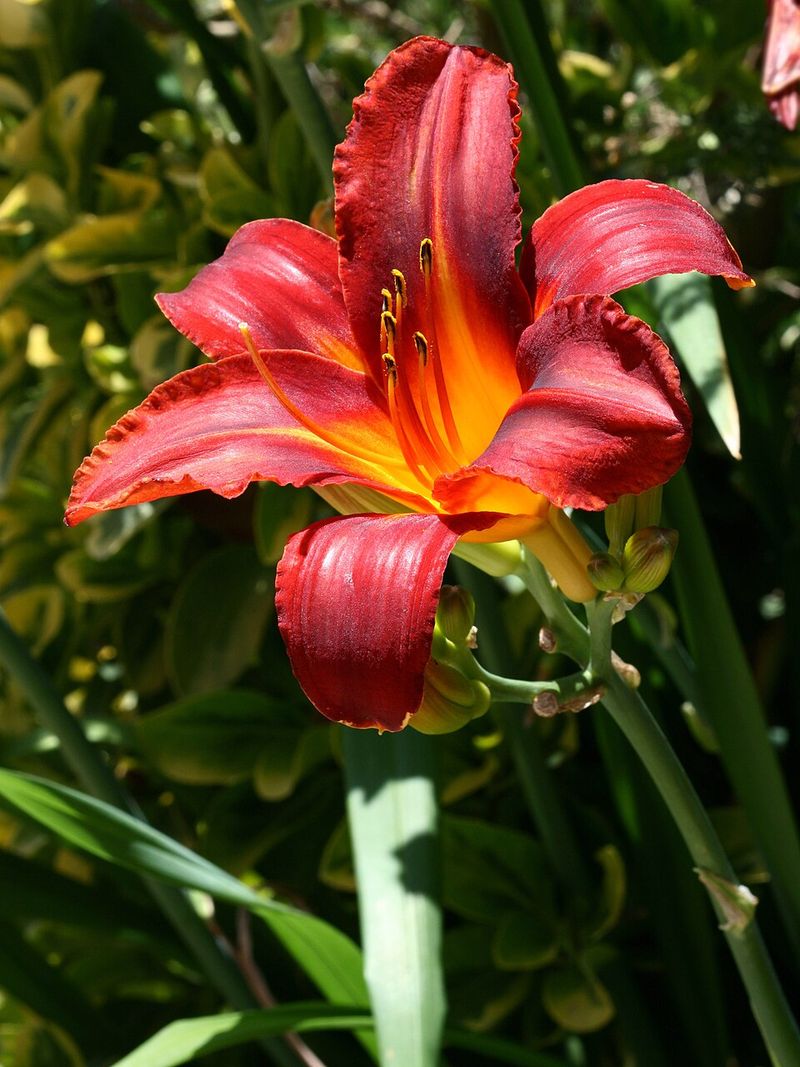
Dark flowers can add just as much depth as dark leaves, and this daylily proves the point beautifully. Its velvety blooms open in a saturated burgundy so deep they can look almost black in the center during evening light.
That intensity gives a North Carolina backyard border a dramatic moment in midsummer, especially when many common perennials are leaning hard into brighter pinks and yellows.
Because the foliage stays clean and grassy, it slips easily among shrubs, ornamental grasses, and mounded perennials without creating visual clutter. Full sun brings the best flowering, though a little afternoon shade can help preserve richer color during extreme heat.
I like planting it near silver foliage, pale echinacea, or golden coreopsis so each bloom reads clearly from across the yard.
Like most daylilies, it is forgiving once established, which makes it useful in real-life gardens that do not get constant pampering. Deadheading keeps the display neater, but the plant still contributes structure between bloom cycles.
If your design needs burgundy in a sunny area and you want something easy to divide and repeat elsewhere, this variety offers strong color with a familiar, dependable garden habit that works in many North Carolina settings.
Canna ‘Tropicanna Black’
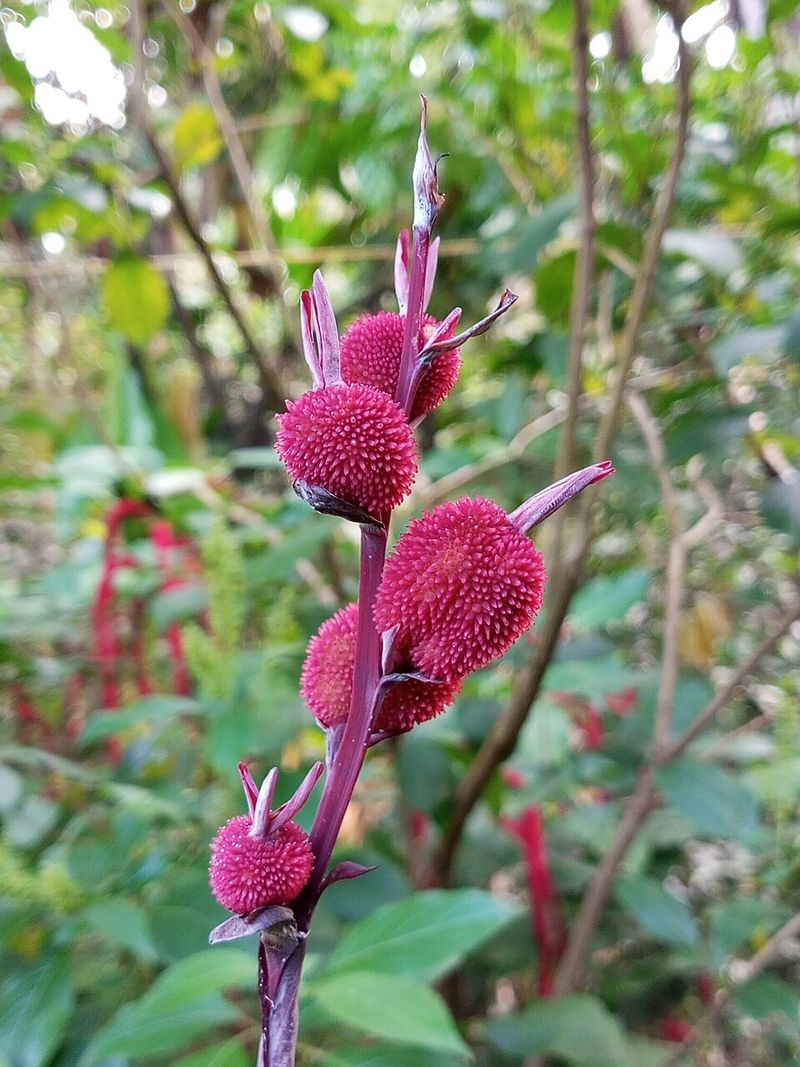
Bold summer planting gets easier when you have a foliage plant that can hold an entire bed together, and this canna excels at that role. The leaves are a dramatic near-black burgundy with a glossy finish that reads almost architectural from a distance.
In much of North Carolina, it performs like a warm-season powerhouse, giving backyard designs the kind of strong vertical accent that patio beds and pool areas often need.
Plant it in full sun with rich soil and regular moisture for the fastest, fullest growth. In colder parts of the state, you may want to mulch heavily or lift rhizomes if winters turn severe, but many gardeners treat it as a reliable returning favorite.
I like pairing it with lime sweet potato vine, orange lantana, or banana plants when a space needs energy rather than restraint.
That said, it can also be used thoughtfully in more balanced designs by placing it as a repeating accent rather than a single loud specimen. The dark leaves look especially sharp against fences, pale walls, and light gravel.
If your backyard feels visually thin in midsummer, this plant adds immediate mass, color, and movement. It is not subtle, but sometimes a space needs exactly that confident burst of burgundy to feel complete.