
11 White Perennials That Light Up North Carolina Shaded Garden Areas
Follow us on Google
Shade can feel tricky in a North Carolina garden, especially when you want flowers that brighten dim corners instead of fading into the background. White perennials solve that problem beautifully, catching early light, glowing at dusk, and making woodland beds feel intentional.
If you are working with filtered pine shade, damp deciduous cover, or a porch-side border, these plants can give you reliable color without asking for full sun. The list below focuses on varieties that look fresh, practical, and well suited to the state’s varied garden conditions.
Hellebore
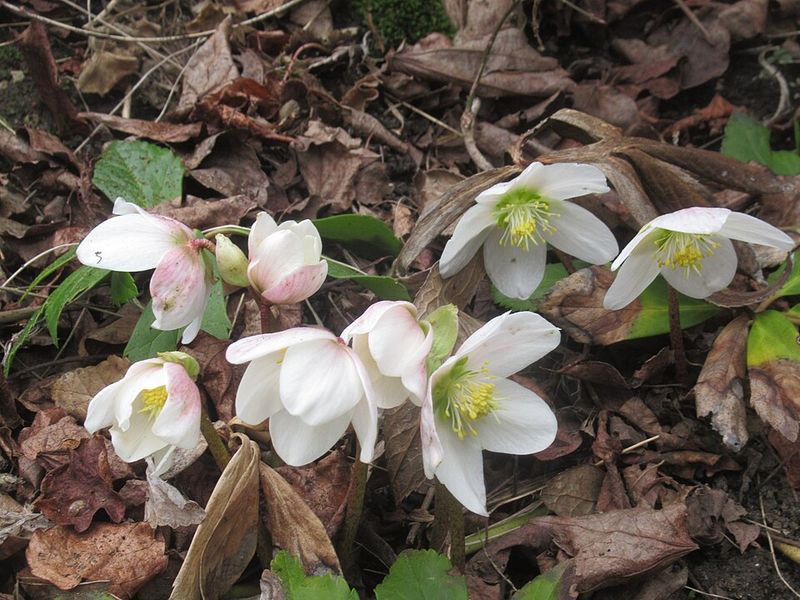
Late winter can make a shady bed look tired, so it helps to have something already blooming while everything else still seems half asleep. White hellebores step in right on time, holding nodding flowers above leathery evergreen leaves when North Carolina gardens are short on color.
You get a refined look without the fussy maintenance many early bloomers demand.
Morning sun and afternoon shade suit them well, especially in the Piedmont and mountain regions where summers can swing from pleasant to muggy fast. Rich, well drained soil matters more than constant watering, so work in compost before planting and keep mulch light around the crown.
Once settled, they handle dry spells better than their elegant flowers suggest.
These blooms show best near paths, patios, or entry gardens where you can actually look down into them. Pair them with ferns, heuchera, or variegated hostas to make the white petals feel even brighter in low light.
If deer regularly sample your shade beds, this is one of those dependable choices that earns its space year after year.
Astilbe ‘Bridal Veil’
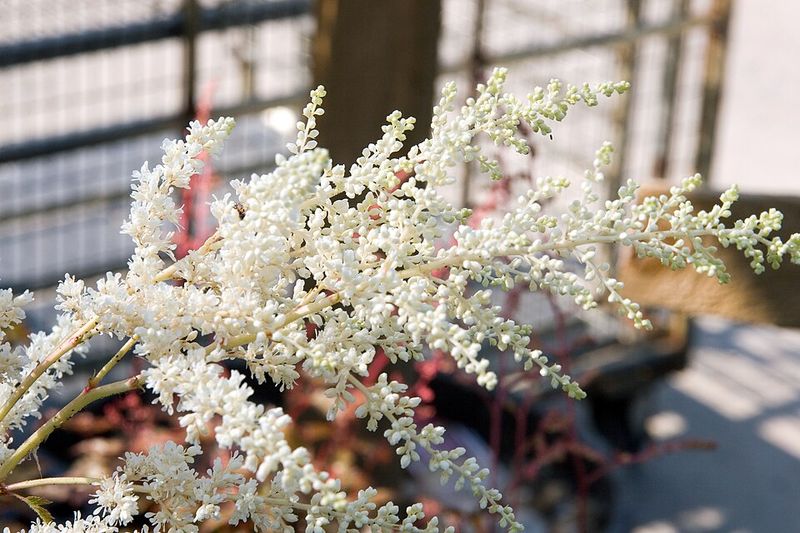
Feathery white plumes can make a dark corner feel lighter without looking stiff or overly formal. Astilbe ‘Bridal Veil’ does exactly that, sending up airy blooms above glossy foliage in early to midsummer when shaded beds often need a fresh lift.
The effect feels soft from a distance, but still defined enough to anchor a planting.
Moisture is the real secret here, especially during a North Carolina summer when humidity is high but rainfall can turn uneven for weeks. Give it rich soil, regular water, and protection from hot afternoon sun, and it rewards you with better flowering and cleaner foliage.
If your shade bed tends to dry out under large trees, this may need a more pampered spot.
Try grouping three or five plants together instead of spacing single specimens around the garden. That clustered approach creates a stronger white drift and keeps the plumes from getting visually lost among green leaves.
Around a shady patio, beside a downspout bed, or near a woodland edge, it gives you a bright, polished look that still feels relaxed and natural.
Foamflower
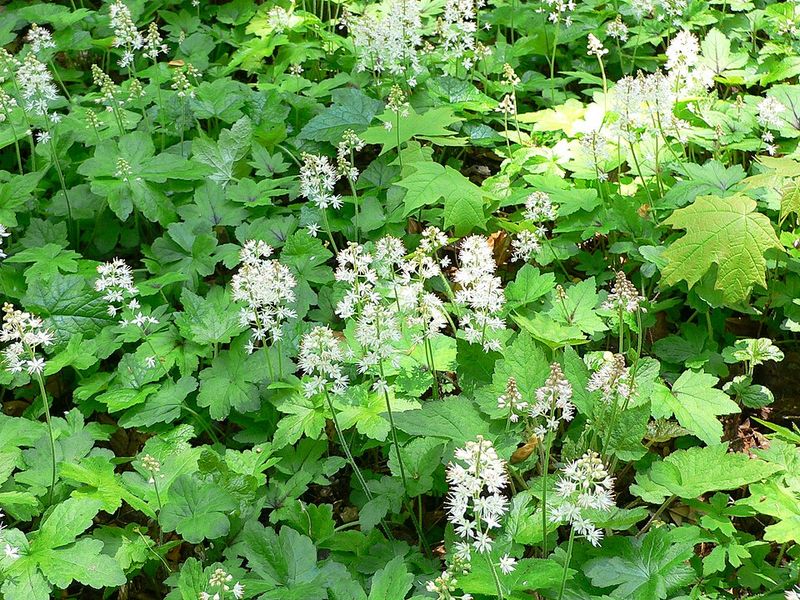
Some shade perennials bloom briefly and disappear into the background, but foamflower keeps contributing long after the flowers fade. In spring, delicate white spires hover above attractive leaves, creating a soft haze that brightens woodland beds without overwhelming neighboring plants.
It feels especially at home in North Carolina gardens with a natural, lightly layered look.
Consistent moisture and organic soil help it spread into a gentle groundcover, though it rarely turns unruly. Deciduous shade is ideal because plants enjoy spring light before the tree canopy fills in, then appreciate cooler cover once summer heat arrives.
A yearly topdressing of composted leaves mirrors the forest floor conditions it naturally prefers.
Use it along pathways, under shrubs, or at the front of shaded borders where finer texture is needed. White blooms play especially well with native ferns, heucheras, and spring bulbs, giving you a design that looks thoughtful rather than crowded.
If you want a plant that softens hard edges and quietly stitches a shade garden together, this one earns a spot quickly.
Lily of the Valley
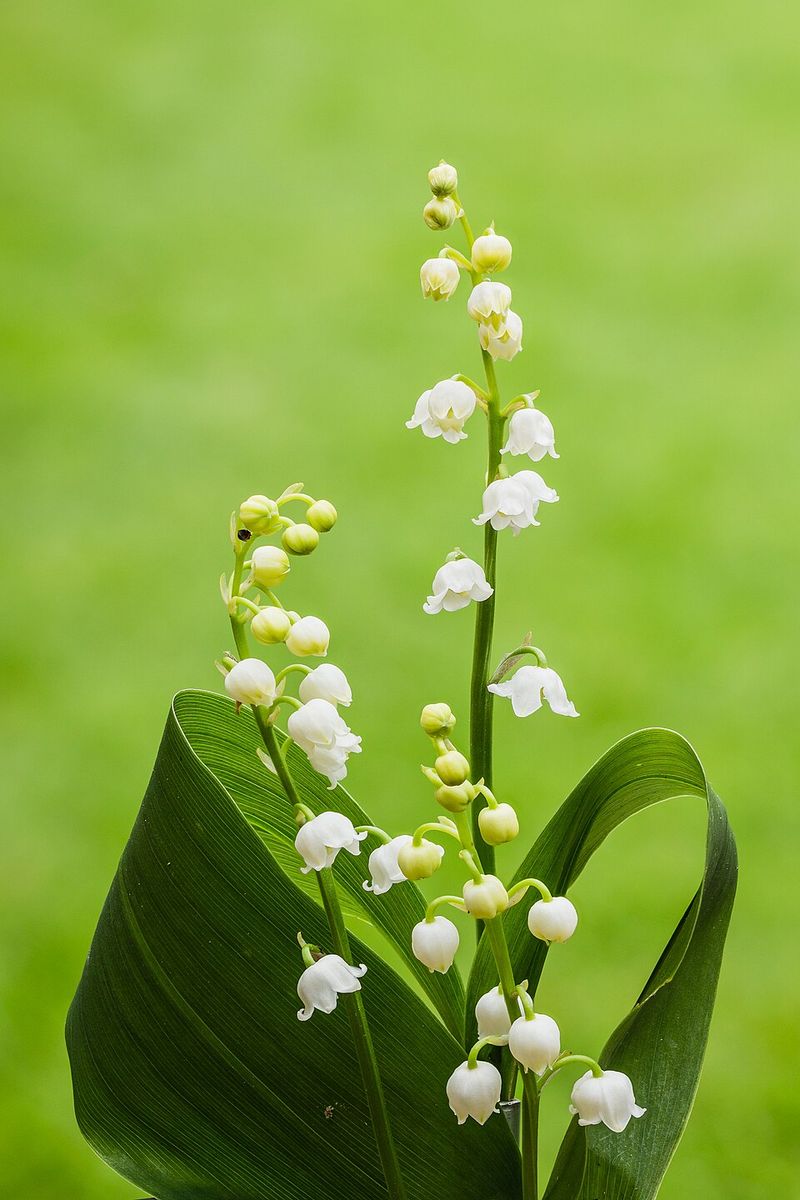
There is something charming about tiny white bells tucked beneath broad green leaves, and few plants deliver that old garden feel better than lily of the valley. In spring, its sweetly fragrant flowers bring brightness to deep shade where showier perennials often struggle.
That classic look suits cottage gardens, older homes, and quiet woodland corners beautifully.
North Carolina gardeners should place it carefully, because once happy, it can spread with real enthusiasm. Moist, humus-rich soil and sheltered shade encourage the fastest growth, while drier conditions help keep it more contained.
It is best used where a colony is welcome, not in a tiny mixed bed filled with slower, delicate companions.
Near a shaded walkway or beneath deciduous shrubs, the scent becomes part of the experience each time you pass by. Just remember that all parts of the plant are toxic, so it is not the best fit near curious pets or children who sample the garden.
In the right place, though, it gives you a glowing patch of white flowers that asks for very little after establishment.
Bleeding Heart ‘Alba’
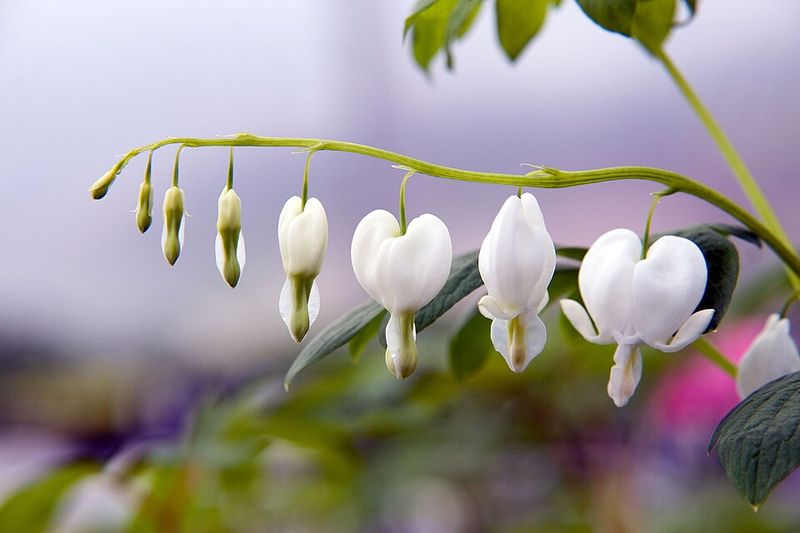
Arching stems covered in white heart-shaped flowers bring a graceful, almost floating quality to spring shade gardens. Bleeding heart ‘Alba’ stands out because the pale blooms seem to glow against blue-green foliage, especially in early morning light.
If you want a romantic plant that still feels grounded and easy to use, this one fits.
Cooler mountain gardens keep it looking good longer, but gardeners across North Carolina can grow it successfully with the right siting. Give it rich, moist soil and shelter from harsh afternoon heat, since hot dry conditions can push it into dormancy sooner than expected.
That is not a problem if you plan ahead and let neighboring hostas or ferns fill the gap.
Tuck it into a border where spring flowers can shine before summer foliage takes over the scene. The white flowers look striking beside dark mulch, brick edging, or evergreen shrubs that create contrast without visual clutter.
If your shade garden needs a focal point in April and May, few perennials make the space feel more polished with so little effort.
White Trillium
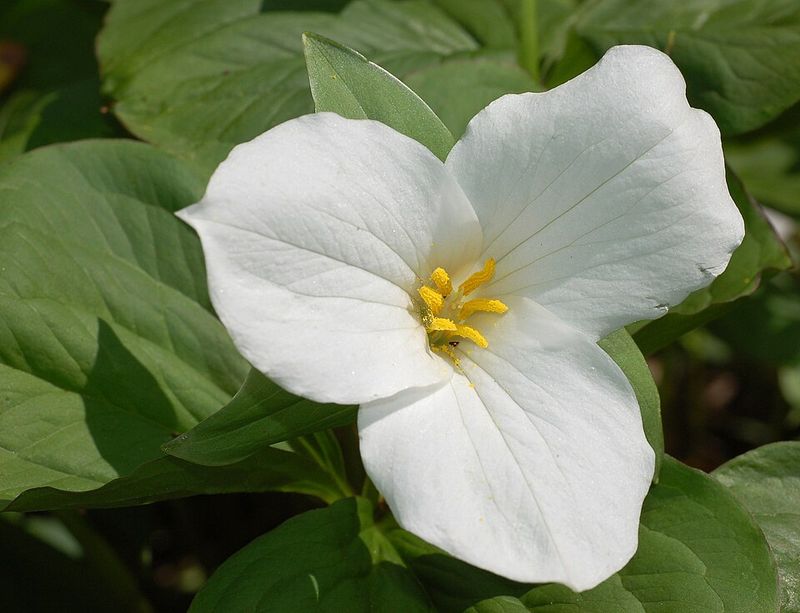
Native woodland gardens feel more authentic when they include plants that already belong to the regional story. White trillium offers that sense of place, opening elegant three-petaled blooms above whorled leaves in spring and bringing a calm, understated beauty to shaded beds.
It is not flashy, yet it often becomes the plant visitors notice first.
Patience matters because this is not a perennial that races to fill space in one season. It prefers humus-rich soil, steady moisture, and a setting that stays relatively undisturbed, much like a deciduous forest floor in the mountains or Piedmont.
Once planted, resist the urge to move it around, since established clumps resent unnecessary disruption.
Use it where you can appreciate subtle details, like along a mulch path, under native trees, or near a quiet sitting area. Pairing it with Christmas fern, foamflower, or Virginia bluebells creates a layered spring display that feels natural rather than overdesigned.
If you enjoy gardens that reward close attention instead of constant fussing, white trillium is one of the most satisfying shade perennials you can grow.
Goat’s Beard
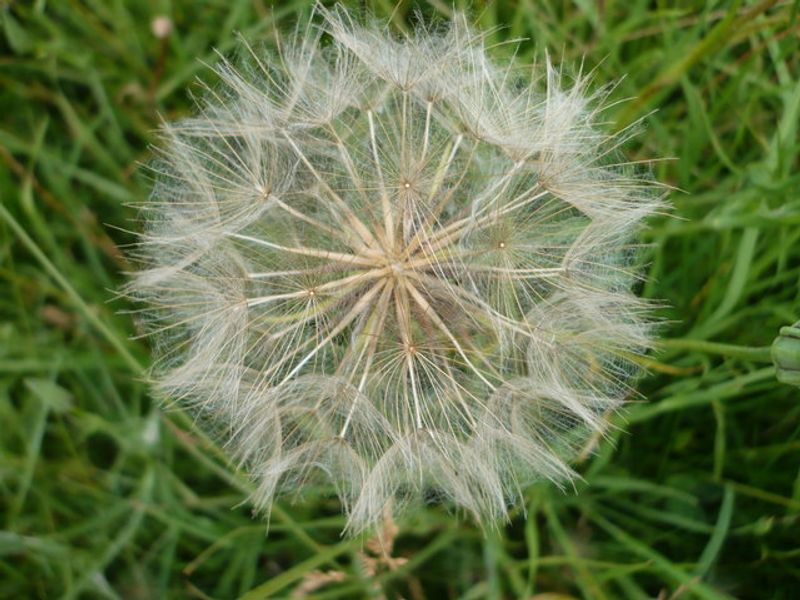
Height can be hard to find in shade, especially if you want flowers that brighten rather than visually weigh down the bed. Goat’s beard solves that problem with tall, creamy white plumes that rise above handsome foliage and bring structure to darker spaces.
It has presence, but the airy bloom shape keeps it from feeling heavy.
Moisture is important, so this perennial shines in spots that stay evenly damp or receive supplemental irrigation during summer. Rich soil and partial to full shade help it settle in, and a layer of mulch keeps roots cooler when North Carolina humidity builds.
In hotter parts of the state, protection from direct afternoon sun makes a noticeable difference.
Because mature plants can get fairly large, place them toward the middle or back of a border where the height looks intentional. The white plumes mix beautifully with hostas, ligularia, or dark-leaved heucheras, creating contrast that reads clearly from a distance.
If you need a plant to brighten a shaded fence line or fill a moist woodland edge, this one gives you drama without asking for delicate handling.
Japanese Anemone ‘Honorine Jobert’
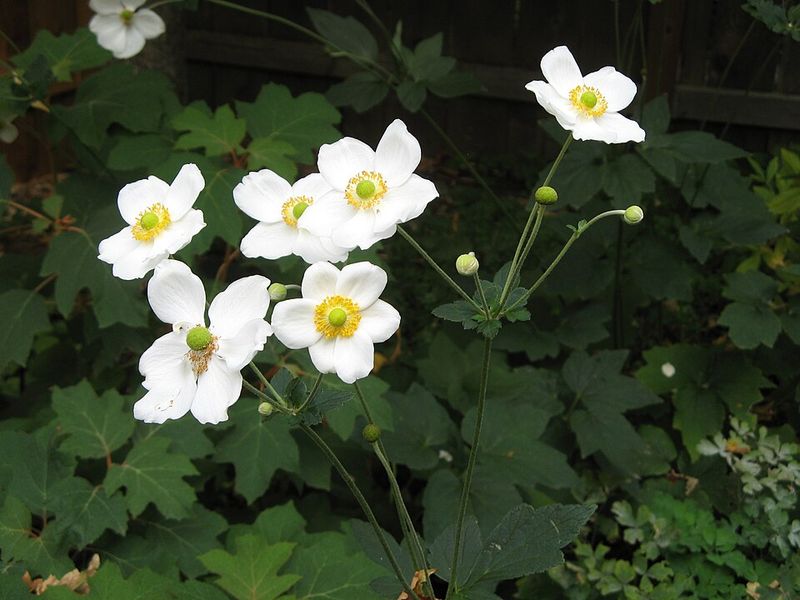
Late summer shade gardens can start looking flat, which is why a white flowering perennial with good timing feels so useful. ‘Honorine Jobert’ sends up elegant stems topped with simple white blooms just when many spring favorites are long finished. The flowers move lightly in the breeze, adding motion as well as brightness.
In North Carolina, this plant does best with morning sun or bright filtered shade, plus soil that stays reasonably moist. It may take a season to settle, but once established it can spread, so give it room or be prepared to edit wandering shoots.
A mulch layer helps roots stay cool and cuts down on drought stress during hotter stretches.
Place it where the long stems can rise through lower companions like hostas, sedges, or hardy ferns. The white petals stand out beautifully at dusk, making it a smart pick near patios, porch gardens, or paths you actually use in the evening.
If your shade border needs energy after midsummer, this variety keeps the space lively without looking forced or overplanted.
Woodland Phlox
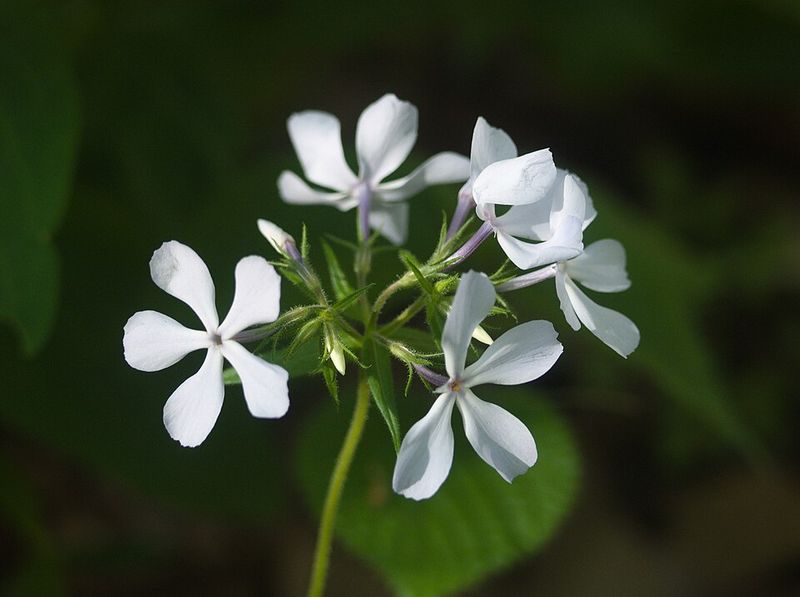
Spring shade becomes far more inviting when there is a flowering carpet pulling everything together. Woodland phlox in a white selection such as ‘David’s White’ offers clusters of bright blooms that drift through a shady bed without looking rigid.
It gives you a softer, more natural effect than many formal edging plants.
Good air circulation matters in North Carolina, where spring moisture and humidity can encourage mildew on less resilient phlox types. Plant it in rich, well drained soil with part shade, and avoid crowding it too tightly against dense shrubs or walls.
A little morning sun often improves flowering while still protecting it from the harshest afternoon heat.
Use it near the front of borders, along woodland paths, or weaving between larger perennials that emerge later. White blooms pair beautifully with blue woodland flowers, silver foliage, or the coppery tones of new fern fronds.
If you want a plant that looks relaxed but still polished enough for a designed garden, woodland phlox brings that balance and helps a shaded area feel intentionally layered from the start of the season.
False Bugbane
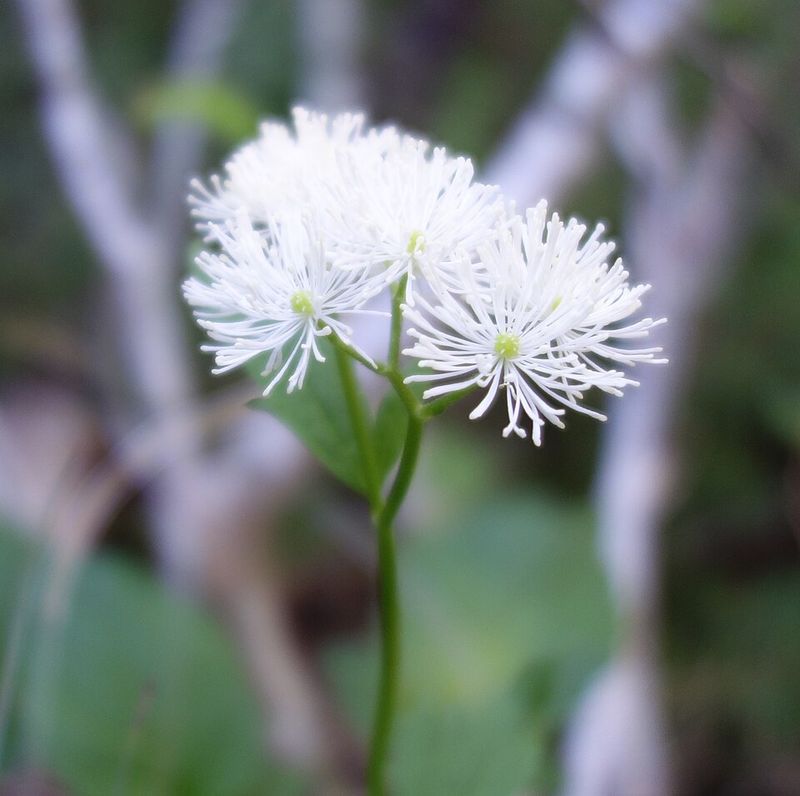
Fragrance, height, and drama rarely come together so neatly in one shade perennial. Bugbane sends up tall white bottlebrush flower spikes above deeply cut foliage, creating a strong vertical accent that cuts through broad-leaved plantings.
In late summer and early fall, that contrast can completely change the mood of a dim border.
It prefers rich soil that holds moisture without becoming swampy, and it appreciates some protection from harsh drying winds. In much of North Carolina, partial shade works best, especially if the site receives morning light and relief from the hottest afternoon sun.
Plants are slow to size up, but the eventual display is worth the wait if you give them stable conditions.
Dark-leaved cultivars make the white flowers look even brighter, especially near stone paths or light colored siding where the spikes stand out after sunset. Pair bugbane with hostas, autumn ferns, or Japanese forest grass for a layered planting that feels grounded and seasonally aware.
If you have a shady space that needs stronger structure at the back of the border, this perennial does the job with surprising elegance.
Hosta ‘Royal Standard’
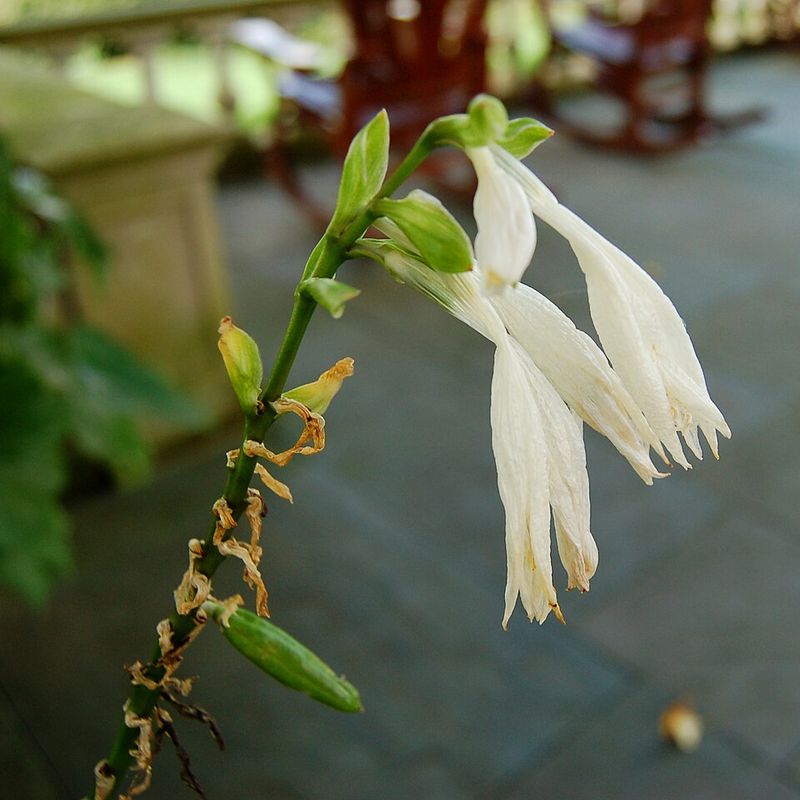
Most people plant hostas for foliage, but a white flowering variety can add much more than a leafy filler role. ‘Royal Standard’ produces fragrant white blooms in summer, rising above broad green leaves and bringing a clean, bright note to shaded spaces. That extra floral display makes a familiar plant feel newly useful.
North Carolina conditions suit hostas well when they receive adequate moisture and some relief from intense afternoon sun. Slugs are usually less troublesome here than in cooler climates, but deer can be a genuine issue, so protection may be necessary in exposed gardens.
Soil enriched with compost helps leaves stay full and attractive through heat and humidity.
This cultivar works beautifully near porches, seating areas, and walkways where you can catch the evening fragrance. Try pairing it with finer textures like Japanese forest grass or autumn fern so the bold foliage does not dominate the entire bed.
If you want a dependable shade perennial that offers both structure and white flowers without demanding expert care, ‘Royal Standard’ is one of the easiest ways to brighten a North Carolina garden.