
American Beautyberry in North Carolina: What the Tick Research Really Shows
Follow us on Google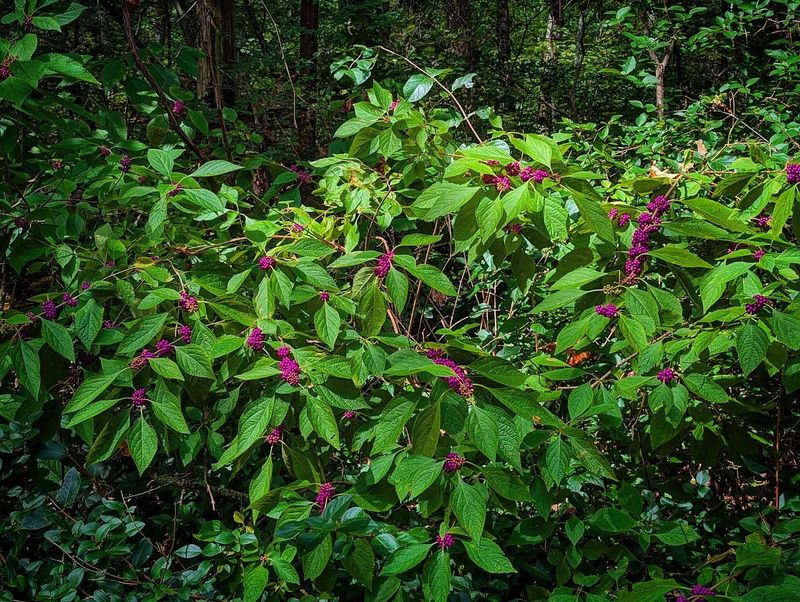
You’re standing at the edge of the lawn on a muggy North Carolina evening, watching kids chase fireflies near the tree line, and a neighbor says a native shrub keeps ticks away. The shrub is probably American beautyberry, and the story has a real seed of truth.
But a lab result on cloth is not the same as a plant growing in your yard. Here is what researchers found, what the shrub is genuinely good for, and what to do about ticks.
American Beautyberry Is the Shrub Behind the Claim
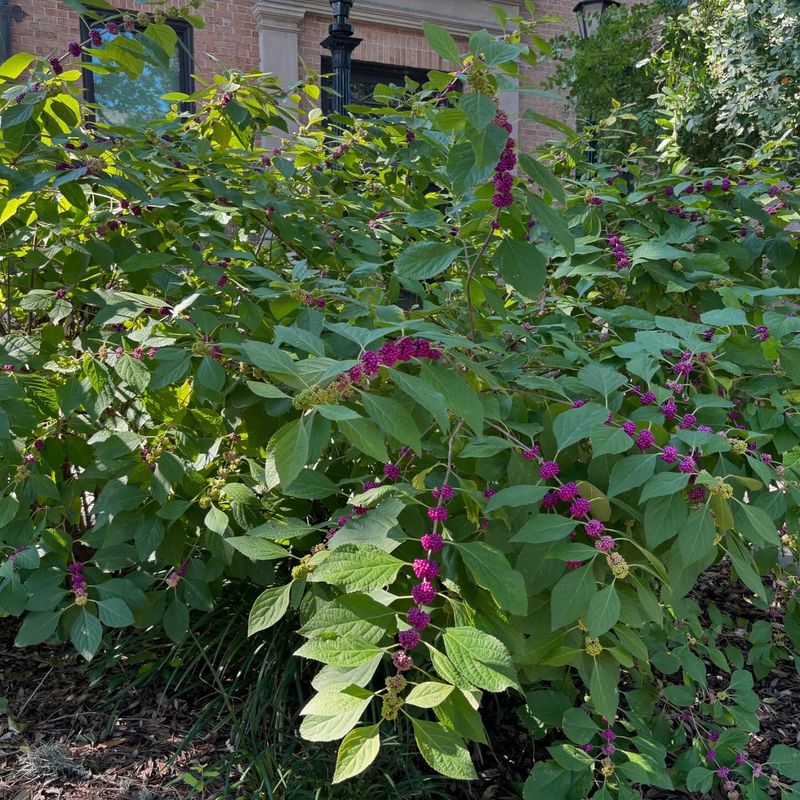
The shrub people are whispering about is American beautyberry, Callicarpa americana. It is a North Carolina native with leafy, arching branches and showy purple berries in fall.
Here is the plain answer up front: research on its leaf compounds does not show that planting it keeps ticks out of a yard.
So where did the claim come from? Scientists did find that compounds taken from beautyberry leaves pushed away some ticks in a lab.
You can read the details in a 2007 USDA Agricultural Research Service study. That is a real finding, and it is interesting.
But a lab test and a living landscape are two very different things. In the lab, researchers worked with concentrated compounds pulled out of the leaves.
In your yard, you would have a whole shrub, with leaves, branches, and berries, sitting in the open air.
Nobody has shown that a single shrub, or a row of them, changes how many ticks wander into a play space. That gap matters when you are deciding how to protect your family.
Beautyberry still earns a spot in many gardens. NC State Extension lists it as a native plant with real wildlife value.
Think of it as a good garden neighbor, not a tick guard.
Researchers Tested Leaf Extract on Cloth

Picture a quiet lab, not a backyard. USDA researchers pulled compounds out of beautyberry leaves, then applied them to strips of cloth.
They tested those strips against tick nymphs using what is called a fingertip test, where ticks choose whether to crawl onto treated or untreated material.
The results, reported in the 2007 study, were mixed in a useful way. The compounds repelled blacklegged tick nymphs under some test conditions.
Against lone star tick nymphs, the effect was substantially weaker.
That second detail matters in North Carolina, where lone star ticks are common. The lab result cannot be stretched to cover every tick species you might meet near your lawn.
Just as important is what the researchers did not do. They did not test an intact leaf, a planted shrub, a hedge, or a whole yard.
The work stayed inside controlled conditions with treated cloth.
The study also does not tell us the compounds are safe or effective on human skin. So please do not crush beautyberry leaves and rub them on yourself or your kids.
That homemade idea has no support behind it.
For your own protection, there are tested products with clear labels, and we will get to those. For now, think of the lab work as a promising clue for scientists, not a tool for your yard.
Beautyberry Offers Garden and Wildlife Value
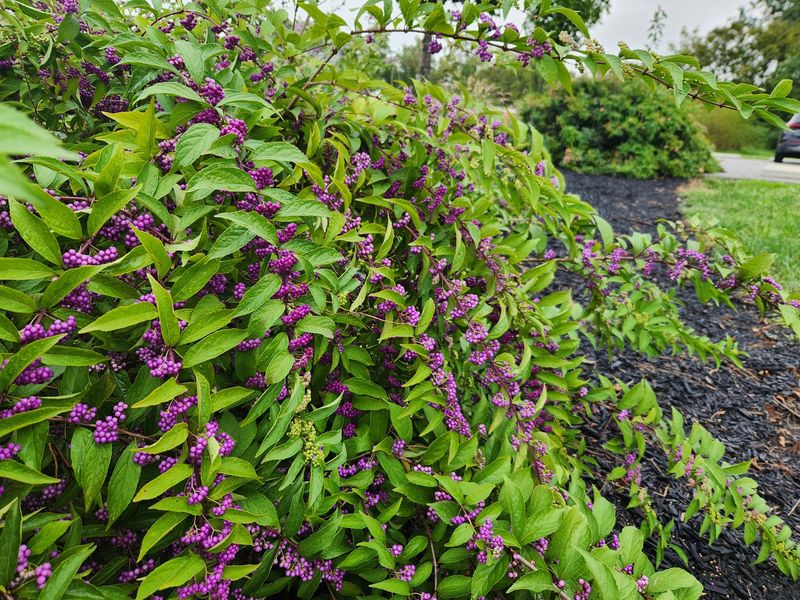
Late summer is when beautyberry finally steals the show. According to NC State Extension, the berries develop from August through October, in tight purple clusters that hug the branches like beads on a string.
The plant is native across North Carolina’s Piedmont, mountains, and Coastal region, so it fits right in with local soil and weather. It grows about 3 to 8 feet tall and 3 to 6 feet wide, which makes it a good-sized shrub rather than a tiny accent.
Give it full sun to part shade and well-drained soil. That last part is worth remembering if you garden in Piedmont red clay that holds water after those afternoon storms.
The berries feed songbirds and small mammals. If you like watching birds from the porch, that is the real payoff, a shrub that quietly sets out a fall snack.
Here is the honest line to draw. The wildlife value is one thing, and tick control is another.
The sources do not show that a beautyberry planting both shelters wildlife and reduces ticks.
So plant it because you want color, birds, and a native shrub in your yard. Just do not count on it to protect the kids.
Prune for New Growth, Not Tick Control
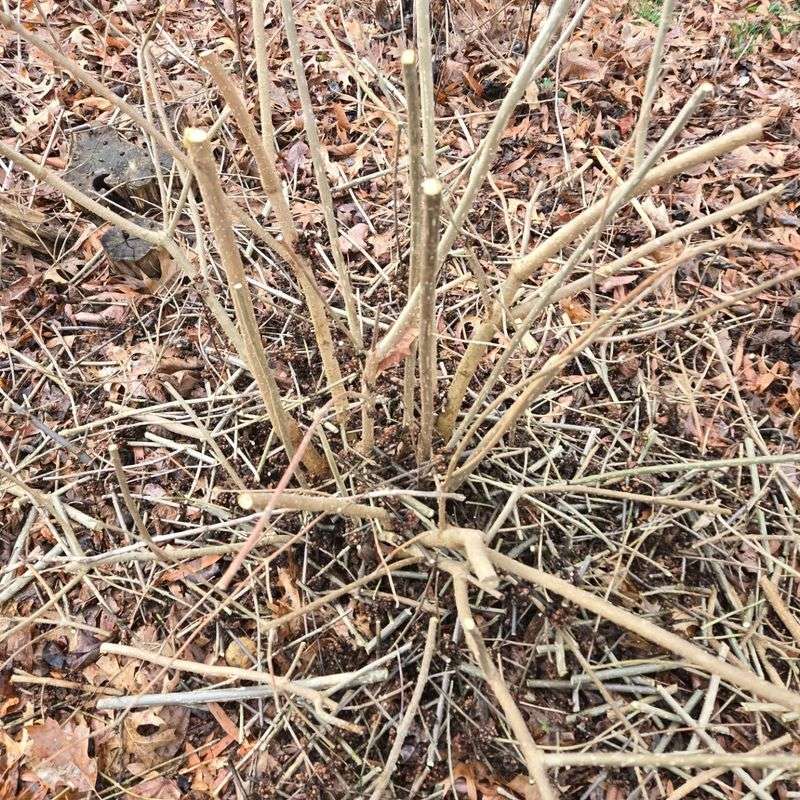
Late winter is pruning time for beautyberry, and the reason is simple. NC State Extension says the shrub flowers and fruits on new growth.
Cutting it back to about 1 foot lets it push out fresh stems that carry the flowers and, later, the berries.
If you skip pruning, the plant can get leggy and loose. A hard cut in late winter tends to give you a tidier shape and a good berry show come August.
Notice what this advice is about. It is ordinary plant care, the same kind of job you would do for any shrub.
It is not a tick-control technique, and trimming it a certain way will not change the tick picture in your yard.
Winter in North Carolina can include a surprise cold snap, so many gardeners wait until the worst of the cold has passed before they cut. Pick a mild day, make clean cuts, and let spring do the rest.
One small caution. There is no supported advice here about how far to plant beautyberry from a play area or where to place it.
So skip any rules you may have heard on that, and focus on keeping the plant healthy.
Use Yard Maintenance to Reduce Exposure
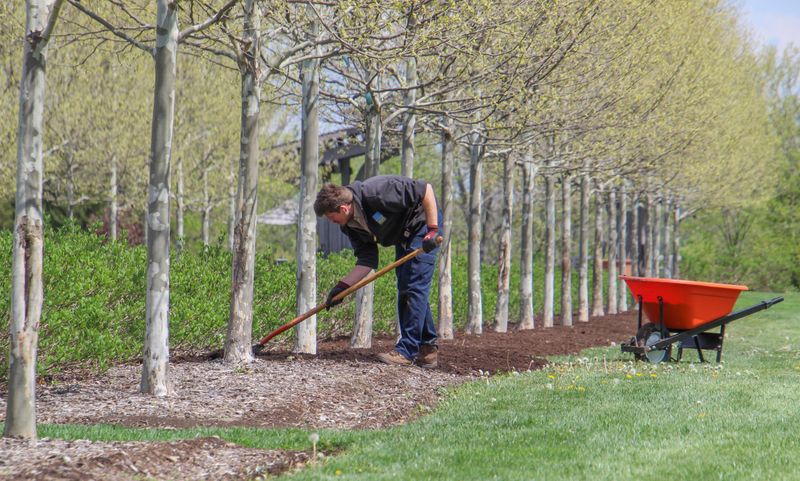
If you want a yard that feels safer, the landscape advice that actually exists is less glamorous than a shrub. CDC guidance recommends removing leaf litter, clearing tall grass and brush near your home and lawn edges, and mowing regularly.
It also suggests a 3-foot-wide strip of wood chips or gravel between lawn and woods. That strip is a very different thing from a shrub border.
It is a dry, open band of material, not a leafy plant, and the CDC says it can help restrict blacklegged ticks from moving into recreation areas.
The CDC also advises keeping play equipment, patios, and decks away from yard edges and trees when possible. If your swing set already sits under the oaks, that is worth a second look.
Now the honest part. These steps can reduce your exposure, but they cannot promise ticks will stay out.
A peer-reviewed review found that field evaluations of landscape changes are scarce, and results for barrier materials were mixed.
That means the strip is a recommended risk-reducing step, not a proven wall. Treat it as one layer.
A practical weekend plan is simple. Rake the leaves near the edge, cut back tall brush, mow, and lay down that 3-foot band.
Then keep up with it through tick season.
Keep Personal Protection in the Routine

The most dependable layer is the one you carry with you. The CDC recommends EPA-registered repellents, used exactly the way the label says.
Those labels tell you how much to use, where to apply it, and how to treat kids, so it pays to read them once and follow them.
The second habit is the tick check. After time outside, including time in your own yard, look over everyone.
Check hairlines, behind ears, underarms, waistbands, and behind knees, and do not forget pets that came along.
You can find more on both steps in the CDC’s tick prevention page. It treats yard care and personal protection as partners, not substitutes.
Put it all together and the picture is calm and practical. Plant beautyberry if you love purple berries and visiting songbirds.
Keep the lawn edge tidy, add the wood-chip or gravel strip, and use repellent and tick checks every time.
None of that adds up to a tick-free play space, and no yard can promise one. But together, those habits can lower your family’s risk while the birds enjoy the berries.
A shrub can feed the birds, and your routine is what looks after the people.
