
This UF/IFAS-Approved Shrub Florida Gardeners Overlook Is Quietly Bringing Fireflies Back
Follow us on Google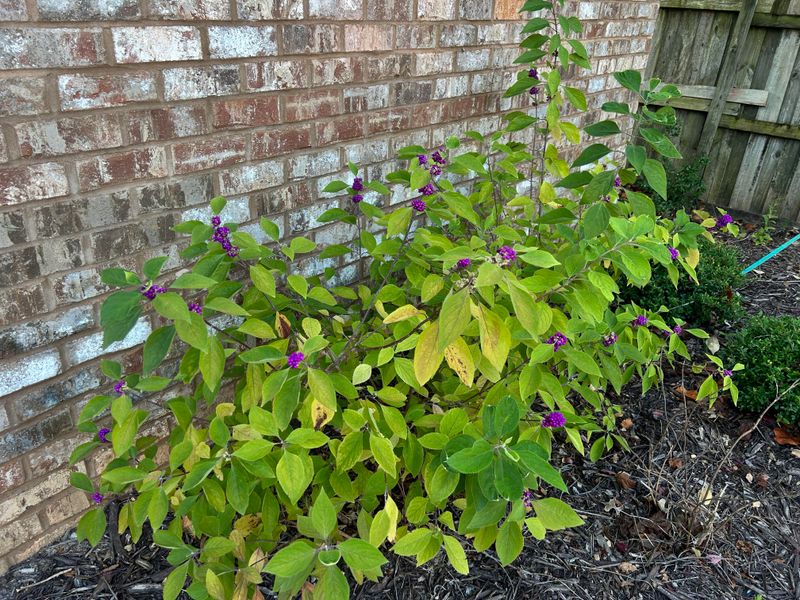
You step onto the patio after dinner in Florida, and the yard is dark, warm, and nearly silent. You wait for those blinking lights, and they don’t come.
Many homeowners want them back, and a native shrub called American beautyberry gets mentioned a lot. Here is what it may do for a firefly-friendly yard, and what nobody has proven.
American Beautyberry Is a Possible Yard Ally
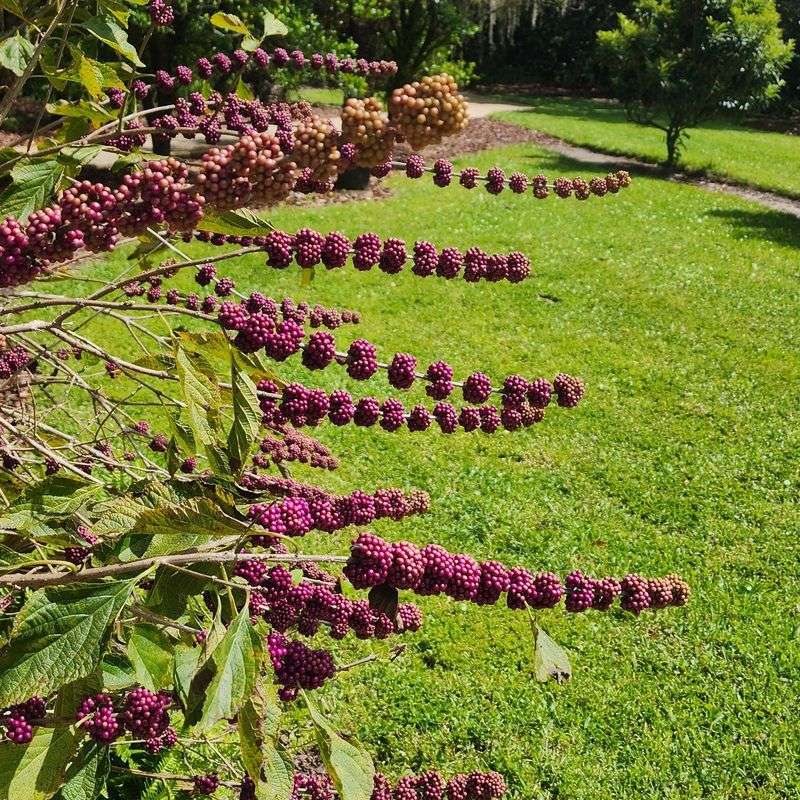
Walk past a mature American beautyberry (Callicarpa americana) in late summer and you will not miss it. Those tight clusters of purple berries look like someone strung beads along every branch.
This is a Florida native shrub. According to the UF/IFAS plant profile, it typically reaches 3 to 8 feet tall and 4 to 8 feet wide, so it is a good-sized presence in a yard.
Now for the honest part. That UF/IFAS page is a horticultural profile, meaning it describes how the plant grows.
It is not an approval of beautyberry as a way to attract fireflies or restore them. Nobody has shown that this shrub brings fireflies back, so the headline you may have clicked from claims more than the facts allow.
What can be said is more modest and still useful. A shrub this size offers leafy cover and shade, and those are things a yard with some firefly potential may benefit from.
Think of beautyberry as a quiet helper in the background, not the star of the show.
The rest of this article sorts out what the shrub can do, how to fit it to your site, and what else matters more for fireflies. Keep your expectations patient, and the plant makes a fine addition either way.
Firefly Life Unfolds Near the Ground

Most people picture fireflies as flashing lights in the air. But much of their life happens low, in soil and leaf litter, long before any glow floats past your porch.
Larvae of many species live in or near the ground and hunt soft-bodied prey such as snails, slugs, and other insect larvae, as UF/IFAS Gardening Solutions explains. Guidance from the Xerces Society says much the same about firefly larvae living in the soil and leaf litter.
Here is where it gets tricky. Fireflies are not one animal with one set of needs.
Florida has dozens of species, and their habitats differ. Some use shrubs, some use trees, and others live in open grassy areas.
One species is even tied to mangroves and tidal flats on the coast. So no, not every Florida firefly needs a shrub, and none of them need your yard to look a certain way.
Timing matters too. Larvae can stay in the ground for a long stretch before they become adults.
A Polk County Extension podcast describes larval periods of a year or more, depending on the species.
That means a change you make this spring may not show up in lights this summer. Fireflies work on their own calendar.
A Shrub Is Not a Restoration Plan
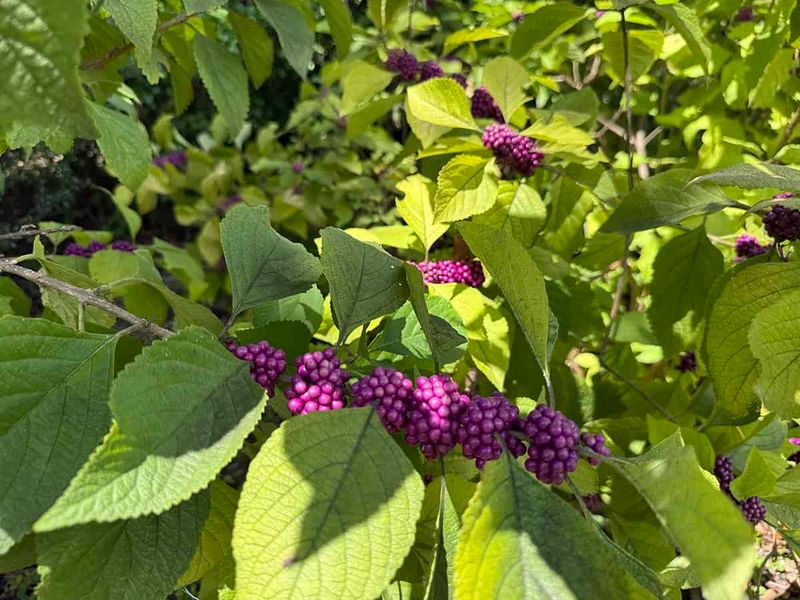
Plenty of garden stories promise that one plant will fix a whole problem. Beautyberry deserves better than that kind of hype, and so do you.
Here is the plausible part. UF/IFAS describes beautyberry as a shrub that can provide cover and shade.
And UF/IFAS firefly guidance notes that vegetation shading the soil can help hold moisture and support the prey that firefly larvae eat.
Put those together and you get a reasonable idea. A beautyberry may help create shaded, damp ground underneath it, the kind of spot some firefly larvae could use.
But that is a possibility, not a measured result. No study shows that beautyberry increases firefly numbers or causes them to return to a yard.
And beautyberry is not known as a firefly host plant. Its berries feed birds, and its flowers draw pollinators, but fireflies are not part of that documented list.
So the headline’s boldest claim is unproven. A single shrub cannot make up for lost habitat, harsh pesticides, or bright night lighting.
It can be one piece of a larger yard plan, and that is honestly a fine job for a plant.
Choose a Site That Suits Beautyberry
Picture two Florida yards. One sits on a quiet inland lot with dappled oak shade.
The other faces a salty breeze off the Gulf. Beautyberry will not treat them the same.
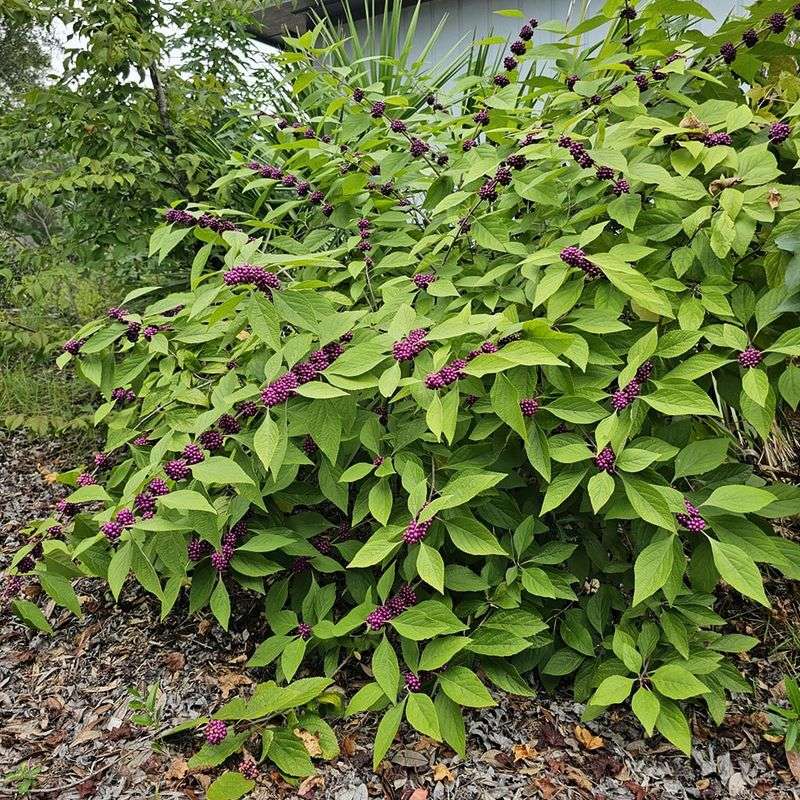
According to UF/IFAS, beautyberry grows in full sun or partial shade and tolerates several soil types. It is moderately drought tolerant, which helps through winter dry spells and spring gaps between rains.
Give it room. The recommended spacing is 36 to 60 inches, and a mature shrub can reach 8 feet wide.
Planting it too close to a walkway or foundation is a mistake plenty of gardeners make, then regret by year two.
Now the catch for coastal homes. Its salt tolerance is poor.
If your yard gets salt spray on the Atlantic Coast or Gulf Coast, or sits close to open water, consider a more protected spot or a different plant.
Before you buy, call your county extension office and ask about your exact conditions. Soil, drainage, and zone vary a lot from the Panhandle to South Florida.
Notice that all of this is about whether the plant will thrive. It says nothing about fireflies.
Get the plant happy first, and let any habitat benefit be a bonus.
Pruning Is Optional Plant Care
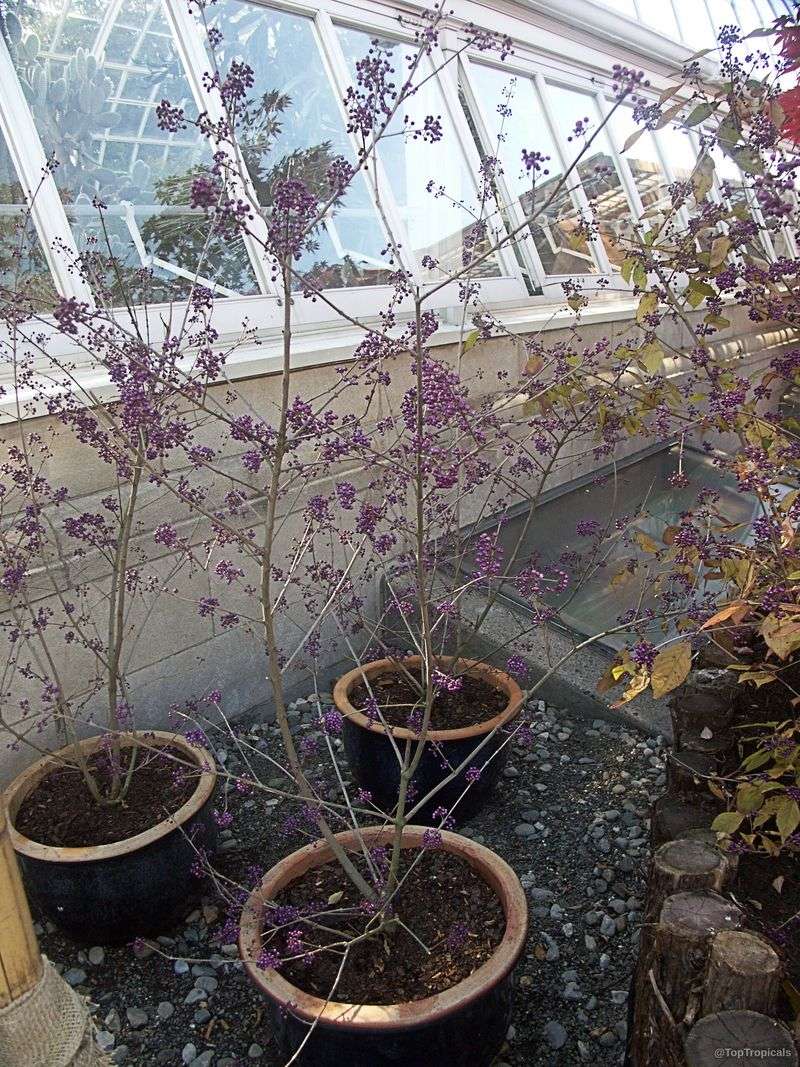
Beautyberry puts on a calendar show. Flowers come from June through August, and the purple berries usually show up from August through October.
According to UF/IFAS, the flowers attract pollinators and the fruits attract birds and other wildlife. That is a real benefit for a wildlife yard, but it is not a firefly connection.
The shrub may also self-seed, so you might find a few volunteers nearby.
Pruning is where gardeners get nervous. Flowers and fruit form on new growth, so UF/IFAS suggests cutting the old wood back heavily from late fall to early spring.
That means the woody stems from past seasons.
Treat this as optional. It keeps the shrub tidy and encourages fresh, berry-laden growth.
It is not firefly care, and skipping it will not hurt your habitat goals.
As for watering, newly planted landscape plants need regular irrigation until they are established. UF/IFAS guidance for North-Central Florida also says 2 to 3 inches of organic mulch can help hold moisture.
That is general regional advice for new plantings, not a special beautyberry schedule, so adjust for your own soil and rainfall.
Prune if you like the look. Skip it if you like the wilder one.
Improve the Yard Beyond One Shrub

Fireflies respond to the whole yard, not one plant. A few habit changes will probably matter more than any single shrub.
Start with pesticides. Cutting back or skipping them where you can protects the soil animals that larvae feed on, as Xerces Society guidance recommends.
Next, look at your lights. Turning off unneeded outdoor lights is a sensible step, and a 2022 study found that light effects on firefly mating depend on intensity, setting, and species.
Direct light stopped mating completely in one lab-tested species, while field results were mixed across three others. So lights are not always the villain, but darker is a reasonable bet.
Then leave a corner alone. A low-disturbance patch with natural plants and fallen leaves gives ground-dwelling larvae a place to be.
UF/IFAS also notes that habitats differ by species, and a pond is not required for every Florida firefly.
None of this guarantees sightings, and none of it restores a population on its own. It just gives fireflies a better chance.
Plant the beautyberry, dim the porch, and let the leaves lie. Then wait, because summer evenings reward the patient.
