
This Is The Moment To Start Fall Vegetables If You Want A Real Harvest
Follow us on Google
By late August, the tomato vines still look busy, but the light has already started to slip and your fall clock is ticking. That quiet change is why so many gardeners end up with pretty seedlings in September and almost nothing worth picking in November.
The sweet spot for a real fall harvest is usually 6 to 12 weeks before your first expected frost, with extra time added because plants slow down as days get shorter. Start at the right moment, and you can pull crisp greens, roots, and brassicas long after summer crops fade.
1. Your First Frost Date Tells The Truth
One evening in late summer, the garden still feels like July. The air is warm, peppers are hanging on, and that is exactly when many gardeners miss the real deadline for fall crops.
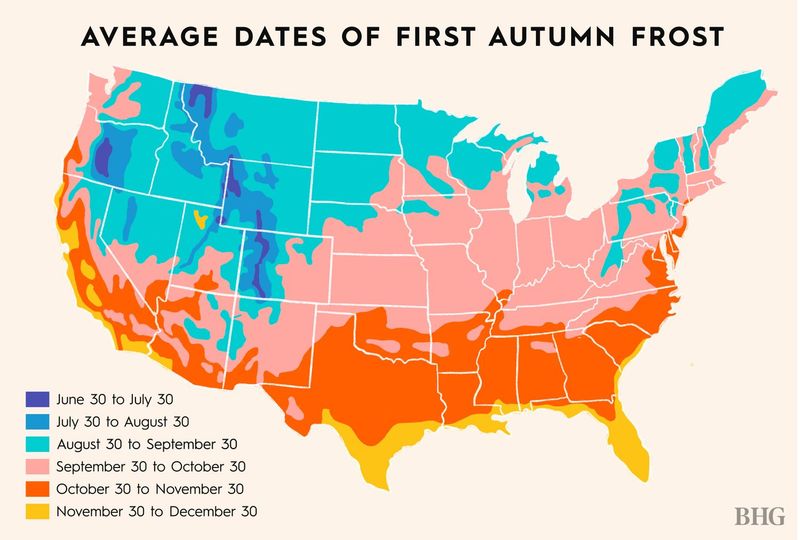
Your first expected fall frost date is the anchor for almost every smart planting decision. If your average first frost is October 15, you do not start planning in October.
You count backward from that date, because broccoli, carrots, kale, and spinach need time to size up before cold weather and shorter days slow them down.
Across much of the northern United States, that countdown often lands in late July through August. In parts of the Mid-Atlantic and lower Midwest, many fall crops go in during August and early September.
In warm regions such as much of Texas, the Deep South, and coastal California, the window can stretch into October or even November for winter harvests.
So check a local source, not a national average. Purdue Extension and many county Cooperative Extension offices publish regional planting calendars that match local frost patterns far better than a generic packet does.
Once you know the date, you stop guessing, and the season starts to feel less like a race and more like a map.
2. The Fall Factor Changes Everything
Here is the part that catches people off guard. A crop that says 60 days to maturity in spring often does not finish like spring once September light begins to shrink.
Gardeners call it the fall factor. In plain language, you add about 14 extra days to the packet timing because cooler nights and shorter daylight slow growth, even when afternoons are still hot.
It is like asking the garden to run with one shoe untied. It can still move, just not as fast.
If kale takes 55 days, plan on about 69. If beets need 50, treat them more like 64.
For carrots that already take 60 to 75 days, this extra cushion can mean the difference between roots that bulk up and roots that sit there thin as pencils.
This is why the real moment to start is earlier than most people expect. Many Midwest gardeners notice that August sowings look almost too early, then feel exactly right by October.
In the South, the same math still matters, though heat management matters just as much. Your packet gives the first clue.
The calendar, the fading daylight, and your local frost date finish the sentence.
3. Fast Crops Save Short Seasons
Plenty of fall gardens fail for one simple reason. The crop choice does not match the time left on the clock.
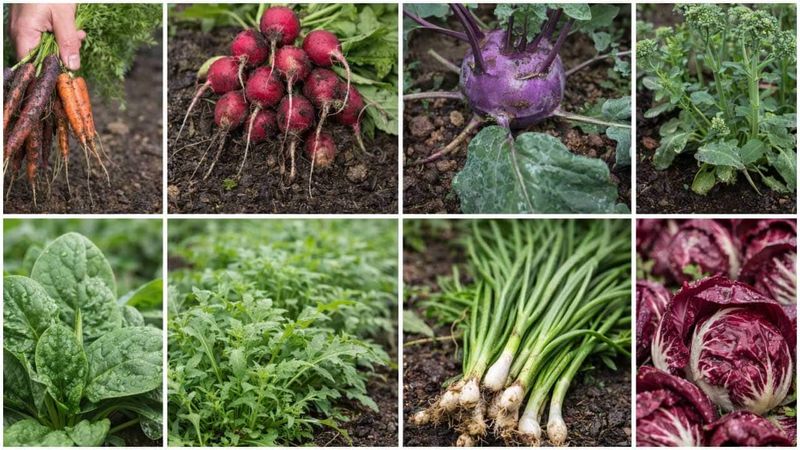
Short-season vegetables are your best allies when summer is winding down. Radishes, Raphanus sativus, can be ready in 25 to 30 days.
Arugula, Eruca vesicaria, often gives leaves in about 21 to 40 days. Leaf lettuce, Lactuca sativa, can be cut in around 30 days, and baby spinach, Spinacia oleracea, can be useful even before full maturity.
Roots and greens usually give the quickest payoff. Turnips often finish in 40 to 50 days.
Kohlrabi can mature in about 6 weeks. Bush beans and cucumbers can still work in some warmer regions if you have 55 to 65 frost-free days left, but nationwide they are not the safest late bet once the calendar moves on.
When you want a deeper fall pantry, mix fast crops with a few slower ones. Sow radishes and lettuce for quick wins.
Tuck in beets, Beta vulgaris subsp. vulgaris, and kale, Brassica oleracea var. sabellica, for the cooler weeks ahead. A light frost can even sweeten kale, carrots, and beets.
That small shift in flavor is one of fall gardening’s best tricks, and you only get it when timing and crop choice work together.
4. Hot Soil Is The Hidden Saboteur
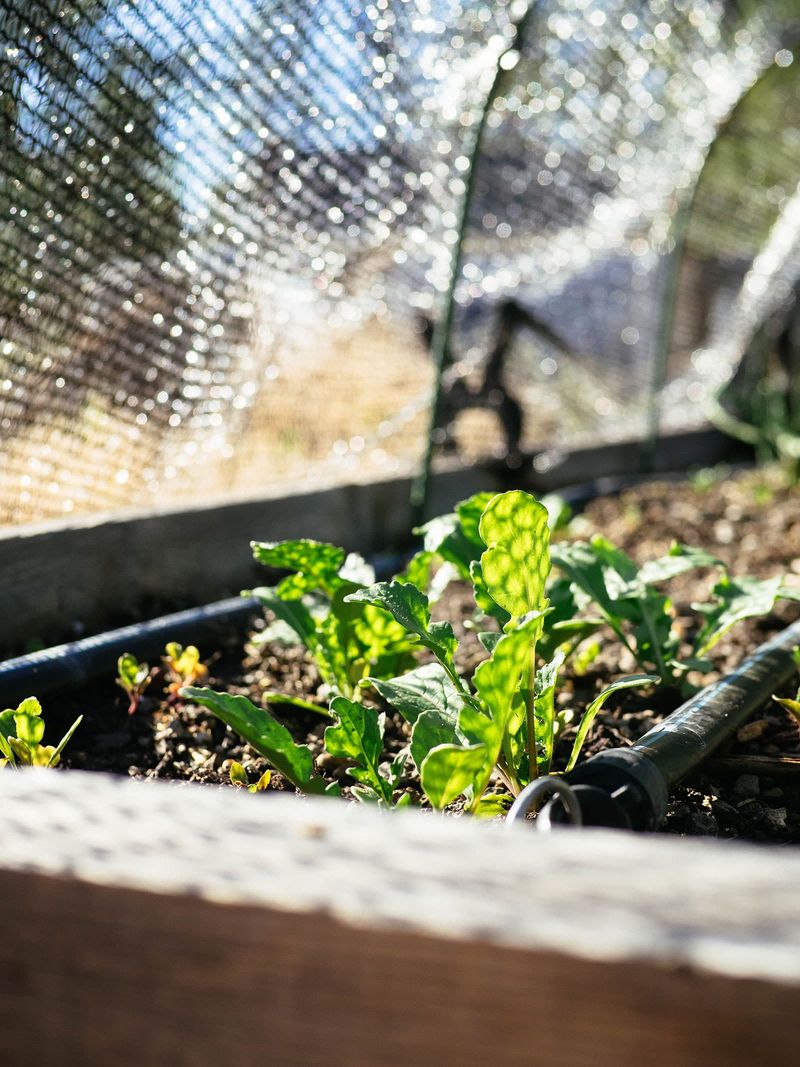
At ground level, late summer can be rougher than the air suggests. Your seed is sitting in hot soil, and some cool-season crops simply refuse to wake up when the bed feels like a skillet.
Lettuce and spinach often struggle to germinate when soil temperatures rise above about 85 degrees Fahrenheit. That does not mean you missed your chance.
It means you need to cool the launch pad long enough for the seed to sprout.
Water the bed deeply a day before sowing. Plant seed a touch deeper in summer than you would in spring, often 1/4 to 1/2 inch for many greens, depending on the crop and packet directions.
Add a light layer of straw or compost mulch, about 1 inch, and use shade cloth or even a board set loosely over the row for a few days until germination begins. Remove covers as soon as seedlings appear so they do not stretch.
In hot inland areas of the South and Southwest, afternoon shade can buy you crucial breathing room. Many gardeners also sow in the evening because the soil loses heat overnight, and the first watering does more good.
Heat is not the villain forever, it is just the bouncer at the door. Get past that stage, and fall vegetables often grow with fewer pest problems than they do in spring.
5. Transplants Buy Back Lost Weeks
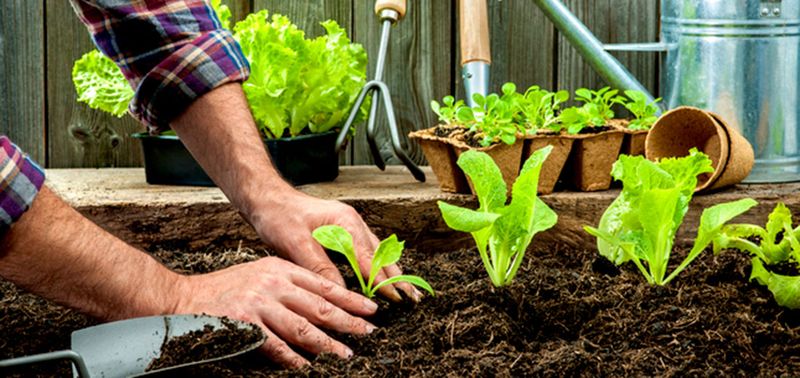
Not every crop should start from seed in the bed, especially when the season already feels half spent. Transplants can hand you back 3 to 6 weeks, which is often the difference between a harvest and a shrug.
Broccoli, Brassica oleracea var. italica, cabbage, Brassica oleracea var. capitata, cauliflower, Brassica oleracea var. botrytis, kale, and lettuce are strong transplant candidates for fall. Instead of waiting through the slow baby stage in August heat, you set in sturdy young plants and let them keep moving.
For many brassicas, space plants 12 to 18 inches apart, with 18 to 24 inches between rows if you garden in the ground.
This approach is especially helpful in regions where late summer flips quickly into cool weather, such as parts of the Northeast, Upper Midwest, and higher elevations in the West. In warmer states, transplants also dodge some of the poor germination that hot soil causes.
Just harden them off first, which means easing them into sun and wind for about 5 to 7 days before planting.
Give each transplant a deep soak at planting, then keep the root zone evenly moist for the first week. They are like teenagers switching schools, a little dramatic at first, then suddenly settled.
You still need correct timing, but transplants make that timing more forgiving.
6. Clean Beds And Steady Water Keep Plants Moving
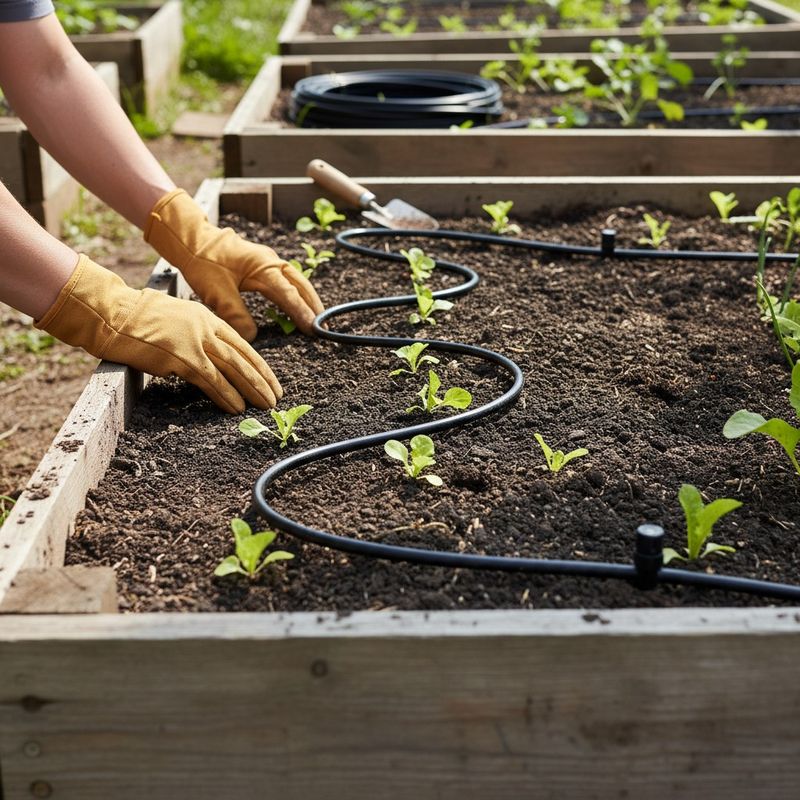
After a tired summer crop comes out, the bed usually looks emptier than it really is. Old roots, dry pockets, and hungry soil can slow fall vegetables before pests ever get a chance.
Start by clearing spent plants and any diseased leaves. If tomatoes or squash had major disease problems, do not leave that debris in place.
Mix in 1 to 2 inches of compost, then smooth the bed so seeds make good contact with the soil. Most vegetables need at least 8 hours of direct sun, and fall light is weaker, so shady corners matter more now than they did in June.
Water is the next gatekeeper. Seeds need constant moisture to sprout, and young fall crops do not forgive long dry swings when days are still in the 80s or 90s.
A common target is about 1 inch of water per week from rain or irrigation, though sandy soil often needs more frequent soaking than clay. In places with humid late summers, water in the morning so leaves dry faster.
Drip irrigation or a soaker hose works especially well because it cools and feeds the root zone without wasting much water. NOAA rainfall patterns can help you judge whether your recent weather has really covered the bed or just teased it.
Good timing gets plants in the ground. Clean soil and steady moisture keep them from stalling there.
7. Protection Turns A Good Start Into Harvest
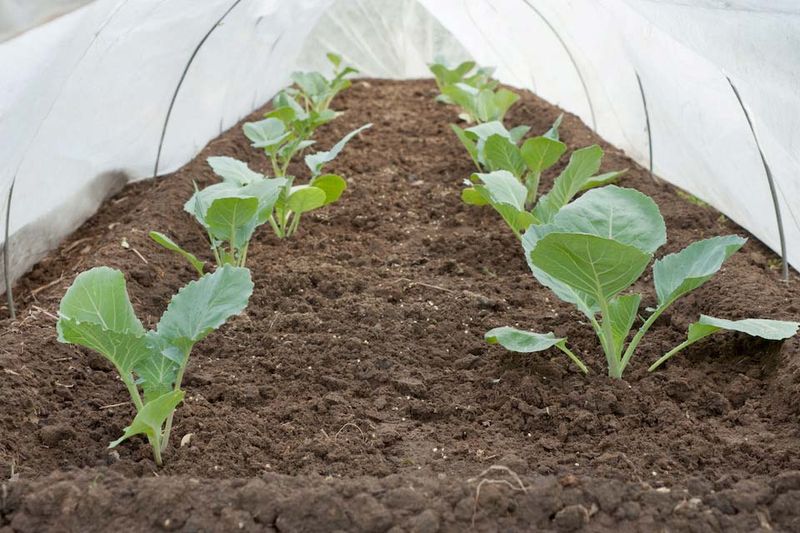
Cold weather does not end the story as fast as many people think. Once your crops are established, a little protection can stretch picking season by 2 weeks, sometimes 4 or more, depending on the crop and your weather.
Row cover is the easiest tool for most home gardens. A lightweight fabric laid over hoops traps a few degrees of warmth and blocks some insect pressure early on.
That matters for brassicas, which often face cabbage worms or flea beetles while days are still warm. Keep the cover loose enough for airflow, and anchor the edges so wind does not turn it into a flag.
Root crops and hardy greens often hold surprisingly well. Spinach, carrots, beets, collards, and kale can stay productive after light frosts, and some become sweeter as sugars concentrate in the cold.
In milder winter regions, you may keep harvesting into December or beyond. In colder zones, mulch around roots with 2 to 3 inches of straw after the soil cools, and harvest before repeated hard freezes lock the ground.
Garlic, Allium sativum, is the quiet bonus round. In many parts of the US, cloves go in around October when soil at 4 inches deep is near 60 degrees Fahrenheit.
By then you have stopped chasing the season and started using it well. That is the real moment that leads to a harvest, not hope, but timing followed by a few smart layers of help.