
8 North Carolina Native Plants That Help Fireflies Stay In Your Yard Longer
Follow us on Google
By 8:30 on a muggy North Carolina evening, you want the yard to come alive, not go dark and empty.
When only one or two fireflies blink over the grass, it is easy to feel like summer is getting quieter.
The good news is that a few smart native plant choices can help hold moisture, shelter larvae, and give adult fireflies better places to rest and glow.
If you want more flickers around the patio, the garden edge, and the back fence, these eight plants are a strong place to start.
1. Swamp Milkweed
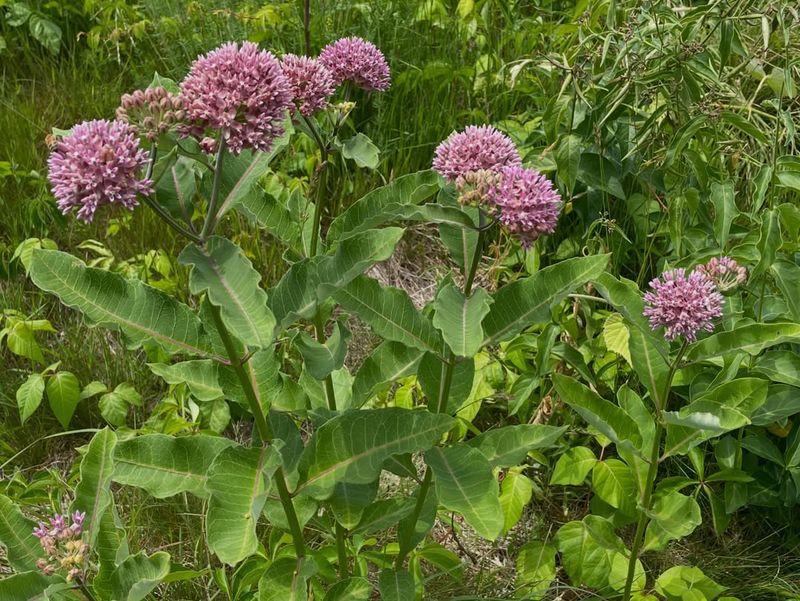
Right after one of those 20-minute summer downpours, the low spot in your yard tells you what wants to live there.
Swamp milkweed, or Asclepias incarnata, is one of the quiet heroes for that damp patch, and fireflies pay attention.
Their larvae need moist soil and cover for 1 to 2 years, sometimes longer, while they hunt slugs, snails, and other soft-bodied prey.
Unlike common milkweed, this species is especially happy where the ground stays evenly moist.
Plant it in full sun to light shade, with spacing around 18 to 24 inches apart.
In most North Carolina yards, it reaches 3 to 5 feet tall, tall enough to hold humidity close to the ground without turning the bed into a jungle.
Here is where it gets useful for real life.
A rain garden near a downspout, a soggy corner by the fence, or a bed that catches runoff from afternoon storms can all work.
NC State Extension often recommends matching native plants to site moisture first, and that advice matters here, because dry soil is one of the fastest ways to lose firefly habitat.
Leave fallen stems standing until late winter, skip pesticides, and you give your yard a better shot at keeping those lights around past the first hot weeks of summer.
2. Joe-Pye Weed
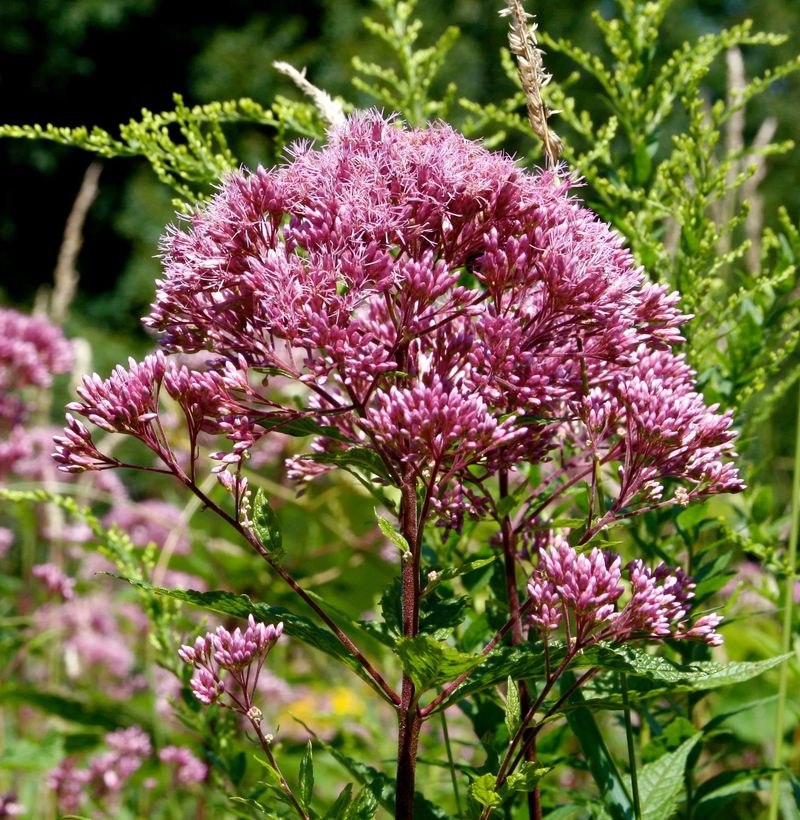
Nothing says summer abundance quite like a plant that rises over the fence line and still looks graceful.
Joe-Pye weed, usually Eutrochium purpureum or a close native relative in garden use, builds the kind of layered cover fireflies use when the day is bright and the night is just getting started.
Adult fireflies spend daylight hours hiding low and resting, not putting on the show you notice after sunset.
That height is part of the trick.
Many forms grow 4 to 7 feet tall, with broad leaves and domed flower clusters that bloom from mid to late summer.
In the Piedmont and the mountains, where heavy red clay can stay wet after storms, Joe-Pye weed handles moisture better than many showier perennials, as long as the site is not bone dry.
People sometimes plant one and stop there, but a small group works better.
Set 3 plants about 24 to 36 inches apart in full sun or part shade, then mulch lightly with shredded leaves, about 2 inches deep.
That keeps the ground cooler and gives larvae better hunting conditions.
It is not a magic solution, because bright security lights and lawn chemicals can still undo the good, but this plant creates that rich, slightly wild feeling fireflies seem to trust.
You get flowers for pollinators by day and better odds for blinking lights at 9:00 p.m.
3. Buttonbush
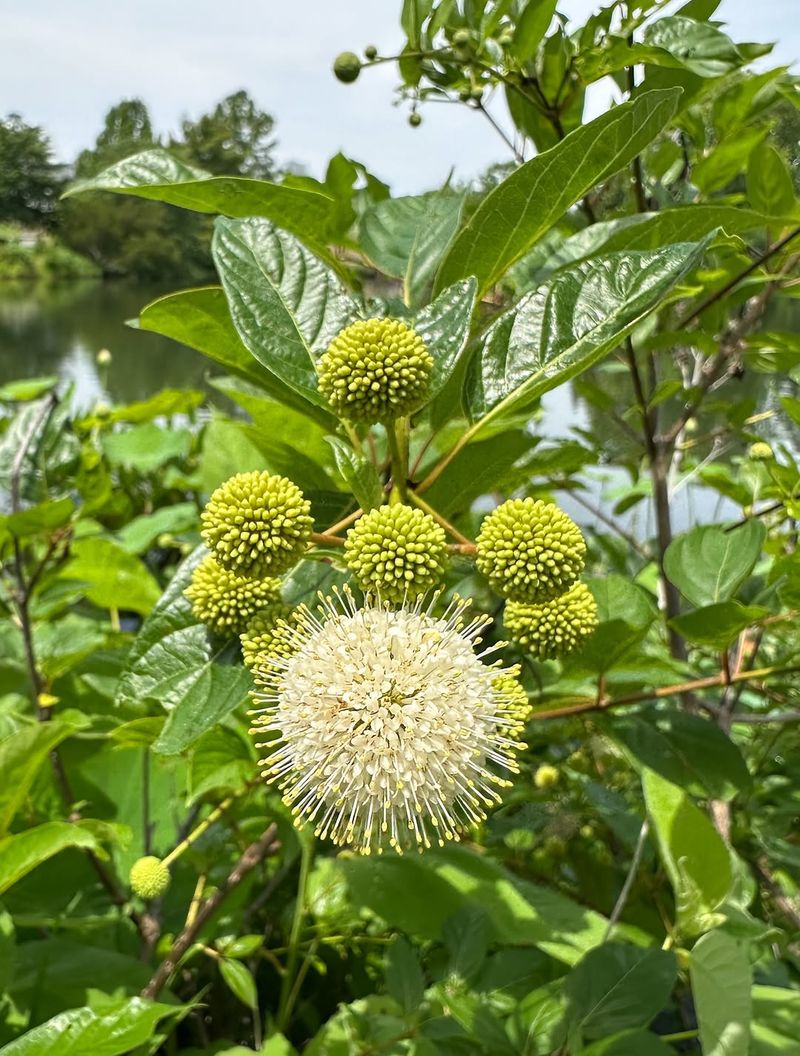
Some shrubs behave like they were built for the wet side of the yard.
Buttonbush, Cephalanthus occidentalis, is one of them, and if you have a place that stays squishy after rain, it can turn a problem area into prime habitat.
Firefly eggs and larvae do best where the soil does not bake hard by mid-June.
The flowers look like little white pincushions, and they show up in early to midsummer just when the yard is busiest with pollinators.
In North Carolina, buttonbush is native from the mountains to the coast, which tells you a lot about its flexibility.
It can grow 5 to 12 feet tall and nearly as wide, so give it elbow room, about 6 to 8 feet from walkways or patios.
Many Coastal Plain homeowners fight sandy soil that drains too fast.
Buttonbush helps by shading the root zone and slowing moisture loss, especially once established in its second or third year.
Plant it near a pond edge, a drainage swale, or the back of a rain garden where water lingers for 24 to 48 hours after storms.
If hurricanes or tropical systems dump several inches of rain between June and November, this shrub usually takes that swing better than fussier ornamentals.
And when you step out after dark, that denser, cooler patch can become one of the last places still blinking.
4. Pennsylvania Sedge
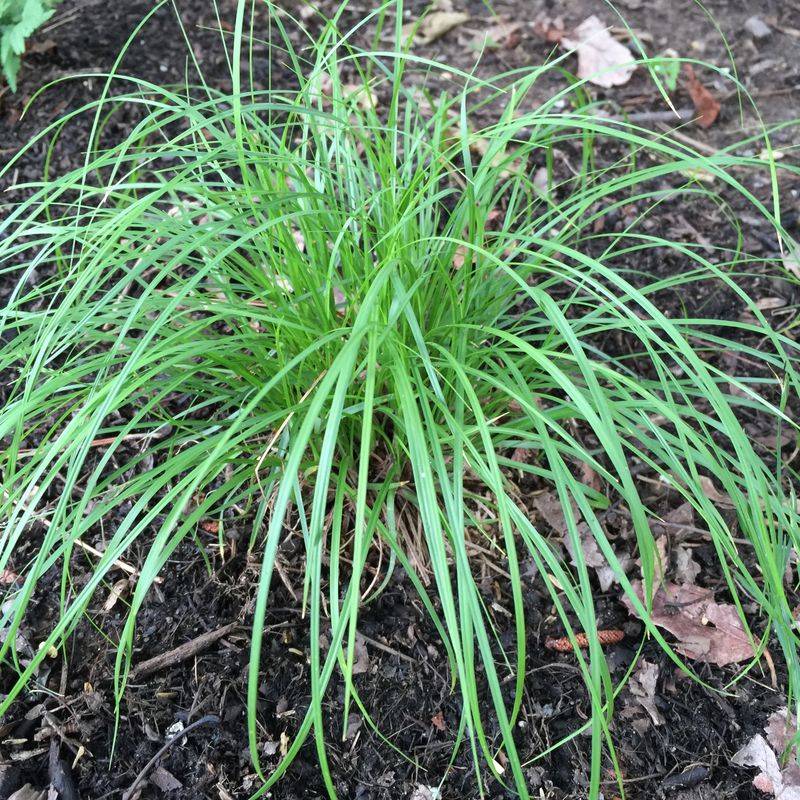
A close-cut lawn looks tidy, but for fireflies it can feel like a parking lot.
Pennsylvania sedge, Carex pensylvanica, changes the ground layer without asking you to give up the whole yard.
It creates a softer, shadier surface where moisture hangs on longer and larvae can move through the soil with some cover overhead.
This is especially helpful under deciduous trees, along the side yard, or anywhere grass always struggles.
Pennsylvania sedge usually stays around 8 to 12 inches tall, and it spreads in a relaxed, natural way instead of forming a stiff mat.
In mountain and Piedmont zones from 6a to 8a, it handles part shade beautifully and appreciates leaf litter left in place.
Here is the part many homeowners miss.
Fireflies are not only about flowers.
According to guidance commonly echoed by NC State Extension, reducing disturbance at ground level matters a lot for insects that live part of their lives in soil and duff.
Plant plugs 8 to 12 inches apart, water weekly for the first 6 to 8 weeks if rain is short, and resist the urge to rake every leaf away.
A sedge patch under the dogwood, with a little mess tucked in, can end up doing more for fireflies than a whole bed of blooms in blazing sun.
It feels calmer, too, which is half the point of a summer yard.
5. Golden Ragwort
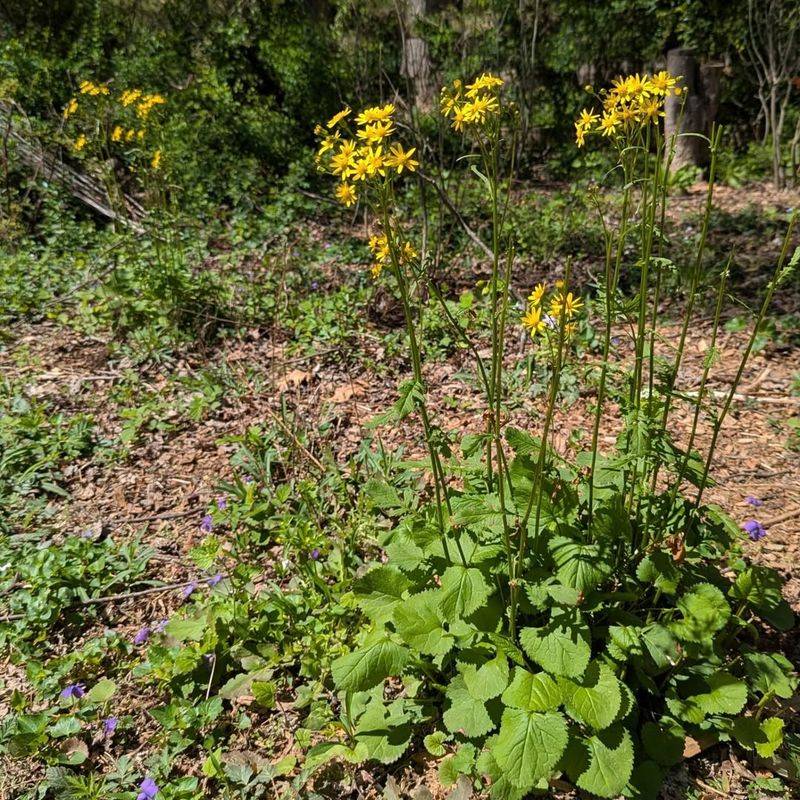
Early spring can look bare in a lot of yards, then golden ragwort wakes up and fixes the mood fast.
Packera aurea throws bright yellow flowers above a low carpet of leaves, but the bigger gift to fireflies happens after the bloom.
That leafy cover helps the soil stay cool and damp while the rest of the garden starts heating up.
In the Piedmont and many mountain gardens, golden ragwort is a smart answer for part shade, especially near a path, under shrubs, or along a damp foundation bed.
It usually grows 1 to 2 feet tall in flower and spreads into colonies over time.
That spread matters because a connected ground layer gives firefly larvae more uninterrupted territory to hunt.
Myth says you need a huge rural yard for better firefly numbers.
You do not.
A 4-foot-by-8-foot patch can already improve conditions if you keep it free from sprays and avoid constant cleanup.
Plant starts 12 to 18 inches apart in moist soil, then top-dress with chopped leaves instead of bark piled too deep.
In mild North Carolina winters, the basal foliage often stays present, which means cover when surprise cold snaps dip into the 20s.
It is one of those plants that makes a small yard feel more alive without asking for much noise or fuss.
6. Mountain Mint
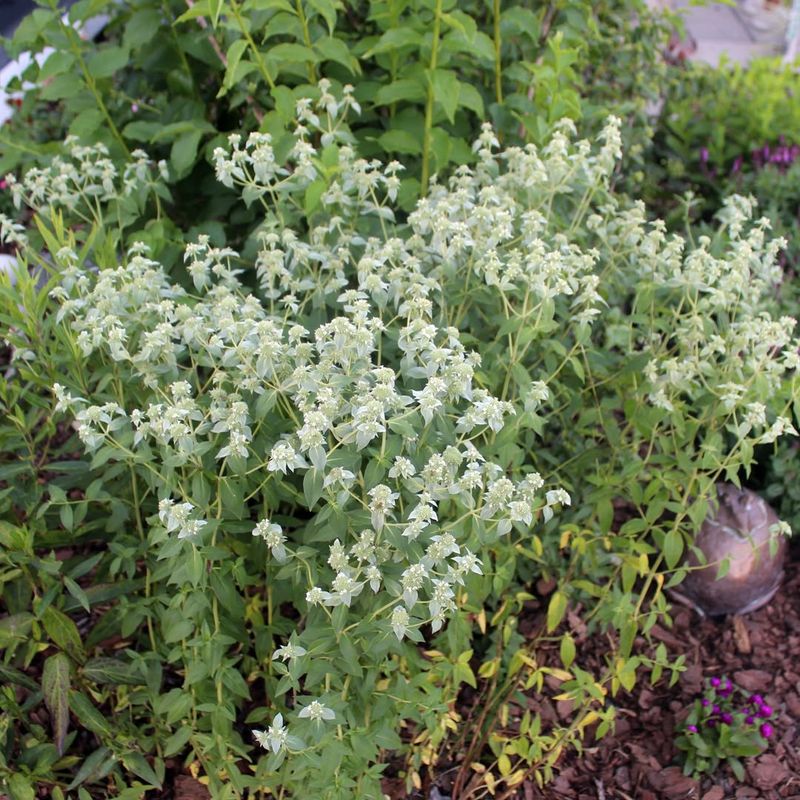
Brush past mountain mint once, and you remember it.
Pycnanthemum muticum carries a sharp, clean scent that makes the whole bed feel busy and awake, and that activity helps more than just bees.
Firefly larvae are predators, so a yard with a healthy little food web gives them better odds than a silent bed of mulch and stone.
Mountain mint grows about 2 to 3 feet tall and does best in full sun to part shade.
In the Sandhills and parts of the Coastal Plain, where drainage can run fast, it still performs well if you water it during the first season and tuck it into soil with some compost.
Once established, it can handle short dry spells better than wetter-meadow natives.
What makes it different from the other plants on this list is the way it draws in helpful insect traffic all summer.
Wasps, flies, native bees, butterflies, all of them show up, which means your yard feels less empty before dark and more balanced after dark.
Give each plant 18 to 24 inches of space, cut it back to about 6 inches in late winter, and let the stems stand through fall.
It will not directly feed every adult firefly, because many adults barely eat, but it strengthens the whole system around them, and sometimes that broader support is what keeps the show going another few weeks.
7. Black-Eyed Susan
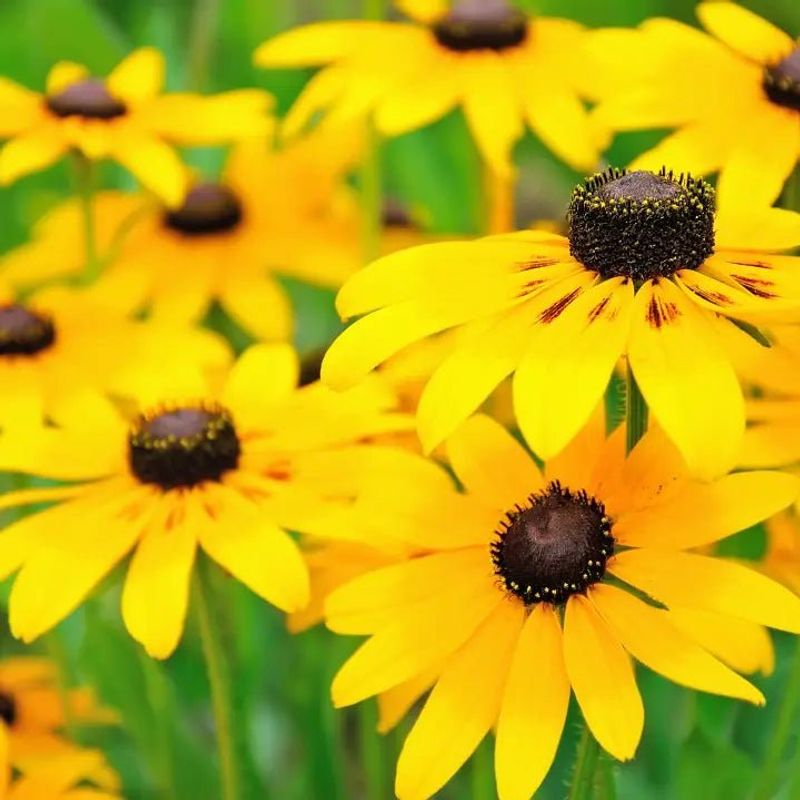
Bright color can pull a yard together when everything else feels green on green.
Black-eyed Susan, Rudbeckia hirta, earns its place here because it bridges the neat part of the landscape and the wilder edge where fireflies tend to linger.
You get the cheerful look people love, while insects get stems, blooms, and lower foliage that make the space more usable.
Across North Carolina, from heavier Piedmont soil to sandier coast sites, this plant is famously adaptable.
It usually reaches 2 to 3 feet tall and flowers for weeks in summer, often longer if you deadhead lightly.
Some adult fireflies may sip nectar, and even when they do not, the plant supports the insect crowd and shady lower layer that improve habitat value.
Many homeowners want one plant that does not look messy by the grill or the mailbox.
Here you go.
Tuck black-eyed Susan into a border 12 to 18 inches apart, especially where lawn meets shrub bed, then let a few seed heads remain into fall.
That structure catches the eye in daylight, and it softens the hard edge of mowed turf at night.
It is not the deepest moisture plant on this list, so pair it with leaf litter nearby or a less-mowed strip.
Done that way, it acts like a friendly front porch light for the habitat, only this one does not scare the fireflies off.
8. Eastern Red Columbine
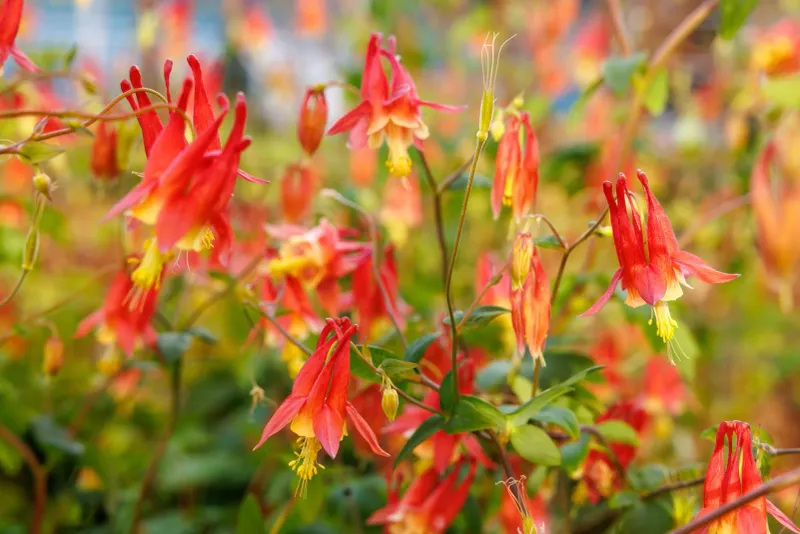
Before summer gets loud, eastern red columbine is already working.
Aquilegia canadensis blooms in spring, often when nights are still cool and the rest of the yard has not filled in, and that early start helps build the layered understory fireflies need later.
A good firefly yard is not just a June project.
It is a season-long setup.
In the mountains, where zones can run 6a to 7a, and in shady Piedmont lots, columbine fits beautifully under open tree canopies.
It usually grows 1 to 3 feet tall and prefers part shade with moist, well-drained soil.
Not soggy, not dry as powder, somewhere in that middle range where leaf litter stays slightly springy underfoot.
Set plants about 12 inches apart in drifts near the woodland edge, around stepping stones, or beside a porch bed that gets morning sun only.
Many people think of columbine as a delicate little thing, but it has backbone, and it self-seeds just enough to make a place feel settled.
The payoff is subtle, which makes it easy to overlook.
By the time July nights hit 75 to 80 degrees after an afternoon storm, that small colony has helped hold shade at ground level for months.
Pair it with lower lighting, fewer chemicals, and a little patience, and your yard starts feeling like it belongs to summer again.