
The North Carolina Perennial That Keeps Throwing Fresh Color Even When Full-Sun Beds Start To Fry
Follow us on Google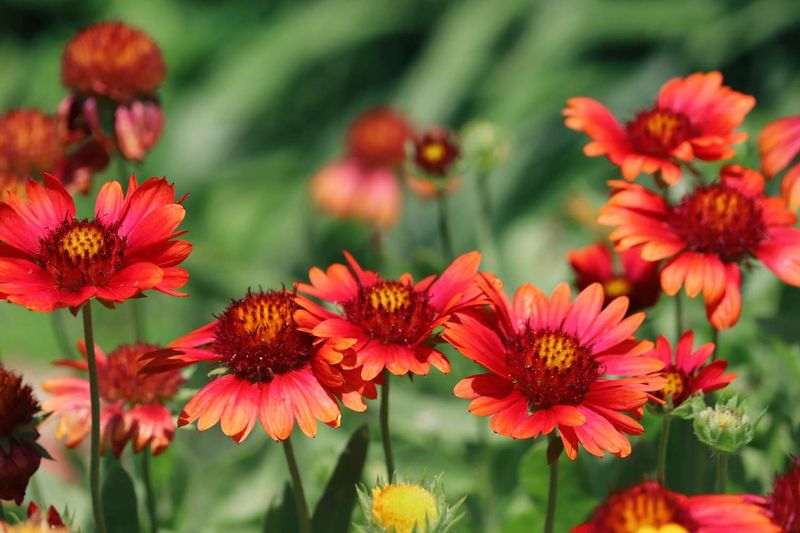
By late July, most North Carolina sunny beds look like they gave up.
The coneflowers are spent, the salvia is flagging, and that patch near the driveway is basically just heat and disappointment.
Blanket flower, specifically the garden hybrid Gaillardia x grandiflora, is one of the toughest performers you can put in a full-sun spot to carry color into late summer and beyond.
It is not magic, and it will not fix every problem in a struggling bed, but planted right, it can genuinely hold its own when almost everything else has checked out.
Blanket Flower Keeps North Carolina Beds Bright
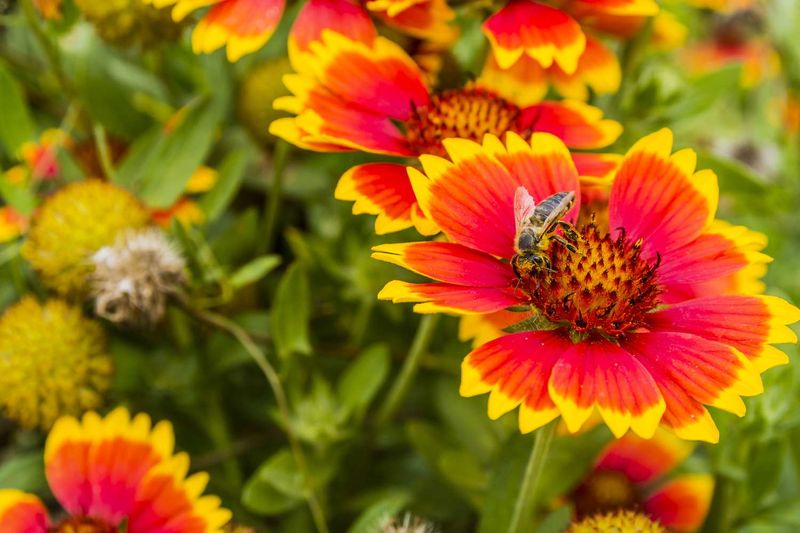
Garden blanket flower, Gaillardia x grandiflora, is the answer to the headline’s promise, and it is worth being honest about what that promise actually means.
NC State Extension describes Gaillardia as a full-sun perennial capable of blooming from spring through fall, tolerating drought once established, requiring very little fertilizer, and drawing in bees and butterflies.
That combination is genuinely hard to find in a plant that also shrugs at North Carolina’s August heat.
“Keeps throwing fresh color” describes what blanket flower can do under favorable conditions, not a guarantee that it blooms without interruption no matter what.
Think of it as a reliable late-summer performer rather than a flower machine that never slows down.
Species, cultivar, weather, and how well the plant is cared for all shape how long and how steadily it blooms.
What makes blanket flower useful for tired sunny beds is the combination of traits, not any single superpower.
Illinois Extension notes that blanket flower is well suited to hot, dry locations and requires minimal fertilizer, which matches exactly what most baked North Carolina beds offer by midsummer.
It works as one dependable color layer in a broader planting, not a complete fix for a bed with drainage problems, compacted soil, or the wrong plants in the wrong spots.
Pair it with other late bloomers and give it the right conditions, and it can carry the visual weight of a sunny border right through the cookout season and into fall.
Why This Bloomer Handles the Heat
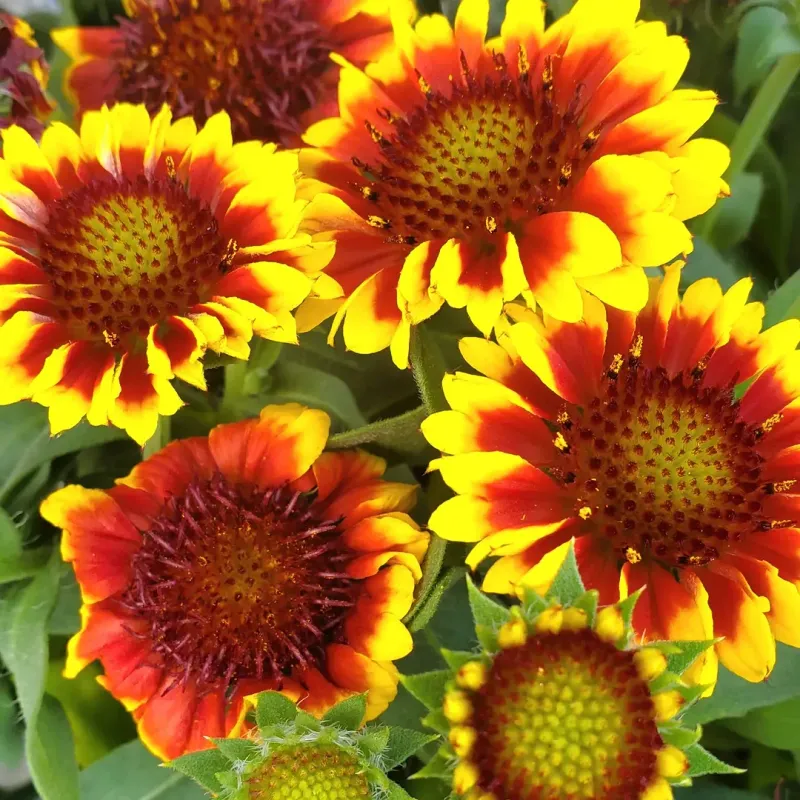
Blanket flower does not just tolerate heat, it actually prefers it.
The plant is listed by NC State for full-sun planting across the mountains, Piedmont, and Coastal Plain, and it needs at least 6 hours of direct sun daily to perform well.
Put it in part shade and you will get stretched, floppy stems and fewer flowers, which is the opposite of what a struggling late-summer bed needs.
Here is where it gets tricky.
North Carolina summers bring two very different stresses to the same bed.
A dry spell in August can wilt new plants quickly, but a heavy afternoon thunderstorm two days later can leave Piedmont red clay sitting in water for hours.
NC State’s profile for Gaillardia aristata notes that prolonged wet conditions can cause root problems, and the NC State Extension Gardener Handbook on herbaceous ornamentals reinforces that good drainage is essential for perennials in these situations.
Blanket flower handles heat and dry soil far better than it handles standing water.
Bloom timing also varies more than most plant tags suggest.
Gaillardia aristata is listed as blooming from May through September, while garden hybrids can push into October in warmer parts of the state.
Weather, the specific cultivar you choose, how well the plant is established, and whether you are deadheading all affect how long the color lasts.
Expect a long, rewarding season from a well-sited plant, not a perfectly unbroken stream of flowers from April through frost.
That realistic picture actually makes blanket flower easier to work with, because you know what you are managing toward.
Deadheading Keeps Fresh Color Coming
The single most useful thing you can do to keep blanket flower producing is also the simplest.
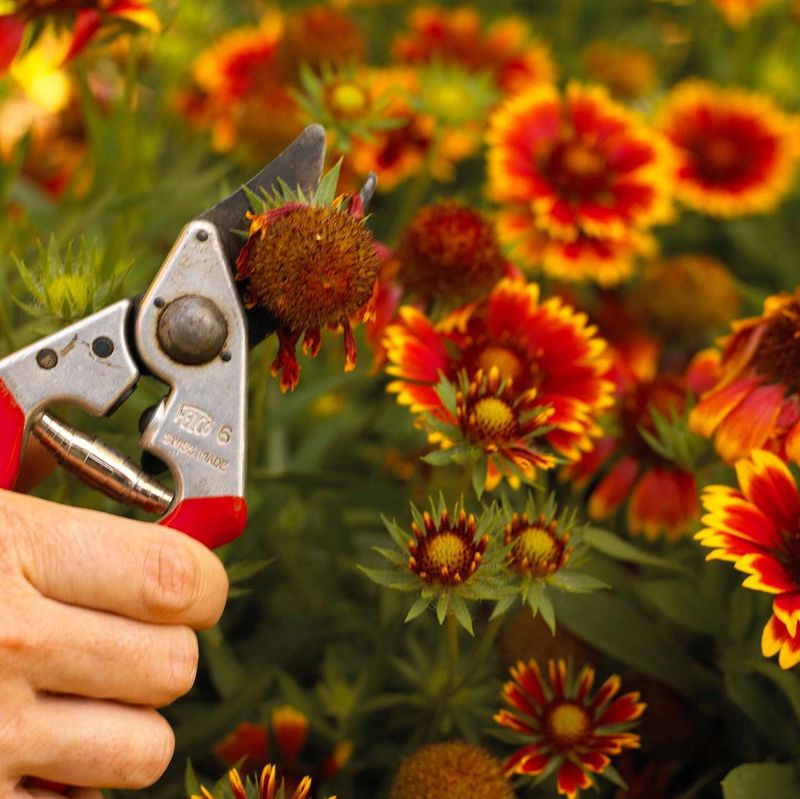
Remove faded flower heads before they finish forming mature seed, and the plant redirects its energy toward making new buds instead of finishing off old ones.
NC State specifically recommends deadheading blanket flower to encourage repeat blooming, and it makes a visible difference over the course of a summer.
The technique is straightforward.
Pinch or cut the spent flower stem back to a healthy leaf or a side shoot that is already showing signs of growth.
Do not just snap off the flower head and leave a bare stalk sticking up, because that stalk will not produce new buds.
Illinois Extension’s guidance on deadheading confirms that cutting back to active growth gives the plant a much better chance of branching and reblooming.
Deadheading encourages continued flowering, but it is not a switch you flip for instant results.
The plant still needs adequate light, enough moisture at the roots, and temperatures that are not pushing it into survival mode.
A blanket flower baking next to a concrete driveway with no water during a two-week August dry spell is not going to rebound quickly no matter how faithfully you deadhead.
Later in the season, around September in most parts of North Carolina, consider leaving some seed heads in place.
NC State notes that Gaillardia pulchella seed heads can provide food for songbirds, and allowing some self-seeding gives you a chance at new plants the following year without buying more.
Drainage Matters More Than Rich Soil
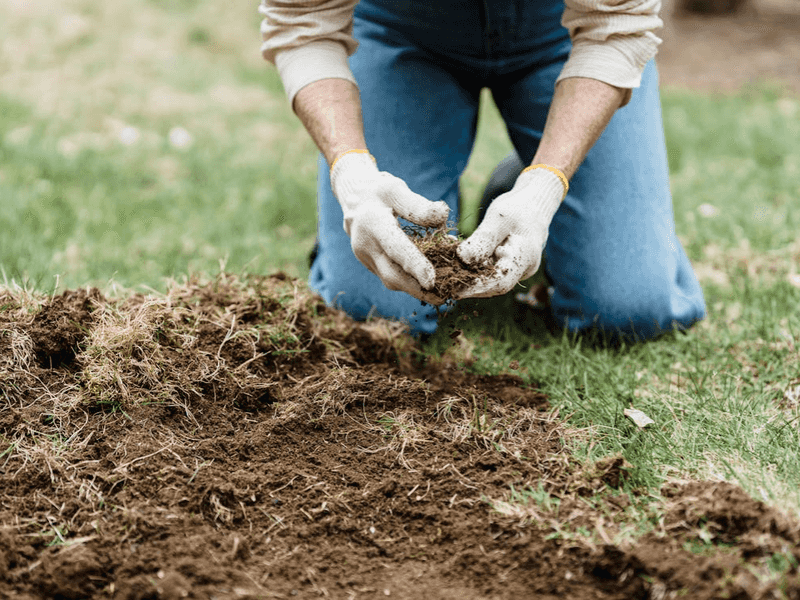
Most blanket flower failures in North Carolina beds come down to one thing: the soil stays too wet after rain.
This plant can handle a hot, dry, sharply drained spot that would stress most perennials.
What it cannot handle is sitting in soggy ground for days at a time, which is exactly what compacted Piedmont clay delivers after a hard summer storm.
Before you plant, run a simple drainage test.
Dig a hole about 10 inches deep, fill it with water, let it drain completely, then fill it again.
The NC State Extension Gardener Handbook recommends that the second fill drain in roughly 8 to 10 hours for most herbaceous perennials.
Slower than that, and you have a drainage problem that needs to be solved before planting, not after.
For Piedmont beds with heavy clay or compacted soil, the fix is to improve the entire planting area, not just the individual hole.
Digging a nice loose pocket for one plant and surrounding it with dense clay creates a bowl that collects water around the roots.
NC State’s native plants guidance recommends soil testing and, where appropriate, working about 1 to 3 inches of compost into the whole bed before planting.
Where drainage remains genuinely poor, a raised bed or imported soil may be the only practical solution.
On fertilizer, blanket flower genuinely needs very little.
NC State lists it as requiring minimal fertilizer, and Illinois Extension advises against overfertilizing, noting that excess fertility pushes leafy growth without solving the real problems of poor drainage, drought stress, or fading blooms.
Get the drainage right first, and blanket flower will largely take care of itself from there.
Water New Plants, Then Ease Back
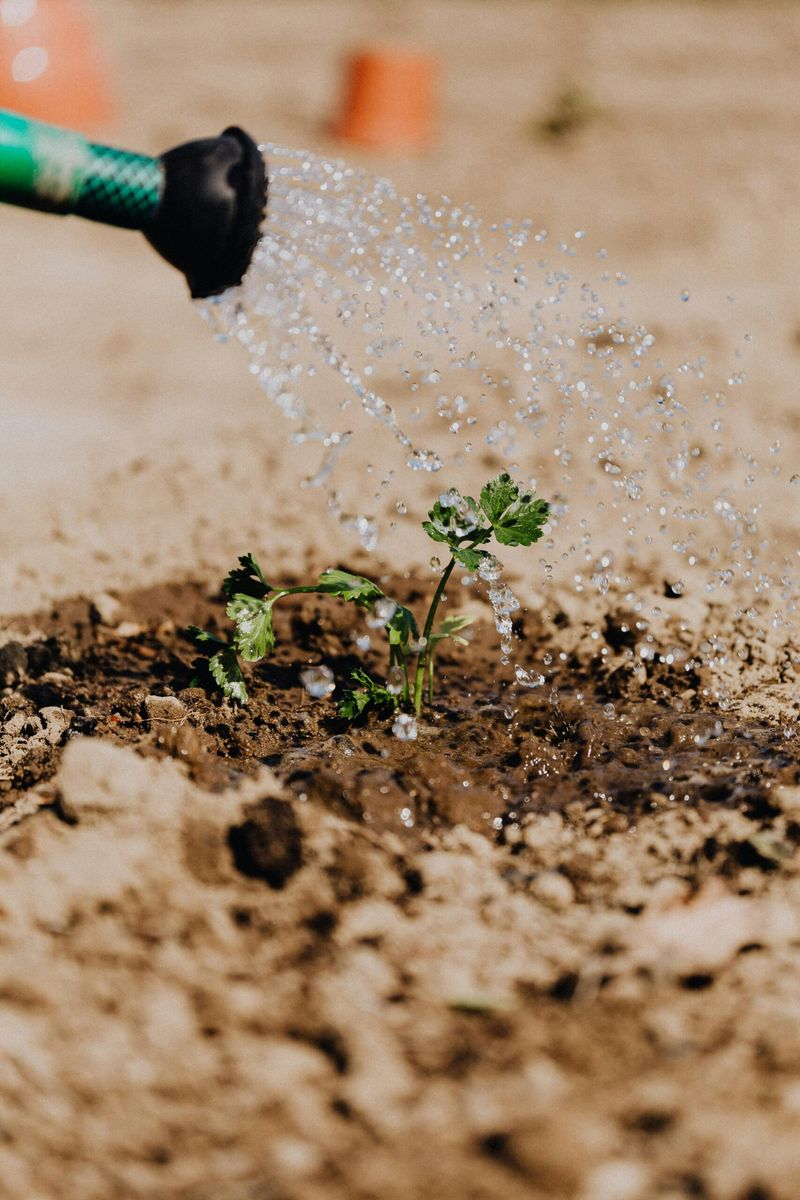
A newly planted blanket flower needs consistent water while its roots are finding their footing, and skipping that establishment phase is one of the most common reasons the plant disappoints in its first season.
NC State’s herbaceous ornamentals guidance points to about 1 inch of water per week during the growing season as a general reference for annuals and perennials, with more potentially needed during unusually hot stretches.
That is a starting point, not a rigid formula, because a plant near a south-facing brick wall or a concrete driveway in July is losing moisture much faster than one in a more sheltered spot.
Water deeply and infrequently rather than giving plants a light sprinkle every day.
Frequent shallow watering encourages roots to stay near the surface, where they are most vulnerable to heat and drought.
Direct water at the soil line, preferably in the morning, so the foliage can dry before evening.
Wet leaves sitting overnight in North Carolina’s humid summers invite disease problems that blanket flower does not need.
Once established, blanket flower earns its drought-tolerant reputation, but “drought tolerant” still has limits.
During a genuine extended dry spell, especially for plants growing near pavement, foundations, or reflective walls, supplemental irrigation can keep the plant from shutting down and dropping out of bloom.
Check those spots first when the weather turns dry.
Mulch is the quieter part of this equation.
NC State’s planting guidance and native plants handbook both support maintaining 2 to 3 inches of organic mulch around perennials to conserve moisture and reduce weeds.
Keep that mulch pulled back from the plant crown, because piling it against the stem traps moisture and can cause rot, which is the last thing a plant that already prefers dry conditions needs.
Choose the Right Blanket Flower for Your Region
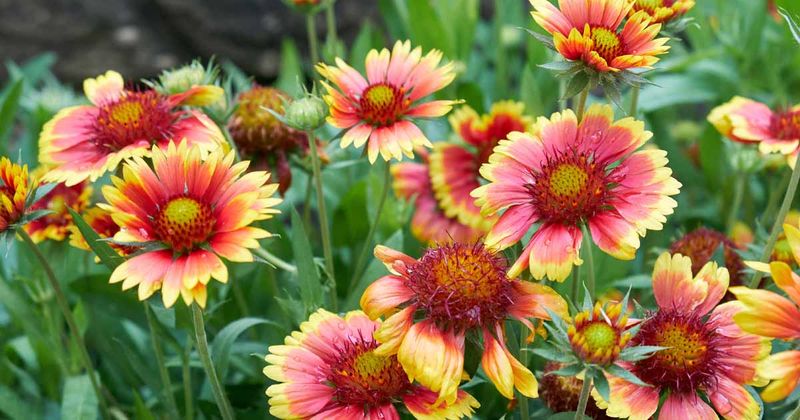
Not every plant sold as blanket flower behaves the same way in a North Carolina yard, and knowing the difference before you buy can save a season of frustration.
The most commonly sold perennial form is the garden hybrid Gaillardia x grandiflora, listed by NC State across the mountains, Piedmont, and Coastal Plain.
It is bred for reliable repeat bloom and is the one most likely to come back year after year in a well-drained sunny bed.
Gaillardia pulchella, commonly called Indian blanket flower, is a different story.
NC State describes G. pulchella as a plant that may behave as an annual, biennial, or short-lived perennial depending on conditions, and it can reseed and spread.
It is the species more directly associated with naturalized populations in North Carolina, not the hybrid you typically find in perennial sections at a garden center.
Neither one is a locally native ecotype in the strict sense, though the Gaillardia genus does include plants native to the Americas.
Spacing is another place where following the label matters more than following general advice.
NC State lists an available planting space ranging from 12 inches to 3 feet depending on the species and cultivar, so check the tag for your specific selection rather than guessing.
Crowded plants in humid North Carolina summers develop air circulation problems that lead to disease.
Coastal Plain and coastal gardeners have an advantage: blanket flower is listed as salt tolerant, which helps near the shore.
But salt tolerance does not protect a plant from storm surge, heavy salt spray, or contaminated soil after a hurricane.
New plantings near the coast still need establishment watering just like any other site.
Mountain gardeners should be cautious about assuming winter hardiness.
A cultivar that handles cold on paper may still fail in a wet winter or an exposed ridge site.
Check the cultivar’s hardiness zone against your specific location, and prioritize drainage to give the roots the best possible chance of surviving a wet North Carolina winter.
One more thing worth knowing: NC State notes that Gaillardia aristata can cause contact dermatitis in sensitive individuals.
If you have reactive skin, wear gloves when handling the plant and wash any exposed skin afterward.
It is a minor precaution for most people, but worth knowing before you spend an afternoon deadheading without gloves.
What Else Actually Helps
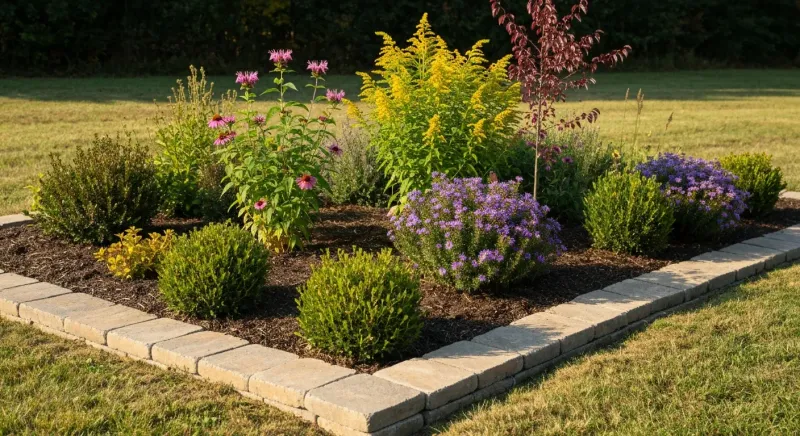
Blanket flower earns its place in a North Carolina sunny bed, but one perennial cannot carry the whole yard.
Its nectar-rich flowers genuinely support bees and butterflies through the long summer season, and NC State notes that G. pulchella seed heads can provide food for songbirds when you leave them in place later in the season.
Those are real contributions to a yard that wants to feel more alive, not just look tidier.
A complete pollinator habitat needs more than one plant, though.
Bees and butterflies need a succession of flowers from early spring through late fall, shelter, nesting areas, and reduced pesticide exposure.
Pairing blanket flower with late-summer companions like goldenrod, Joe Pye weed, and native asters gives pollinators something to work with across the whole season rather than just during the blanket flower peak.
On pesticides, the guidance is plain.
Penn State Extension notes that natural or organic pesticides can still harm pollinators, and Penn State’s pollinator myth resources push back on the idea that attracting more pollinators will meaningfully reduce ticks, mosquitoes, or other household pests.
Blanket flower is not a pest-control strategy, and it should not be sold as one.
The practical takeaway is straightforward.
Find a spot with at least 6 hours of sun and soil that drains in roughly 8 to 10 hours after rain.
Water consistently during the first season and during genuine summer drought.
Deadhead regularly when you want fresh color, and ease off in September to let the seed heads form.
Blanket flower is not going to rescue a bed with the wrong soil, the wrong drainage, or the wrong expectations, but give it the right foundation and it will carry one important part of your late-summer yard with very little fuss.
That quiet reliability is actually what makes it worth growing.