
Why Opossums Deserve A Spot In Your Yard’s Night Shift
Follow us on Google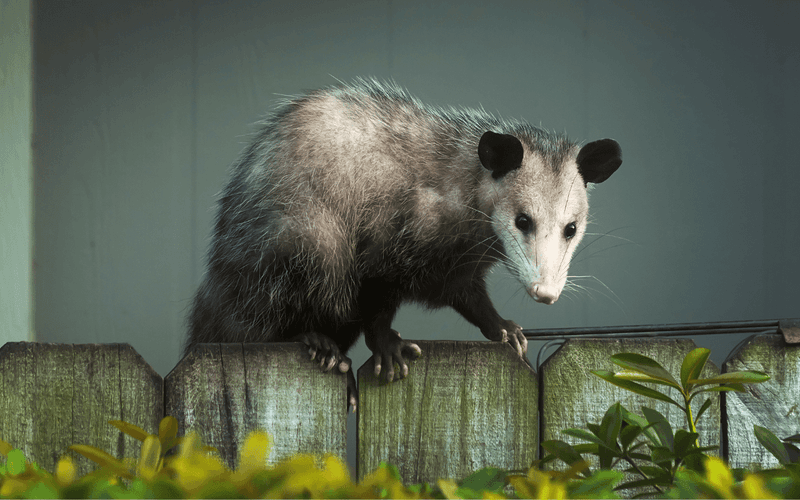
Most people spot an opossum for the first time shuffling across the patio around midnight, and their first instinct is to chase it off.
That reaction is understandable, but it may cost you a surprisingly useful yard visitor.
Virginia opossums are North America’s only native marsupials, and once you understand what they actually do after dark, you might feel a little differently about sharing the night shift with one.
The Night Shift Starts After Dusk
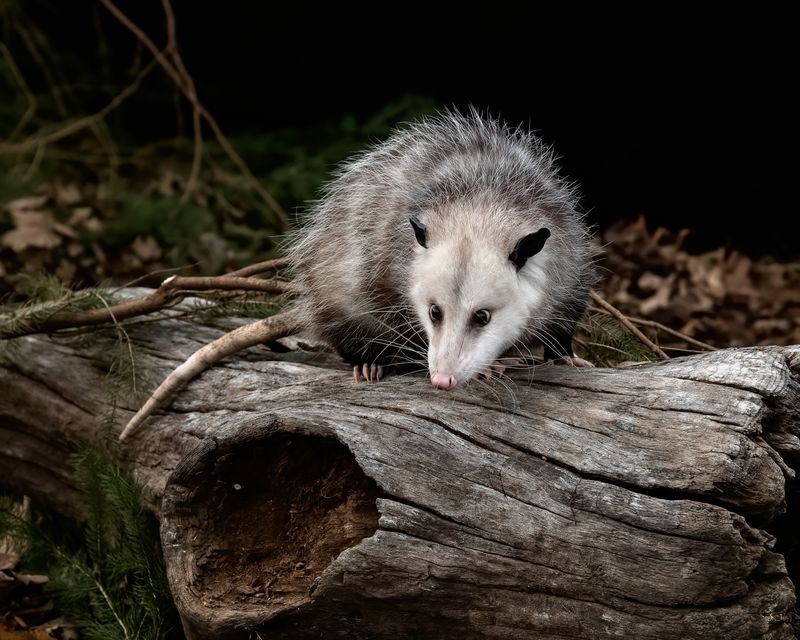
Around dusk, while most of the neighborhood settles in for the evening, the Virginia opossum (Didelphis virginiana) is just clocking in.
This solitary, nocturnal mammal moves through suburban yards with a slow, purposeful shuffle, following its nose toward whatever food the night offers.
University of Michigan’s Animal Diversity Web notes that the species is highly adaptable, thriving in wooded areas, farmland, and increasingly in the edges of suburban neighborhoods across much of the United States.
During the day, opossums rest in whatever protected space they can find.
A gap under a deck, a loose board on a shed, a hollow tree, a brushy woodpile, or a drainage culvert can all serve as a temporary den.
They do not dig their own burrows and rarely stay in one spot for long, which means the opossum you see tonight may simply be passing through on a wider foraging loop.
Weather and food availability both shape when and where they travel.
A cold snap or a dry stretch can push an opossum closer to homes where garbage cans, pet bowls, and fallen fruit offer reliable calories.
A mild, wet night in late summer may send it deeper into brushy edges where insects and earthworms are plentiful.
The honest framing for a backyard opossum is this: it may add a small, incidental layer to your yard’s food web by consuming whatever happens to be available.
UC IPM’s opossum guidance makes clear that while opossums do eat a range of pests, the evidence does not support treating one as a reliable or dependable form of pest control.
Think of it as a modest bonus, not a service contract.
Its Menu Reaches Beyond Garden Pests
Calling an opossum a pest-control specialist would be like calling a raccoon a fish biologist.
Technically there is some overlap, but the label misses the point.
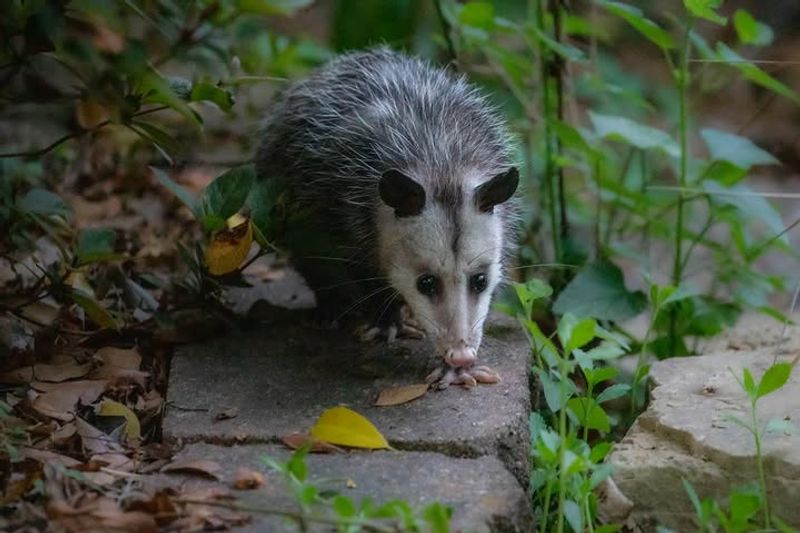
Opossums are thoroughgoing opportunists, and their diet shifts based on whatever the season, habitat, and local landscape happen to offer on any given night.
University of Florida IFAS Extension documents a wide list of documented opossum foods: insects, earthworms, snails, slugs, frogs, snakes, small mammals, bird eggs, fruits, seeds, carrion, garbage, and pet food.
That range is genuinely broad.
On a good night in an overgrown suburban edge, an opossum may consume beetles, a few earthworms, some fallen crabapples, and the remains of a dead mouse without ever slowing down to specialize.
UC IPM specifically notes that meadow voles, mice, and rats appear among the small mammals opossums may take, which is welcome news for anyone dealing with a rodent problem near the garden shed.
But eating an individual rodent during a foraging circuit is different from reducing a rodent population.
One opossum passing through once a week is unlikely to make a measurable dent in an established mouse colony.
Research on urban opossum diets in the Pacific Northwest and a study published in the Journal of Urban Ecology both confirm that urban and suburban opossums consume a notably different mix of foods than their rural counterparts, leaning more heavily on human food waste and pet food when those sources are available.
Season matters too.
Spring and summer shift the menu toward insects and fruits, while fall and winter often mean more carrion and garbage.
The practical takeaway is that an opossum may incidentally remove some insects, snails, or rodents from your yard.
Use qualified language in your own expectations: it can help at the margins, but it does not control anything with any consistency.
The Tick Story Does Not Hold Up
Few wildlife myths have spread as far and as fast as this one: that a single opossum eats thousands of ticks every week, making it a natural shield against Lyme disease.
The number sounds specific, which makes it feel credible.
But the origin of that claim deserves a closer look.
The estimate came from a laboratory experiment in which researchers placed ticks on captive opossums and then counted how many the animals groomed off and consumed.
From that controlled setting, scientists extrapolated a figure of more than 5,000 larval ticks per season.
That is a lab number, not a field observation.
Wild opossums are not sitting still in a tick-saturated enclosure.
They are moving through varied terrain, eating whatever they encounter, and spending most of their time chasing calories that are more nutritionally rewarding than tiny larval ticks.
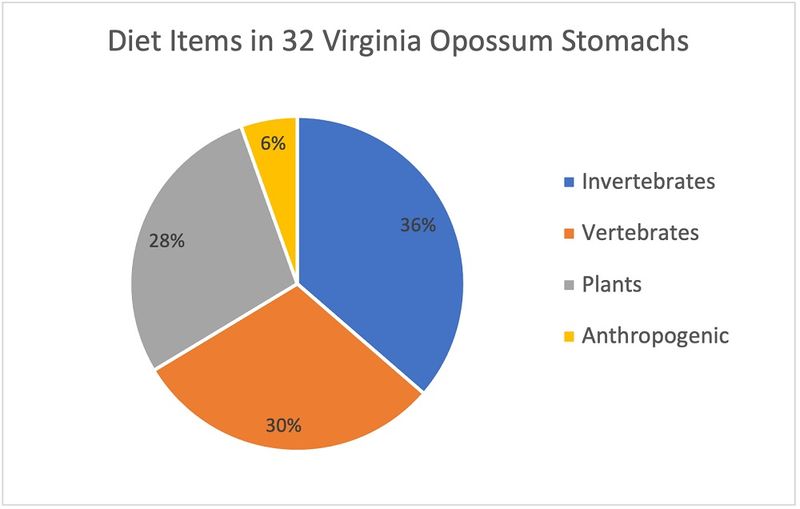
A 2021 field study published in Ticks and Tick-borne Diseases examined the stomach contents of 32 wild-caught opossums and found no ticks or tick parts in any of them.
The researchers also reviewed 23 earlier diet studies of wild opossums and found no tick evidence in those either.
That does not prove that a wild opossum never swallows a tick, but it strongly challenges the idea that ticks are a meaningful or preferred part of their diet.
Penn State Extension concludes plainly that opossums likely do not feed on ticks in meaningful numbers and should not be relied on for tick control.
Treating a passing opossum as your Lyme disease defense plan would leave you genuinely unprotected.
The next section covers what actually works.
A Passing Opossum Needs No Welcome Mat
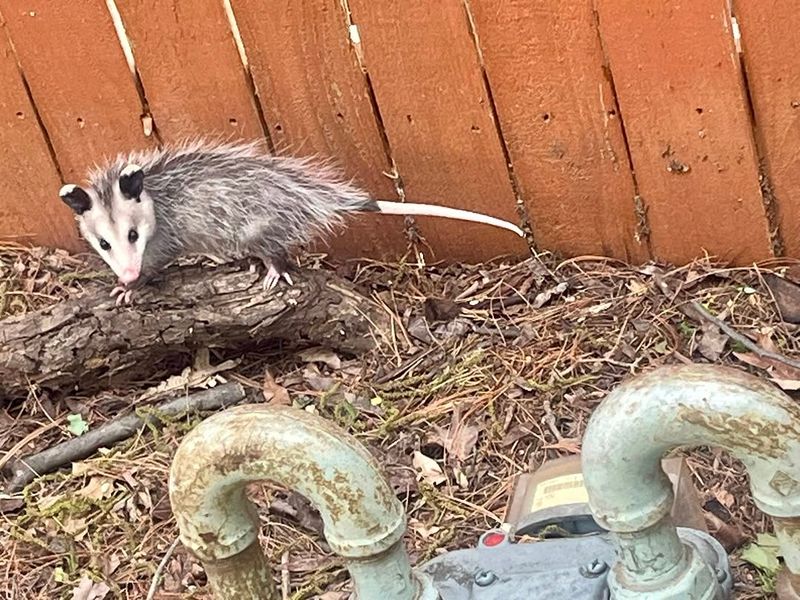
Spotting an opossum cut across the yard on a Tuesday night does not require any action at all.
The right response is usually to watch it from a distance, keep pets inside or on leash, and let it move on.
Opossums are generally low-conflict animals when they are simply passing through, and most of the time that is exactly what they are doing.
Where things get complicated is when food, water, or easy shelter keeps pulling the same animal back.
University of Georgia Cooperative Extension’s guide on nuisance wildlife identifies food, water, and shelter as the three main features that turn a passing wild animal into a recurring visitor.
Remove those draws and you reduce the incentive for repeat visits without ever needing to trap or chase anything.
In practical terms, that means bringing pet food and water bowls inside before dark every night.
Birdseed left in open feeders overnight is a reliable opossum attractant, so consider switching to a feeder with a closing mechanism or bringing it in at dusk.
Garbage cans with loose lids, open compost bins, and fallen fruit sitting on the ground under a tree are equally effective lures.
Utah State University Extension advises that intentionally feeding wildlife, even indirectly, tends to create more problems than it solves by attracting multiple species and increasing the chance of conflict, disease exposure, and property damage.
An opossum you tolerate in passing is different from one you are quietly feeding every night through an unsecured trash can.
Do not handle, corner, or attempt to shoo an opossum with your hands or feet.
They are wild mammals.
A cornered opossum can bite or scratch, and their famous “playing dead” response is an involuntary reflex, not a sign that the animal is safe to pick up.
Calm observation from a respectful distance is the only welcome mat you need to offer.
Exclusion Can Prevent Repeat Conflicts
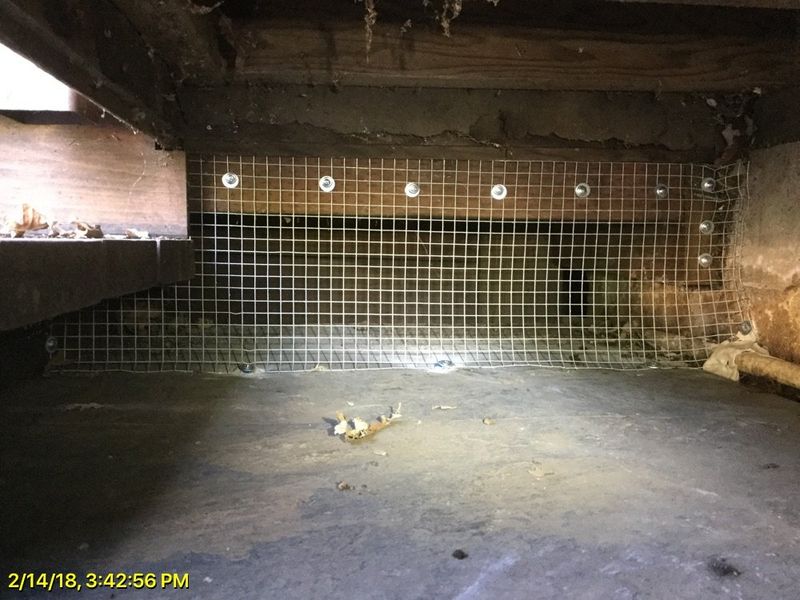
A passing opossum is one thing.
An opossum that has moved into the crawl space under your house, taken up residence behind the water heater in your shed, or started raiding the chicken coop is a different situation that calls for a deliberate response.
The most durable fix is exclusion, meaning you close off the access point so the animal cannot return.
But the order of operations matters.
UC IPM recommends first identifying and removing whatever is attracting the animal, whether that is spilled grain, pet food, garbage, or a warm dry space.
Then confirm that the animal has actually left before sealing the opening.
Sealing an opossum inside a structure creates a worse problem than the one you started with, and if the animal has young with her, the complications multiply.
Utah State University Extension notes that exclusion and habitat modification are generally more durable strategies than removing one animal when the food source or shelter opportunity remains in place.
Trap the opossum, release it elsewhere, and leave the attractant untouched, and a different animal is likely to move in within days.
UGA Extension’s nuisance wildlife guide also points out that trapping and relocation rules vary by state and locality.
What is legal in one county may require a permit or be prohibited entirely in the next.
When in doubt, contact your state wildlife agency, local animal control, or a properly licensed wildlife professional before reaching for a trap.
Horse owners and anyone with livestock need one additional layer of awareness.
Infected opossum feces can transmit Sarcocystis neurona, a parasite associated with equine protozoal myeloencephalitis (EPM), a serious neurological disease in horses.
This does not make every backyard opossum a general threat to human health, but it is a real concern for anyone managing a barn, feed room, or hay storage.
Keep opossums out of those spaces, store feed in sealed containers, and consult your veterinarian if you have concerns about exposure.
Combine Yard Measures With Personal Tick Protection
Once you accept that an opossum is not doing meaningful tick patrol in your yard, the question becomes: what actually reduces tick exposure?
The answer involves your landscape, your clothing, your habits, and your pets, working together as layers rather than any single fix.
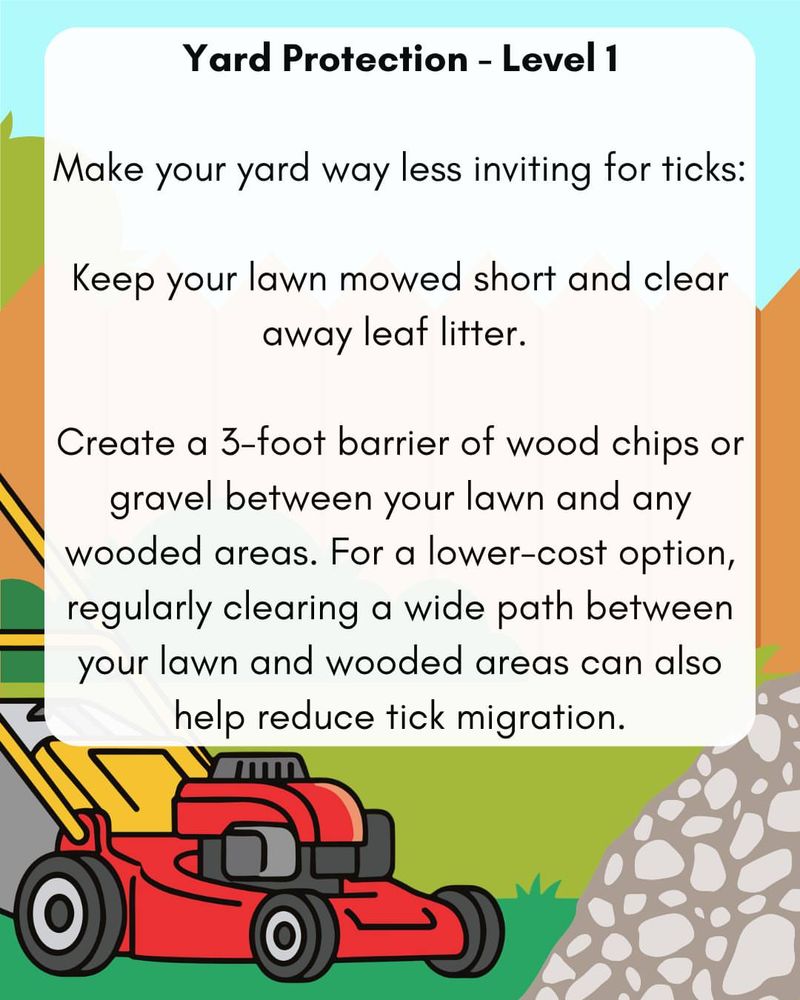
On the landscape side, CDC tick prevention guidance recommends keeping grass mowed short, removing leaf litter promptly, and clearing brush and woodpiles away from areas where people spend time.
Ticks do not jump or fly.
They wait on vegetation at the edges of lawns, paths, and wooded borders, so reducing that transitional zone reduces your contact with them.
One of the more specific landscape recommendations is placing a three-foot-wide strip of wood chips or gravel between your lawn and any wooded or brushy edge.
CDC’s tick habitat management resource supports this barrier approach as a way to discourage tick migration into the yard’s active areas.
It will not eliminate ticks entirely, but it adds one concrete structural layer to your prevention approach.
CDC Lyme disease prevention recommendations also emphasize personal protection that goes beyond the yard.
When you spend time in or near tick habitat, wear long pants tucked into socks and light-colored clothing that makes ticks easier to spot.
Use EPA-registered repellents on exposed skin and treat clothing and gear with permethrin if you spend time in high-risk areas regularly.
After any time outdoors in tick country, check your entire body, your children, your pets, and your clothing before coming inside.
Toss clothes in a dryer on high heat for at least ten minutes to kill any ticks that hitched a ride.
Shower within two hours of coming indoors if you have been in wooded or brushy areas.
No single measure closes every gap, and no opossum in the yard changes that calculus.
A layered approach, landscape management plus personal protection plus prompt tick checks, gives you the most reliable reduction in exposure.
Keep Wildlife At A Safe Distance
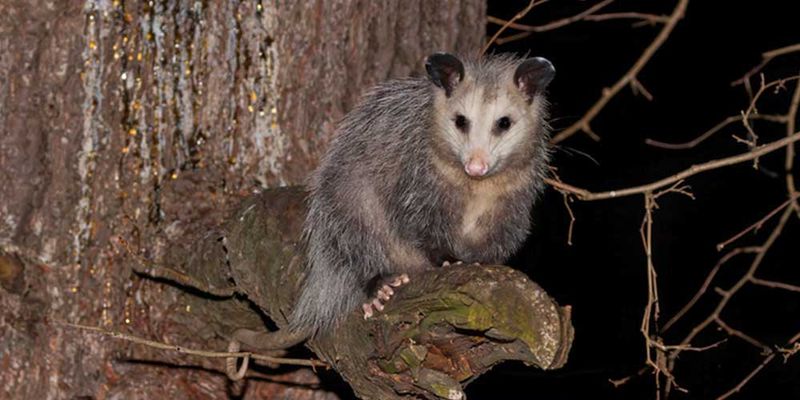
Most opossum encounters end without incident.
The animal freezes, hisses once, possibly falls into its involuntary death-feigning state, and then shuffles off into the dark when the coast is clear.
That is the typical script.
But wild mammals do not follow scripts perfectly, and a few safety boundaries are worth keeping in mind before you find yourself in an untypical situation.
Do not handle, corner, or attempt to pick up a wild opossum under any circumstances.
Do not try to relocate one yourself by hand or with a box.
If an opossum bites or scratches you or a family member, wash the wound thoroughly with soap and water for at least 15 minutes, then contact a healthcare professional or your local health department promptly for a rabies-risk assessment.
CDC rabies prevention guidance recommends this response after any wild mammal bite or scratch, regardless of the species involved.
Opossums do have a lower reported rate of rabies compared with some other wildlife, but they are not immune.
A case report published in Emerging Infectious Diseases documents confirmed rabies infection in a Virginia opossum, which means the “opossums can’t get rabies” claim circulating online is not accurate.
CDC guidance for healthcare providers is consistent: any wild mammal exposure warrants prompt medical evaluation.
For conflicts involving structures, livestock, poultry, or repeated intrusions, the right move is to contact people with actual authority and tools.
USDA APHIS Wildlife Services maintains state offices that can direct you to appropriate resources.
Your state wildlife agency, local animal control office, Cooperative Extension office, or a properly licensed nuisance wildlife control operator can help you navigate local rules, which vary considerably across jurisdictions.
UGA Extension’s nuisance wildlife resource is a solid starting point for understanding your options before you act.
The bottom line is a reasonable one.
A Virginia opossum crossing your yard at midnight is not a crisis.
Tolerate it, secure your attractants, manage your yard with proven practices, and protect yourself and your pets with the measures that actually have evidence behind them.
The opossum is doing its job.
You just don’t need to rely on it for yours.