
North Carolina Plants That Help Owls Hunt Your Yard Before Rats Take Over
Follow us on Google
By dusk in North Carolina, the compost pile can start rustling before you even sit down with a cold drink.
That little scratch in the leaves is often the first warning that rats and mice have found food, water, or easy cover near your porch and garden.
The good news is that a smarter planting plan can make your yard friendlier to owls, the quiet night hunters already working our neighborhoods, woods, and field edges.
A few well-chosen plants will not solve every rodent problem on their own, but they can help turn your yard into a place where rats feel less safe and owls have the cover, perches, and flight lanes they need.
1. White Oak
Late in the evening, your yard needs one thing most people forget, a lookout tower.
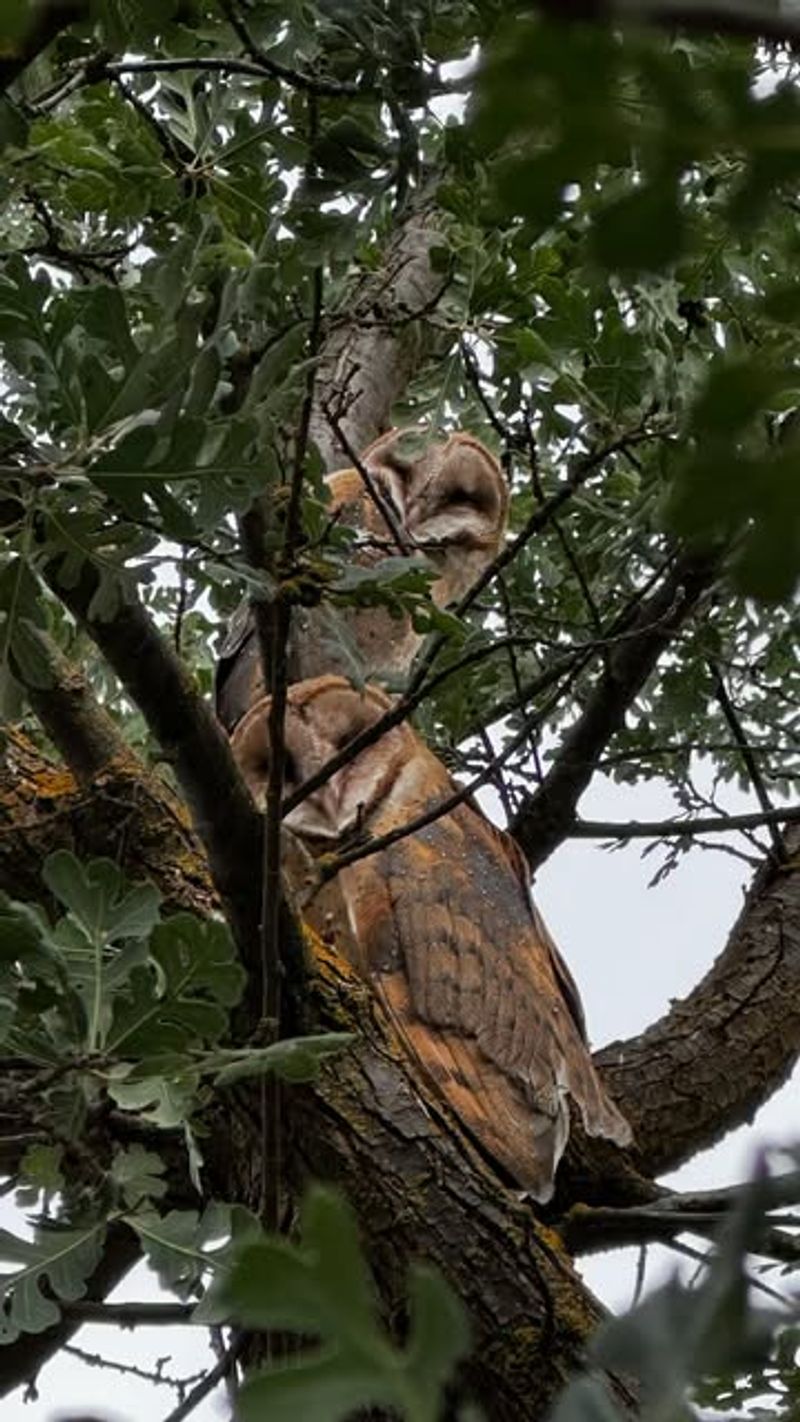
White oak, Quercus alba, gives owls exactly that with broad, steady limbs that hold up through muggy summers, thunderstorm gusts, and the heavy feel of August air in North Carolina.
Owls hunt best when they can sit still 25 to 60 feet above the ground and scan open patches for movement.
A mature white oak can reach 50 to 80 feet tall, and its branching shape creates several strong perches instead of one narrow top.
That matters when a Barred Owl wants options, especially near a lawn, driveway edge, or the back side of a vegetable garden where rodents slip out at dusk.
Plant white oak where it can mature without crowding the house, usually at least 25 to 35 feet from foundations and overhead lines.
In the Piedmont, loosen a wide planting hole rather than digging deep into red clay, then water about 10 to 15 gallons each week during the first growing season if rain is light.
Keep mulch 2 to 3 inches deep, but not against the trunk.
Here is the payoff.
A big oak does not just shade the yard.
It gives owls a patient seat above the trouble, and that changes the whole feel of a rat-prone corner.
2. Eastern Redcedar
Cold snaps have a way of exposing weak yard plans.
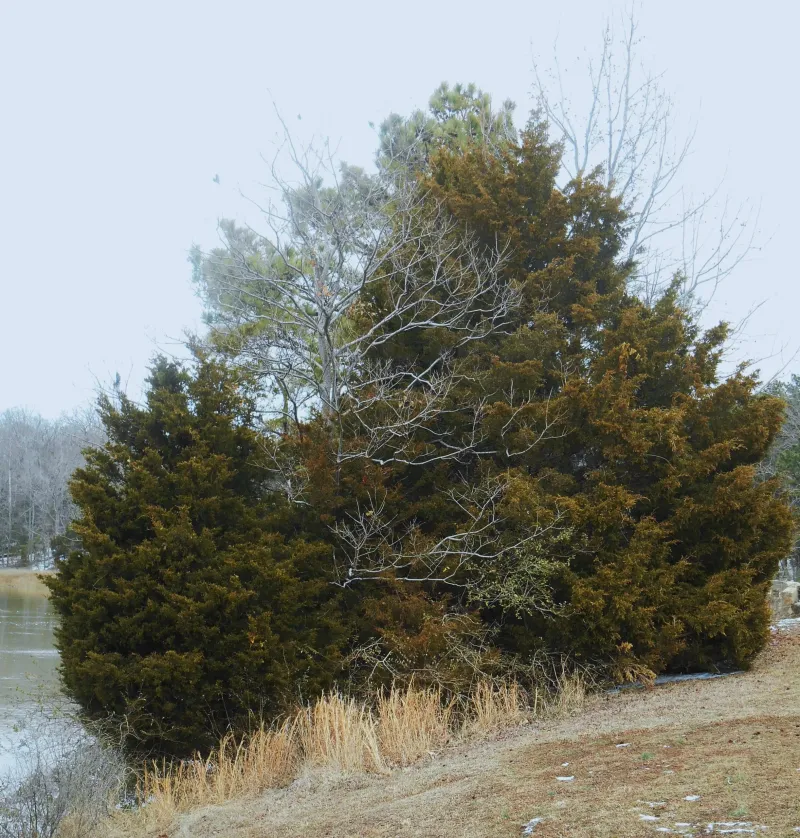
Eastern redcedar, Juniperus virginiana, earns its place because owls need dense daytime shelter almost as much as they need hunting space, and this native evergreen keeps doing its job in every season.
Great Horned Owls and screech-owls use thick conifers as hiding places from mobbing crows and jays during the day.
In winter, when temperatures can suddenly dip into the 20s after a mild week, that cover becomes even more valuable.
Eastern redcedar handles zones 6a to 8b, tolerates sandy Coastal Plain soil and tougher Piedmont sites, and usually grows 30 to 50 feet tall, sometimes taller.
The tight, feathery foliage works like a green curtain.
Set redcedars along a property edge, not in the middle of your only open hunting area.
Space them about 12 to 20 feet apart if you want a loose screen, and keep the ground in front of them fairly open for at least 15 feet.
That combination gives owls a hidden roost and a clean launch path.
If hurricanes or tropical storms are part of your coast or Sandhills life from June through November, plant while trees are young and stake only if needed the first year.
Many North Carolina homeowners treat evergreens like a privacy wall.
For owls, redcedar is more like a backstage room, quiet, safe, and close to the action.
3. American Holly
Not every helpful plant needs to be huge to matter fast.
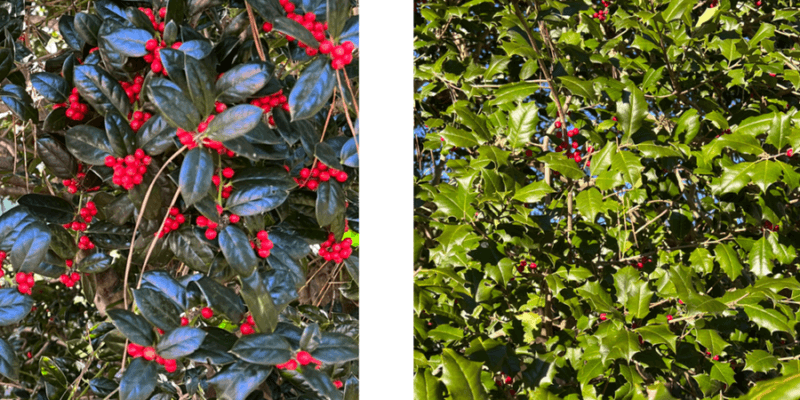
American holly, Ilex opaca, creates the kind of year-round shelter that makes an owl linger instead of passing over your yard for the next block.
The dense branching is the secret.
Holly gives small owls and larger ones a tucked-away daytime roost where they can stay out of wind and out of sight.
In North Carolina neighborhoods, that hidden resting place can mean the difference between an owl using your space regularly or just gliding through once in a while.
A mature tree often reaches 15 to 30 feet in home landscapes, though it can grow larger over time, and the evergreen canopy keeps working even after deciduous trees go bare.
Place American holly near the edge of a lawn, beside a wooded boundary, or 10 to 20 feet away from a shed or fence where rodents travel.
Do not cram it against a walkway.
You want a little quiet around it.
In the first 12 months, water deeply once a week during dry spells.
Mulch 2 inches deep and protect young plants from string trimmers, because trunk damage slows establishment more than many people realize.
NC State Extension often reminds gardeners to match plants to site conditions, and holly proves why that matters.
Give it decent drainage and room, and it becomes a dependable shelter node in your owl-friendly yard plan.
4. Red Maple
After one of those sticky afternoon storms, the yard often opens up in a strange, glowing way.
Red maple, Acer rubrum, takes advantage of that openness by giving owls a high perch with a cleaner view over wet grass, mulch paths, and the edges where rats like to test their luck.
Unlike some trees that turn dense and cluttered low to the ground, red maple can be trained to lift its canopy as it matures.
That helps create the one feature hunting owls need over and over, a long sightline.
In North Carolina, especially in zones 7b to 8a, red maple is adaptable and fast compared with oak, often reaching 40 to 60 feet with a spread of 25 to 40 feet.
If you need function sooner than a slow giant can provide, this tree fills the gap.
Plant it where it can overlook a broad patch of lawn or a lightly planted back edge.
Keep it at least 20 feet from a septic area and give young trees regular water for the first 2 summers.
If the lower branches thicken too much, prune lightly in late summer or during dormancy to preserve an open underside.
You are not scalping the tree.
You are shaping a watch post.
That simple structure helps an owl spot movement sooner.
And when rodents lose the comfort of sneaking unseen, your yard starts feeling calmer at night.
5. Serviceberry
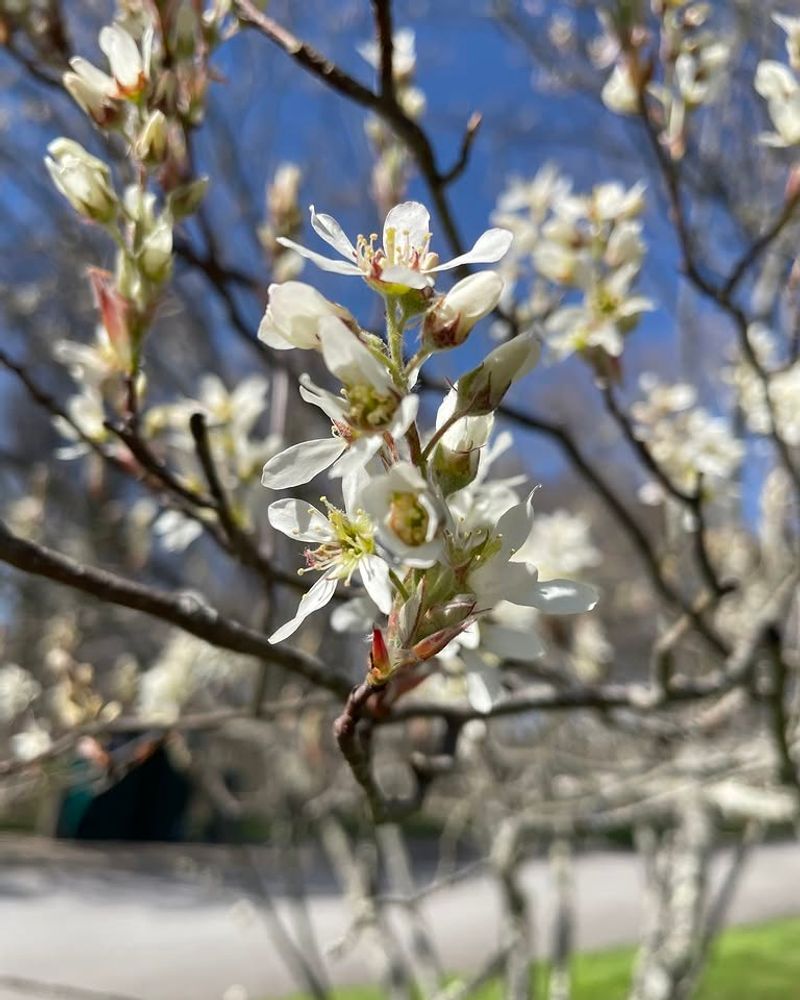
Rodents do not love wide-open ground for long, but they do love edges.
Serviceberry, Amelanchier species, shines because it builds that in-between layer where prey moves enough for owls to detect it without turning the space into a fortress.
Many Piedmont gardeners think any shrub cover will help wildlife equally.
Here is where it gets tricky.
If the shrub mass is too tight at ground level, rats can vanish inside it and travel under cover.
Serviceberry is different.
Its multi-stem form creates a softer edge, often 15 to 25 feet tall, with enough openness underneath to let an owl hear rustling and track quick movement.
The spring flowers and summer berries also support insects and birds, which add life without directly inviting a rodent takeover.
Use serviceberry near the border between lawn and taller trees, or along a fence line that gets morning sun.
Leave 4 to 8 feet of more open ground on at least one side, and avoid piling brush right under it.
In North Carolina clay, compost worked only into the planting area can create a bathtub effect, so it is safer to plant high and mulch wide.
Water weekly during the first year, especially if rainfall drops below 1 inch.
Serviceberry feels gentle in the landscape, but it plays a sharp tactical role.
It gives prey a route, not a bunker, and that is exactly what a hunting owl needs.
6. American Beautyberry
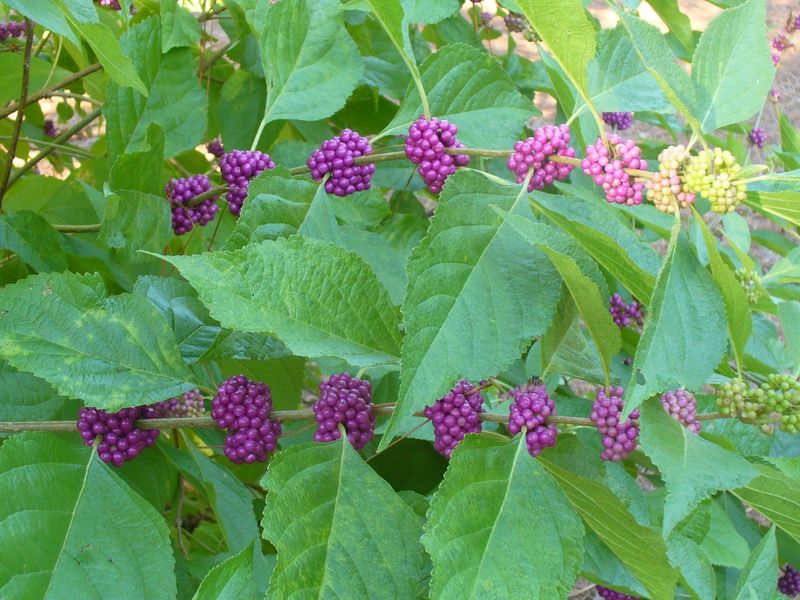
Nothing about beautyberry looks threatening, which is part of its charm.
American beautyberry, Callicarpa americana, helps your yard by making small-animal movement more visible instead of hiding it under a stiff wall of leaves.
The arching branches create loose cover 3 to 6 feet tall, and that height matters.
Rats and mice may forage near the base, but they are not as protected there as they would be in a dense evergreen hedge pressed tight to the ground.
In the Sandhills and Coastal Plain, beautyberry also handles heat, humidity, and sandy soil with less fuss than many ornamentals.
By late summer and fall, those purple berry clusters pull in birds, so the whole area becomes more active, more watched, a little less comfortable for rodents.
Place beautyberry in groups of 3 or 5 along the back edge of a yard, then keep a mowed strip or open mulch band 5 to 7 feet wide in front.
That open strip is not decorative fluff.
It is the hunting lane.
Prune plants back in late winter if they get leggy, and do not overfeed them with high-nitrogen fertilizer, which can push soft growth and make the shape flop.
For a phone-scroll yard fix, beautyberry is one of the easiest to picture.
You keep the wild look people love in North Carolina, but you stop handing rodents a fully covered tunnel.
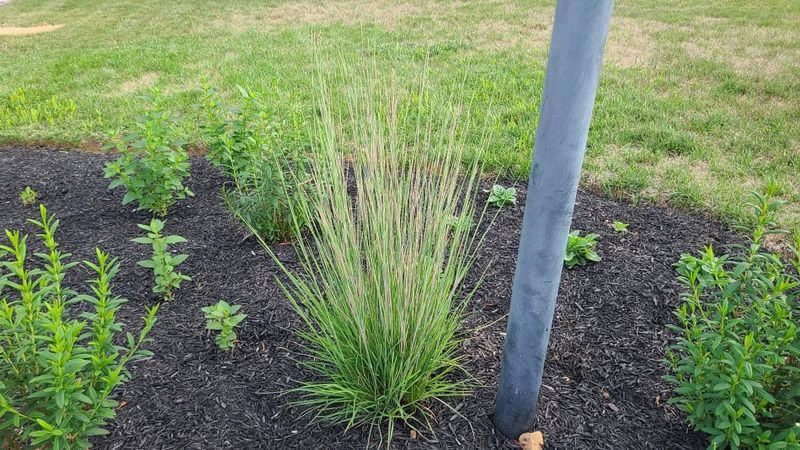
7. Little Bluestem
Here is the myth that trips people up.
If you want fewer rats, you might think every grass should go.
Little bluestem, Schizachyrium scoparium, proves that the right grass can help by slowing rodent movement without giving them the kind of hidden highway they get in rank, uncut weeds.
Its upright clumps usually stand 2 to 4 feet tall, and the stems stay fairly narrow rather than forming a dense mat across the ground.
That shape lets owls hear movement better, especially on still evenings in the mountains and upper Piedmont when sound carries farther.
The grass also supports insects and overall yard diversity, which is one reason native plantings feel more alive instead of sterile.
But it is not a magic solution.
If you let dead stems pile into a thick thatch year after year, you can reduce the very visibility you were trying to create.
Plant little bluestem in sunny strips, rain garden edges, or dry slopes where turf struggles.
Space clumps about 18 to 24 inches apart and keep the patch sized to the yard, not to your ambition.
Cut it back to 6 to 8 inches in late winter before new growth starts.
Near patios or play areas, keep one side open and short so hunting owls can work the margin.
That edge effect is the whole trick.
A clumpgrass border looks soft and natural, and it still leaves the night shift room to do its job.
8. Switchgrass
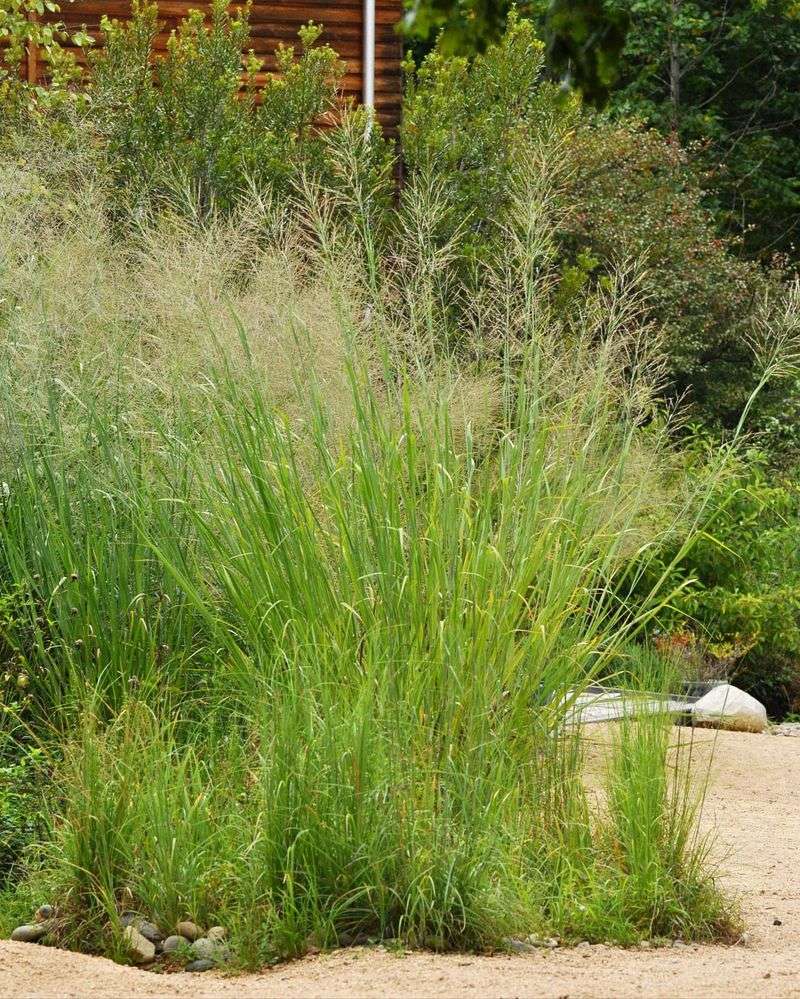
Some yards stay damp after every storm, then rats start nosing around the wetter corners where mulch, seed, and pet food scents collect.
Switchgrass, Panicum virgatum, is useful because it handles those shifting conditions while still creating a hunting-friendly structure rather than a solid hideout.
Switchgrass can grow 3 to 6 feet tall, depending on the selection and the soil, yet its form is airy enough that movement around the base is not completely concealed.
In North Carolina summers, when afternoon storms can dump heavy rain and then turn the air sticky again in an hour, that resilience matters.
You can use it where downspouts drain, near swales, or along a broad back edge that stays too wet for pretty turf.
Barn owls and other open-country hunters tend to favor places where prey crosses between cover and open ground, and switchgrass helps define that crossing.
Plant it in full sun with spacing around 24 to 36 inches.
If the patch flops from too much shade or fertility, thin it or move part of it, because sloppy growth gives rodents more confidence.
In larger yards, pair it with an open mowing strip at least 8 feet wide.
Also keep seed spills cleaned up nearby, because food sources can cancel out the hunting advantage faster than homeowners expect.
Switchgrass is the practical friend in the group.
It manages messy stormwater spots, and it still helps the yard stay readable to a hunting owl.
9. Wax Myrtle
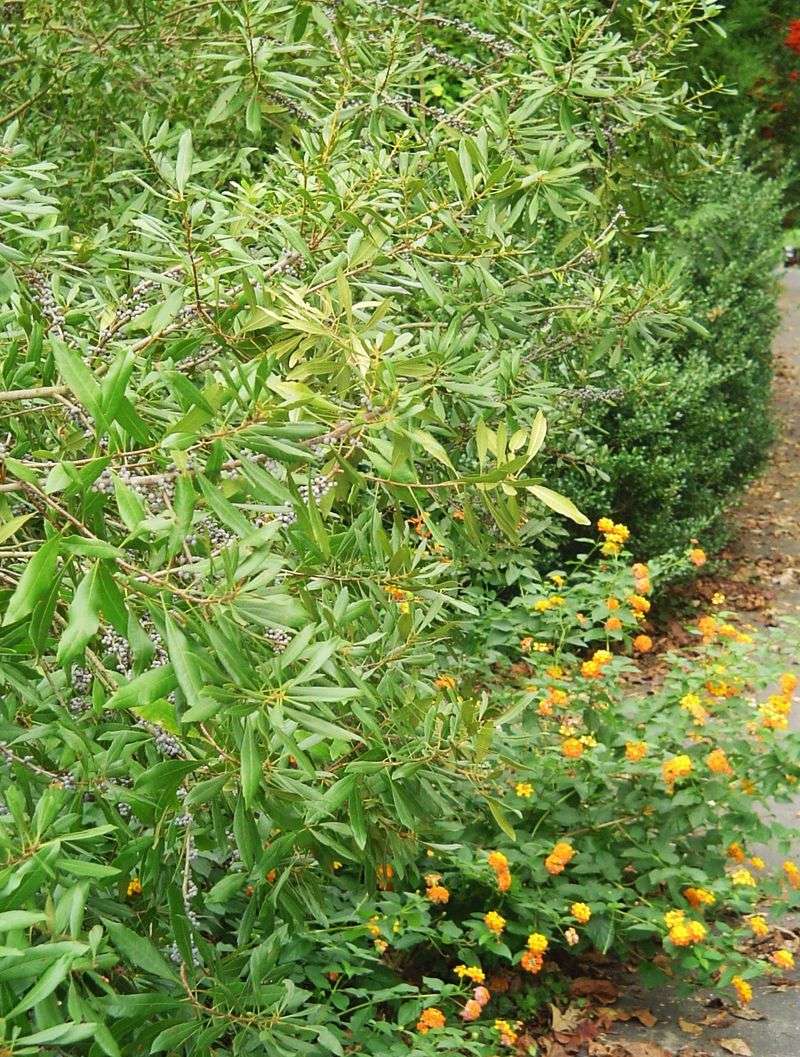
Along the coast and across much of eastern North Carolina, wind, salt, and sandy soil can make plant choices feel like a compromise.
Wax myrtle, Morella cerifera, is one of those rare shrubs that solves a site problem and a wildlife problem at the same time.
It grows fast, often reaching 10 to 20 feet, and forms a flexible screen that bends better in rough weather than many brittle ornamentals.
For owls, the value is not in making a thick wall.
It is in creating a loose staging zone near open ground, compost edges, or the back run of a fence where rodents like to travel.
The fine-textured branching gives daytime cover, but with pruning you can preserve openings at the base and sides so prey movement is still detectable.
That makes wax myrtle especially handy in zones 8a to 8b, where lush growth can get out of hand fast.
Set plants 8 to 12 feet apart if you want individual forms, or a bit closer for a screen you will thin later.
Once established, wax myrtle is fairly drought tolerant, though first-year watering is still worth doing every 7 to 10 days in dry stretches.
If suckers spread too far, cut them at ground level.
And if rats are already active, pair this planting with basic cleanup.
Secure feed, harvest fallen fruit, and skip rodent poisons, which can harm owls according to NC State Extension guidance.
Wax myrtle closes the loop calmly.
Your yard stays greener, more local, and more usable, and the night hunters have one more reason to keep checking in.