
11 Coral Perennials That Give Florida Gardens A Beach-Inspired Look
Follow us on Google
If your yard could use the easygoing color of a Gulf Coast sunrise, coral flowering perennials are a smart place to start. That warm blend of pink, peach, and orange looks especially natural against palms, shell paths, and sandy-toned hardscaping.
In Florida gardens, these shades read fresh rather than fussy, and they pair beautifully with sea grape, muhly grass, and silver foliage. Here are coral bloomers that help your landscape feel relaxed, bright, and a little closer to the shore.
Firebush
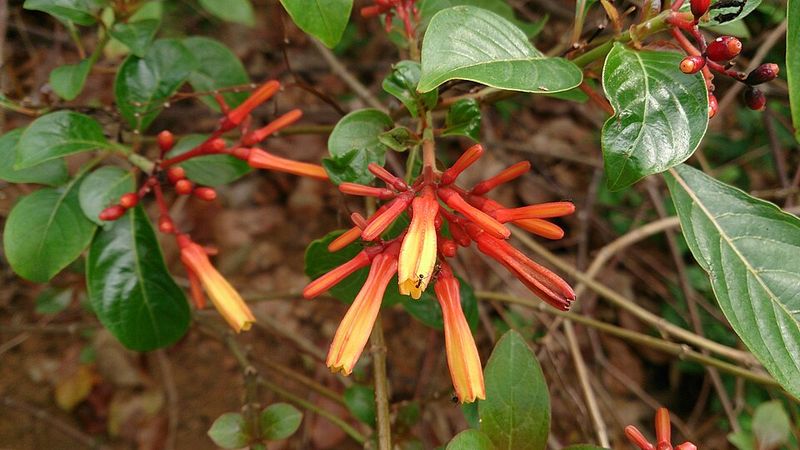
Sun and heat rarely rattle this Florida favorite, which is exactly why it earns a place in beach-inspired planting plans. The coral-orange tubular blooms glow against green foliage and pull in hummingbirds almost daily, giving your yard the kind of movement that makes a space feel alive.
Near a shell path, stucco wall, or driftwood planter, the color reads warm and coastal rather than overly tropical.
Good drainage matters, but once established, this plant handles summer conditions with very little fuss. You will usually get the best flowering in full sun, though light afternoon shade can help in hotter inland spots.
A hard prune in late winter keeps growth dense and prevents it from looking leggy by midsummer.
To make the coral tones stand out, pair it with blue dune grass, silver buttonwood, or pale stone edging. The contrast keeps the planting from feeling flat and gives that airy seaside palette people often try to create with paint and decor alone.
It also works beautifully as a loose hedge where privacy is helpful but formality is not.
If cold weather nips it back, patience usually pays off. In much of Florida, fresh growth returns quickly once temperatures rise, and the plant rebounds with surprising speed.
Peregrina Jatropha
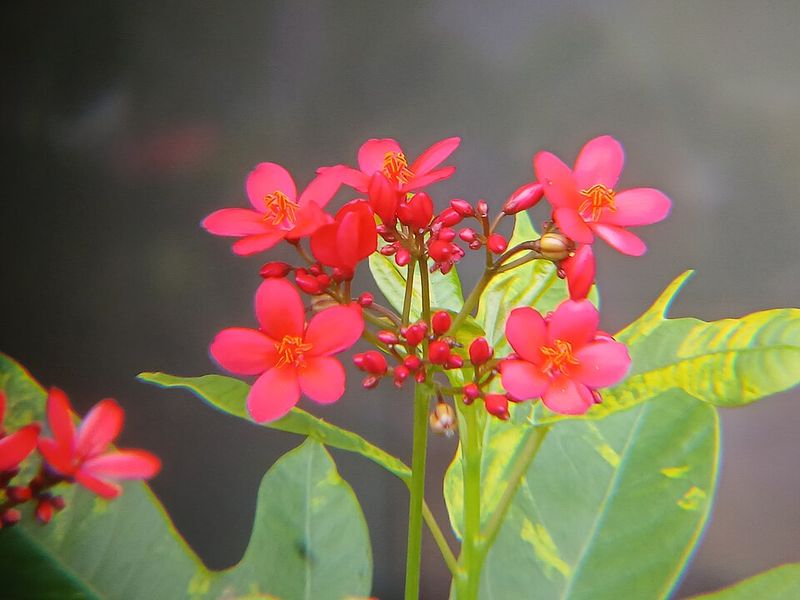
For a softer coral effect that still feels vivid in bright sun, this blooming beauty is hard to beat. Rounded clusters of salmon-coral flowers sit above glossy leaves, and the shape feels neat enough for foundation beds while still looking relaxed in a coastal-style yard.
That balance is useful when you want color without making the garden look crowded or overly formal.
Warm regions of Florida suit it especially well, and it appreciates a spot with plenty of sun and room to breathe. You will get the strongest bloom cycle when soil drains well and the plant is not overwatered after establishment.
Occasional shaping is usually enough to keep the branching attractive and encourage more flowers at eye level.
Coral tones can sometimes disappear against red mulch or brick, so lighter surroundings help here. Try shell stone, pale pavers, or companion plants with gray-green foliage to make the blossoms look cleaner and brighter.
In a small courtyard, one specimen can carry a surprising amount of color through the season.
Hummingbirds notice it quickly, which adds another layer of charm near patios and windows. If you want that beach-town garden mood without relying only on annuals, this plant gives you lasting impact with very manageable care.
Bulbine
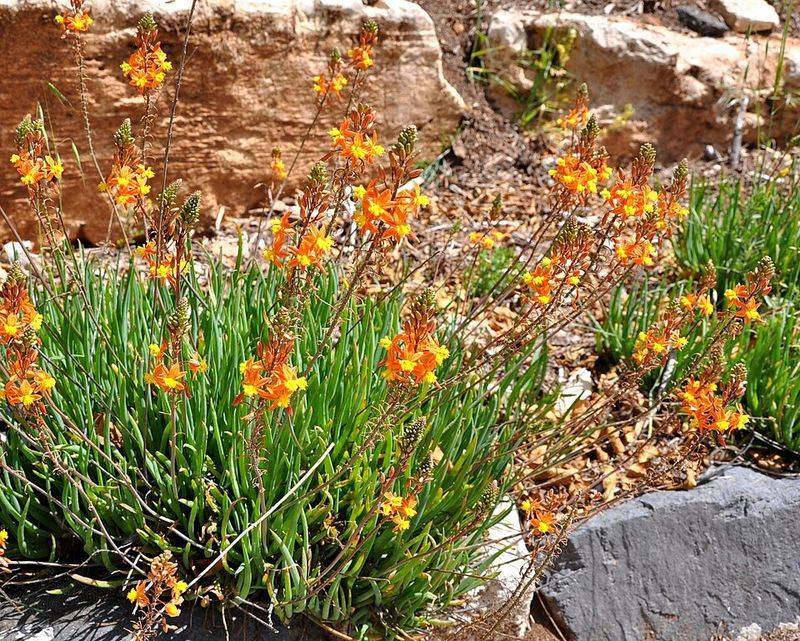
Some of the best beach-inspired plants are the ones that look effortless, and this one absolutely fits that category. Narrow succulent leaves stay tidy near the ground while wiry stems carry small starry flowers in peachy coral tones above the foliage.
The airy flower spikes bring color without heaviness, which is helpful in hot climates where dense plantings can feel visually sticky.
Florida gardeners love it for the same reason busy homeowners do: it asks for very little once rooted in. Full sun brings the strongest flowering, and sandy or sharply drained soil keeps the crown happy during rainy stretches.
It is especially useful in borders near driveways, mailbox beds, and dry side yards where fussier perennials struggle.
To lean into the coastal look, combine it with agaves, blue chalk sticks, or dwarf muhly grass. Those textures give you the easy contrast of dune plants and flowering color without turning the bed into a jumble.
Repeating it in small clumps creates rhythm, which makes a narrow space look intentionally designed.
A light trim can refresh tired flower stems and keep the planting neat through summer. Because the foliage stays compact, it works well close to paths where larger blooming plants would feel too bulky or unruly.
Pentas
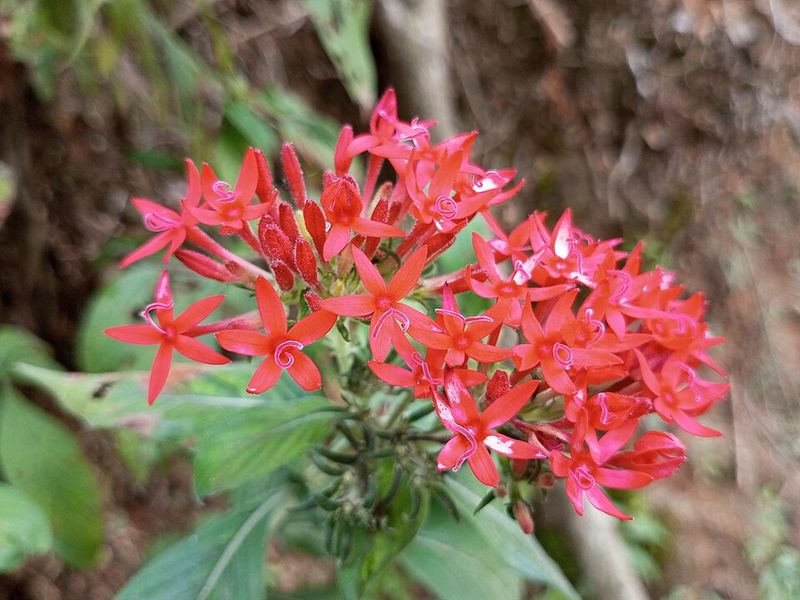
Color that keeps coming through the hottest months is valuable in Florida, and this plant delivers exactly that. Flat-topped clusters in coral, salmon, and pinkish orange bring a cheerful pop that reads especially well against white fencing, oyster shell paths, or weathered wood planters.
Butterflies treat it like a regular stop, so the garden starts to feel animated instead of static.
In much of Florida, it behaves like a dependable warm-season perennial and often looks best when planted in generous drifts. Full sun encourages heavier bloom, though a touch of afternoon shade can help in areas with relentless reflected heat.
Deadheading is helpful but not essential if you prefer a lower-maintenance routine.
Because the flower clusters are rounded and dense, they pair nicely with finer textures. Think blue plumbago, silver artemisia, or narrow ornamental grasses that mimic the softness of dune vegetation.
That mix keeps the bed from becoming too blocky while still giving you enough color to catch attention from the street.
One practical advantage is how well it fits into both containers and in-ground beds. If your patio needs a coastal refresh, a pair of coral pentas pots near the entry can connect the house to the rest of the landscape without requiring a major redesign.
Canna Lily
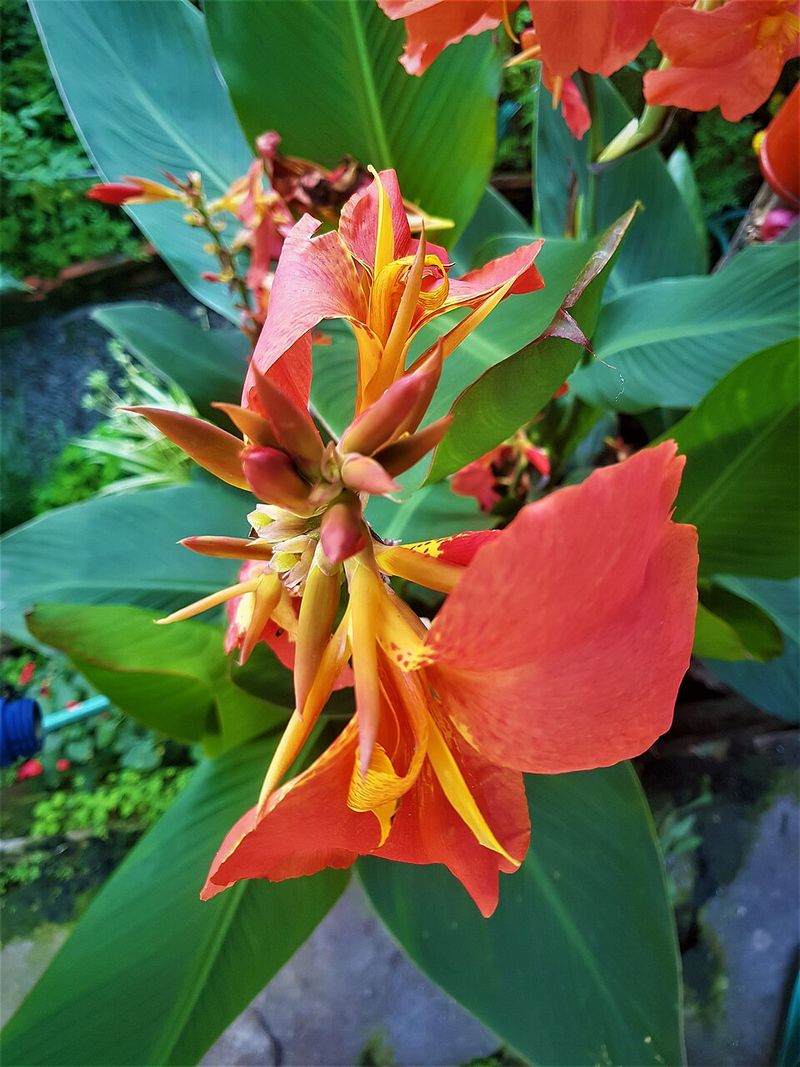
Bold leaves and coral blooms can create that resort-style feeling surprisingly fast, especially in a sunny Florida bed. The flowers rise above large foliage with enough height to anchor a border, and the warm color feels right at home with sandy tones, aqua accents, and tropical textures.
If your garden needs a focal point that still fits a relaxed coastal mood, this is a strong option.
Moist, fertile soil helps cannas look their best, though many handle typical summer rains with ease. You will get stronger performance by cutting spent flower stalks and removing ragged leaves before they distract from the overall shape.
In smaller spaces, compact coral varieties keep the look polished without overwhelming nearby plants.
Use them where you want a little drama, like beside a pool screen, along a fence, or behind lower mounding perennials. The broad foliage contrasts beautifully with feathery grasses and low silver plants, creating the same textural mix you see in stylish coastal landscapes.
A gravel mulch can make the bloom color appear even warmer.
After a long growing season, dividing crowded clumps helps maintain vigor and gives you more plants for free. That is useful if you are trying to tie separate beds together with repeating coral accents across the yard.
Coral Daylily
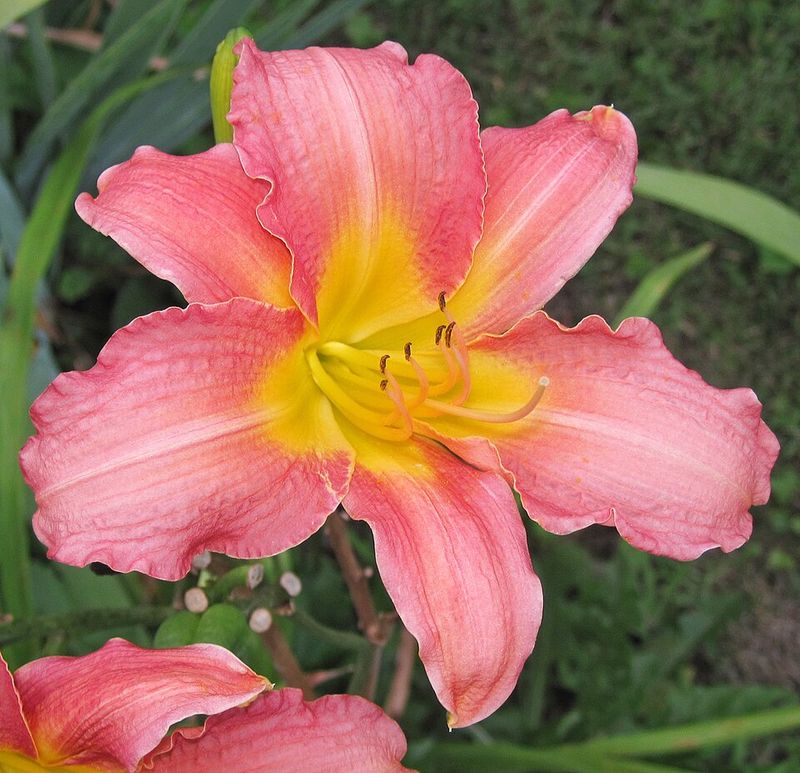
Reliable color is often the difference between a pretty bed and one that looks finished for months, and coral daylilies help close that gap. Their blooms bring a softer, sunset-like shade than bright orange types, which makes them easier to blend into coastal palettes built around sand, shell, white, and blue.
The arching foliage also adds movement that feels breezy instead of stiff.
Many gardeners think of daylilies as ordinary, but the right coral cultivar can look surprisingly refined in Florida settings. Morning sun and decent drainage usually produce the best flowers, while a little spacing improves airflow in humid weather.
Removing spent scapes tidies the clump and encourages the planting to keep looking intentional rather than tired.
These work especially well along walkways where the bloom color can be appreciated up close. Pair them with dwarf fountain grass, blue salvia, or pale rock mulch for a combination that feels fresh and beachy without trying too hard.
Repeating the same variety in several spots gives your landscape a more cohesive design language.
Because each flower is brief, planting in groups matters more than with long-lasting bloomers. When several buds open in sequence, the effect feels generous and continuous, which is exactly what a welcoming front yard needs.
Coral Coneflower
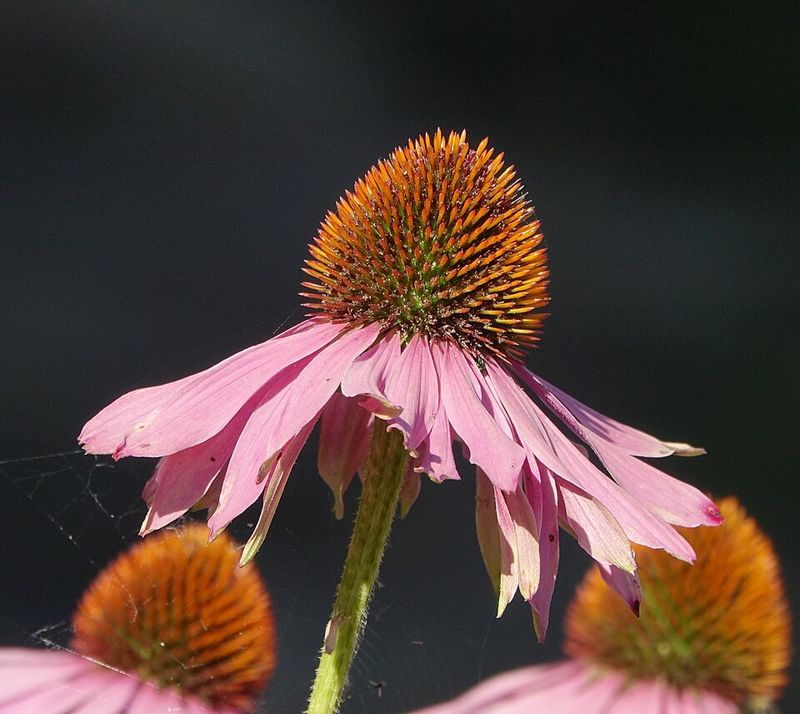
There is something especially appealing about a flower that looks polished yet still attracts bees and butterflies in a practical way. Coral coneflower does that beautifully, offering warm petals that soften the stronger pinks and oranges often found in summer beds.
In a Florida garden with shell stone, weathered wood, and airy grasses, the color feels calm and sun-washed.
Drainage is a big part of success, so raised beds or slightly mounded planting areas are often worth the effort. Full sun keeps stems sturdy and flowering generous, while overcrowding tends to reduce airflow and make the display look messy faster.
A light cleanup of old blooms extends the show and keeps the center cones from dominating the color palette too early.
Because the flower form is upright and distinct, it pairs well with softer companions. Blue mistflower, muhly grass, and low silver foliage all help the coral petals stand out while preserving that beach-garden ease.
This is also a smart choice near seating areas where pollinator activity adds interest but height remains manageable.
One reason gardeners keep coming back to coneflowers is their versatility. You can place them in a mixed border, a pollinator patch, or even a larger container, and the overall effect still feels relaxed, bright, and very Florida-friendly.
Blanket Flower ‘Mesa Peach’
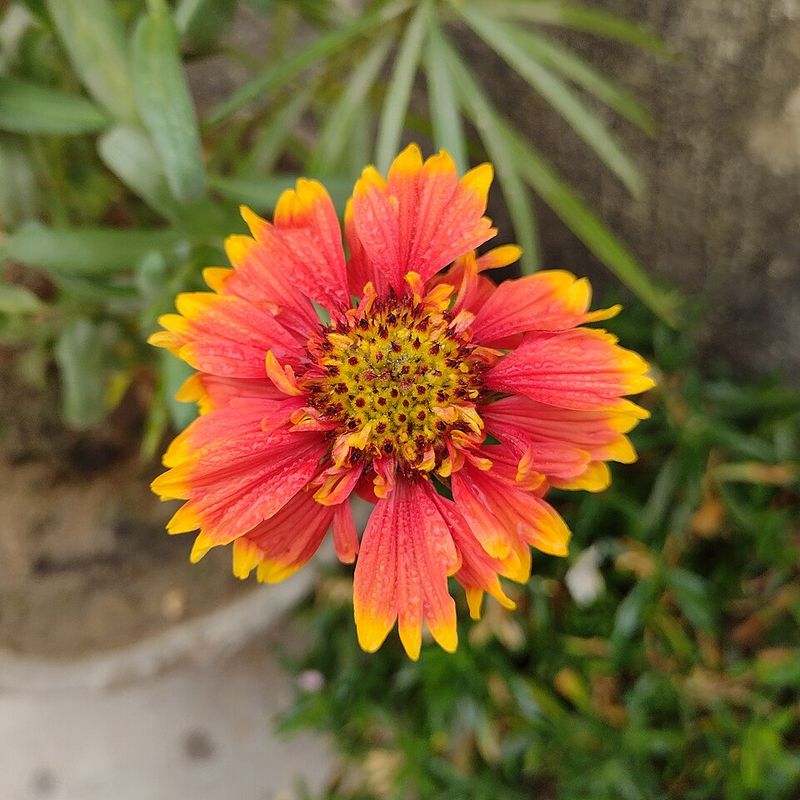
Warm coral-peach petals can make a dry sunny bed look intentional instead of sparse, and that is where this blanket flower shines. The daisy-like blooms bring a sun-faded, seaside color that works beautifully with gravel, pale mulch, and weathered containers.
If you want a plant that feels cheerful without looking sugary, this one hits the right note.
Florida humidity can challenge some daisy relatives, so giving it excellent drainage and plenty of air circulation is important. Full sun is nonnegotiable if you want compact growth and steady flowering through the warm season.
Trimming off exhausted blooms every so often keeps the plant producing and prevents the center from looking tired.
It is especially effective in front-of-border positions where the mounded habit can spill slightly over edging. Pair it with blue fescue, low sedums, or sandy-colored stone to reinforce that beach-inspired palette.
The peachy coral color also bridges orange and pink flowers, which makes plant combinations easier to manage.
Another plus is the casual look it brings to a space. A rigid bed can soften instantly when these flowers are repeated in small clusters, and the effect reads relaxed and inviting instead of tightly staged or overly formal.
Tropical Sage ‘Coral Nymph’
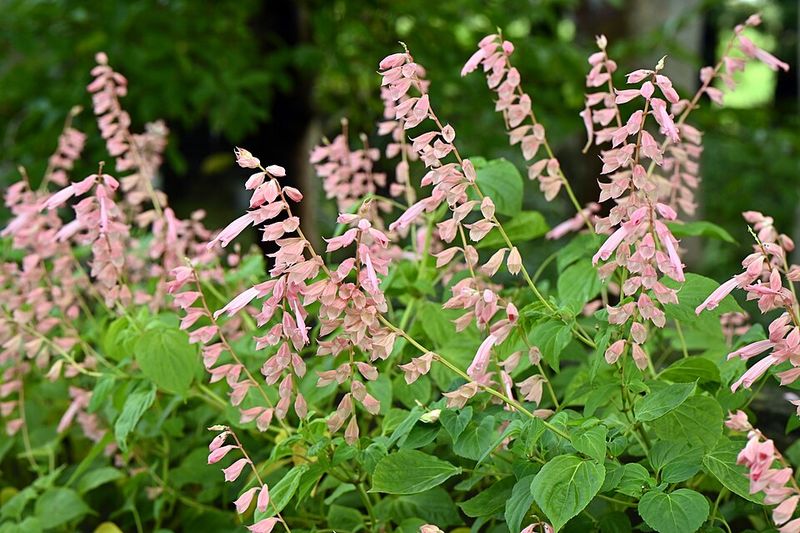
Native and near-native style plantings often feel more at ease in Florida landscapes, and this coral-flowering sage proves that practical can still be pretty. The small blooms appear in abundance and bring a lively wash of color that suits both cottage gardens and looser beach-inspired beds.
Butterflies appreciate it, and the finer texture helps heavier foliage plants feel balanced.
Good sun exposure keeps the stems strong and flowering frequent. In sandy soil, a little compost at planting time helps young plants establish, but once settled, care is refreshingly simple.
Cutting it back lightly after a major flush encourages fresh growth and prevents the center from becoming woody too soon.
The coral bloom color plays nicely with shell mulch, pale gravel, and silver-green companions like dusty miller or artemisia. It also mixes beautifully with native grasses that sway in the breeze, creating a yard that feels connected to Florida’s coastal ecology rather than copied from somewhere else.
That natural look is often what makes a garden feel convincing.
Use it near walkways, mailbox beds, or pollinator patches where frequent bloom can be enjoyed close up. Because it stays relatively manageable, it is an easy way to thread coral color through the landscape without committing to large shrubs everywhere.
Ixora ‘Maui Coral’
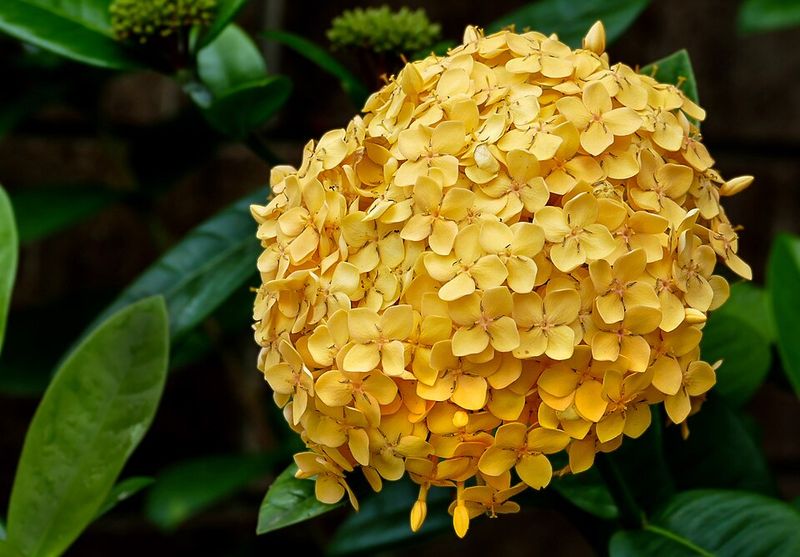
Clustered flowers in a true coral shade can give a front yard that polished South Florida feel without slipping into something too formal. This ixora variety carries color boldly, yet the rounded growth still works in relaxed coastal designs when paired with airy textures and lighter hardscape.
Against white walls or pale stone, the blooms stand out in a crisp, sunlit way.
Warmth, humidity, and regular moisture suit it well, but drainage still matters if summer rains are frequent. You will usually see the best foliage color and flowering when soil leans slightly acidic and the plant gets plenty of sun.
A gentle trim after bloom cycles keeps the shrub compact and encourages more branching without ruining its natural shape.
For a beach-inspired look, avoid surrounding it with too many other dense shrubs. Instead, let it contrast with fountain grass, silver buttonwood, or low spreading groundcovers that keep the composition open.
This makes the coral flower clusters feel more special and prevents the bed from looking heavy.
It is also a strong choice for repeating near entries and along pool areas where lasting color matters. If you want that warm shoreline palette to feel intentional year-round, a dependable coral ixora can do a lot of visual work.
Angelonia ‘Serena Salmon’
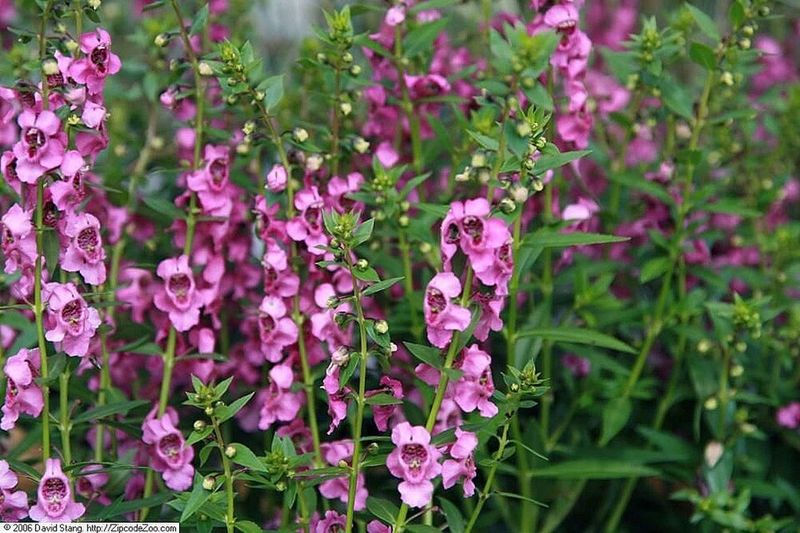
Vertical flower spikes can keep a coastal planting from looking too flat, and coral-salmon angelonia does that with a clean, refined shape. The blooms have a breezy look that fits beautifully with striped cushions, terra-cotta pots, and pale decking, so patios and front entries benefit just as much as garden beds.
In Florida heat, that steady presence is especially valuable.
Sun is the key to compact growth and repeat flowering, and the plant usually handles humidity better than many people expect. Well-drained soil helps prevent sulking during rainy stretches, while a light trim between bloom cycles quickly refreshes the plant.
It is one of those perennials that rewards small bits of maintenance with a much longer season of color.
The coral tone pairs especially well with white calibrachoa, silver foliage, and blue accessories, which is perfect if you want a subtle beach-house palette. In mixed borders, the upright form threads through mounding plants and gives the whole arrangement more structure.
That means you can use softer, looser companions without the bed feeling shapeless.
Containers are where it really earns extra points. A pair of pots by the door or beside outdoor seating can make the entire area feel brighter, more welcoming, and tied to the larger garden without requiring constant replacement.