
14 Pink Perennials Florida Homeowners Use For Vibrant Front Yard Appeal
Follow us on Google
A front yard feels instantly more welcoming when pink flowers soften the heat, hard lines, and bright Florida light. The best part is that you do not need fussy plants to get that colorful curb appeal year after year.
These pink perennials handle Florida conditions surprisingly well when you match them to your sun, soil, and watering habits. If you want your entry to look cheerful, polished, and a little more memorable from the street, these picks earn their space.
Pentas
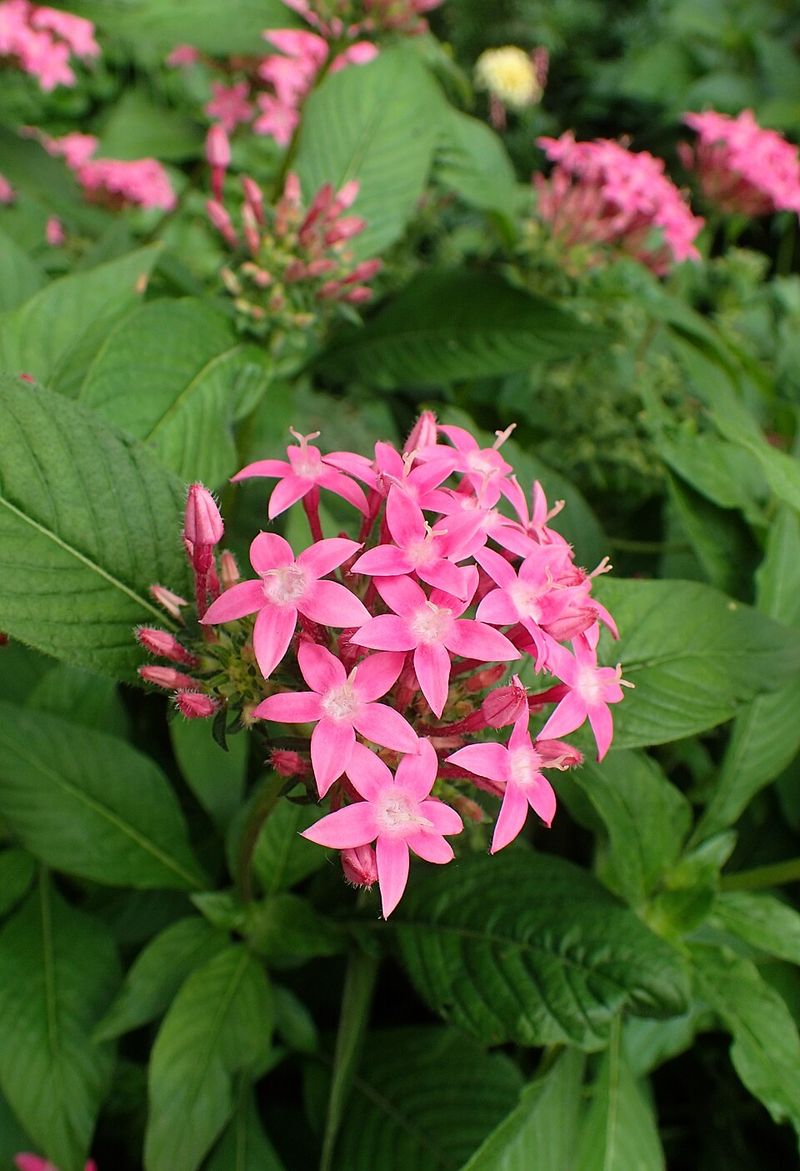
Bright clusters of starry blooms give a front bed an instant boost, especially when Florida heat starts wearing out fussier flowers. Pink pentas keep producing color through long warm stretches, and that consistency matters when you want your entry to look lively instead of patchy.
You also get the bonus of butterflies stopping by, which makes the whole yard feel more active and welcoming.
Full sun brings the strongest bloom set, though a little afternoon shade can help in especially hot inland spots. I like placing these near walkways or mailboxes where their rounded shape can soften concrete edges without blocking sightlines.
Soil that drains reasonably well is enough, and a light trim every few weeks keeps plants dense instead of lanky.
Florida homeowners often use pentas as the dependable middle layer between lower edging plants and taller shrubs. Pink varieties pair nicely with white vinca, silver foliage, or dark green crotons if you want contrast without visual clutter.
During rainy periods, avoid overwatering, because too much moisture can reduce vigor faster than many people expect.
When you want color with very little drama, this one earns attention. A small group can look pretty, but a larger drift reads better from the street and gives your front yard a cleaner, more intentional finish.
Society Garlic
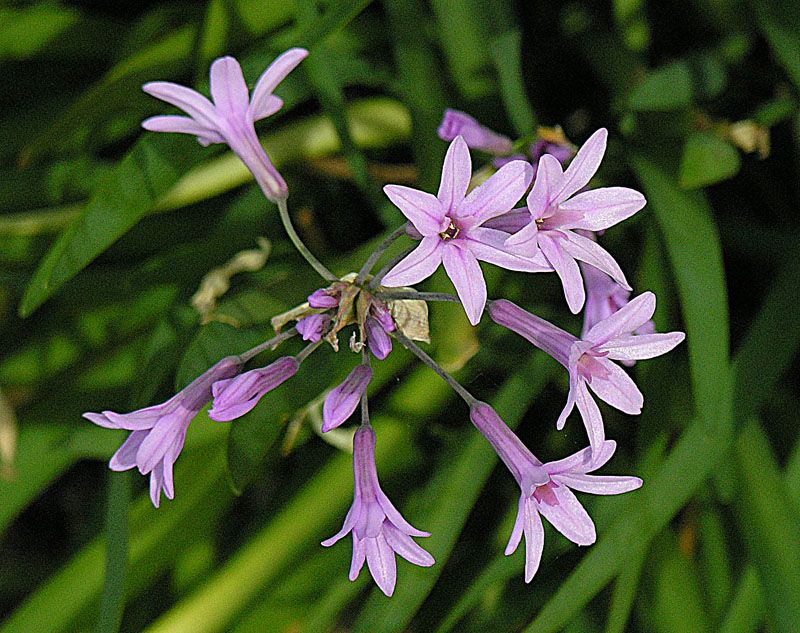
Strappy foliage and tidy pinkish lavender flower clusters make this plant a smart choice when you want structure and softness together. Society garlic has a clean, upright look that works beautifully along driveways, front walks, and sunny foundations.
In Florida landscapes, it handles heat well and keeps your beds looking organized even when other flowering plants take a break.
The leaves stay attractive for much of the year, so you are not relying only on bloom season for impact. I find it especially useful in modern or low maintenance yards because the narrow foliage repeats nicely and creates a rhythm that feels planned.
Those flower stalks rise just enough to add color without making a border seem overgrown.
Give it full sun for the best performance and avoid heavy, soggy spots that stay wet after summer storms. Once established, it tolerates dry periods better than many bedding favorites, which helps if your watering routine is inconsistent.
A quick cleanup of spent stems keeps clumps fresh, and dividing older plants every few years improves vigor.
Near pink annuals, white stone, or deep green shrubs, society garlic reads as polished rather than flashy. That balance is exactly why so many Florida homeowners use it in front yards where they want dependable color, a neat silhouette, and very little extra work.
Rain Lily
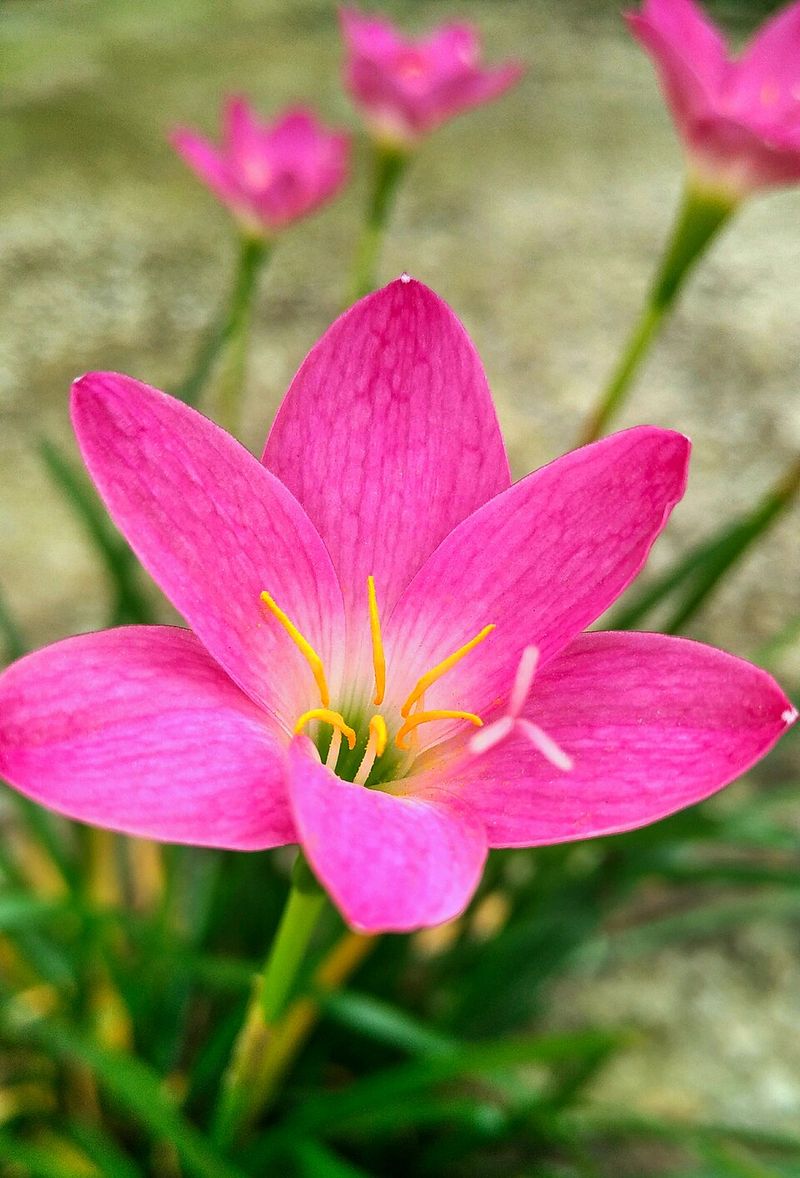
After a good Florida rain, these delicate pink blooms can seem to appear almost overnight, which gives your front yard a charming surprise factor. Rain lily is small, but that is part of its appeal because it slips easily into edging, pockets between pavers, or the front of mixed beds.
Instead of shouting for attention, it adds those little flashes of color that make a landscape feel thoughtfully layered.
The grassy foliage stays unobtrusive, so you can tuck bulbs around existing plantings without making the bed look crowded. I like using them near pathways where the flowers are easy to notice up close after summer showers.
In larger drifts, they create a soft ribbon of pink that looks especially pretty against mulch or pale gravel.
Good drainage matters, but these bulbs are remarkably forgiving once settled in. They appreciate sun to partial sun, and they tend to naturalize over time if the spot suits them.
That means your display usually improves each year without the constant replanting you would face with short lived seasonal color.
Because the blooms are petite, placement is everything. Use rain lily where people actually see details near a front porch, curbside bed, or mailbox garden, and it rewards you with a refined look that feels effortless instead of overly designed.
Mexican Petunia
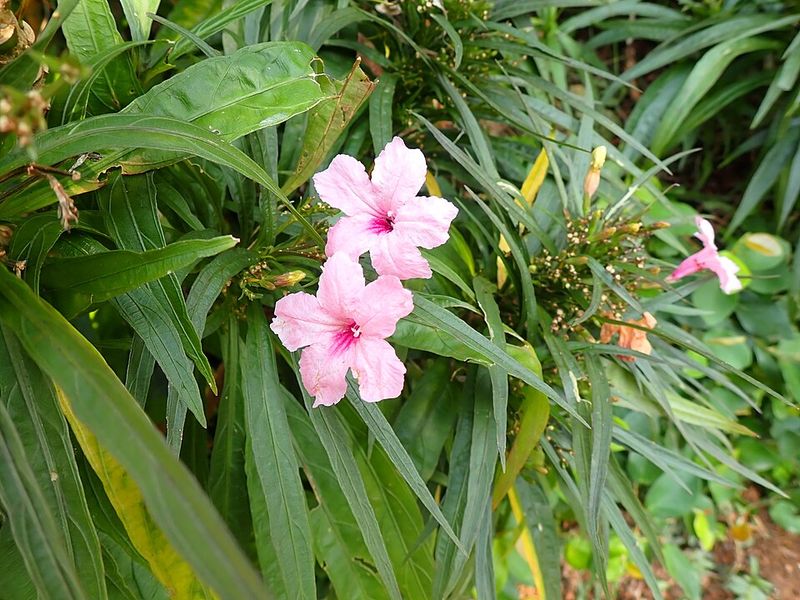
Tall enough to stand out but easy enough for everyday landscapes, pink Mexican petunia brings reliable flower power to hot Florida yards. The trumpet shaped blooms open against narrow green leaves and create a vertical accent that reads well from the street.
If your front bed needs something stronger than a low border plant, this one fills that gap quickly.
It performs best in sunny areas, and it can tolerate the kind of summer moisture that challenges many other perennials. I often think of it as the plant for people who want color but do not want to hover over every dry spell or thunderstorm.
Near fences, utilities, or the side of a driveway, it gives a softer look to hard spaces.
There is one important caution: standard forms can spread aggressively in parts of Florida. Choosing sterile or better behaved cultivars is the smartest route for front yard use, especially in smaller beds where control matters.
A periodic trim keeps plants fuller and prevents that loose, flopping look that can make a foundation border seem untidy.
Pink varieties are especially effective when paired with white dwarf pentas, liriope, or simple evergreen shrubs. You get repeated color through warm months, a strong upright form, and a plant that still looks like it belongs in a practical, easy care Florida landscape.
Gaura
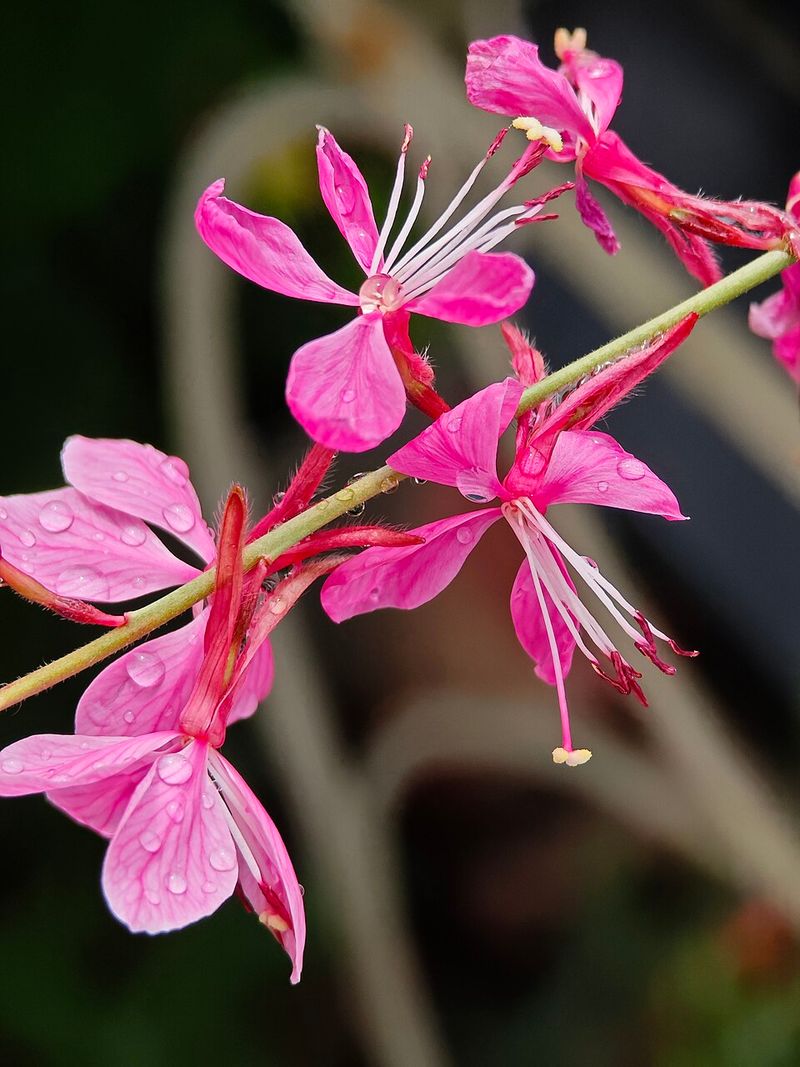
Airy flower wands give a planting bed movement that heavier blooming plants cannot match, and that is where pink gaura shines. The blossoms seem to hover above the foliage, adding a relaxed softness that works beautifully in Florida front yards with a more natural style.
Instead of looking stiff or formal, your border feels breezy and alive even on still afternoons.
Full sun is the sweet spot, and sharp drainage helps more than rich soil. I like using gaura near ornamental grasses, dwarf shrubs, or boulders because the fine texture keeps the bed from feeling bulky.
It is especially helpful if your yard needs something that bridges the look between cottage planting and clean suburban structure.
Once established, gaura handles dry spells fairly well, which is useful in spots that do not get pampered irrigation. A light trim after a big flush encourages another round of bloom and keeps stems from becoming too loose.
In Florida humidity, good spacing is worth the effort because airflow helps maintain a fresher appearance.
Pink forms read best when planted in groups, not as isolated singles that disappear from the street view. Tucked into the middle of a front bed, gaura adds motion, soft color, and a slightly more upscale look without demanding the kind of maintenance that makes curb appeal feel like a chore.
Purple Coneflower
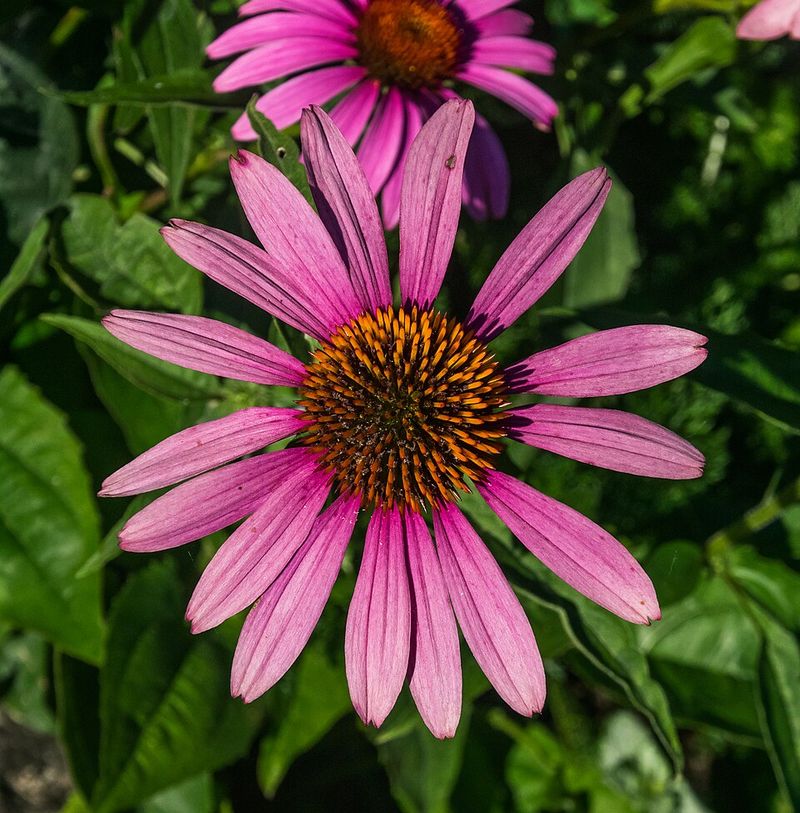
Large daisy like flowers with raised centers bring a classic garden look, and pink coneflowers can absolutely hold their own in the right part of Florida. Their shape is bold enough to show from the street, while the color still feels friendly and easy to blend with other front yard plants.
If you like a pollinator focused landscape that still looks tidy, this perennial makes a strong case for itself.
North and Central Florida gardeners usually have the easiest time, especially in sunny sites with decent drainage. I would not place it in a soggy foundation bed, because it prefers soil that dries slightly between waterings rather than staying wet all summer.
Pairing it with lower mounding plants helps support the stems visually and creates a fuller composition.
Deadheading extends bloom, but leaving some spent flowers later in the season can add texture and feed birds. There is also something nice about how coneflower looks a little natural without reading messy, which is hard to achieve in a front yard.
Pink petals mix especially well with blue salvia, white gaura, or silver foliage for a balanced palette.
When used in repeating clusters instead of random singles, coneflower gives your entrance a calmer, more designed look. It is a solid choice for homeowners who want flowering perennials that feel cheerful, useful to wildlife, and visually substantial.
Angelonia
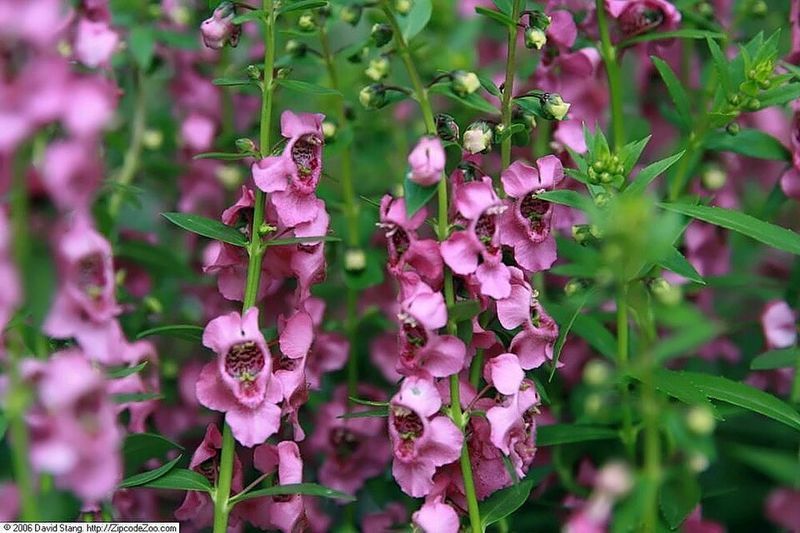
Vertical flower spikes add just enough formality to a sunny bed, and pink angelonia does that without looking rigid. In much of Florida it performs like a warm season staple, blooming through heat that makes many other flowers stop trying.
For front yard impact, those upright wands create a crisp line that reads beautifully from the curb.
Rich color and a narrow profile make it especially useful in smaller spaces where wide, sprawling plants feel cluttered. I like it beside sidewalks, in narrow foundation strips, or repeated through a mailbox bed where each clump acts like an exclamation point.
The blooms hold well in humidity, so your display stays presentable longer than you might expect.
Full sun is best, and consistent moisture helps new plants establish, but mature clumps can tolerate brief dry periods. Trimming off tired spikes encourages fresh growth and keeps the overall shape compact.
In frost free parts of the state, plants may persist longer than expected, giving you more value than short lived seasonal flowers.
Pink varieties look polished with white pentas, purple fountain grass, or dark mulch that makes the blooms stand out. If your goal is a front yard that feels bright, tailored, and easy to maintain, angelonia delivers color and structure in a way that suits Florida homes extremely well.
Crinum Lily
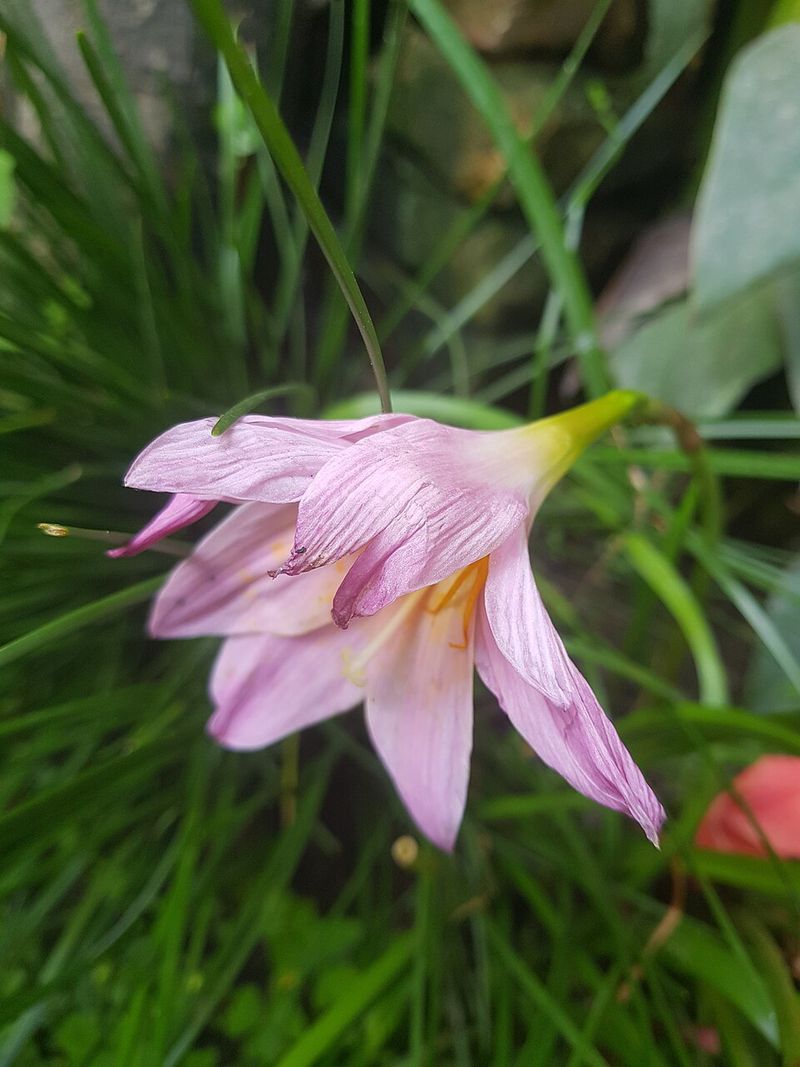
Big strap leaves and oversized pink blooms give this plant a substantial, established look that smaller perennials simply cannot copy. Crinum lily feels at home in older Florida neighborhoods, coastal gardens, and tropical style front yards where you want permanence.
Even when it is not in flower, the foliage provides a bold anchor that helps a bed look finished.
These bulbs appreciate room to spread, so they are better suited to medium or larger front yards than tiny entry beds. I like placing them where their arching leaves can soften corners of a house, screen the base of a porch, or frame a pathway without creating a dense wall.
The flowers rise above the foliage and have a graceful, almost old Florida character.
Crinum handles heat, humidity, and occasional wet spells with impressive resilience once established. It does not need constant division or fussing, which is part of its appeal for homeowners who want reliable structure.
Give it sun to partial shade and resist the urge to move it often, because settled clumps usually perform best over time.
Pink forms pair nicely with low white edging plants or darker evergreen shrubs that keep the scene grounded. If your front yard needs a perennial that feels generous, durable, and unmistakably suited to Florida, crinum lily brings that mature garden presence in a very convincing way.
Canna Lily
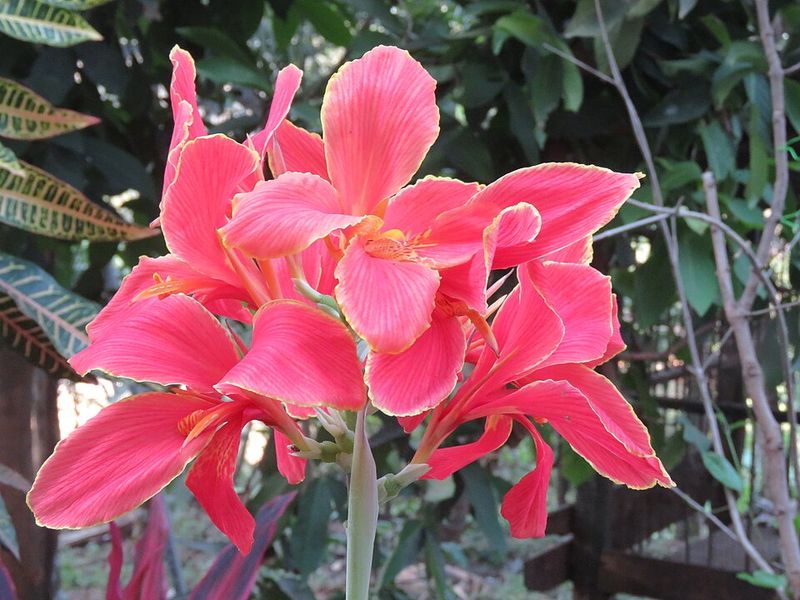
Bold leaves and vivid pink blooms make this an easy pick when your front yard needs stronger visual weight. Canna lily brings a tropical feel that suits Florida naturally, and it can make an ordinary foundation bed look much more intentional.
From the street, the flowers read clearly, while the foliage gives the planting a solid backbone between bloom cycles.
It works best where there is enough space for its height and width, so think corner beds, porch flanks, or broad driveway islands. I would not squeeze it into a narrow strip against the house, because the leaves need room to show off without looking cramped.
Sun keeps flowering strongest, though some afternoon shade is acceptable in very hot spots.
Regular moisture helps canna look its best, and richer soil usually produces more impressive growth. Removing spent stalks keeps the clump neat and encourages fresh shoots, which matters in a front yard where everything is visible.
In colder parts of the state, foliage may get knocked back, but rhizomes often return strongly when warmth settles in again.
Pink varieties soften the dramatic foliage better than hotter colors if you want curb appeal that feels colorful but still refined. Near white walls, black shutters, or simple evergreen shrubs, canna lily creates a striking focal point without making the whole yard feel busy.
Daylily
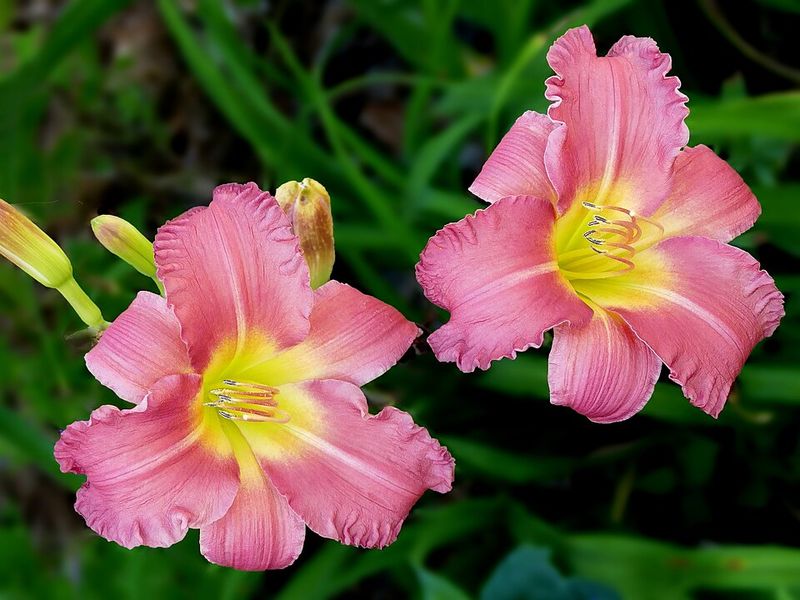
Reliable color and arching foliage give pink daylilies a practical charm that works especially well in front yard borders. Each bloom lasts briefly, but established clumps produce enough buds to keep the display going for weeks.
That steady turnover is useful when you want a yard that always has something fresh to show visitors and neighbors.
Florida gardeners in the northern and central parts of the state often have the best results, particularly with heat tolerant cultivars. I like using daylilies in repeated groupings because the strap like leaves create a clean rhythm along walks and driveways.
They also help bridge the gap between low edging plants and taller shrubs without feeling bulky.
Good drainage matters, and too much shade can reduce flowering fast. A little cleanup after the main bloom period keeps clumps tidy, and dividing every few years prevents crowded growth.
If you pick varieties with soft pink petals and contrasting throats, the flowers stand out nicely against dark mulch or crisp concrete edging.
There is something approachable about daylilies that suits family homes and polished suburban landscapes alike. They are colorful without being fussy, structured without appearing stiff, and dependable enough to justify the space they take in a front yard where every planting decision needs to earn its keep.
Rose Mallow Hibiscus
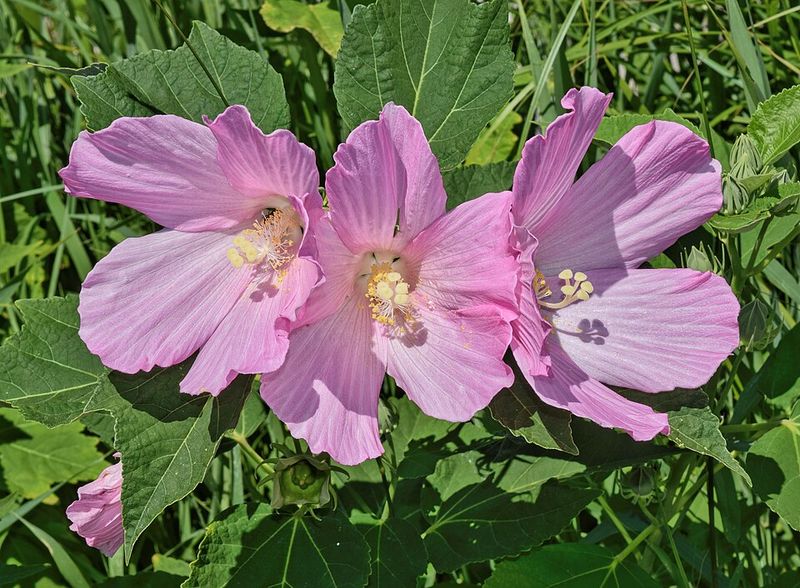
Huge pink blooms create instant drama, and few perennials command attention the way rose mallow hibiscus does. If your front yard needs a focal point near the porch or in a wider bed, those dinner plate flowers can carry the whole scene.
Florida light flatters the petals beautifully, making the plant look vibrant without relying on complicated design tricks.
This is a better choice for spots with room, because mature plants can become broad and visually dominant. I like placing it where one strong specimen can shine instead of competing with many medium sized plants.
Rich soil, regular moisture, and good sun help it perform at its best, especially during the hottest months.
Even with its tropical look, rose mallow brings a softer, more garden like feel than standard shrub hibiscus. Cutting it back when needed keeps the shape manageable and encourages fresh growth from the base.
In front yards, that maintenance is worth doing because oversized stems can make the area feel less polished than intended.
Pink forms look especially appealing near white homes, pale stone, or simple green backdrops that let the blooms take center stage. If you want neighbors to notice your planting from the road without filling the bed with many different flowers, this perennial delivers a big visual payoff from a single placement.
Phlox
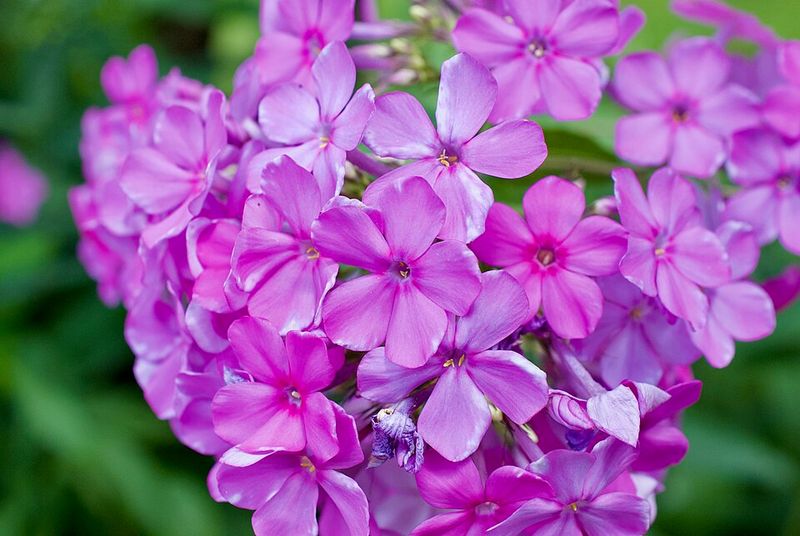
Clusters of pink flowers can give a front border a softer, cottage style feel, and garden phlox brings that romantic look in a very readable way. In the right Florida setting, it adds height, color, and a fuller flower head that stands out without feeling harsh.
For homeowners who want the yard to feel friendly rather than highly formal, phlox is a lovely fit.
North Florida offers the best conditions, especially where summers are a bit less punishing and air movement is decent. I would choose a sunny site with good spacing, because crowded plants in humid weather can struggle faster than you expect.
A spot near a porch edge or fence line often works well if it gets enough light and does not stay soggy.
Consistent watering at the base helps, while overhead watering can encourage mildew issues in less ideal locations. Deadheading spent blooms keeps the show going longer and gives the clumps a cleaner front yard appearance.
Pink shades blend easily with white shasta type flowers, blue salvia, or low evergreen edging if you want a layered look.
Used thoughtfully, phlox gives a home a welcoming garden personality that still looks maintained. It is not the most carefree option on this list, but in suitable Florida areas, the payoff is a generous display of color that makes the front yard feel warm and personal.
Dwarf Ixora
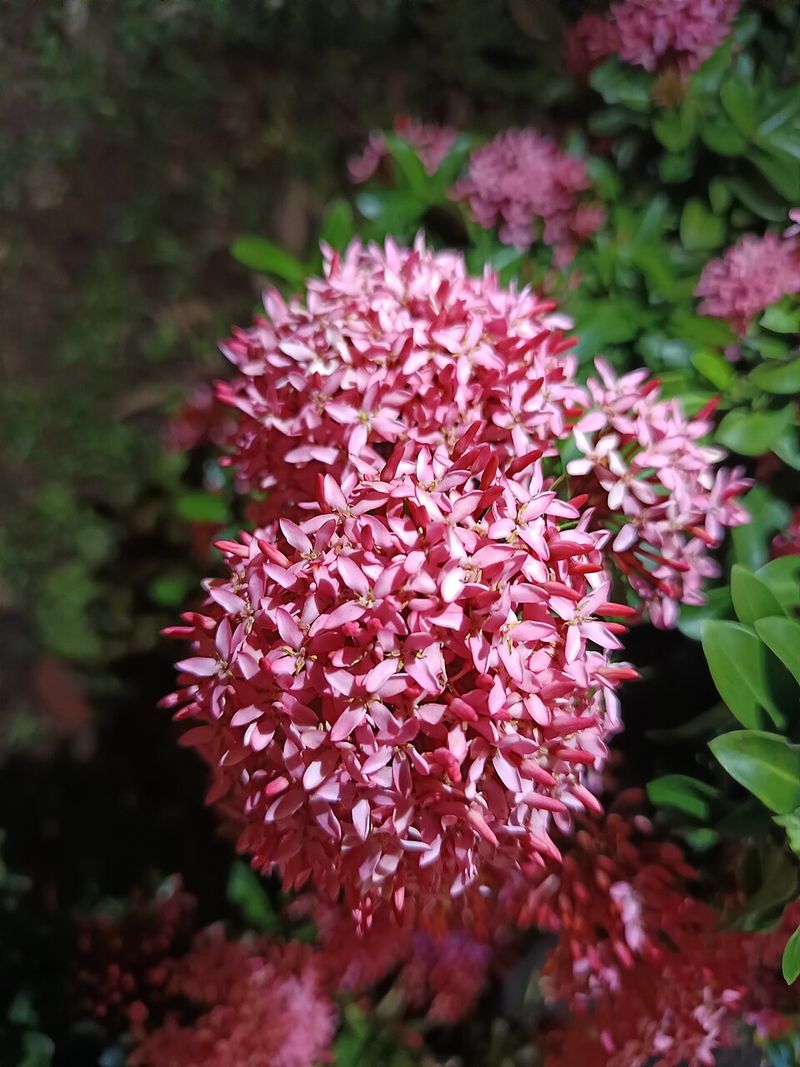
Rounded evergreen growth and dense pink flower clusters make dwarf ixora one of the most useful color plants for Florida front yards. It offers the neat appearance of a shrub with the long blooming appeal many homeowners want from perennials.
That combination is hard to beat when you need foundation plantings that stay attractive without constant seasonal changes.
Heat and humidity do not bother ixora much once it is established in a suitable site. I find it especially helpful near entryways because the compact form keeps windows and walkways clear while still adding enough color to feel cheerful.
Grouping several plants together creates a stronger visual block, which usually looks better than scattering singles through a bed.
Acidic, well drained soil helps it thrive, and regular watering during establishment leads to denser growth. In alkaline soil, leaves can yellow, so it is worth checking your conditions before planting.
A light trim after blooming keeps the shape rounded and polished, but heavy shearing can reduce the natural flower display you are trying to show off.
Pink selections pair beautifully with white homes, palms, and low groundcovers that keep the bed from feeling top heavy. For homeowners who want lasting color, evergreen presence, and a front yard that looks maintained in every season, dwarf ixora consistently earns its reputation.
Salvia coccinea ‘Coral Nymph’
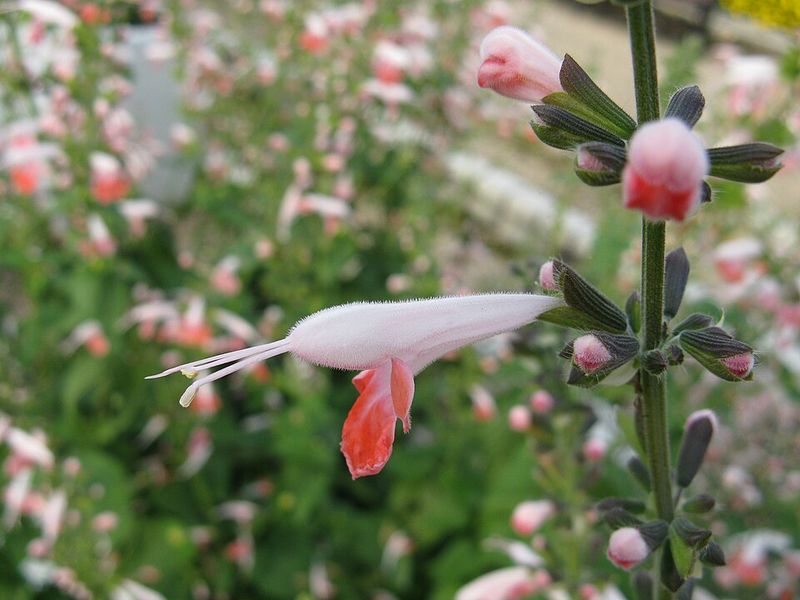
Soft coral pink flower spikes bring a lighter, more relaxed kind of color that suits Florida homes beautifully. Salvia coccinea ‘Coral Nymph’ has a natural, easy presence, but it still looks neat enough for a visible front yard bed.
Pollinators love it, and that added motion can make a small entry garden feel more alive without adding clutter.
Sun encourages the best flowering, though a little shade is acceptable in hotter inland locations. I like weaving this salvia through other perennials rather than using it as a rigid border, because the airy stems look best when they can move a bit.
Near white pentas, ornamental grasses, or dark leaved shrubs, the pink tones feel fresh and modern.
It often reseeds lightly, which can be helpful if you enjoy a landscape that fills in naturally over time. Removing spent spikes tidies the plant and encourages repeat bloom, but you do not need to fuss over every stem.
In Florida, that mix of resilience and softness is exactly what many homeowners want in a plant they can actually live with.
For curb appeal, the trick is using enough of it so the color reads from the street. A few scattered plants disappear, while a small drift creates a welcoming wash of pink that looks thoughtful, seasonal, and friendly to visiting butterflies.