
12 White Perennials That Stay Fresh In Florida Coastal Garden Conditions
Follow us on Google
Florida coastal gardens ask a lot from plants. Salt spray, sandy soil, heat, humidity, and sudden downpours can wear down anything that is not built for the job.
If you want white flowers that still look crisp and bright instead of tired by midsummer, these perennials earn their space. Each one brings a clean, cooling effect to the garden while handling seaside conditions with more grace than you might expect.
Spider Lily
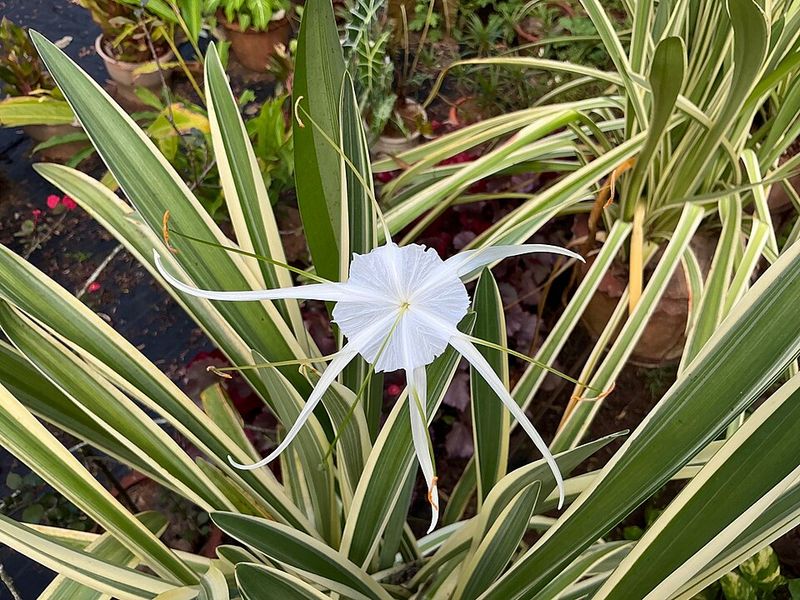
Salt air can be rough on delicate blooms, yet this striking bulb handles coastal life with impressive confidence. The flowers look almost sculptural, with narrow white petals that flare outward like little fireworks above tidy green foliage.
In a beachside bed, that shape reads clean and airy instead of heavy.
Morning sun and light afternoon shade usually keep it looking freshest in hotter parts of Florida. Sandy soil is not a problem if drainage is quick, and a layer of compost helps the bulbs settle in faster.
During establishment, regular watering matters, but once rooted, it copes well with normal coastal fluctuations.
Placement makes a noticeable difference. Tuck it near walkways, mailboxes, or entry paths where the unusual flowers can be appreciated up close.
White blooms also glow beautifully at dusk, which is useful if your garden gets most of its attention in the evening after the heat breaks.
Clumps slowly expand, so you get a fuller display without constant replanting. After flowering, the strap-like leaves still look neat enough to support the surrounding design.
If you want something refined, resilient, and a little dramatic without being fussy, this one fits that role beautifully in a Florida coastal setting.
White Crinum Lily
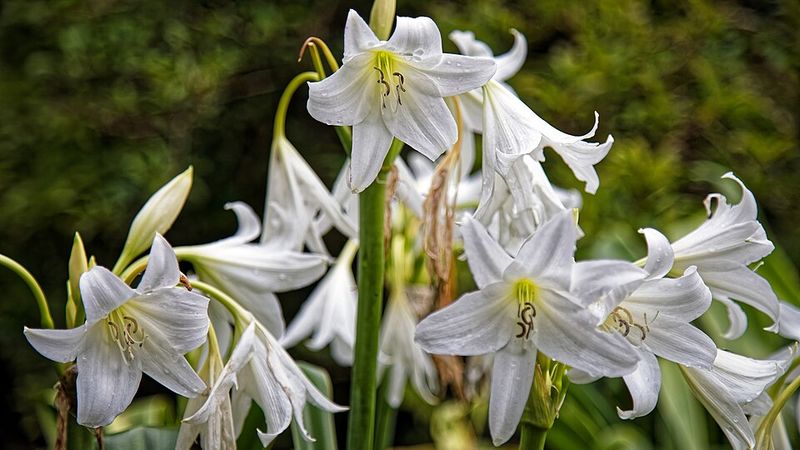
Few plants look as unfazed by a hot, humid coastal summer as this bold lily. Its broad leaves create a strong tropical shape, while the white trumpet flowers bring a crisp brightness that softens all that green.
That contrast feels especially useful in Florida gardens where intense sun can make colors look harsh.
Space is important because mature clumps become substantial over time. Give it room near a fence line, along a driveway edge, or at the back of a mixed bed where the arching foliage can spread naturally.
It appreciates moisture during active growth but also handles sandy conditions better than many gardeners expect.
One reason people keep it for years is reliability. Even when the weather swings from soaking rains to baking heat, established plants continue to look composed.
The flowers are lightly fragrant too, which adds another layer of appeal if you pass by them often on your way to the patio or front door.
Maintenance stays refreshingly low. Old leaves can be trimmed away when they fade, and division is only needed when clumps become crowded.
For a coastal yard that needs a plant with presence, durability, and white blooms that do not disappear against strong light, this perennial deserves serious consideration.
White Lily
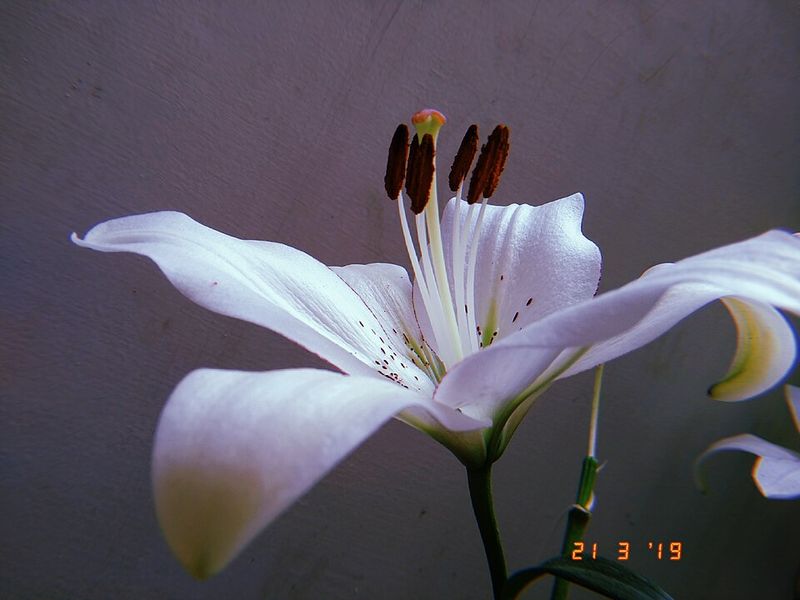
Round clusters of white flowers rising above strap-like leaves give this perennial a polished, architectural look. In coastal Florida, that neat form is valuable because it helps planting beds feel intentional even when the weather gets wild.
The blooms sit high enough to catch attention without taking over the entire scene.
Sun encourages the best flowering, though very hot inland-adjacent coastal spots can benefit from a touch of afternoon shade. Good drainage matters more than rich soil, so sandy beds are often fine once organic matter is mixed in.
If the roots are allowed to settle and become slightly snug, flowering usually improves.
It works beautifully in repeated drifts along paths, pool decks, or modern foundation plantings. White flower heads pair especially well with silver foliage, shell paths, and pale hardscaping, creating that breezy seaside feeling many people want without leaning too tropical.
Cut stems also hold well indoors, which is a nice bonus.
After the main bloom cycle, the foliage continues to provide structure. Remove spent stems to keep the clump crisp, and divide only when flowering declines or overcrowding becomes obvious.
For gardeners who like a clean, organized look with dependable summer interest, this plant fits coastal Florida better than its refined appearance suggests.
White Gaura
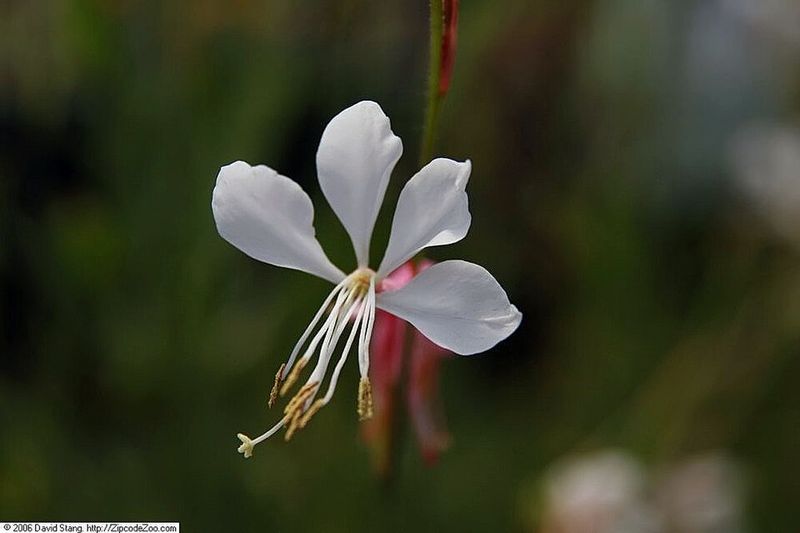
Airy movement can make a coastal border feel cooler, and this perennial delivers exactly that. Slender stems carry small white flowers that seem to hover above the foliage, creating a soft, floating effect in the breeze.
Instead of forming a rigid mass, it adds looseness that balances heavier tropical leaves nearby.
Full sun suits it best, especially where drainage is sharp and the soil is not overly rich. In fact, pampering can make it floppy, while leaner coastal conditions often keep growth stronger and more compact.
Water regularly at first, then back off once roots are established so the plant learns its place.
Because the flowers appear over a long season, it is useful for filling those awkward gaps between major bloom flushes. Try it beside white lantana, dwarf grasses, or blue-gray succulents for a relaxed palette that still feels deliberate.
Pollinators appreciate it too, which adds motion and life without extra effort from you.
Light shearing keeps the plant neat and encourages fresh flowering if it starts to look tired. It is not the most formal option on this list, but that is exactly why it succeeds in many coastal gardens.
When you want white blooms that feel breezy rather than stiff, this perennial earns its keep.
White Rain Lily
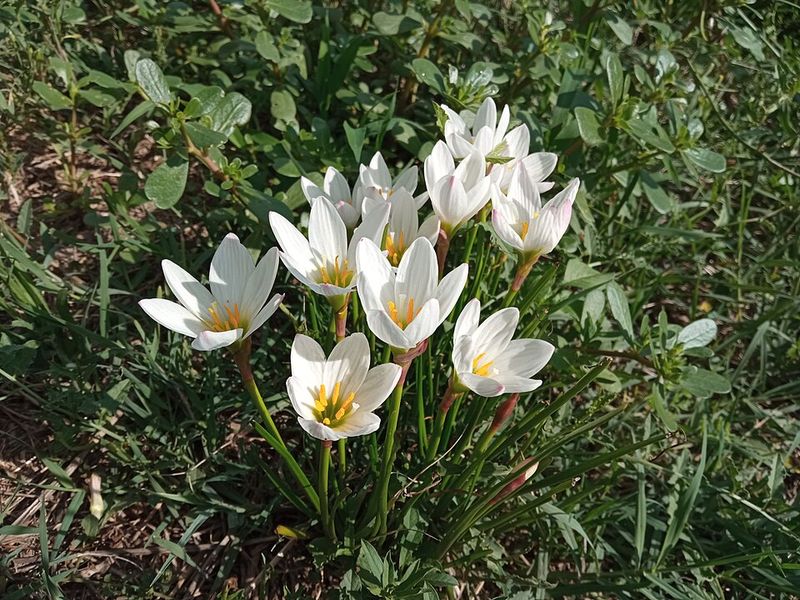
After one of those classic Florida downpours, this little bulb often surprises you with a fresh flush of white flowers. That response to rain gives it a timely charm, especially in coastal gardens where the weather can shift dramatically within hours.
Small blooms may not dominate a bed, but they create moments people remember.
Its grassy foliage stays unobtrusive, making it easy to weave between larger perennials without crowding the design. Sunny sites are ideal, and sandy soil is often perfect as long as drainage remains reliable.
Once planted in groups, it gradually forms cheerful colonies that look natural rather than overly staged.
Use it along path edges, in shell-rock borders, or near patios where those post-rain bloom cycles can be enjoyed up close. White flowers show best when massed, so resist the urge to scatter single bulbs too widely.
A concentrated drift creates more visual impact and makes the planting feel intentional.
Care is minimal, which is another reason it suits busy gardeners. The foliage does not demand much grooming, and established bulbs typically rebound well after heat and seasonal storms.
For a coastal yard that needs a gentle, sparkling accent instead of a large statement plant, this perennial adds freshness at just the right times.
White Pentas
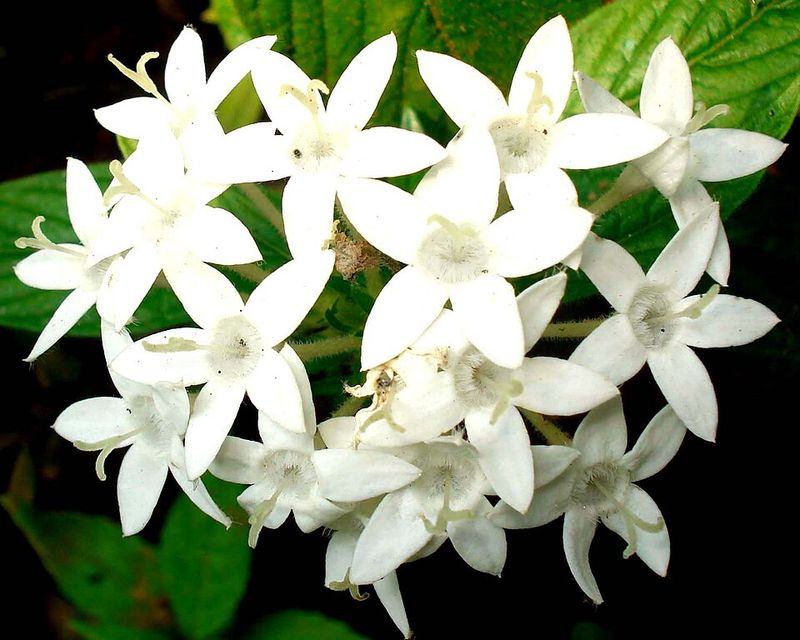
Starry clusters and nonstop energy make this plant one of the easiest ways to keep a coastal bed looking awake. White forms feel especially useful because they brighten hot color schemes and pair with almost everything.
Instead of fading into the glare, the flower clusters read crisp against deep green foliage.
In frost-free parts of Florida, it behaves as a dependable perennial and flowers for a long stretch with surprisingly little drama. Full sun encourages the strongest bloom set, though a bit of afternoon relief can help in intensely reflective locations near pavement or pale walls.
Regular deadheading is helpful but not always necessary.
Butterflies visit often, so this plant earns double value in places where you want motion near seating areas or front entries. Group it with white gaura, blue salvia, or dwarf grasses for a combination that feels breezy yet structured.
Because the mounded habit stays manageable, it is useful in smaller coastal gardens too.
Consistent moisture helps it look its best, especially in sandy beds, but mature plants recover quickly from short dry spells. A light trim every so often prevents legginess and keeps the shape compact.
If your garden needs reliable white color through heat, humidity, and regular summer weather swings, this perennial is hard to overlook.
White Plumbago
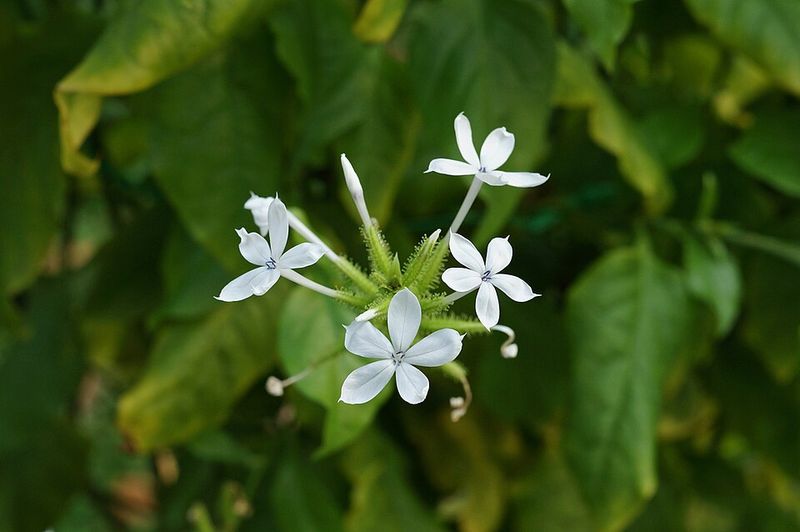
Soft white flower clusters and a relaxed mounding habit make this plant useful when a border needs volume without looking rigid. In coastal Florida, that easy shape helps beds feel full even when other perennials are between bloom cycles.
The color stays gentle and cooling, which is welcome in strong summer light.
Sun produces the best flowering, though it can handle a little light shade if the site is bright overall. Sandy soil is rarely an issue once roots establish, and the plant responds well to periodic watering during dry spells.
It is tougher than its delicate flowers suggest, especially in warm coastal zones.
Try it where the branches can spill a bit, such as along a low wall, near the corner of a porch, or at the front of a mixed tropical border. White blooms mix easily with blue, silver, and chartreuse foliage, letting you build a calm palette instead of a loud one.
That flexibility is part of its appeal.
A light haircut after a heavy flowering period keeps it compact and encourages fresh growth. It is not the most famous white perennial for Florida, but it handles the climate with very little fuss.
For gardeners who want soft structure, long bloom, and an easy coastal look, this plant deserves more attention.
White Lantana
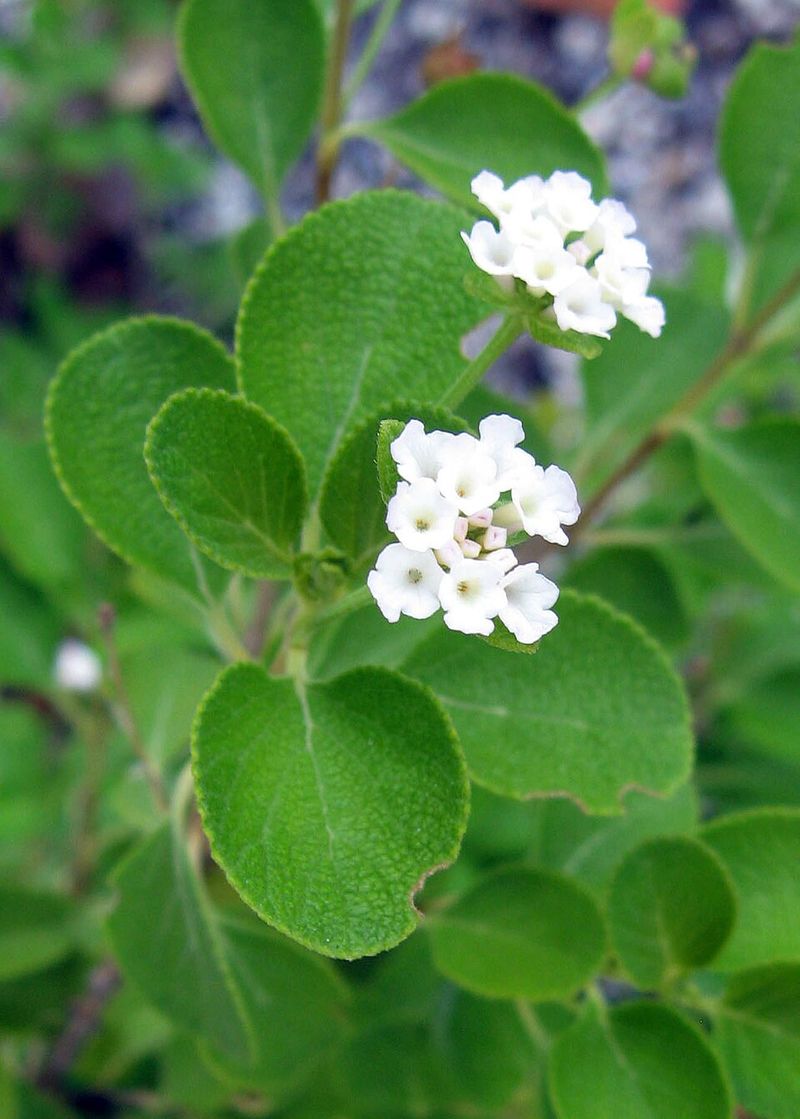
Heat, glare, and sandy soil stop feeling like problems once this perennial enters the picture. White lantana keeps blooming through conditions that make many other plants pause, and that consistency is gold in a coastal garden.
The flower clusters are bright without looking stark, especially against the textured foliage.
Full sun is the sweet spot, and excellent drainage helps the plant stay dense and healthy. Once established, it handles drought well, which matters in exposed seaside spots where wind dries beds quickly.
If your location gets occasional salt spray, it usually continues performing with very little complaint.
Its low, spreading habit makes it a strong choice for edges, slopes, and the front of sunny mixed borders. Butterflies show up regularly, adding life to the planting without demanding extra maintenance from you.
Pair it with white rain lilies or silver-leaved companions for a combination that feels clean and practical.
Shearing back lightly now and then keeps the mound compact and prevents a woody look. Because it flowers over such a long season, you get dependable white color when many spring favorites have already checked out.
In coastal Florida, that kind of staying power often matters more than a brief, perfect bloom show.
White Butterfly Ginger
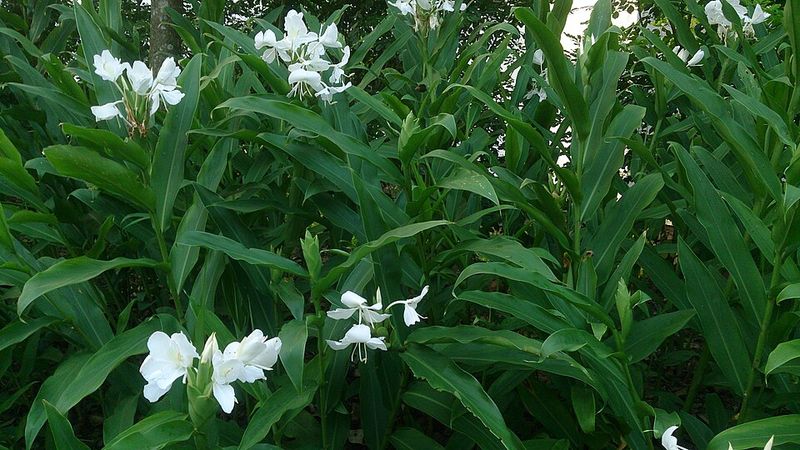
Fragrance changes the whole experience of a garden, and this perennial brings it in a memorable way. The white flowers have a soft, butterfly-like shape that feels refined, while the upright foliage adds a tropical note that suits Florida beautifully.
Near a patio or path, the scent becomes part of the landscape rather than a background detail.
It appreciates moisture and rich soil more than some of the tougher plants on this list, so amendment helps in sandy coastal beds. Bright light with some afternoon shade often keeps foliage looking better through peak summer heat.
In sheltered spots, it handles the humid climate very well and returns with confidence.
Placement is worth thinking through because mature clumps can become sizable. Use it where height is welcome, such as behind lower flowering perennials or beside a privacy screen that needs seasonal softness.
White blooms stand out best when the background is dark green, a fence, or evergreen shrubs.
After flowering, you can remove older stalks to keep the clump tidy and encourage fresh growth. It is not the plant for the driest, most exposed strip by the road, but in the right coastal microclimate it performs beautifully.
If you want white flowers with evening fragrance and a tropical feel, it is a standout choice.
White Daylily
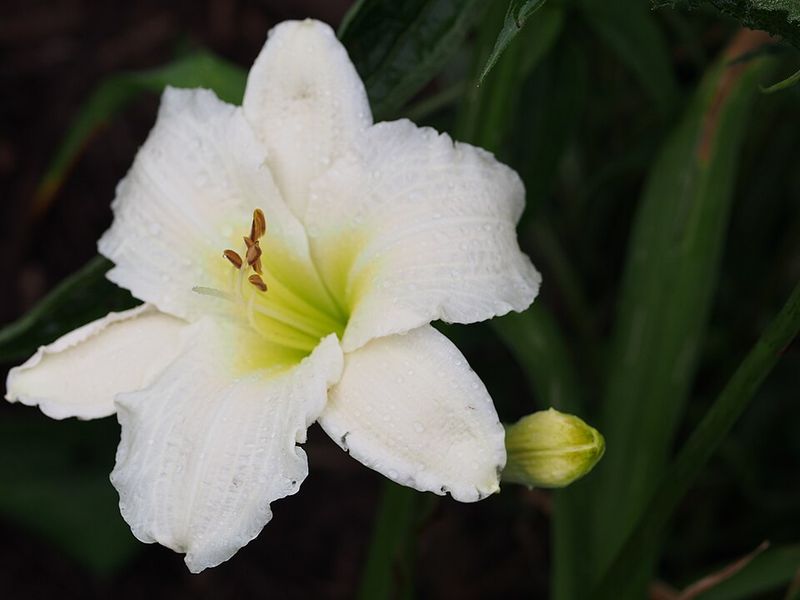
Strong foliage and dependable flowering make this perennial more practical than many people realize for coastal Florida. White cultivars bring a cooler, cleaner look than brighter tones, especially in gardens with stone, gravel, or pale stucco nearby.
The blooms may last only a day each, but multiple buds keep the show moving.
Choosing heat-tolerant cultivars is the key to success. In sunny beds with decent drainage and occasional supplemental water, plants establish quickly and hold up well through humid weather.
Sandy soil is fine once compost is worked in, and a mulch layer helps roots stay more evenly moist between summer rains.
Use them in broad clumps rather than as isolated single plants. Massing creates stronger impact and makes the strappy foliage read as a design feature instead of filler.
White daylilies pair nicely with dwarf grasses, agapanthus, and silver foliage, giving a coastal bed a tidy rhythm that still feels relaxed.
Remove spent flower stalks after the bloom cycle to keep the planting clean, and divide clumps every few years if performance slows. Some gardeners overlook daylilies because they seem common, but the right white selection can look surprisingly sophisticated.
In a Florida seaside garden, that blend of familiarity and durability is genuinely useful.
White Ruellia
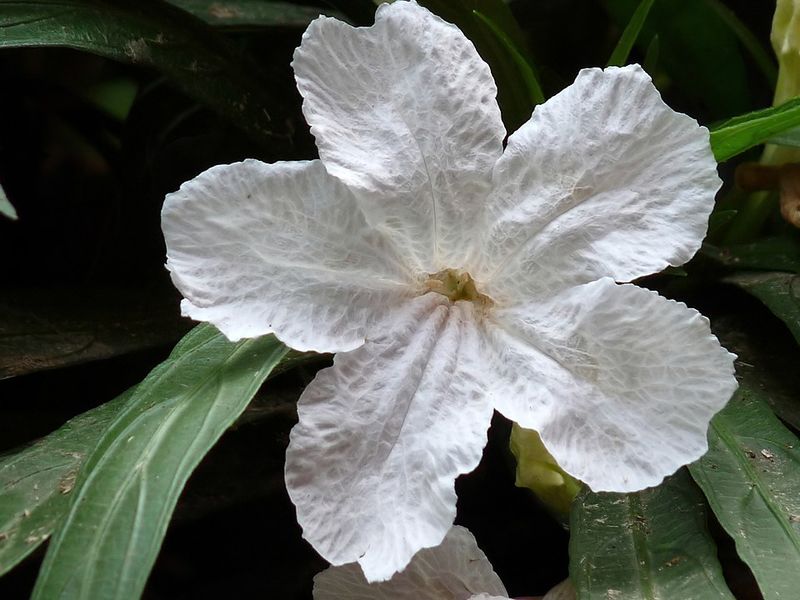
For long-lasting color in difficult heat, this perennial earns attention quickly. White ruellia produces trumpet-shaped flowers that read bright and fresh even on blazing afternoons, and the narrow foliage stays tidy enough to support a clean planting scheme.
In coastal Florida, that ability to keep going through heat and humidity is a real advantage.
Full sun encourages heavier bloom, though it can adapt to light shade if the site stays bright. It tolerates sandy soil well and handles periodic wet spells followed by drier stretches without falling apart.
That resilience makes it useful in spots where irrigation is not perfectly consistent or weather patterns are erratic.
Dwarf or well-behaved selections are often the smartest choice for home landscapes, especially if you want an organized look. Try it in repeated groups along a path, at the front of a sunny border, or around a mailbox where the flowers can soften hard edges.
White blooms also help visually cool darker mulch and paved areas.
Cutting plants back lightly once they look tired usually sparks fresh growth and more flowers. Before planting, check local guidance and choose noninvasive forms when available.
With the right cultivar, this perennial gives you a steady stream of white blooms that stays useful in challenging coastal conditions.
Star Jasmine
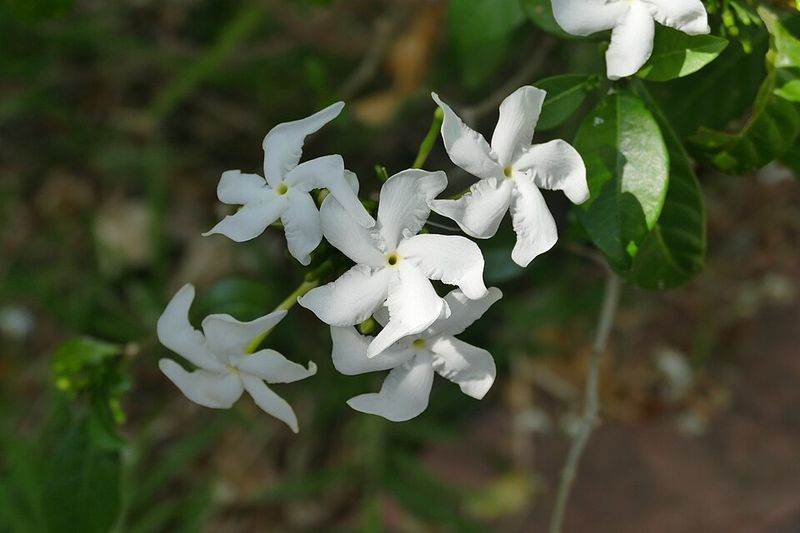
Not every perennial star in a coastal garden has to stand upright in a flower bed. This evergreen vine brings glossy foliage, fragrant white flowers, and year-round structure, which makes it especially valuable where garden space is limited.
On a fence, trellis, or mailbox post, it adds softness without sacrificing order.
Flowering is heaviest in bright light, though protection from harsh late-day exposure can help leaves stay richer in color near reflective coastal surfaces. It tolerates sandy soil once established, especially if planting holes are amended to improve moisture retention at the start.
Regular watering during the first season sets it up for better long-term performance.
The white pinwheel blooms are small but abundant, and the fragrance carries surprisingly well in humid air. That makes this vine ideal near seating areas, gates, or front entries where scent matters as much as appearance.
Paired with shell paths or pale walls, the flowers stand out beautifully after sunset too.
Pruning is straightforward and mostly about guiding shape rather than correcting major problems. Tie in new growth where you want coverage, then trim after the main bloom period to keep it neat.
For coastal Florida gardeners who want white flowers plus dependable evergreen presence, this perennial vine offers a practical and polished solution.