
10 Yellow Perennials Florida Gardeners Love For Nonstop Tropical Color
Follow us on Google
Florida gardens can handle heat, humidity, rain bursts, and bright sun, so your flowers need real stamina. Yellow perennials bring that cheerful tropical glow while standing out beautifully against palms, crotons, and deep green foliage.
If you want beds, borders, and containers that keep looking lively for months, these sun-loving favorites deserve a spot in your yard. Some bloom nearly nonstop, and others earn their place by asking for very little while giving back a lot.
Bulbine
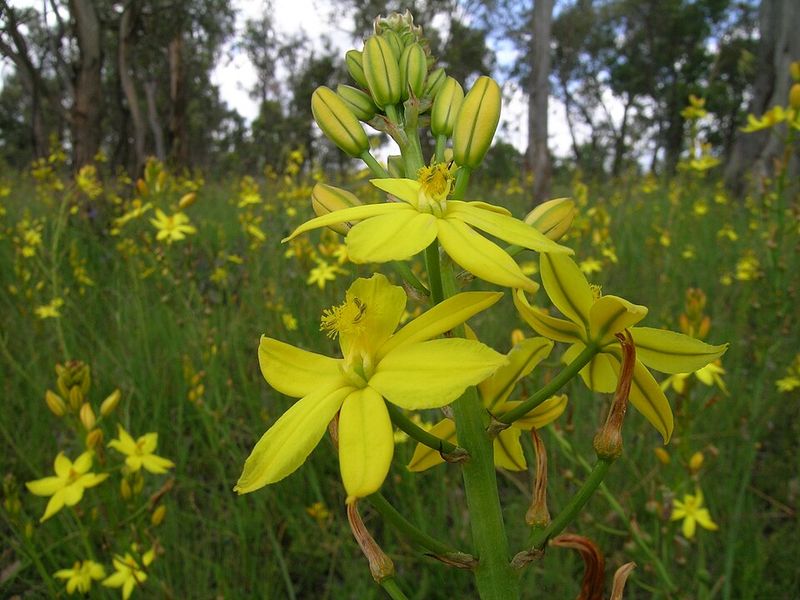
For a plant that handles Florida heat without acting dramatic, this one is hard to beat. The grassy foliage stays tidy, and the starry yellow blooms rise on slender stems that seem to keep coming for months.
You get that airy, tropical color without the heavy maintenance some showier flowers demand.
Full sun gives the best flowering, but light afternoon shade works in hotter inland gardens. I like planting it near walkways, mailbox beds, or rock-edged borders where the succulent leaves can drain quickly after summer downpours.
Sandy soil is fine, and once it settles in, drought tolerance becomes one of its best features.
Bloom production improves if you clip spent stalks every week or two instead of letting everything dry in place. It also looks especially good mixed with purple pentas, blue salvia, or dark mulch because the yellow flowers read brighter against deeper colors.
If you need a perennial that fills gaps and softens hard edges, it does that gracefully.
Cold snaps may burn the foliage in North Florida, yet regrowth usually returns fast in warm weather. In Central and South Florida, it can look good nearly year-round with very little fuss.
Tickseed
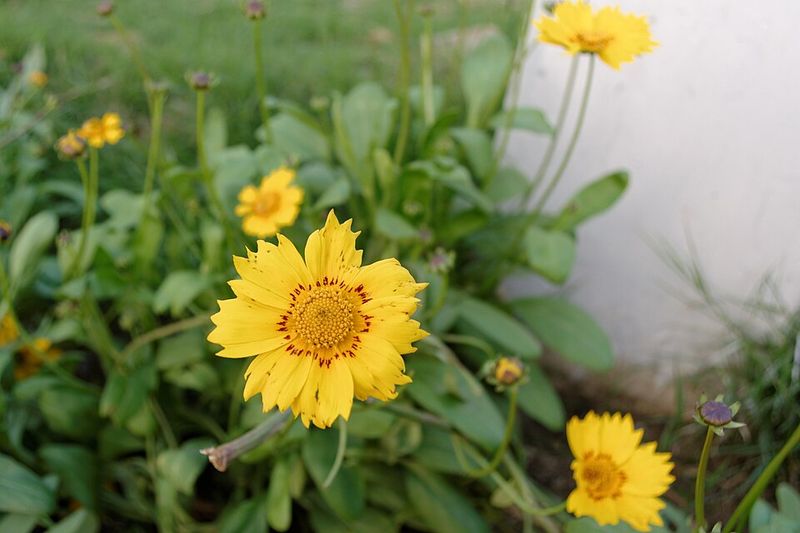
Nothing brightens a Florida bed faster than a drift of sunny tickseed swaying in the heat. As the state wildflower, it feels perfectly at home in local landscapes, and the cheerful yellow daisies read from across the yard.
You get a natural look, but the plant still feels polished enough for front entry beds.
Good drainage matters more than rich soil, which is great news if your yard leans sandy and lean. Full sun keeps stems sturdy and bloom counts high, especially through the warmer months when many other flowers slow down.
I would tuck it into native plantings, cottage-style borders, or any spot that needs a reliable burst of color.
Deadheading helps extend the display, though some varieties keep producing even if you are a little lazy about cleanup. Butterflies appreciate the flowers, and seedheads can attract birds if you leave a few late in the season.
That balance of beauty and wildlife value makes it feel like a smart plant, not just a pretty one.
Shorter cultivars work well in containers, while taller forms create movement in mixed beds. If your goal is nonstop yellow without pampering, few choices feel this easy and this unmistakably Floridian.
Canna Lily
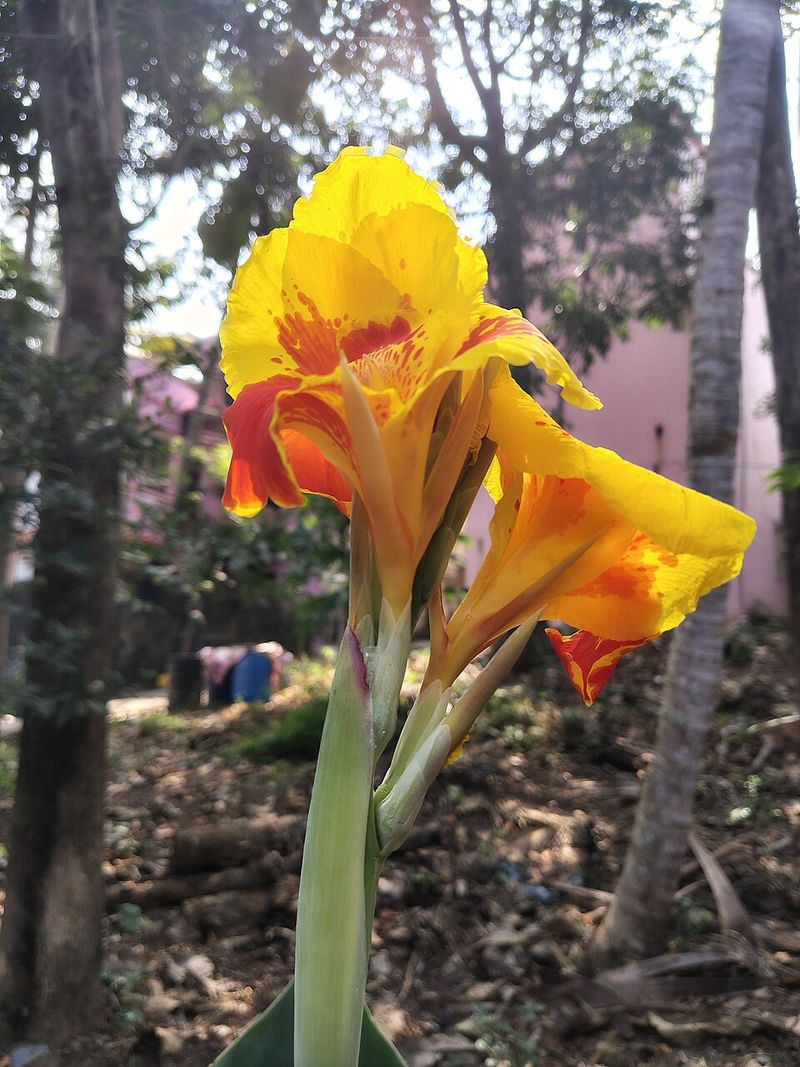
Big leaves and bold yellow flowers give this plant the kind of tropical attitude many Florida gardeners want. The blooms stand above dramatic foliage, so even when it is not flowering heavily, the clump still looks substantial.
If a bed feels flat, adding a few cannas usually fixes that quickly.
Moist soil helps it perform at its best, which is why it works so well near downspouts, pond edges, or irrigated foundation beds. Full sun encourages stronger stalks and more flowers, though light shade is acceptable in especially hot locations.
I like pairing yellow varieties with burgundy foliage plants because the contrast makes both colors richer.
Rhizomes spread steadily, so you get a fuller look over time without replanting every season. Cutting spent flower stalks keeps the clump cleaner and pushes attention back to the fresh buds and leaves.
If canna leaf rollers appear, checking foliage regularly helps you catch damage before it gets messy.
After a rough winter, trim browned growth to the ground and wait for warm weather to restart the show. In most of Florida, that rebound happens fast, and the summer display feels gloriously oversized and colorful.
Daylily
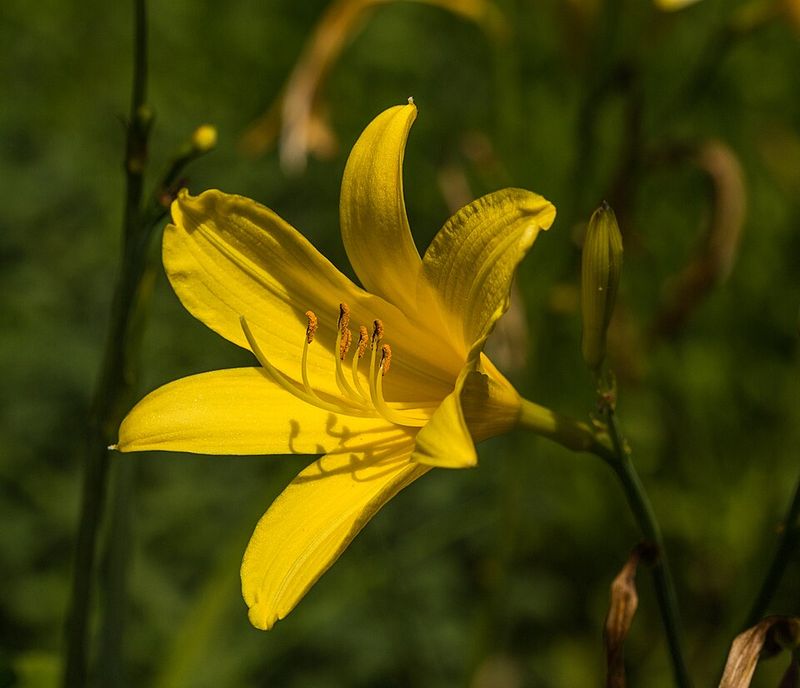
Some plants earn their keep by being dependable, and this one absolutely fits that role. Yellow daylilies bring clean color, tidy strappy foliage, and flowers that show up generously when many gardeners need an easy win.
The individual blooms are short-lived, but a healthy clump keeps sending new buds so the display continues.
Morning sun is ideal in much of Florida because it fuels flowering without stressing the plant during the hottest part of the day. Richer soil helps, yet decent drainage matters just as much, especially in rainy stretches.
I often suggest them for edging paths, filling gaps under open-canopy trees, or softening the front of larger tropical shrubs.
Removing finished scapes after blooming keeps the clump looking neater and channels energy into future growth. Dividing crowded plants every few years improves bloom count and gives you extra pieces for other beds.
Yellow forms pair especially well with purple loropetalum, blue plumbago, or even simple evergreen hedges.
In South Florida, some varieties struggle without a slight winter chill, so choose cultivars known to handle warm climates. Once you pick the right ones, they reward you with low-fuss color and foliage that stays attractive long after flowers fade.
Black-Eyed Susan
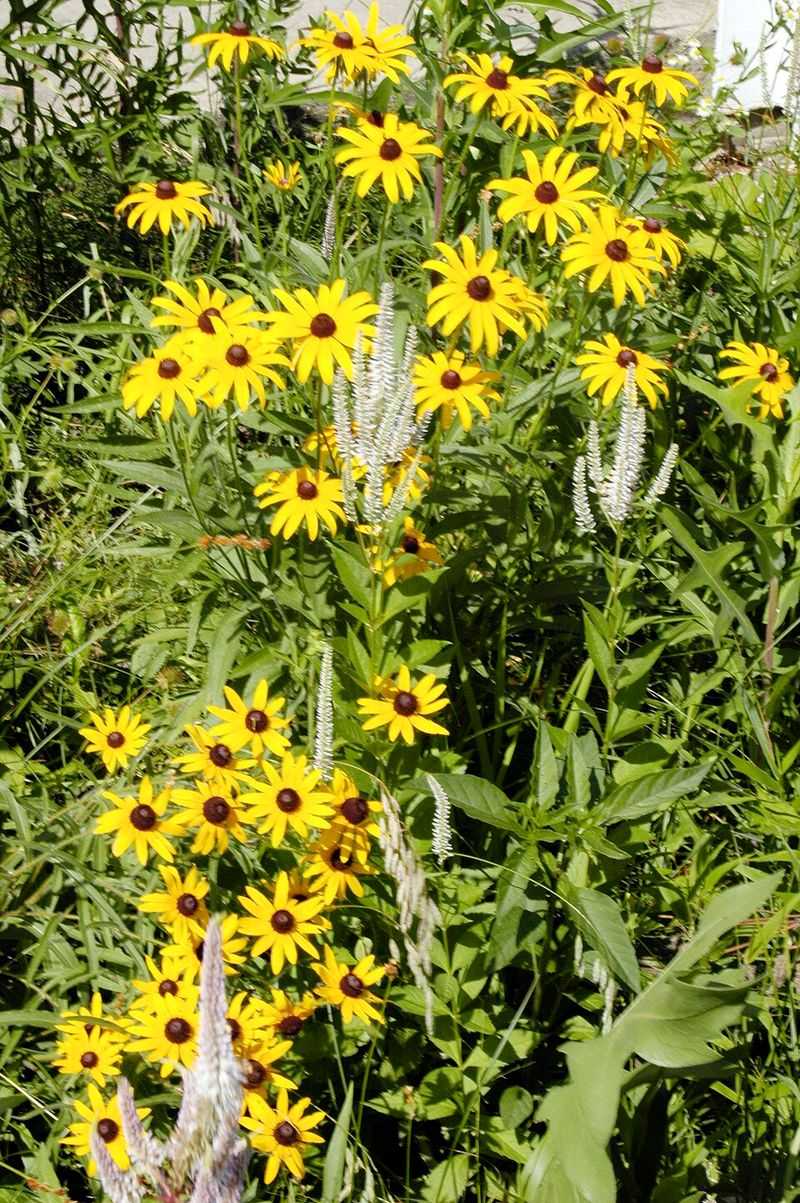
Golden petals with dark centers give this classic flower a sunny look that never feels boring. In Florida gardens, it adds a meadow-like energy that softens formal beds and livens up casual ones.
When planted in groups, the color reads bold and happy without looking forced.
Plenty of sun is the key to compact growth and strong flowering, especially in areas that dry between rains. Heavy, soggy soil can shorten its life, so I would improve drainage before planting if water tends to sit after storms.
Tucking it into a pollinator bed is a smart move because bees and butterflies visit often.
Deadheading extends the bloom season, but leaving some spent flowers late can provide seed for birds and a looser autumn look. It mixes beautifully with ornamental grasses, salvias, and blanket flower for a planting that feels natural but still intentional.
If you like color that looks cheerful rather than fussy, this one delivers.
In some Florida gardens it behaves as a short-lived perennial, so think of it as generous, not permanent. That is not a drawback when it blooms so well, reseeds lightly, and keeps bringing bright yellow personality to hot, sunny spots.
Blanket Flower
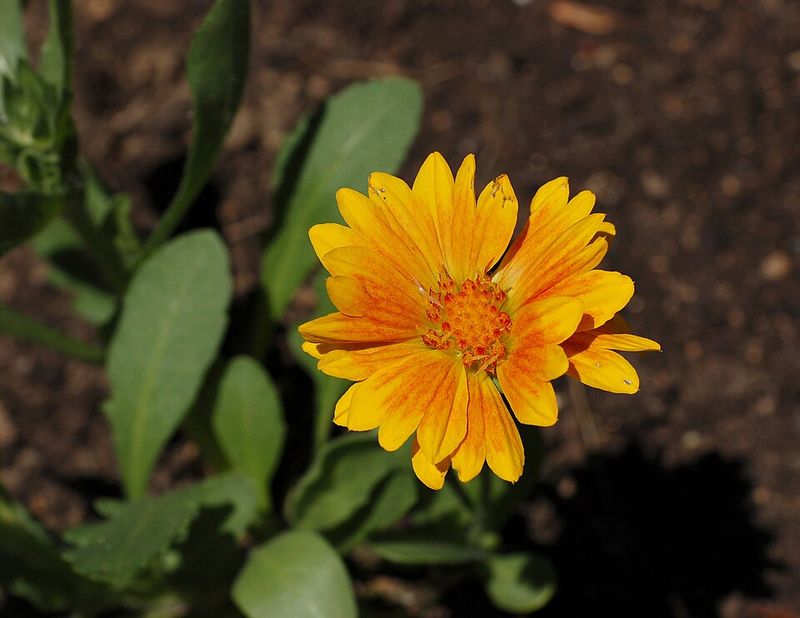
Heat, salt, sandy soil, and bright sun barely seem to bother this tough bloomer. Yellow blanket flower keeps sending out daisy-like blooms with an easygoing look that suits Florida gardens beautifully.
If you want nonstop color without the mood swings of fussier plants, it is a strong contender.
Sharp drainage is essential, which makes it especially useful near driveways, coastal beds, and dry hell strips where other flowers give up. Too much fertilizer can make the plant floppy, so lean soil is not a problem here.
I like using it where a low mound of color can spill slightly into paths or soften edging stones.
Regular deadheading keeps fresh buds coming and prevents the plant from looking tired in midsummer. Pollinators show up constantly, so it pulls double duty as a color plant and a wildlife helper.
Mixed with blue evolvulus or silver foliage, the yellow blooms look even more vivid in strong sun.
Humidity can challenge some cultivars, so choose proven varieties and give them room for airflow. With that simple adjustment, you get a perennial that feels sunny, resilient, and right at home in the hottest parts of the Florida year.
Lantana
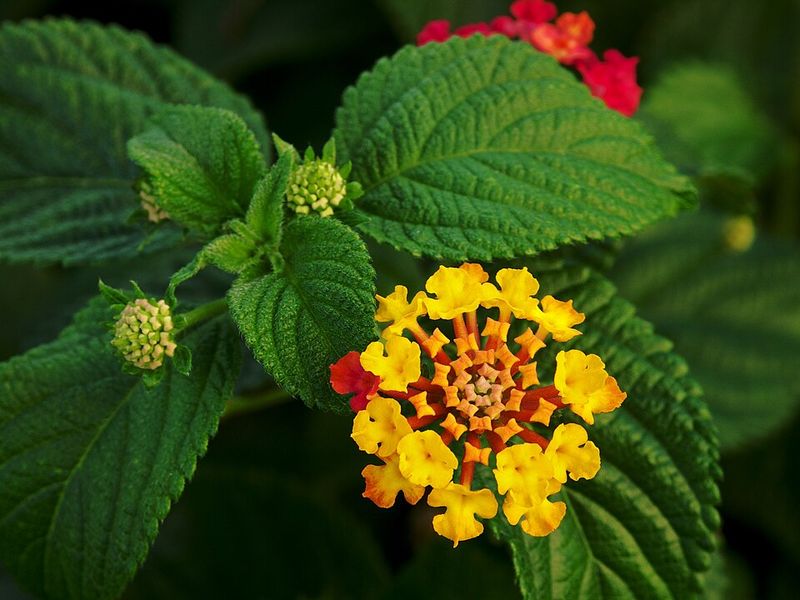
Bright clusters of yellow flowers make this perennial feel sunny even on a brutally hot Florida afternoon. Lantana thrives when the weather turns intense, which is exactly why so many gardeners keep relying on it.
You get color, pollinator activity, and a plant that rarely sulks once it is established.
Full sun is nonnegotiable if you want dense growth and heavy flowering. Good drainage matters too, especially in containers or low spots that hold water after thunderstorms.
I often recommend yellow forms for mailbox plantings, curbside beds, or mixed tropical borders where nonstop bloom is more important than a formal look.
Butterflies visit constantly, making the garden feel active and alive instead of static. Light trimming every few weeks keeps the plant compact and encourages fresh flushes rather than woody, stretched stems.
Pairing it with purple porterweed or blue salvia creates a color combination that really pops in Florida light.
Some varieties can spread aggressively or self-seed, so choosing sterile or better-behaved selections is worth the extra attention at purchase time. Once you pick the right cultivar, it becomes one of the simplest ways to keep yellow in the garden for a very long season.
Golden Shrimp Plant
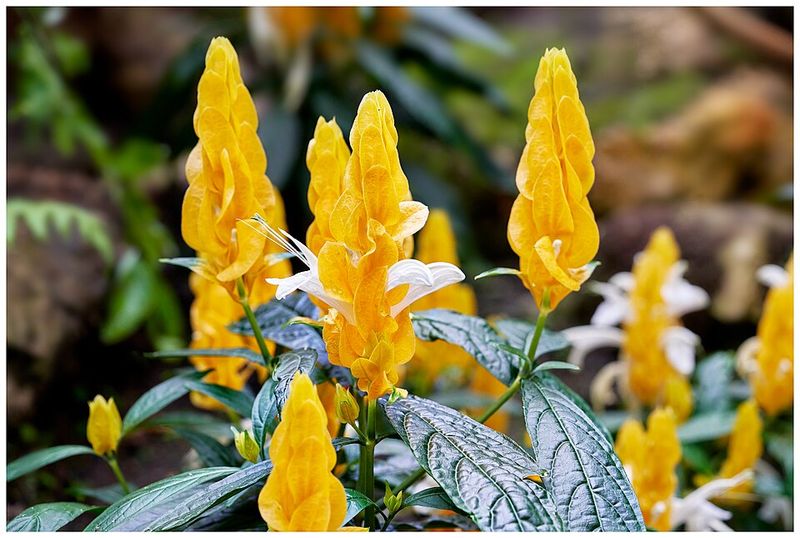
Not every yellow perennial for Florida needs blazing sun to earn its place. Golden shrimp plant brings warm, layered color to part shade with showy yellow bracts that look almost sculptural against glossy green leaves.
In a garden filled with broad tropical foliage, that texture stands out in a very satisfying way.
Filtered light or bright shade works best, especially in the southern part of the state where full afternoon sun can be too harsh. Regular moisture keeps it looking fresh, though soggy soil should still be avoided.
I like using it near patios, shaded entry beds, or under taller palms where many flowering plants struggle to make an impact.
Pinching the tips encourages a bushier shape and more flowering points, which keeps the plant from getting lanky. Hummingbirds often notice it, and that extra movement makes a shaded bed feel much more dynamic.
Yellow bracts also pair beautifully with crotons, caladiums, and dark-leaved gingers if you want a layered tropical look.
Cold weather can knock it back in North and Central Florida, but roots usually rebound after spring warmth returns. For gardeners who need cheerful color away from the hottest sun, this one fills a very useful niche.
Beach Sunflower
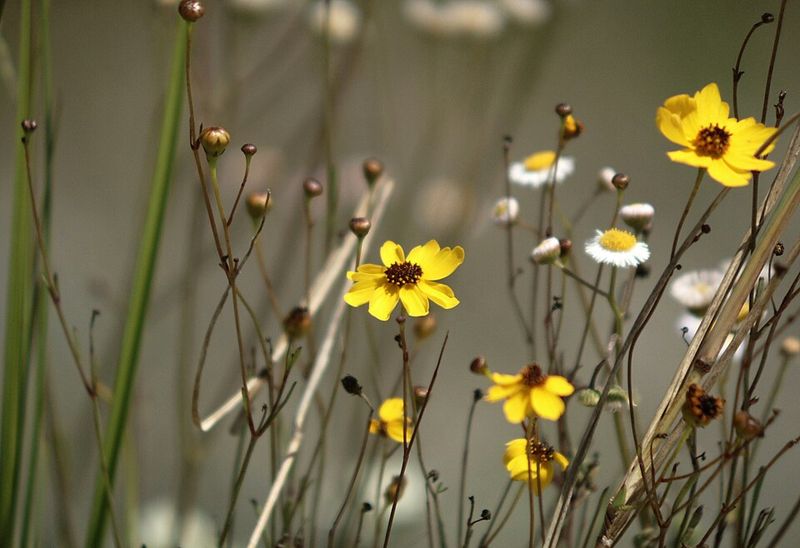
Few plants capture the easy, sunny spirit of Florida better than a low drift of beach sunflower. The bright yellow blooms scatter over trailing stems, creating a casual carpet of color that feels cheerful instead of overly manicured.
If you need a groundcover with personality, this one is a standout choice.
Hot sun, sandy soil, wind, and even some salt exposure are all part of its comfort zone. That makes it ideal for coastal gardens, dry front strips, and slopes where watering every day is unrealistic.
I especially like it spilling over retaining walls or softening the front edge of larger palm-and-shrub plantings.
Regular trimming keeps it fuller and prevents a sprawled, tired look after heavy growth spurts. Bees and butterflies visit often, so it adds life as well as color to the landscape.
Because the flowers are simple and bright, they mix naturally with ornamental grasses and other native plants without looking forced.
In rich soil it may spread enthusiastically, so give it room and be prepared to shape it now and then. For gardeners who want nonstop yellow with a relaxed coastal feel, this perennial is about as Florida-friendly as it gets.
Thryallis
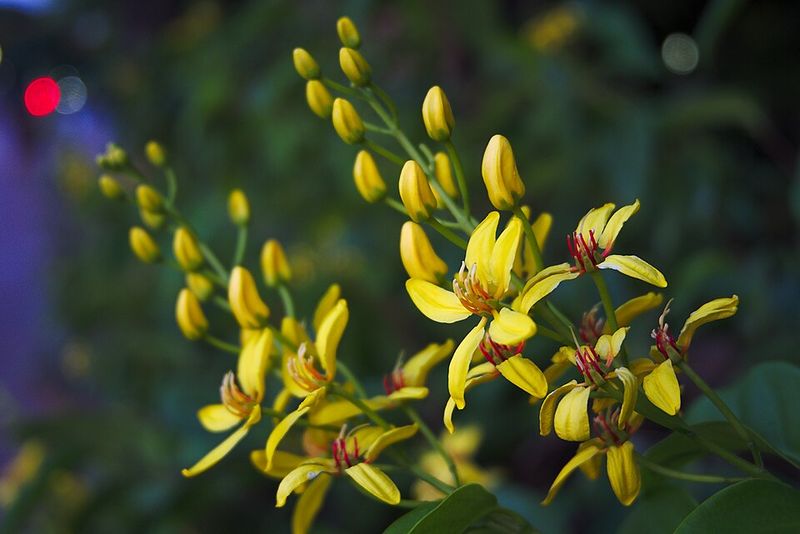
Clusters of rich yellow flowers make thryallis look cheerful for an impressively long stretch of the year. In warm parts of Florida, it can bloom so steadily that the plant starts to feel like a permanent source of sunshine.
The effect is especially strong when planted where afternoon light catches those dangling flower sprays.
Full sun encourages the heaviest bloom, though light shade is manageable if the site stays bright. Once established, it tolerates heat and short dry spells well, which is a major advantage during Florida’s erratic weather patterns.
I like using it as a soft hedge, a background layer in tropical borders, or a filler for sunny corners that need color.
Pruning after a big flush keeps the shape dense and prevents the plant from getting too woody at the base. Butterflies appreciate it, and the flowers contrast nicely with bold foliage plants like cordylines or elephant ears.
Because it grows with a shrubby habit, it adds volume as well as bloom.
In colder sections of the state, winter can knock it back, but it often rebounds from the roots once warmth returns. If you want yellow that reads tropical, generous, and dependable, this one earns its popularity quickly.