
12 Purple Perennials That Handle Florida Sunshine And Sandy Soil Easily
Follow us on Google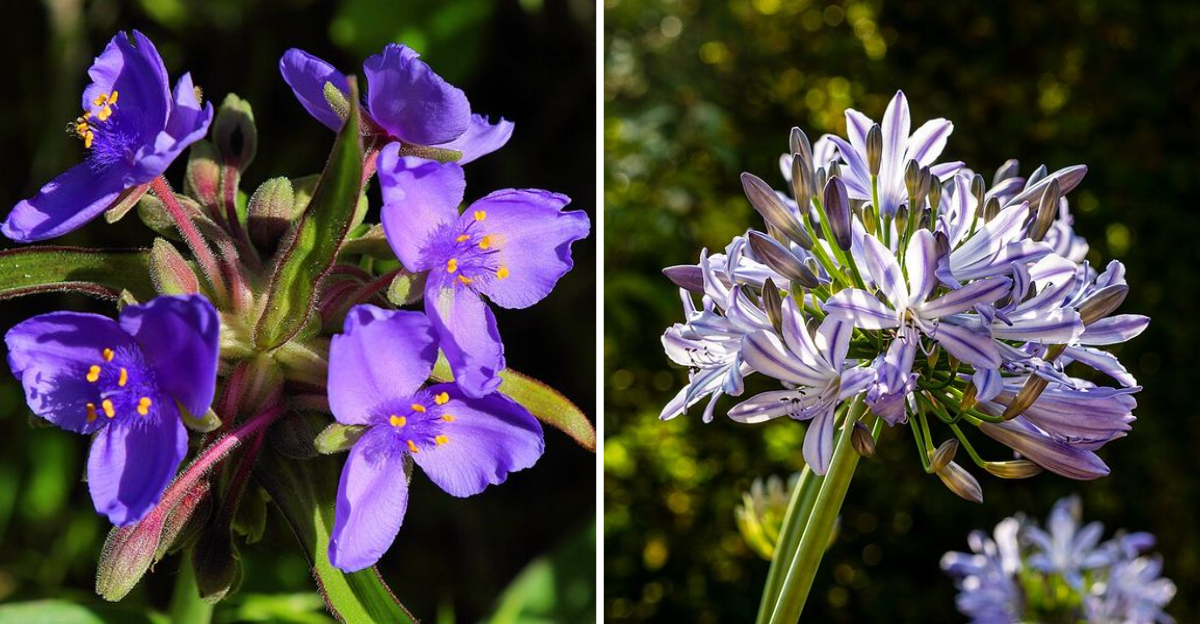
Florida yards can be surprisingly tricky when blazing sun meets fast-draining sand, especially if you want color that does not quit after one season. Purple perennials solve that problem beautifully, adding cool-toned flowers that stand out against palms, pavers, and bright green foliage.
The best picks are not just pretty – they keep performing with less fuss than many gardeners expect. If you want dependable plants that look good through heat, humidity, and lean soil, these are the ones worth planting first.
Society Garlic
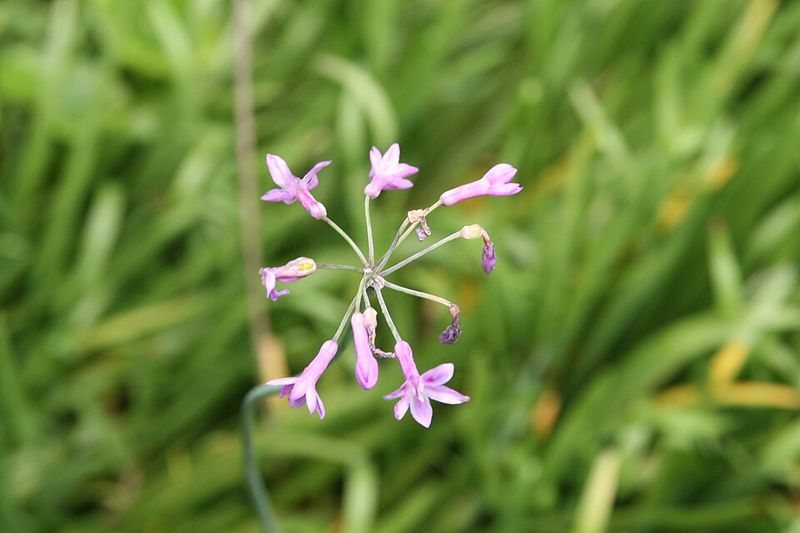
Hot, sandy spots can make many flowering plants sulk, but this one keeps its cool and keeps blooming. Society garlic forms tidy clumps of strappy leaves and sends up lavender-purple flower clusters that look polished without feeling fussy.
In a Florida bed, you get the bonus of a plant that handles heat, salt, and quick drainage better than many traditional perennials.
You will usually see the best performance in full sun, though a little afternoon shade is helpful in the most intense inland locations. Sandy soil is rarely a problem as long as water drains quickly, and that makes installation refreshingly simple.
I like spacing clumps along a walkway or driveway where the flowers soften hard edges without demanding constant attention.
After the first few weeks of establishment, deep watering once or twice weekly is often enough unless drought becomes severe. A light spring feeding helps, but rich soil is not necessary, and too much fertilizer can actually reduce flowering.
Snipping spent stalks keeps the plant neat and encourages a steadier parade of color.
One practical detail makes it even more appealing in busy landscapes. The onion-scented foliage tends to discourage deer and rabbits, which saves frustration when other plants get chewed.
If you want reliable purple flowers with a clean, upright habit, this is one of the easiest wins for Florida sunshine.
Stokes’ Aster
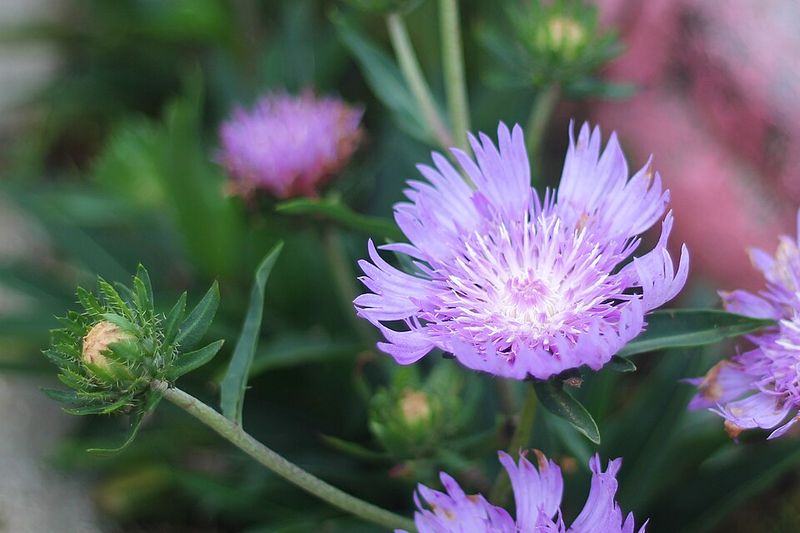
Big, fringed flowers give this perennial a refined look, yet it is tougher than its delicate petals suggest. Stokes’ aster brings clear purple to violet blooms that sit above neat mounds of foliage, creating an easy focal point in sunny Florida beds.
It feels especially at home in landscapes that need color without the thirst of many cottage-garden favorites.
Good drainage matters more than rich soil, so sandy ground can actually work in your favor. Full sun produces the strongest flowering, though plants appreciate a little breathing room so humidity does not settle around the leaves.
You can tuck it into the front of a border, around a mailbox bed, or beside pale stone where the flower color really pops.
During establishment, regular watering helps roots knit into the loose soil. After that, it is reasonably drought tolerant, especially if you mulch lightly to slow evaporation without smothering the crown.
Deadheading extends bloom time, and cutting back the plant after flowering often keeps it tidier through the rest of the season.
Gardeners who want a less common perennial usually enjoy this choice because it looks distinct without acting difficult. Butterflies visit the blooms, and the plant stays compact enough for smaller spaces.
If your yard needs purple flowers with a crisp, almost handcrafted look, Stokes’ aster earns its place quickly.
Blazing Star
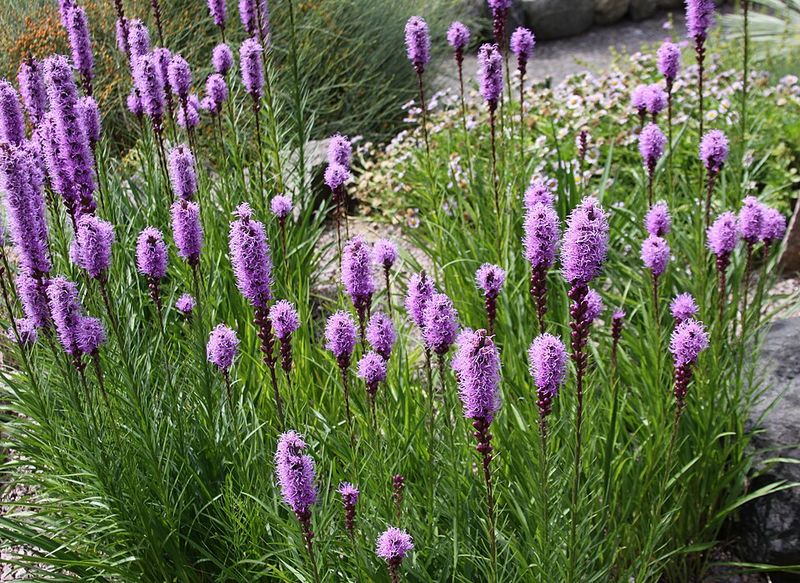
Vertical flower spikes can change the whole rhythm of a planting bed, and blazing star does that beautifully. This native perennial sends up narrow wands packed with purple florets that open in a way that feels lively and architectural at the same time.
In sandy Florida soil, it often looks more comfortable than many broader-leaved perennials that struggle with drainage.
Full sun is the sweet spot, especially where you want sturdy stems and rich color. Because the roots dislike soggy conditions, lighter soil becomes an advantage instead of a limitation.
I like using it in repeated drifts through a border, where the upright form breaks up mounded plants and keeps the design from looking flat.
Water young plants consistently until they settle in, then ease back and let natural rainfall do more of the work. A thin layer of mulch helps conserve moisture while still allowing the crown to breathe.
There is usually no need for heavy feeding, and too much fertility can push soft growth that flops sooner.
Pollinators absolutely notice this plant, which is reason enough to make room for it near a patio or front walk. The blooms also pair well with ornamental grasses and silver foliage for a very Florida-friendly combination.
If you want purple flowers that stand tall in heat and sand, blazing star is a smart choice.
Blue Daze
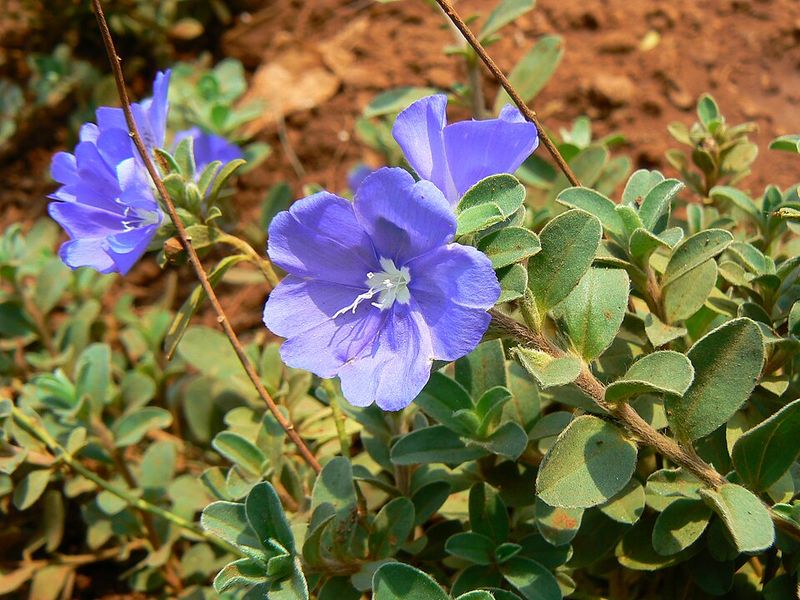
For low, spreading color that handles heat with surprising grace, Blue Daze is hard to beat. This tender perennial covers the ground with soft gray-green foliage and small purple-blue flowers that seem to glow against pale sand and bright sun.
In Florida landscapes, it works as a gentle filler that keeps beds from looking bare between larger plants.
Sun brings the heaviest bloom, and fast drainage keeps roots happiest. Sandy soil is ideal as long as the plant gets enough water during its first stretch in the ground.
You can use it along borders, in raised beds, or spilling over the edge of a retaining wall where the trailing habit has room to soften the line.
Because the stems stay relatively low, this is an easy companion for bolder perennials that need a calmer partner nearby. Trimming lightly every so often prevents legginess and encourages denser growth.
I have found that a modest application of slow-release fertilizer in spring is enough, especially when the bed already gets organic matter from mulch.
The flowers open best in sunshine, so cloudy stretches may mute the display for a day or two. Even then, the foliage keeps the planting attractive and fresh.
If your yard needs a relaxed carpet of cool-toned color that tolerates Florida heat and sandy ground, Blue Daze makes the space feel instantly more finished.
Mexican Bush Sage
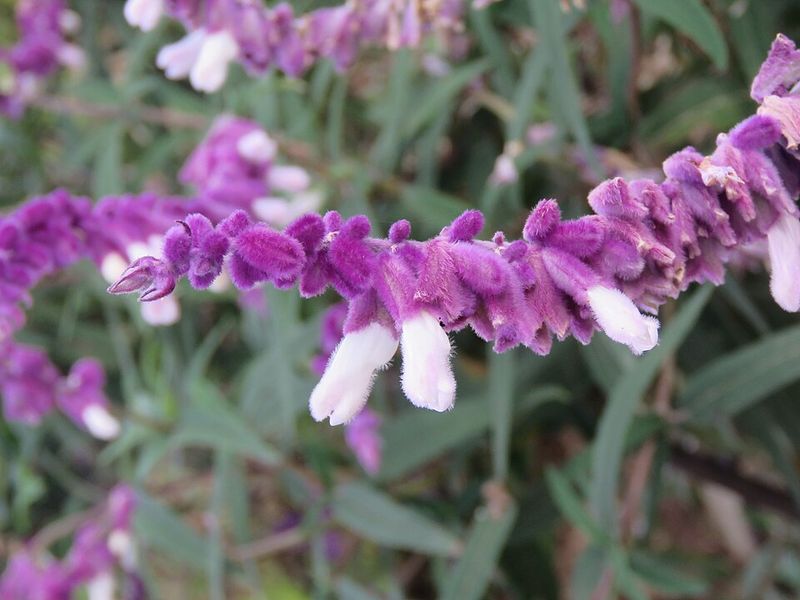
Late in the season, when many flower beds start looking tired, this plant steps in with velvet-rich purple spikes. Mexican bush sage grows into a softly arching mound that feels generous and dramatic without turning unruly in a well-placed bed.
Florida sunshine suits it well, and sandy soil helps prevent the root problems that come with heavier ground.
Give it full sun and room to spread, because mature plants can become impressively broad. The gray-green foliage offers a nice contrast to the saturated bloom color, especially near pale walls, gravel, or warm-toned hardscape.
You will get the strongest display if you avoid overwatering and let the top layer of soil dry slightly between deep soakings.
In many parts of Florida, cutting it back after the main flush helps keep the plant dense and attractive. A hard prune in late winter or early spring encourages fresh stems from the base once warm weather returns.
I like placing it toward the middle or back of a border where the airy habit can move without swallowing smaller neighbors.
Butterflies and hummingbirds are frequent visitors, which adds another layer of value for sunny gardens. The flower spikes also hold up visually from a distance, making them useful in larger yards that need strong color.
If you want a perennial that handles heat while still looking soft and elegant, this one delivers.
Porterweed
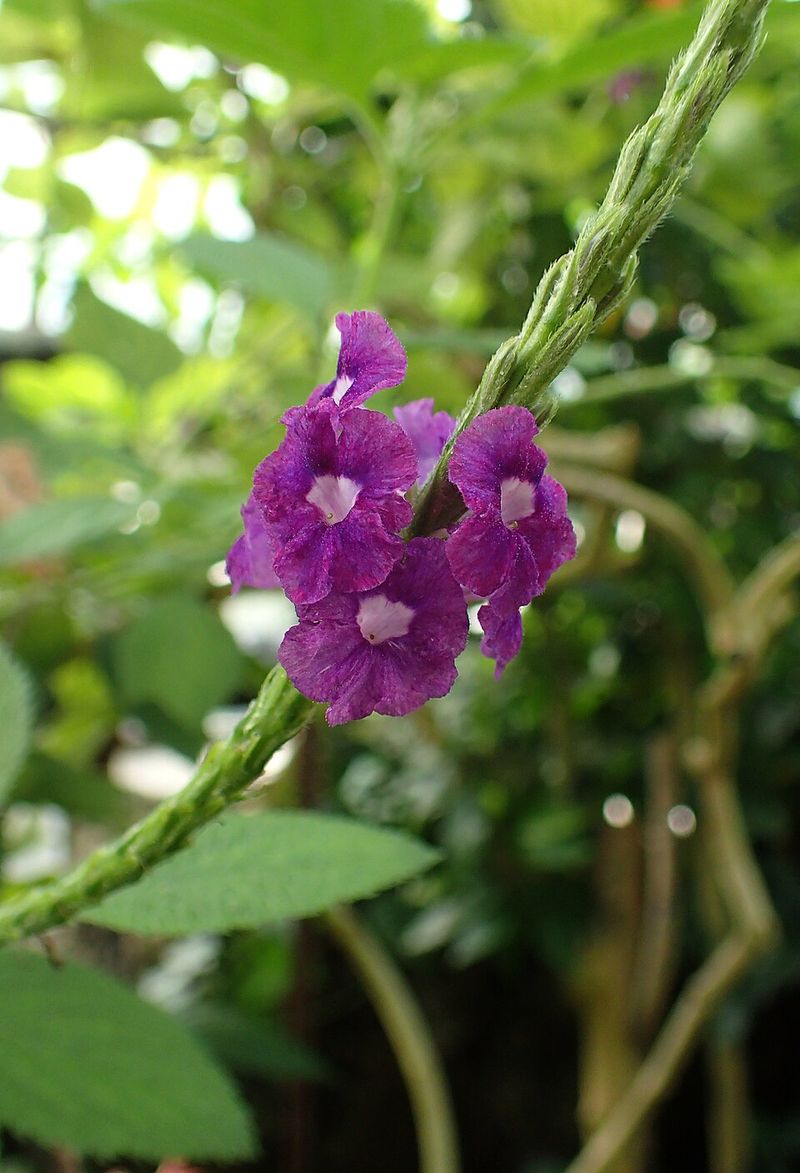
Long flowering seasons make a big difference in hot climates, and porterweed rarely wastes time. Purple forms produce vivid blooms along slender spikes that keep attracting butterflies long after flashier plants fade.
In a Florida garden with sandy soil, it behaves like a hardworking anchor that keeps color moving through the warm months.
Full sun gives the strongest bloom set, though a little afternoon shade can help in especially exposed inland yards. Loose soil is usually not an obstacle, provided the plant gets regular moisture while establishing.
I often suggest planting it where you can see pollinator activity from a window or porch, because the steady traffic becomes part of the appeal.
Once rooted in, porterweed tolerates heat very well and rebounds quickly after rain, wind, or trimming. Pruning lightly every few weeks encourages branching and prevents the plant from looking thin at the base.
A moderate fertilizer application in spring is plenty, since too much feeding can produce more leaf than flower.
Some varieties can reseed, so choosing the right cultivar for your area matters. Still, in the right place, it earns its keep with months of purple color and wildlife value.
If you want something forgiving, bright, and active with butterflies, porterweed is one of the most rewarding plants for Florida sun.
Purple Coneflower
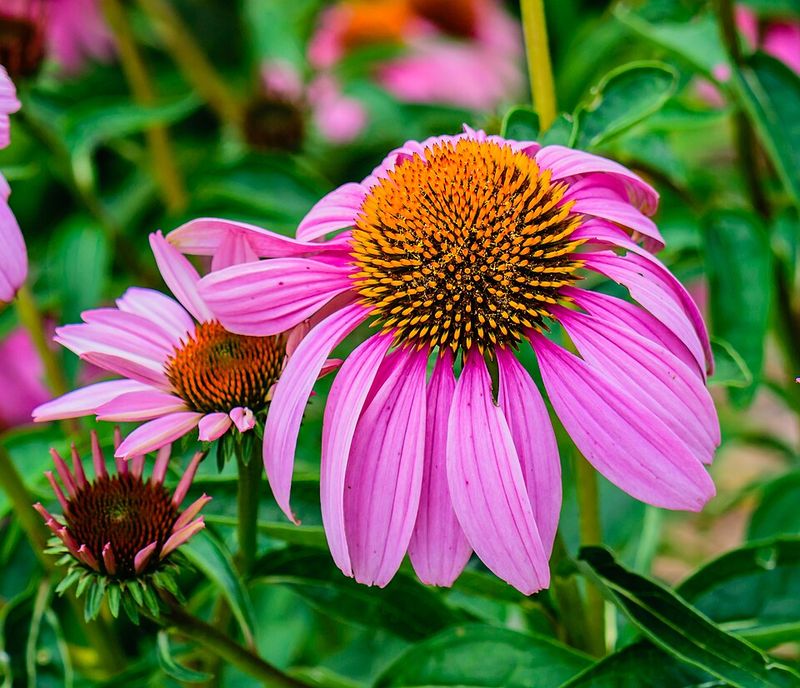
Classic daisy-shaped blooms still feel fresh when the plant can handle difficult conditions, and purple coneflower earns that attention. The flowers bring rosy purple petals around warm coppery centers, creating a combination that looks great against sand-colored mulch and bright summer light.
In Florida, success usually comes from giving it the sun and drainage it prefers from the start.
Heavier, wet soil is far more troublesome than lean ground, so sandy beds often give it a better shot. Full sun keeps stems sturdier and flowering heavier, especially where air movement is good.
You can mix it with grasses, salvias, or blanket flowers for a planting that feels relaxed and sturdy instead of overly groomed.
Regular irrigation during establishment is helpful, but mature plants are more drought tolerant than many gardeners expect. Deadheading extends bloom, though leaving some seed heads later in the season adds texture and can attract birds.
I like using this perennial where it gets morning-to-evening visibility, because the blooms have enough structure to look good even from the street.
Not every echinacea selection performs equally well in humid climates, so choosing robust strains matters. The simpler flower forms often outlast the very doubled novelty types.
If your goal is purple color with pollinator appeal and a familiar shape that still handles Florida sunshine, purple coneflower is worth trying.
Agapanthus
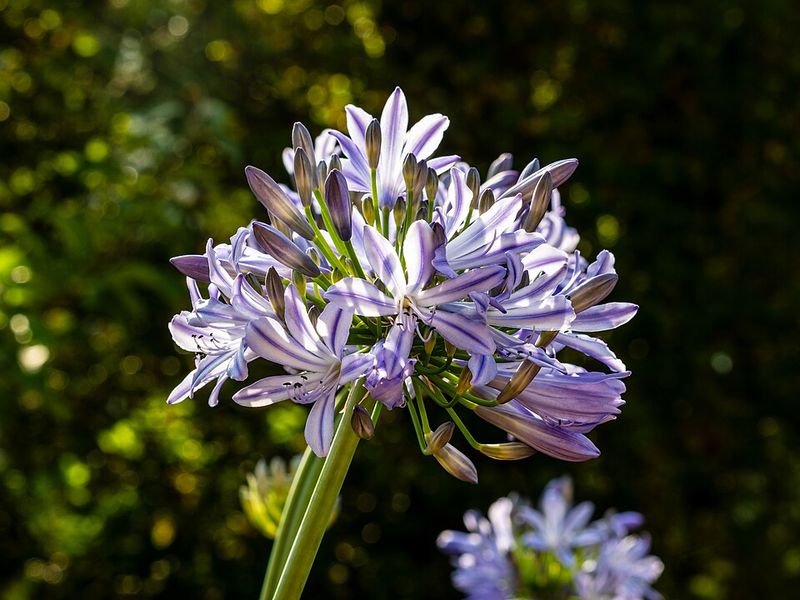
Rounded flower clusters rising above clean strappy foliage give agapanthus a polished, almost architectural presence. Purple and violet selections are especially striking in Florida gardens where the strong light intensifies cool-toned flowers.
Sandy soil is often an advantage because this plant dislikes sitting in wet ground, especially during humid stretches.
For the best show, place it where it gets at least six hours of direct sun. Clumps settle in slowly at first, but once established they become dependable and surprisingly durable.
I like planting them in repeated groups near entry beds or along a driveway, where the upright stems read clearly even from a distance.
Water regularly during the first season, then reduce irrigation and let the roots search downward. Too much shade can mean lots of leaves and very few flowers, which is frustrating when space is limited.
A light spring feeding and occasional removal of old leaves are usually enough to keep clumps attractive without turning maintenance into a weekend project.
In colder parts of Florida, flowering can vary by year, but healthy plants usually bounce back as warmth returns. Dividing congested clumps every few years restores vigor and gives you extra plants for other sunny spots.
If you want purple blooms with neat foliage and a tidy habit, agapanthus fits beautifully into sandy, sun-filled yards.
Homestead Purple Verbena
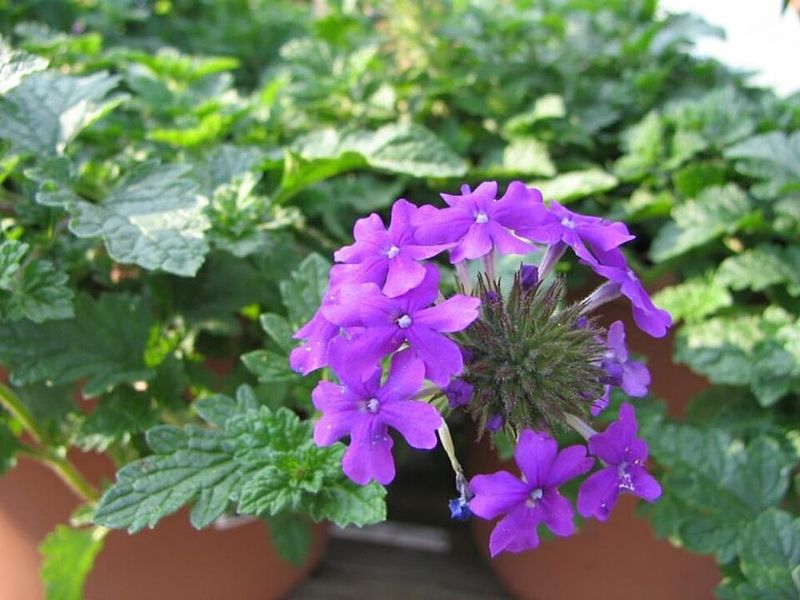
Bright clusters of purple flowers and a spreading habit make this verbena a practical answer for hot, open beds. Homestead Purple is one of those plants that looks cheerful rather than delicate, which matters when summer conditions get rough.
In Florida sunshine and sandy soil, it often keeps blooming long after fussier bedding plants have given up.
Excellent drainage is essential, so lighter soil actually helps prevent the crown problems that can shorten its life. Full sun encourages the heaviest flowering and the tightest growth, especially if air circulates well around the plant.
You can use it to spill over edging, fill a sunny slope, or knit together larger perennials that need a colorful companion.
Shearing back spent blooms every so often keeps the mound dense and encourages another flush instead of a tired, stretched look. Water regularly at first, then shift to deeper, less frequent irrigation once roots establish.
I usually recommend avoiding heavy mulch directly against the stems because verbena appreciates a little openness around the base.
Butterflies visit often, and that makes it especially useful near patios or paths where small details matter. The saturated flower color also pairs well with silver foliage and ornamental grasses.
If your yard needs a reliable purple spreader that can shrug off heat and lean soil, this verbena deserves a spot.
Mealycup Sage
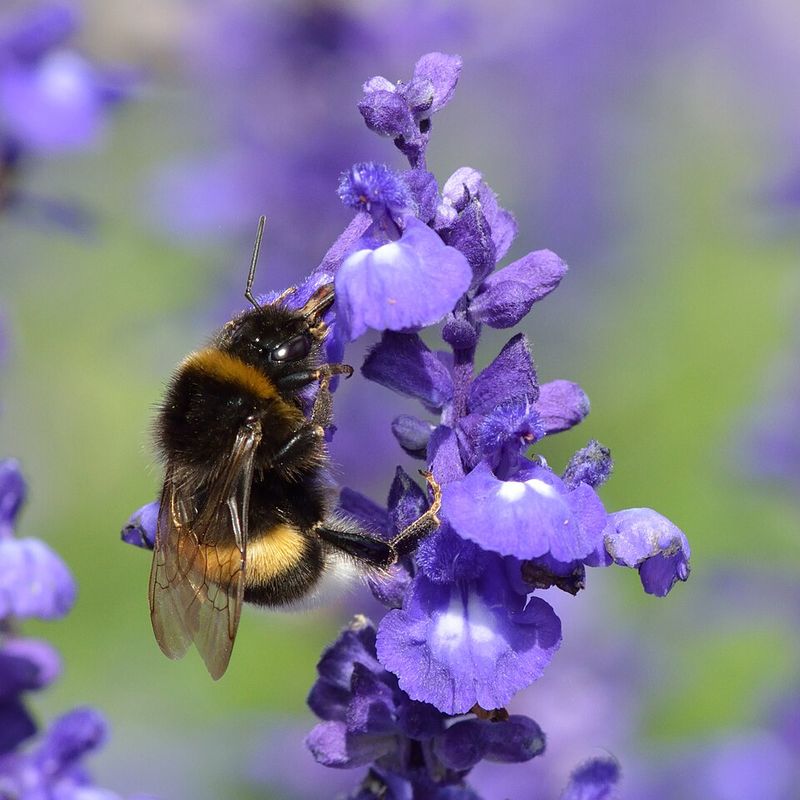
Airy flower spikes can keep a planting bed from feeling heavy, and mealycup sage does that with ease. Purple-blue blooms rise above tidy foliage and repeat well through warm weather, giving Florida gardens a long, graceful season of color.
Sandy soil suits it better than dense, wet ground, so the plant often feels easier than people expect.
Place it in full sun for the best combination of bloom and compact growth. In mixed borders, it threads beautifully between mounding plants and upright grasses, adding movement without visual clutter.
You can also group several together for a soft haze of purple that reads clearly from the street or driveway.
Regular deadheading helps, but a light midseason trim can be even more effective when the first big flush starts to fade. Water enough to establish the roots, then cut back to deeper, less frequent irrigation.
I usually skip heavy feeding, because rich soil tends to encourage floppy growth at the expense of the clean form that makes this sage so useful.
Bees, butterflies, and hummingbirds all seem interested, which turns a simple planting into something more animated. The flower color also plays nicely with yellow, white, and silver companions if you want stronger contrast.
For dependable purple in a sunny Florida yard, mealycup sage is one of the most versatile perennials around.
Garberia
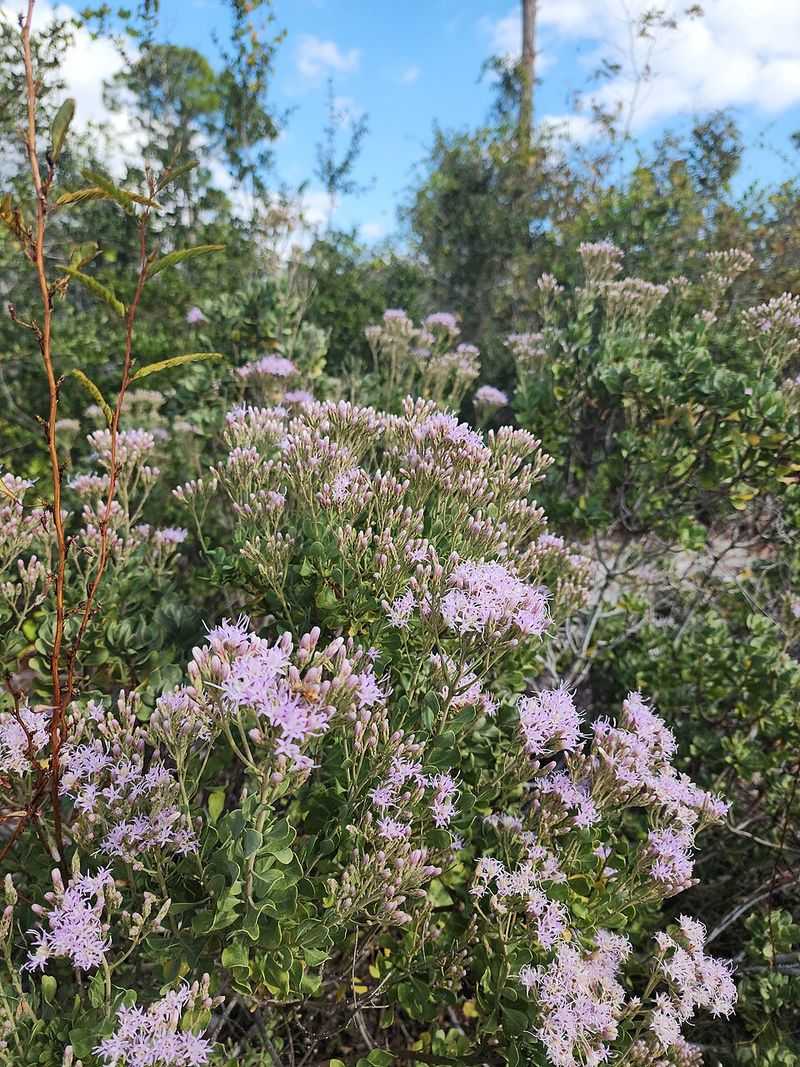
If you want a Florida native that looks right at home in dry, bright conditions, garberia is worth serious attention. This airy perennial shrub produces soft lavender-purple flowers that feel subtle up close but create beautiful seasonal color in a naturalistic bed.
It evolved for sandy conditions, so the usual worries about lean soil simply do not apply here.
Full sun is essential for good form and flowering. The foliage has a muted, slightly silvery cast that pairs especially well with native grasses, coontie, and other drought-tolerant plants.
I like placing garberia where the planting can lean a little wild and relaxed, because its texture looks best when it is not boxed into a formal scheme.
Once established, this is one of the easier native choices for low-input landscapes. Overwatering and rich amendments can do more harm than good, so restraint is part of the success story.
A light cleanup after flowering is usually enough, and there is rarely any need to fuss with fertilizer in already sandy ground.
Pollinators appreciate the blooms, and the plant contributes a regional character that many generic landscape perennials cannot match. It also handles coastal exposure better than plenty of nursery staples.
If your goal is purple color with a truly Florida identity, garberia offers beauty, resilience, and a strong sense of place.
Spiderwort
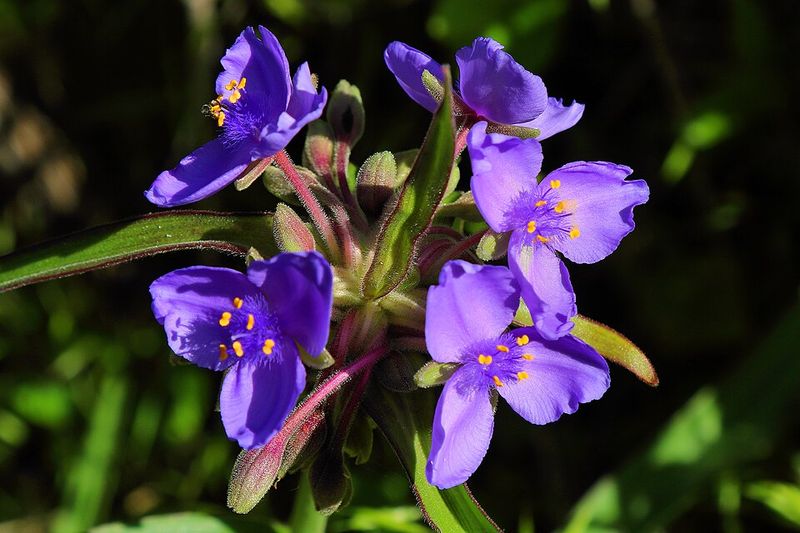
Few plants make purple flowers feel so effortless. Spiderwort sends up grassy foliage and three-petaled violet blooms that open with a casual charm, softening sunny borders without looking overly manicured.
In Florida, it performs best where the soil drains freely, making sandy sites a better fit than many people realize.
Morning sun and bright exposure encourage steady flowering, though full sun works well if the plant gets enough moisture during establishment. The arching leaves bring texture even when the flowers pause, so the clump still earns its space.
I like tucking it beside rocks, path edges, or native grasses where the relaxed habit looks intentional rather than untidy.
Cutting the foliage back lightly after a flush can refresh the whole plant and prompt cleaner regrowth. It does not need pampering, but consistent watering in very dry periods helps maintain flower production through the heat.
A little compost at planting time is helpful, yet heavy feeding is unnecessary and can lead to floppy growth.
Because the blooms are smaller than those of showier perennials, this plant works best when repeated in drifts or grouped in threes. The color reads beautifully against warm mulch and pale stone.
If you want an easy purple perennial that feels natural in Florida sunshine and sandy ground, spiderwort is a dependable pick.