
12 Red Perennials North Carolina Landscapes Depend On For Bold Contrast
Follow us on Google
Red flowers do something few other colors can match – they pull your eye across a yard and make everything around them look sharper. In North Carolina, that kind of contrast matters because gardens often need to stand up to heat, humidity, clay soil, and long growing seasons.
The right perennial reds do more than bloom beautifully – they also hold their own in real landscapes, from mountain beds to coastal borders. If you want color that reads clearly from the street and still looks polished up close, these are the plants worth knowing.
Bee Balm
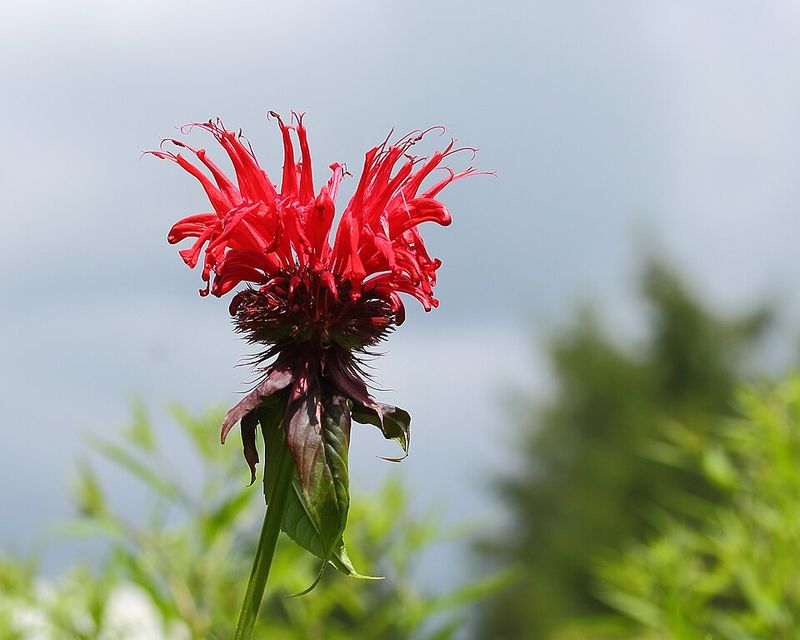
Few plants bring the same summer energy as bee balm, especially when a clear red variety is planted where you can see it from a window or front walk. In North Carolina, it performs best with morning sun, good air circulation, and soil that stays evenly moist without getting swampy.
Those shaggy blooms attract hummingbirds fast, so it works beautifully near patios where you want motion and color at eye level.
Heat and humidity can encourage powdery mildew, which is why spacing matters more than many gardeners expect. I like to place clumps eighteen to twenty four inches apart and avoid overhead watering late in the day.
If your soil is heavy clay, mixing in compost before planting helps roots settle in and keeps summer stress from shortening the bloom cycle.
After the first flush fades, deadheading encourages a tidier look and can stretch color longer than you might guess. Every few years, dividing established clumps keeps the center vigorous and prevents the plant from wandering too aggressively.
For bold contrast, pair red bee balm with dark foliage, blue salvia, or pale ornamental grasses so the flowers look brighter instead of visually crowded.
Cardinal Flower
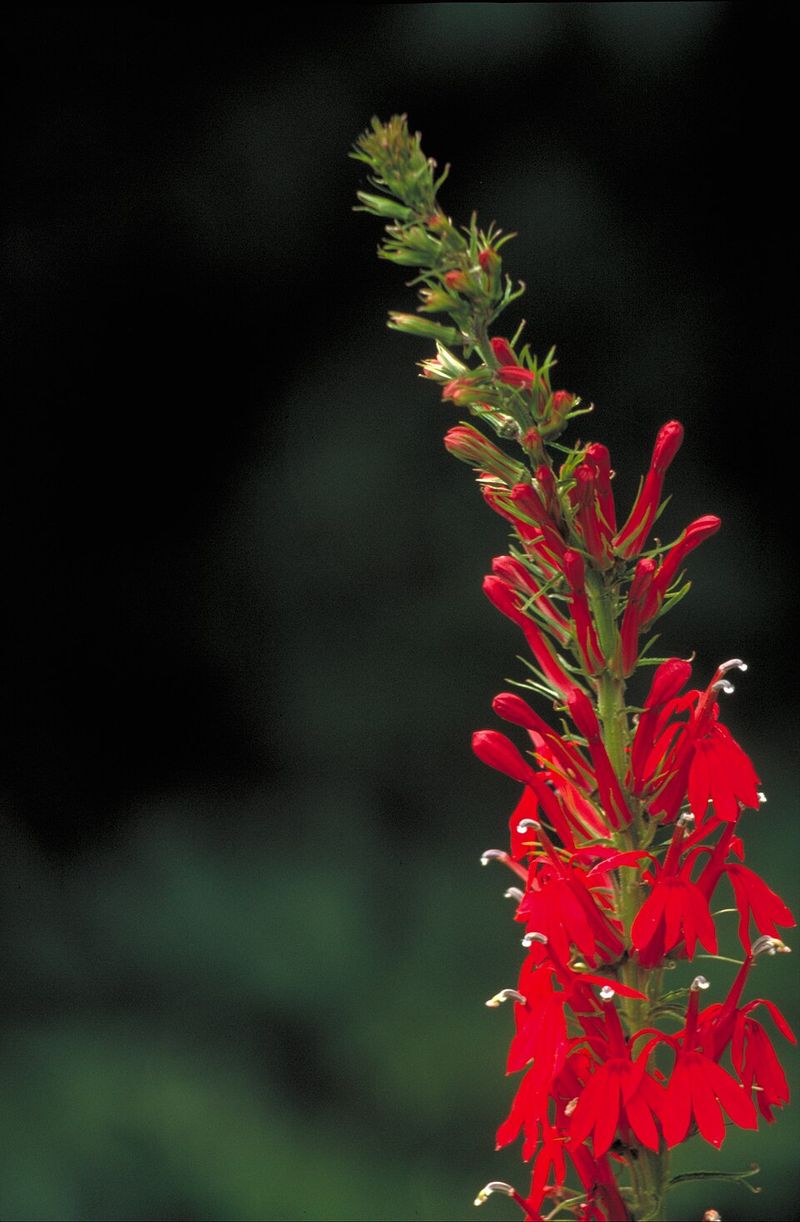
Nothing looks quite as saturated in late summer as cardinal flower, and that intense red reads beautifully against the green backdrop common in North Carolina landscapes. This native perennial naturally prefers moist soil, so it shines near rain gardens, pond edges, downspouts, or low spots that stay damp longer than the rest of the yard.
If you have struggled to fill a wet area with something dramatic, this one usually feels like the answer.
Afternoon shade is especially helpful in hotter parts of the state, where full blazing sun can shorten bloom time and stress young plants. I have seen it perform best in organically enriched soil that never dries out completely during summer.
Mulch helps, but consistent watering through the first season is what really determines whether it settles in or slowly disappears.
Because cardinal flower can be short lived, letting some blooms set seed is a smart move if you want a lasting colony. The upright spikes mix well with ferns, blue lobelia, and broad leaf hostas, giving you strong contrast without looking stiff.
When hummingbirds start treating that planting like a regular stop, the bed suddenly feels far more alive and intentional.
Red Daylily
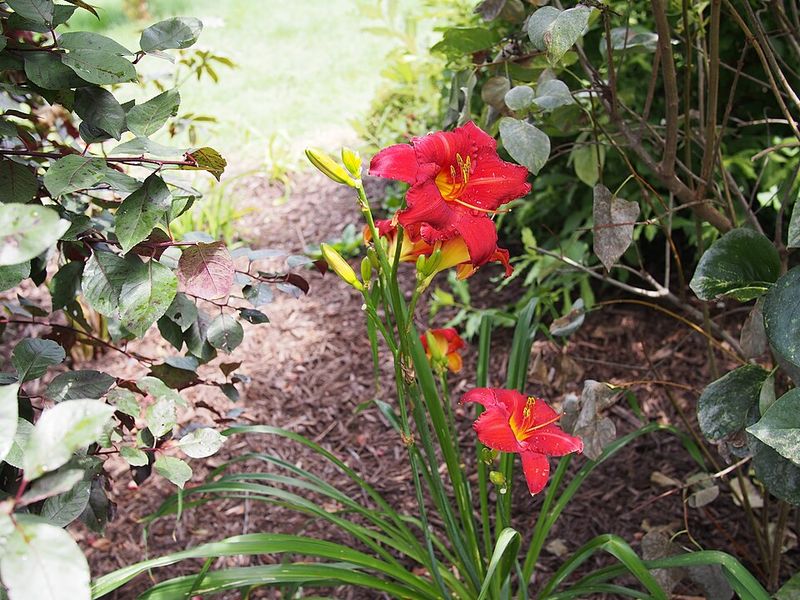
Reliable color is often the reason gardeners keep coming back to red daylilies, especially in North Carolina where summer can be punishing on fussier perennials. A good cultivar handles heat, tolerates average soil, and still throws out flowers that stand out from the road.
Those trumpet shaped blooms make an easy focal point along driveways, mailbox beds, and mixed borders where maintenance needs to stay reasonable.
Full sun gives the strongest flowering, though a little afternoon shade can help darker reds keep their color in the hottest inland areas. I usually recommend amending compacted clay with compost before planting, then adding mulch to moderate moisture swings.
Daylilies are forgiving, but they bloom more heavily when they are not competing with turf roots or crowded by aggressive groundcovers.
Removing spent scapes after flowering keeps the clump neat and directs attention to the foliage, which can still contribute structure. Every few years, dividing overgrown clumps brings back larger blooms and more uniform performance.
For cleaner contrast, place red daylilies with silver foliage, dwarf grasses, or chartreuse companions so the flowers do not blend into the busy, high summer palette surrounding them.
Crocosmia
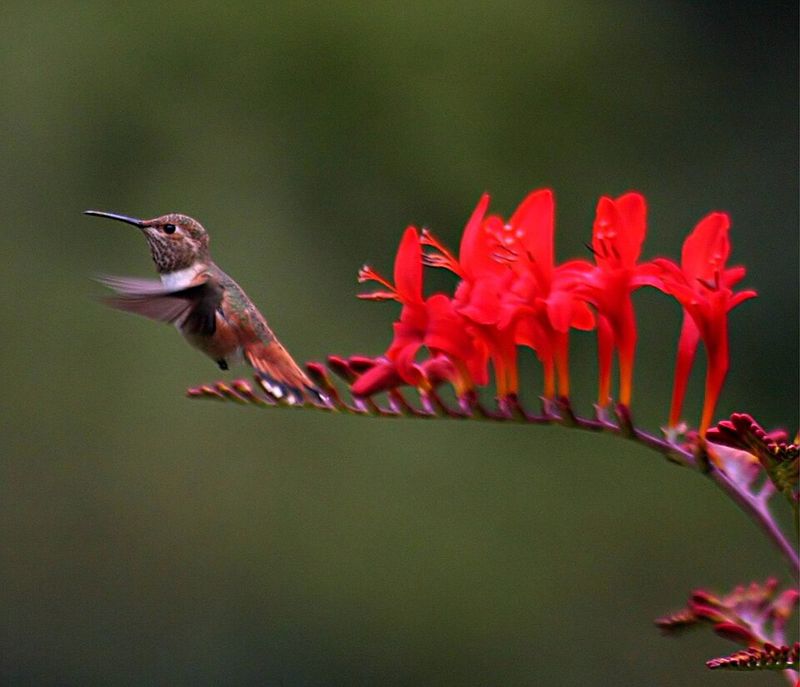
Arching stems and flame red blooms give crocosmia a dramatic look that feels a little more refined than many common summer perennials. In North Carolina gardens, it works best where the soil drains well and the plant gets plenty of sun to build strong flower spikes.
Those narrow, upright leaves also add structure, making the clump useful even before color peaks.
Winter survival is usually good across much of the state, but soggy soil can be a bigger problem than cold. I like to plant corms slightly deeper in lighter soils and use mulch in the mountains where temperatures dip harder.
If your yard tends to stay wet, a raised bed or sloped border gives crocosmia a much better chance of returning strongly.
After bloom, the foliage should stay in place until it naturally yellows so the corms can recharge for next year. Over time, clumps expand and can be divided if flowering starts to thin in the center.
For a striking combination, thread red crocosmia through blue catmint, dark cannas, or airy grasses, letting those curving stems break up boxy planting lines and soften more formal beds.
Red Yarrow
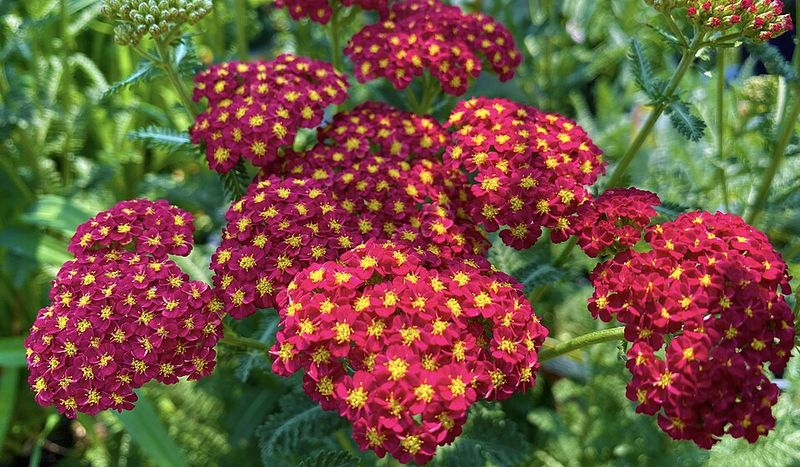
Flat topped flower clusters make red yarrow one of the easiest ways to add a strong horizontal accent in a sunny border. For North Carolina gardeners dealing with hot, exposed spots, it offers welcome durability once established.
The feathery foliage also gives you a softer texture than broader leaf perennials, which helps the red flowers stand out without making the bed feel heavy.
Drainage is the key detail that decides success, especially in clay soils that stay wet after summer storms. I usually suggest planting it in the leanest, sunniest part of the garden rather than pampering it with rich soil and constant water.
Too much fertility can lead to floppy growth, while drier conditions keep stems firmer and the plant more compact.
Deadheading spent clusters can encourage additional bloom and prevent the faded heads from dulling the display. If the plant starts opening up in the middle after a few years, dividing it in early spring quickly restores vigor.
Red yarrow looks especially sharp with purple coneflowers, blue salvias, and ornamental grasses, creating the kind of high contrast planting that still feels grounded instead of overly bright or forced.
Red Hot Poker
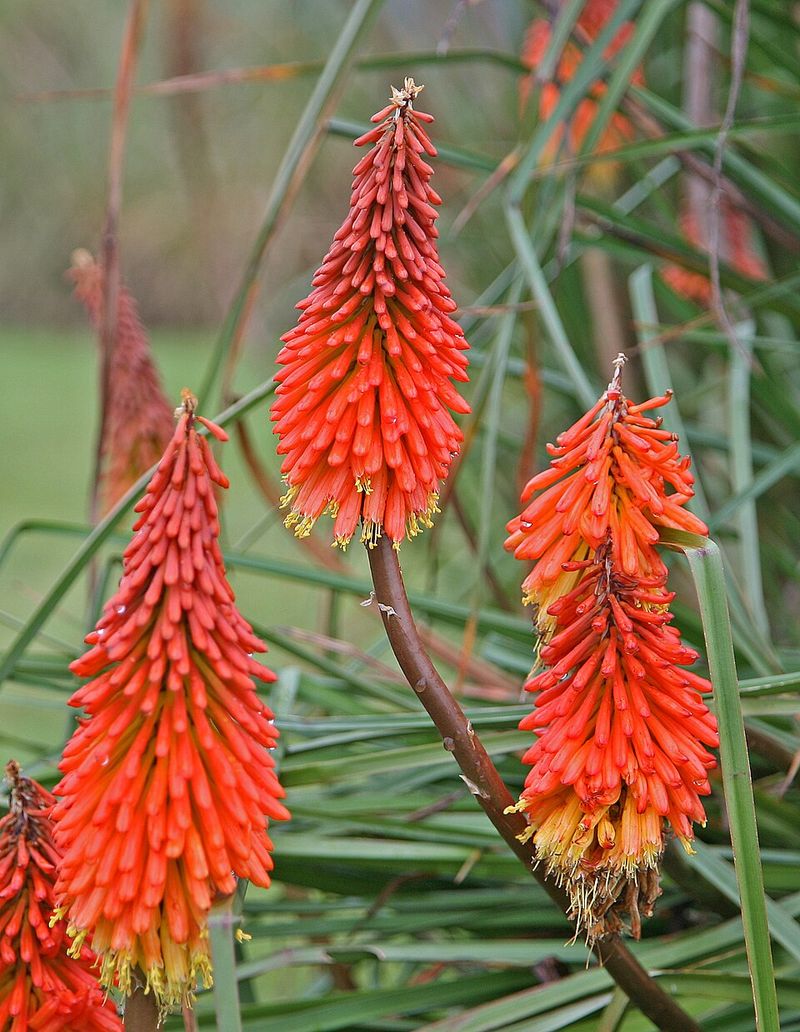
Torch shaped blooms give red hot poker an unmistakable silhouette, and that vertical punch can rescue a border that feels too flat or too leafy. In North Carolina, it tends to perform best in full sun with sharp drainage and enough room for air to move through the planting.
The strappy foliage stays present for much of the year, so this perennial contributes structure even outside peak bloom.
Heavy clay is often the main obstacle, not heat, so improving drainage before planting pays off more than extra fertilizer ever will. I like to mound the soil slightly or tuck plants into raised beds where winter wetness is less likely to rot the crown.
Once established, it handles dry spells well, though regular watering during the first season helps roots settle more deeply.
Removing spent flower stalks keeps the plant tidy and can prompt rebloom on some varieties, especially after a long warm stretch. In colder mountain gardens, a light winter mulch protects the crown without smothering it.
For contrast that really pops, place red hot poker behind shorter blue perennials or next to dark evergreen shrubs, where those fiery spikes look crisp instead of disappearing into surrounding summer color.
Autumn Sage
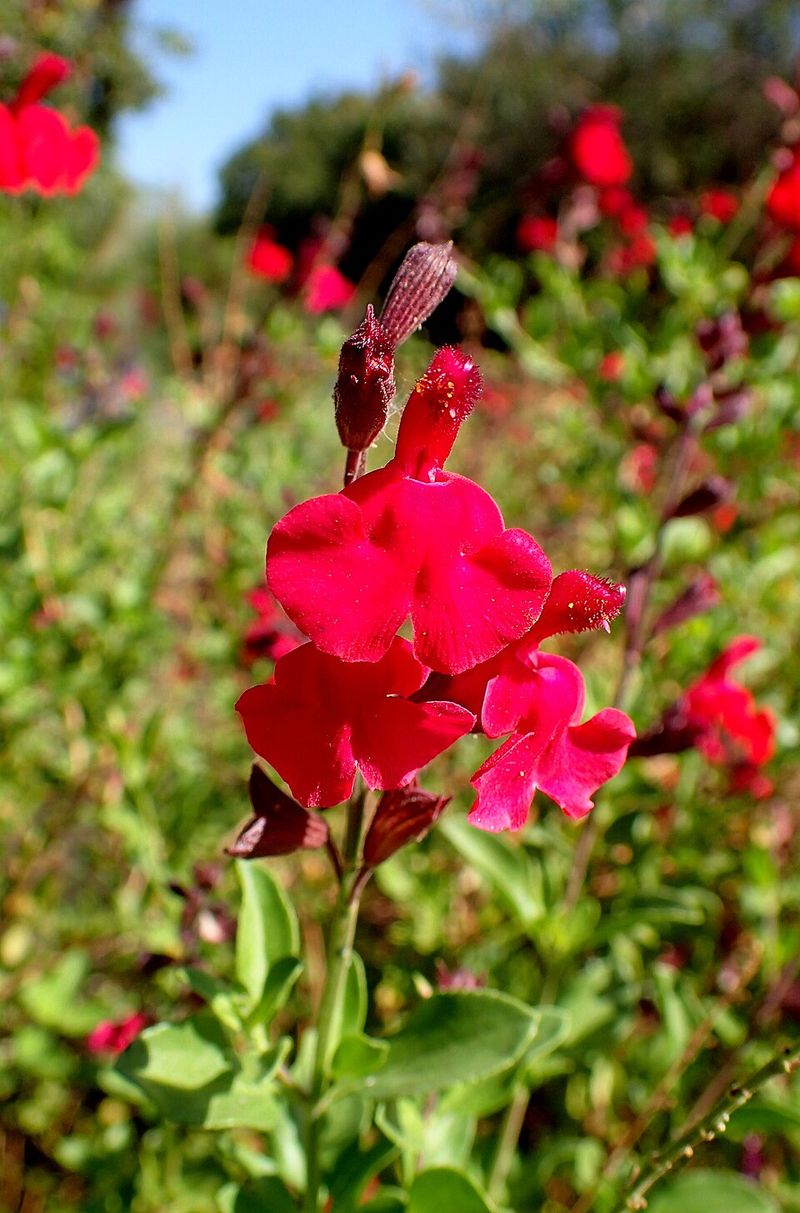
Smaller spaces often need a perennial that blooms hard without taking over, and autumn sage fits that role surprisingly well. Red selections flower over a long season, bringing bright color from warm spring days well into fall in many North Carolina gardens.
Because the plant stays relatively compact, it is easy to use near walkways, foundation beds, and containers where oversized perennials would quickly feel crowded.
Excellent drainage matters more than rich soil, which is good news if you have a lean, sunny location that dries quickly. I usually recommend avoiding heavy mulch pushed against the crown because excess moisture can shorten the plant’s life in humid conditions.
A light trim after a major bloom flush keeps it bushy and helps prevent that thin, woody look some older plants develop.
Pollinators notice it constantly, especially when the weather is warm and other flowers are between blooming cycles. In colder parts of the state, planting near a south facing wall can improve winter survival without much effort.
Red autumn sage pairs nicely with lavender foliage, black eyed Susans, and compact grasses, giving you a clean color contrast that feels lively and intentional rather than overly formal.
Hardy Hibiscus
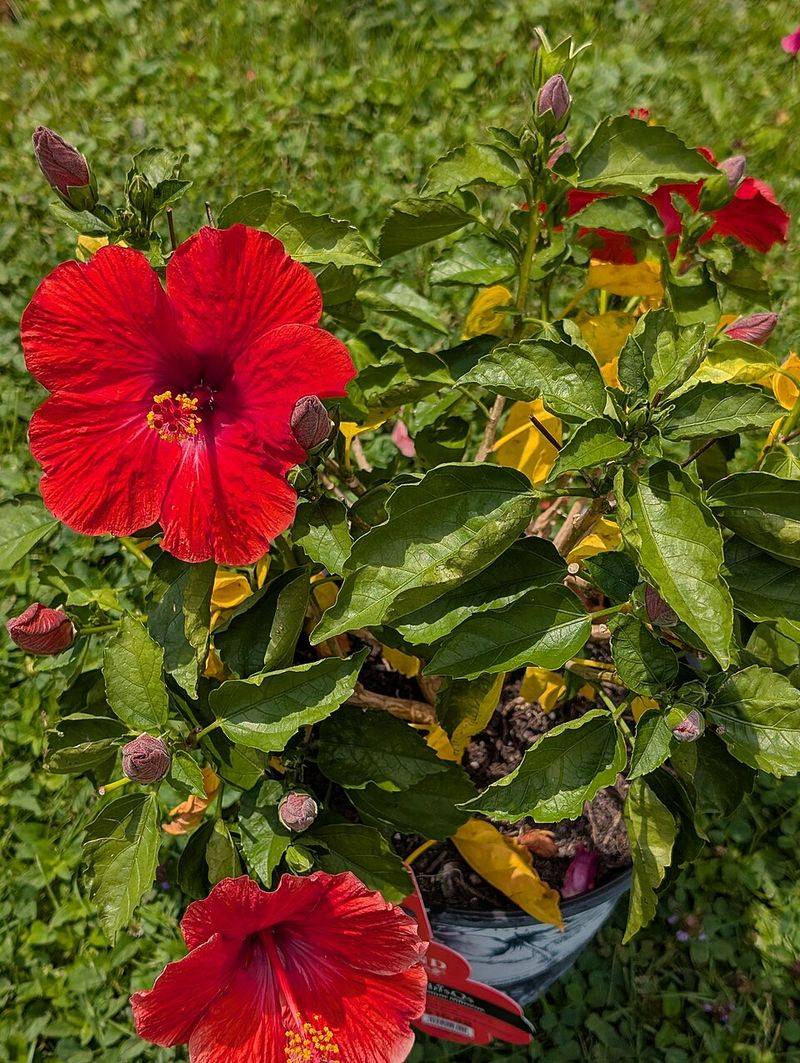
Huge blooms are the reason hardy hibiscus earns attention so quickly, and red varieties can anchor a summer bed almost by themselves. In North Carolina, this perennial thrives in heat and appreciates moisture, making it a smart choice for sunny spots that do not dry out too fast.
The flowers look tropical, but the plant returns reliably in many gardens once it is settled in.
Patience matters in spring because growth often starts late, long after many other perennials are already moving. I always suggest marking the spot so you do not accidentally disturb the crown while planting annuals or edging the bed.
Rich soil and regular water produce the strongest stems and biggest flowers, especially during those long stretches of summer heat common across the Piedmont and Coastal Plain.
Because each bloom lasts only a short time, planting it where numerous buds can open in sequence keeps the display going for weeks. Cutting stems back after frost is usually all the cleanup it needs, then fresh shoots emerge once the weather truly warms.
Red hardy hibiscus looks excellent with ornamental grasses, blue ageratum style companions, or deep green shrubs that make those oversized flowers appear even more dramatic.
Maltese Cross
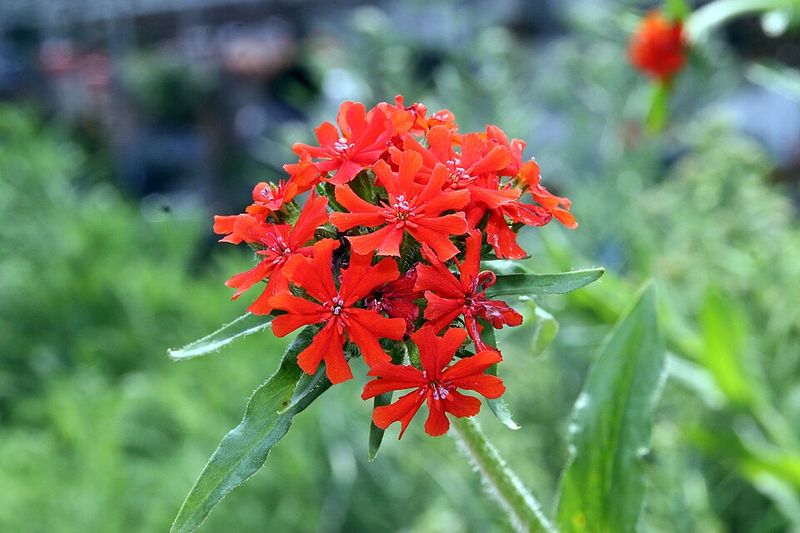
Bright scarlet clusters give Maltese cross a classic cottage garden feel, but the color is strong enough to fit more modern plantings too. In North Carolina, it appreciates sun and decent drainage, especially where humidity can linger around dense foliage.
The flowers sit above the leaves on upright stems, which helps the red read clearly from a distance instead of getting lost in the border.
Good spacing makes a noticeable difference because crowded plants can struggle during wet, muggy spells. I have found that compost enriched soil works well as long as it is not overly heavy or constantly saturated.
A little staking may help in richer beds where stems stretch, but in average garden soil the plant often stays reasonably upright on its own.
Deadheading extends the display and keeps self seeding from becoming messy if you prefer a more controlled look. Every few years, dividing older clumps can refresh flowering and keep the center from thinning.
For strong contrast, use Maltese cross among soft blue flowers, pale yarrow, or silver foliage plants, where its saturated red feels crisp and intentional rather than blending into the typical mixed summer palette.
Dianthus
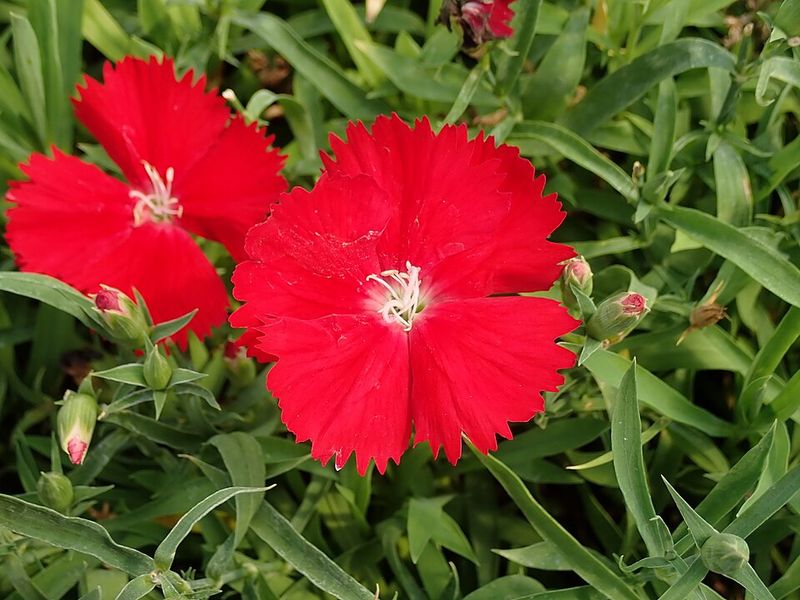
Low growing red dianthus works especially well when you need color near the front of a bed instead of another tall summer bloomer. The flowers bring a spicy fragrance and crisp edge to North Carolina landscapes, particularly in spring and early summer when many larger perennials are still filling out.
Blue green foliage adds value even when the plant is not in peak bloom, keeping borders looking intentional and tidy.
Sharp drainage is essential, so raised beds, rock gardens, and sloped sites are usually the safest choices in clay based yards. I tend to avoid crowding dianthus with thirsty neighbors because too much moisture around the crown can shorten its life.
Full sun produces the best flowering, though a little afternoon relief can help in the hottest parts of the state during midsummer.
Shearing plants lightly after the main bloom flush often encourages a fresher mound and scattered rebloom later in the season. It is also worth replacing tired clumps every few years since dianthus is not always the longest lived perennial in humid regions.
For color contrast that feels clean and polished, pair red dianthus with white alyssum style companions, silvery foliage, or deep evergreens along paths and foundation edges.
Blanket Flower
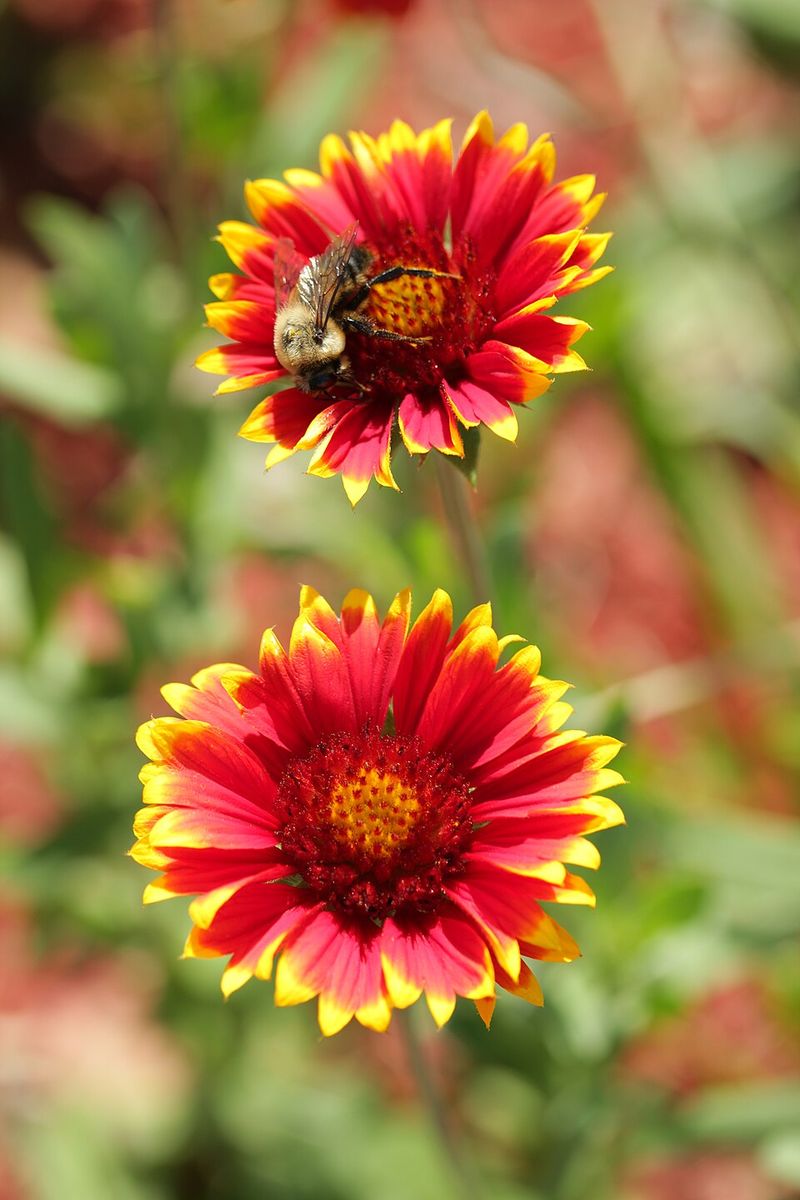
Long bloom and easy color make blanket flower a practical choice when a sunny North Carolina bed needs dependable red through the hottest months. The daisy shaped flowers bring a looser, more casual look than many formal perennials, which helps mixed borders feel lively rather than rigid.
Pollinators visit often, and the plant usually keeps producing as long as faded blooms are removed regularly.
Drainage is the first thing to get right, especially in areas with dense clay or frequent summer rain. I usually place blanket flower in lean soil and resist the urge to overfeed because rich conditions can shorten its life and encourage floppy growth.
Once established, it is notably drought tolerant, making it useful for curbside strips, hellstrips, and other hard to water spots.
Because some gaillardias are short lived, treating them as a perennial that may need occasional refreshing is often the smartest mindset. Leaving a few flowers to seed can help maintain the planting without much effort if conditions suit it.
Red blanket flower looks best with blue salvias, yellow coreopsis, or fine textured grasses, giving you a high energy combination that still feels appropriate for everyday residential landscapes.
Red Valerian
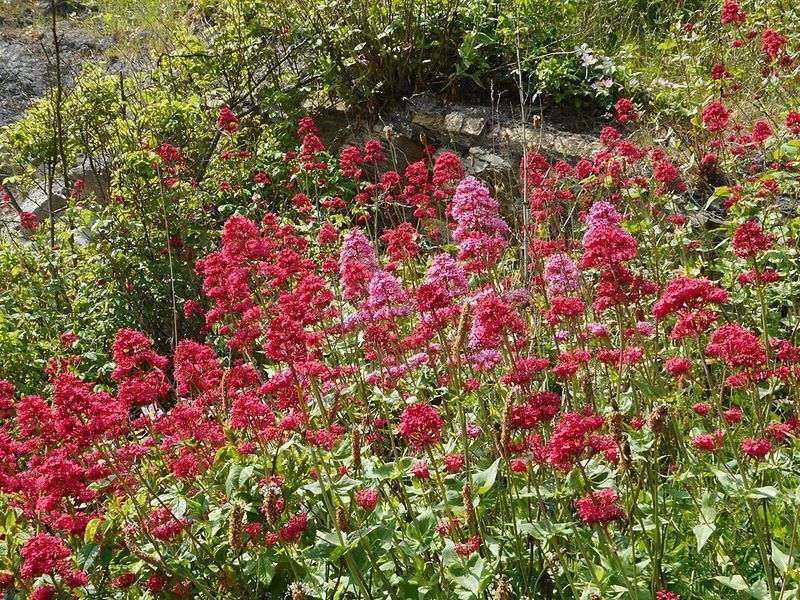
Airy flower clusters give red valerian a lighter presence than many bold colored perennials, which is exactly why it can be so useful. Instead of forming one heavy block of color, it threads red through a planting in a softer, more relaxed way.
In warmer parts of North Carolina, that makes it a good fit for sunny beds, dry slopes, and informal cottage style borders.
Excellent drainage helps far more than frequent watering, so gravelly or sandy sites often suit it better than improved, moisture retentive beds. I like to place it where reflected heat builds, such as along stone edging, near retaining walls, or beside driveways.
Too much fertility can produce extra foliage at the expense of flowering, so average soil is usually enough to keep it happy.
Spent flower stems can be trimmed to encourage fresh bloom and reduce unwanted seedlings if you prefer a neater design. On the other hand, allowing a little self seeding can fill gaps naturally and soften harder landscape lines over time.
Red valerian pairs especially well with lavender, rosemary, and gray leaf companions, creating a dry garden look that feels colorful, practical, and well suited to long southern summers.