
12 Yellow Perennials That Thrive In North Carolina Humid Summers
Follow us on Google
North Carolina summers can be beautiful and brutally sticky at the same time, which makes plant selection matter more than most gardeners expect. If you want bright yellow flowers that keep showing up without constant fussing, the right perennials can carry your beds through heat, humidity, and surprise downpours.
These picks are reliable, eye-catching, and well suited to the conditions many yards across the state deal with every year. You will find options here for sunny borders, pollinator patches, damp spots, and even those tricky places where summer feels heavy from June through September.
Coreopsis
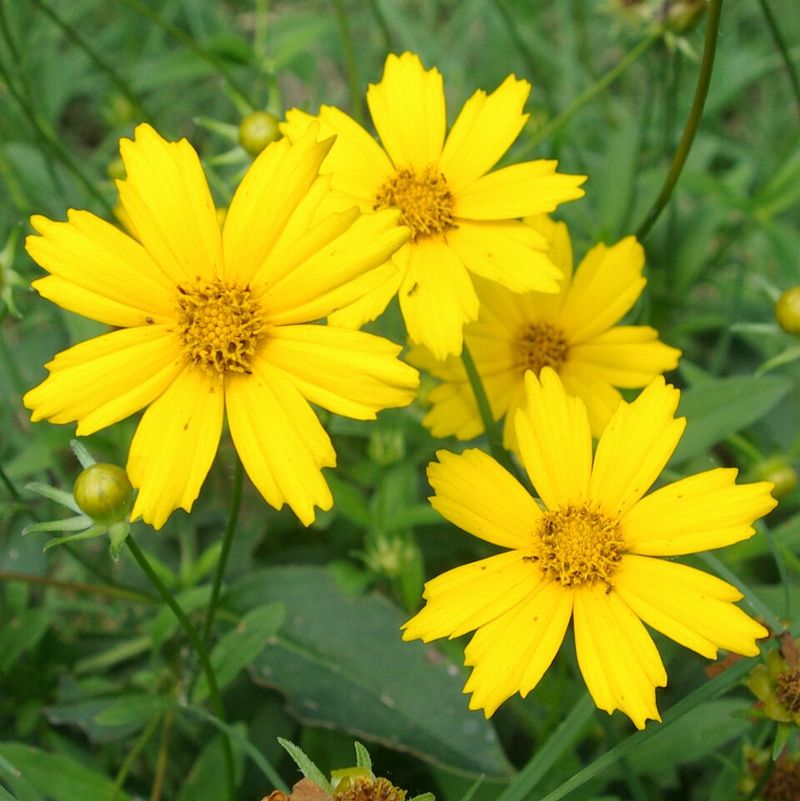
Heat settles in fast across North Carolina, and this cheerful bloomer rarely seems bothered by it. You get bright yellow flowers for weeks, often with a second round if faded stems are trimmed back after the first heavy flush.
Fine, airy foliage keeps the plant looking neat, so even when a few blooms pause, the clump still earns its space.
Full sun is the sweet spot, and decent drainage matters more than rich soil. Once established, it handles dry spells better than many people expect, which is helpful when humid weather suddenly turns into a week without rain.
I like it near walkways or mailbox beds because the sunny color reads clearly from a distance.
Deadheading is not hard, but it does reward consistency. If you shear lightly instead of picking every spent flower, you save time and encourage fresh growth before late summer.
Dividing every few years keeps the center vigorous and stops the plant from looking tired.
Pair it with purple salvia, blue veronica, or ornamental grasses if you want contrast that feels effortless. Pollinators visit often, deer usually pass it by, and the overall look stays relaxed instead of fussy.
For a long, dependable season of yellow, this is one of the easiest starts you can make.
Black-Eyed Susan
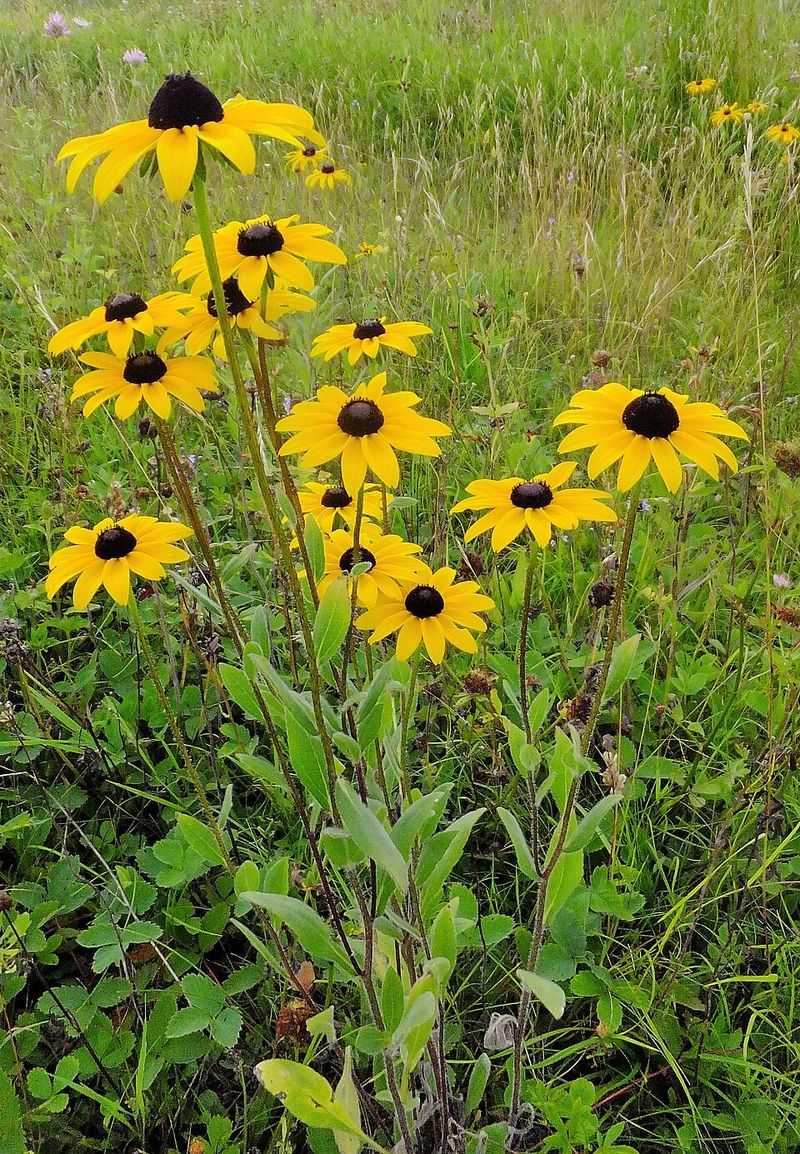
Few plants look more at home in a Southern summer border than these golden flowers with dark centers. Their color feels bold without being flashy, and the upright habit helps them stand out even when nearby plants are at peak growth.
You can count on a long bloom window, especially if older flowers are removed before seedheads fully form.
Sun keeps stems strong and flowering steady, though a little afternoon relief can help in hotter inland spots. Average garden soil works well as long as water does not sit around the roots after thunderstorms.
Once established, the plants cope with humidity far better than gardeners who are new to them often assume.
Air circulation makes a real difference in muggy weather, so give each clump room instead of packing them tightly. If mildew appears late in the season, cut back the worst growth and let fresh foliage carry the display.
Dividing every few years also improves bloom count and overall vigor.
Butterflies, native bees, and seed-eating birds all find value here, which adds another layer of payoff. I like using them with asters and ornamental grasses for a late season combination that still feels natural.
If you want a perennial that looks lively through heat and humidity, this one deserves a permanent spot.
Stella de Oro Daylily
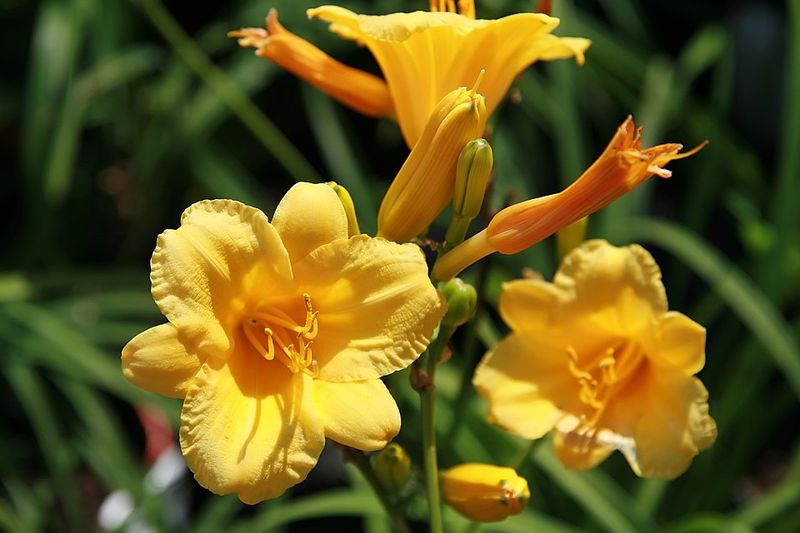
Reliable color can be hard to find in the thickest part of summer, yet this compact daylily keeps showing up. The blooms are not huge, but they appear in steady waves, which gives you more impact over time than one brief spectacular show.
In a front yard bed, that repeat flowering makes the planting look intentional instead of faded by July.
Morning sun and evenly moist soil produce the best performance, though established clumps tolerate short dry stretches surprisingly well. Humidity rarely slows them down, and the grassy foliage stays attractive longer than many broader-leaved perennials in sticky weather.
Good drainage still matters, especially where summer rains can soak beds for days.
Spent blooms are easy to snap off if you enjoy tidying, but it is not required for decent rebloom. Every few years, lift and divide crowded clumps in early spring or fall to restore vigor.
That simple task usually gives you more plants for edging paths, mailbox gardens, or the sunny side of a porch.
Because the size stays manageable, this variety fits small spaces without overwhelming neighbors. I like pairing it with catmint, dwarf coneflowers, or dark-leaved heuchera for a sharper color contrast.
If you want yellow that feels polished and dependable through a humid Carolina summer, this pick keeps earning its reputation.
Rudbeckia fulgida ‘Goldsturm’
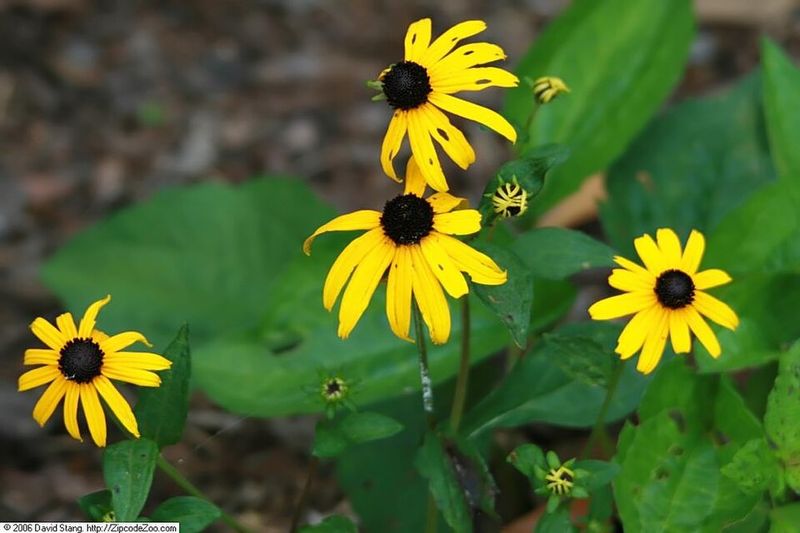
Gardeners across the Southeast keep returning to this variety because it handles summer with very little drama. Bright petals circle dark cones in a way that looks crisp even during the stickiest weeks of August.
The flowering period is generous, and the clumps gradually become fuller without turning unruly in a well planned bed.
Choose a sunny location with soil that drains reasonably well after heavy rain. It appreciates moisture during establishment, but mature plants are tougher than their tidy look suggests.
In North Carolina, that balance is useful because weather can swing from afternoon downpours to hot, drying stretches in the same month.
Good spacing helps leaves dry faster, which reduces the chance of foliar issues in humid air. If stems flop from too much shade or overly rich soil, cut back neighboring plants and skip extra fertilizer next season.
A late winter cleanup is often enough maintenance, especially if you enjoy leaving seedheads for birds.
This one combines beautifully with asters, panicum grasses, and blue salvias for a long late-season display. Pollinators use it heavily, and deer pressure tends to be lower than with softer, tastier choices.
For a dependable yellow perennial that looks strong rather than delicate, it is one of the smartest options you can plant.
Yarrow ‘Moonshine’
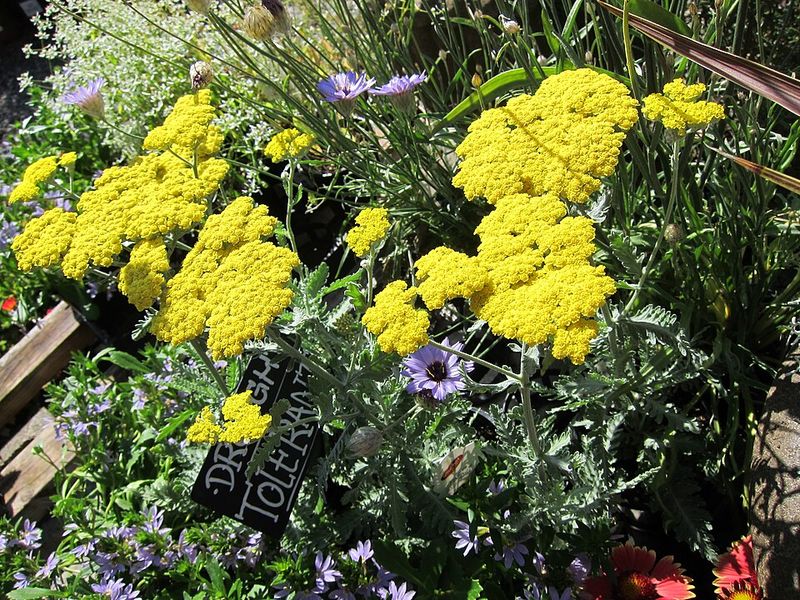
Soft yellow flower clusters floating above silvery foliage can calm down a busy border in the best possible way. This cultivar brings a more muted shade than louder golden perennials, so it is useful when you want warmth without overwhelming nearby colors.
In humid North Carolina summers, that restrained palette feels especially elegant against deep greens.
Sharp drainage is the key to success, even more than rich soil or frequent feeding. Place it where sun is plentiful and air can move freely around the stems, because damp, crowded conditions are what usually shorten its lifespan.
Once settled in a lean spot, the plant asks for far less attention than many summer bloomers.
Avoid overwatering, especially after the first season, since soggy soil can lead to weak growth and rot. Cutting back spent flower heads often encourages another flush while keeping the plant compact.
If the center starts thinning, divide and replant the healthiest outer sections rather than trying to save the entire old clump.
I like using it near stone paths, herb gardens, or xeric borders where the foliage color can stand out. Bees appreciate the broad landing pads, and rabbits usually ignore it.
If your yard includes a dry, sunny patch that still gets heavy summer air, this perennial can handle the contradiction surprisingly well.
Canna Lily
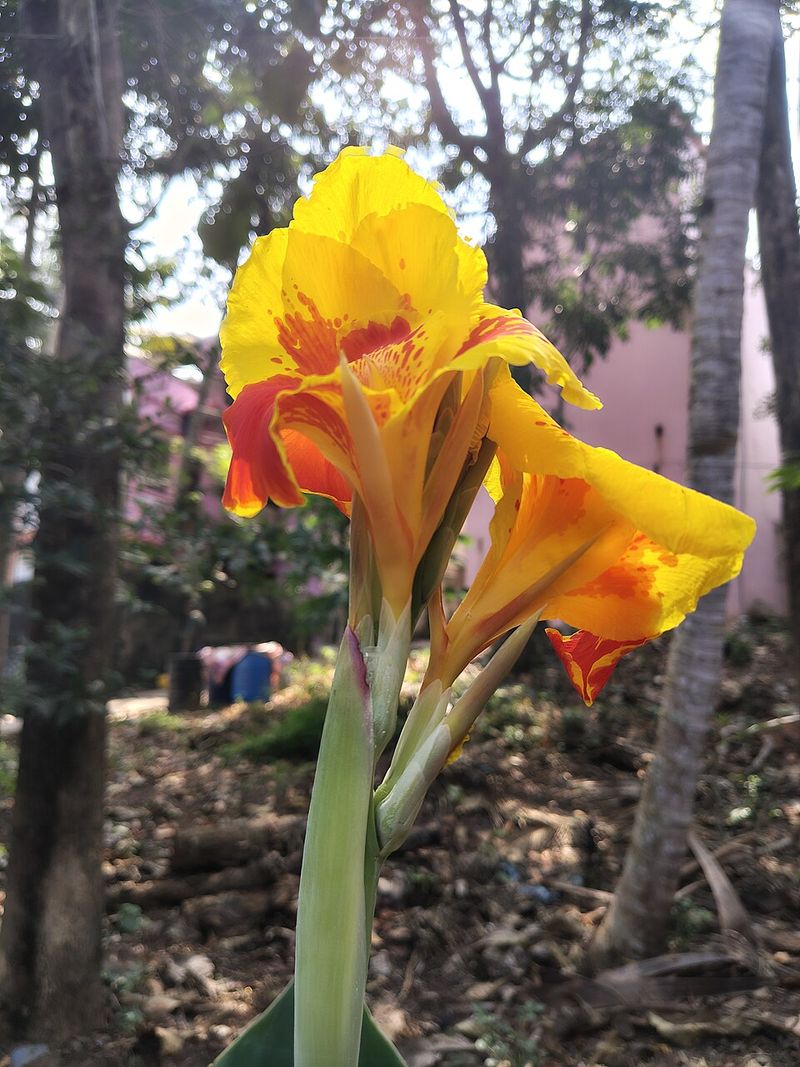
Big leaves and bold yellow flowers can make an ordinary summer bed feel far more dramatic without adding much complexity. Cannas actually appreciate the heat that sends other perennials into survival mode, and humid air often helps them look even more tropical.
If you want a planting that reads clearly from the street, few choices create impact this quickly.
Rich soil, steady moisture, and full sun bring out the best growth. These plants are heavier feeders than many perennials, so mixing compost into the planting area pays off over the entire season.
In North Carolina, they do especially well near downspouts, pond edges, or irrigated beds where moisture stays consistent but not swampy.
Remove spent flower stalks after they finish to keep the clump neat and direct energy into fresh blooms. Watch for canna leaf rollers, because caterpillar damage can show up fast in warm weather.
In colder parts of the state, mulch heavily or lift rhizomes if winters are severe and drainage is poor.
Use them as a tall backdrop behind lower perennials or near patios where the foliage can be admired up close. Dark-leaved varieties paired with yellow flowers look especially striking.
For gardeners who want a strong summer statement that truly enjoys heat and humidity, cannas are a practical way to get it.
False Sunflower
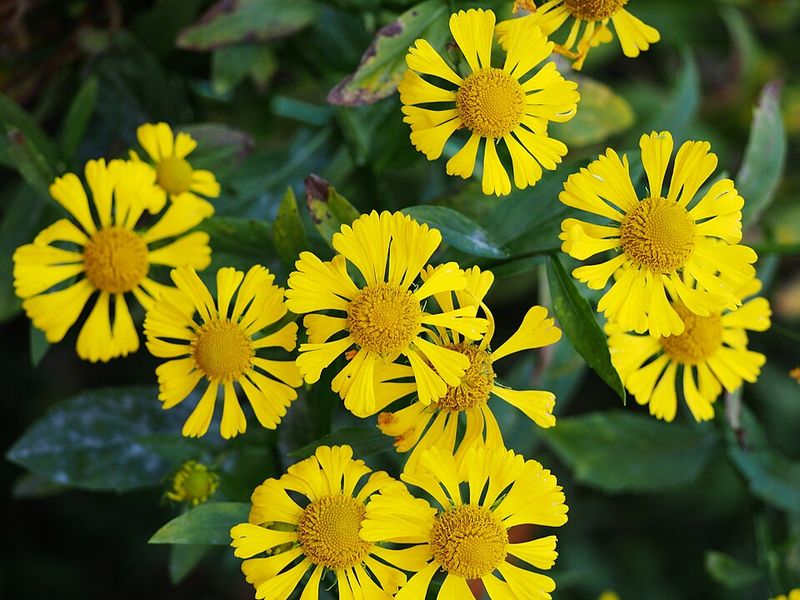
Strong stems and sunny flowers give this perennial a steady presence that holds up well through muggy weather. The blooms resemble smaller sunflowers, but the plant behaves more like a dependable border perennial than a seasonal giant.
You get weeks of color, and the upright habit helps anchor mixed plantings that can otherwise look loose by midsummer.
Full sun brings the best flowering, though a touch of afternoon shade can help in especially hot inland gardens. Soil should be average to moderately fertile, with enough drainage that roots are never sitting in water after summer storms.
Once established, it tolerates ordinary dry spells while still performing respectably in North Carolina humidity.
Pinching stems in late spring can create a shorter, bushier plant if you prefer a tidier shape. Taller selections may need support in rich soil, especially after heavy rain, so plan ahead rather than waiting for stems to lean.
Deadheading extends bloom, but leaving some seedheads later in the season adds wildlife value.
Pollinators visit often, and the flowers mix beautifully with purple coneflowers, Russian sage, and ornamental grasses. I find it especially useful in informal borders where a natural look is welcome but flopping is not.
For bright yellow color that feels sturdy and generous, false sunflower is an excellent fit.
Goldenrod
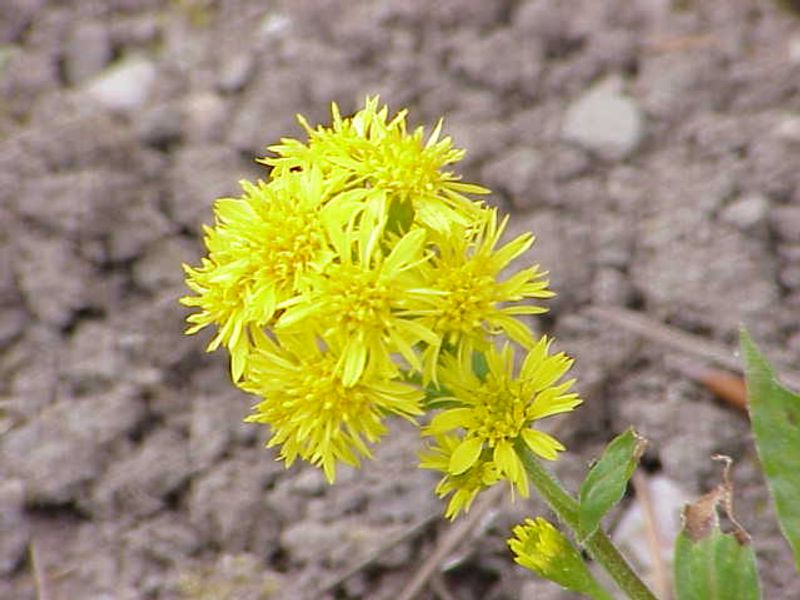
Late summer can leave many gardens looking tired, which is exactly when this native perennial starts proving its worth. Golden flower plumes light up the border just as earlier bloomers begin to fade, and they do it with very little fuss.
Despite old myths, it is not the main cause of seasonal allergies, so there is no reason to avoid it on that basis.
Most types thrive in full sun and average soil, though there are forms suited to drier or slightly moister spots. In North Carolina humidity, native selections often outperform fussier imports because they are already adapted to local weather patterns.
Choosing a clump-forming cultivar is smart if you want the color without too much spread.
Skip heavy fertilizer, since rich soil can push floppy growth at the expense of a stronger shape. Cutting plants back by about a third in early summer often creates a shorter, sturdier display for late season.
Divide every few years if the center thins or if the clump starts crowding its neighbors.
Bees, butterflies, and other beneficial insects use goldenrod constantly when little else is peaking. I like pairing it with blue asters for a classic fall combination that feels right at home in the Carolinas.
If your garden needs yellow after the hottest stretch passes, this perennial gives you excellent timing.
Swamp Sunflower
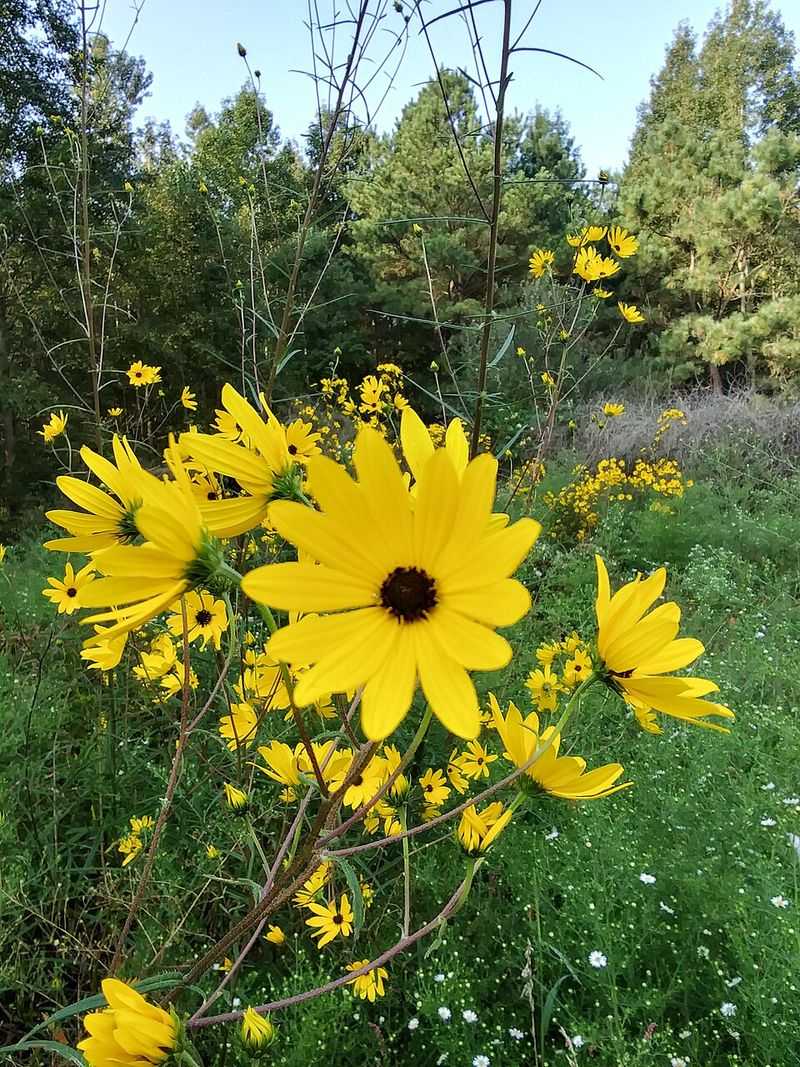
Tall, cheerful, and surprisingly tough, this native perennial thrives where heat and moisture combine for a long growing season. It flowers later than many yellow perennials, which makes it valuable when summer beds need a fresh burst of color.
In the right spot, the display can feel almost electric as masses of blooms open above the surrounding foliage.
Moist soil is ideal, especially in full sun, so it is a strong candidate for rain gardens or low areas that stay damp after storms. North Carolina’s humid summers suit it well, and established plants handle the climate with very little complaint.
Because it can reach an impressive height, placement matters more here than with shorter border plants.
Pinching stems in late spring helps create a bushier habit and keeps the eventual height more manageable. If the clump spreads farther than expected, divide it in early spring before active growth gets going.
Staking is rarely necessary when plants are pinched and grown in bright light instead of partial shade.
Butterflies and native bees are frequent visitors, and the flowers make a strong backdrop for shorter asters or sedges. I especially like this plant near fences, pond edges, or naturalized corners where taller growth looks appropriate.
For gardeners with a moist sunny area, it offers one of the best yellow shows of the season.
Evening Primrose
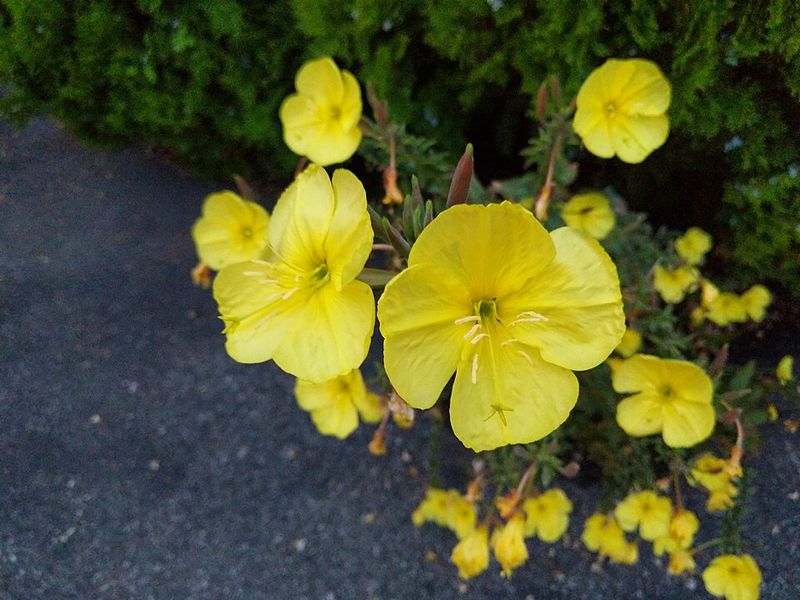
There is something especially charming about yellow flowers that seem to glow as the day cools down. Evening primrose brings that softer kind of brightness, and many gardeners appreciate how easily it settles into informal beds.
In humid North Carolina summers, it keeps producing color when some more delicate perennials start losing energy.
Sun is best, though light shade can work if the soil drains well and the plant is not crowded by aggressive neighbors. Once rooted in place, it tolerates heat, humidity, and short dry spells with admirable confidence.
The growth can spread by seed or underground runners in some species, so knowing your exact variety matters before planting.
If you want a contained look, deadhead before seeds mature and edge the clump each spring. Lean soil often produces sturdier plants than rich, heavily amended beds, which is good news for gardeners working with average conditions.
A quick cutback after the first big flush can refresh foliage and encourage a cleaner appearance.
This perennial fits cottage gardens, pollinator patches, and naturalized borders where a slightly relaxed habit feels welcome. The flowers also attract evening pollinators, adding another layer of interest after daytime bloomers settle down.
For easy yellow color with a more casual personality, evening primrose is worth considering.
Ligularia
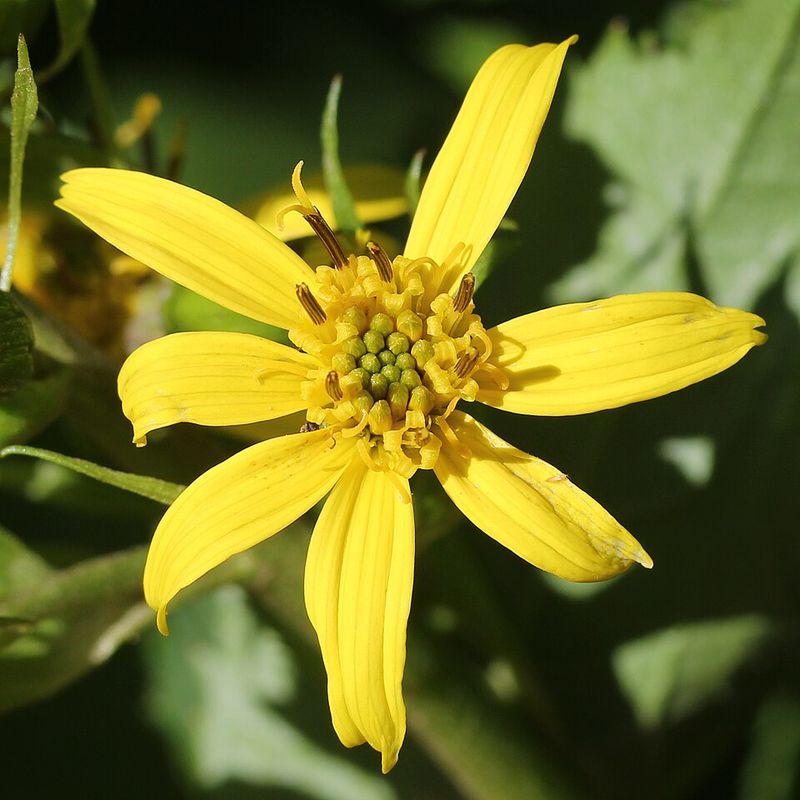
Shade gardeners are often told they have fewer bright flower choices, yet this bold perennial offers a strong yellow option for damp areas. Large leaves create presence even before blooming starts, and the flower spikes rise clearly above the foliage when summer matures.
In a humid North Carolina garden with consistent moisture, that combination can look striking rather than delicate.
Morning sun with afternoon shade is usually the safest placement, especially in hotter parts of the state. Dry soil is the quickest way to make this plant miserable, so choose a site near irrigation, a downspout, or a naturally moist bed.
Rich organic matter helps hold water while still keeping the root zone healthy.
Watch the leaves during heat waves, because wilting is often a moisture signal rather than a long-term decline. Mulch generously to keep roots cool and reduce evaporation through the hottest weeks.
If slugs appear, address them early before damaged foliage takes away from the plant’s dramatic look.
This is a smart choice near ponds, shaded patios, or woodland edges where the leaves can contrast with ferns and hostas. I like it for spots that feel too heavy and damp for more common yellow perennials.
If your garden has humidity, shade, and moisture working together, ligularia can turn that challenge into an advantage.
Yellow Iris
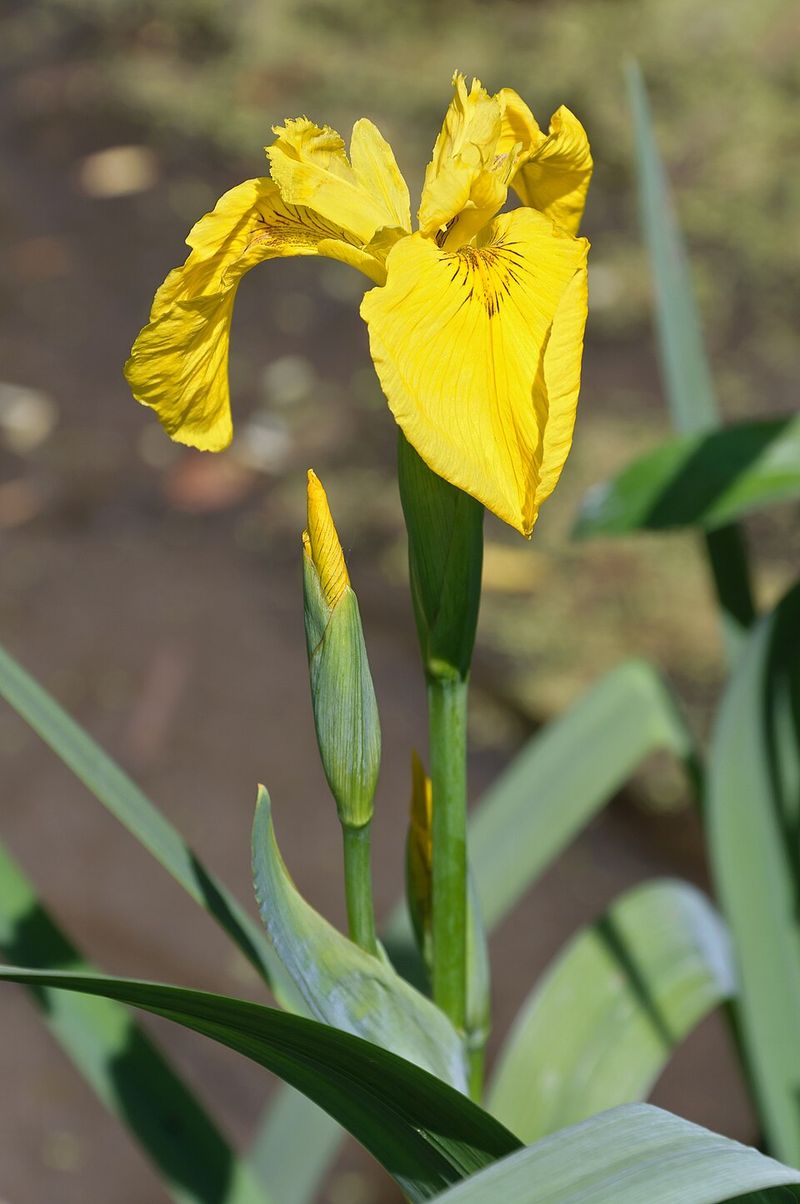
Moist soil can be tricky territory, but yellow iris can turn that difficult patch into one of the prettiest parts of the yard. Sword-like foliage adds vertical structure long before flowers open, and the blooms bring a refined kind of brightness that feels different from daisy-shaped perennials.
In humid North Carolina conditions, that graceful form often looks right at home.
Many yellow irises prefer full sun to light shade and appreciate reliable moisture during active growth. They are especially useful near pond edges, drainage swales, or rain gardens where other perennials may struggle with saturated periods.
Good air flow still matters, because humid weather can encourage foliar problems if clumps become too dense.
After flowering, remove spent stalks and keep foliage tidy by trimming only what is clearly damaged. Division every few years improves flowering and prevents overcrowding, usually best done when temperatures are milder.
If you garden in heavier clay, adding compost before planting can improve root establishment without making the site too dry.
I like pairing yellow iris with blue flag iris, sedges, or cardinal flower for a layered waterside effect. The flowers bring elegance, but the foliage keeps earning its place after bloom season passes.
For gardeners managing a wet sunny spot, this perennial offers both beauty and practical site compatibility.