
14 Blue Perennials That Stay Strong Through North Carolina Weather Changes
Follow us on Google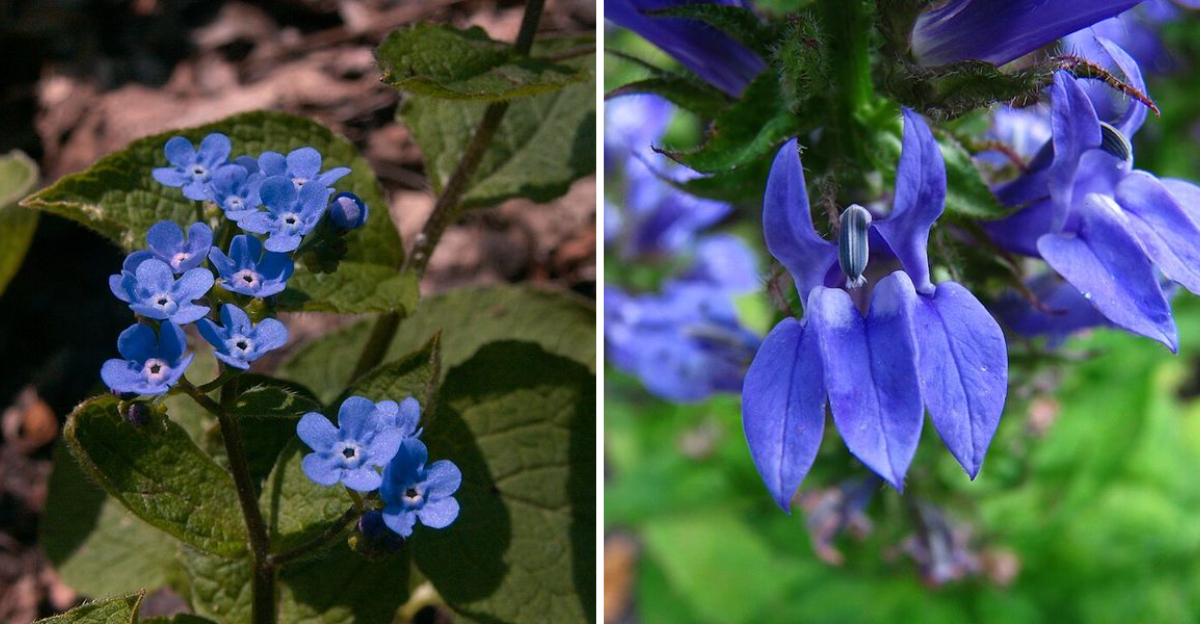
North Carolina gardens can swing from soaking rains to humid heat and surprise cold snaps faster than many plants can handle. If you want blue flowers that keep showing up without constant fuss, the right perennials make all the difference.
These picks are reliable, beautiful, and better prepared for the state’s shifting weather than many short-lived favorites. Keep reading if you want a border that stays colorful, sturdy, and far less stressful to maintain.
Blue Star Amsonia
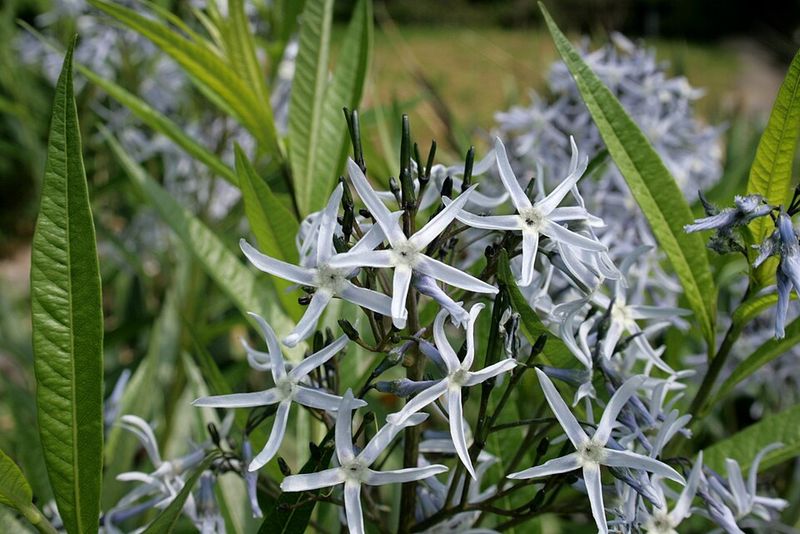
Spring can feel unpredictable in North Carolina, so it helps to plant something that never seems rattled by temperature swings. Blue Star Amsonia earns that trust with soft blue flowers in spring and tidy foliage that keeps working through summer.
You get a refined look without the demanding care routine some blue bloomers require.
Once established, this perennial handles clay better than many gardeners expect, especially when the soil drains reasonably well. Full sun brings the strongest flowering, though light afternoon shade can help in hotter inland gardens.
During dry stretches, a layer of mulch keeps roots cooler and reduces the stop-and-start stress that comes with sudden heat.
By fall, the foliage turns a glowing golden yellow, so you are not relying on spring flowers alone for value. That long season of interest makes it useful near walkways, mixed borders, or foundation beds where every plant needs to pull its weight.
Deer usually pass it by, which matters if browsing is a regular frustration in your yard.
Give it room early, because mature clumps look best when they are not squeezed between fast spreaders. A simple cutback in late winter is usually enough to reset its shape.
For a garden that rides out weather changes gracefully, this one is hard to beat.
Baptisia australis
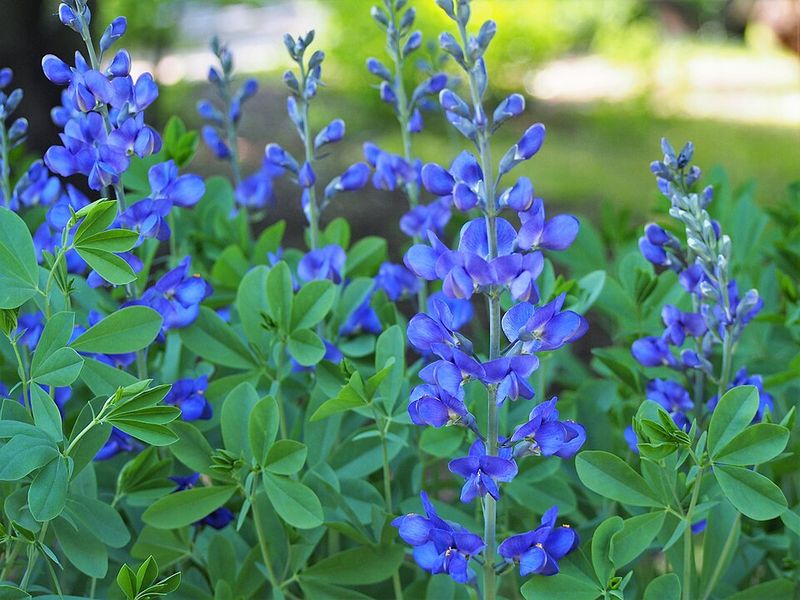
Some perennials need coddling after a rough week of rain or heat, but this one settles in and keeps moving. Baptisia australis brings rich blue flower spikes in spring and a shrub-like presence that looks substantial long after bloom time ends.
If you want structure without planting an actual shrub, it fills that role beautifully.
Deep roots are part of its staying power, which is why established plants handle drought much better than many flowering perennials. In North Carolina, that resilience matters during summer dry spells that arrive right after heavy rain.
Plant it in full sun, skip overwatering, and be patient the first season while roots dig in.
Mature clumps become broad and handsome, so this is not the best choice for cramped corners. You will get the best effect by using it as an anchor in a mixed border with grasses, coneflowers, or catmint nearby.
The blue flower color reads especially well against warm brick, pale gravel, or fresh spring greens.
It also resents being moved once established, so choose the spot carefully from the start. Leave the decorative seed pods standing if you like extra texture through summer and early fall.
For gardeners tired of floppy or fussy bloomers, this is a grounded, dependable answer.
Catmint
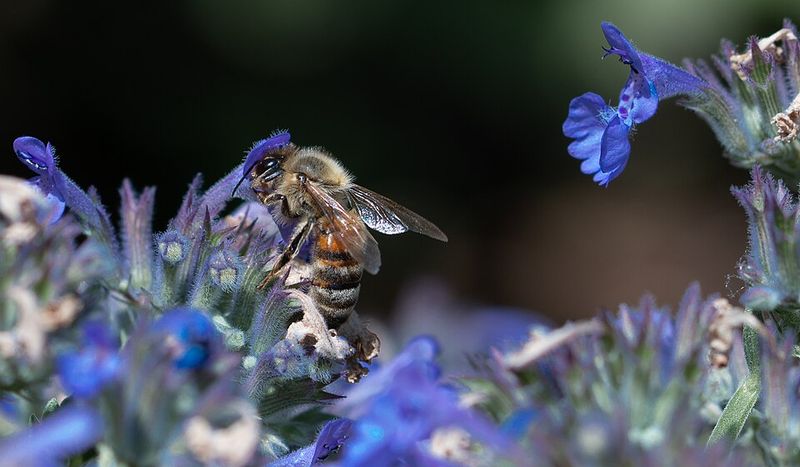
Long bloom time can rescue a garden when weather knocks other flowers off schedule, and that is where catmint really shines. Soft blue to violet blooms appear in waves, and the gray-green foliage stays attractive even when temperatures climb.
You get color, movement, and an easygoing habit that suits busy gardeners.
North Carolina humidity can make some plants collapse into a tired heap by midsummer, yet catmint usually keeps a neat mound if it gets enough sun. Good drainage is the key, especially in heavier soils where wet roots cause trouble faster than heat does.
Shearing it lightly after the first flush encourages another round of flowers without much effort from you.
Pollinators love it, so you will likely notice bees visiting from morning into late afternoon. That makes it useful near vegetable beds, mailbox gardens, or front borders where you want constant activity and color.
Deer tend to ignore the aromatic foliage, which is another point in its favor.
Choose a named variety that fits your space, since some stay compact while others sprawl wider with age. Pair it with yellow daylilies, white gaura, or silver foliage for a clean summer combination.
If your weather swings from wet to dry in a single week, catmint rarely complains.
Meadow Sage
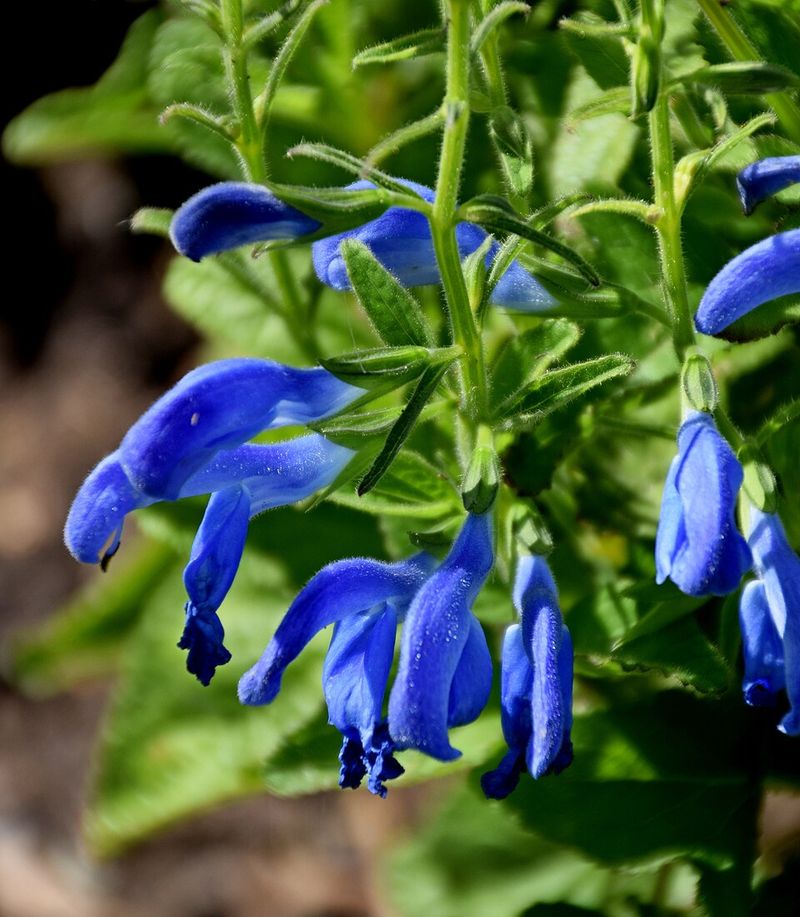
Color that stands upright through storms is always welcome, and meadow sage offers exactly that. Its strong vertical flower spikes bring saturated blue tones that read clearly even from a distance.
When your border needs definition instead of another soft mound, this perennial adds the right kind of contrast.
Full sun is the sweet spot, especially in North Carolina where too much shade can reduce flowering and invite legginess. Once planted in well-drained soil, it handles dry periods better than many traditional cottage garden favorites.
A quick trim after the first bloom cycle often triggers another flush, which helps bridge the long summer stretch.
Hummingbirds and bees show up fast, so it works well in pollinator-focused beds where every plant has a job. The fragrant foliage also helps discourage deer, which is useful in suburban and rural gardens alike.
You can tuck it near roses or ornamental grasses to create a sharper, more structured look.
Winter drainage matters more than winter cold for this plant, so avoid soggy low spots. If your soil is dense clay, amend the planting area and raise the crown slightly above grade.
For gardeners dealing with rapid weather changes, meadow sage stays surprisingly steady and rewarding.
Great Blue Lobelia
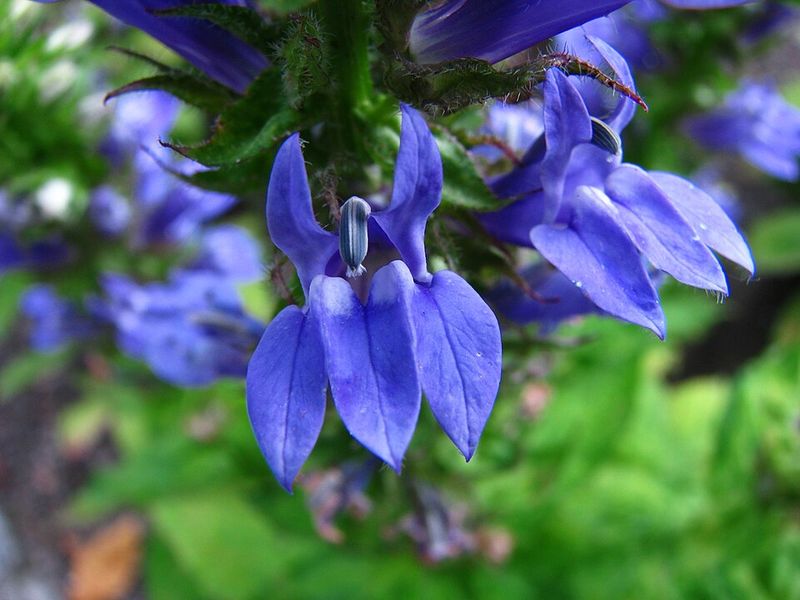
Late summer can leave a garden looking tired, especially after weeks of humidity and sudden thunderstorms. Great Blue Lobelia steps in with tall blue flower spikes right when many spring favorites have already faded.
That timing alone makes it valuable if you want fresh color deep into the season.
Unlike drought-loving perennials, this native prefers consistent moisture and performs especially well near rain gardens, pond edges, or low spots that stay evenly damp. In North Carolina, that makes it a smart choice for sites where summer downpours collect rather than drain quickly.
Morning sun with afternoon shade often gives the best balance in hotter regions.
Pollinators are drawn to the vivid flowers, and the upright habit helps the plant stand out in mixed native plantings. Pair it with ferns, Joe Pye weed, or cardinal flower for a layered look that feels natural instead of overly formal.
The blue tones appear richer when backed by dark mulch or deep green foliage.
Do not let the soil fully bake out for long periods, especially during its first year. A generous mulch layer helps smooth out the stress caused by fluctuating rainfall and heat.
If part of your yard stays moist when other spots scorch, this perennial turns that challenge into an advantage.
Spiderwort
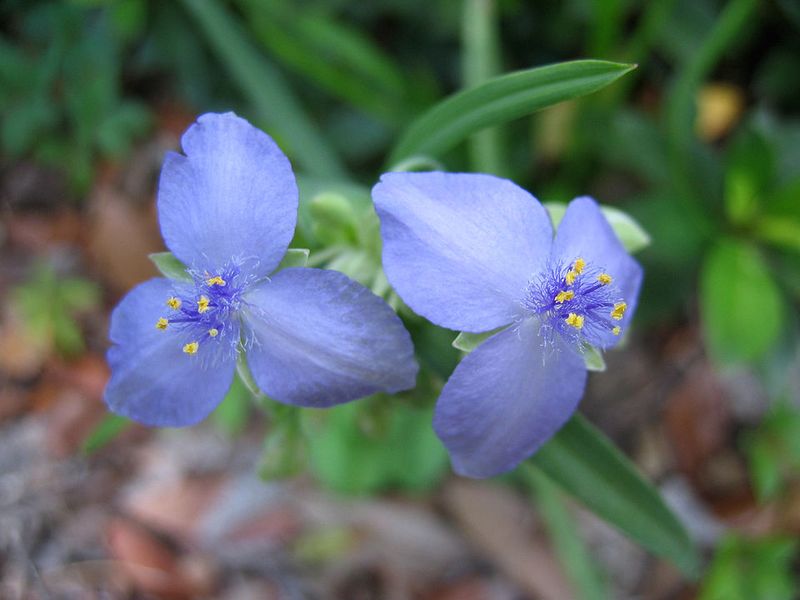
Few plants are as forgiving about wild spring weather as spiderwort, which seems ready for anything from cool mornings to sudden heat. The blue flowers open in succession, so you keep seeing fresh color instead of one brief peak.
That steady performance is useful in gardens where bloom timing often gets disrupted.
North Carolina gardeners appreciate its flexibility, because it grows in full sun or partial shade and tolerates a range of soils. It looks best with regular moisture, though established clumps can ride out short dry spells better than their delicate flowers suggest.
When foliage starts looking tired after bloom, a midseason trim often produces a cleaner flush of growth.
The casual form fits cottage gardens, native beds, and mixed borders where a little looseness feels welcome. You can combine it with iris, amsonia, or early coneflowers for a layered planting that never feels stiff.
Morning light makes the flower color especially striking, almost glowing against fresh green foliage.
Because each bloom is short-lived, massing several plants creates the strongest display. Do not worry if flowers close by afternoon, since new buds keep the show going.
For gardeners who need a resilient, adaptable perennial with authentic charm, spiderwort earns its space very quickly.
Blue Flag Iris
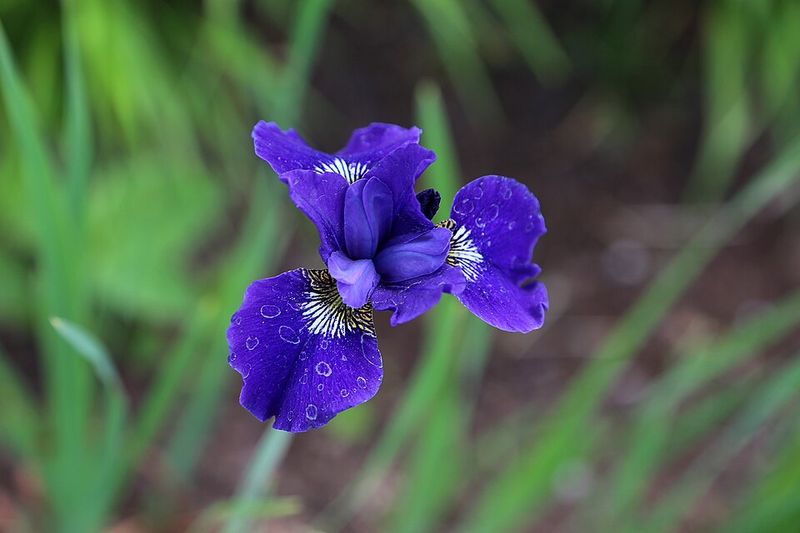
Rainy springs and wet spots can be frustrating, yet some plants actually look better because of them. Blue Flag Iris is one of those smart choices, offering elegant blue flowers and sword-like foliage that suits naturalistic gardens beautifully.
If part of your yard stays damp, this perennial can make that area feel intentional instead of troublesome.
Native forms adapt well to North Carolina conditions, especially where the soil stays consistently moist without turning stagnant. It handles more sun in wetter ground, while light shade helps in warmer inland locations.
Good air circulation matters, because crowded plantings can encourage foliar issues during humid stretches.
The bloom period is not especially long, but the vertical foliage keeps structure in the bed after flowers pass. Use it near a downspout garden, pond edge, or bioswale where seasonal moisture supports healthy growth.
Pairing it with sedges, lobelia, or marsh-loving natives creates a strong regional planting that feels grounded in place.
Rhizomes appreciate room, so avoid burying them too deeply or smothering them with heavy mulch. Divide clumps when flowering drops or the center thins out.
For gardeners trying to match plants to real site conditions instead of fighting them, Blue Flag Iris is a practical and beautiful solution.
Brunnera macrophylla
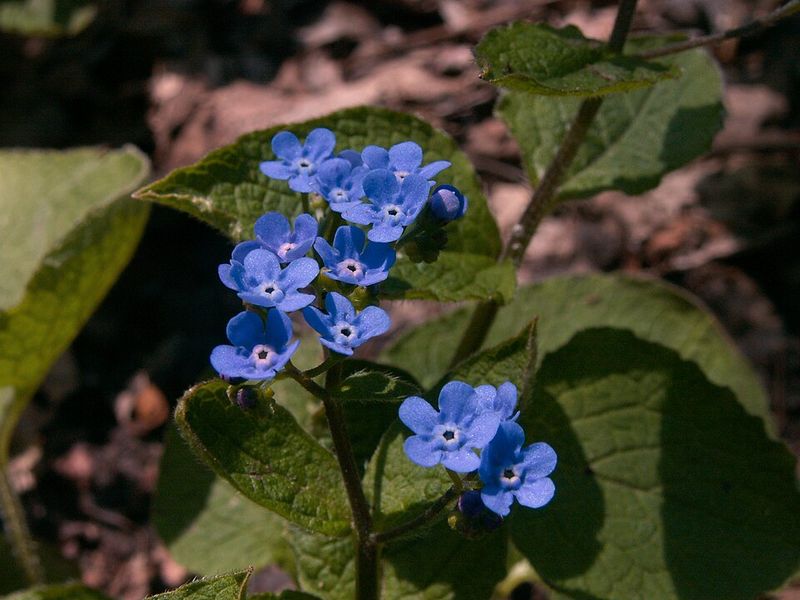
Shade gardens often lean heavily on foliage, so getting true blue flowers there feels like a bonus. Brunnera macrophylla delivers airy sprays of blue blooms in spring along with handsome heart-shaped leaves that carry the planting long after flowering ends.
It is especially useful in North Carolina yards with mature trees and shifting pockets of light.
Consistent moisture and rich soil help this perennial look its best, particularly during the first hot stretch of late spring. Afternoon shade is important in warmer parts of the state, because too much direct sun can scorch the leaves.
A mulch layer also helps buffer the roots when temperatures rise suddenly after cool weather.
Variegated selections brighten dark corners, while solid green forms often handle stress with a little more ease. Tuck it beside hostas, ferns, or hellebores for a layered woodland look that still includes flower color.
The blue blooms read as delicate, but the plant itself is sturdier than many gardeners assume.
Humid summers can make foliage look tired by season’s end, so avoid dry, exposed sites. If leaves decline, trimming damaged growth can freshen the clump without harming the plant.
For dependable spring blue in shade, Brunnera offers a calm, polished answer that feels easy to live with.
Balloon Flower
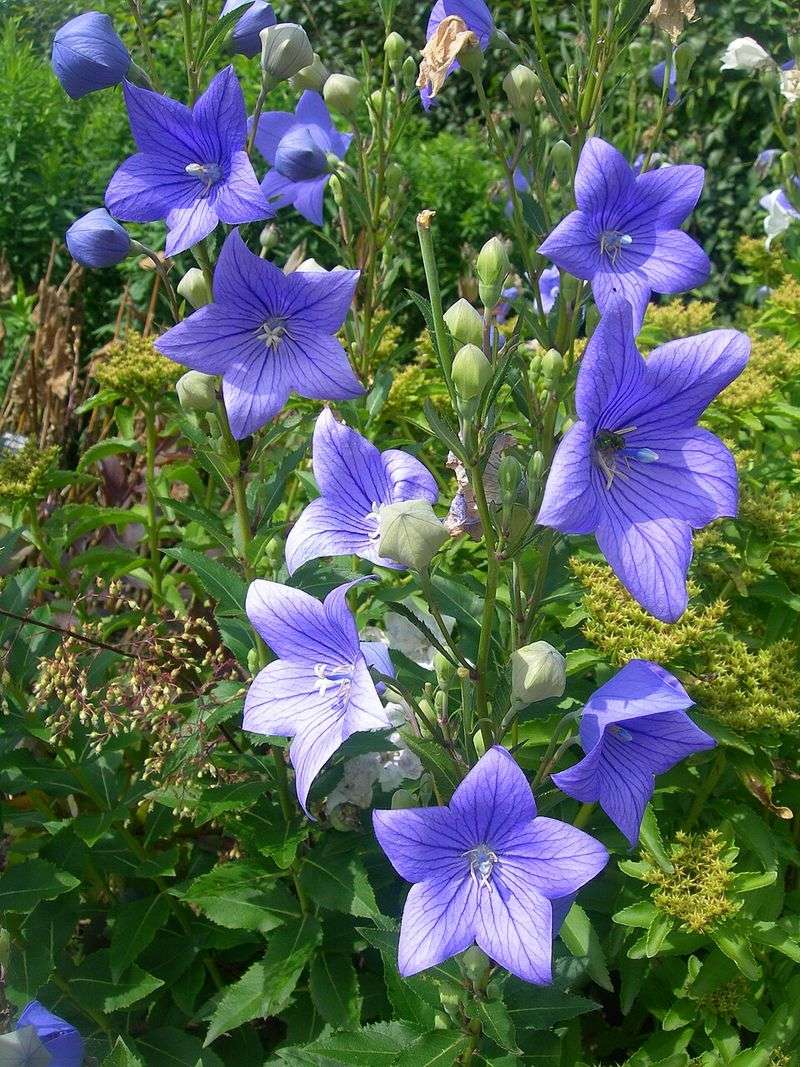
There is something satisfying about a perennial that brings a little personality before it even opens. Balloon Flower does exactly that, with puffed buds that expand like tiny lanterns before unfolding into blue starry blooms.
In a mixed border, those buds create interest even when the flowers are still waiting.
This plant prefers full sun to light shade and well-drained soil, which makes it a good fit for many North Carolina home gardens. It tolerates summer warmth fairly well, especially if roots are mulched and not sitting in water after heavy rain.
New growth emerges late in spring, so mark the spot and be patient before assuming it failed.
Because stems can be somewhat brittle, plant it where strong foot traffic or rough maintenance will not knock it around. Shorter varieties stay neater in front borders, while taller types fit nicely among salvias and coneflowers.
The clean blue flower color is easy to pair with whites, pinks, or silvery foliage nearby.
Once settled, it dislikes being disturbed, so choose the location with some care. Deadheading can tidy the plant, though leaving a few seed pods adds seasonal detail.
If your weather swings from drenched weekends to hot weekdays, Balloon Flower usually keeps its composure.
Hardy Geranium ‘Rozanne’
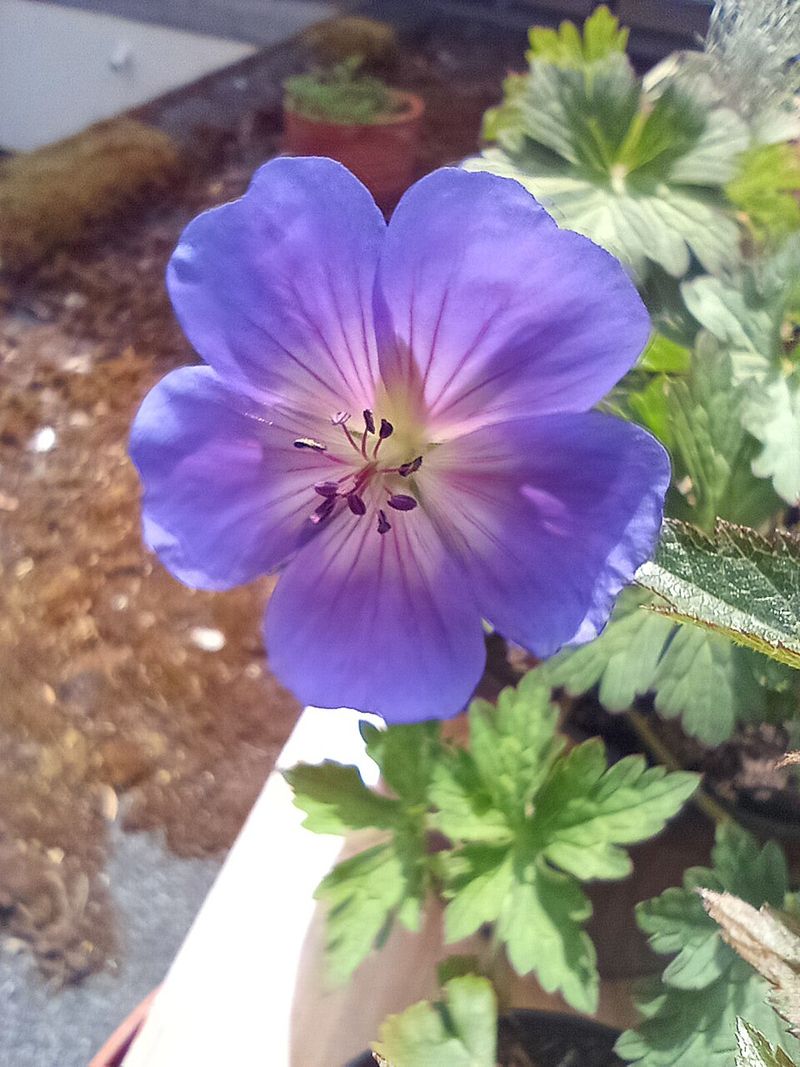
Long-flowering perennials are worth their space, especially when your garden needs color through unpredictable weather. Hardy Geranium ‘Rozanne’ keeps producing violet-blue blooms for months, often carrying from late spring well into fall.
That kind of persistence makes it one of the easiest ways to maintain continuity in a mixed bed.
Heat and humidity can shorten the season for many geraniums, but this selection handles North Carolina conditions better than most. Give it sun with some afternoon relief in hotter areas, plus soil that drains well after hard rain.
It appreciates regular water during establishment, then becomes fairly adaptable once roots are settled.
The mounding, trailing habit lets it weave between neighboring plants, softening edges and filling awkward gaps. You can use it around roses, small shrubs, or upright perennials that need a flowering partner at their feet.
Because it keeps blooming for such a long stretch, the border feels active instead of peaking all at once.
A light trim in midsummer can freshen the foliage and encourage another strong wave of flowers. Do not crowd it too tightly, since airflow helps during humid periods.
For gardeners who want reliable blue color without constant deadheading, ‘Rozanne’ is an exceptionally practical choice.
Creeping Speedwell
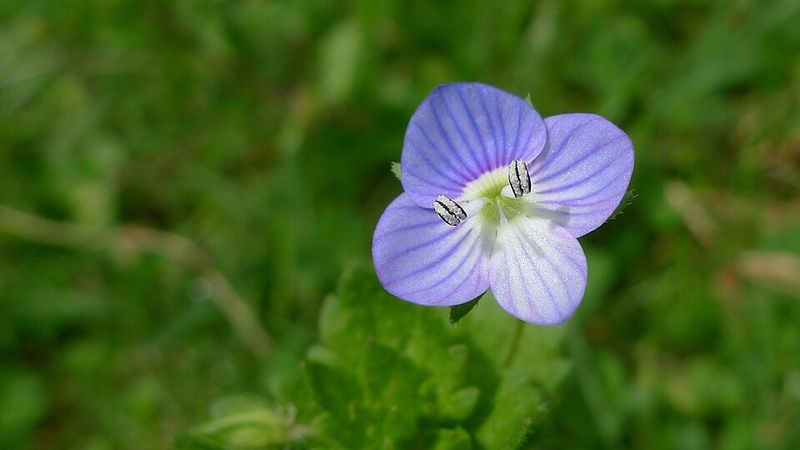
Low-growing plants can disappear visually unless they bring a color that catches your eye, and creeping speedwell does exactly that in spring. Its small blue flowers appear over tidy foliage, creating a carpet effect that feels neat rather than messy.
For edging beds or softening stone paths, it gives you a polished look with less maintenance than annual fillers.
Good drainage is essential, especially in North Carolina where winter wet and summer humidity can both challenge dense ground-hugging plants. Full sun encourages the strongest bloom, though a little afternoon shade can help in hotter sites.
Avoid overly rich soil, because too much fertility can push weak growth instead of tight coverage.
This perennial works well between stepping stones, along retaining walls, or near the front of a sunny border. The blue flowers pair beautifully with spring bulbs, dwarf iris, or pale yellow bloomers that sharpen the color contrast.
It also helps suppress weeds once the mat fills in, which saves time during the busiest gardening months.
Shear lightly after bloom if the patch looks uneven or tired. That quick cleanup often keeps the foliage denser and more attractive through the season.
If your goal is reliable blue close to the ground without a high-maintenance routine, creeping speedwell is a smart pick.
Delphinium ‘Blue Butterfly’
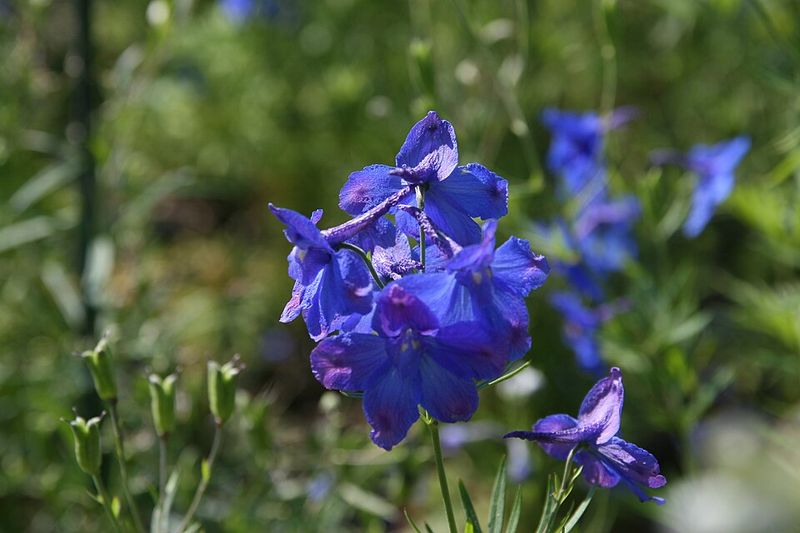
True blue flowers can be surprisingly hard to find, which is why this compact delphinium deserves attention. ‘Blue Butterfly’ offers airy spikes in a vivid clear blue that stands apart from the more purple-leaning choices in many garden centers. In the right spot, it gives a cottage-garden feel without taking over the whole bed.
North Carolina heat can be tough on delphiniums, so site selection matters more here than it does in cooler climates. Give it morning sun, afternoon protection, and soil that drains quickly after storms.
A mulch layer keeps roots cooler, while consistent moisture helps avoid the stop-and-go stress that shortens flowering.
Because this variety is more compact, it often needs less staking than taller delphiniums, though exposed windy sites can still cause trouble. Plant it where other perennials can help support the stems without crowding airflow.
Blue flowers look especially crisp beside white daisies, silver foliage, or soft pink companions.
Think of it as a rewarding specialty plant rather than a set-and-forget workhorse. Deadheading can encourage repeat bloom, and replacing aging plants every few years is not unusual.
If you are willing to give a little extra care for outstanding blue, this one can absolutely earn its place.
Blue Mistflower
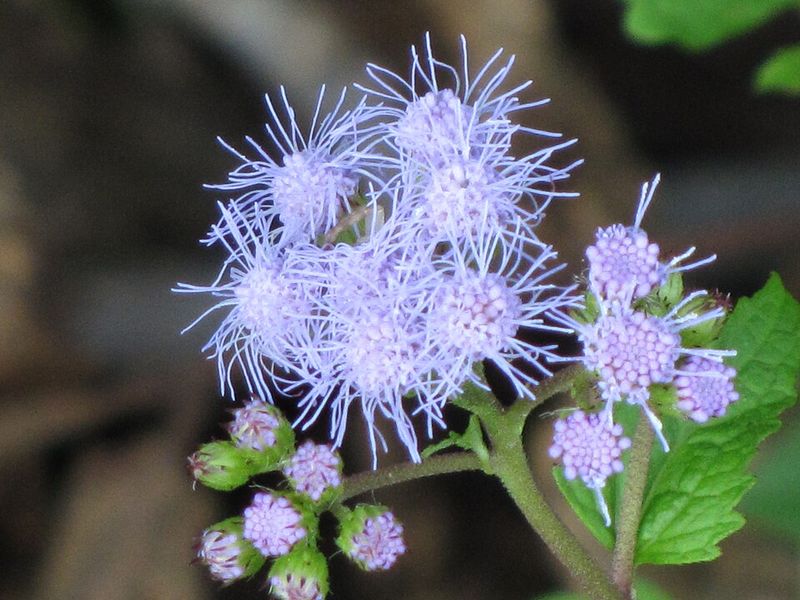
Late-season gardens often need a second wind, and Blue Mistflower provides it with clouds of fuzzy blue blooms. The flower color leans soft and airy, but the plant itself is vigorous and dependable in the right setting.
If butterflies matter to you, this perennial quickly proves its value.
Native to parts of the Southeast, it performs well in North Carolina where soil stays moderately moist and sun is plentiful. It can spread enthusiastically, so give it space or place it where naturalizing is welcome instead of problematic.
That energetic habit is useful in pollinator gardens, meadow edges, or larger informal borders.
By flowering from late summer into fall, it fills the gap left by spring and early summer favorites. Pair it with goldenrods, asters, or ornamental grasses to create a seasonal combination that feels vibrant without looking forced.
The blue flowers are especially striking when low autumn light hits them in the late afternoon.
Do not expect a formal shape, because this plant looks best when allowed some freedom. Cut it back in spring and divide clumps if they begin spreading farther than you want.
For gardeners who like wildlife activity and long-lasting color, Blue Mistflower is one of the strongest native options available.
Jacob’s Ladder
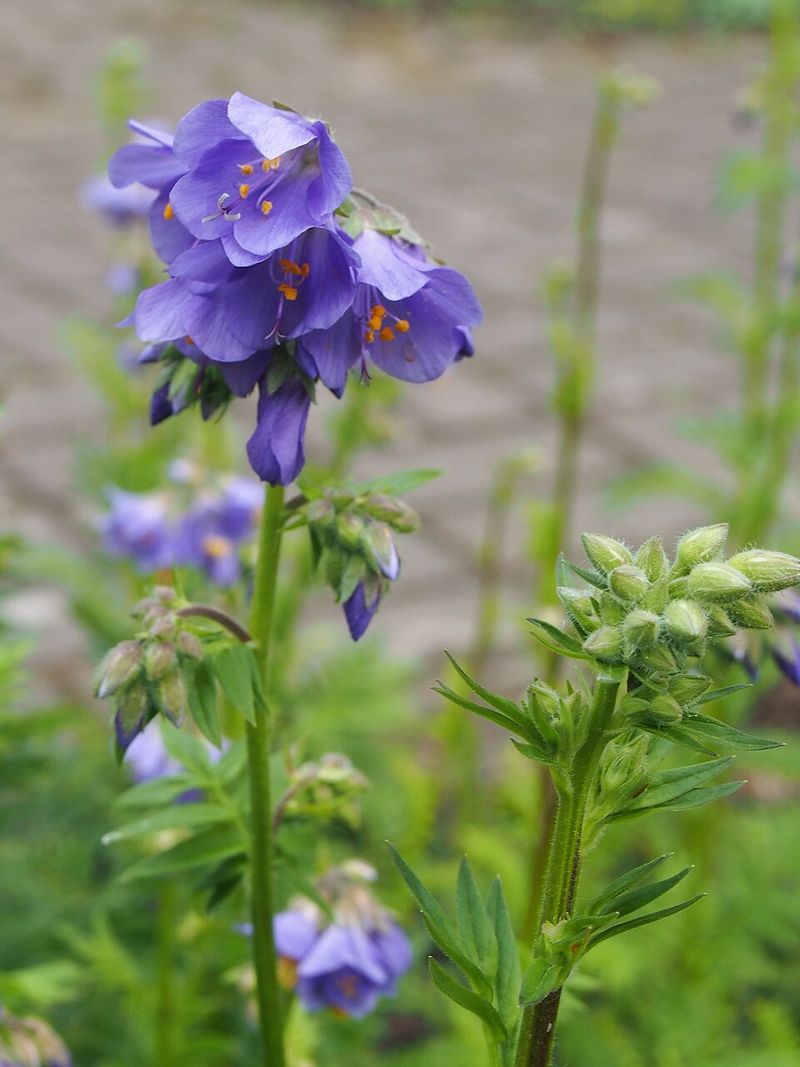
Texture can matter just as much as flower color, and Jacob’s Ladder brings both to a shade-friendly planting. The leaflets form a tidy, ladder-like pattern that stays attractive even before the blue flowers begin.
In spring, that delicate combination gives woodland beds a lighter, more detailed look.
North Carolina gardeners will get the best results in partial shade with moisture-retentive but well-drained soil. Too much hot afternoon sun can scorch the foliage, especially during abrupt heat waves after a cool spring.
Mulch and steady watering help smooth those transitions and keep the plant from fading too quickly.
Because it stays relatively compact, this perennial fits well near paths, under deciduous trees, or at the front of a shaded border. It combines nicely with ferns, epimedium, and hostas, adding flower color where many shade plants rely mostly on leaves.
The blue blooms are subtle rather than flashy, which often makes them easier to use in calmer garden palettes.
Remove spent flower stems if you want a cleaner appearance after blooming ends. In stressful summers, foliage may decline earlier, so place it among neighboring plants that can quietly fill the gap.
For refined blue in a gentler light, Jacob’s Ladder is an easy plant to appreciate.