
12 Burgundy Perennials Creating Rich Contrast In Georgia Garden Design
Follow us on Google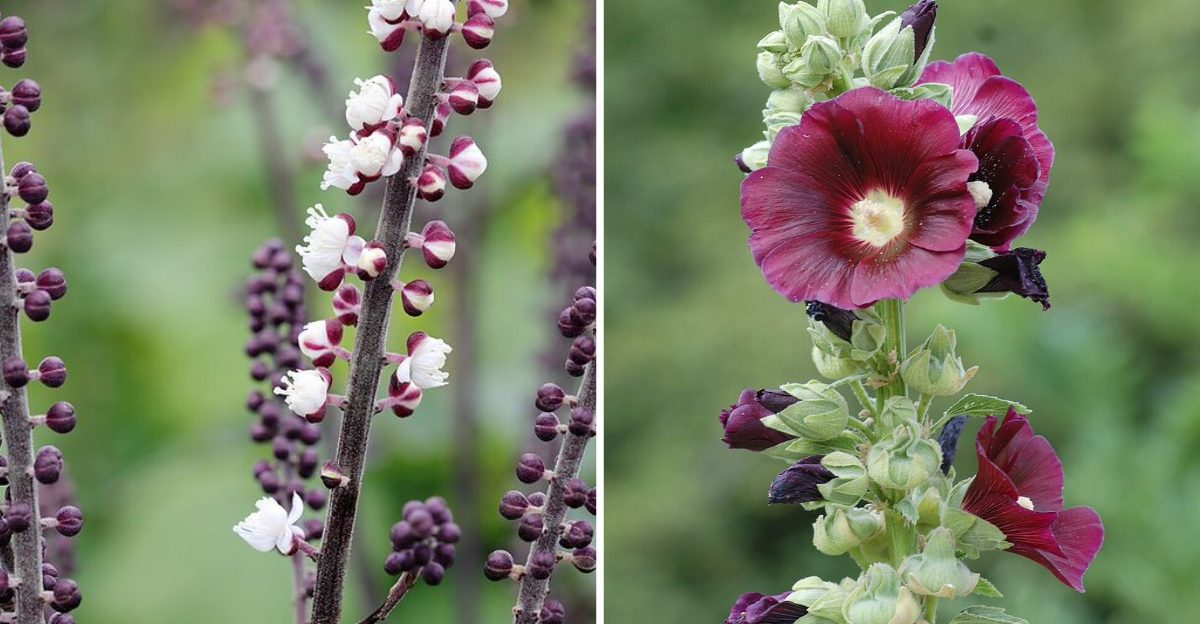
Burgundy foliage and flowers can completely change the way a Georgia garden feels, especially when summer heat washes out lighter colors. I love how these deeper tones add structure, drama, and a polished look without making a landscape feel heavy.
If your beds need contrast against bright greens, silver leaves, or soft blooms, these perennials give you that rich balance. Each one earns its place with color, performance, and real design value in Georgia conditions.
Heuchera
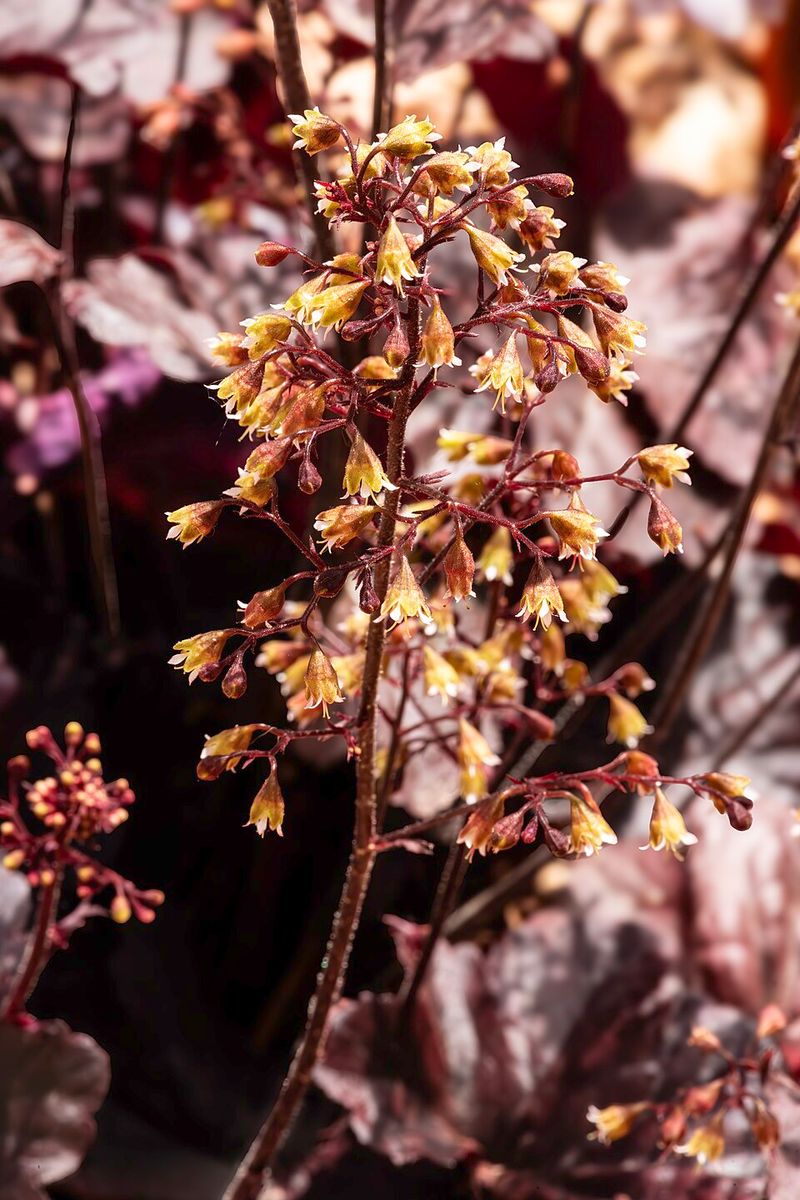
Few plants work harder in a Georgia border than this handsome coral bell with glossy burgundy leaves. You get strong color from spring through much of winter, which makes it useful long after many flowering perennials fade into the background.
That staying power matters when you want a bed to look designed instead of temporary.
Morning sun and afternoon shade usually give the best leaf color in Georgia, especially where summer heat can stress darker foliage. I like pairing it with lime sweet potato vine, gold Japanese forest grass, or pale pink begonias so the leaves read as intentional contrast rather than a dark patch.
Good drainage is essential because soggy clay can shorten its life fast.
Massing three to five plants creates a richer visual block than scattering singles across a bed. Near pathways, containers, or under open-branched shrubs, the rounded mounds soften edges and tie mixed plantings together.
You can also tuck it near stone, brick, or black mulch where the foliage looks especially saturated.
Trim tired leaves in late winter, refresh mulch lightly, and divide older clumps when growth slows in the center. For gardeners who want burgundy color without demanding maintenance, this one earns repeat use year after year.
Ajuga reptans
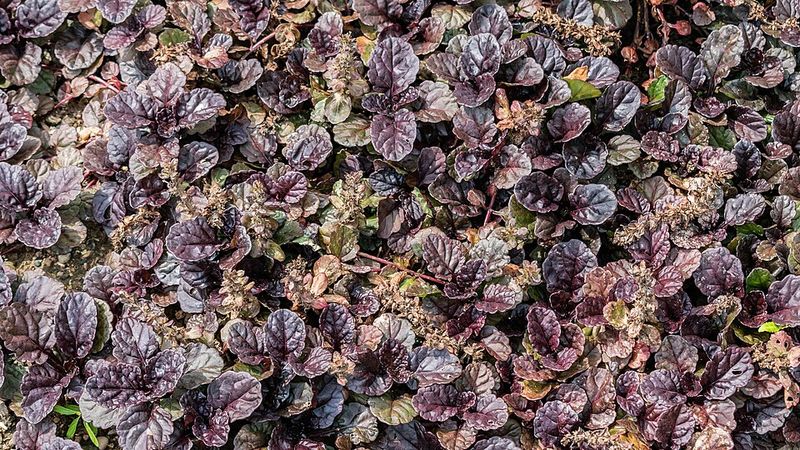
Dark groundcovers can make a planting feel finished, and this ajuga does that with almost no fuss. Its glossy, nearly black burgundy leaves spread low across the soil, giving you a dense carpet that highlights nearby greens, silvers, and soft pastels beautifully.
In spring, blue flower spikes add another layer without stealing attention from the foliage.
Georgia gardeners get the best results in part shade with evenly moist but well-drained soil. Too much afternoon sun can scorch the leaves in hotter areas, while dense, soggy shade encourages rot, so placement matters more than people think.
I like using it under small trees, along stepping stones, or at the front of woodland borders.
Because it spreads steadily, you can use it to connect larger plants and prevent beds from looking choppy. Try it beside hostas, autumn ferns, or white caladiums for contrast that reads clean and intentional.
It also looks striking next to warm-toned brick, where the leaf color appears even deeper.
Keep an eye on wandering runners and thin patches that trap moisture. A quick spring cleanup and occasional division usually keep it fresh.
If you want burgundy color hugging the ground where mulch alone feels flat, this is a smart choice.
Penstemon digitalis
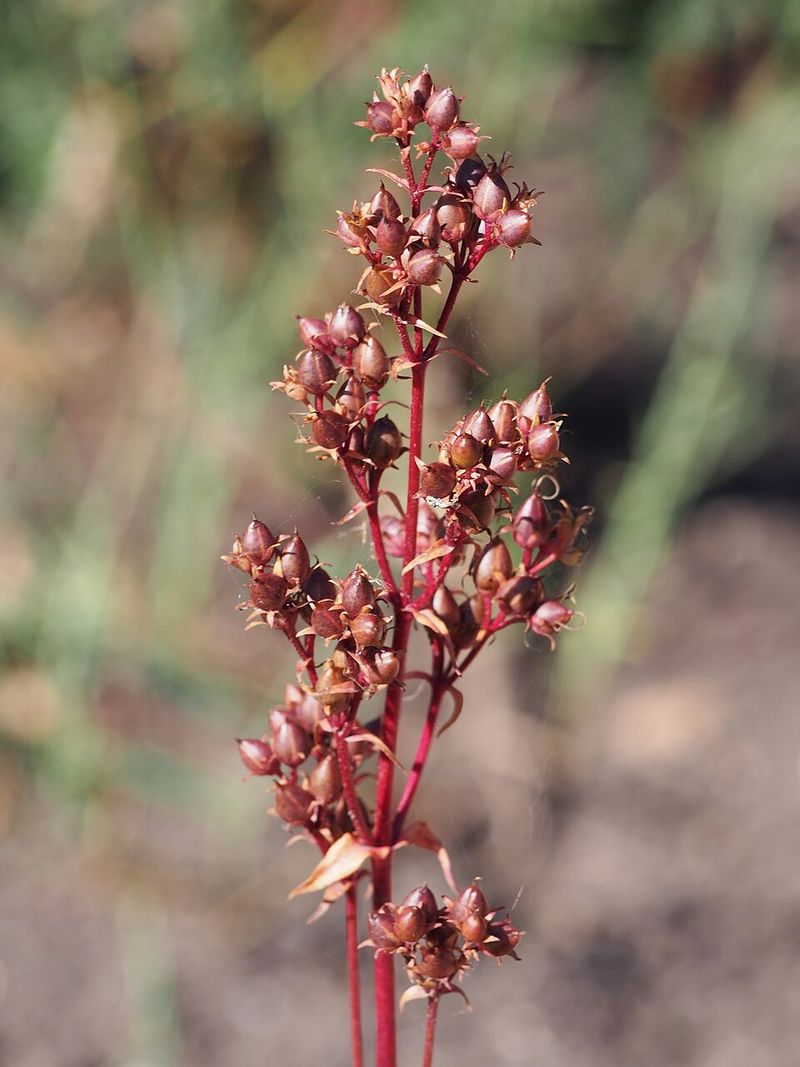
Tall white bloom spikes rising above red-tinged foliage give this penstemon a crisp, architectural feel in Georgia gardens. You get that valuable burgundy cast at the base, then a clean vertical accent that helps mixed borders feel layered instead of flat.
It is especially useful when you want dark foliage without a heavy or brooding look.
Full sun brings the strongest foliage color and sturdier stems, although light afternoon relief helps in especially hot inland spots. Good drainage matters more than rich soil, so I would not tuck it into a wet, overamended bed and expect it to thrive.
Once established, it handles dry spells better than many gardeners assume.
In design terms, this plant bridges soft and bold elements beautifully. Pair it with rudbeckia, Russian sage, blue salvia, or fine-textured grasses for contrast that feels natural but still polished.
The burgundy basal leaves also echo red brick, dark mulch, and bronze containers in a way that pulls a whole space together.
Leave some seedheads for texture, then cut back after flowering or in late winter depending on the look you want. Short-lived perennials can still be excellent design plants, and this one often reseeds lightly enough to keep the show going.
Sedum
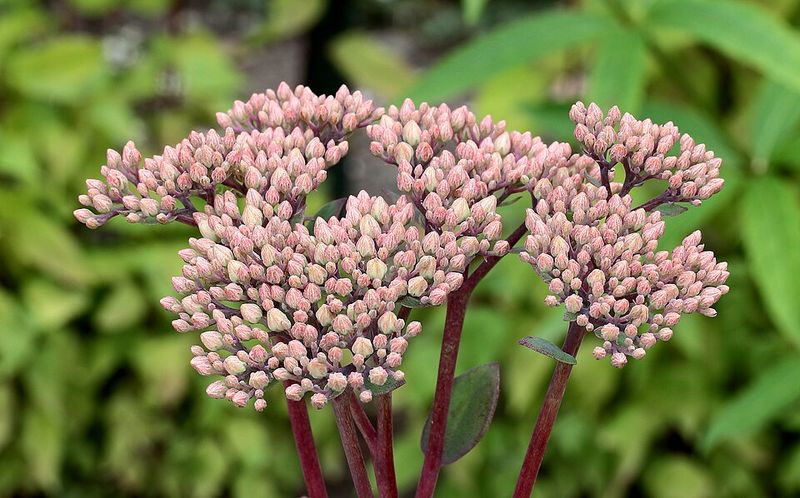
Succulent foliage with a smoky burgundy tone gives this sedum a grounded, modern look that works beautifully in sunny Georgia beds. The upright stems stay tidy through heat, then pink flower heads arrive later and keep the plant relevant into fall.
That combination makes it useful for gardeners who want season-long contrast instead of a short burst.
Drainage is the first priority, especially in clay-heavy landscapes where summer storms linger. I like to raise the planting area slightly or mix in grit so roots do not sit wet.
Full sun produces the darkest color and strongest stems, while too much shade can leave the plant open and less dramatic.
Design-wise, this variety shines beside silver artemisia, blue fescue, pale gravel, or soft pink gaura. It also looks excellent near warm stone or corten-style metal where the leaf tone feels richer and more intentional.
Because the form is upright and chunky, it balances airy grasses and finer flowers without fighting them.
Do not overwater or overfeed it if you want the best shape. Leave the faded flower heads standing for texture, then cut back in late winter.
For hot, sunny Georgia spots where many burgundy plants struggle, this one gives you dependable color with very little babysitting.
Canna
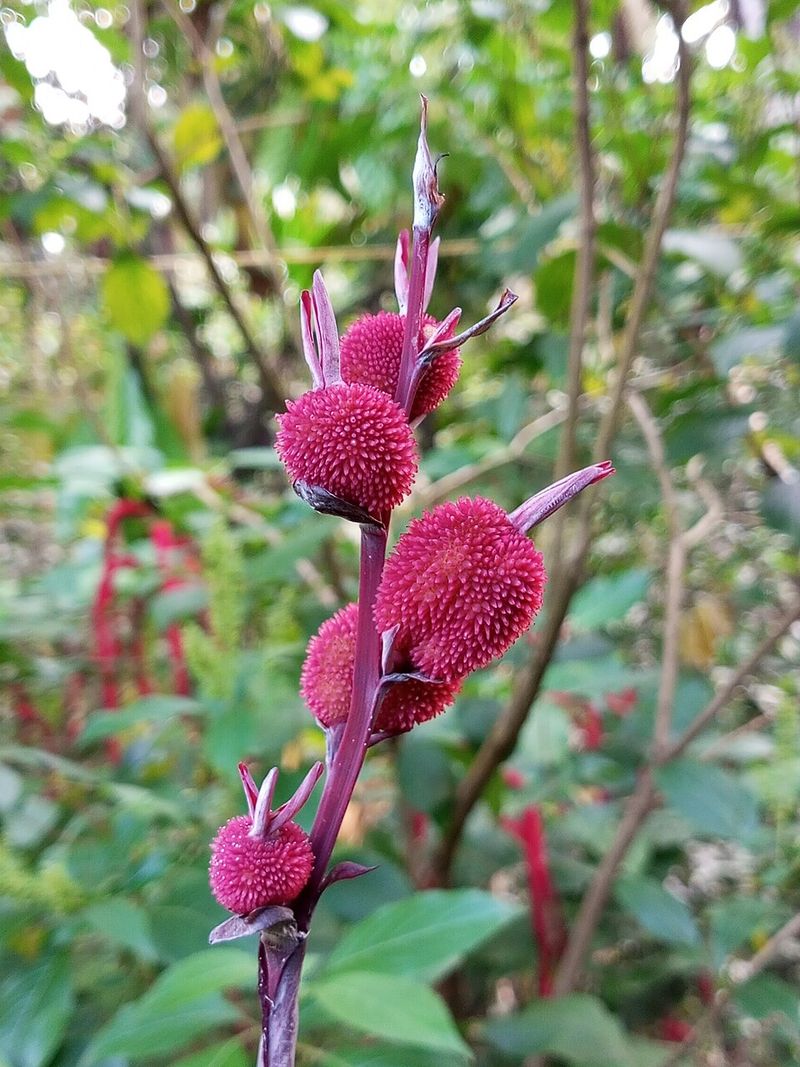
Big foliage can anchor a Georgia garden fast, and this dark canna does it with unapologetic drama. The leaves read as deep burgundy to near black, creating a strong vertical statement that holds up against bright annuals, broad tropical foliage, and the intense light of midsummer.
If a bed feels washed out, this is the kind of plant that restores depth.
Heat and humidity rarely bother it once growth gets moving, which is one reason it performs so well across much of Georgia. Plant in full sun with moisture-retentive but draining soil, then water consistently through establishment.
In lean or dry beds, the plant survives, but the foliage never looks as substantial or saturated.
I like using it as a repeated accent rather than a single specimen so the dark leaves echo across a space. Try it with chartreuse coleus, white mandevilla, orange zinnias, or lime-green ornamental sweet potato vine for contrast that feels energetic but organized.
Around patios, pools, and entry gardens, it creates instant structure.
Cut spent flower stalks to keep things tidy and divide rhizomes when clumps become crowded. In colder pockets of the state, mulch well for winter protection.
For gardeners who want a perennial with real presence, this one turns ordinary summer borders into something memorable.
Actaea simplex
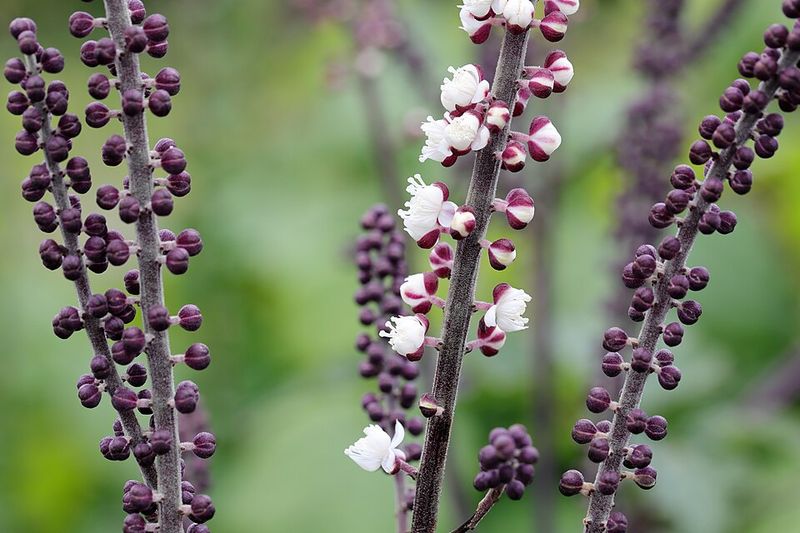
Fine-textured dark foliage can be hard to find for shade, which is why this actaea feels so special. The leaves carry a smoky burgundy tone that adds depth all season, then tall white flower wands rise above them and brighten the whole composition.
In a Georgia woodland border, that contrast looks refined rather than flashy.
This plant prefers rich soil with consistent moisture, especially during summer heat. Morning sun with afternoon shade usually works well, while deep dry shade can leave it smaller and less impressive.
I would amend the planting area generously with compost because healthier growth makes the foliage color read much stronger from a distance.
Use it where you need vertical movement behind hostas, autumn ferns, hellebores, or Japanese painted fern. The feathery leaves soften broad textures and prevent shaded beds from becoming a wall of green.
It also works nicely near sitting areas because the late-season blooms add fragrance and a little ceremony just when many shade gardens start fading.
Patience helps because this is not the fastest perennial on the list. Keep it watered during dry stretches and mulch to protect roots from Georgia heat.
For gardeners designing a cooler, richer shade palette, this one brings elegance that few dark-leaved perennials can match.
Hibiscus acetosella
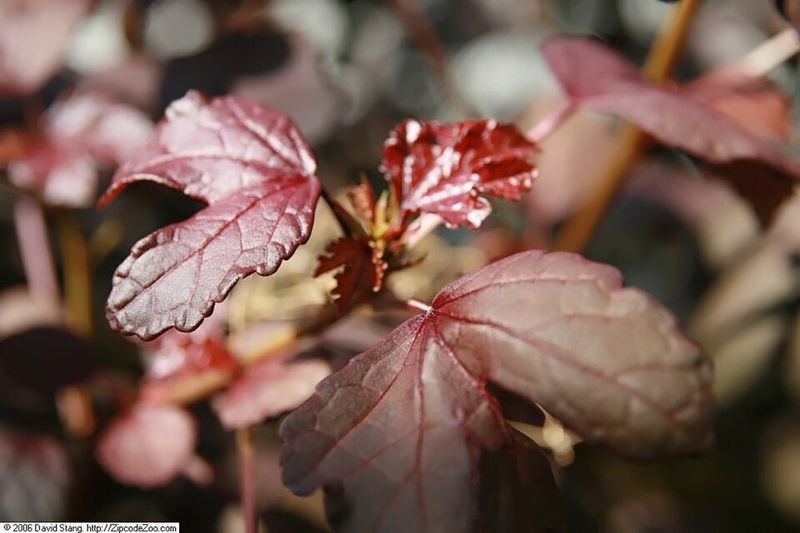
Deeply cut mahogany foliage gives this hibiscus the look of a Japanese maple that decided to enjoy Georgia summer. The color is rich, the shape is dramatic, and the overall effect instantly sharpens mixed borders that need stronger contrast.
In warmer parts of the state, it behaves like a tender perennial and earns its footprint quickly.
Full sun encourages the best branching and darkest foliage, though regular watering keeps the leaves from looking stressed in intense heat. Fertile soil helps it bulk up fast, which matters because this plant is all about presence.
I like to site it where backlighting can catch the leaf edges and show off the lace-like form.
For design, think of it as a structural accent more than a flower plant. It looks excellent with lime coleus, pale pink pentas, white gaura, or fine grasses that let the leaf shape stay readable.
Near porches and patios, one clump in a large container or raised bed can make the whole area feel more curated.
Pinch young plants if you want extra branching and a fuller silhouette. In colder zones, treat it as seasonal or protect roots well.
If you want burgundy contrast with a tropical edge that still feels sophisticated, this is a standout choice for Georgia.
Japanese Painted Fern
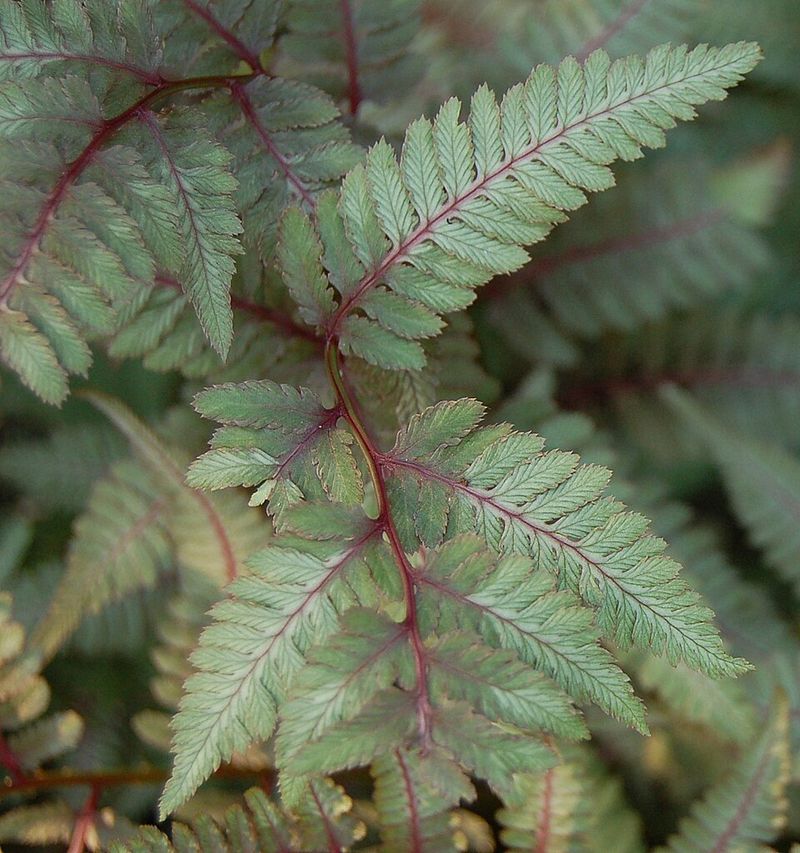
Shade gardens often lean heavily green, so a fern with burgundy veining and silvery tones can make a huge difference. This selection brings a softer version of dark contrast, which is useful when you want color depth without the visual weight of solid maroon leaves.
The fronds also add movement and texture that broad-leaved plants cannot provide.
Georgia conditions suit it best in moist, humus-rich soil with protection from hot afternoon sun. A woodland edge, north side bed, or irrigated foundation planting usually keeps it happiest through summer.
I would not place it where reflected heat bounces off pavement because delicate fronds can fade or crisp quickly.
In design, this fern shines beside hostas, hellebores, ajuga, or white impatiens. The burgundy midribs quietly repeat dark tones elsewhere in the garden, helping mixed shade plantings feel tied together.
It is especially effective near stone paths or water features, where the silvered foliage catches low light beautifully.
Consistent moisture is the main maintenance task, along with a gentle spring cleanup before new fronds emerge. Clumps slowly expand and can be divided when established.
For Georgia gardeners who want burgundy contrast in a more graceful, layered way, this fern is a smart and very usable addition.
Tradescantia pallida
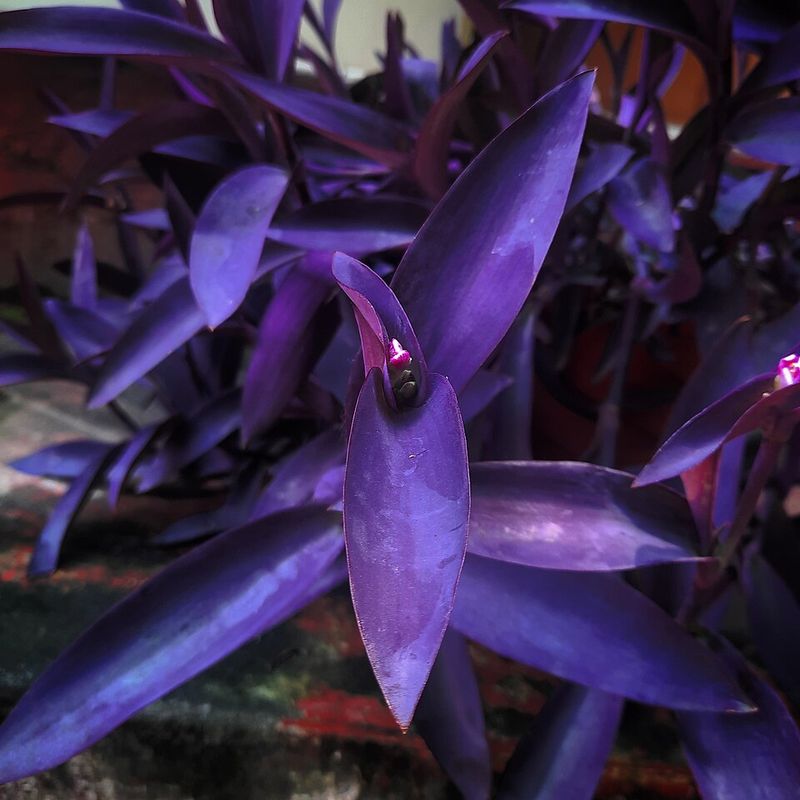
Trailing stems drenched in purple-burgundy color make this perennial one of the easiest ways to add contrast in Georgia. The foliage stays bold through heat, spills over edges beautifully, and even the small pink flowers contribute without distracting from the main show.
If your planting feels too upright or too green, this can fix both problems quickly.
Full sun usually gives the richest color, although light shade still works in especially hot areas. The plant tolerates drought once established, but it looks fuller and more vibrant with occasional deep watering.
I like it in raised beds, retaining walls, containers, and front borders where the stems can soften hard lines.
Because the habit is low and spreading, it pairs well with vertical plants that need something darker at their feet. Try it under cannas, near yellow lantana, beside silver dusty miller, or along pale gravel paths for strong contrast.
Around modern homes, its saturated color can echo dark trim and make the architecture feel more intentional.
Pinch or shear lightly during summer if the growth gets straggly. In colder winters, top growth may burn back, but roots often return with warmth.
For inexpensive, high-impact burgundy color that covers ground fast, this one is hard to beat.
Bergenia
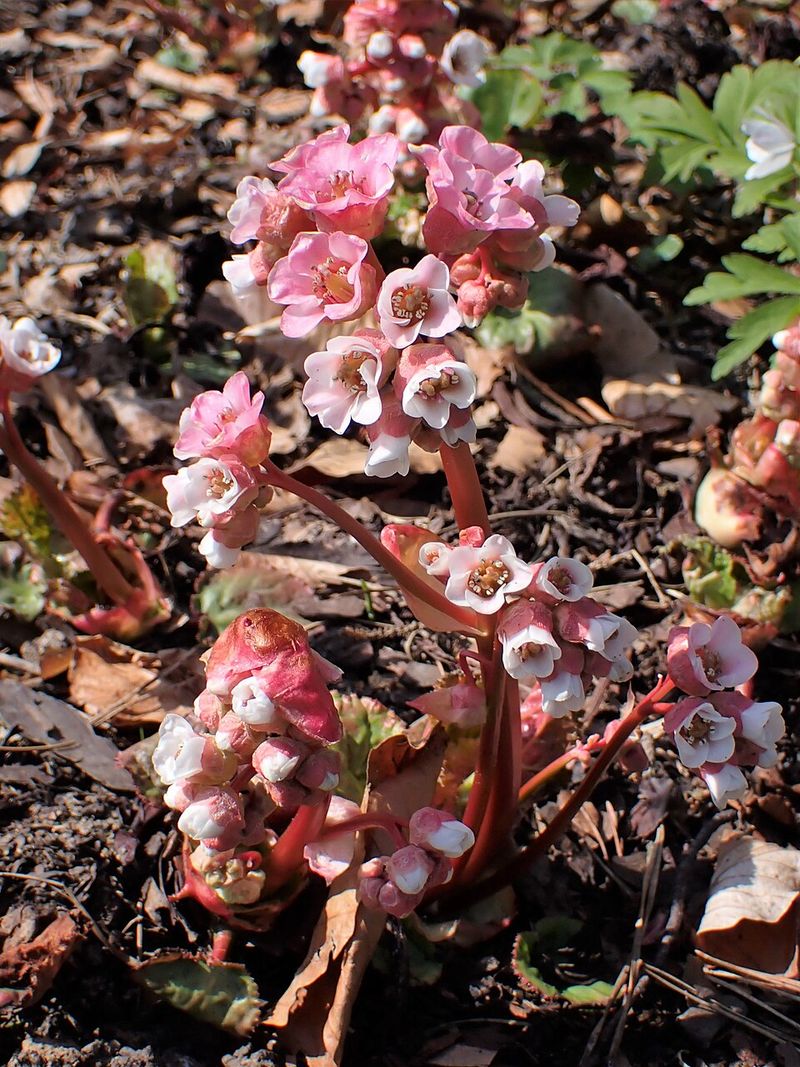
Broad glossy leaves are not usually the first thing people picture when thinking about burgundy contrast, yet this bergenia proves they should. Through cooler months, the foliage deepens into red-burgundy tones, giving Georgia beds a richer look when many perennials have already disappeared.
Spring flowers in bright pink add a cheerful lift without undoing that grounded color story.
Morning sun or bright filtered light tends to work best, especially in the southern part of the state where harsh afternoon exposure can stress the leaves. Good drainage matters, but this plant appreciates more consistent moisture than many thick-leaved perennials.
I find it especially useful in foundation beds and woodland edges where evergreen presence is valuable.
The rounded leaves contrast nicely with finer textures like ferns, liriope, or Japanese forest grass. It also looks good against stone, gravel, and brick because the glossy foliage feels substantial and tidy year-round.
When repeated along a path, the clumps create rhythm and help connect seasonal plantings into one coherent design.
Remove tattered leaves in late winter so fresh growth and flower stalks show cleanly. Divide clumps every few years if the center thins or flowering slows.
For gardeners wanting burgundy interest beyond peak summer, this is a practical and often overlooked option.
Helleborus
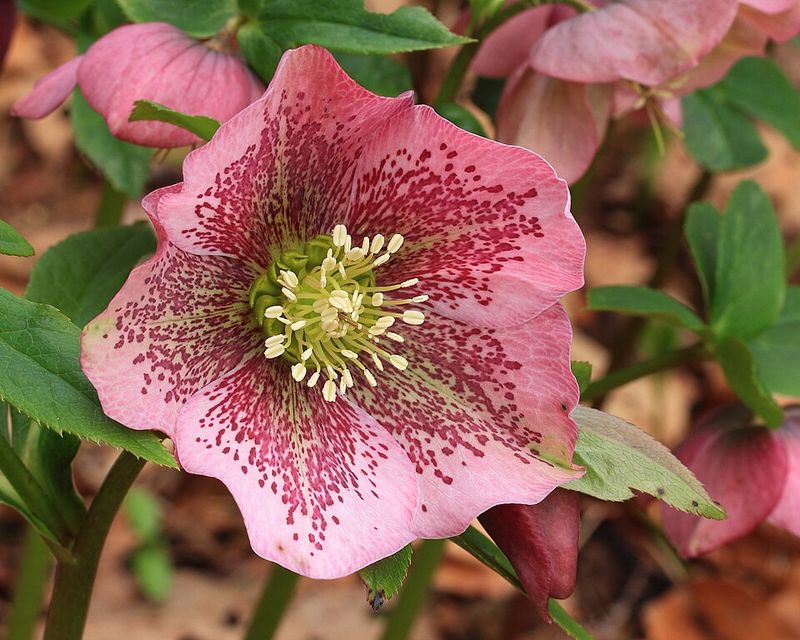
Winter gardens in Georgia deserve more than bare mulch and waiting, and this hellebore answers that need beautifully. The flowers lean dark burgundy to nearly black, creating a rich focal point when the rest of the garden is quiet.
Evergreen foliage keeps the plant useful year-round, which makes it more than just a fleeting bloom moment.
Part shade with rich, well-drained soil suits it best, especially under deciduous trees where winter sun reaches the blooms. I like planting hellebores where they can be seen from a window or along an entry path because late-season flowers deserve close viewing.
Consistent moisture helps establishment, but overly wet ground can cause problems quickly.
From a design perspective, this is one of the easiest ways to bring burgundy into a refined shade palette. Pair it with silver-painted ferns, chartreuse heucheras, white violas, or dark mulch for contrast that feels quietly dramatic.
The bloom color also works beautifully with brick homes and natural stone, giving the landscape a tailored look in cooler months.
Cut away old foliage in late winter just before flower stems rise so the blooms are not hidden. Once settled, plants are long-lived and ask for little beyond mulch and occasional cleanup.
For elegant burgundy contrast when most gardens look sleepy, this one earns serious consideration.
Alcea rosea
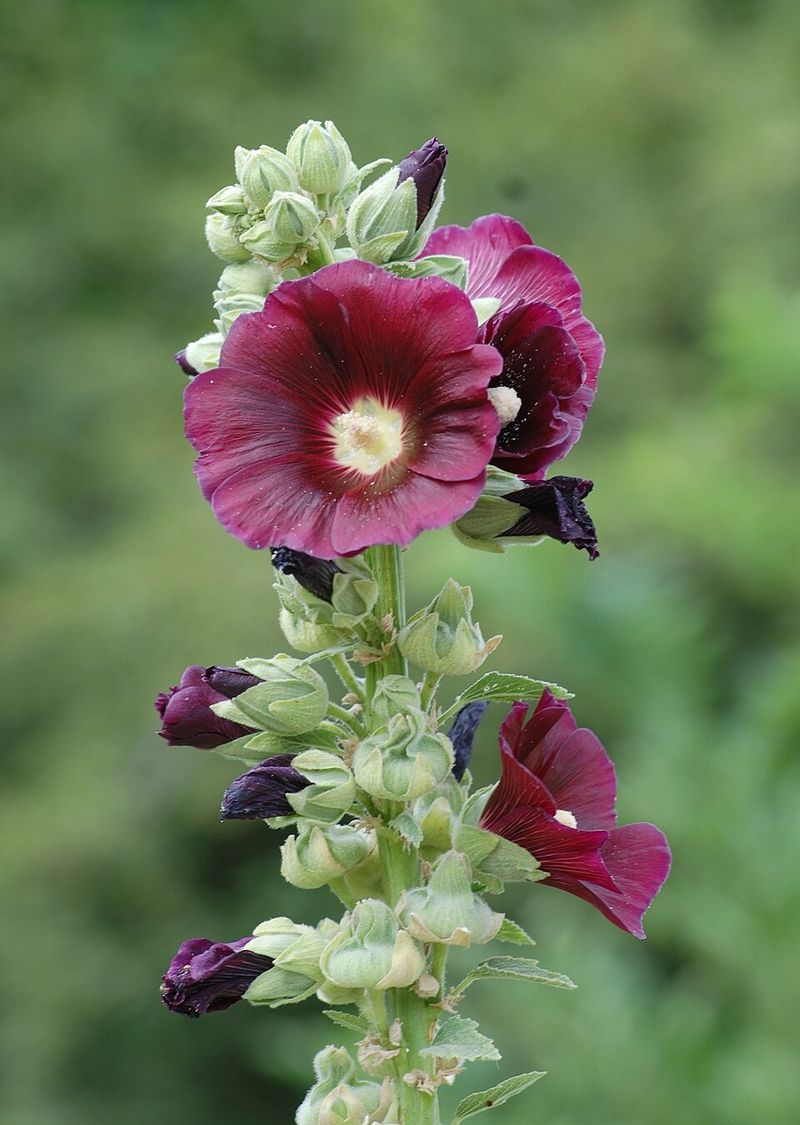
Near-black burgundy flowers stacked on tall stems bring instant drama to a sunny Georgia border. This hollyhock has an old-fashioned feel, yet the flower color looks surprisingly modern when paired with silver foliage, grasses, or pale walls.
If your garden needs vertical emphasis and darker bloom color instead of dark leaves, it fills that role beautifully.
Full sun and decent air circulation are key, especially in humid areas where foliage diseases can show up fast. I like situating it toward the back of a border where neighboring plants can help hide lower leaves later in the season.
Rich soil encourages height, but staking may still help in windy or storm-prone spots.
Design-wise, these flowers read best when contrasted with white daisies, soft apricot daylilies, blue salvias, or pale fencing. The vertical spires also break up mounded plantings that otherwise feel too repetitive.
Along fences, sheds, or garage walls, they add color and height without the heaviness of a shrub.
Because many hollyhocks are short-lived, allow some seedlings if you want the display to continue naturally. Remove the worst foliage promptly and water at the soil line to reduce disease pressure.
For gardeners who love burgundy contrast with cottage-garden energy, this is a memorable addition.