
14 Pink Perennials That Bring Soft Color Layers To Ohio Landscapes
Follow us on Google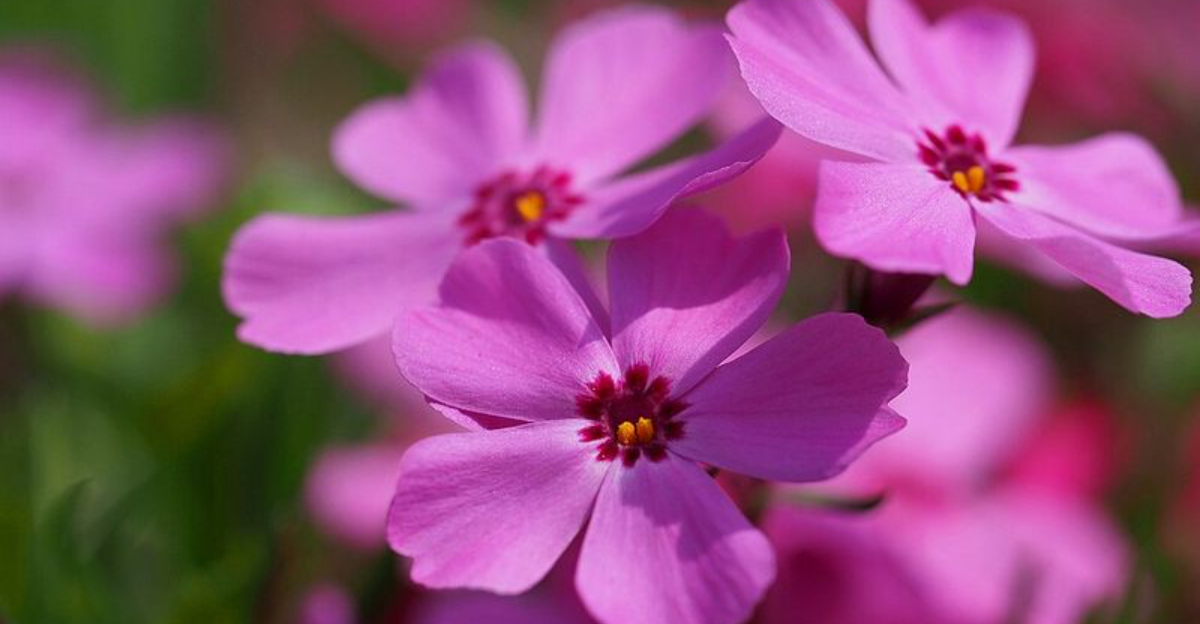
Pink flowers can make an Ohio yard feel layered, calm, and surprisingly polished from spring through fall. The trick is choosing perennials that handle cold winters, humid summers, and the occasional stretch of unpredictable weather.
I like using pink blooms to soften stronger greens, bridge bold colors, and keep planting beds from looking flat. These fourteen dependable picks give you that gentle color story without making the landscape feel overly sweet.
Astilbe
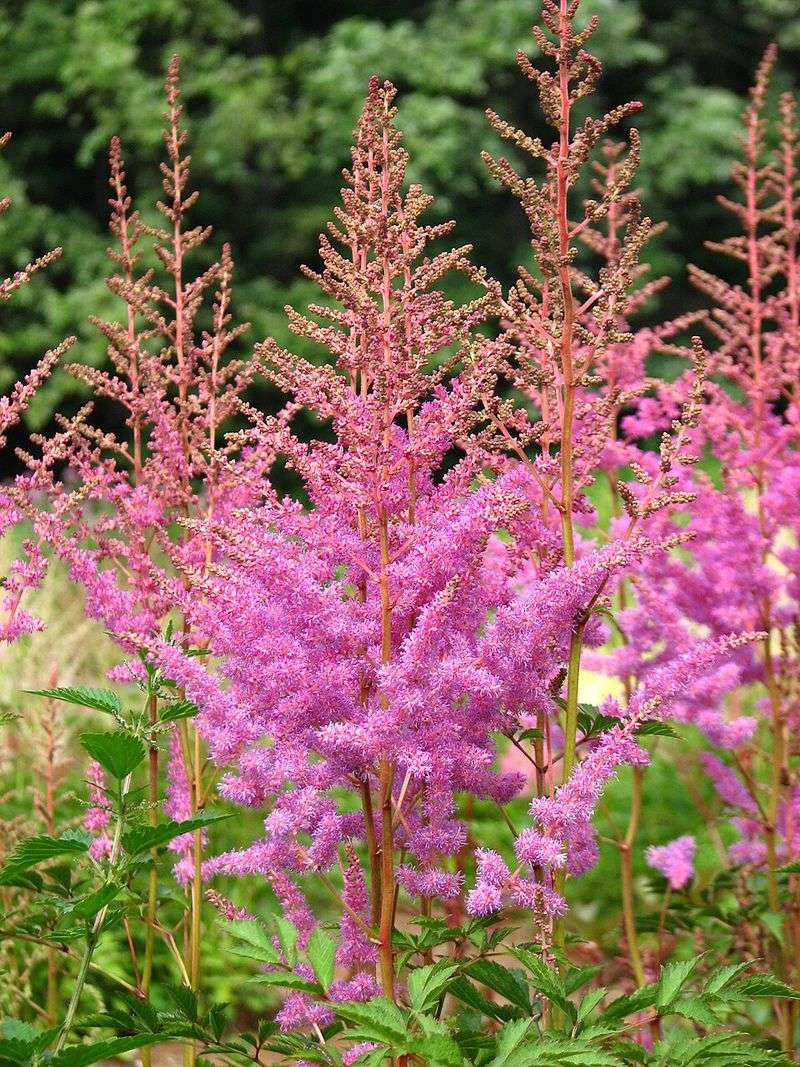
In a shady Ohio bed, few plants give you softer texture than astilbe. Feathery pink plumes rise above glossy foliage and add that light, cloudlike layer that makes darker corners feel finished.
I especially like it near hostas, ferns, and heuchera, where the flower shape breaks up broad leaves beautifully.
Consistent moisture matters more than anything else. If your soil dries quickly, mixing in compost before planting helps roots stay cool and productive through summer heat.
Morning sun is fine, but strong afternoon exposure can scorch foliage, especially during humid Ohio stretches when plants are already working hard.
Shorter varieties fit the front or middle of a border, while taller selections give real depth behind spring bulbs and groundcovers. After flowering, the seed heads often stay attractive for a while, so the plant still contributes texture even when color fades.
If deer pressure is an issue in your neighborhood, this one is often left alone, which is always a relief. For a soft pink scheme that does not look flat, pair several astilbe cultivars with white blooms and silver foliage, then repeat them in small groups for a calm, layered rhythm.
Garden Phlox
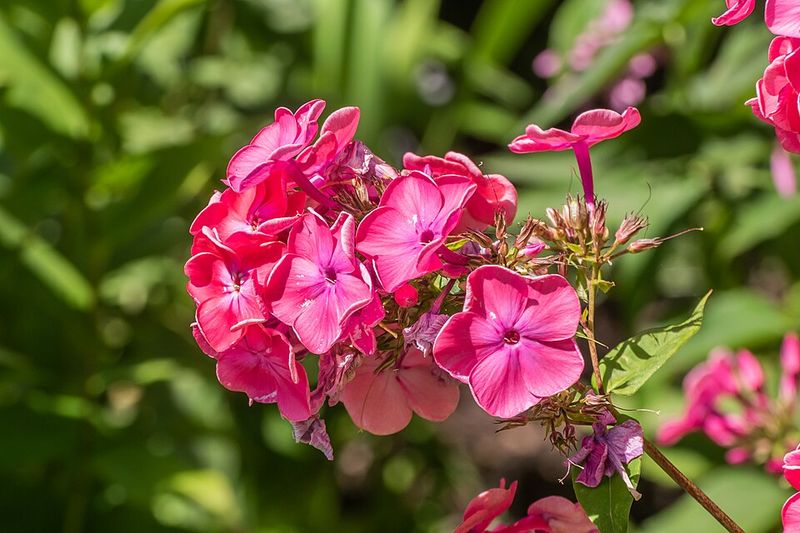
Nothing fills a midsummer gap quite like garden phlox. Those rounded clusters of pink flowers stand at just the right height to weave through coneflowers, black eyed Susans, and ornamental grasses without disappearing.
If you want a border to feel fuller in July and August, this plant does a lot of heavy lifting.
Good air circulation is the secret to keeping it looking clean. In Ohio, powdery mildew can show up when plants are crowded, so spacing matters just as much as sun.
I also prefer watering at the base rather than overhead, because damp leaves plus warm evenings can invite trouble fast.
Choose disease resistant cultivars if you want the easiest path. Soft shell pink shades look especially good with lavender, white, and deep burgundy companions, giving you contrast without a harsh jump in color.
Pollinators love the flowers, so the bed feels active when other perennials are merely coasting. Deadheading keeps the display neater, though even a lightly maintained clump usually earns its keep.
If your yard has that hot, bright area near a walkway or fence, garden phlox gives you vertical color that feels classic, generous, and very at home in an Ohio summer border.
Peony
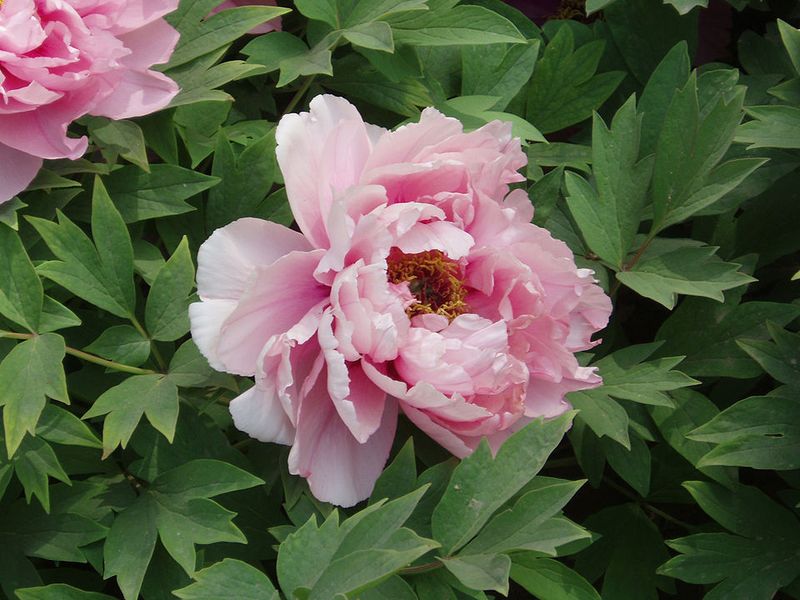
Few late spring plants create a softer statement than peonies. Their pink blooms can be romantic, yes, but they also bring real structure because the plants form sturdy mounds of foliage after flowering.
That means you get a seasonal centerpiece without leaving an awkward hole once the petals are gone.
Placement is worth thinking through before you plant. Peonies dislike being moved, so give them full sun, decent drainage, and enough room to mature without crowding nearby shrubs.
In Ohio clay, I like loosening the soil and adding compost so roots settle into a spot that drains well during wet springs.
Support rings help double flowered types stay upright during heavy rain, which can flatten blooms overnight. Single and semi double selections often look more natural and need less fuss, especially in breezier sites.
For color layering, pale pink peonies work beautifully with blue catmint, white iris, and emerging summer perennials that start covering the space after bloom. Ants on buds are normal and harmless, so there is no need to panic when you see them.
If you want one plant that makes a bed feel generous and settled for years, peonies are one of the easiest long term investments you can make.
Bee Balm
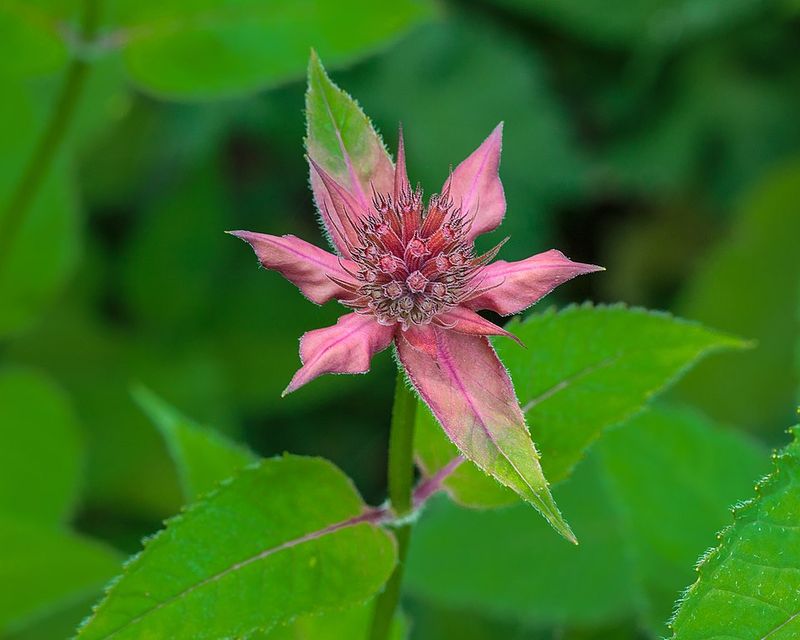
For a more relaxed, pollinator friendly look, bee balm brings bright pink energy without feeling stiff. The shaggy flowers add a different texture than daisies or spikes, which helps planting beds look layered instead of repetitive.
In Ohio landscapes, it performs best where sun is plentiful and air can move freely around the stems.
Moist but well drained soil keeps growth strong. If the bed stays dry for long stretches, mulch helps hold moisture and keeps the roots from stressing in summer.
I usually place bee balm in the middle of a border, where its height can mingle with other perennials rather than dominate the whole scene.
Modern mildew resistant varieties are worth seeking out, especially if you want the foliage to stay presentable into late summer. Hummingbirds, bees, and butterflies visit constantly, so the planting takes on extra life when the flowers open.
Pink selections pair nicely with purple salvia, white yarrow, and fine textured grasses that soften the plant’s bold form. Every few years, dividing the clump can reinvigorate growth and keep it from spreading farther than you want.
If your goal is a layered garden that feels active, seasonal, and easygoing, bee balm earns its spot quickly and keeps the color story moving through midsummer.
Hardy Geranium
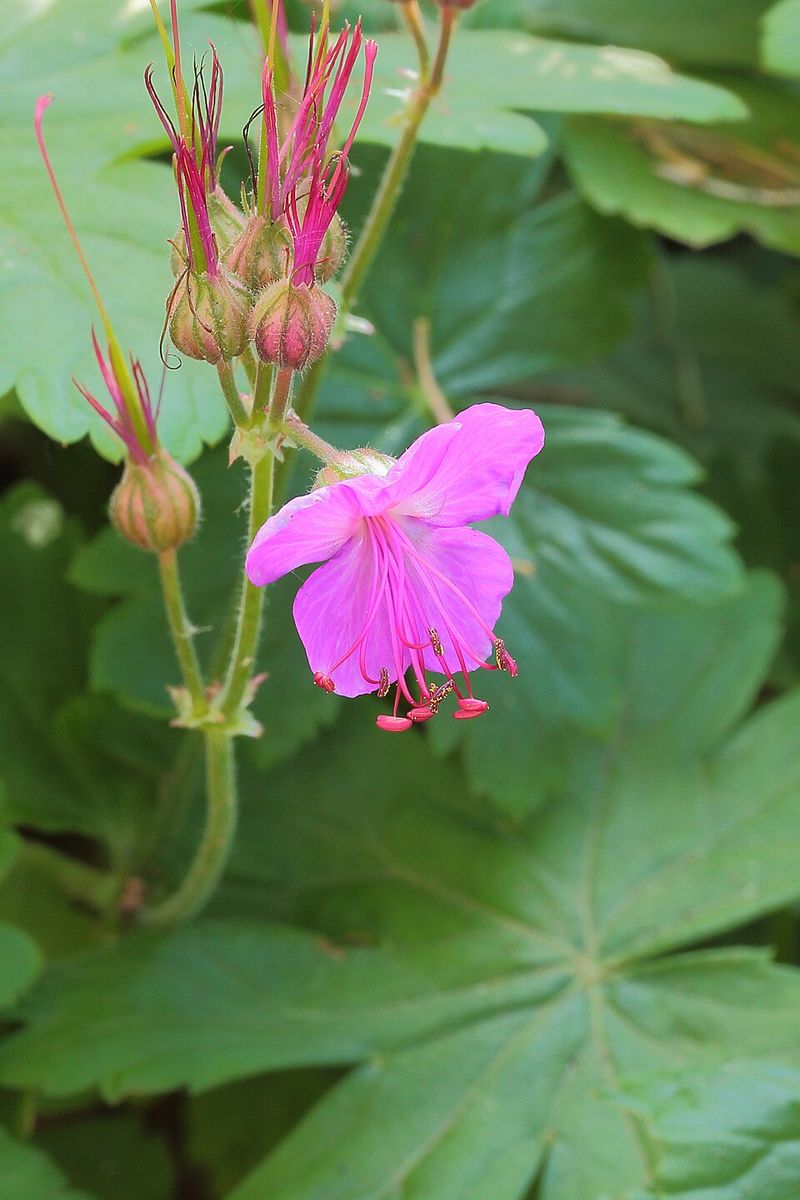
At the front of a border, hardy geranium quietly solves a lot of design problems. The rounded habit softens edges, fills empty pockets, and lets pink flowers float above attractive foliage for weeks.
I think of it as a connector plant, because it helps neighboring perennials look like they belong together.
Most varieties handle Ohio conditions with very little drama. Give them average soil, decent drainage, and sun to part shade, then let them settle in.
If the first flush starts looking tired, a light trim often encourages fresh foliage and sometimes a nice repeat bloom later in the season.
Soft pink forms work especially well with roses, salvia, peonies, and ornamental onions because they never compete too hard. They simply create that easy layer gardeners are usually trying to achieve with more effort.
In a foundation bed, they can spill gently over stone or mulch and make the whole space feel less rigid. Deer tend to pass them by, which is another practical win if browsing is common where you live.
Because the foliage stays useful even when flowers pause, you still get a grounded, finished look. For busy gardeners who want color, texture, and a neat edge without constant maintenance, hardy geranium is one of the smartest pink choices around.
Japanese Anemone
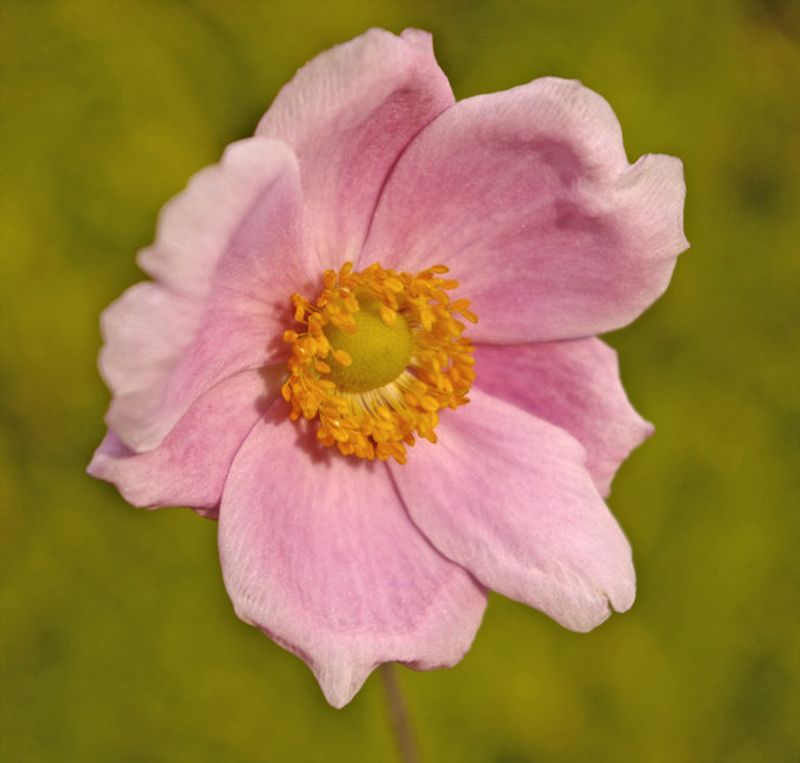
Late summer can feel a little tired in the garden, which is exactly when Japanese anemone starts looking useful. Tall stems lift soft pink blooms above tidy foliage and create movement that lighter, earlier flowers can no longer provide.
In an Ohio landscape, that fresh vertical layer is valuable when spring performers have already settled into the background.
Part shade suits it well, especially where the plant gets morning light and protection from the hottest afternoon sun. Rich soil with steady moisture helps it establish, though once settled it becomes more resilient than many people expect.
I like planting it where it has room to naturalize slowly without crowding fragile neighbors.
The flowers pair beautifully with hostas, ferns, and dark leaf heuchera, giving shady beds an elegant lift just when they need it most. Stems can reach above surrounding plants, so place it in the middle or rear of a border where the blooms can hover over lower foliage.
In exposed sites, a little support may help during stormy weather. If you prefer a garden that changes gracefully across the seasons instead of peaking all at once, this perennial is a smart addition.
Its soft pink bloom color feels refined rather than sugary, and the airy habit keeps late season beds from looking dense, heavy, or dull.
Coral Bells
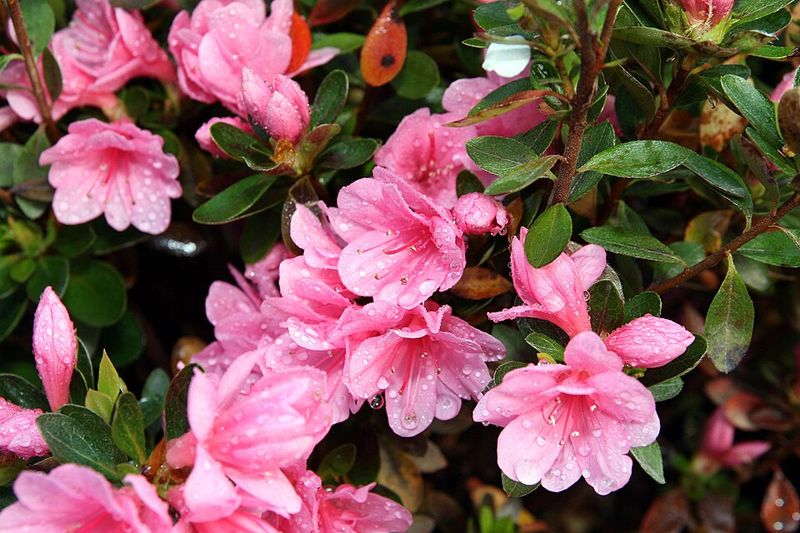
Coral bells earn their place with foliage first, but the pink flower wands are what give them that extra layer of softness. Small bell shaped blooms rise above the leaves and create a gentle haze that works beautifully in shaded Ohio borders.
Because the foliage comes in plum, amber, green, and silver tones, pink flowers can be repeated without the bed feeling one note.
Good drainage is the part you cannot ignore. Heavy winter wetness can be harder on heuchera than cold itself, so raised beds or amended soil often improve survival.
I also like planting them where freeze and thaw cycles are less likely to heave crowns out of the ground.
Use them near pathways, under deciduous trees, or in containers that need season long leaf color with a spring to early summer bloom bonus. The flowers are not huge, but that is exactly why they work so well in layered designs.
They read as detail rather than spectacle, which keeps nearby peonies, hostas, or ferns from being overshadowed. If a clump gets woody after a few seasons, replanting the freshest sections usually restores vigor.
For gardeners who care as much about leaf contrast as flower color, coral bells are one of the easiest ways to weave pink through the landscape without relying on large showy blooms.
Bleeding Heart
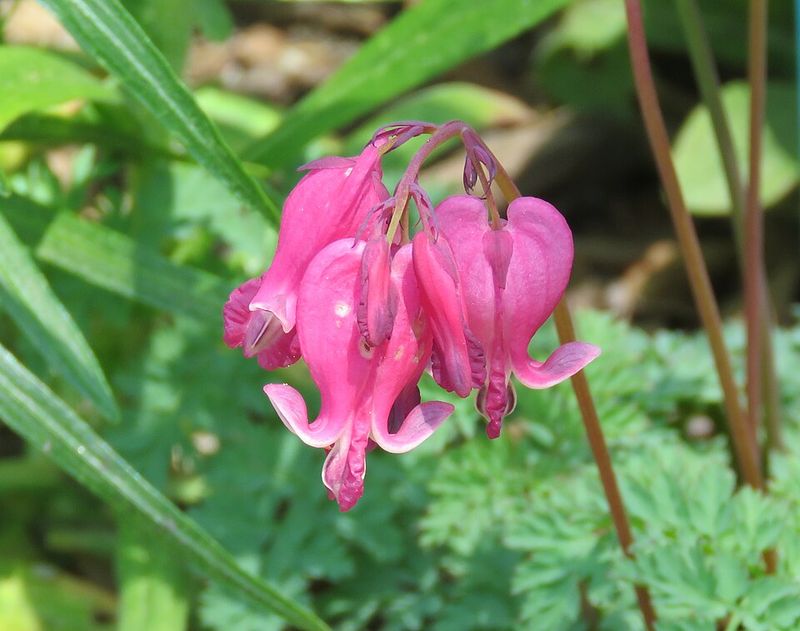
Spring shade feels more complete when bleeding heart is tucked among emerging ferns and hostas. Arching stems lined with pink heart shaped flowers create a graceful look that immediately softens hard edges and dark corners.
I love using it where people pass by slowly, because the details reward a closer look.
Rich soil and even moisture make the biggest difference in performance. Ohio gardeners often have ideal spring conditions for it, but hot dry summers can push the plant into dormancy sooner.
That is not a failure, just part of its rhythm, so it helps to pair it with later filling neighbors.
Hostas, astilbe, brunnera, and hardy ferns are all strong companions because they expand just as bleeding heart begins to fade. That handoff keeps the bed looking intentional instead of patchy.
Place the plant in part to full shade, preferably where afternoon heat is softened by trees or a building. Newer fern leaf types may bloom longer and handle summer a little better, though the classic form still has unmatched charm.
Because the flowers arrive when most landscapes are still waking up, they bring emotional impact as well as color. If you want pink layers that feel delicate but still dependable in Ohio spring weather, bleeding heart is one of the prettiest ways to start the season.
Coneflower
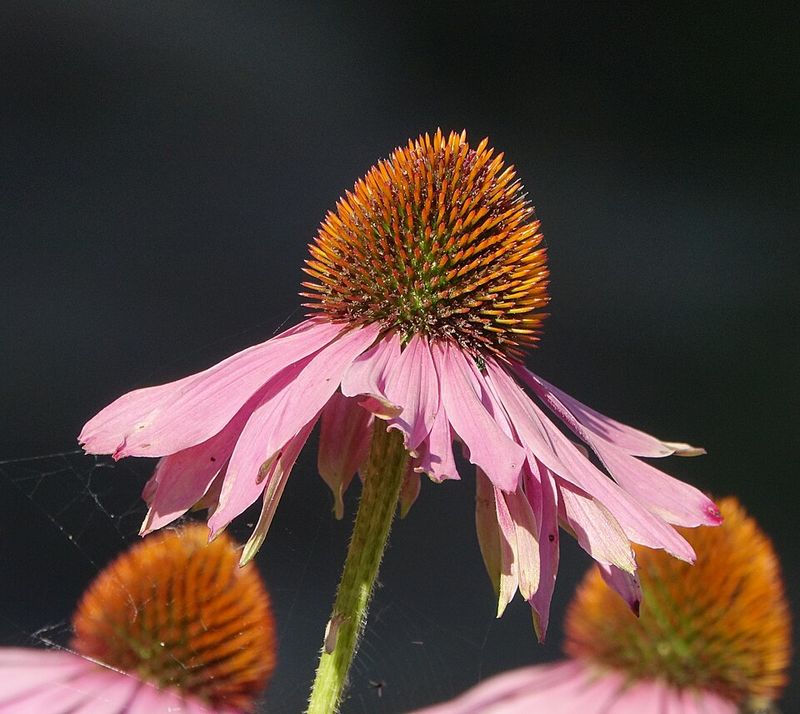
When you need a pink perennial that handles heat, sun, and a little neglect, coneflower is hard to beat. The daisy shape is familiar, but pink forms add a softer mood than the standard purple tones many Ohio yards already have.
Because the flowers sit on sturdy stems above rough foliage, they layer nicely with grasses and midsized border plants.
Drainage matters more than rich soil. In fact, these plants often perform better when the ground is not overly pampered, especially once established.
I usually give them full sun, avoid excess fertilizer, and let the roots settle into a spot where winter wet will not linger.
Pink varieties can read anywhere from shell to magenta, so choose carefully if your goal is a calm palette. Softer selections look excellent with Russian sage, catmint, yarrow, and little bluestem, creating that airy meadow effect without losing structure.
Seed heads also extend interest after petals drop, and goldfinches may stop by for a visit. If you deadhead some flowers but leave others standing, you get a longer bloom window while still feeding birds later on.
For Ohio gardeners who want a dependable backbone plant with pollinator value and easy charm, pink coneflower brings plenty of color without demanding constant attention or fuss.
Sedum
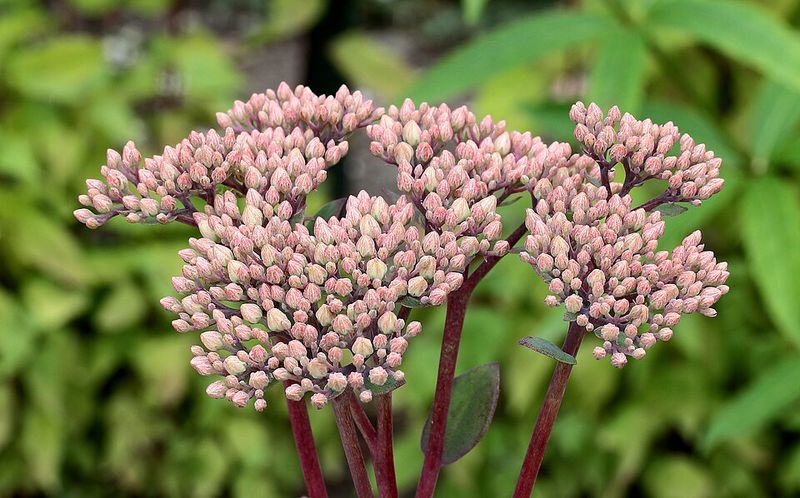
By late summer, sedum starts doing exactly what tired borders need. Thick succulent foliage stays neat for months, then broad flower heads shift from pale pink to deeper rosy tones as the season moves toward fall.
That color progression gives you a soft layer first and a stronger accent later, which is incredibly useful in an Ohio planting plan.
Full sun and sharp drainage keep it happiest. If your soil is heavy, planting on a slight berm or raised area can prevent winter rot and help stems stay more upright.
I rarely baby sedum once established, because too much fertilizer or water often makes it floppier rather than better.
It works especially well with asters, ornamental grasses, and late coneflowers, where the chunky flower clusters contrast with finer textures. Newer upright cultivars hold their shape better than older sprawling forms, so they fit cleanly into front yard borders or foundation beds.
Pollinators flock to the blooms when many summer flowers are winding down, which gives the garden renewed energy at a useful moment. In winter, dried flower heads can still look attractive under frost or light snow.
If you are trying to build pink layers that last beyond spring and early summer, sedum gives you a reliable late season chapter without adding much maintenance to your weekend routine.
Turtlehead
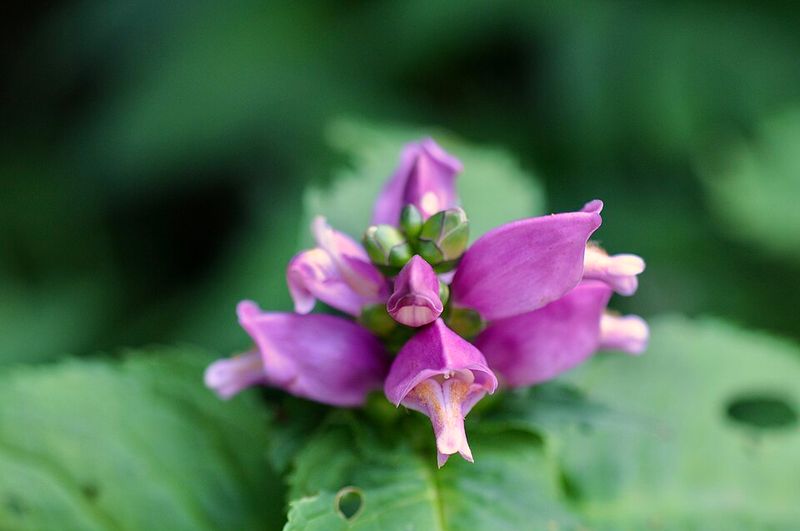
Moist areas can be tricky to design well, but turtlehead gives them real personality. Upright stems carry pink snapdragon like flowers in late summer, adding vertical interest just when many moisture loving plants are mostly foliage.
In Ohio, it is especially useful near downspouts, rain gardens, or lower spots where the soil stays evenly damp.
Part sun to light shade is usually ideal, though it can take more sun if the ground does not dry out. Rich soil helps the plant bulk up into a handsome clump over time, and mulch keeps roots cooler during hot spells.
I find it looks strongest when planted in groups rather than as a single scattered specimen.
The flowers have a substantial, almost architectural shape, so they contrast nicely with airy grasses or broad hosta leaves. Because it blooms later, turtlehead can refresh a border that looked wonderful in June but less convincing by August.
Native plant gardeners also appreciate its ecological value, which adds another reason to include it in residential landscapes. If deer or rabbits are frequent visitors, this perennial often holds up better than softer leafed favorites.
For pink color that does not feel fragile or overly delicate, turtlehead offers a grounded, practical option. It proves that moisture loving plants can still look refined, layered, and intentional instead of simply filling a wet spot.
Dianthus
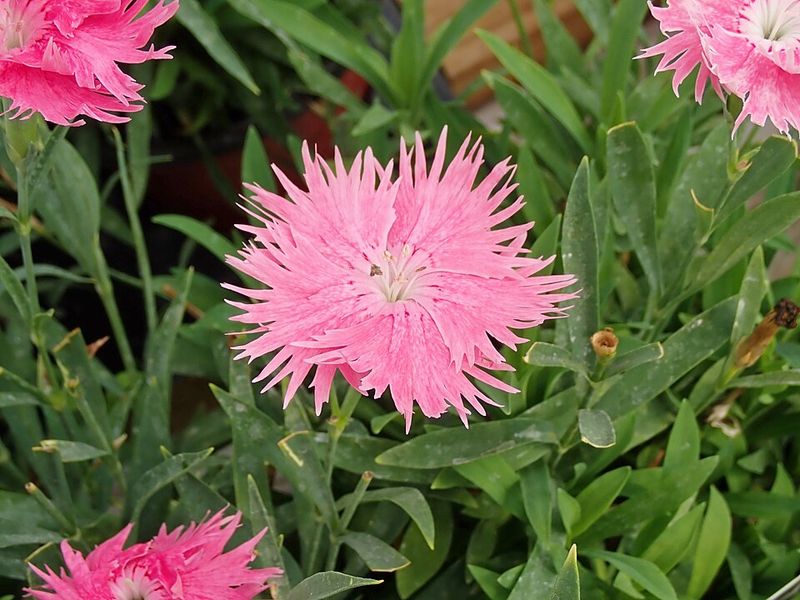
At the front edge of a sunny bed, dianthus brings tidy structure and a sweet pink bloom display that never feels messy. Many varieties form compact blue green mounds, so even when flowers pause, the foliage still reads as intentional.
That neatness is useful in Ohio landscapes where crisp edging can make mixed plantings look more polished.
Sharp drainage is the key to keeping these plants happy. They dislike soggy winter conditions, so gravelly or amended soil is often better than rich heavy ground.
Full sun encourages the strongest bloom, and a quick trim after flowering can prompt a lighter repeat flush in many selections.
The color range runs from pale blush to stronger rose, often with fringed petals that add extra detail up close. I like using dianthus near walkways, retaining walls, or patio beds where people can appreciate the flowers and the clove like fragrance.
It pairs especially well with lavender, salvia, creeping thyme, and small ornamental grasses in lower maintenance designs. Because the plant stays compact, it works nicely as a repeated visual rhythm rather than a single focal point.
If you have a hot, bright spot that needs soft color without floppy stems, perennial dianthus is a practical answer. It gives you spring charm, evergreenish texture, and a clean border line with very little effort.
Joe Pye Weed
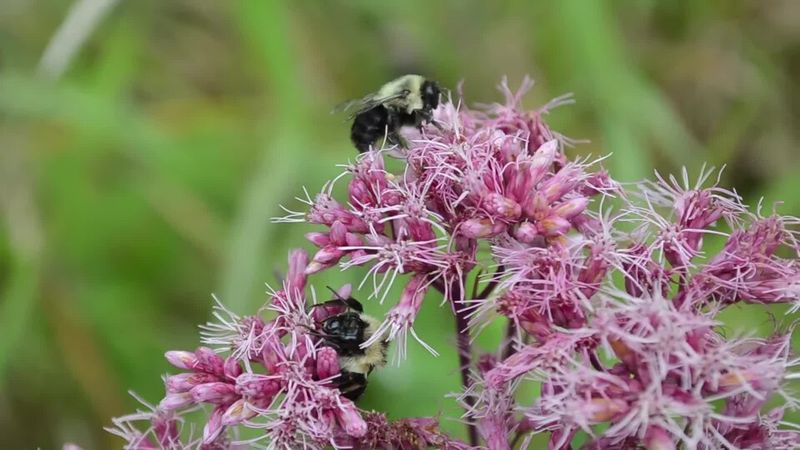
Height can be your friend when a border feels flat, and Joe Pye weed solves that problem with ease. Large mauve pink flower clusters float above strong stems, creating an upper layer that draws the eye through late summer.
In Ohio, it feels especially at home in naturalistic plantings where grasses and natives share the stage.
Despite its wild appearance, placement still matters. Give it full to part sun and soil that does not bake dry, particularly during establishment.
Dwarf cultivars are worth considering if you love the look but do not want a towering plant blocking windows or swallowing a smaller suburban bed.
Butterflies absolutely adore it, and that alone can change how lively a garden feels. The flower heads have enough substance to hold their own beside ornamental grasses, coneflowers, and black eyed Susans, yet the pink tone softens all that late season gold and bronze.
I like using it toward the rear of a border, where it can create a loose backdrop rather than a wall. Moist sites near a fence line or rain garden are especially good fits.
If your landscape needs vertical color that still reads natural and easy, Joe Pye weed is a smart answer. It adds scale, pollinator value, and a soft late summer haze without looking overly formal or fussy.
Creeping Phlox
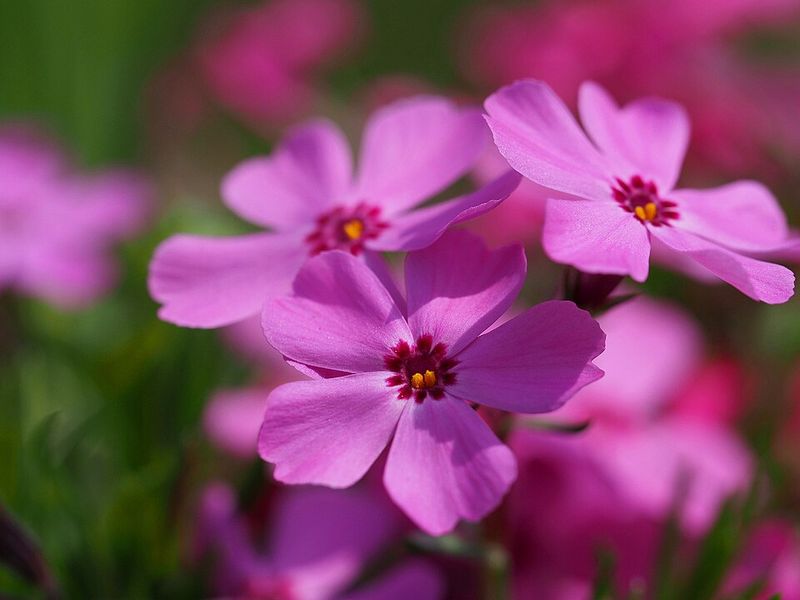
For spring color that blankets the ground in soft pink, creeping phlox is hard to top. It spreads into a low mat and covers slopes, wall edges, or sunny bed fronts with flowers that read almost like a pastel carpet.
That early layer matters in Ohio landscapes because it bridges the gap between bulbs fading and taller perennials waking up.
Excellent drainage and full sun make the biggest difference in long term performance. Rocky soil, raised edges, and retaining wall pockets often suit it better than rich heavy beds that stay wet through winter.
I like tucking it where it can spill naturally over stone, because the habit looks especially graceful there.
After flowering, the evergreen or semi evergreen foliage continues to hold the space, which helps keep beds from looking bare. Shearing lightly after bloom can encourage denser growth and a neater shape without much effort.
Soft pink varieties pair beautifully with white candytuft, blue creeping speedwell, and dwarf iris for a classic spring palette. Because the plant stays low, it never competes with later stars like peonies or salvia.
Instead, it sets the stage and then quietly supports the rest of the season. If you want the landscape to feel layered from the ground up rather than relying only on midheight flowers, creeping phlox is one of the best pink foundations you can plant.