
12 Orange Perennials Georgia Homeowners Use For Bright Seasonal Borders
Follow us on Google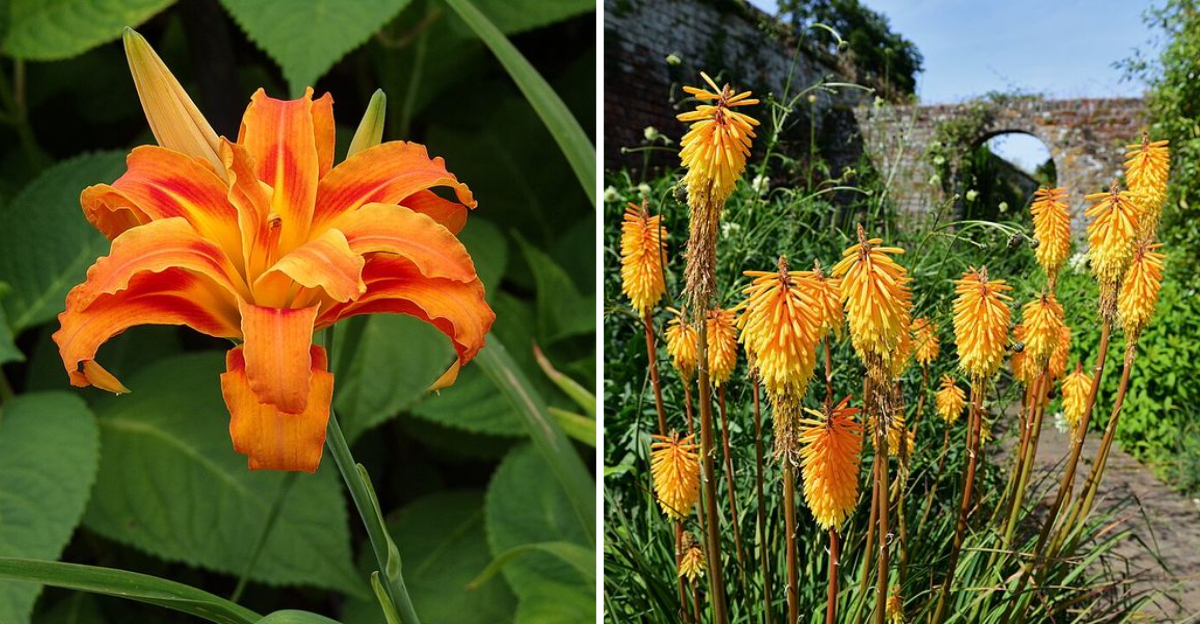
Orange flowers do something special in a Georgia yard – they catch late sun, warm up green backdrops, and make ordinary borders feel intentional. If your beds need more energy from spring through fall, the right perennial can carry that color without constant replanting.
These picks handle Georgia heat surprisingly well and pair beautifully with the blues, purples, and grasses many homeowners already grow. Keep reading if you want a border that looks brighter, longer, and far more memorable from the curb.
Butterfly Weed
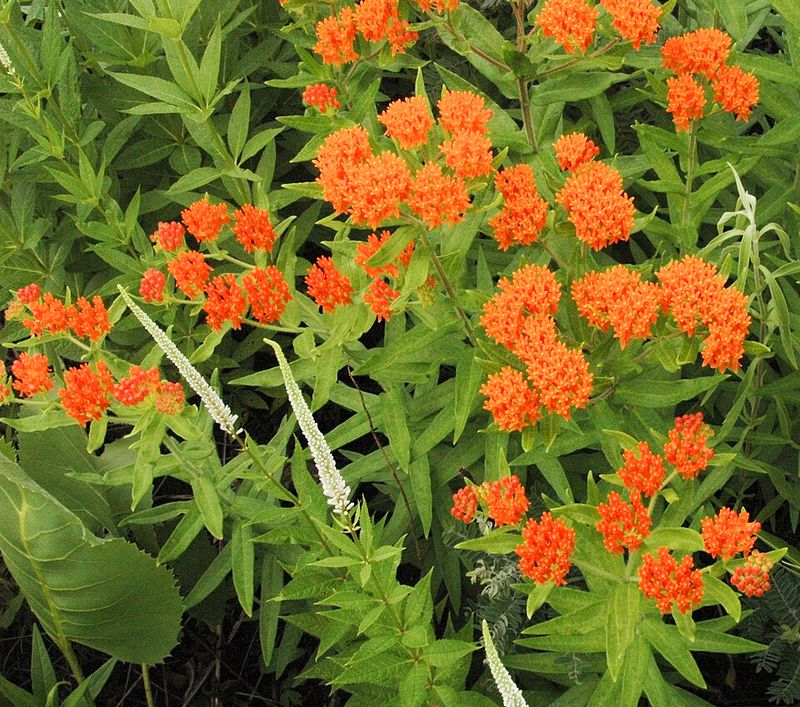
In Georgia heat, this native standout keeps its color when fussier plants fade, giving you saturated orange blooms that look lively beside grasses, salvias, and black-eyed Susans. The flowers sit above tidy foliage, so borders feel bright without turning heavy or crowded, especially along driveways, mailbox beds, and front walk plantings.
Full sun brings the strongest bloom show, and sharply drained soil matters more than rich soil here. Once roots settle, you will water far less than expected, which makes it a practical choice for busy homeowners trying to stretch colorful borders through hot summers.
Butterflies find it quickly, and that wildlife traffic makes the border feel active instead of static. Pair it with blue catmint, dwarf fountain grass, or purple coneflower if you want the orange to read cleaner, richer, and more intentional from a distance.
Leave the plant in place once happy because it dislikes being moved after establishing. For a low-maintenance border with real Georgia staying power, this one earns its spot by combining bright color, drought tolerance, and a native character that never feels forced.
Crocosmia
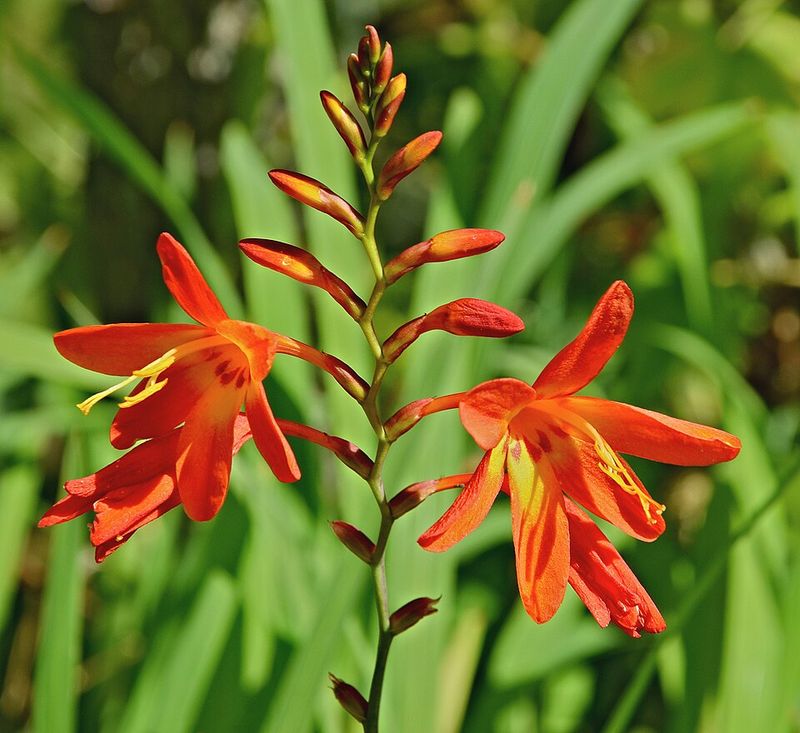
A border gets instant motion when these arching flower stems start lifting above straplike leaves, and the orange tones read especially well against brick homes and dark evergreens. Hummingbirds notice the tubular blooms fast, so even a narrow foundation bed feels more animated once flowering begins in summer.
Give it sun to light shade and soil that drains well but does not bake completely dry. In Georgia, morning sun with a little afternoon relief often keeps foliage fresher, especially in hotter inland yards where reflected heat can stress softer leaves.
The best effect comes from planting clumps instead of singles because the flowers sweep outward in a loose, graceful way. Try it near blue agapanthus, deep purple salvia, or silver foliage plants if you want the orange to look refined rather than loud.
Cut spent stems after blooming and let the foliage recharge the corms for next season. When homeowners want a perennial border that feels a bit more elegant but still colorful, this choice delivers height, movement, and a long visual line.
Orange Daylily
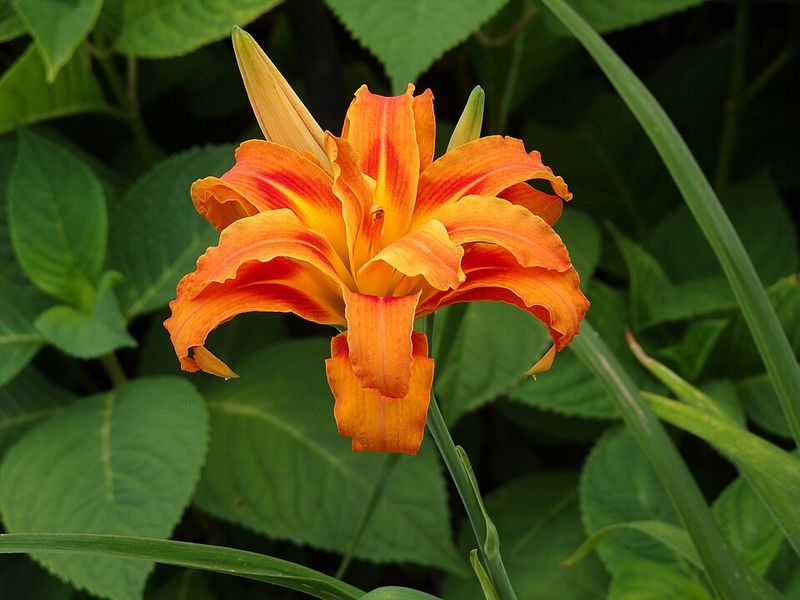
Few plants handle a Georgia summer border with less drama than a dependable orange daylily, especially in spots where heat bounces off pavement or retaining walls. The trumpet blooms read bold from the street, and the grassy foliage keeps beds looking full even between flowering cycles.
Choose reblooming cultivars if you want color beyond the first flush, because that extra round matters in long southern seasons. Daylilies appreciate regular moisture while establishing, yet mature clumps tolerate short dry spells without collapsing or losing their clean shape.
The color works surprisingly well with burgundy shrubs, blue salvia, and chartreuse foliage, which helps orange look designed instead of random. Use broad drifts along fences or mailbox beds where the repeat of flower and leaf texture gives your border rhythm.
Every few years, divide crowded clumps to keep bloom production high and centers from thinning. If you want something forgiving, bright, and easy to coordinate with existing landscaping, this perennial remains one of the smartest orange choices around.
Blanket Flower
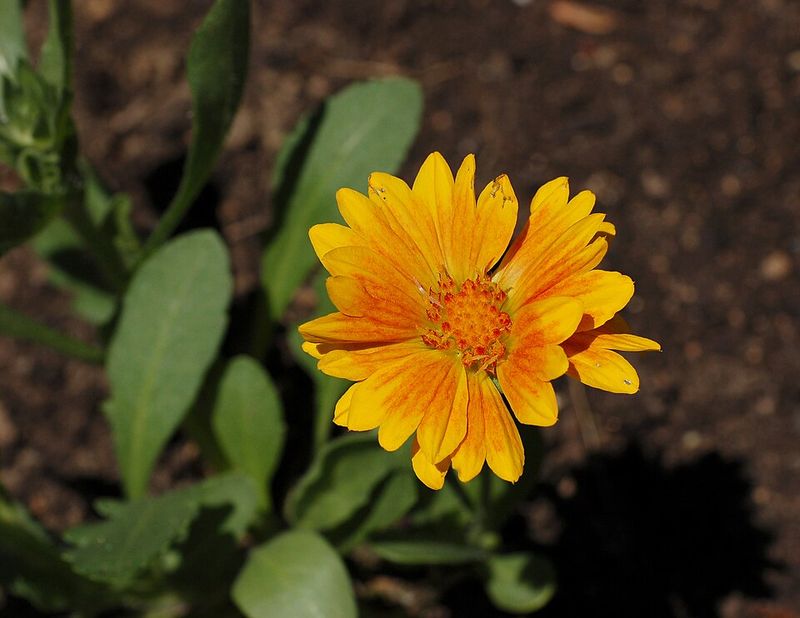
For homeowners who want long color without babying plants through every hot week, this cheerful bloomer is hard to ignore. Orange petals keep appearing through summer, and the daisy form adds a casual, welcoming look that fits cottage borders, curbside strips, and sunny patio beds.
Dry, lean soil actually helps more than rich soil, which surprises many gardeners used to feeding everything heavily. In Georgia, excellent drainage and full sun are the real keys, because soggy winter conditions cause more trouble than summer heat ever will.
Deadheading extends the bloom show, though even light trimming can keep the plant producing for months. The warm color pairs nicely with blue globe thistle, lavender, or upright grasses, giving you a border that feels energetic but still balanced.
This perennial can be short lived, so I like treating it as a generous repeat performer rather than a forever resident. That mindset works well because it blooms hard, fills gaps beautifully, and gives orange-loving borders a sunny, relaxed personality.
Red Hot Poker
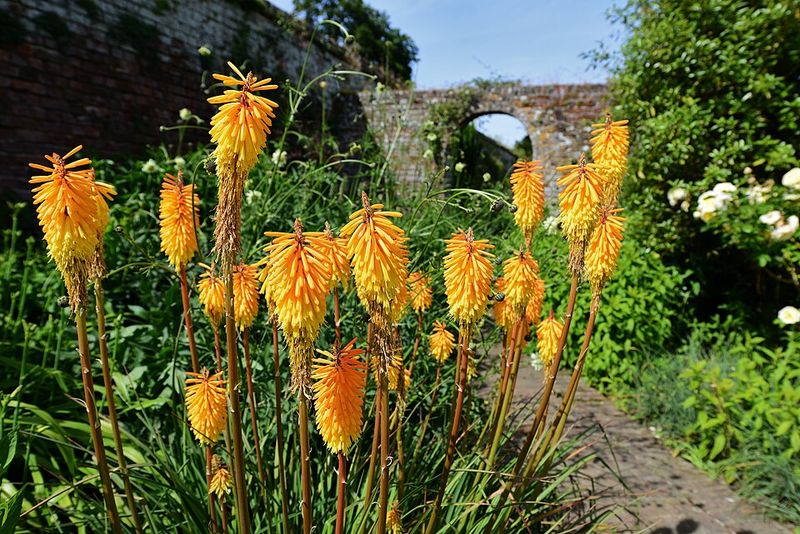
Vertical accents matter in a border, and these torchlike blooms provide that lift without relying on shrubs or annual fillers. Orange flower spikes rise above clumping foliage, adding a strong line that helps flatter sprawling beds near driveways, patios, and open lawn edges.
Sun and drainage are the nonnegotiables, especially in Georgia where winter wetness can damage crowns. Once planted in a bright, well-drained spot, the plant asks for little beyond occasional cleanup and enough space for its fountain of leaves.
Hummingbirds love the blooms, and the flower form contrasts beautifully with mounded companions like lavender, dianthus, or low coreopsis. That upright shape also makes it useful behind shorter edging plants where orange needs to show above surrounding textures instead of disappearing.
Remove spent spikes to tidy the clump and encourage a fresher look through the season. If your border needs a punchier profile and stronger architecture, this perennial brings both while handling Georgia summers far better than its exotic appearance suggests.
Canna Lily
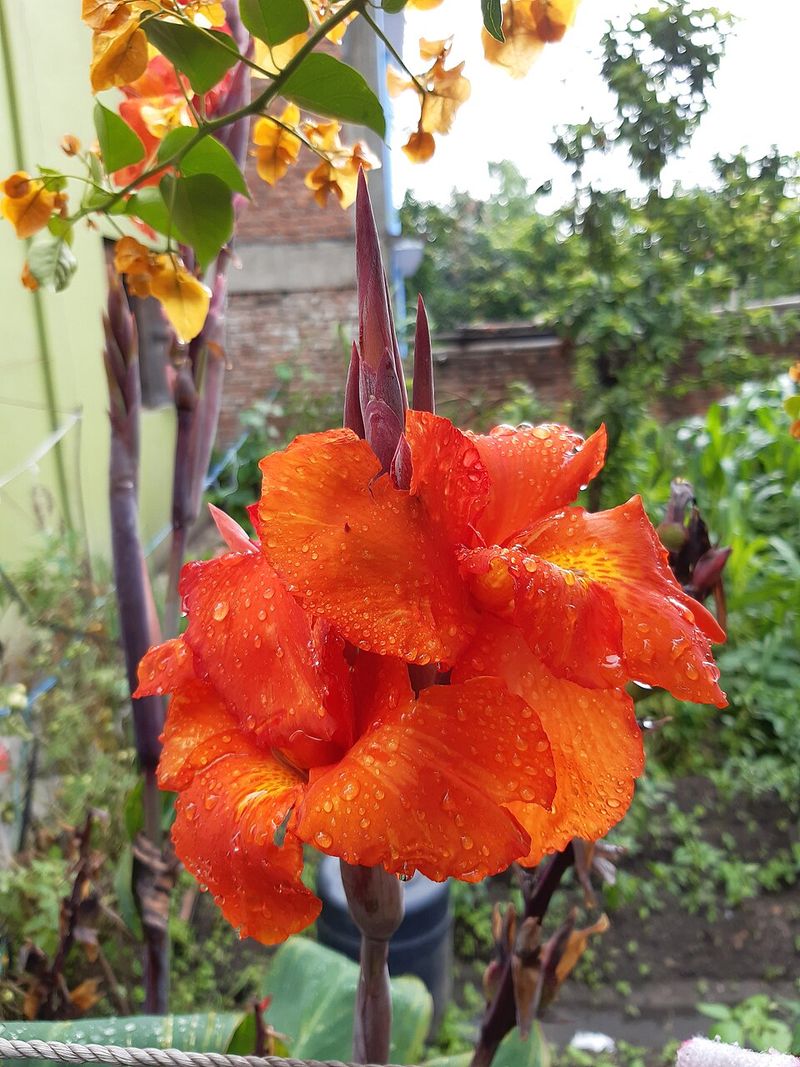
Big leaves can make a border feel substantial fast, and orange cannas add that effect while also delivering tropical-looking flowers through summer. In Georgia landscapes, they are especially useful where you need bold color near porches, fences, pool areas, or larger foundation beds.
Rich soil and steady moisture produce the best growth, though established plants tolerate brief dry stretches better than many people expect. Full sun keeps stems sturdy and flowering generous, and a sheltered spot helps leaves look fresher after heavy summer rain.
Because the foliage is dramatic, pair it with finer textures like blue fescue, society garlic, or airy gaura. The contrast keeps borders from feeling coarse, and the orange blooms stand out beautifully against dark green, bronze, or even striped leaves.
Cut frost-damaged tops back in cooler parts of Georgia and mulch rhizomes for extra protection over winter. When homeowners want a border that feels fuller, brighter, and more substantial from midsummer onward, cannas deliver impact in a very straightforward way.
Helenium
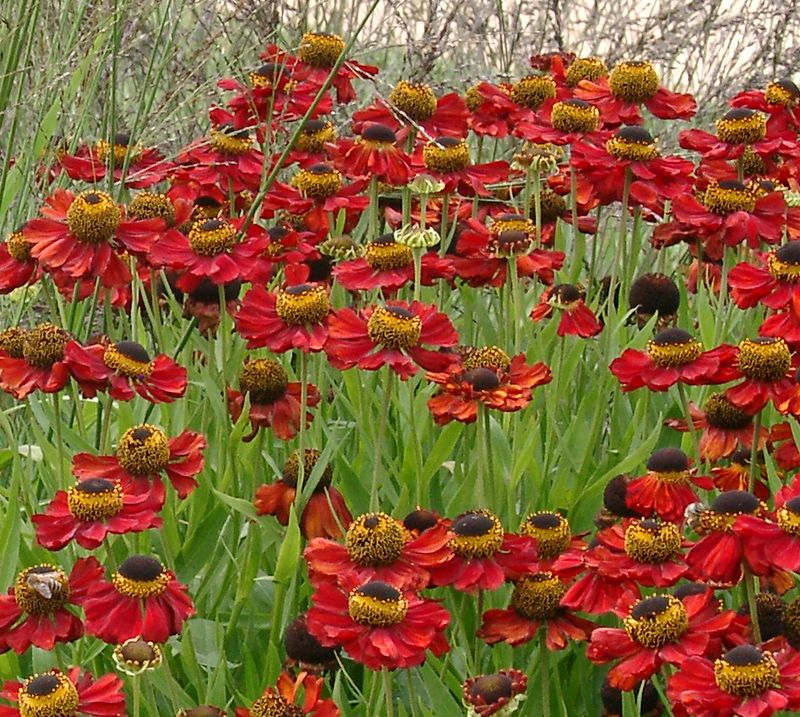
Late-season borders often fade into greens and tired seedheads, so a strong orange helenium can rescue the whole display. Its daisylike flowers appear when many summer stars are slowing down, which makes beds look refreshed just as early fall gatherings start outdoors.
Unlike some drought lovers, this perennial prefers soil that holds moderate moisture, especially through Georgia’s hottest stretches. Give it full sun, avoid letting roots dry repeatedly, and pinch taller stems in late spring if you want a bushier, shorter plant.
The warm orange shades combine beautifully with purple asters, switchgrass, and deep red foliage plants in mixed borders. Because flowering is generous, even one grouped planting can carry a surprising amount of visual weight near mailboxes or backyard seating areas.
Deadheading helps the display stay neat, though the plant already earns its keep with a long color window. If your goal is extending orange beyond midsummer and into the changing season, this perennial is one of the most effective ways.
Bulbine
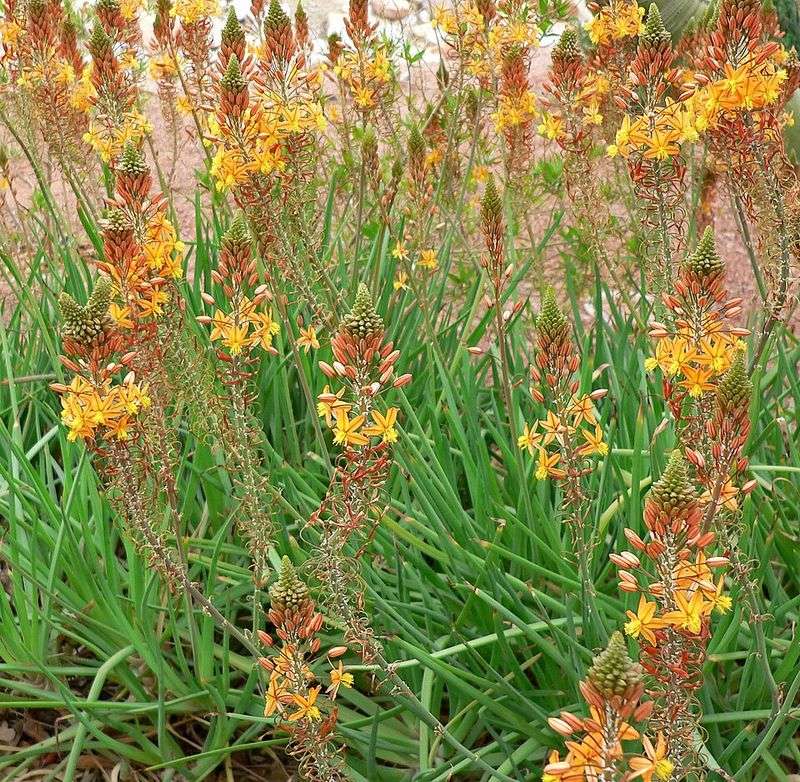
In the warmer parts of Georgia, this tough succulent perennial earns attention by blooming for months while asking for very little. Slender stems carry small orange flowers above fleshy leaves, giving borders a light, tidy look that fits modern beds and low-water plantings.
Excellent drainage is essential, so raised beds, sandy soil, or gravelly sites are ideal placements. Full sun brings the heaviest bloom, and once established, the plant handles dry spells with an ease that makes many traditional perennials seem high maintenance.
The texture is one of its best features because straplike succulent foliage contrasts nicely with mounded companions. Pair it with blue chalk sticks, dwarf grasses, or purple trailing lantana if you want a hot-weather border that still reads organized and intentional.
In colder parts of the state, winter protection may be necessary, so placement near walls or hardscape helps. For homeowners gardening in southern or coastal Georgia, this is a smart option when bright orange color and water-wise performance both matter.
Lion’s Tail
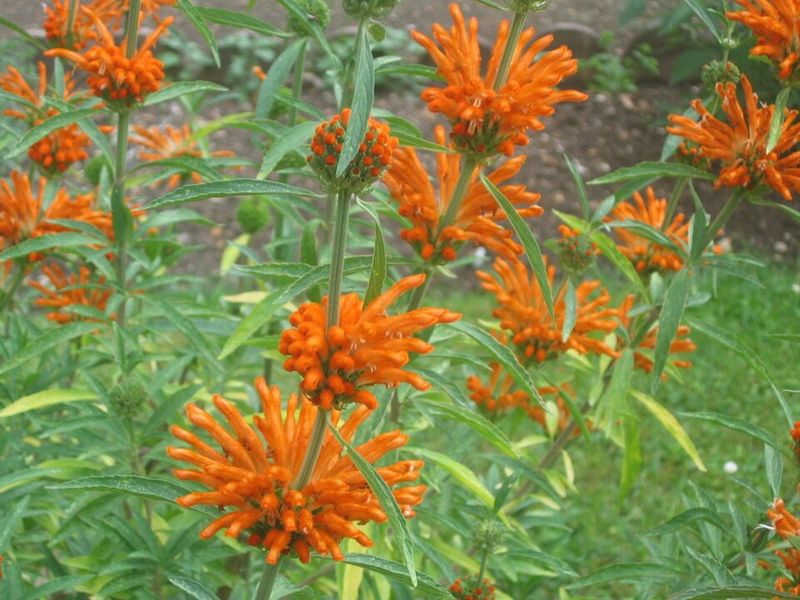
Height changes everything in a border, and this shrubby perennial creates a dramatic column of orange without feeling stiff or formal. The whorled flowers stack along tall stems, giving late-season beds an unusual silhouette that immediately catches attention from across the yard.
In Georgia’s warmer zones, full sun and good drainage help it perform best through heat and humidity. Give it room because the plant broadens as it grows, and crowding reduces airflow that keeps foliage cleaner during muggy summer weather.
Hummingbirds visit often, and that repeated activity adds energy to backyard borders near decks or kitchen windows. The orange flowers pair well with ornamental grasses, blue salvias, and silver foliage plants that cool the palette just enough for balance.
Cut back after flowering or after winter damage to keep the shape compact and encourage fresh lower growth. If you want an orange perennial that looks a little unexpected while still handling southern conditions, this one definitely earns consideration.
Hardy Chrysanthemum
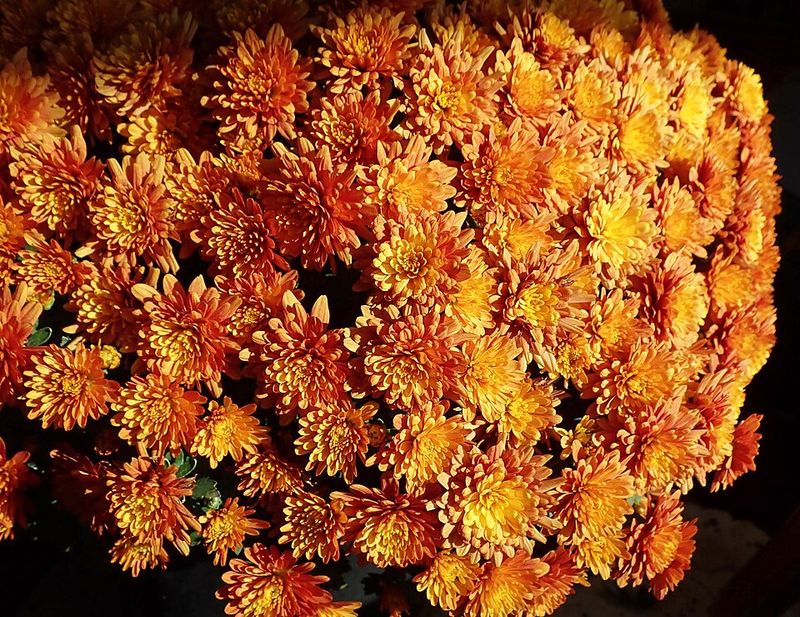
When fall arrives, a border can suddenly feel tired, and hardy mums solve that problem with a dense burst of orange. Their rounded form brings order to mixed beds, and the bloom coverage is strong enough to brighten porches, entry gardens, and mailbox plantings.
For perennial performance, choose hardy garden types rather than florist mums, then plant them in spring or early summer. Full sun and pinching stems through midsummer encourage a fuller plant, while decent drainage helps roots survive wet periods and winter swings.
Orange mum flowers pair naturally with asters, sedums, and ornamental grasses, but they also look sharp beside evergreen shrubs. That combination matters in Georgia, where many gardens need a seasonal boost without a complete bed overhaul at the end of summer.
Cut plants back after frost or wait until late winter if you prefer seeing the dried shape in the garden. If dependable autumn color is the goal, this perennial deserves space where its neat habit and concentrated bloom can really register.
Orange Lantana
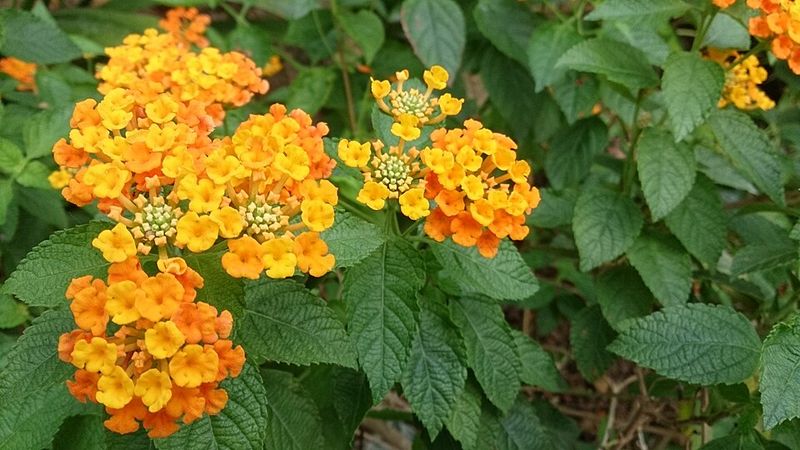
In warmer Georgia gardens, this long-blooming perennial keeps producing orange flower clusters when many other plants pause in the heat. The color is vivid, the habit is mounded, and the constant pollinator activity makes borders feel lively from late spring well into fall.
Give it full sun, excellent drainage, and enough spacing for airflow, especially in humid areas where crowded plants stay damp. Once rooted, lantana is notably drought tolerant, which makes it a strong choice for medians, curbside beds, and other harder-to-water spots.
Use it where you need season-long color because the bloom cycle is generous and forgiving. Orange lantana works especially well with purple salvia, blue plumbago, or upright grasses that calm the brightness while still letting the flower clusters stand out.
In colder parts of the state, treat survival as zone dependent and mulch crowns for extra winter insurance. Homeowners in mild areas often rely on this plant because it asks for little, handles heat beautifully, and keeps orange present for months.
Blackberry Lily
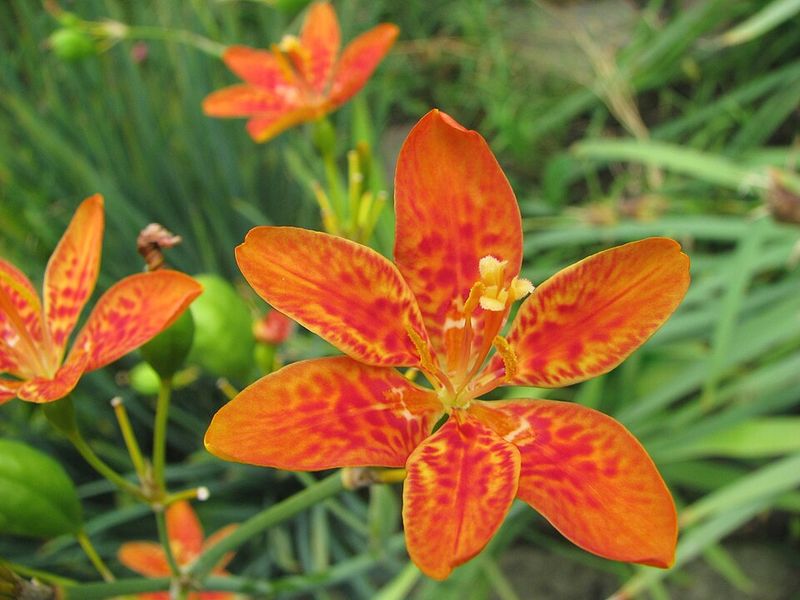
Spotted petals give this perennial a slightly wild, playful look, yet the upright foliage keeps it useful in organized borders. Orange flowers open along tall stems above irislike leaves, adding vertical interest without the heavy mass that broader plants sometimes create.
Full sun to light shade works in Georgia, and well-drained soil helps the plant return reliably each year. The blooms are brief individually, but the succession along each stem extends the display, which is valuable when you want continuing color in summer.
Later seed pods split to reveal glossy black seeds, adding another small ornamental feature after flowering ends. Pair it with blue ageratum-like companions, low grasses, or purple perennials so the orange reads clear and cheerful instead of getting visually lost.
Because the clumps stay relatively manageable, this plant fits smaller borders better than many taller orange choices. If you like perennial beds with a bit of personality and detail, blackberry lily brings color, structure, and interesting follow-up texture too.