
11 Purple Perennials Ohio Homeowners Plant For Low-Maintenance Beauty
Follow us on Google
A reliable purple perennial can make an Ohio yard look polished without demanding constant work. The best choices handle cold winters, humid summers, and the occasional stretch of unpredictable weather that keeps gardeners guessing.
If you want color that returns each year with less fuss, these plants earn their space. You will find options here for sunny borders, part-shade beds, pollinator patches, and those awkward spots that need beauty more than babysitting.
May Night Salvia
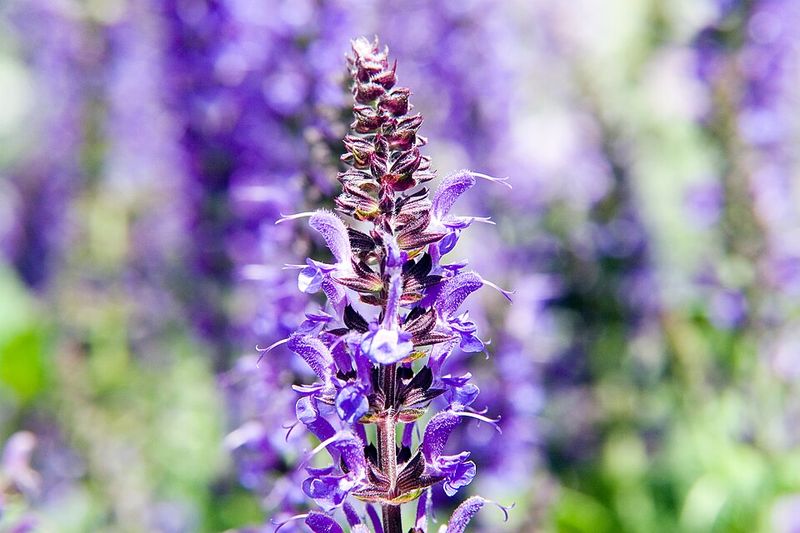
Few plants earn their keep as easily as this tidy salvia, especially in an Ohio yard where spring can feel cool one week and hot the next. Deep violet flower spikes rise above compact foliage and create the kind of crisp color contrast that makes nearby pinks, whites, and silvers look better.
You get a structured look without constant staking or pampering.
Full sun gives the best show, and average well-drained soil keeps roots happiest through humid summers. After the first bloom fades, cutting spent stems back by about one third often encourages another flush, which means you can stretch color deeper into the season.
Deer usually pass it by, while bees seem to treat it like a standing invitation.
In border beds, I like how it behaves instead of sprawling into every neighbor. Pair it with yellow coreopsis, catmint, or ornamental grasses if you want a layered planting that still feels easy to manage.
Once established, this perennial handles short dry spells better than many fussier bloomers.
A light spring cleanup is usually enough to keep it presentable. If your goal is dependable purple that looks intentional rather than wild, this one makes the job surprisingly simple year after year.
Catmint
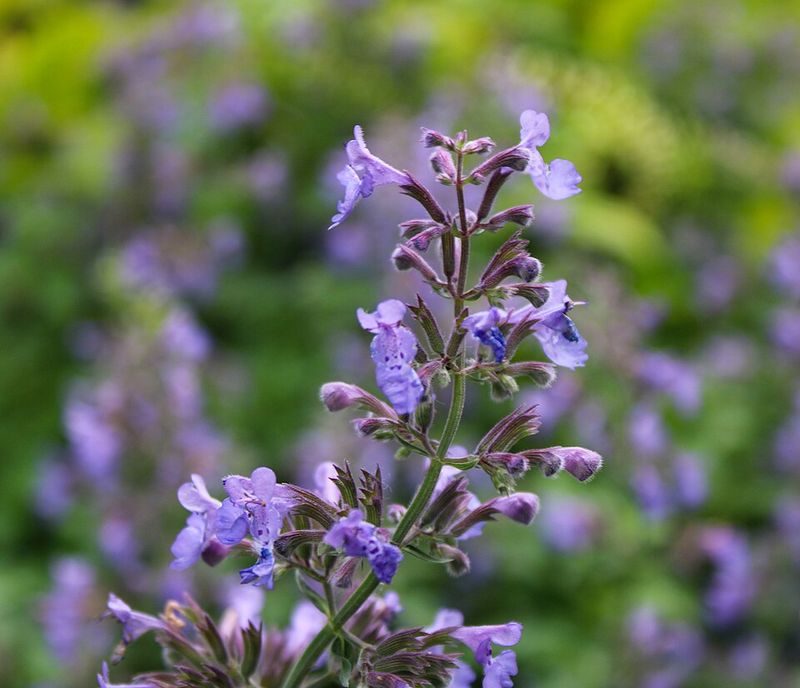
Soft, billowy color is where catmint really shines, and it does so without asking for much in return. The gray-green foliage forms a relaxed mound that looks attractive even before the lavender-purple flowers open.
Around walkways or mailbox beds, that easy shape helps a planting feel full and settled quickly.
Sun keeps it compact, while decent drainage matters more than rich soil. In Ohio clay, mixing in compost at planting time can improve performance, but this perennial often succeeds where fussier plants sulk.
Once it gets going, you can shear it lightly after the first heavy bloom and usually enjoy a fresher, tidier second act.
Pollinators love it, deer rarely bother it, and rabbits tend to leave it alone too. That combination makes it especially useful if you want a colorful front border that does not turn into a buffet.
I also appreciate how forgiving it is when a week gets busy and garden chores slip down the list.
Its sprawling habit softens stone edging, retaining walls, and the base of roses beautifully. If you need purple that fills space, hides bare mulch, and keeps looking pleasant through summer, catmint is one of the easiest answers you can plant.
Russian Sage
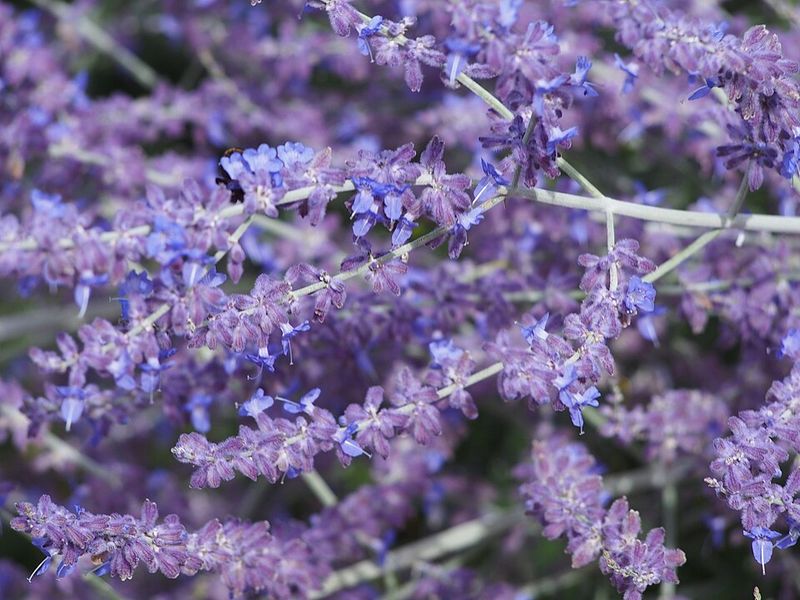
Airy color can be just as useful as bold flower spikes, and this plant proves it every summer. Silvery stems and finely textured foliage create a hazy purple effect that cools down hot-looking beds and pairs beautifully with coneflowers, black-eyed Susans, and grasses.
It brings movement and softness instead of a stiff, formal look.
Give it full sun and soil that drains reasonably well, and it usually settles in with very little drama. Heavy, soggy ground is its main complaint, so raised beds or slightly sloped spots in Ohio gardens often deliver the best results.
Once established, it handles heat and short drought periods far better than many broadleaf perennials.
Late summer is when it earns the most attention, especially when other flowers start looking tired. Bees and butterflies visit constantly, yet deer tend to leave the aromatic foliage alone.
You can cut it back in early spring when new growth begins rather than fussing with it in fall.
Because it grows with a loose habit, spacing matters more than many homeowners expect. Give it room to breathe and combine it with sturdier plants nearby for contrast.
If your yard needs a durable purple perennial with a long season of interest, this one keeps delivering without constant intervention.
Lavender
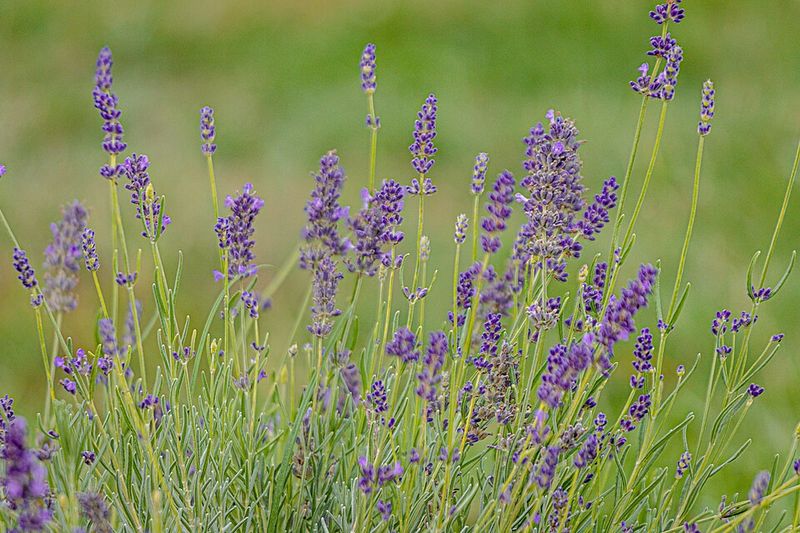
Fragrance alone would justify planting lavender, but its neat shape and cool purple blooms make it even more useful in an Ohio landscape. The silver foliage stays attractive for much of the season and gives beds a clean, intentional look.
Near a front walk, every brush of the leaves adds a little reward.
Drainage is the make-or-break issue here, especially in areas with heavy clay or wet winter soil. A raised bed, gravelly amendment, or sunny slope can make the difference between a thriving plant and one that struggles through cold months.
Skip overly rich fertilizer, because too much pampering often leads to weaker growth and fewer flowers.
Hardy varieties such as Hidcote or Munstead generally perform better than tender types sold for warmer climates. Once established, they handle dry stretches well and rarely ask for more than occasional pruning.
Cutting back lightly after bloom helps keep plants from turning woody and misshapen.
I like using lavender where structure matters as much as color, such as along paths, around patios, or in a compact herb bed. Deer usually leave it alone, pollinators appreciate it, and the dried stems are useful indoors too.
For homeowners wanting beauty with purpose, it is a smart perennial choice.
Bee Balm
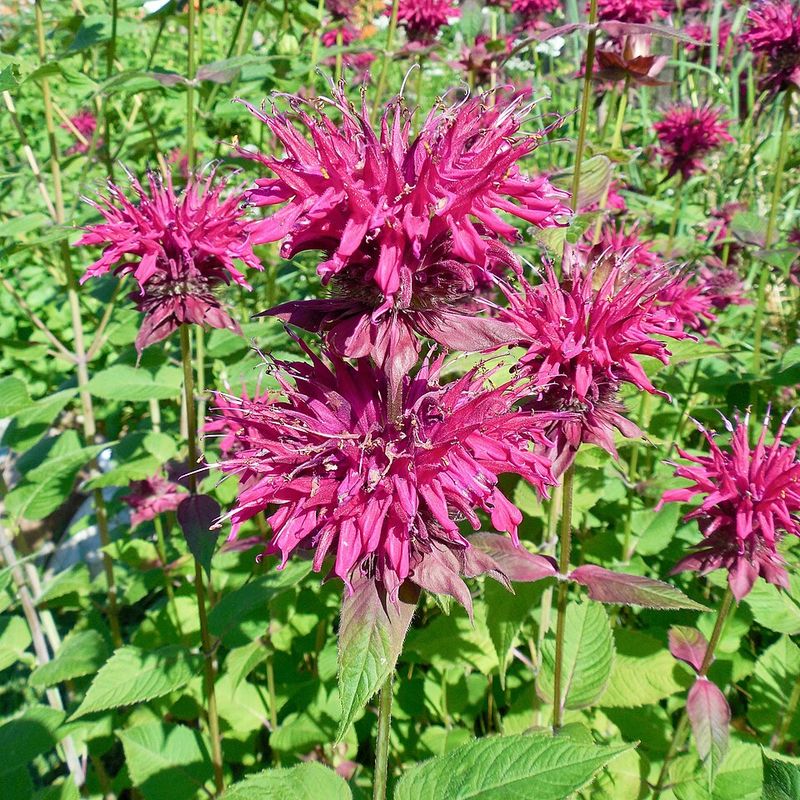
Bold color and pollinator activity come together fast when bee balm starts blooming in summer. The flowers have a lively, shaggy look that feels more relaxed than formal, which makes them especially good for cottage gardens and wildlife-friendly beds.
Hummingbirds, bees, and butterflies all seem to know exactly when it opens.
Good air circulation matters because Ohio humidity can encourage powdery mildew on some varieties. If you choose newer resistant cultivars and avoid cramming plants too tightly together, maintenance gets much easier.
Full sun gives the best bloom, though a little afternoon shade can help in hotter spots.
Moist but well-drained soil keeps it happiest, and a layer of mulch helps roots stay cooler through summer. Deadheading can improve appearance, but even when blooms fade, the plant still contributes a sturdy green presence in the border.
Division every few years helps control spread and refreshes older clumps.
Its vibrant purple tones play nicely with ornamental grasses, black-eyed Susans, and phlox. I especially like it in back or middle border positions where the flowers can rise above shorter plants and catch attention from a distance.
For an Ohio homeowner who wants easy color and nonstop pollinator traffic, bee balm earns serious consideration.
Creeping Phlox
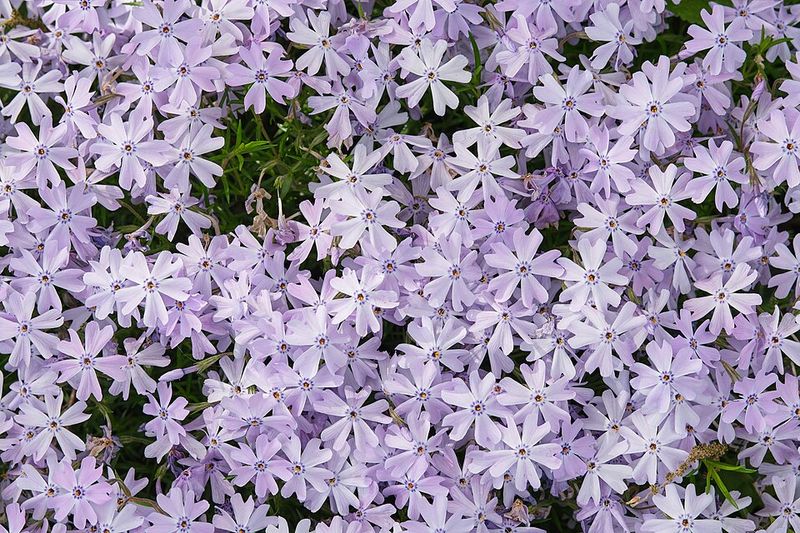
Spring color feels especially satisfying when it pours over a wall or softens the edge of a path, and creeping phlox does exactly that. This low-growing perennial forms a dense mat of evergreen to semi-evergreen foliage, then disappears under purple flowers for weeks.
In an Ohio yard, that early display can make the whole season feel like it started right.
Sun is important if you want dense growth and strong bloom. It prefers soil that drains well, so rocky areas, slopes, and raised beds are often better than heavy, wet low spots.
Once established, it handles dry conditions nicely and needs far less attention than many flowering groundcovers.
After blooming, a light trim can keep the patch looking tidy and help maintain a fuller shape. It also works well between stepping stones, along retaining walls, or at the front of a border where taller plants would hide its best qualities.
Deer pressure is usually light, which is a practical bonus.
Color choices range from pale lavender to deeper purple, so matching your scheme is not difficult. I like using it where mulch tends to wash away because the plant itself becomes the visual finish.
If you want a low-maintenance purple perennial that covers ground beautifully, this one is hard to beat.
Woodland Phlox
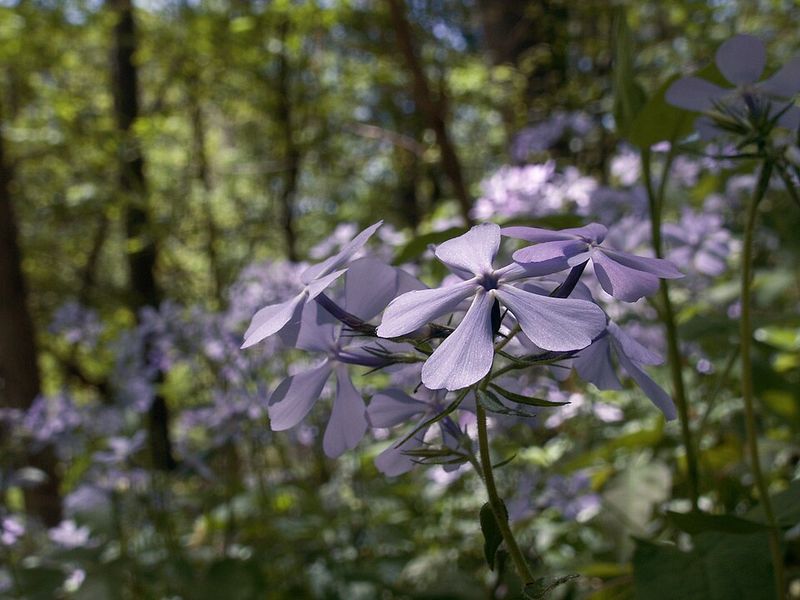
Shadier spots do not have to settle for plain greenery, and woodland phlox proves that beautifully in spring. Loose clusters of violet to lavender flowers hover above fresh foliage and brighten those in-between areas under trees or along the north side of a house.
The effect feels gentle and natural rather than overly manicured.
Part shade is ideal, especially where plants get morning sun and afternoon protection. Ohio homeowners with mature maples or filtered woodland edges often find it fits better than sun-hungry perennials.
Soil with organic matter and consistent moisture helps it spread gradually into a pleasing drift.
This is not the kind of plant that bullies its neighbors, which makes it easy to mix with ferns, hostas, heucheras, and spring bulbs. Deadheading is optional, though removing spent blooms can neaten the look and prevent excess self-seeding.
Disease issues are usually limited when airflow is decent and plants are not crowded.
I like it most in places where you want color to appear almost casually, as if the garden arranged itself. The purple tones read especially well in low light, where brighter flowers can sometimes look harsh.
For Ohio gardens with partial shade, woodland phlox offers dependable beauty with a calm, low-effort personality.
Siberian Iris
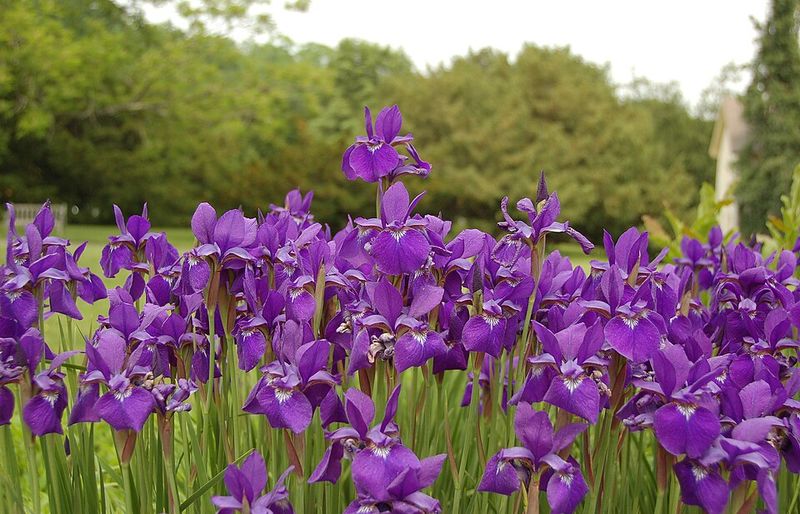
Graceful lines can do a lot of design work in a garden, and Siberian iris brings that benefit long after the flowers finish. The blooms are elegant, often in rich violet or blue-purple shades, while the slender leaves stay upright and attractive for months.
That combination makes a bed feel organized without relying on constant flowers.
Unlike some fussier iris types, this one handles Ohio conditions with less complaint and fewer disease issues. It appreciates full sun to light shade and performs well in average garden soil, even tolerating spots that stay a bit moister.
Around downspouts or near rain gardens, it can be especially useful.
Bloom time usually lands in late spring to early summer, which helps bridge the gap between spring bulbs and peak summer perennials. Division is only needed every several years when clumps become crowded or bloom decreases.
Deer and rabbits generally show little interest, which saves frustration in suburban neighborhoods.
I like pairing it with catmint, daylilies, or allium for a layered look that stays clean and modern. Even when the flowers are gone, the foliage keeps doing its job as a vertical accent.
If your goal is low-maintenance purple with a refined look, Siberian iris is one of the smartest plants to consider.
Veronica
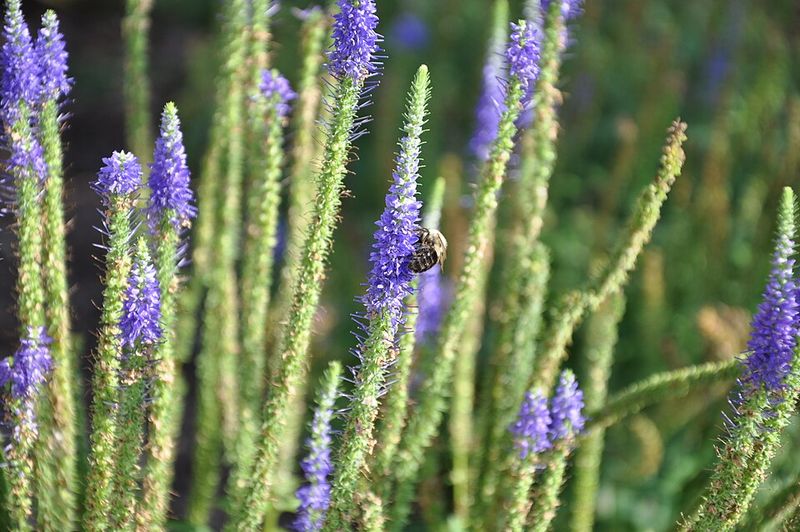
Spikes of saturated color can sharpen up a planting fast, and veronica is excellent at that job. Its upright purple blooms add definition between mounded plants and airy fillers, so a border looks more thoughtfully layered.
In smaller Ohio yards, that vertical accent can make a modest bed feel more dynamic.
Most varieties prefer full sun and soil that drains well, though they are not usually as picky as many gardeners fear. Humid summers are easier on plants when spacing allows airflow and mulch keeps soil conditions steadier.
A quick trim after the first flush often encourages repeat flowering and keeps stems from looking worn out.
Pollinators visit regularly, and the compact habit works well near the front or middle of beds. I like how it blends with both cottage-style plantings and cleaner, more modern designs without seeming out of place.
It is also a good choice if you want cut flowers from the yard without sacrificing landscape performance.
Newer cultivars often stay tidier than older selections, so reading plant tags pays off. Combine it with coreopsis, salvia, or ornamental grasses for a colorful mix that does not require constant intervention.
For homeowners wanting strong purple definition in a low-maintenance Ohio garden, veronica offers dependable value season after season.
Balloon Flower
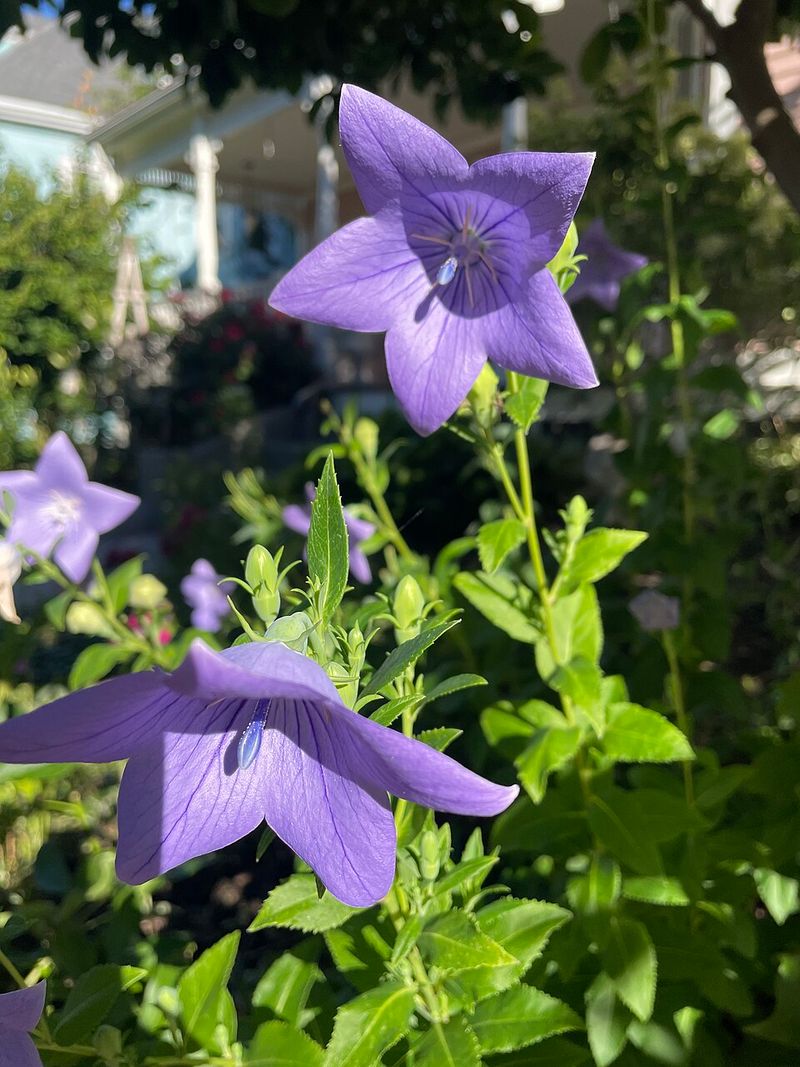
One of the most charming details in a summer garden is watching balloon flower buds puff up before they open. That inflated stage gives the plant personality even before the starry purple blooms appear.
Kids notice it, guests ask about it, and the tidy clump keeps looking composed instead of messy.
Full sun to light shade works well in Ohio, with better flowering usually coming from sunnier spots. It prefers average, well-drained soil and does not appreciate being moved once established because of its deep taproot.
For that reason, choosing the right permanent spot from the start saves trouble later.
Shorter cultivars are especially useful near walkways or in foundation beds where staking would be annoying. Taller forms can mingle with grasses or black-eyed Susans for a slightly looser look.
Cutting spent blooms can improve appearance, but the plant remains fairly low-effort even if you do not fuss over every stem.
Spring emergence is often late, so marking the spot helps prevent accidental digging. Once it wakes up, though, it is dependable and long-lived.
If you want a purple perennial that brings a little novelty without creating extra chores, balloon flower fits that role beautifully in many Ohio gardens.
Jacob’s Ladder
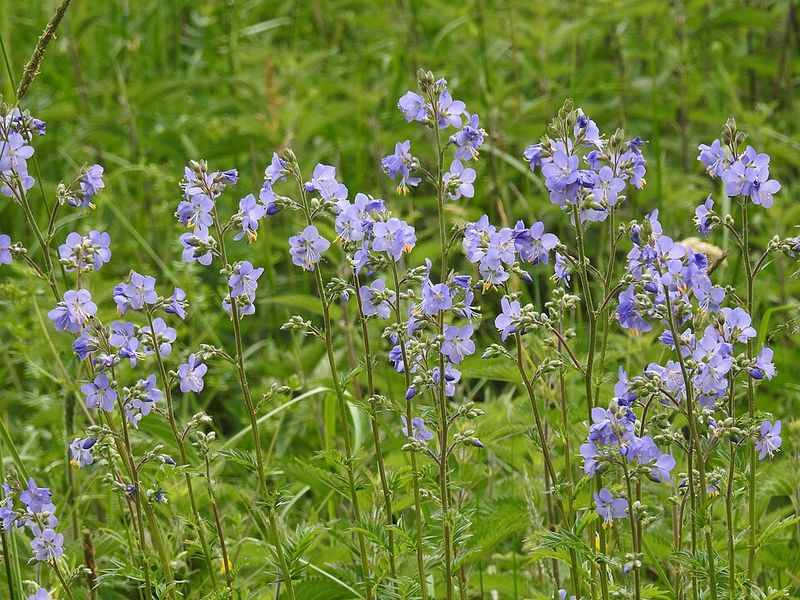
Texture sometimes matters as much as bloom color, and Jacob’s ladder offers both in one compact plant. Its divided foliage has a delicate, ladder-like pattern that stands out in part-shade beds even when flowers are not open.
When clusters of lavender-purple blooms appear, the whole plant feels quietly refined.
Part shade and evenly moist soil suit it best, making it a strong option for Ohio gardeners dealing with bright morning sun and cooler afternoon conditions. Rich soil with organic matter helps keep foliage fresh longer into summer.
In hotter, drier spots, a little extra mulch and occasional watering can prevent early decline.
This perennial works well with hostas, ferns, brunnera, and spring bulbs, especially if you want a layered shade garden that does not depend on one dramatic plant. It is not particularly aggressive, so it fits into smaller beds without causing crowding issues.
Deer resistance is another practical advantage in many neighborhoods.
I like using it near patios or entries where its leaf detail can be appreciated up close rather than lost at a distance. The color reads as soft and calming, not loud.
For homeowners who need low-maintenance purple in partial shade, Jacob’s ladder offers a polished look with surprisingly little fuss.