
13 Multicolored Perennials That Define Modern Massachusetts Cottage Gardens
Follow us on Google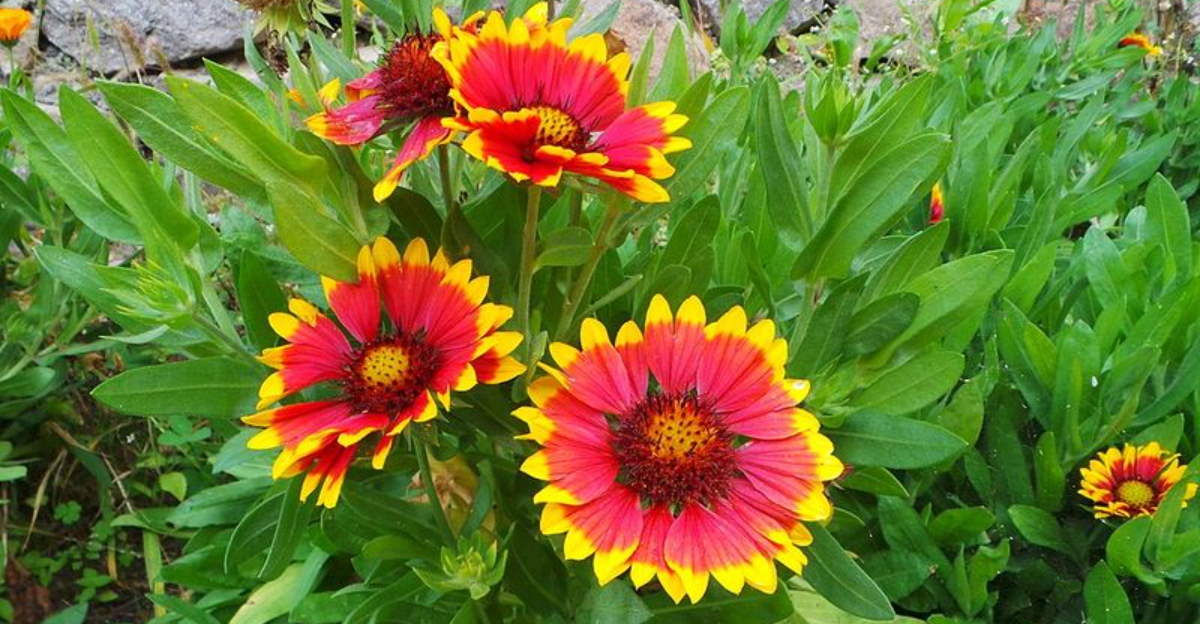
Modern Massachusetts cottage gardens feel brightest when color comes from plants that return stronger each year. The best ones are not just pretty – they handle coastal wind, cold winters, humid summers, and the casual, layered style that makes these gardens so inviting.
If you want a planting palette that looks romantic without feeling messy, these multicolored perennials earn their space. Each one adds personality, season-long interest, and the kind of easy rhythm that makes a garden feel lived in and loved.
Coneflower
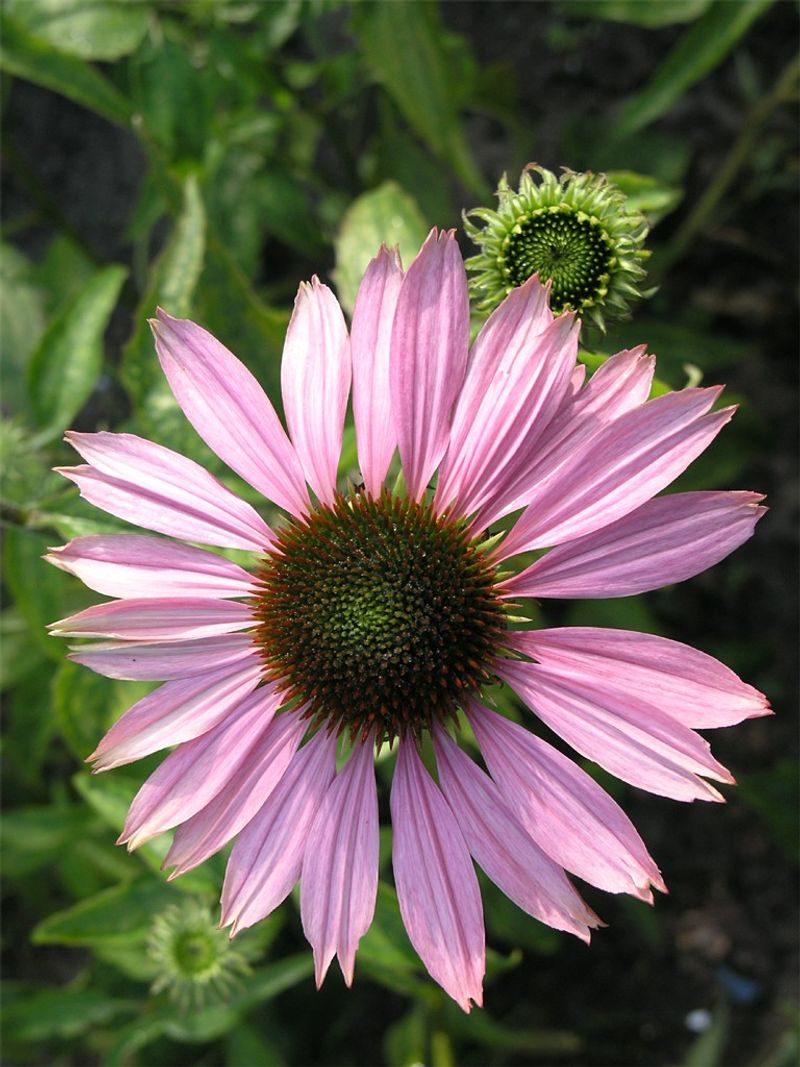
Color does a lot of work in a cottage border, and this hardy favorite handles that job beautifully from midsummer into fall. You can mix saturated magenta, soft white, apricot, and fiery orange selections to create a collected look that still feels organized.
In Massachusetts gardens, that long bloom period matters because it keeps beds lively after spring stars have faded.
Full sun is where the strongest stems and richest flower color show up, so give it at least six hours daily. Average, well-drained soil is enough, and once roots settle in, dry spells are rarely a major problem.
I like tucking these near nepeta, ornamental grasses, or dark-leaved heuchera so the daisy form feels modern instead of old-fashioned.
Deadheading stretches the display, but leaving some seed heads later in the season brings texture and birds. Pollinators visit constantly, which makes the planting feel active even on still afternoons.
If you want a border that survives heat, skips the drama, and still looks intentionally colorful, this is one of the easiest ways to get there in a New England yard.
Bee Balm
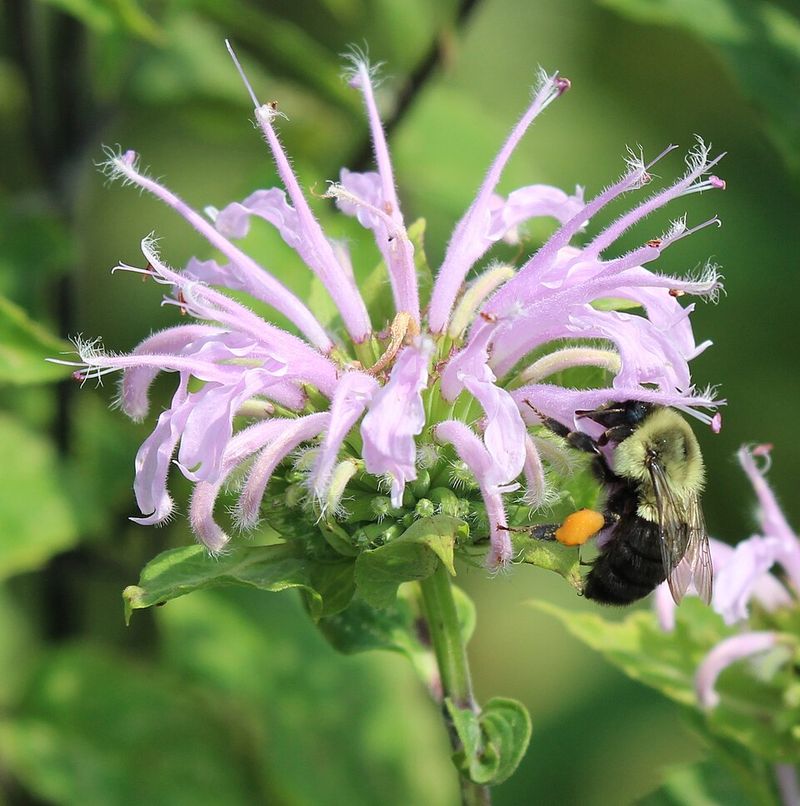
Few plants bring movement and energy to a Massachusetts cottage garden like this one. The shaggy flowers arrive in saturated reds, pinks, lavender tones, and wine shades, giving you plenty of room to build a color story that feels playful but not chaotic.
Hummingbirds and bees notice it immediately, so the border never feels static during summer.
Good air circulation is the real secret to success, especially in humid New England weather. Place clumps where morning sun dries the leaves quickly, and avoid crowding them between dense shrubs or oversized perennials.
I find resistant varieties are worth every penny because they keep the planting cleaner and save you from staring at powdery mildew by July.
It works especially well in modern cottage layouts when repeated in drifts instead of isolated single plants. Try pairing softer pink forms with white phlox, blue salvia, and tall grasses for a looser, current look.
After flowering, a light trim keeps it tidy, and dividing every few years helps maintain vigor, bloom count, and that fresh, colorful presence you want in a hardworking border.
Garden Phlox
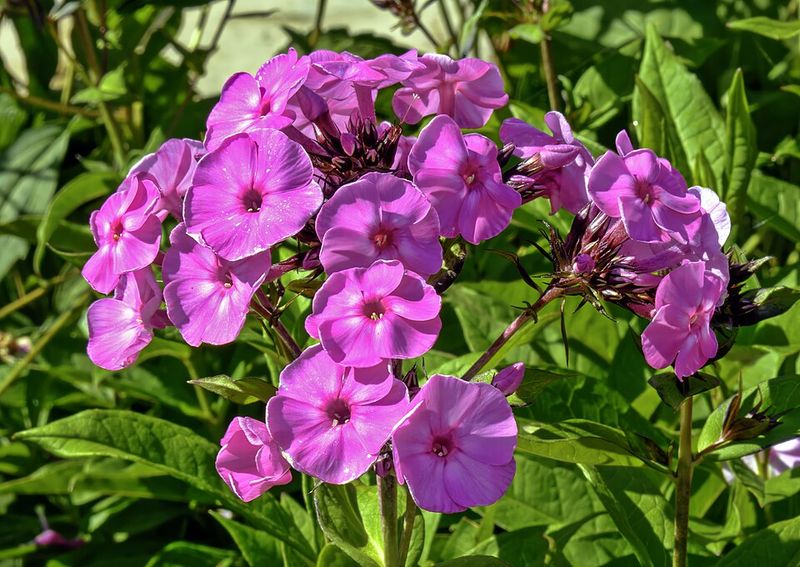
Summer borders can look tired by August, which is exactly when this cottage garden essential earns its keep. Towering flower clusters arrive in white, blush, lavender, violet, and rich cherry shades, making beds feel full and generous at the height of the season.
In Massachusetts, that color carries a garden through humid stretches when many other perennials start looking a little spent.
Sun and steady moisture produce the best results, though good drainage still matters. If mildew has disappointed you before, look for newer resistant cultivars and space them with airflow in mind.
I like setting taller forms behind lower mounds of catmint or geranium so the stems feel anchored and the planting reads as intentional instead of top-heavy.
Cutting spent flower heads often encourages more bloom, and the perfume is a bonus near patios or front walks. The flowers also bridge beautifully with old roses, echinacea, and ornamental grasses, which helps the border feel layered rather than crowded.
For a modern Massachusetts garden that still nods to tradition, this plant offers exactly the right mix of height, fragrance, color, and familiar cottage charm.
Lupine
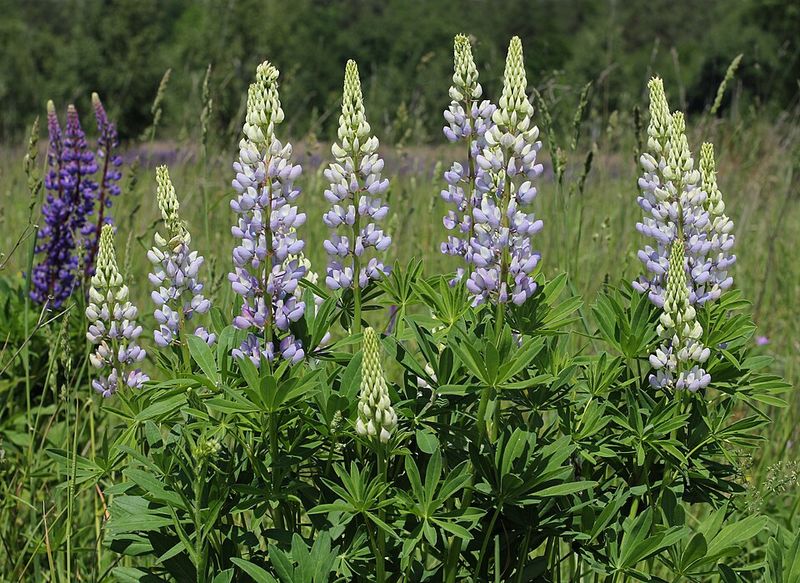
Spring in New England feels more dramatic when tall flower spires rise above fresh foliage, and these do that job better than almost anything else. You can find them in saturated blues, creamy yellows, rose pinks, purples, and bicolors, which makes them perfect for a cottage garden that wants personality early in the season.
Their vertical form also helps break up the softer, mounded shapes common in perennial borders.
Cool conditions suit them, so Massachusetts gardens often give better results than hotter regions farther south. Excellent drainage is essential, especially through winter, and they appreciate full sun with a little relief from the harshest afternoon heat inland.
I usually plant them where spring performance matters most, since they shine brightest early and can leave gaps later if heat arrives hard.
Because of that timing, surrounding them with later performers is a smart move. Geranium, salvia, and yarrow can step forward as the spires fade, keeping the border balanced through summer.
If you want a planting that captures that unmistakable New England feel while still reading clean and current, these colorful spikes bring structure, nostalgia, and just enough wildness to the mix.
Siberian Iris
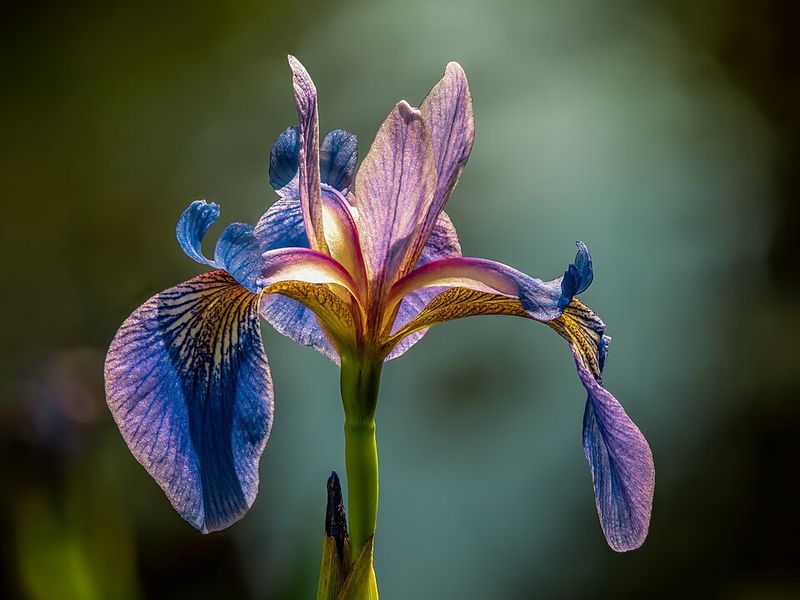
Grace matters in a cottage garden, and few perennials bring it as effortlessly as this one. The flowers come in cool blues, deep purples, clear whites, and softly blended yellow forms, all held above narrow foliage that stays attractive long after bloom time.
That combination gives Massachusetts borders a refined note without losing the relaxed, gathered feeling cottage gardens need.
Moist but well-drained soil suits it best, and it appreciates dependable water during establishment. Once settled, the clumps are tougher than they look and generally ask for very little attention.
I like using them near paths or at the front half of a border, where the upright leaves can contrast with broader peony foliage or softer mounds of nepeta.
The bloom season is not especially long, so placement is everything. Think of it as a structural plant that also delivers a brief but memorable color moment in late spring.
After flowering, the foliage continues to knit the border together, which makes it valuable in modern Massachusetts designs where every plant should do more than one job. Divide crowded clumps every few years, and they reward you with cleaner growth and stronger bloom.
Coral Bells
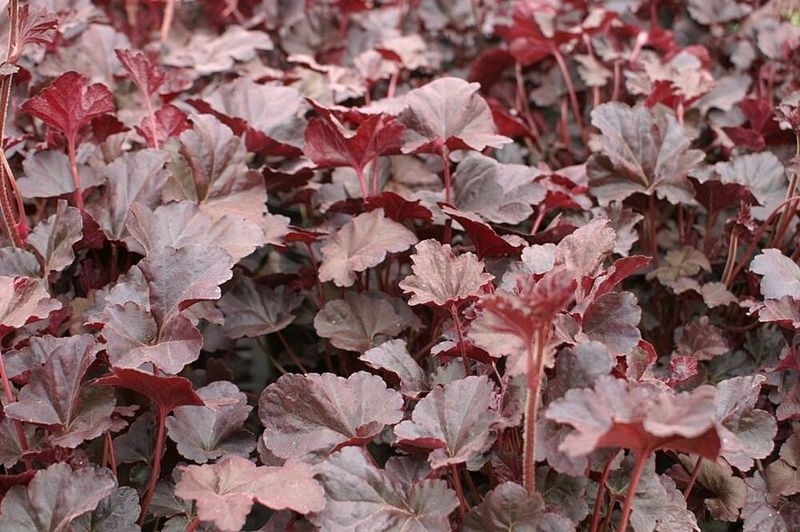
Foliage is often what keeps a cottage garden looking intentional, and this perennial proves it every season. Instead of relying only on flowers, you get leaves in plum, amber, silver, caramel, lime, and near-black shades that thread color through the border from spring to frost.
In Massachusetts, that staying power is especially useful when weather shifts quickly and bloom cycles overlap unevenly.
Morning sun or bright filtered light is usually ideal, especially in hotter inland spots where harsh afternoon exposure can scorch tender leaves. Good drainage matters more than rich soil, and crowns should never be buried too deeply.
I like weaving different foliage colors through the front of beds so the border looks layered and finished even when taller plants are between bloom phases.
The airy flower stems are a bonus, but the leaves are the real reason to plant it. Pair dark varieties with chartreuse hostas, silver artemisia, or pink astilbe for contrast that feels current rather than fussy.
In a modern cottage garden, repeated foliage color can tie together a very mixed planting, and this is one of the smartest tools for doing that while keeping maintenance refreshingly low.
Yarrow
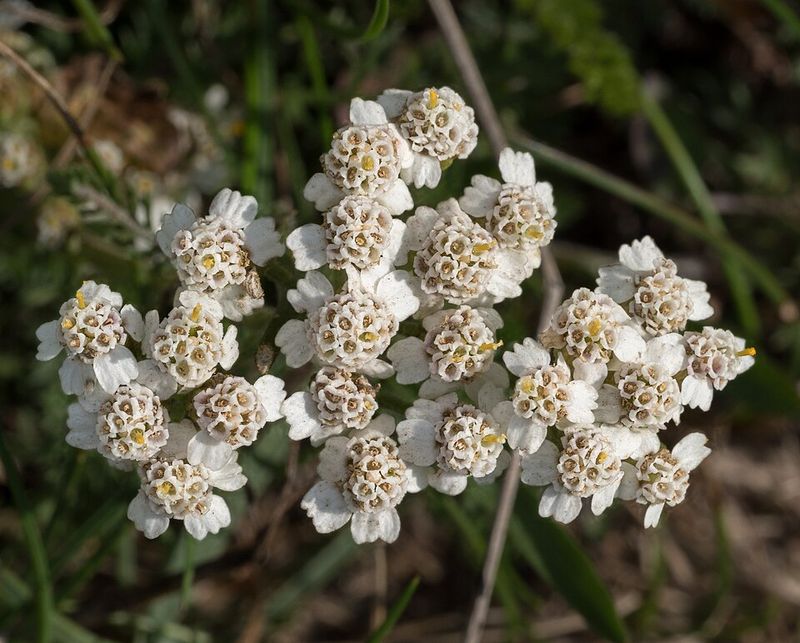
Flat flower clusters can calm down a busy border, and that is part of the appeal here. Instead of adding another spiky or rounded bloom, this perennial brings broad heads in yellow, peach, terracotta, rose, cream, and brick red that help connect different plant forms.
The effect feels especially right in Massachusetts cottage gardens that balance old-fashioned abundance with cleaner, more deliberate structure.
Sun is nonnegotiable if you want sturdy stems and saturated color. Lean soil is actually helpful, since overly rich conditions can cause floppy growth that looks tired too quickly.
I often use it in the hottest, driest section of a border near gravel paths, stone edging, or a mailbox bed where fussier plants would sulk by midsummer.
Deadheading can extend flowering, though even the fading heads keep a nice muted texture for a while. It plays well with coneflowers, salvia, Russian sage, and ornamental grasses, especially when repeated in loose drifts.
If your goal is a garden that looks relaxed but never sloppy, this plant adds durability, pollinator value, and a slightly sun-washed color palette that feels perfectly at home in a contemporary New England cottage setting.
Columbine
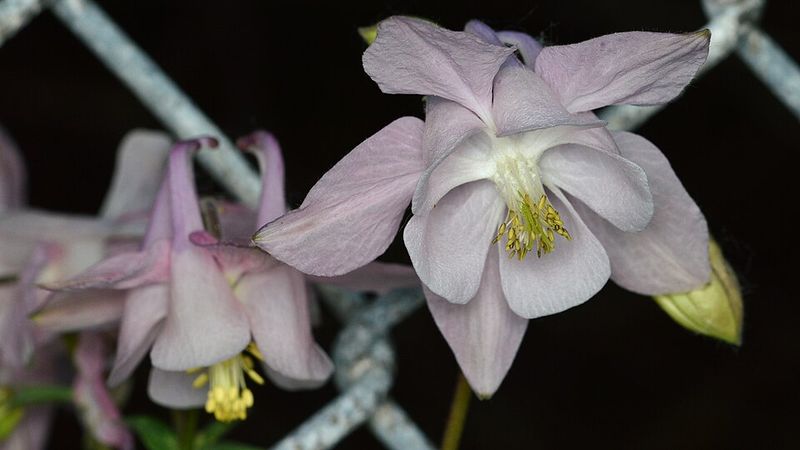
Early color can make a garden feel generous long before summer arrives, and this perennial fills that role with surprising charm. Nodding flowers appear in red, yellow, blue, purple, pink, white, and bicolored combinations, often hovering above tidy mounds of foliage like tiny lanterns.
In Massachusetts cottage gardens, that airy look softens pathways, stone walls, and front-of-border plantings without feeling heavy.
Part sun is usually best, especially where summers turn warm and humid. Morning light keeps plants blooming well while giving them a little protection later in the day.
I like slipping them between spring bulbs, lady’s mantle, and ferns so the whole area feels layered and informal, almost as if the garden arranged itself that way.
Self-seeding is part of the appeal, but it helps to think of seedlings as editable rather than permanent. Keep the colors you love, remove the awkward ones, and the border gradually develops a relaxed rhythm that feels personal.
Because blooming happens earlier than many headline perennials, these are excellent for bridging spring into early summer. For a Massachusetts cottage garden that values softness, movement, and a touch of surprise, few plants deliver so much color with so little effort.
Blanket Flower
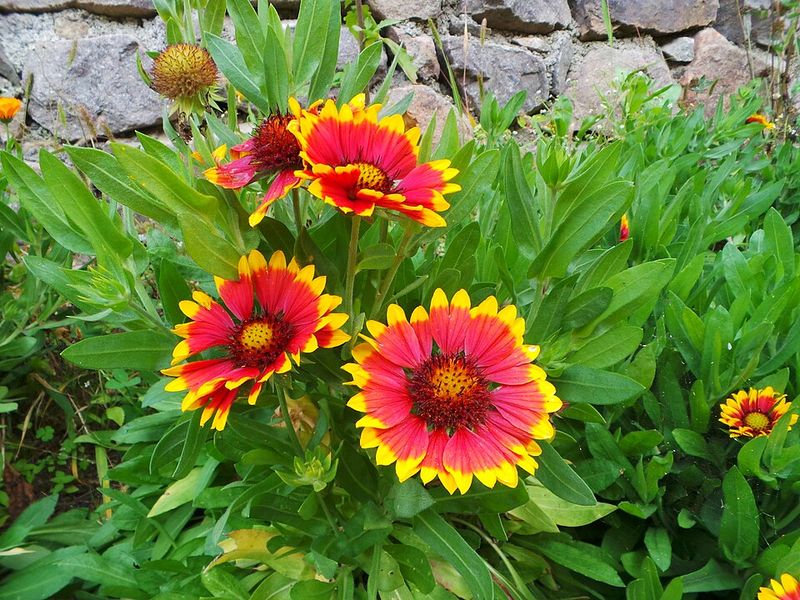
Hot colors can wake up a border fast, and this perennial does it without apology. The daisy-like flowers come in rings and blends of red, orange, gold, and yellow, which makes them useful when a Massachusetts cottage garden needs more warmth against cool stone, gray shingles, or blue-green foliage.
They bloom generously through summer and often keep going if you stay ahead of spent flowers.
Drainage is the deciding factor for long-term success, especially through wet winters. Sandy or average soil in full sun is ideal, while heavy, damp ground can shorten its life.
I usually reserve it for the brightest part of the garden, where it can echo brick paths, terracotta pots, or the weathered cedar tones common around New England homes.
Because the color is bold, it helps to pair it thoughtfully. Blue salvia, white gaura, and silver foliage plants can cool the palette just enough to keep things balanced.
Pollinators appreciate the open flowers, and the plant rarely asks for more than deadheading and decent drainage. If your cottage border risks feeling too pastel or too polite, this is an easy way to add cheerful intensity without making the whole design feel loud.
Salvia
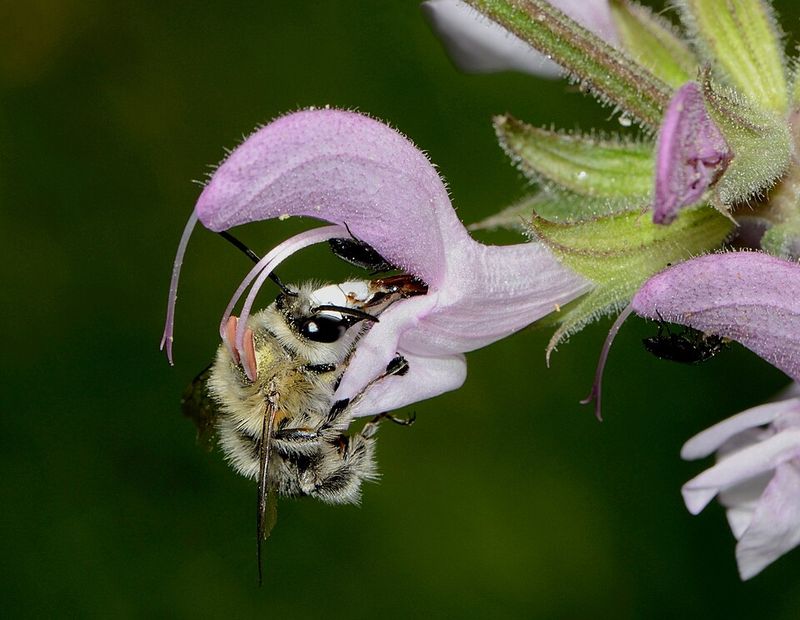
Spikes of saturated color can keep a mixed border from looking blurry, and this perennial is one of the best tools for that. Depending on the variety, you can work with violet, deep blue, rosy pink, and crisp white flowers that repeat beautifully through a Massachusetts planting scheme.
That vertical rhythm helps anchor looser cottage combinations filled with daisies, umbels, and airy seedheads.
Full sun and sharp drainage are the big requirements, which makes it a strong choice for front walks, hot foundations, and raised beds. Shearing after the first flush often brings a second wave of bloom and keeps plants compact.
I reach for it when a border needs structure, especially near softer neighbors like catmint, peonies, or billowing ornamental grasses.
The foliage often smells pleasantly herbal when brushed, and pollinators work the flowers constantly. Repeating the same salvia in several spots can give a modern backbone to an otherwise eclectic cottage garden, which is useful if you love a collected look but still want visual order.
For Massachusetts gardeners who want long bloom, color clarity, and dependable performance without endless maintenance, this is a perennial that quietly earns its place every season.
Peony
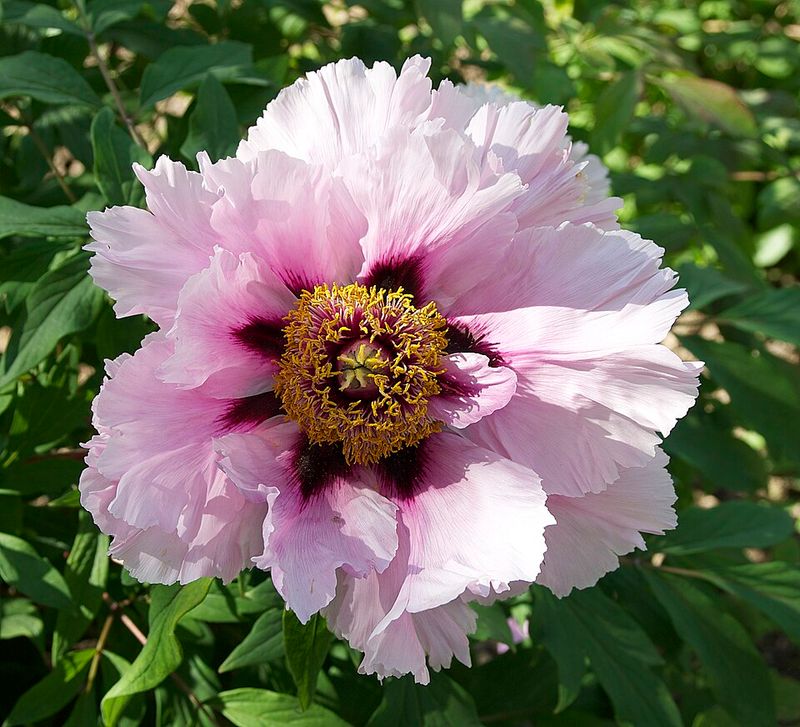
Nothing announces early summer quite like oversized blooms opening after a long New England spring. Shades range from clean white and blush to coral, raspberry, and rich crimson, giving cottage borders a generous burst of color that still feels refined.
In Massachusetts, the cool winter chill they require is rarely an issue, so established plants can perform beautifully for decades.
Sun and good drainage matter, but planting depth matters just as much. Set eyes too deep and you may get healthy leaves with very few flowers, which is frustrating when you have waited all year.
I like placing them where surrounding plants can support the foliage later, since the blooms are spectacular but the stems can lean once rain arrives.
Because flowering is brief, think beyond the moment of bloom. Pair them with salvias, alliums, iris, or heuchera so the area still looks thoughtful after petals drop.
Ants on the buds are normal and not a problem, a fact worth knowing before panic sets in. For modern Massachusetts cottage gardens, these plants bring history, fragrance, and rich color while still fitting cleanly into updated layouts that mix romance with stronger structure.
Hellebore
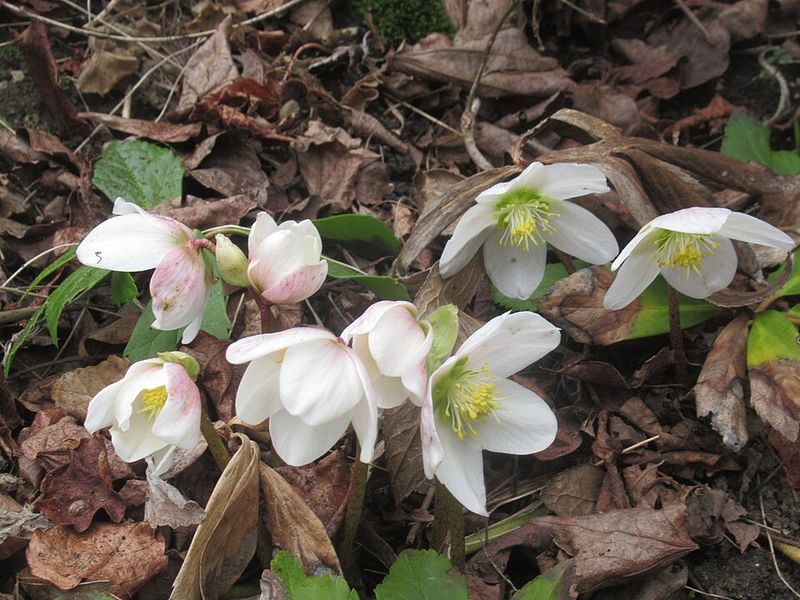
Late winter and very early spring need color more than any other time, and this perennial arrives exactly then. Flowers appear in cream, dusty pink, burgundy, green, near-black plum, and beautifully speckled combinations that feel understated but never dull.
In Massachusetts cottage gardens, that early display gives shaded beds a sense of life before most neighbors have even woken up.
Dappled shade and well-drained soil rich in organic matter suit it best. Once established, it is impressively tolerant and not nearly as delicate as the flowers suggest.
I often use it near entry paths, under deciduous shrubs, or beside stone steps where those downward-facing blooms can be appreciated at close range without getting lost.
Last season’s leaves can look rough by late winter, so trimming them before new flowers emerge keeps the whole plant crisp. After bloom, the leathery foliage continues to provide structure, which is valuable in a garden that wants year-round substance.
Pair it with ferns, epimedium, brunnera, or spring bulbs for a layered shade composition that feels modern but still warmly cottage-like. If you want a border that starts the season with quiet confidence, this plant is one of the smartest ways to do it.
Astilbe
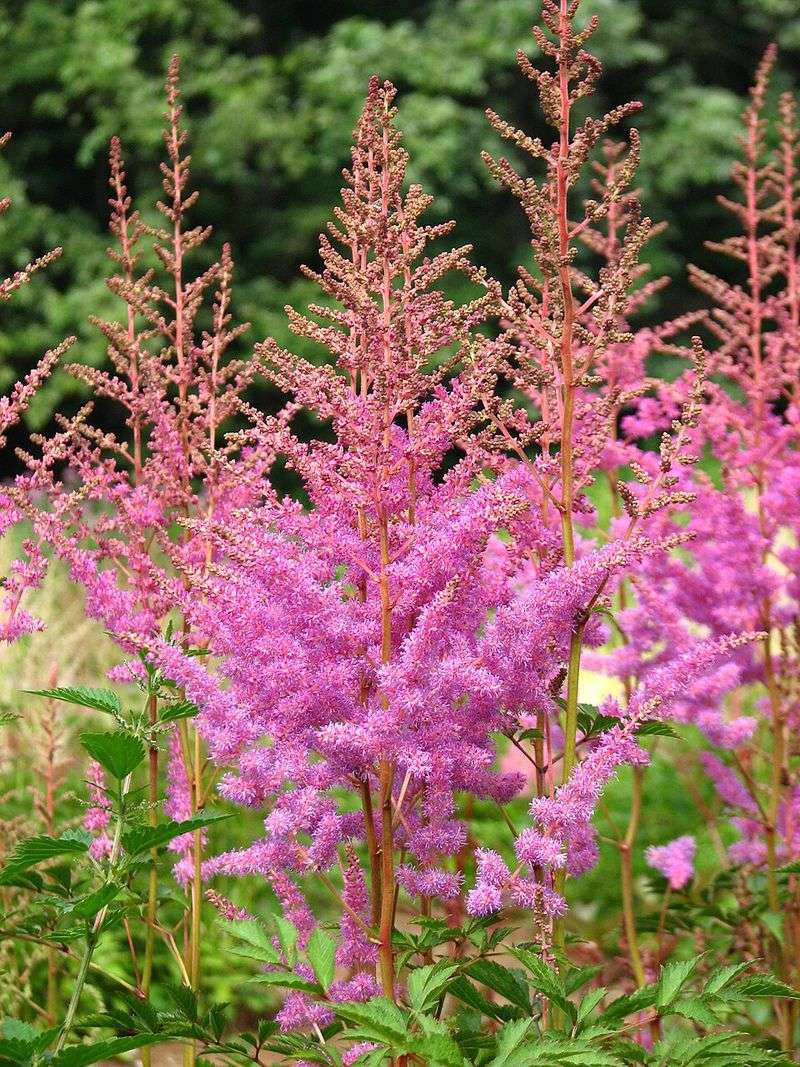
Shade gardens do not need to settle for green alone, and this perennial proves it every summer. Feathery plumes rise in white, shell pink, rose, lavender, and deep red, adding a soft vertical accent that brightens the cooler corners of a Massachusetts cottage landscape.
The ferny foliage also helps beds look full before and after bloom, which makes the plant useful beyond its flower show.
Consistent moisture is the difference between a thriving clump and a disappointing one. It does best in part shade with soil that holds some water but still drains well enough to avoid winter problems.
I like using it where downspouts empty nearby, beside a shaded path, or in that tricky side yard where sun is limited but you still want a polished, colorful border.
The plume texture pairs beautifully with broad hosta leaves, glossy hellebores, and the finer foliage of ferns. Even when flowers age, the dried heads can keep a gentle tan texture that works nicely into fall.
For a modern Massachusetts cottage garden, this is an easy way to make shaded spaces feel intentional rather than leftover. Choose multiple colors and repeat them in small groups to get a relaxed look that still reads as designed.