
11 Yellow Perennials That Thrive Through Ohio Seasonal Weather Shifts
Follow us on Google
Ohio gardens have to handle a little bit of everything – late frosts, humid summers, soaking spring rain, and sharp winter cold. That is exactly why choosing dependable yellow perennials matters so much if you want color that keeps showing up without constant fuss.
The plants below are tough, cheerful, and well suited to the kind of seasonal swings Ohio gardeners know well. If you want beds that look brighter from spring into fall, these picks deserve a closer look.
Black-Eyed Susan
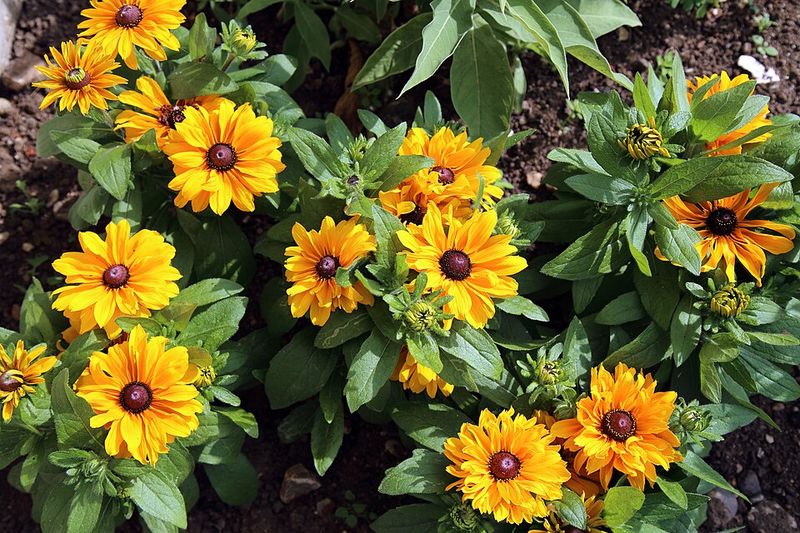
Few flowers handle Ohio’s unpredictable growing season as confidently as this sunny favorite. You get bold golden petals, strong stems, and a long bloom window that carries color well past the point when many other perennials start looking tired.
That reliability matters when spring runs cold, summer turns humid, or an early fall chill arrives sooner than expected.
Full sun keeps plants sturdy and flowering heavily, though average garden soil is usually enough. Once roots settle in, dry spells rarely cause much drama, which makes this a practical choice for busy yards and weekend gardeners.
I especially like using it near ornamental grasses, where the dark centers and bright petals stand out beautifully.
Deadheading extends the display, but leaving a few spent blooms in place later in the season can feed birds and add winter interest. Clumps typically return stronger each year without demanding constant dividing or pampering.
If you want an easy starter perennial that still looks lively during Ohio’s weather swings, this one earns its space with very little negotiation from you.
Stella de Oro Daylily
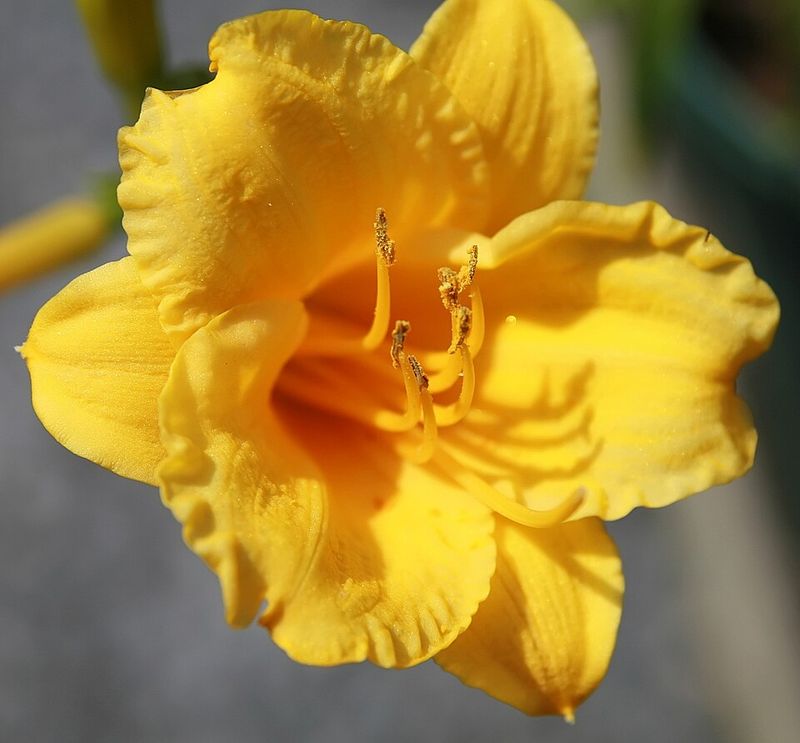
When you need a yellow perennial that behaves like a seasoned professional, this compact daylily is hard to beat. It handles Ohio’s cold winters, wet springs, heat, and humidity with a calm attitude that newer gardeners appreciate right away.
The golden blooms may be smaller than some daylily varieties, but they appear generously and often continue in waves through summer.
A spot with full sun gives you the best rebloom, although light afternoon shade can help in hotter corners of the yard. Soil does not need to be perfect, which is good news if your beds lean clay-heavy or dry between rains.
I find that a quick cleanup of spent flower stalks keeps the planting looking tidy without turning care into a weekend project.
This variety fits especially well along walkways, mailbox beds, and foundation plantings where you want dependable color at a manageable height. Dividing every few years can refresh flowering and give you extras to move elsewhere.
If your goal is long-season yellow without fussy maintenance, this daylily quietly proves itself year after year in Ohio gardens.
False Sunflower
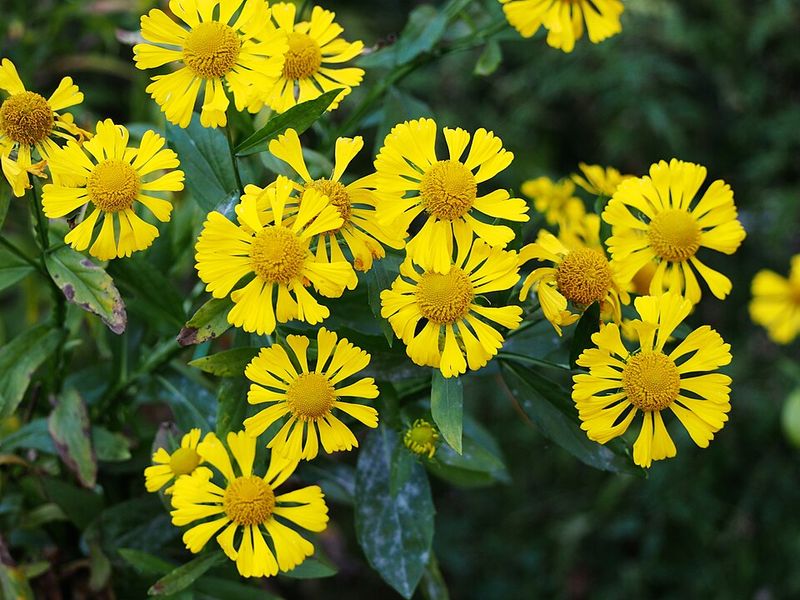
Some perennials look cheerful for a week, then disappear into the background, but this one keeps showing up with purpose. Its bright yellow daisy-like flowers rise above sturdy stems and bring energy to beds during the heart of summer, exactly when Ohio gardens can start feeling flat from heat.
Because it is native-friendly and durable, it also supports pollinators without asking you for endless attention.
Full sun is the sweet spot, and average to slightly moist soil helps plants stay strong and upright. In richer ground, stems can get tall, so a simple early-season pinch or placement among neighboring plants can keep everything looking balanced.
I like pairing it with purple coneflowers or blue salvia, where the contrast feels vivid without seeming overly planned.
Once established, false sunflower handles hot spells and winter cold with impressive consistency. Deadheading can encourage more blooms, though even untrimmed plants usually carry enough flowers to justify their footprint.
If you want a perennial that bridges wildflower charm and dependable garden performance, this is one of the smartest yellow choices for Ohio’s changing conditions and long, uneven growing season.
Moonshine Yarrow
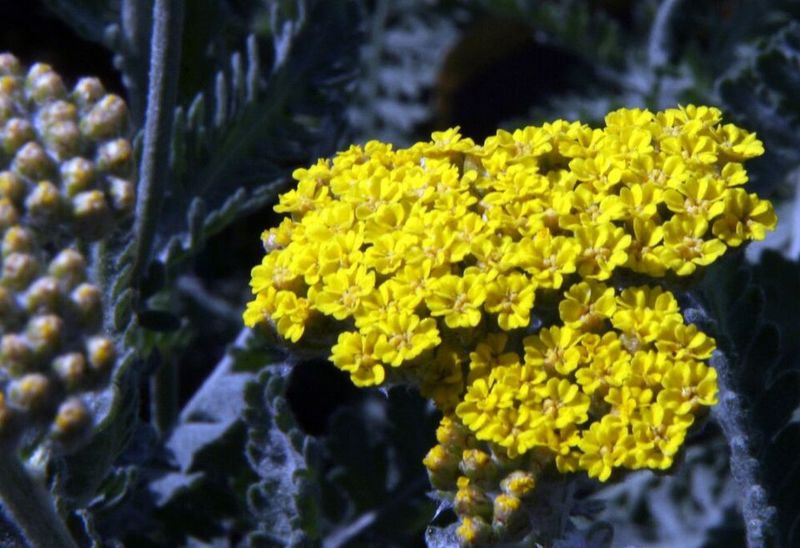
Flat clusters of soft yellow flowers give this yarrow a calmer look than louder summer bloomers, yet it still catches your eye from across the yard. That balance makes it especially useful in Ohio landscapes where weather can swing from soggy spring weeks to dry midsummer stretches without much warning.
The ferny gray-green foliage also stays attractive longer than many perennials that fade after flowering.
Good drainage matters more than rich soil, so this is a smart pick for sunny spots that bake a little in July. Too much pampering can actually make plants floppy, which is why leaner soil often produces the best shape.
I usually recommend it for hellstrips, gravel edges, and border fronts where irrigation is limited and dependable color is still expected.
Pollinators appreciate the broad flower heads, and regular deadheading often brings a second round of blooms. Winter cold rarely causes trouble when the crown is not sitting in soggy ground, an important detail for many Ohio gardens.
If you want a yellow perennial that looks refined but behaves tough, Moonshine yarrow offers exactly that mix without asking for much beyond sunlight and decent drainage.
Goldenrod ‘Fireworks’
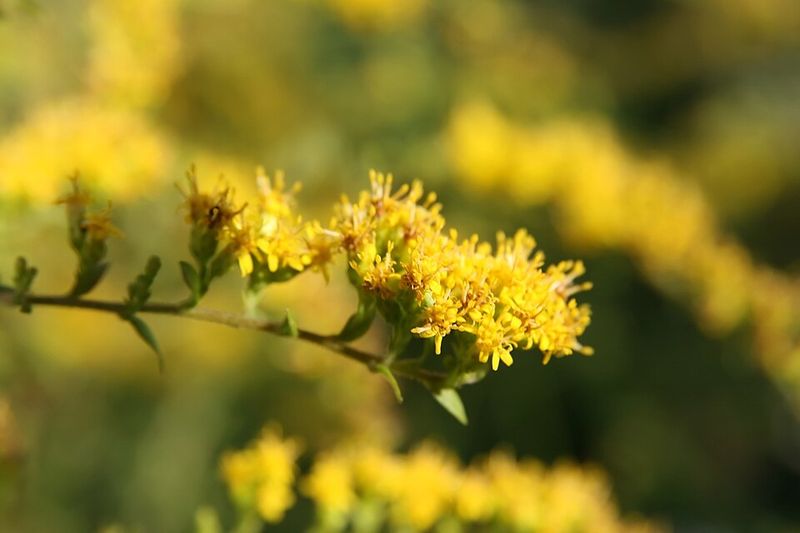
By late summer, many gardens start running low on fresh color, which is where this arching goldenrod really proves its value. Instead of stiff flower plumes, you get graceful sprays that seem to burst outward, creating movement and a softer look than people expect.
It thrives through Ohio’s seasonal shifts and keeps pollinators busy at a time when nectar sources become increasingly important.
Sunlight brings the heaviest flowering, though light shade is often tolerated in hotter locations. Average soil works well, and established plants handle periodic dryness better than their elegant appearance suggests.
I often recommend this selection to gardeners who want a native-leaning bed but worry that goldenrod will look coarse or spread too aggressively.
That concern usually fades once they see how tidy and garden-worthy ‘Fireworks’ can be with a little space around it. A spring cutback keeps fresh growth compact, and dividing every few years helps maintain vigor if the clump becomes crowded.
If your Ohio landscape needs a reliable yellow perennial for the transition into fall, this one brings late-season brightness without feeling unruly or difficult to place.
Sundrops
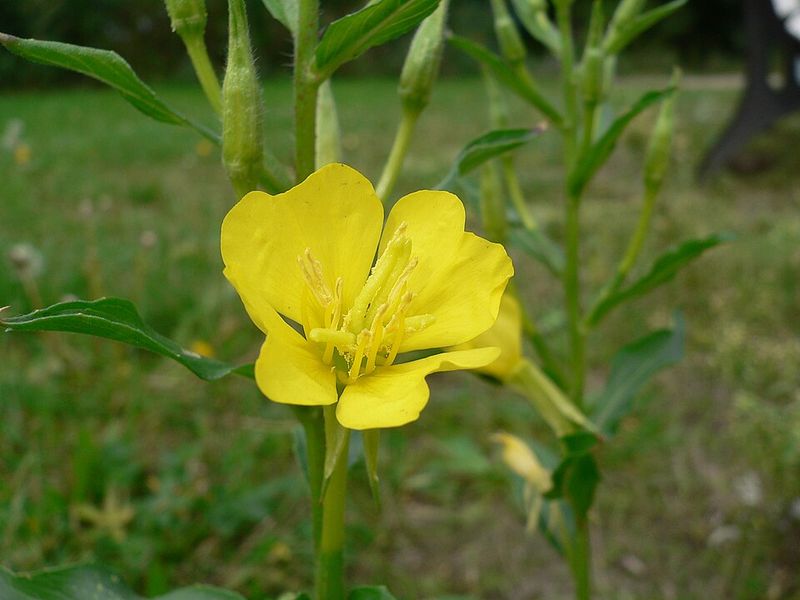
Bright cup-shaped flowers and a neat, low habit make sundrops an easy fit for gardeners who want spring and early summer color without bulky growth. It handles Ohio weather surprisingly well, including chilly spring nights and the warmer conditions that follow.
Because the plant stays relatively compact, it works in tighter borders where larger yellow bloomers would crowd everything nearby.
Full sun encourages the strongest flowering, and average soil is usually enough as long as drainage is decent. Once established, it tolerates short dry periods well, which helps during uneven rainfall patterns common in many parts of the state.
I like using it near paths or at the front of mixed beds, where its clear yellow flowers are easy to appreciate up close.
Foliage often remains tidy after the bloom show, so you are not left with a messy gap later in the season. Occasional division can keep clumps vigorous, but overall care stays refreshingly simple for a perennial with this much brightness.
If your garden needs a lower yellow option that can ride out Ohio’s shifting temperatures and still look polished, sundrops is a very practical addition.
Leopard’s Bane
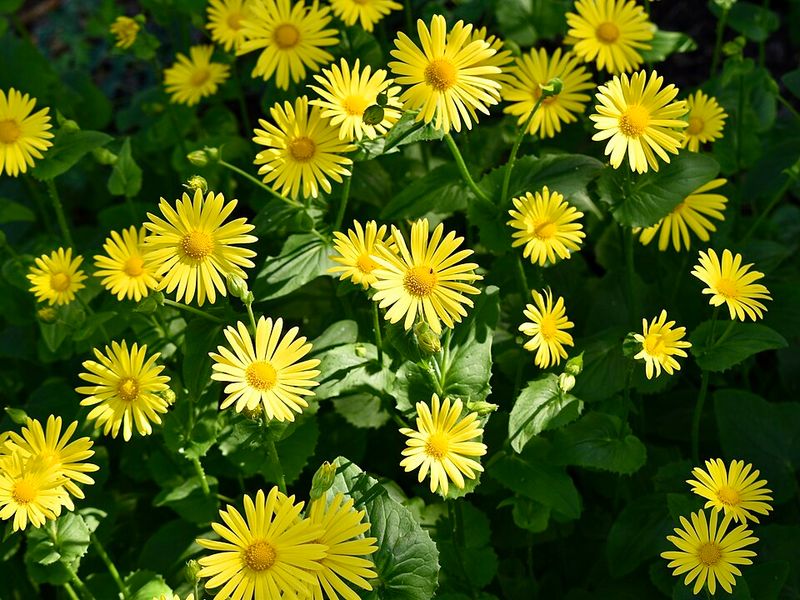
Early spring gardens can feel a little hesitant, which is why these cheerful yellow blooms are so welcome. They appear before many summer perennials even wake up properly, giving Ohio beds a much-needed lift after gray winter months and inconsistent spring weather.
The flowers resemble small daisies, but the timing is what makes them especially useful in layered plantings.
Partial sun or bright shade suits leopard’s bane nicely, especially in spots that avoid the harshest afternoon heat. Moist, well-drained soil helps it perform well, so this is a good candidate for woodland edges or mixed borders with spring bulbs and emerging hostas.
I find it especially effective near entryways, where those first bright blooms make the yard look more alive almost overnight.
After flowering, the plant may quiet down a bit, so surrounding it with later-emerging companions keeps the bed looking full. That is not a flaw so much as a smart cue to plant in succession for season-long interest.
If you want a yellow perennial that answers Ohio’s cool, unsettled spring with real color instead of wishful thinking, leopard’s bane deserves more attention than it usually gets.
Yellow Wild Indigo
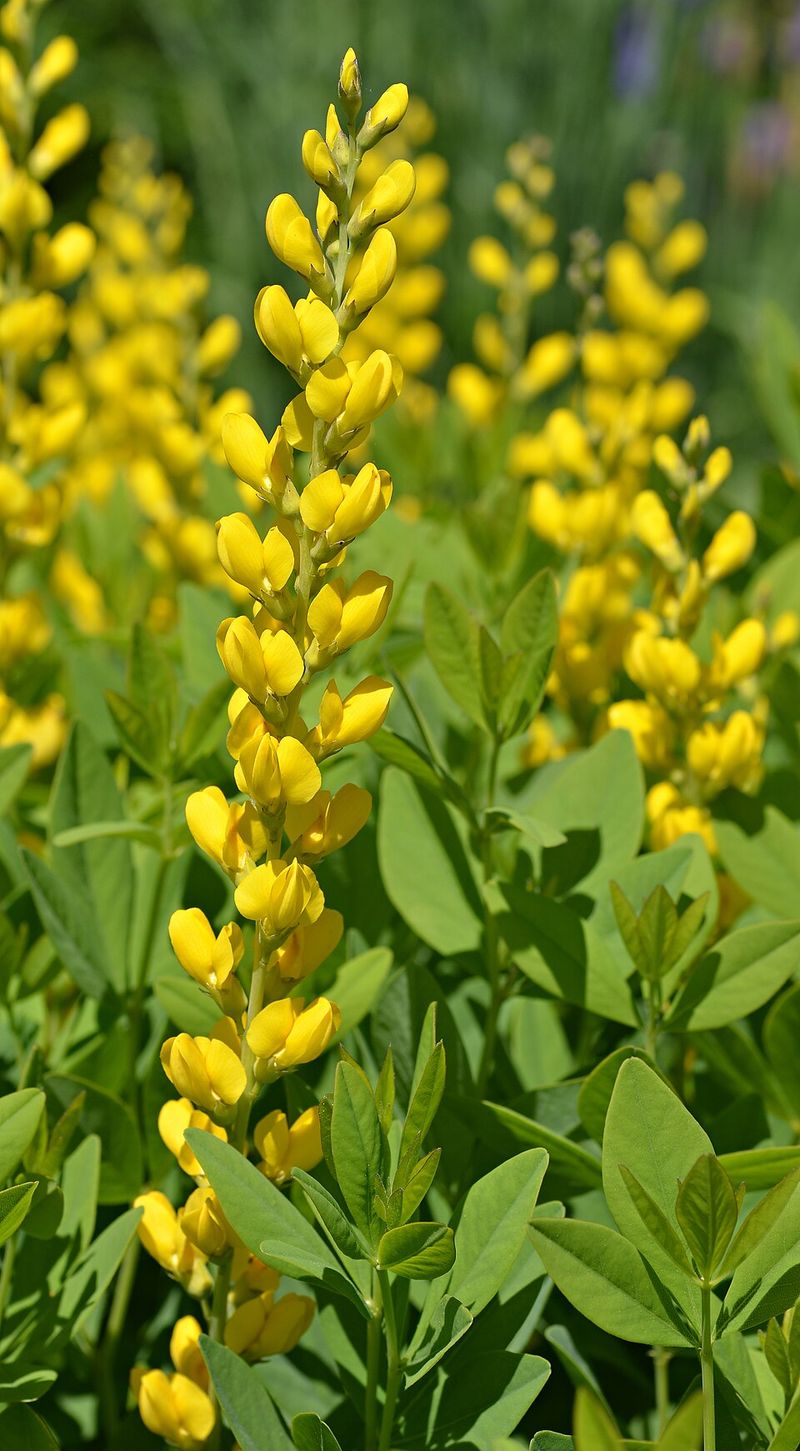
Long-lived and structurally handsome, this baptisia brings more than just yellow flowers to an Ohio garden. Its upright form looks strong from spring onward, and the bloom spikes add clear color before the plant settles into an attractive shrub-like presence for the rest of the season.
That kind of staying power is valuable when weather shifts make shorter-lived perennials feel inconsistent.
Patience helps during establishment because baptisia prefers to spend its early energy building deep roots. Once settled, though, it handles drought, summer heat, and winter cold with very little intervention from you.
I usually suggest giving it full sun and a permanent spot, since mature plants dislike frequent moving and reward stability with better performance each year.
After flowering, the blue-green foliage continues to anchor mixed borders, and dark seedpods can add interest later on. This perennial pairs well with ornamental grasses, salvias, and native planting schemes where resilience matters as much as appearance.
If you want a yellow bloomer that feels grounded, durable, and increasingly impressive over time, yellow wild indigo is one of the best long-term investments for Ohio conditions.
Ligularia ‘The Rocket’
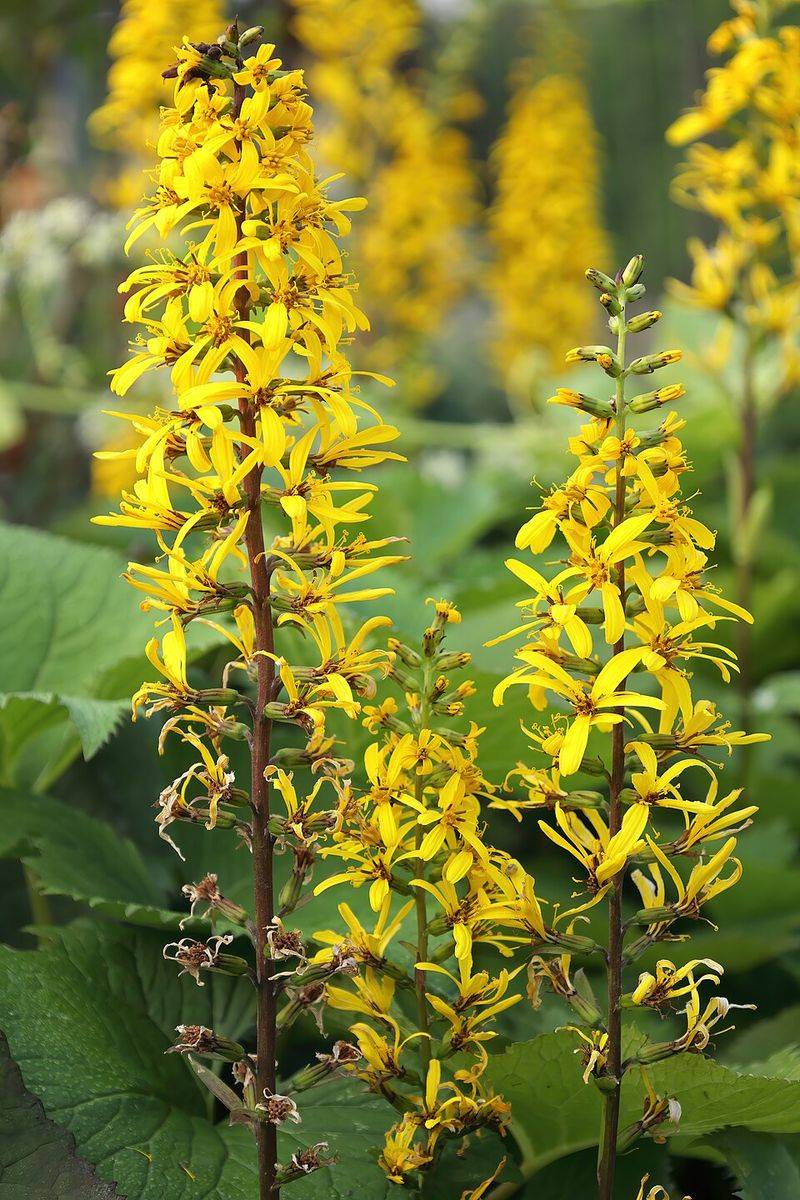
Not every yellow perennial for Ohio needs to live in blazing sun, and this dramatic shade lover proves that beautifully. Tall golden flower spikes rise above bold foliage, bringing strong vertical interest to gardens that lean cooler, damper, or partly shaded.
In a climate where summer heat can be intense, that preference for moisture actually makes it useful in spots many other yellow bloomers would reject.
Consistent soil moisture is the key detail, especially during hot stretches when leaves can wilt if the ground dries too much. Morning sun with afternoon shade often works well, and rich soil helps support those impressive stems.
I think of it as a perfect candidate for rain garden edges, pond-adjacent beds, or shaded borders near downspouts that stay evenly moist.
Because the foliage is substantial, this plant contributes presence even before the flowers open. Pairing it with hostas, ferns, or astilbes creates a layered look that feels intentional rather than crowded.
If your yard includes a damp area where typical sun-loving yellows fail, ‘The Rocket’ gives you a way to add brightness and height while still respecting Ohio’s humid summers and cold winters.
Helenium
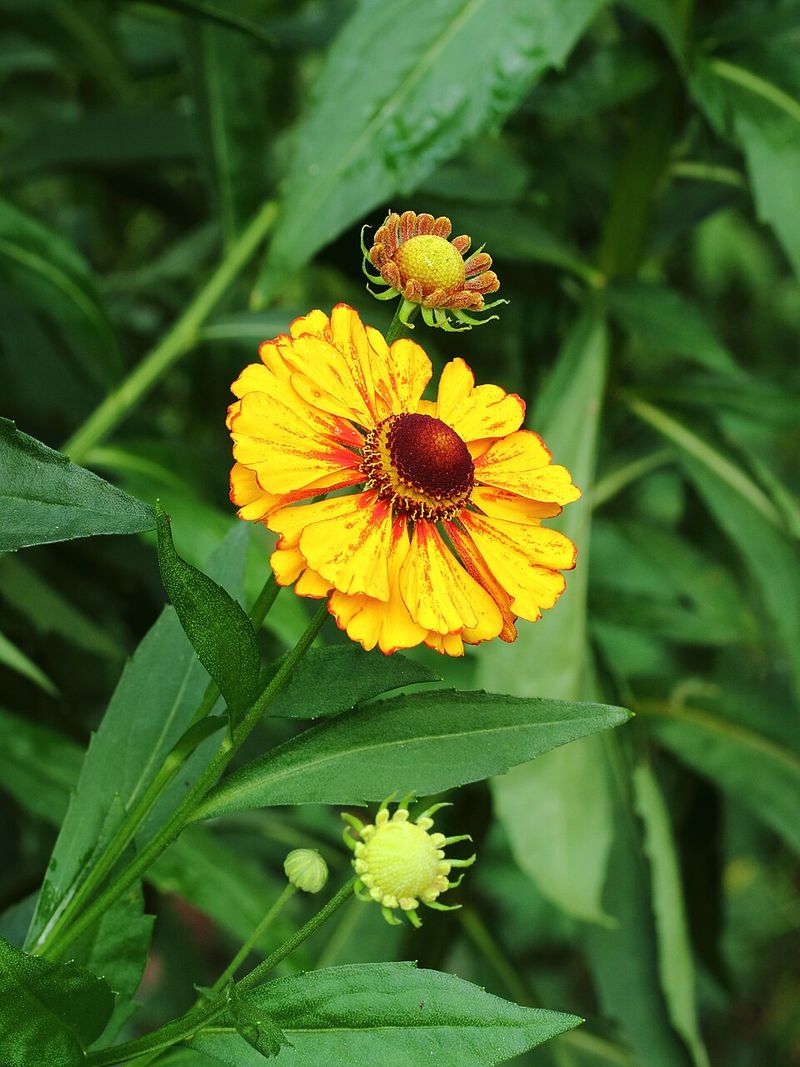
Late summer can be rough on flower beds, yet helenium keeps showing color when many plants have already peaked. Its warm yellow blooms with raised centers bring a lively, slightly old-fashioned feel that works especially well in cottage gardens and pollinator plantings.
Ohio’s heat and humidity do not bother it much when the plant has decent soil and enough moisture to settle in properly.
Full sun encourages stronger stems and fuller flowering, while average to moist soil helps prevent stress during dry spells. Cutting plants back in early summer can produce a bushier habit and reduce any tendency to lean.
I like placing helenium near asters and ornamental grasses, since that combination carries the border neatly toward fall without a visible gap in color.
Bees are frequent visitors, and the flowers hold up well through seasonal transitions that would flatten more delicate choices. Dividing clumps every few years keeps them vigorous and gives you extra plants for other sunny beds.
If you want a yellow perennial that performs during Ohio’s late-season weather swings instead of fading from the scene, helenium gives you dependable bloom power right when the garden needs it most.
Coreopsis ‘Zagreb’
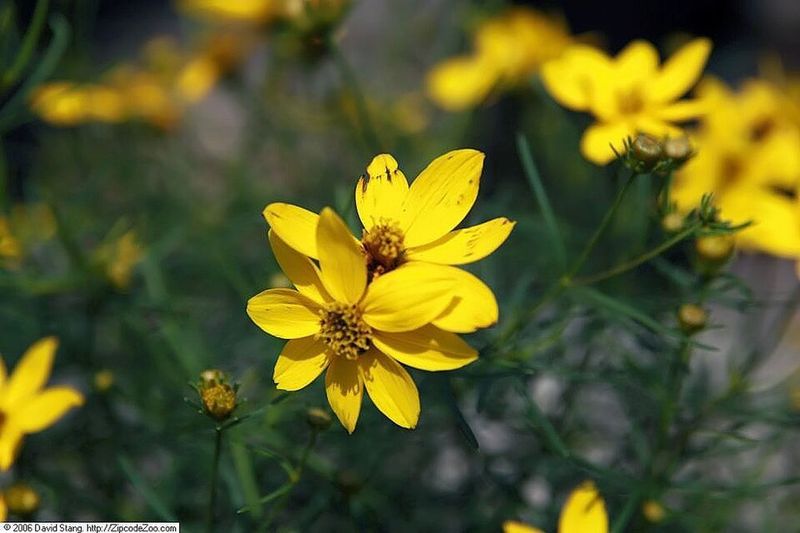
Fine-textured foliage and a long run of bright yellow flowers make this coreopsis one of the easiest ways to keep a border looking active. It copes well with Ohio’s changing conditions, from cool spring starts to hotter midsummer weeks, and keeps blooming with surprising persistence.
That extended show is especially helpful if you want strong color without constantly swapping seasonal plants in and out.
Full sun is best, and average soil is usually enough as long as the area drains reasonably well. Once established, this variety tolerates dry periods better than many gardeners expect, which makes it useful in exposed beds and curbside strips.
I often suggest pairing it with purple catmint, salvia, or alliums for a combination that looks bright and polished without becoming high maintenance.
Shearing lightly after the first major bloom flush can encourage a fresh round of flowers and tidy the plant at the same time. The mounded habit stays manageable, so it rarely overwhelms nearby neighbors in mixed plantings.
If you are looking for a yellow perennial that earns its keep over a long season and does not mind Ohio’s weather mood swings, ‘Zagreb’ is a very dependable choice.