
14 Multicolor Perennials Pennsylvania Garden Lovers Can’t Stop Replanting
Follow us on Google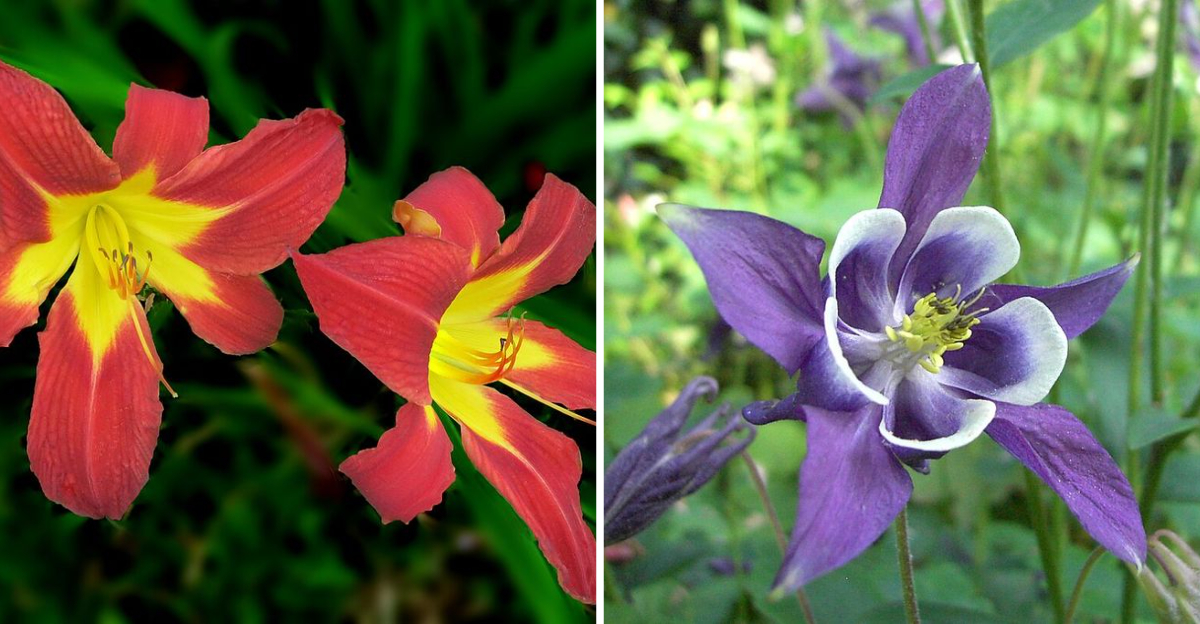
Pennsylvania gardens ask a lot from plants – cold winters, humid summers, and those unpredictable spring swings. The perennials that earn a permanent spot are the ones that show up in color, return reliably, and still look good after the first big bloom.
If you want beds that feel layered, lively, and worth replanting year after year, these favorites have a strong case. Each one brings more than a single note, so your garden reads rich instead of flat from across the yard.
Coneflower
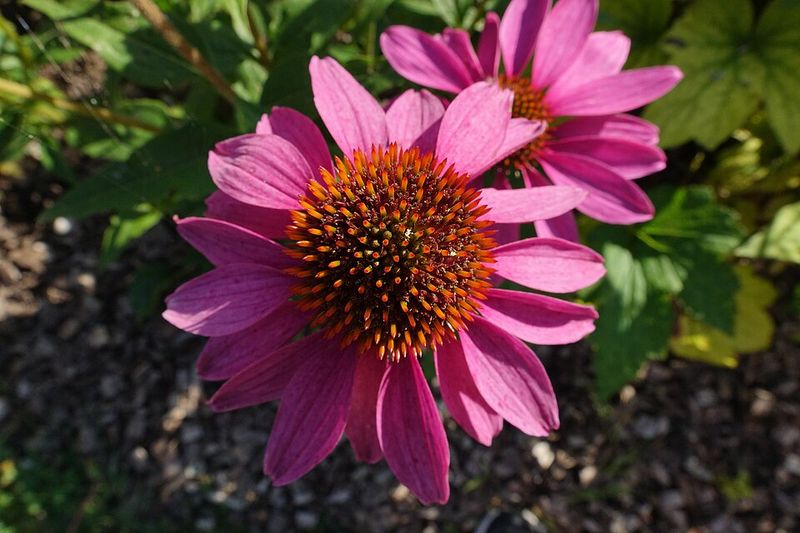
Nothing makes a summer border feel more alive than a stand of coneflowers mixing pink, orange, yellow, white, and magenta blooms above sturdy stems. In Pennsylvania, these plants handle heat, humidity, and winter cold better than many flashy perennials that look great in catalogs but fade fast in real yards.
You get long flowering, strong stems for cutting, and plenty of movement from bees and butterflies.
Full sun is the sweet spot, and decent drainage matters more than rich soil. Once roots settle in, watering becomes less urgent, which is helpful if July turns hot and dry.
I like planting them in groups of five or seven so the color variation reads intentional instead of scattered.
Deadheading stretches the display, but leaving some seed heads later in the season gives birds something useful and adds texture after petals drop. Newer cultivars can be shorter, fuller, or brighter, though the most reliable performers are usually close to the classic species.
Mixing several tones in one bed keeps the planting from feeling too stiff.
Near ornamental grasses, black-eyed Susans, or blue salvia, the color range looks especially rich. If you want one perennial that earns its keep without constant fuss, this is usually the first recommendation.
Bearded Iris
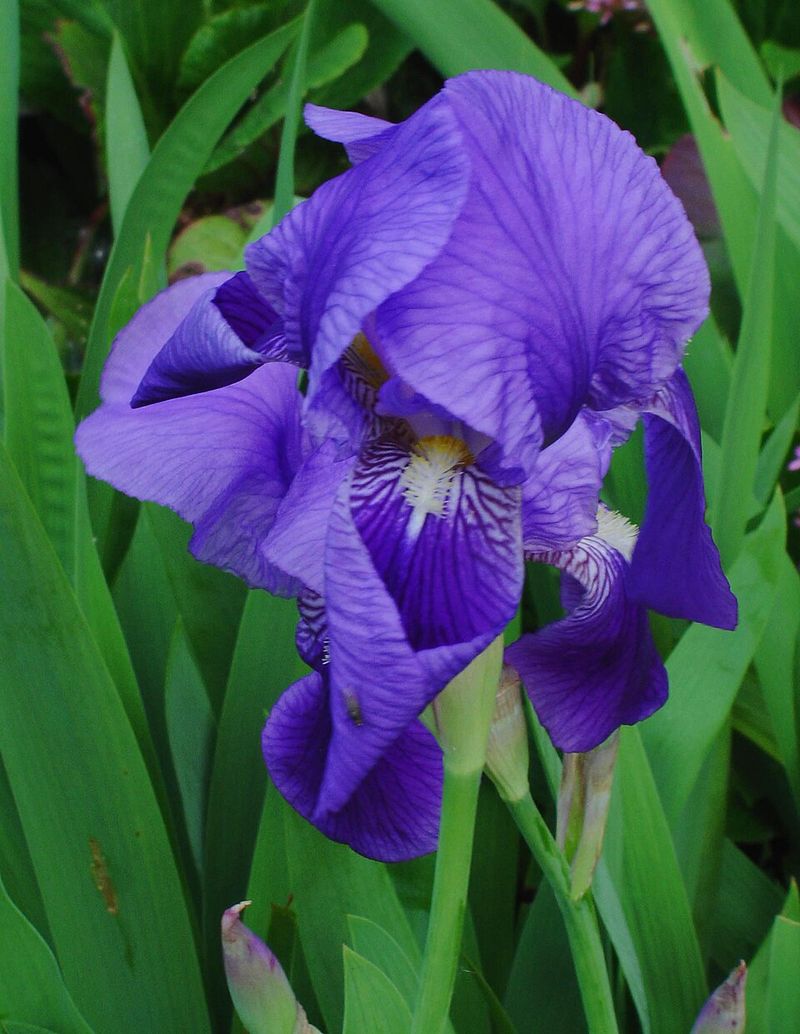
Spring gets a dramatic lift when tall bearded irises open in combinations of violet, gold, cream, burgundy, apricot, and blue. Those ruffled blooms can look almost painted by hand, especially when several color forms share the same bed.
In Pennsylvania gardens, they perform best where winter moisture does not sit around the rhizomes for long periods.
Sun matters here, so pick a spot that gets at least six hours a day and good air movement. Heavy mulch around the rhizomes can cause trouble, so keep the tops exposed and the soil loose.
If your yard leans clay, raised planting ridges make a noticeable difference.
After flowering, the swordlike foliage still gives structure, which helps carry a border into summer. Dividing every few years keeps bloom count high and prevents the center from thinning out.
I always remove spent stalks quickly because the bed looks tidier and energy goes back into root growth instead of old flowers.
Pairing early irises with peonies, catmint, or alliums creates a layered spring show that does not feel one-note. For gardeners who love rich color and crisp form, few perennials deliver this much personality from such a small footprint.
Daylily
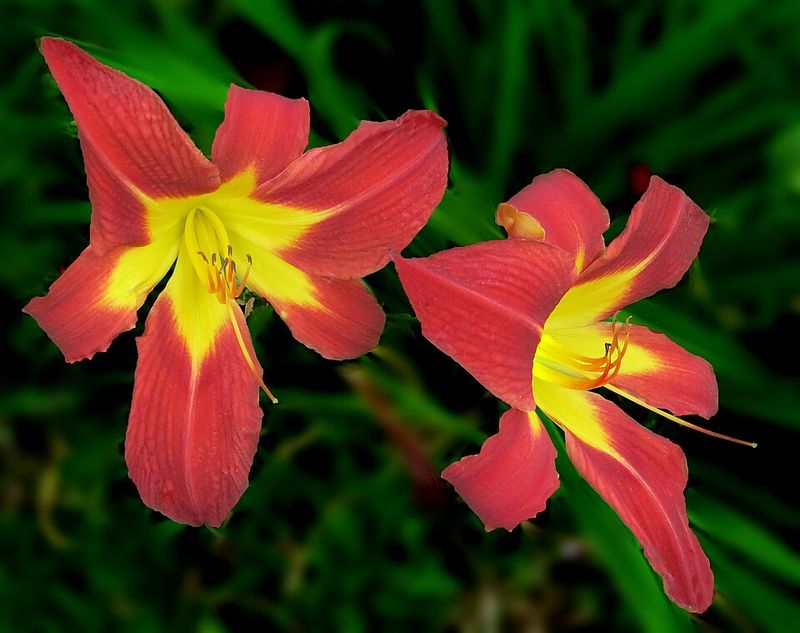
Few plants make summer look easier than daylilies opening fresh flowers in warm shades of peach, red, gold, pink, orange, and near purple. The color range is huge, and bicolor varieties add extra depth when you want beds that feel collected rather than repetitive.
Pennsylvania gardeners keep replanting them because they survive winters well and settle into dependable clumps.
Full sun gives the heaviest bloom, though a little afternoon shade can help strong colors hold better in hotter parts of the state. Average soil is usually enough if drainage is decent and the crowns are not buried too deeply.
Once established, these plants manage typical dry stretches better than many large-flowered perennials.
Regular deadheading improves the look, but even a less polished planting still performs. Dividing clumps every few years keeps flowering strong and gives you easy extras for another bed or a mailbox border.
Shorter cultivars fit front edges, while taller rebloomers can anchor the middle of a mixed planting.
Try mixing clear yellows with red-eyed varieties for a bed that reads bright from the street. Around daisies, salvia, or coneflowers, daylilies provide that generous summer color many gardeners want without turning upkeep into a weekly project.
Columbine
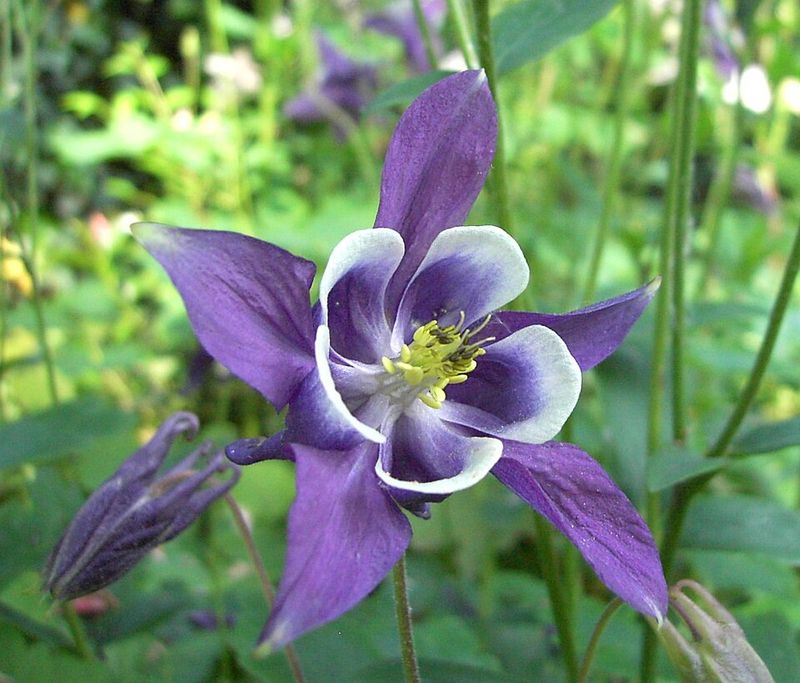
Early season beds feel lighter when columbines start floating above fresh foliage in red, yellow, blue, purple, pink, and white combinations. Their spurred flowers have an airy shape that softens heavier spring performers like peonies or alliums.
In Pennsylvania, they are especially useful where mornings are sunny and afternoons bring a bit of shade.
Good drainage helps them last, and rich, soggy soil is not necessary. These plants often self-sow politely, which means your color mix can shift in charming ways over time.
If you enjoy a garden that looks lived in rather than rigidly planned, that trait feels like a bonus instead of a problem.
Foliage can fade a bit after bloom, especially in heat, so I like tucking them among hostas, ferns, or hardy geraniums that fill space later. Removing spent flowers keeps seedlings more manageable, while letting a few ripen can create a naturalized colony.
Hummingbirds notice them quickly, which always adds value near patios or paths.
Because the flowers are held above the leaves, they never feel heavy or crowded. For a Pennsylvania garden that needs color before summer really starts, this perennial gives you movement, variation, and just enough unpredictability to keep the bed interesting.
Garden Phlox
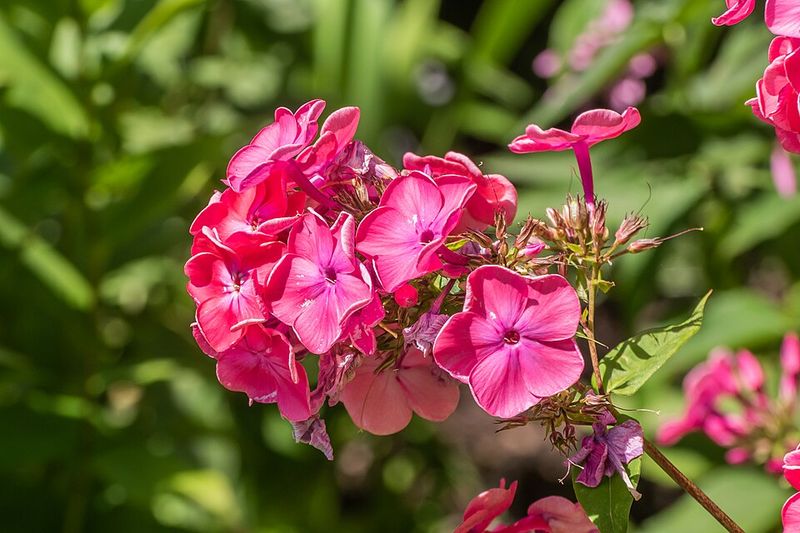
Midsummer borders often need a second wind, and garden phlox delivers it with domes of pink, white, lavender, magenta, coral, and bicolor flowers. The fragrance is a real bonus, especially near a walkway where warm evening air catches it.
Pennsylvania gardeners return to this perennial because it fills space quickly and brings strong color when early bloomers are done.
Sun and airflow are the big priorities if you want healthy plants. Mildew resistance varies by cultivar, so choosing newer, tougher selections is worth the effort.
Watering at the base instead of overhead also helps keep foliage looking better through humid spells.
Pinching stems in late spring can encourage bushier growth and a slightly later bloom, which is useful if you want succession with coneflowers and black-eyed Susans. Taller varieties may need support in rich soil, but many modern introductions hold themselves upright well.
Dividing every few years keeps the clumps vigorous and easier to manage.
Large flower heads make a bed feel abundant, yet the broad color range keeps that abundance from reading flat. If your summer planting needs height, scent, pollinator traffic, and shades that show from a distance, this one earns its repeat spot quickly.
Blanket Flower
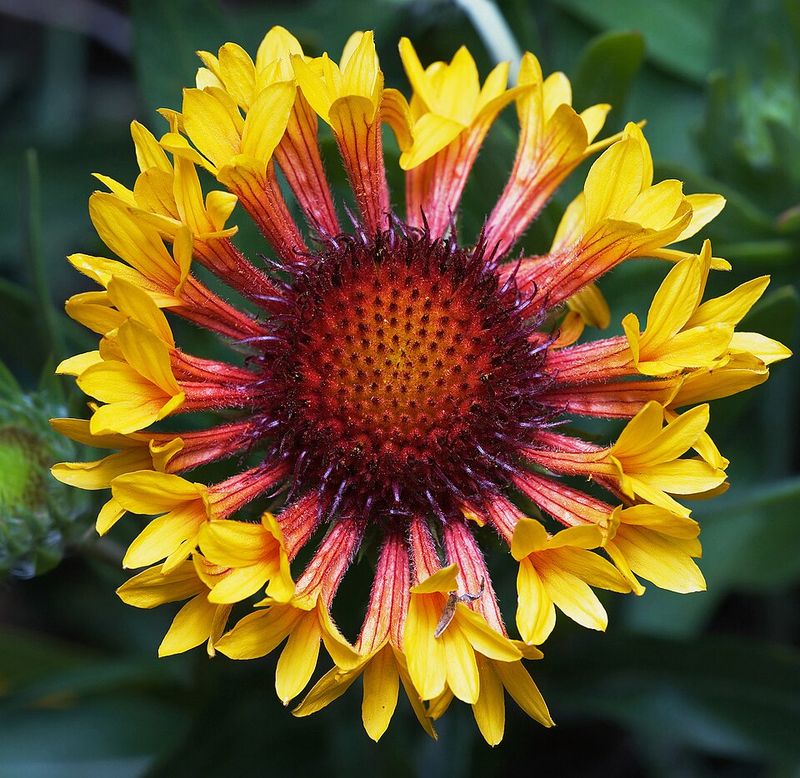
Hot colors do a lot of work in summer, and blanket flowers bring them in fiery blends of red, orange, yellow, peach, and burgundy. The daisy-like blooms keep coming when many other perennials start looking tired in heat.
For Pennsylvania gardeners with sunny spots and average soil, they are one of the easiest ways to brighten a border.
Drainage matters more than fertility, so avoid pampering them with heavy compost or soggy ground. Leaner soil often keeps growth sturdier and flowering heavier.
Once established, these plants handle dry spells well, which is useful in gravelly beds, hellstrips, and spots near driveways that bake all afternoon.
Frequent deadheading keeps fresh flowers coming and prevents the planting from looking shaggy by midsummer. Shorter varieties work well at the front of the bed, while taller strains can mingle with salvia, yarrow, and catmint.
I especially like them beside blue or purple flowers because the warm tones look even brighter by contrast.
They are not the longest-lived perennial on every site, but their performance usually justifies replanting. When you want nonstop color, pollinator activity, and a plant that does not demand rich soil or constant watering, blanket flower is hard to leave out.
Bee Balm
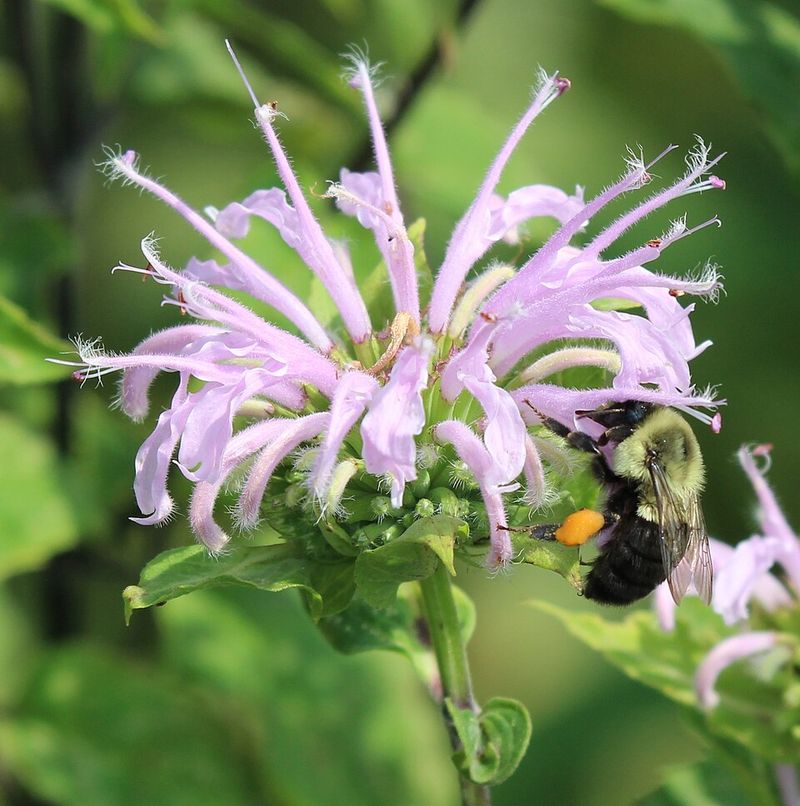
Summer borders feel louder in the best way when bee balm starts throwing bright red, pink, lavender, purple, and white blooms above fragrant foliage. The shaggy flowers bring a different texture than daisies or spikes, so mixed beds look more layered right away.
In Pennsylvania, this perennial thrives when the soil stays reasonably moist and the plants get plenty of sun.
Air movement is important because crowded stems can invite mildew during humid weather. Modern resistant cultivars are worth seeking out, especially if you want cleaner foliage into late summer.
Dividing every few years keeps patches vigorous and prevents aggressive spreading from becoming a chore.
Hummingbirds are a major reason people keep planting it near patios and kitchen windows. Taller forms fit the middle or back of a border, while compact selections work better in smaller suburban yards.
Cutting spent flowers can encourage a tidier look, though even fading heads have a casual charm in wildlife-focused plantings.
Color pairing is easy because bee balm plays well with coneflowers, black-eyed Susans, phlox, and ornamental grasses. If your Pennsylvania garden needs height, pollinator traffic, and a vivid midsummer push that does not look stiff or overly formal, this one usually delivers.
Yarrow
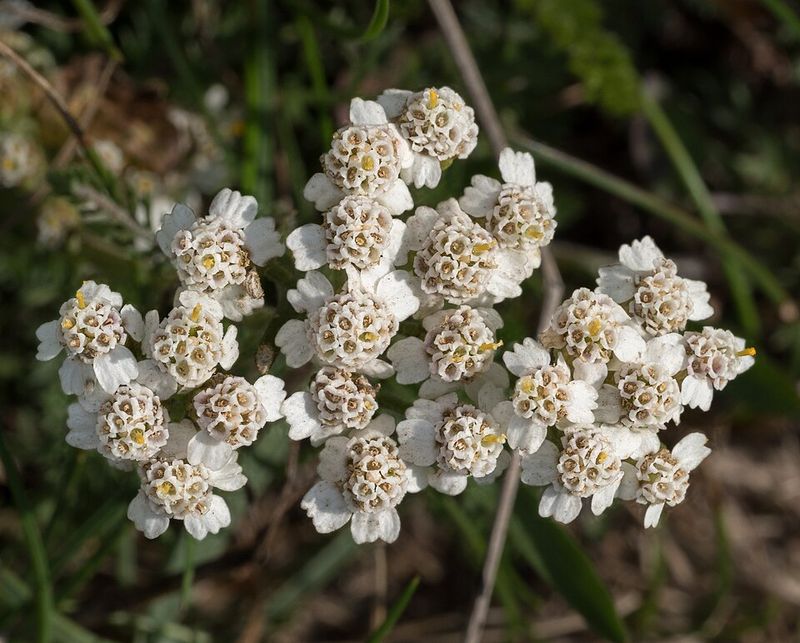
Flat-topped yarrow flowers bring a useful spread of color, from buttery yellow and soft pink to brick red, peach, terracotta, and white. That palette works especially well in Pennsylvania gardens where summer beds need something that reads clearly from a distance.
The ferny foliage also adds a finer texture than many broad-leaved perennials.
Dry, sunny conditions are where this plant shines, so it is a smart choice for tougher areas with reflected heat or lighter soil. Too much fertilizer can make stems floppy, which is why average ground often gives the best results.
Once established, watering needs are modest, and that matters if your schedule is busy.
Cutting back after the first flush often brings a cleaner second round of bloom. Some older varieties can spread enthusiastically, but many newer selections behave more neatly while still filling in well.
I like using several shades together because the flat clusters create a soft color drift rather than isolated dots.
Near grasses, salvias, or blanket flowers, yarrow gives a relaxed meadow feel without becoming messy. For gardeners who want reliable color, pollinator value, and a perennial that does not sulk in lean soil, this one keeps proving why it stays in circulation year after year.
Hardy Geranium
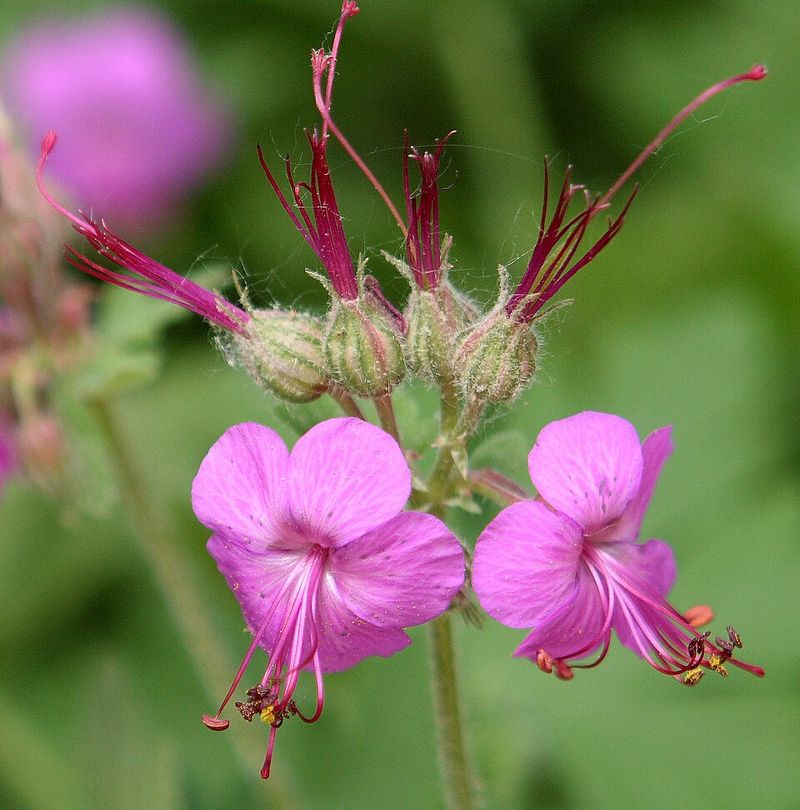
Ground-level color matters more than many gardeners realize, and hardy geraniums fill that role with waves of pink, violet, blue, white, and magenta flowers. Their mounding habit softens bed edges, covers awkward gaps, and links taller plants into a more finished composition.
In Pennsylvania, they handle winter cold well and settle into dependable, long-lived clumps.
Most prefer sun to part shade, and many tolerate the shifting light found in suburban yards. Average soil is fine if it drains well, and established plants usually cope with short dry periods without much complaint.
A midsummer trim can refresh foliage and encourage another flush, especially after the first bloom looks tired.
Because the leaves form a dense mat, weeds have a harder time getting started around them. That makes these plants especially useful under roses, around peonies, or along paths where a neat edge helps the whole bed look cared for.
Some cultivars stay compact, while others spread wider and work almost like a flowering groundcover.
Mixing several flower colors keeps the lower layer from disappearing visually beneath taller perennials. If you want a plant that ties borders together, blooms generously, and earns its place without demanding constant fuss, hardy geranium is easy to appreciate.
Coreopsis
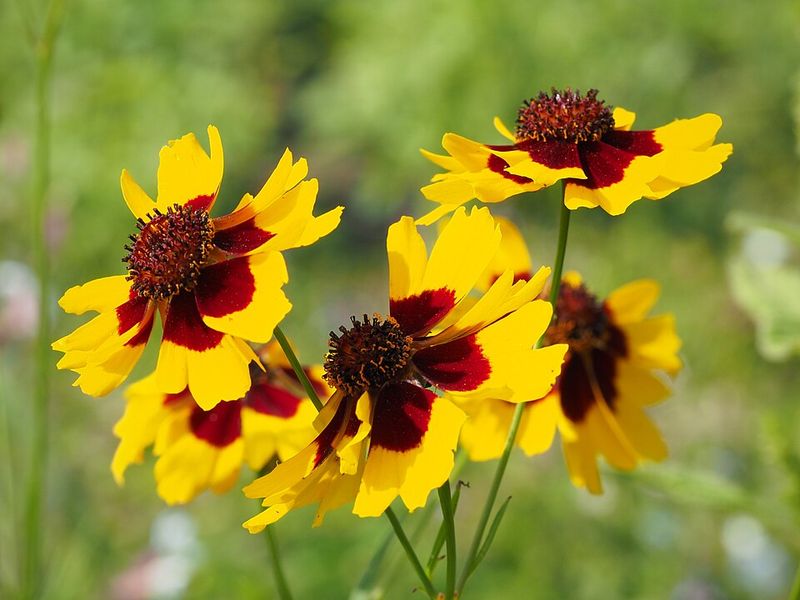
Bright color can carry a whole border, and coreopsis does that with cheerful flowers in yellow, red, cream, pink, and striking bicolor forms. The blooms sit above airy foliage, which keeps the plant from feeling heavy even when flowering heavily.
Pennsylvania gardeners often replant it because it starts quickly, blooms generously, and suits both informal and tidy designs.
Sun is essential for the best show, and drainage should be decent rather than overly rich. Many varieties handle heat well, though shorter-lived types benefit from occasional replacement or division.
That is usually a fair trade when the display lasts for weeks and helps bridge early and late summer color.
Deadheading can extend bloom noticeably, but newer selections often keep going with minimal cleanup. Compact forms are useful in front borders and containers, while taller cultivars mix nicely with coneflowers and salvias.
I tend to group warm-toned varieties together, then break them up with cool blues nearby so the planting feels balanced.
Butterflies visit often, and the flowers stay visible even from the curb, which matters in front-yard beds. If your Pennsylvania garden needs an upbeat perennial that does not ask for rich soil or fussy maintenance, coreopsis remains an easy favorite.
Lupine
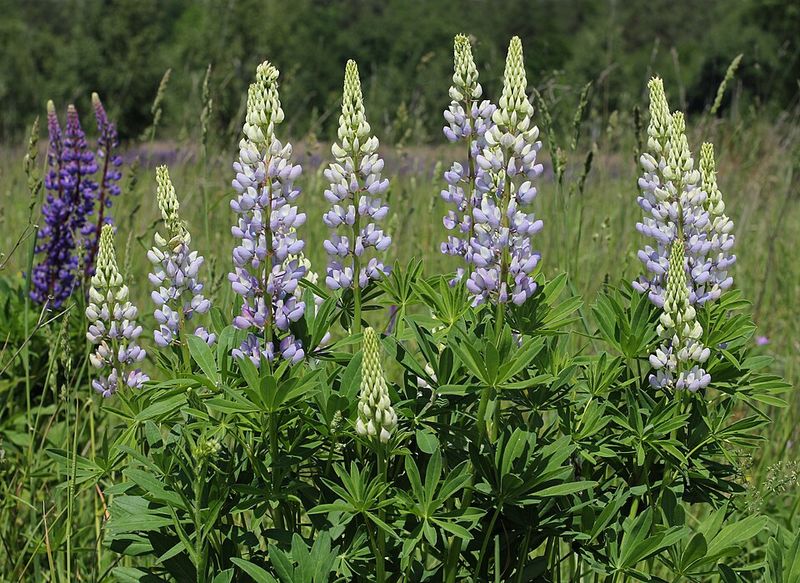
Vertical color changes the rhythm of a border, and lupines do it with dense spikes in blue, purple, pink, red, yellow, cream, and white. Their look is bold but still soft enough for cottage-style beds and naturalistic plantings.
In Pennsylvania, they can be excellent where spring is cool and the soil drains well.
These plants prefer not to sit in wet winter ground, so site choice makes all the difference. Full sun works in cooler areas, while a little afternoon shade can help in warmer spots.
They also dislike heavy disturbance once established, so it is smart to place them carefully from the start.
Bloom usually peaks in late spring to early summer, and cutting spent spikes can sometimes encourage lighter rebloom. Because the foliage has a distinct palm-like form, the plant contributes texture even before flowers open.
I like combining several colors in one drift, then backing them with shrubs or grasses that make the spikes stand out.
They are not the most carefree perennial on every site, but successful plantings become memorable quickly. If your garden can offer drainage and a little breathing room, lupines reward you with a level of color structure that few other perennials can match.
Coral Bells
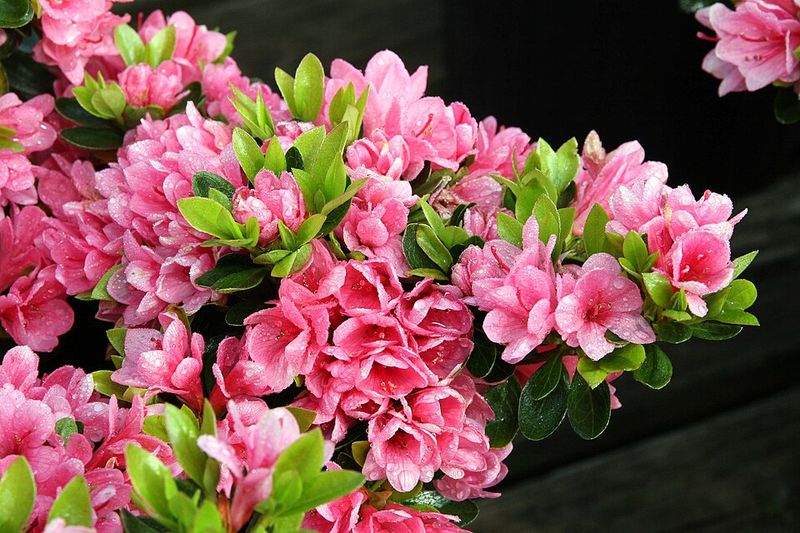
Color does not have to come only from flowers, and coral bells prove that with leaves in purple, amber, lime, silver, cinnamon, and near-black shades. Airy flower sprays add another layer in cream, pink, or red depending on the variety.
For Pennsylvania gardens with part shade, this perennial earns repeat use because it keeps looking good long after peak bloom passes.
Well-drained soil is important, especially through winter, and crowns should not be buried too deeply. Morning sun with afternoon shade suits many cultivars, though darker forms often tolerate a bit more light.
Regular watering during establishment helps, but mature clumps are generally manageable if the site is not harshly dry.
The real strength here is flexibility in design. Use it to edge a path, brighten a container, or contrast with hostas, ferns, and hellebores in a shaded bed.
I like repeating one leaf color several times through a border because it makes the whole planting feel connected without relying on flowers alone.
Older plants may heave slightly after freeze-thaw cycles, so a light reset in spring can help. If you want multiseason color and a perennial that works hard in the quieter parts of the garden, coral bells are an easy pick.
Hellebore
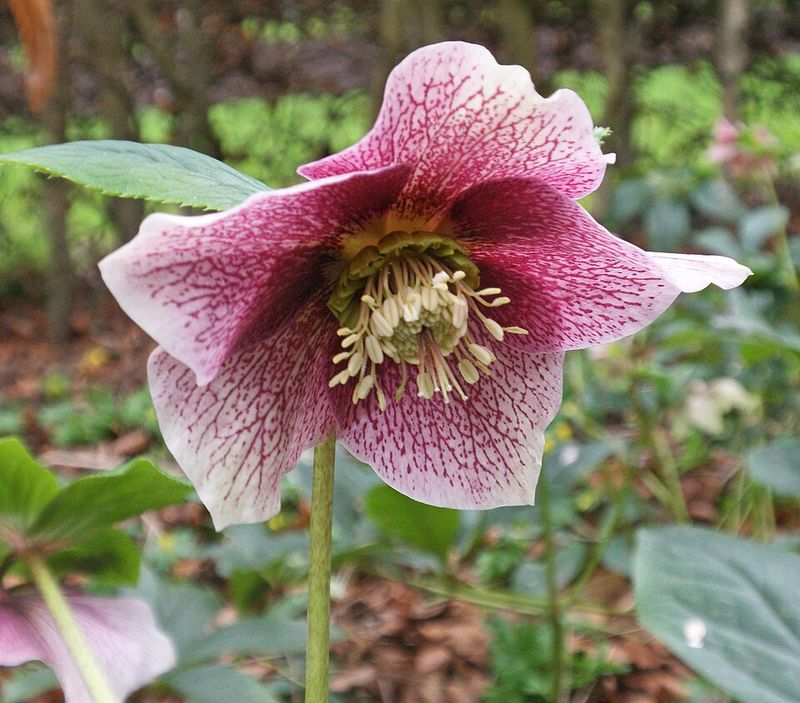
Very early color has a different kind of value, and hellebores bring it in shades of plum, green, cream, blush, white, yellow, and speckled combinations. When much of the garden still looks half asleep, those nodding flowers feel unexpectedly rich.
Pennsylvania gardeners keep adding them because they handle winter well and persist as handsome clumps in shaded beds.
Part shade and well-drained, humus-rich soil give the best results, though established plants can be surprisingly tolerant. Deer usually leave them alone, which matters in many neighborhoods and rural properties.
Cutting back old leaves in late winter makes the flowers easier to see and keeps the plant looking fresher as the season starts.
Their leathery foliage remains useful long after flowering, so they work as anchors under shrubs or deciduous trees. Seedlings may appear nearby, and if you enjoy subtle variation, that can become part of the appeal.
I think they look strongest when planted where you can view the blooms slightly from above, such as along a slope or near steps.
Mixed strains are especially good if you want a broad color range without fussing over exact combinations. For early interest, evergreen structure, and flowers that feel quietly special, hellebores earn their reputation fast.
Astilbe
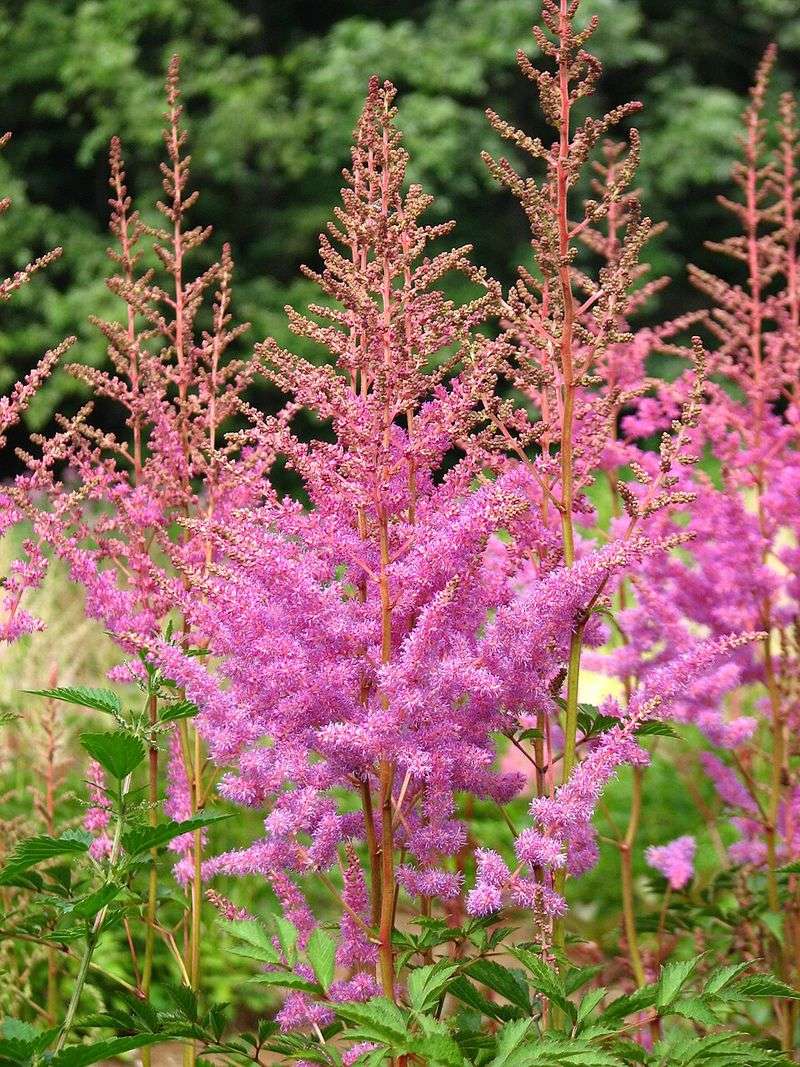
Shadier beds need more than green, and astilbe answers with feathery plumes in pink, red, white, lavender, peach, and soft coral. The flowers rise above fernlike foliage, giving texture that feels refined without becoming fussy.
In Pennsylvania gardens, it is especially useful where soil stays evenly moist and summer shade protects the planting from stress.
Morning sun is often fine, but hot afternoon exposure can scorch leaves if the ground dries out. Adding compost helps moisture retention, and a mulch layer is useful during warmer stretches.
These plants are not ideal for neglect, yet they reward even moderate care with a polished look many shade perennials cannot match.
Different bloom times let you stagger the display, so mixing early, midseason, and late varieties is worth planning. The spent plumes also hold some ornamental value, especially in more naturalistic borders.
I like using several tones together because the flower heads blend softly and make shade beds feel brighter rather than patchy.
Near hostas, ligularia, or Japanese painted ferns, astilbe gives shape and color without overwhelming the composition. If your Pennsylvania garden has a moisture-friendly, partly shaded spot, this perennial can turn it into one of the most visually satisfying areas on the property.