
10 Red Perennials Ohio Gardeners Rely On For Long-Lasting Summer Color
Follow us on Google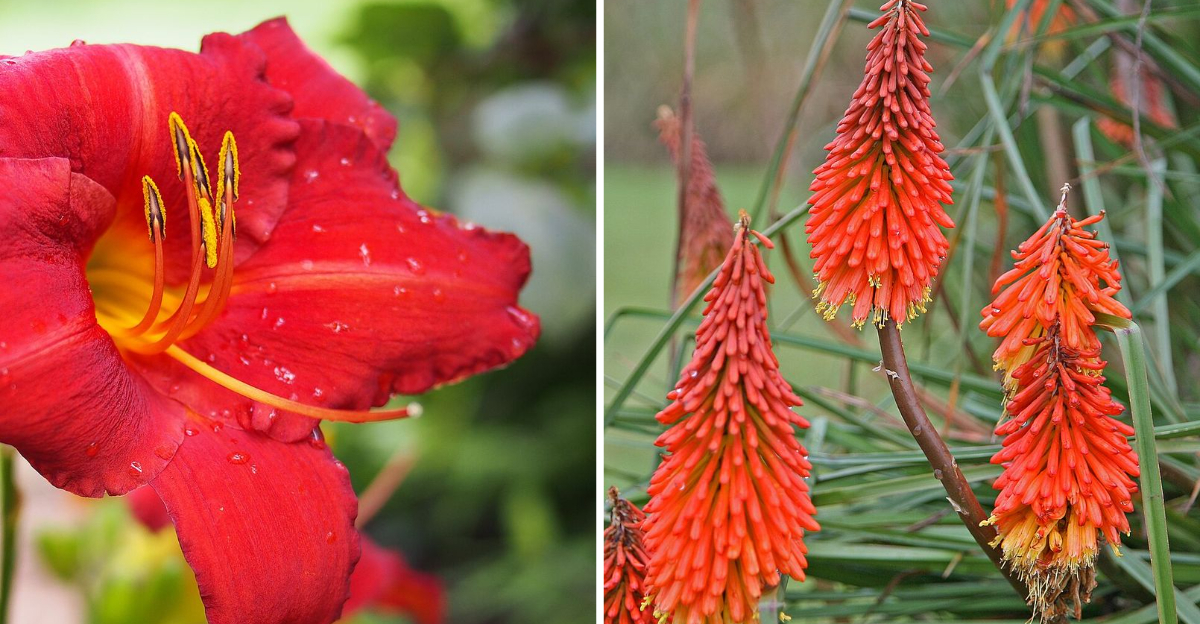
A strong shot of red can keep an Ohio garden looking lively even when summer heat starts wearing other flowers down. The best perennial choices do more than bloom brightly – they handle humidity, clay soil, cold winters, and the stop-and-start weather many gardeners know too well.
If you want beds that feel energetic from early summer into fall, these reliable reds earn their space. Each one brings a different texture, bloom habit, and growing style, so you can build color that lasts instead of fading fast.
Cardinal Flower
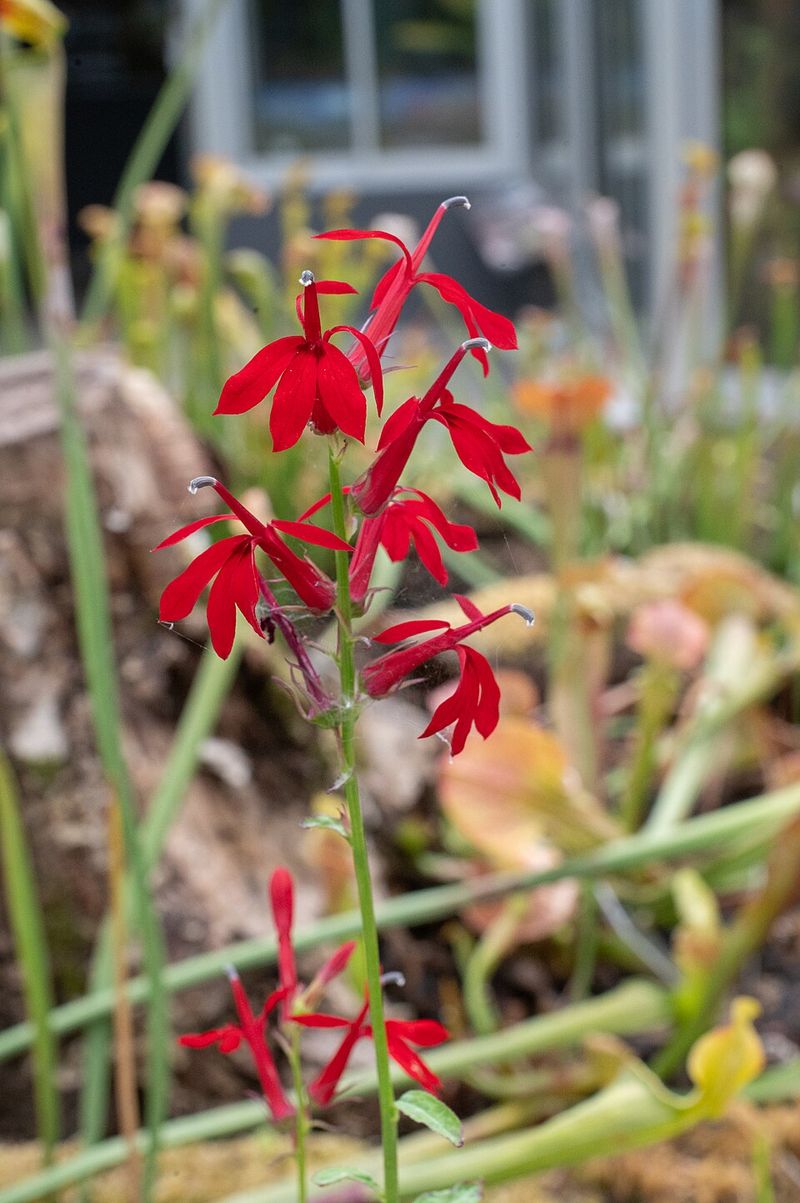
When a bed needs true, saturated red instead of pinkish tones, this native perennial answers with striking flower spikes that look electric in midsummer. Ohio gardeners often rely on it near downspouts, pond edges, or low spots where soil stays consistently moist.
Hummingbirds notice it quickly, which makes the planting feel active even on sticky July afternoons.
You will get the best performance in rich soil with regular moisture and light afternoon shade, especially in the hotter parts of the state. Full sun works in cooler locations if the ground never dries out for long.
A mulch layer helps keep roots cool and reduces the stress that can shorten bloom time.
Because it is short lived compared with some tougher border staples, letting a few seedlings mature is a smart move. The plants usually settle in naturally where conditions suit them, giving you a small colony over time.
That self-renewing habit makes the display feel dependable without becoming unruly.
Pair it with blue iris, white turtlehead, or ornamental grasses for contrast that keeps red from feeling heavy. If your yard has a damp section that usually causes frustration, this is one of the easiest ways to turn that problem area into a summer highlight.
Bee Balm
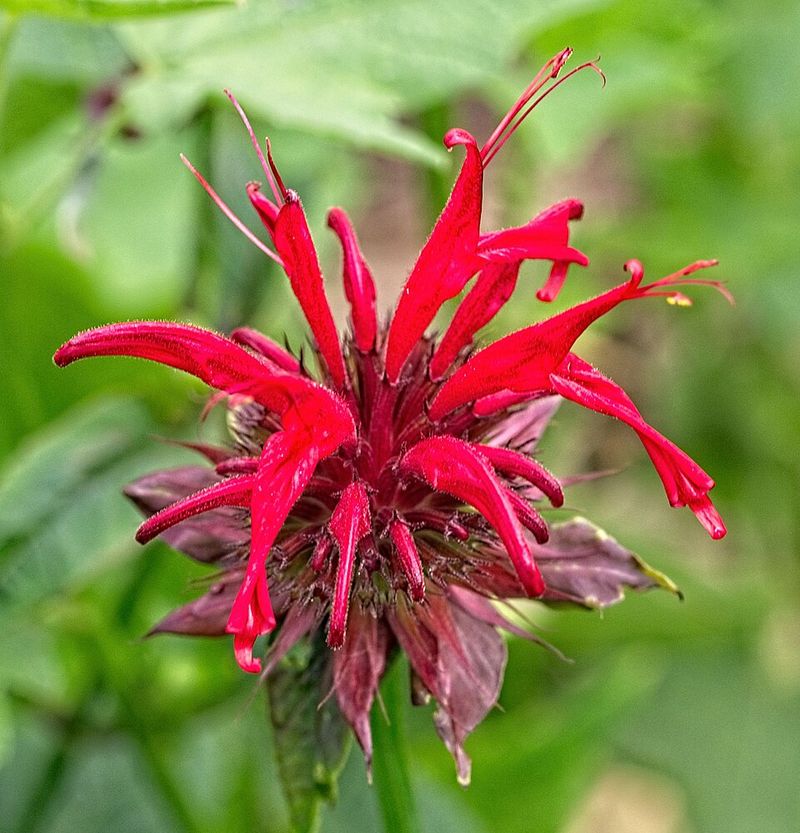
Few perennials bring the same lively energy to a summer border as red bee balm, especially when the flowers are buzzing with bees and hummingbirds. The shaggy blooms add a looser texture than many formal garden plants, so the bed feels full without looking stiff.
In Ohio, it earns its keep by blooming generously during the warmest part of the season.
Good air circulation matters more than most beginners expect because powdery mildew can show up during humid spells. Placing clumps where morning sun dries the leaves quickly makes a noticeable difference.
Newer mildew resistant varieties are worth seeking out if you want cleaner foliage deep into summer.
Regular division every few years helps keep growth vigorous and prevents the center from thinning. Rich soil and steady moisture produce the strongest stems and the longest bloom window.
Deadheading extends the show, but even when flowers fade, the seed heads and foliage still help fill space attractively.
This plant looks especially good mixed with black-eyed Susans, Russian sage, or ornamental grasses that soften its bold color. If you want a garden that feels busy, colorful, and useful to pollinators, this one delivers that effect without asking for fussy care once established.
Maltese Cross
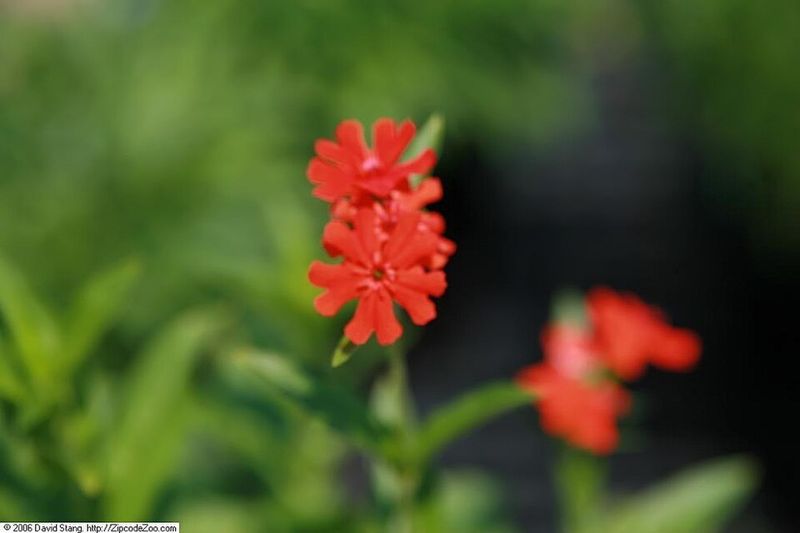
There is something satisfying about a flower that looks old-fashioned yet still holds its own in a modern border, and this one does exactly that. Its fiery red clusters rise above silvery green foliage and catch attention from a surprising distance.
Ohio gardeners who appreciate cottage garden character often keep it around for that vivid midsummer burst.
Drainage matters more than extra feeding, so a sunny location with average soil usually works better than a rich, wet bed. Too much fertility can make stems lanky and less impressive.
Once settled in, the plant handles ordinary summer conditions with very little handholding.
You may notice flowering slows after the main flush, but the color is intense enough to justify its space anyway. Cutting back spent stems tidies the clump and can encourage a lighter repeat.
Because the foliage stays fairly restrained, it threads easily between broader perennials without creating a crowded look.
Use it near lavender, catmint, or pale yellow yarrow for combinations that feel bright rather than heavy. The flowers also work well in cutting gardens, where their clear red tone stands out in bouquets.
If your goal is dependable summer color with a touch of vintage charm, this perennial deserves serious consideration.
Blanket Flower
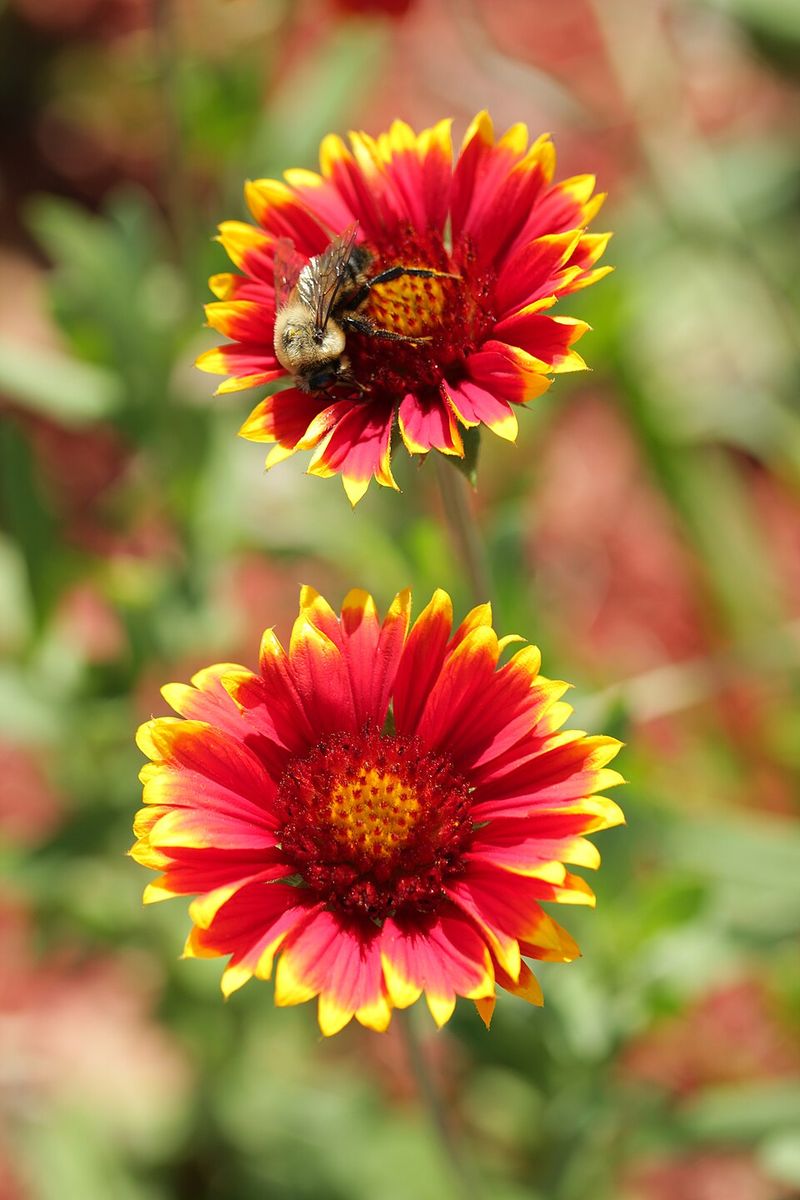
Hot, sunny spots can be hard to fill with color that lasts, but red blanket flower handles that challenge with surprising ease. The daisy-like blooms keep coming through summer, and the warm red tones read clearly from across the yard.
In Ohio beds that bake near sidewalks, driveways, or stone edging, that toughness becomes especially useful.
Sharp drainage is the key to long term success, particularly through winter when soggy soil can do more damage than summer drought. Lean soil is often better than rich ground because it keeps growth compact and flowering strong.
If you tend to overwater, this is one perennial that benefits when you back off.
Deadheading helps maintain a steady wave of bloom, though many gardeners leave some spent flowers in place and still get a respectable display. Plants may not live forever, but they often reseed lightly in favorable conditions.
That natural turnover keeps the patch looking fresh without much extra work.
Pair it with salvia, coreopsis, or low ornamental grasses for a cheerful planting that does not collapse in heat. The color feels especially lively against gravel mulch or pale stone.
When you want red flowers that keep working during the dog days instead of fading out early, this choice is consistently helpful.
Red Daylily
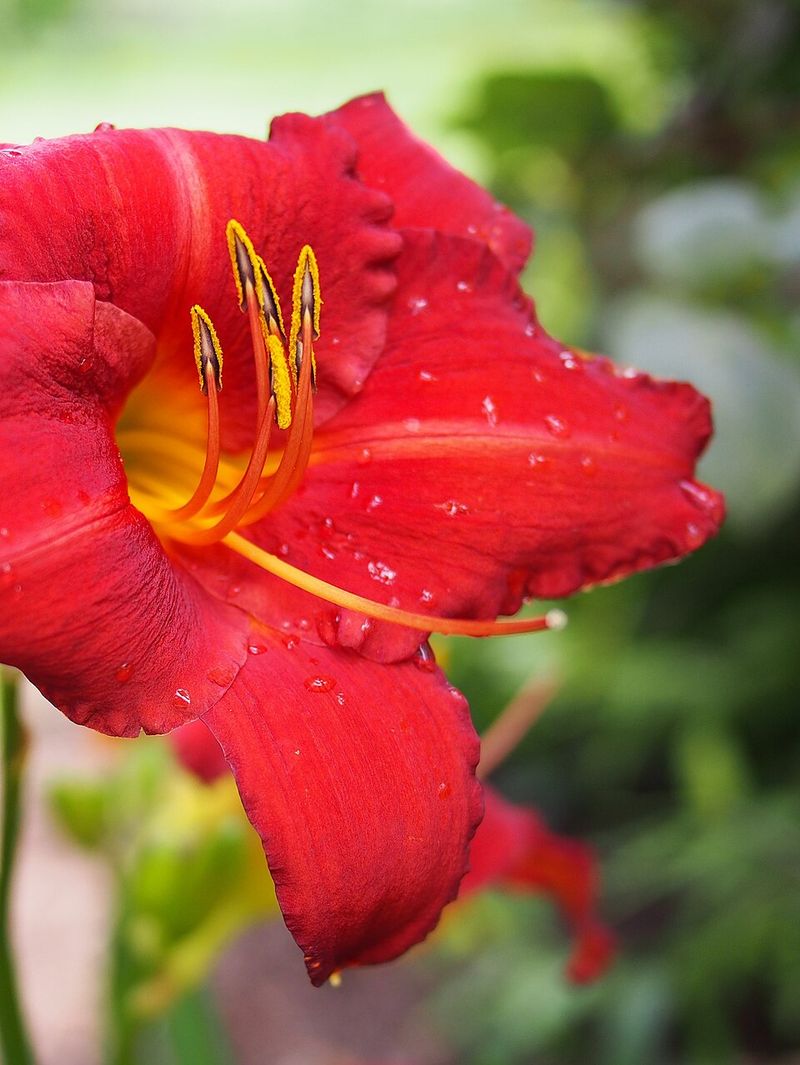
Reliable color is hard to beat in a busy garden, and red daylilies have earned their place by showing up year after year with very little drama. Modern cultivars offer deeper crimson, burgundy red, and brick toned flowers that hold their color better than older selections.
In Ohio, they are often the backbone of long summer beds because the plants are so forgiving.
Each bloom lasts only a day, but established clumps produce enough buds to keep the overall display going for weeks. Choosing reblooming varieties stretches the season even further, especially in the southern part of the state.
Full sun gives the strongest flowering, though a little afternoon shade can help darker red cultivars avoid fading.
Dividing crowded clumps every few years keeps blooming strong and gives you extra plants for other parts of the yard. Average soil is fine as long as drainage is decent.
A spring feeding and occasional deep watering during dry spells are usually enough to keep foliage and flower scapes looking solid.
They mix easily with coneflowers, phlox, and ornamental grasses, so you can use them in formal borders or casual foundation beds. If you want dependable red that does not require constant deadheading, staking, or fussing over soil perfection, this perennial makes summer color feel almost automatic.
Red Hot Poker
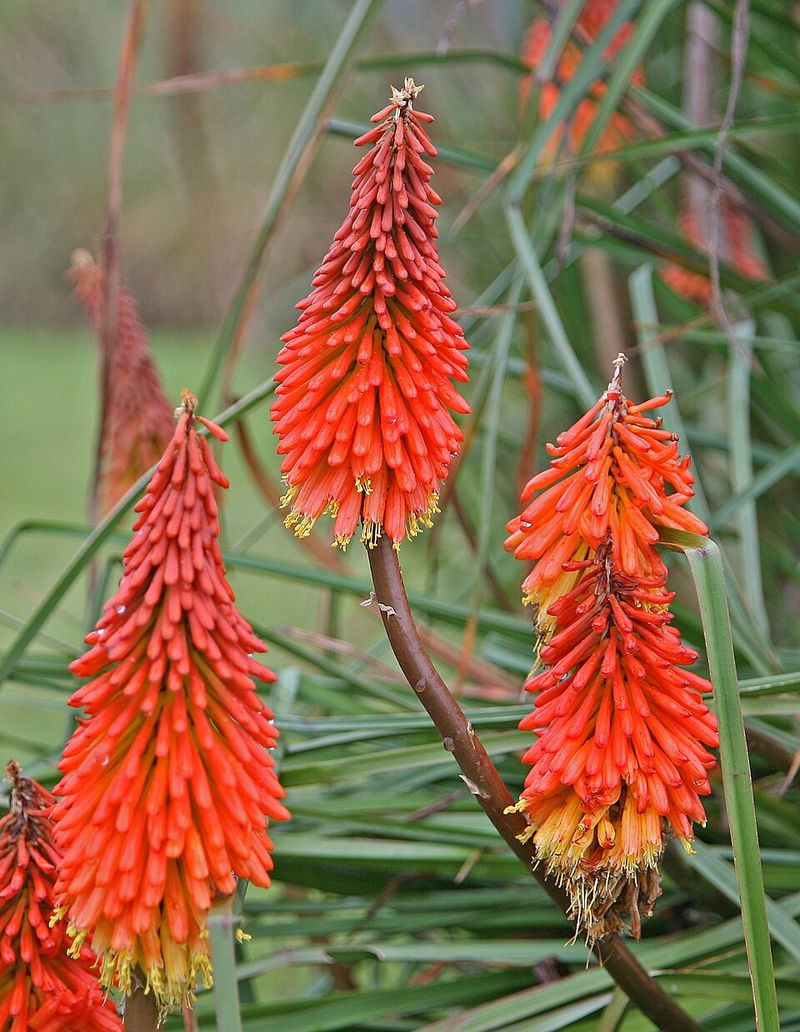
Strong vertical accents can keep a summer border from feeling flat, and this torch-like perennial brings that structure along with bold red color. The flower spikes rise above grassy foliage and add a dramatic shape that contrasts nicely with mounded plants nearby.
In Ohio gardens, it performs best where winter drainage is good and summer sun is plentiful.
Heavy clay can be a problem if water lingers around the crown, so raised beds or amended planting sites usually improve results. Once established, the plant handles heat well and looks especially sharp in hot reflected light.
You do not need overly rich soil, but you do need to avoid soggy conditions.
Leaving the foliage in place through winter helps protect the crown, and cleanup is easiest in spring. Some gardeners tie the leaves loosely rather than cutting them back hard in fall.
That small step can improve survival after freeze and thaw cycles, which matter more in Ohio than summer heat does.
Use it where its upright flower spikes can stand out, not get swallowed by taller shrubs or floppier perennials. Blue catmint, silver artemisia, and dark mulch all make the red tones pop.
If your beds need stronger shape along with lasting summer color, this perennial brings both in a very memorable way.
Yarrow ‘Paprika’
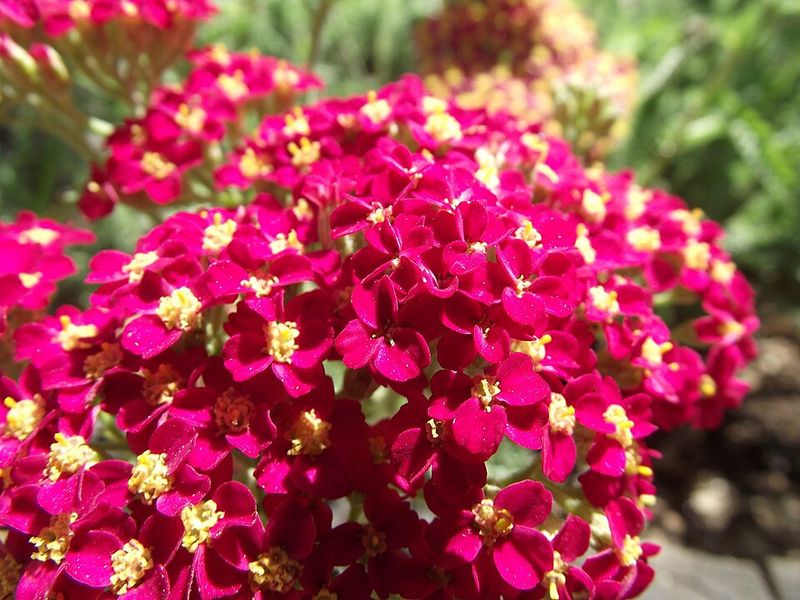
Flat topped flower clusters can do a lot of visual work in a mixed border, and this red yarrow proves it all summer long. The blooms open rich red, then soften gradually into warm shades that make the plant look interesting for weeks instead of days.
Ohio gardeners often count on it for dry, sunny spaces where fussier perennials struggle.
Too much fertilizer usually creates weak stems, so average soil is actually an advantage here. Full sun keeps growth compact and flowering abundant.
If your site stays wet in winter, consider improving drainage first because prolonged sogginess is a more serious threat than summer drought.
Deadheading the first flush often encourages another round, and cutting back tired stems refreshes the mound quickly. Dividing every few years prevents overcrowding and keeps the center from thinning.
The ferny foliage also adds texture even before the flowers open, which makes the plant useful across a longer season.
It pairs naturally with ornamental grasses, purple salvia, and coneflowers for a planting that handles heat without looking exhausted by August. Pollinators appreciate it, and deer usually pass it by.
When you want red that stays practical, durable, and easy to blend into many styles of Ohio gardens, this is a smart pick.
Hardy Hibiscus
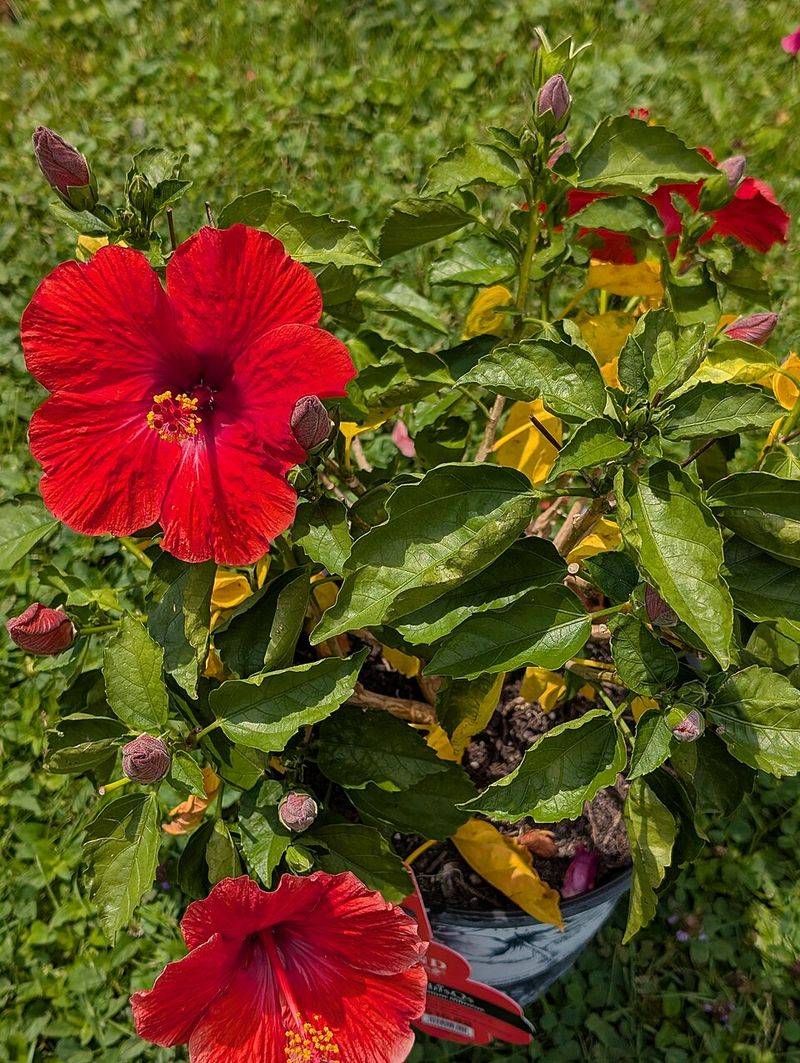
Big flowers can easily look out of place in a hardy Midwestern garden, yet hardy hibiscus manages to feel both dramatic and practical. The dinner plate blooms bring rich red color at a time when many early summer perennials have already slowed down.
In Ohio, that late summer timing is especially valuable because beds often need a fresh focal point by August.
This plant wakes up late in spring, so marking its location prevents accidental digging before shoots emerge. Once growth starts, it moves fast and quickly forms a substantial clump.
Consistent moisture and full sun produce the largest flowers and the strongest overall performance.
Because stems can reach several feet tall, placing it toward the middle or back of a border usually works best. Rich soil helps, but the plant is not difficult if you avoid drought stress.
A layer of mulch keeps roots cooler and makes watering more effective during hot stretches.
Combine it with ornamental grasses or dark leaf shrubs so the oversized flowers have a calm backdrop. The effect feels almost tropical, but the plant comes back after Ohio winters with no need to haul containers indoors.
If you want late season red that stops people in their tracks, this perennial earns that reaction honestly.
Red Astilbe
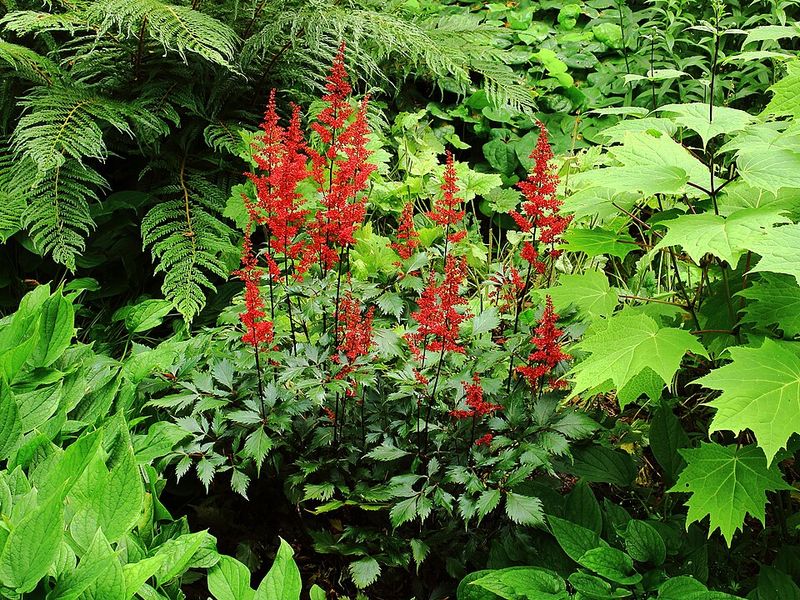
Shady gardens often lean heavily on foliage, so a strong red flower plume can make the whole area feel more intentional. Red astilbe brings that color without asking you to force sun loving plants into conditions they dislike.
In Ohio yards with morning light and moist soil, it offers dependable early to midsummer interest and handsome foliage afterward.
The secret is moisture, especially during hot spells when dry shade can cause browning at the leaf edges. A compost rich soil and regular watering keep the plant looking fresh much longer.
Afternoon shade is helpful in brighter sites, particularly when summer humidity turns oppressive.
Even after the flowers fade, many gardeners leave the plumes standing because they still contribute texture. Dividing every few years keeps clumps vigorous and gives you more plants for other shaded beds.
Unlike some shade perennials that disappear visually, this one holds its presence well when grouped in drifts.
It works beautifully beside hostas, ferns, and heucheras where the feathery flowers contrast with broader leaves. If you have a part of the yard that feels cool and quiet, this perennial adds color without breaking that mood.
For red summer bloom in shade, it remains one of the most useful options available.
Red Garden Phlox
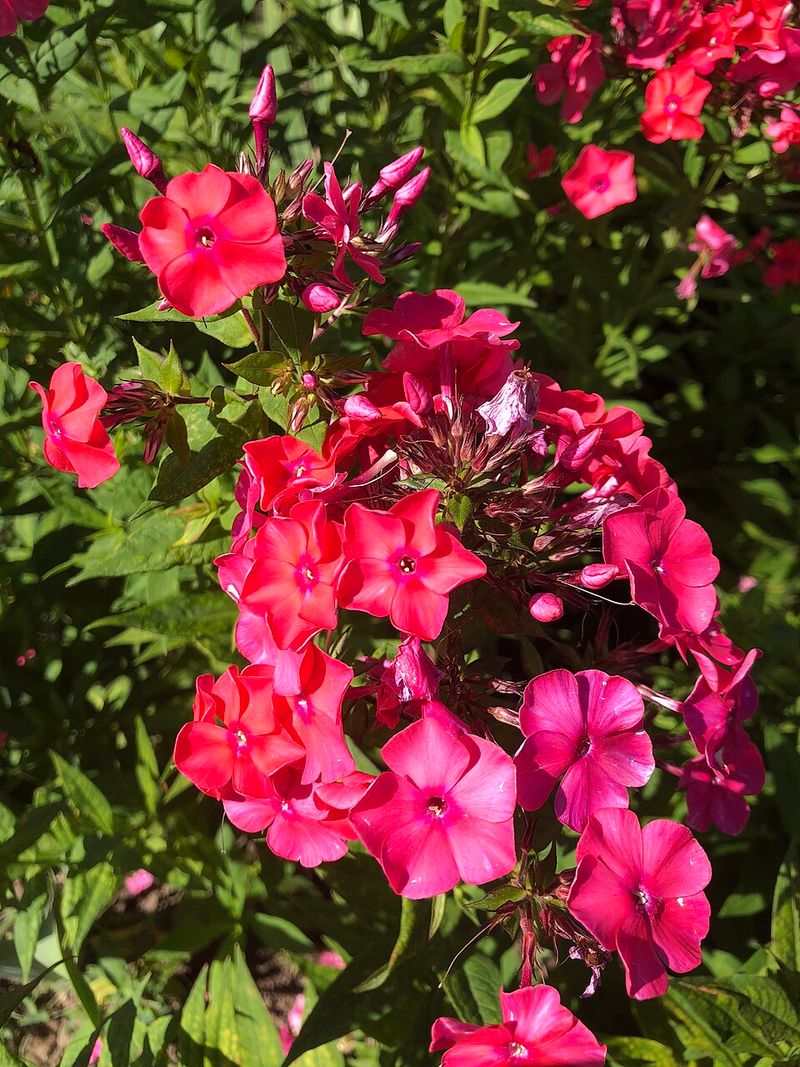
Fragrance and color rarely hurt a summer border, and red garden phlox brings both in generous clusters that stand tall above neighboring plants. The flowers create a strong block of color in midsummer, right when many beds need a second wind.
Ohio gardeners value it because it fills space quickly and gives that classic high summer garden look.
Airflow is essential if you want the foliage to stay attractive through humid weather. Spacing plants properly, watering at the base, and choosing mildew resistant cultivars all improve performance.
Full sun encourages the heaviest bloom, though light afternoon shade can help in hotter sites.
Deadheading extends flowering, and cutting stems back after the first flush can sometimes prompt a later round. Rich soil and consistent moisture keep the plant from looking tired during dry periods.
Division every few years also helps maintain vigor and prevents crowded clumps from becoming disease prone.
Red forms look especially striking with white coneflowers, blue salvias, or dark leaved shrubs behind them. Because the flower heads sit at a useful mid to upper border height, they bridge lower mounding plants and taller late season grasses very well.
For gardeners who want classic summer presence with real staying power, this perennial remains a dependable favorite.