
11 Red Perennials That Turn Pennsylvania Borders Into Eye-Catching Displays
Follow us on Google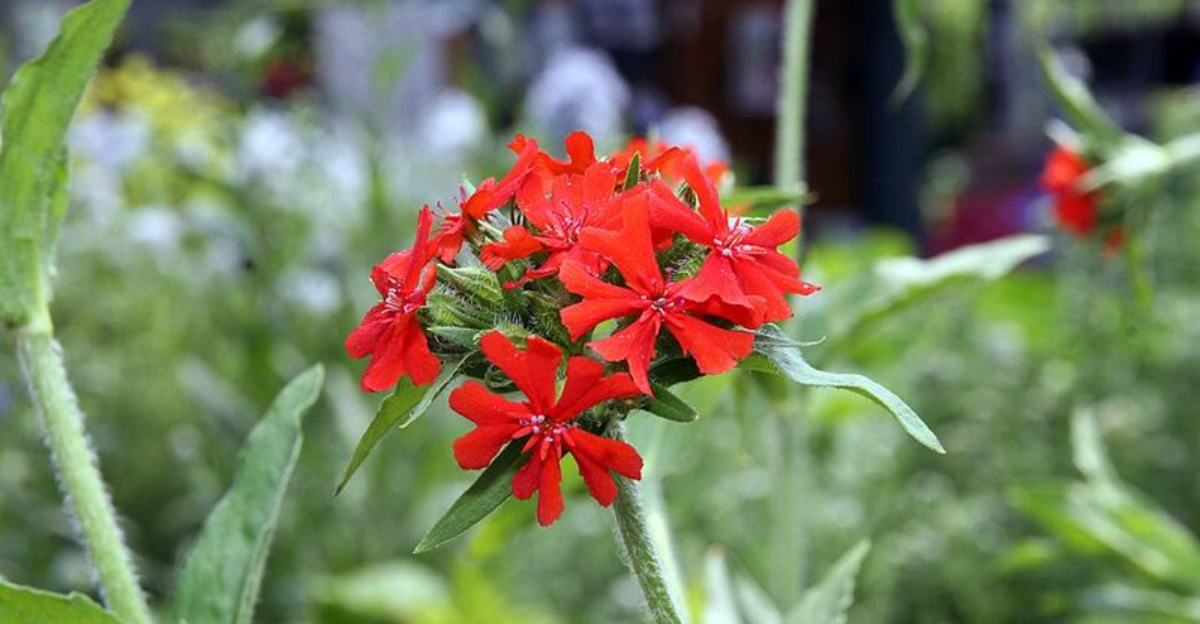
A red border never whispers, and that is exactly why it works so well in Pennsylvania gardens. When spring rain, humid summers, and chilly winters all shape what survives, choosing the right perennials matters as much as choosing the right color.
These twelve picks bring reliable energy, strong contrast, and season-long presence without asking for impossible care. If you want a border that stops people mid-walk, start here.
Bee Balm
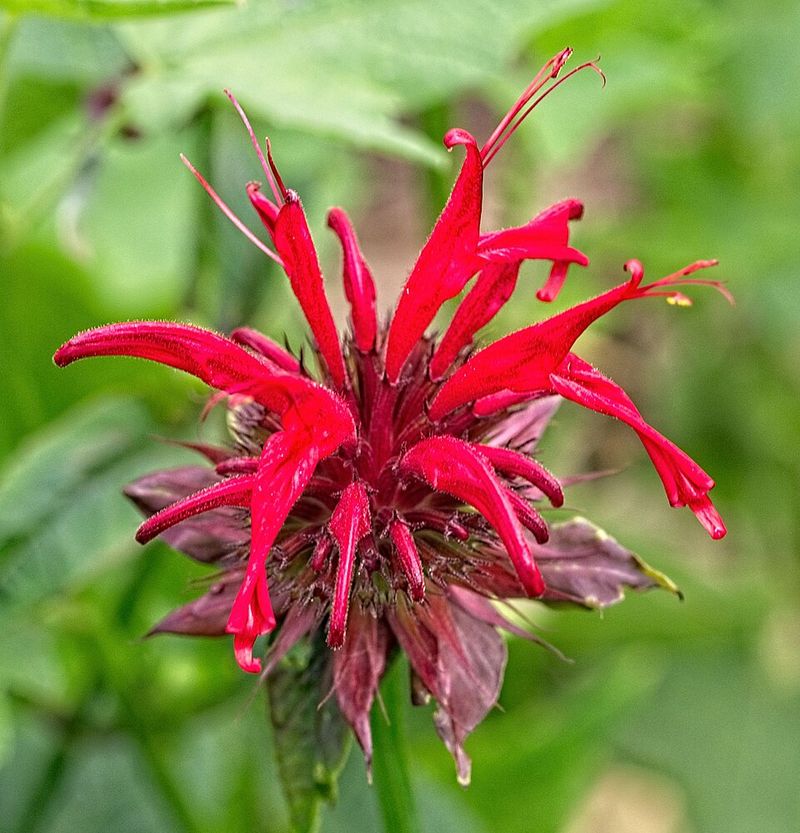
Nothing wakes up a summer border faster than clusters of scarlet bee balm, especially when the rest of the bed leans green or purple. In Pennsylvania, this native-friendly perennial handles humid weather well if you give it good air circulation and full sun.
I like placing it mid-border, where its shaggy blooms can mingle with ornamental grasses or dark-leaved heuchera.
Pollinators treat these flowers like a neighborhood hotspot, so you get color and motion at the same time. Hummingbirds, bees, and butterflies all show up, which makes the border feel active instead of static.
If powdery mildew has been a problem in your yard, look for resistant cultivars and avoid crowding stems.
Deadheading helps stretch the display, though even the fading flowers can add texture for a while. Moist soil keeps plants happiest, especially during Pennsylvania dry spells in July and August.
A layer of mulch also steadies moisture without keeping crowns overly wet.
After a few seasons, clumps benefit from division to maintain vigor and keep the center from thinning out. Pair that bold red with yellow coreopsis, blue salvia, or white phlox for a border that reads clearly from the street.
Few perennials deliver this much drama with such practical garden value.
Cardinal Flower
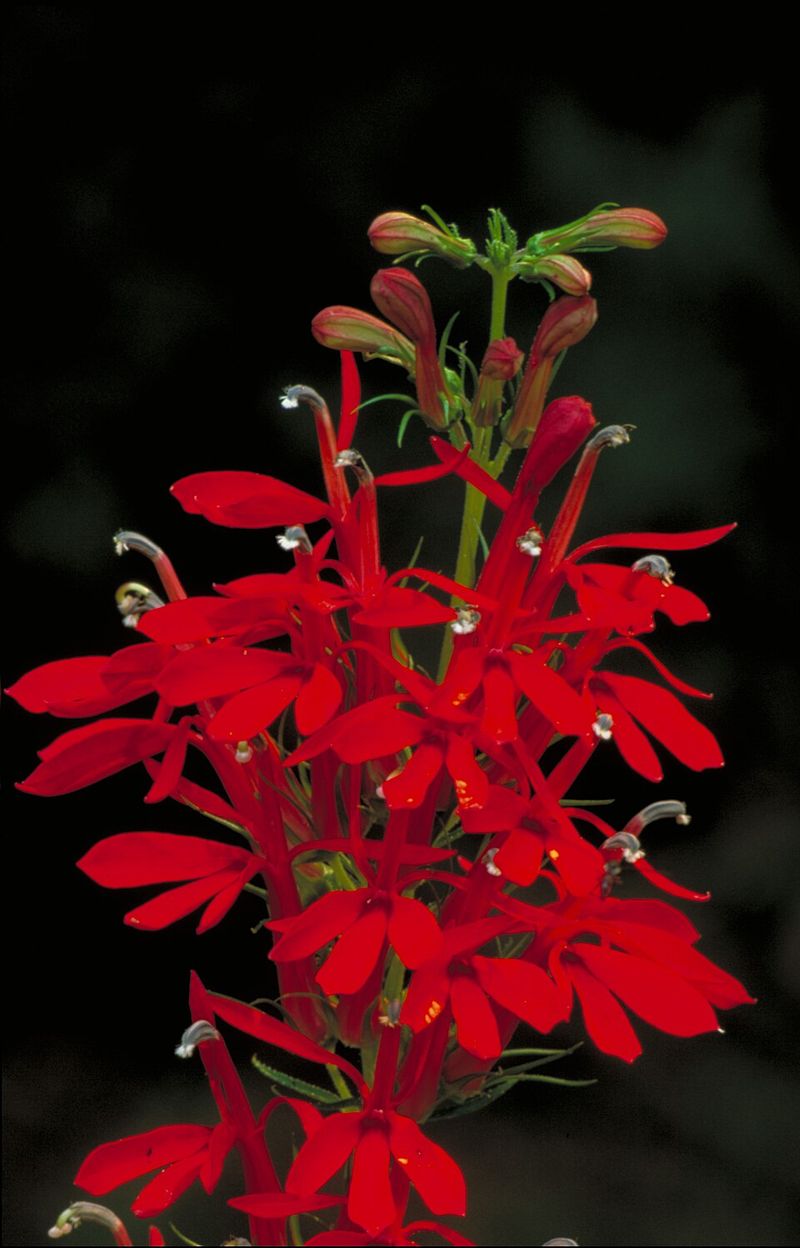
Few reds look as saturated and electric as cardinal flower, and that intensity becomes even more striking in late summer. Pennsylvania gardeners can use it to brighten spots that stay consistently moist, especially near downspouts, rain gardens, or pond edges.
I reach for it when a border needs vertical lines without the heaviness of a shrub.
Those upright spikes pull your eye through the bed, which is useful if the planting feels flat by August. Hummingbirds adore the tubular blooms, and their constant visits make the planting feel alive.
Full sun works where the soil stays damp, but part shade can help the flowers last longer in hotter sites.
This is not the plant for dry neglect, so placement matters more than fussing later. Rich soil with compost gives you stronger stems and better flowering, and mulch helps slow evaporation during sticky summer weeks.
If your yard has clay, that is often an advantage because it holds moisture better than sandy ground.
Because cardinal flower can be short lived, I like letting a few seedlings develop nearby to keep the show going. Use it behind lower edging plants so the fiery red spikes rise above the front line.
In the right Pennsylvania spot, it looks unforgettable and never feels forced.
Red Hot Poker
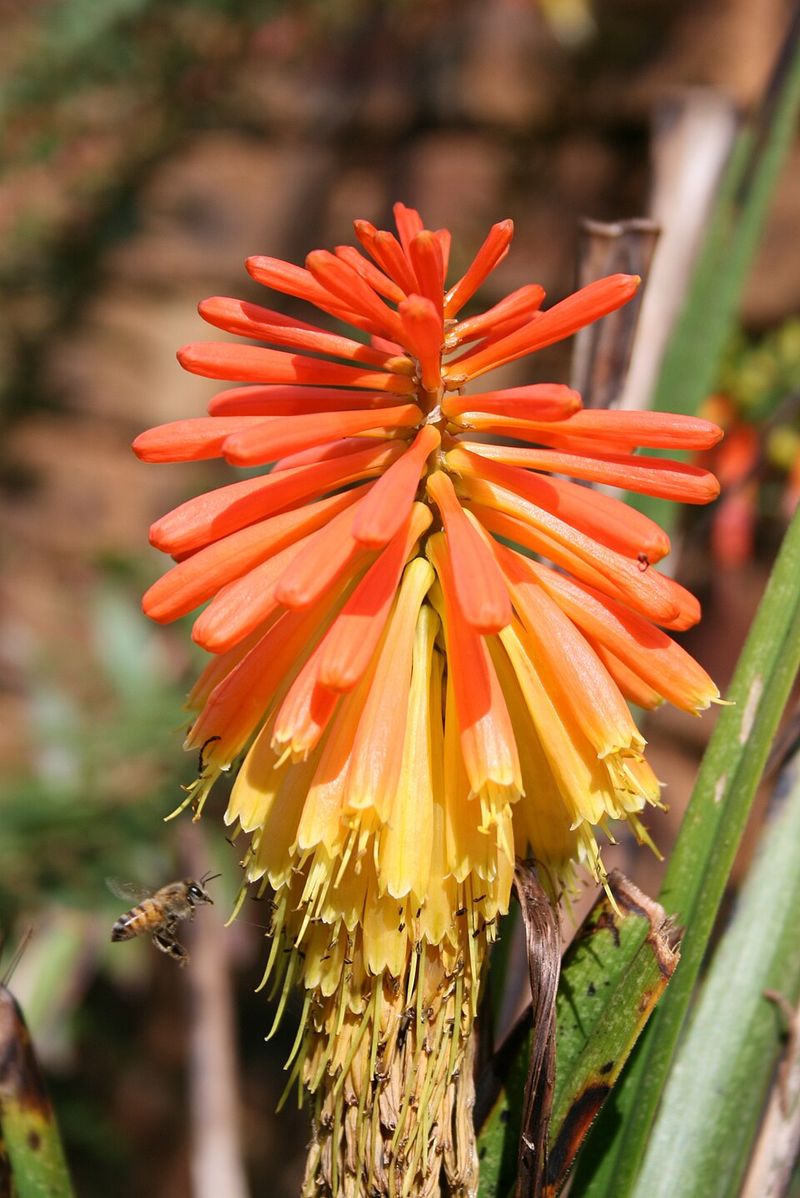
Torch-shaped blooms bring a completely different energy to a border, and red hot poker does that better than almost anything else. The upright flower spikes read as architectural, so they instantly break up softer mounds and sprawling forms.
In Pennsylvania gardens, solid drainage is the key that separates a thriving clump from a sulking one.
Full sun helps stems stay sturdy and bloom color stay strong. I like using this perennial where the border needs a focal point near the middle or back, especially beside blue catmint or silver foliage.
That contrast makes the hot red tones look even brighter without crowding the planting.
Winter wet is usually a bigger problem than winter cold, so avoid low spots where water lingers. A slightly raised bed or a gravelly amended area can make a huge difference.
Once established, the strappy leaves add structure even when the plant is not in flower.
Spent flower stalks can be removed to tidy the clump, but I usually leave the foliage intact until spring cleanup. In colder parts of Pennsylvania, a light mulch after the ground cools can help moderate freeze-thaw cycles around the crown.
If your border needs a vertical exclamation point instead of another rounded flower mound, this one earns its space quickly.
Red Daylily
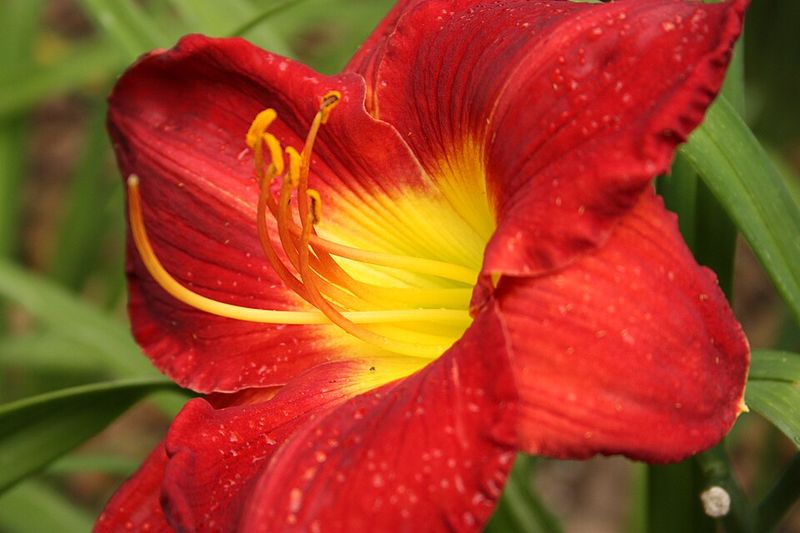
Reliable color matters in a hardworking border, and red daylilies show up with very little drama attached. Their strappy foliage creates a clean mound early, then the flowers start adding bright bursts just when the garden wants more heat.
In Pennsylvania, they handle variable weather well, from wet springs to steamy midsummer afternoons.
Choosing repeat-blooming cultivars gives you more value from the same footprint, especially in smaller borders. I often use them near the front-middle section, where the flowers sit high enough to be noticed but do not block everything behind them.
Deep red selections look especially sharp against chartreuse foliage or pale stone edging.
These plants tolerate average soil, though they bloom better with compost and regular watering during dry stretches. Deadheading keeps things neat, while dividing overgrown clumps every few years restores flower production.
If deer pressure is high in your area, do not assume immunity, but many gardeners still find daylilies easier to manage than fussier perennials.
The bloom of each flower is brief, yet multiple buds keep the display moving along. That rhythm actually works well in a mixed border because something always feels fresh.
For practical gardeners who want red without constant maintenance, this is one of the smartest choices on the list.
Peony
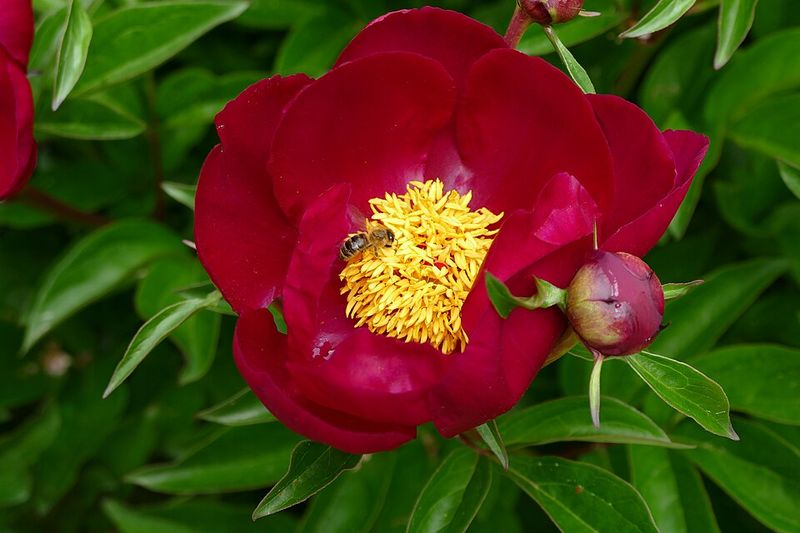
Big red peonies bring a sense of abundance that smaller flowers simply cannot imitate. When those heavy blooms open in late spring, the border suddenly feels established, generous, and carefully planned.
In Pennsylvania, they perform beautifully when planted in full sun with rich soil and good drainage.
Because peonies resent being buried too deeply, planting depth is one detail worth getting right from the start. Eyes should sit only slightly below the soil surface, or blooming can disappoint for years.
I like giving them a permanent spot where they can mature undisturbed and gradually become the anchor of the border.
Support rings or discreet staking help keep rain-soaked flowers from collapsing after one strong storm. That matters in Pennsylvania, where late spring weather can swing from perfect to pounding in a day.
After flowering, the foliage stays attractive enough to hold the space and support the rest of the design.
Pair red peonies with alliums, salvia, or catmint so the border stays lively as the main flush fades. Ants on the buds are normal and not a problem, which reassures many newer gardeners.
If you want a perennial that feels classic but still commands attention from the sidewalk, a red peony earns its keep every single May and June.
Astilbe
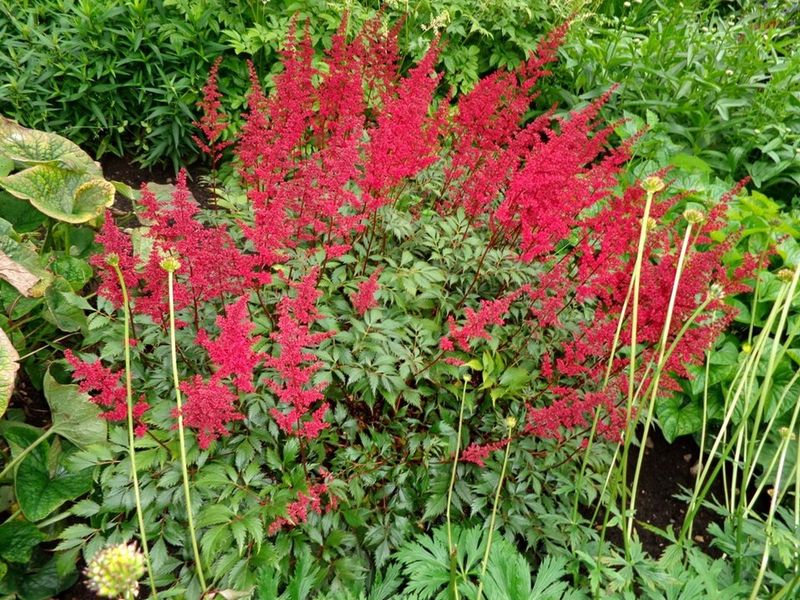
Shadier borders do not need to settle for muted color, and red astilbe proves that quickly. Its feathery plumes rise above finely textured foliage, adding brightness without looking harsh in filtered light.
In Pennsylvania gardens, this perennial shines where the soil stays evenly moist and summer sun is not too intense.
I like using it to soften the edge between woodland shade and a more formal border. The foliage looks tidy for much of the season, so the plant contributes even before blooming starts.
Rich organic matter makes a noticeable difference, especially in spots where tree roots compete for moisture.
Dry shade is not its favorite situation, so choose placement carefully instead of trying to rescue it later. Morning sun with afternoon shade often gives the best flower color and longest display.
Mulch helps retain soil moisture and keeps roots cooler during humid stretches that still manage to dry the ground quickly.
Red astilbe pairs beautifully with hostas, heucheras, Japanese painted ferns, or white impatiens if you mix annuals into the border. Even the fading plumes can hold decorative value, especially in naturalistic plantings.
If a Pennsylvania border needs color in a space where many red flowers would struggle, this one fills the gap with texture and polish.
Crocosmia
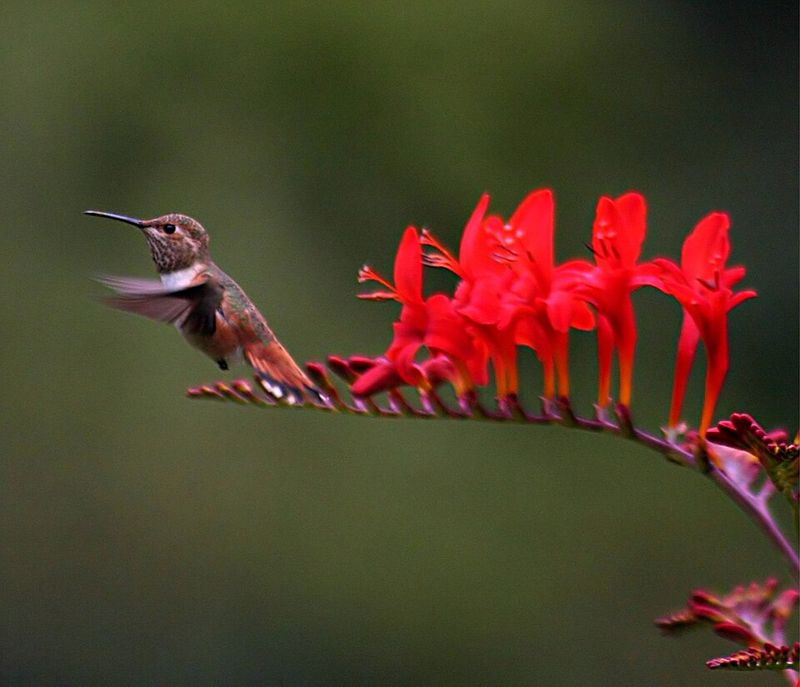
Arching stems loaded with red flowers give crocosmia a sense of movement that many border plants lack. The blooms seem to hover above the sword-like foliage, which keeps the plant from feeling bulky even when it is putting on a show.
In warmer parts of Pennsylvania, it can be especially rewarding in a sunny, sheltered border.
Good drainage is essential, particularly through winter, so heavy clay may need amendment before planting. I like situating crocosmia near paths or patios where the curved flower sprays can be appreciated up close.
Hummingbirds notice it quickly, and that extra motion adds energy to the whole bed.
In colder pockets of the state, mulch helps protect the corms from repeated freeze-thaw cycles. Avoid overwatering once established, but do not let the plants dry out completely during active growth.
If leaves start looking tired after flowering, neighboring perennials can help disguise the fading foliage while the corms store energy.
Red crocosmia looks striking beside blue salvias, lavender, or dark-leaved dahlia-like annual companions. Use it as a repeating accent rather than a single isolated clump, and the border will feel more cohesive.
When you want something fiery yet refined, this perennial threads that line beautifully in the right Pennsylvania garden.
Hardy Hibiscus
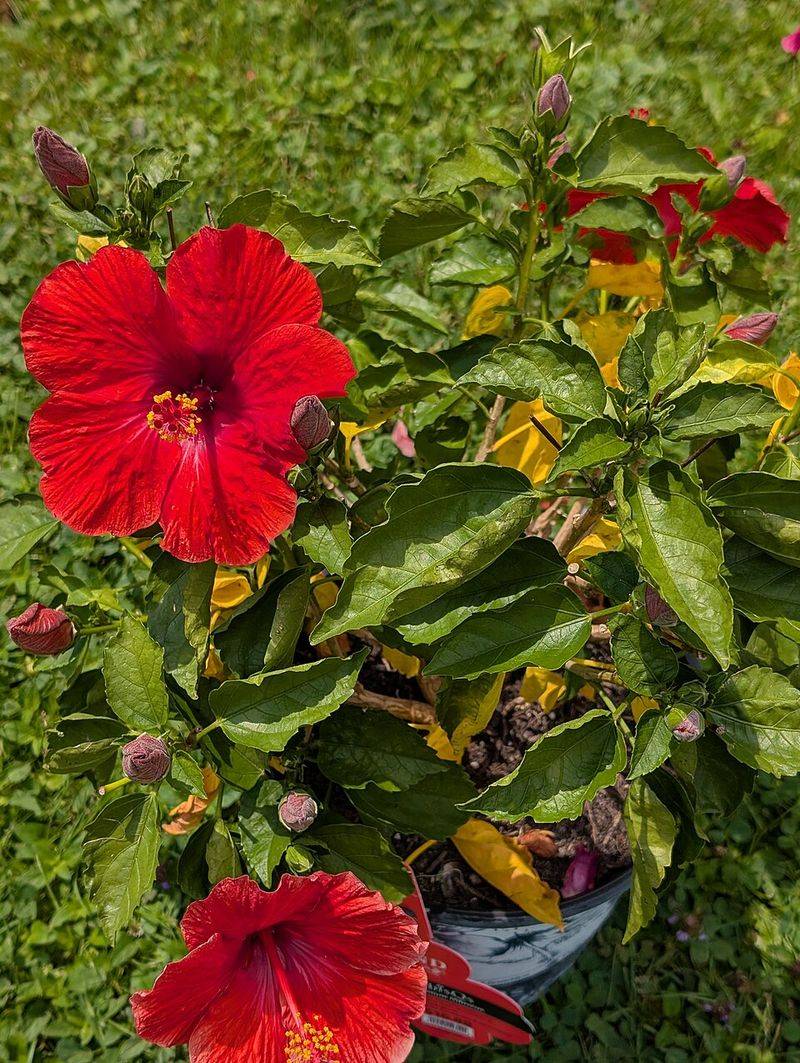
Huge red flowers can make a perennial border feel almost theatrical, and hardy hibiscus delivers that effect without needing a tropical climate. The blooms are dinner-plate large on some cultivars, so a single plant can command attention from a surprising distance.
In Pennsylvania, it returns reliably when planted in full sun and fertile, moisture-retentive soil.
Patience matters in spring because this perennial wakes up late, often after other plants already look established. I mark the spot so I do not accidentally dig into the crown while tidying the bed.
Once growth begins, stems rise fast and create a bold backdrop for shorter edging plants.
Consistent water leads to the strongest growth and the biggest flowers, especially during hot spells. Feeding with compost or a balanced fertilizer in spring supports that vigorous performance without encouraging weak stems.
If wind exposure is severe, tucking the plant behind sturdier neighbors can help protect those oversized blooms.
Because the flowers are so large, pair this plant with simpler companions that do not fight for attention. Ornamental grasses, blue perennials, and silver foliage all make the red flowers stand out even more.
For gardeners who want late-season drama after many borders have started to coast, hardy hibiscus provides a memorable second act.
Maltese Cross
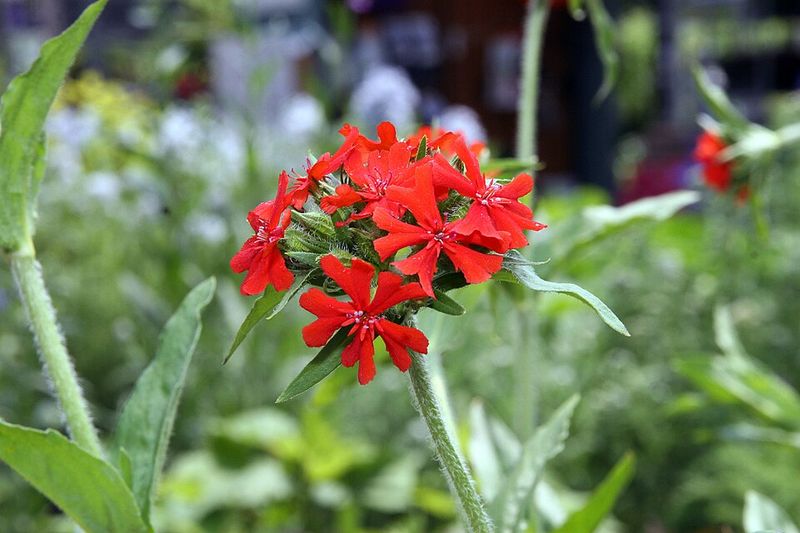
Bright clusters of Maltese cross bring an old-garden feel, but the color is vivid enough to look fresh in modern borders too. The flowers sit in dense heads atop upright stems, making them easy to spot even from across the yard.
In Pennsylvania, this perennial appreciates full sun and reasonably well-drained soil.
I think it works especially well in cottage-style plantings where you want some vertical lift without a stiff formal look. The slightly fuzzy foliage and stems give it a softer character than many spiky bloomers.
Because it flowers in early to midsummer, it can bridge the gap between late spring peonies and later summer standouts.
Deadheading encourages tidiness and may coax a little extra bloom, though the main display is usually the strongest. Avoid overly rich soil, which can push weak stems that flop after rain.
If your garden gets heavy summer downpours, surrounding the plant with sturdier companions helps keep the whole section looking intentional.
White daisies, blue salvias, and silver artemisia make excellent neighbors for that saturated red. The color reads classic rather than flashy when it is balanced by cooler tones nearby.
For a Pennsylvania border that needs a reliable midsummer accent with some vintage personality, Maltese cross deserves more attention than it usually gets.
Blanket Flower
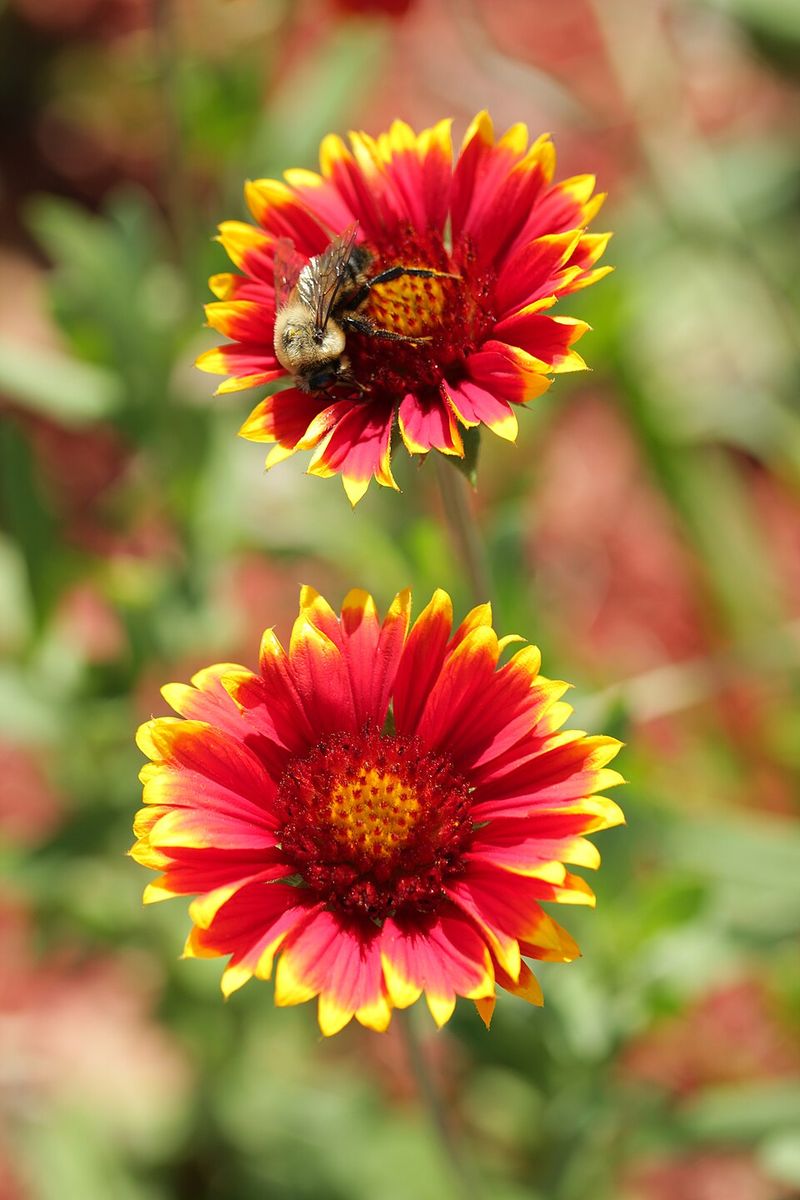
Long bloom time can carry a border through the hardest part of summer, and blanket flower is excellent at that job. Red selections bring warm, saturated color on sturdy stems above compact mounds of foliage.
In Pennsylvania gardens, it performs best in full sun and soil that drains well rather than staying rich and wet.
This is one of the easiest ways to keep a border looking cheerful without constant attention. I use it near the front where its daisy-like flowers can repeat color through weeks of heat.
The plant stays relatively manageable, so it rarely overwhelms neighbors or turns into a maintenance headache.
Deadheading makes a real difference here, extending bloom and keeping the plant from looking tired too soon. Overwatering and heavy clay cause more problems than drought, so resist the urge to fuss if the site is sunny and dry.
A gravel mulch or sharply drained bed often improves longevity, especially through wet Pennsylvania winters.
Butterflies appreciate the flowers, and seed heads can feed birds if you leave a few late in the season. Red blanket flower pairs naturally with yarrow, salvia, coreopsis, and ornamental grasses for a bright summer border.
If you want dependable color that keeps showing up when other plants pause, this perennial has excellent staying power.
Dianthus
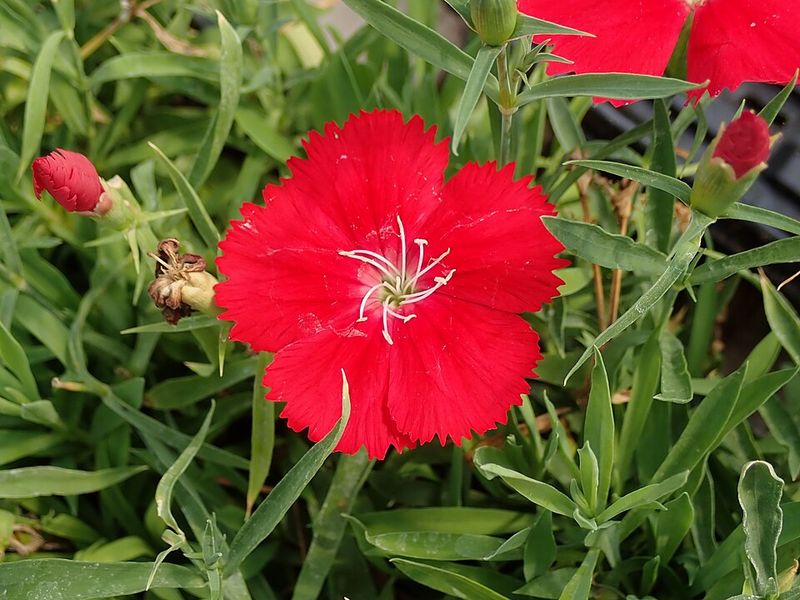
Low-growing red dianthus gives a border a crisp edge and a welcome burst of color early in the season. The fringed flowers and blue-green foliage create a neat, tailored look that works in formal layouts or relaxed cottage plantings.
In Pennsylvania, success usually comes down to sun, drainage, and avoiding soggy winter conditions.
I like using dianthus near paths, stone edging, or the very front of a border where its compact habit can be appreciated. Many varieties are pleasantly fragrant, which is a bonus when you brush past them on the way to the mailbox.
The foliage often stays attractive beyond bloom, giving you more than a short floral moment.
After the first flush, shearing spent stems can encourage rebloom and keep the clump dense. Soil that is too rich may produce extra leaves at the expense of flowers, so average conditions are often enough.
If Pennsylvania humidity is high in your yard, spacing plants well helps reduce foliar issues and keeps the planting looking fresh.
Red dianthus pairs beautifully with creeping thyme, salvia, catmint, or white alyssum if you like mixing annuals and perennials. Because it stays low, it also softens hard edges around bricks and gravel very effectively.
For gardeners who want red close to eye level without adding bulk, it is an easy and useful choice.