
12 Coral Perennials Bringing Fresh Energy To Massachusetts Garden Borders
Follow us on Google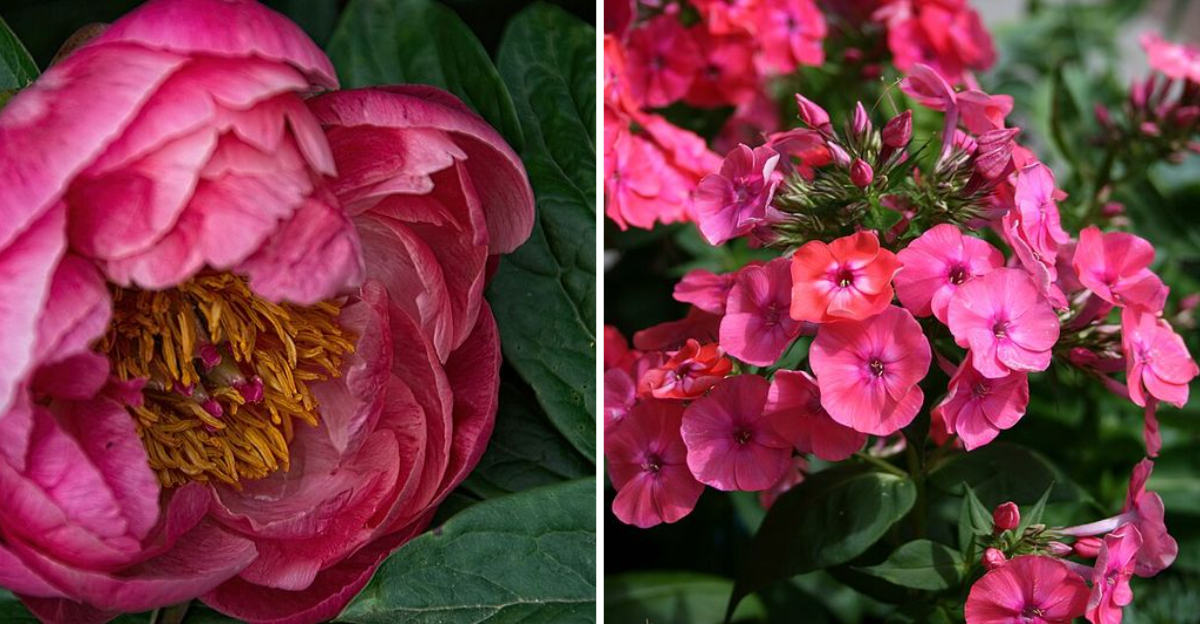
A coral border has a way of warming up a Massachusetts garden without feeling loud or overly formal. These perennials bring that sweet spot between pink, peach, salmon, and soft orange, which makes spring and summer beds feel brighter for months.
If your borders need more color, more pollinator activity, or simply a fresher look against all that green, these picks give you plenty to work with. Each one earns its place with strong seasonal interest and realistic performance in New England conditions.
Coral Bells
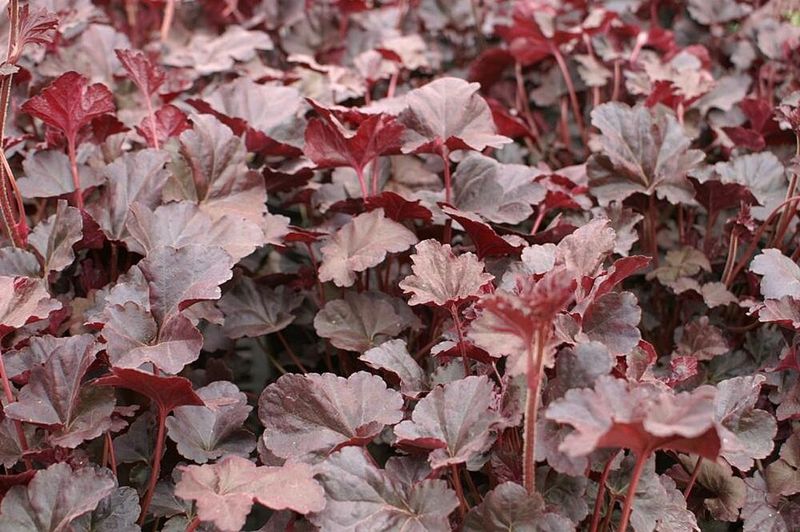
Color near the front of a border matters, especially when you want foliage and flowers pulling their weight at the same time. Coral bells do that beautifully, giving you mounded leaves in shades of amber, plum, cinnamon, or lime, then airy coral flower wands that float above the foliage in late spring.
In a Massachusetts garden, that mix helps bridge the gap between spring bulbs fading out and summer stars just getting started.
You will get the best performance by planting heuchera in well drained soil with morning sun or bright shade, especially in hotter inland spots. Along a foundation border or a path edge, it softens harder lines and pairs easily with hostas, ferns, dwarf hydrangeas, and blue catmint.
If winter heaving has been an issue in your yard, tuck the crown in well and add a light mulch after the ground cools.
What makes this plant extra useful is its season long structure. Even when the flowers finish, the foliage keeps the bed from looking empty, which is a real advantage in narrow borders that need reliable color.
For a coral leaning look, try varieties with warm leaves and salmon pink blooms for a layered, polished result.
It is one of those dependable fillers that never reads as filler.
Geum ‘Totally Tangerine’
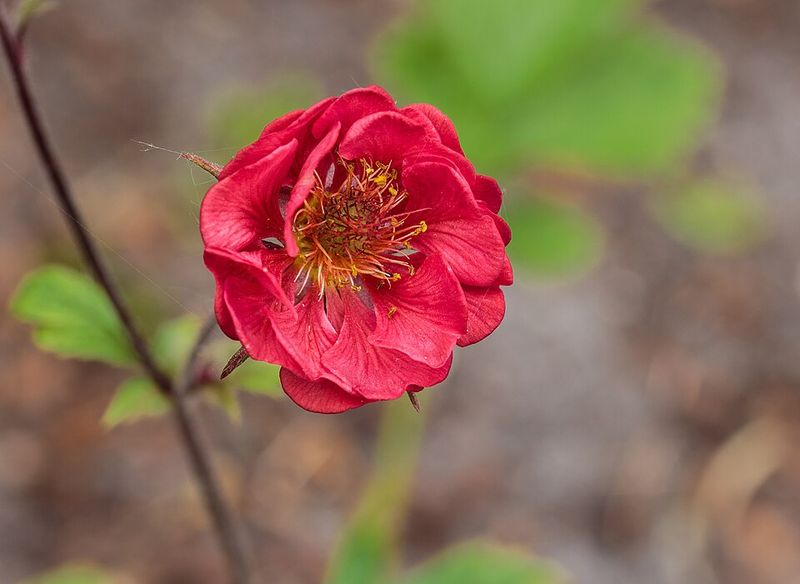
Few perennials bring the easy movement that geum adds to a border in late spring and early summer. ‘Totally Tangerine’ sends up airy stems with apricot coral flowers that seem to hover above the foliage, creating a light, informal look that keeps heavier plantings from feeling static. In Massachusetts, that timing is especially useful because it overlaps neatly with peonies, nepeta, and early salvias.
You will usually see the best flowering when it gets full sun in cooler coastal gardens or sun with a bit of afternoon relief inland. Good drainage matters, particularly through winter, so raised beds or slightly sloped borders often give stronger results than flat, soggy spots.
Deadheading keeps new stems coming, and the repeat bloom makes the plant feel generous instead of brief.
The color is incredibly flexible. It works with purple alliums, blue catmint, silver foliage, and even burgundy heuchera if you want a richer palette without losing that fresh, upbeat energy.
I also like it beside ornamental grasses because the wiry stems move with the breeze and make the whole bed feel less stiff.
When a border needs warmth without heaviness, this one usually solves it fast.
Peony ‘Coral Charm’
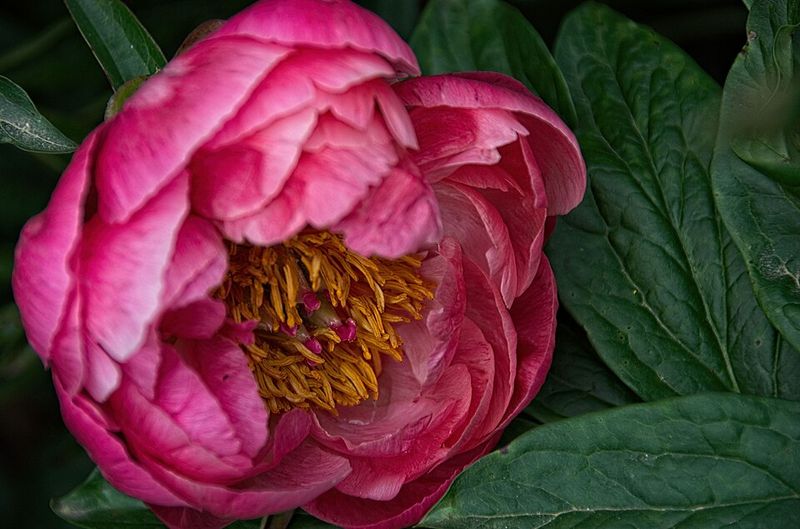
Early summer borders feel instantly more generous when peonies step in, and ‘Coral Charm’ does it with a color that changes beautifully as the blooms age. The flowers open with a vivid coral glow, then soften toward peach and cream, which gives you a layered effect from a single plant.
That shifting tone looks especially good in Massachusetts gardens, where cooler nights can intensify the flower color.
You will want full sun and rich, well drained soil, along with enough space for good air circulation. Once established, peonies are long lived and surprisingly low maintenance, but planting depth matters more than many gardeners expect, so keep the eyes only about an inch or two below the soil line.
If they are buried too deeply, you get handsome leaves and very little bloom.
Because the flowering window is dramatic but not endless, surround it with reliable companions that keep the border interesting after the petals drop. Catmint, salvia, allium, and sturdy daylilies all help carry the scene forward while the peony foliage stays as a calm green backdrop.
The stems are usually strong, though heavy rain can still flatten open blooms, so support rings are worth considering.
For a coral statement plant, this one earns its space every single June.
Bee Balm ‘Coral Reef’
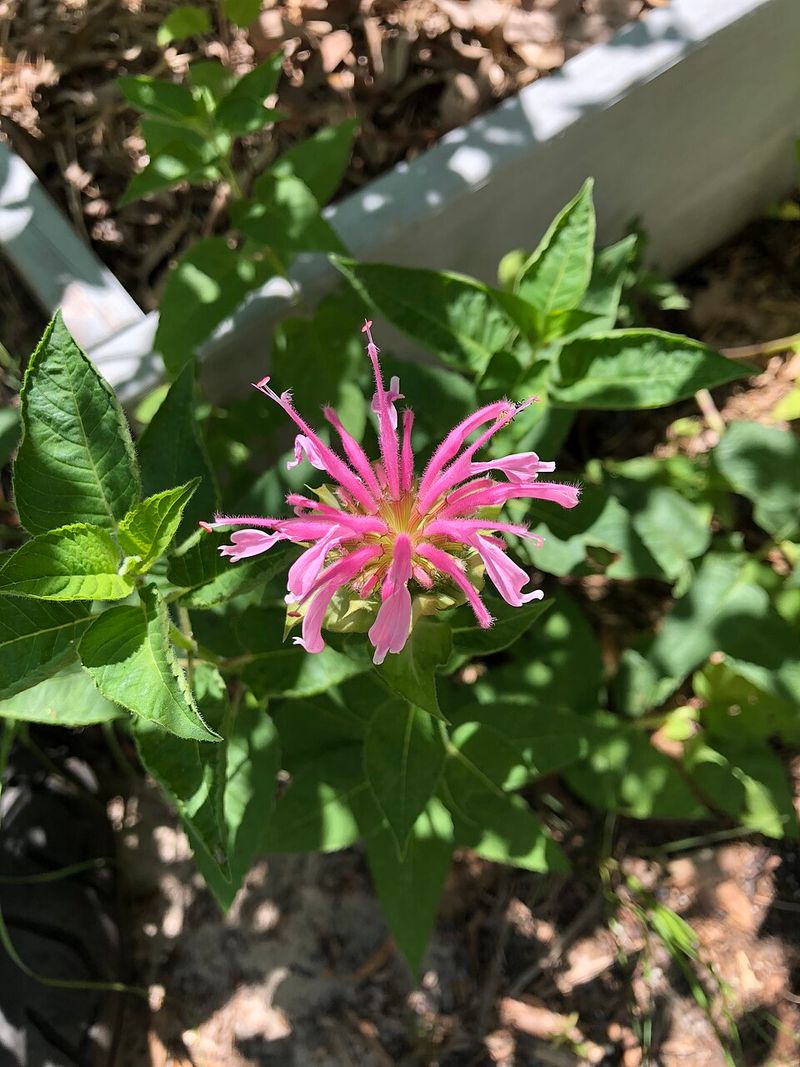
Pollinator borders feel more alive the minute bee balm starts flowering, and ‘Coral Reef’ brings that energy in a warm coral pink shade that reads cheerful rather than sugary. The shaggy blooms stand out from a distance, making them especially effective in larger borders where smaller flowers disappear.
In Massachusetts, it also earns points for blooming when gardens are shifting from early summer freshness into midsummer fullness.
You will get the strongest show in full sun with soil that stays evenly moist but never swampy. Good airflow is important because powdery mildew can show up in humid spells, so resist the urge to cram plants too tightly into the bed.
Newer monarda selections are better behaved than old heirlooms, but spacing and cleanup still make a noticeable difference.
The coral color plays nicely with ornamental grasses, blue veronica, white phlox, and dark foliaged shrubs. It is also one of the easiest ways to pull hummingbirds closer to a patio or walkway, which makes the whole garden feel more interactive and less like something you only admire from a window.
If flowering slows, a trim after the first flush can encourage tidier regrowth.
For bold summer motion and wildlife value, this one is hard to overlook.
Daylily ‘Coral Majority’
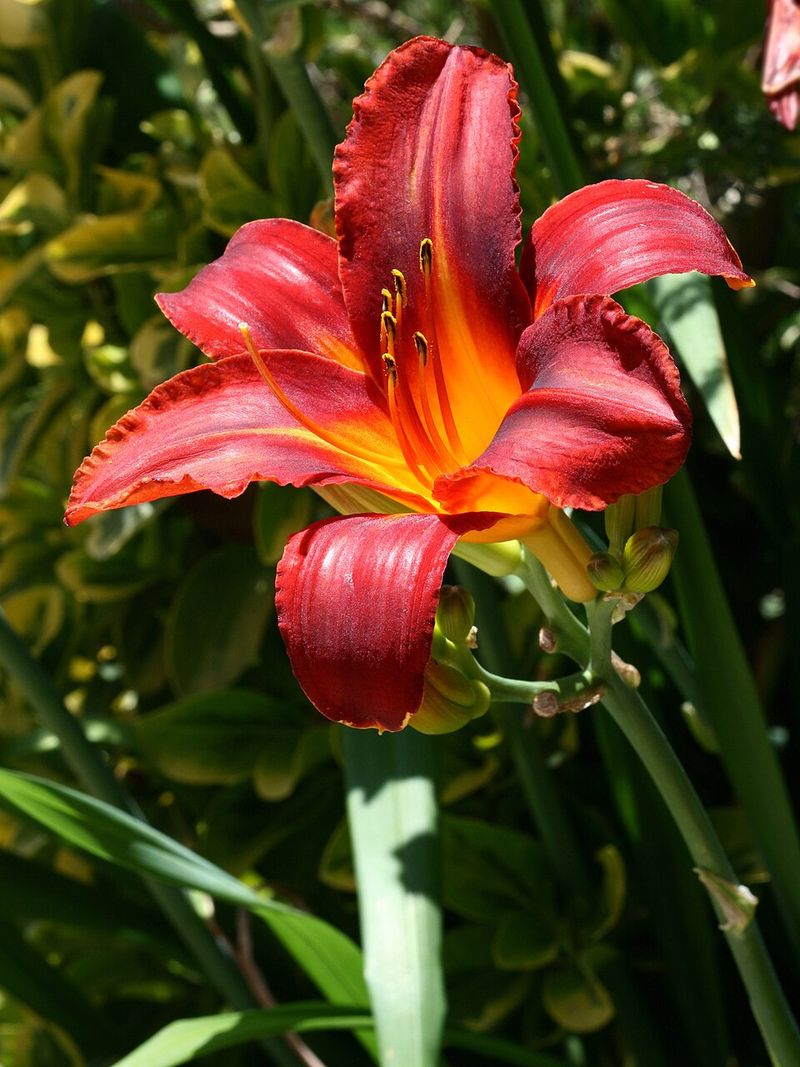
Reliable summer color can be harder to build than spring color, which is why a strong daylily often becomes the backbone of a border. ‘Coral Majority’ brings soft coral blooms with enough saturation to register clearly, yet it still blends with other perennials instead of overpowering them. For Massachusetts gardeners, that balance is useful in mixed borders where peonies and iris have already finished and you need the display to keep moving.
You will have the easiest time growing it in full sun with average, well drained soil, though established plants handle short dry spells better than many flowering perennials. Daylilies are forgiving, but they look best when divided every few years once the clump gets crowded and bloom count starts to slip.
A layer of compost in spring usually gives all the encouragement they need.
Use this variety where you want broad drifts of color and foliage that stays neat through much of the season. It pairs well with Russian sage, coneflowers, yarrow, and dwarf hydrangeas, especially if your border needs a warm middle note between cooler purples and plain green.
Because each flower is brief but the scapes carry many buds, the show feels sustained rather than fleeting.
That steady performance is exactly why daylilies remain so useful in busy gardens.
Phlox ‘Coral Flame’
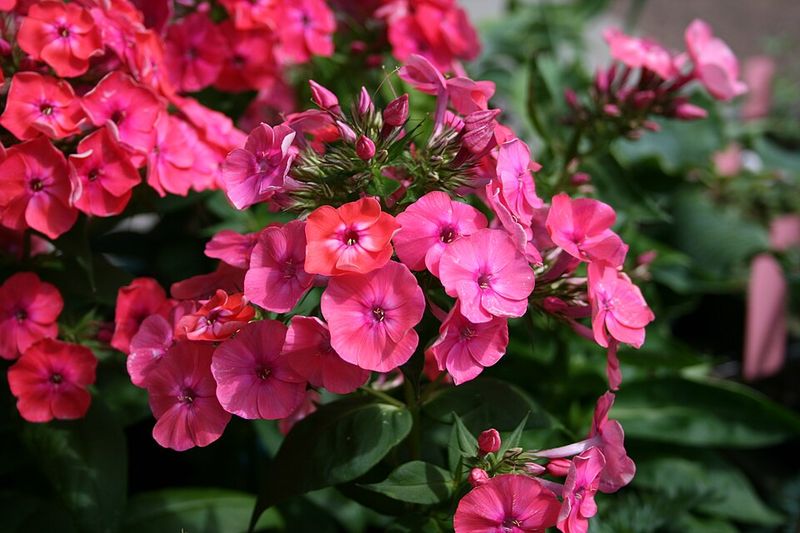
Height in the middle or back of a border can make all the difference, and a coral garden phlox gives you that vertical presence without feeling stiff. ‘Coral Flame’ produces rounded clusters of warm pink coral flowers that brighten summer beds just when many early perennials are fading. In Massachusetts, it is especially helpful for carrying color through humid July and August when borders can start looking tired.
You will want full sun for the strongest stems and best flowering, plus soil with decent moisture retention. Air circulation matters here too, because mildew resistance is better in modern varieties but never something to ignore completely.
Watering at the base, avoiding overcrowding, and removing spent flower heads all help the planting stay cleaner and bloom longer.
The color works well with white echinacea, blue salvia, ornamental grasses, and even burgundy foliage if you want more contrast. Because the flower heads sit above a substantial mound of leaves, this plant fills visual gaps quickly and makes a border look mature sooner.
It is also fragrant enough to reward you if it is planted near a seating area or front walk.
When your summer border needs a tall coral anchor, this is an easy contender.
Yarrow ‘Salmon Beauty’
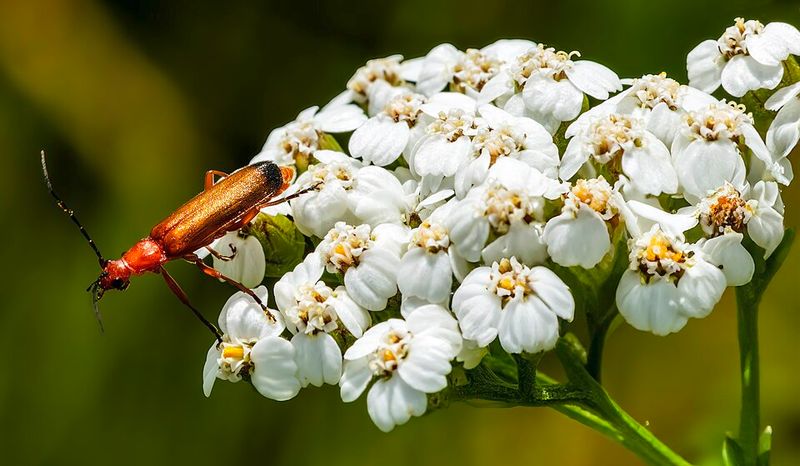
Dry, sunny borders can still carry a lot of color, and yarrow proves that better than most perennials. ‘Salmon Beauty’ offers flattened clusters in a coral salmon range that soften hotter oranges and wake up cooler pinks, giving you an easy bridge plant in mixed combinations. That subtle blending ability is useful in Massachusetts yards where one border may hold everything from cottage style flowers to tougher drought tolerant staples.
You will get the strongest stems and best flower color in full sun with sharply drained soil. Rich soil can make yarrow flop, so this is one of those rare cases where a less pampered spot often produces a cleaner, sturdier plant.
Deadheading extends bloom, and cutting it back after the first flush often encourages fresh basal growth that keeps the clump tidier.
Use it with catmint, lavender, coreopsis, and compact ornamental grasses for a border that can handle summer heat without constant fuss. The flowers also attract beneficial insects, which adds another practical reason to include it near vegetables or roses.
If your garden tends to stay wet in winter, mound the soil slightly or place it in the driest part of the bed.
That simple siting choice often determines whether yarrow merely survives or really shines.
Astilbe ‘Peach Blossom’
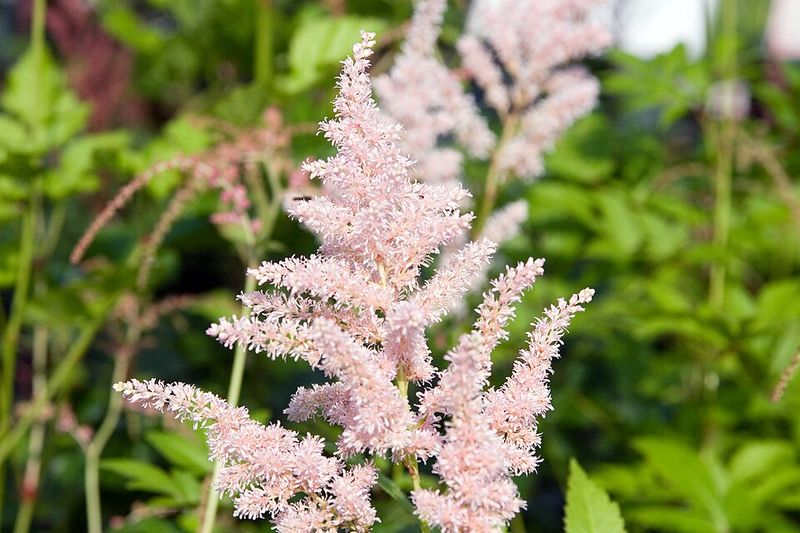
Shade borders do not have to rely only on foliage, and astilbe is one of the easiest ways to add warm color without asking for full sun. ‘Peach Blossom’ sends up feathery plumes in a soft peach coral tone that brightens darker corners and looks especially refined beside broad leaves. In Massachusetts gardens with morning shade and reliable moisture, it can make a woodland edge feel intentionally planted rather than accidentally empty.
You will want humus rich soil that stays evenly moist, because astilbe resents drying out more than many people expect. A top dressing of compost or leaf mold helps keep the root zone cool, and that matters during hotter summer stretches inland.
While full shade is tolerated, brighter light usually gives stronger bloom and a more compact habit if the soil never bakes.
The flower plumes combine well with hostas, Japanese painted ferns, brunnera, and heuchera, especially when you want texture doing as much work as color. Even after peak bloom, the fading plumes can still contribute a soft architectural look for a while if you leave them standing.
I like using it in repeated drifts so the border reads as designed instead of spotty.
For coral color in shade, this is one of the safest and prettiest choices.
Dianthus ‘Coral Reef’
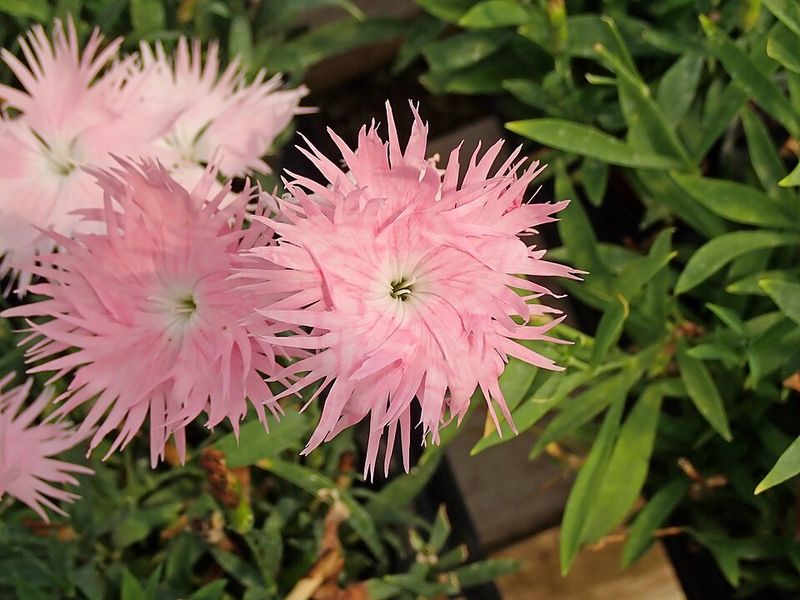
Edges of sunny borders often need a plant that stays neat after flowering, and dianthus handles that job with a lot of charm. ‘Coral Reef’ forms a tidy blue green mound and tops it with fringed coral pink flowers that look crisp and polished rather than floppy. In Massachusetts, that compact habit is useful near walkways, stone edging, or the front of smaller foundation beds where oversized plants quickly become a nuisance.
You will get the best results in full sun and sharply drained soil, especially through winter. Dianthus dislikes soggy feet, so sandy beds, gravelly amendments, or raised edges usually outperform low spots that stay wet after snowmelt.
Shearing after the main bloom keeps the plant dense and can encourage a lighter repeat flowering later in the season.
The color pairs beautifully with silver foliage, low catmint, thrift, and spring bulbs, making it easy to build a border that has interest before summer fully arrives. Because the foliage often stays attractive for much of the year, it keeps the border from looking bare even when flowers are not present.
The clove scent is another bonus if you plant it close enough to notice.
For a small perennial with strong edging value, this one punches well above its size.
Oriental Poppy
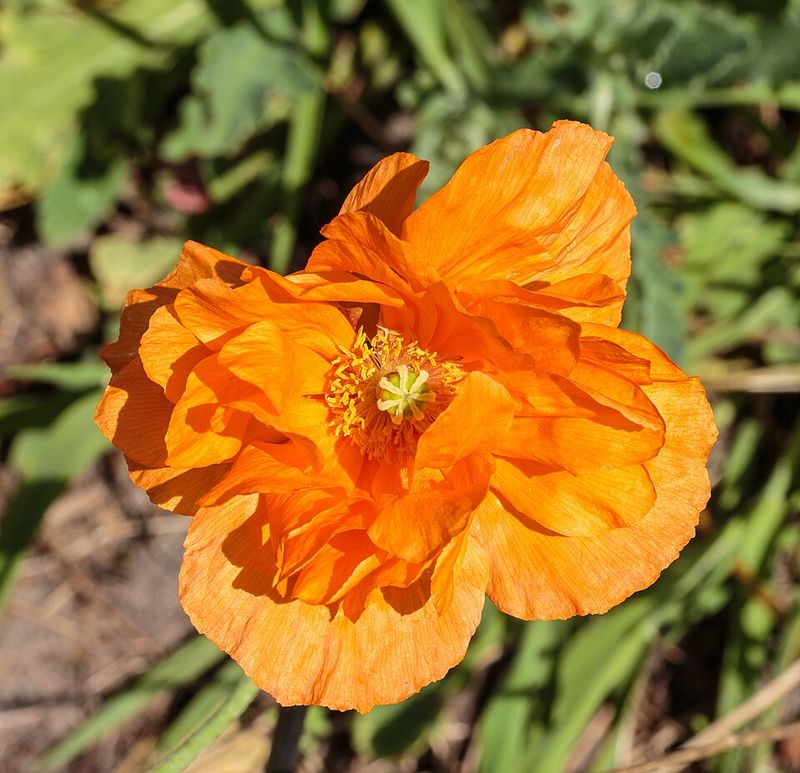
Nothing in early summer quite matches the drama of an oriental poppy opening wide in the sun. In Massachusetts, that bloom arrives at a useful moment, after spring bulbs but before the height of midsummer flowering takes over.
You will want full sun and excellent drainage, especially in winter, because poppies dislike wet crowns. Their one quirk is the post bloom fade, when foliage often yellows and retreats, so placement matters more than many gardeners realize.
Tuck the plant among later emerging companions such as asters, Russian sage, or sturdy geraniums that can cover the gap without swallowing the poppy in spring.
Because the flowers are so large, one well placed clump can do more design work than several lesser plants. The coral tones look striking against gray foliage, deep purple alliums, or a background of shrubs that help the petals stand out.
Avoid heavy mulch directly over the crown, and disturb the roots as little as possible once established.
If you want a brief but unforgettable coral moment, this is exactly that kind of perennial.
Blanket Flower ‘Mesa Peach’
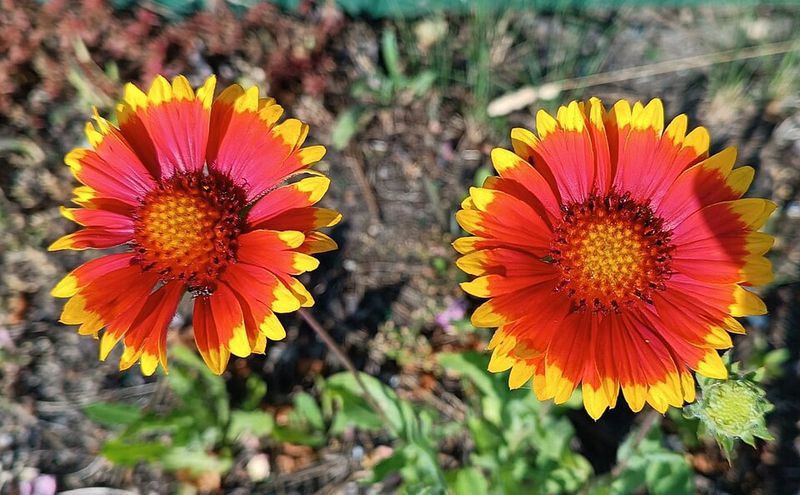
Long bloomers earn a lot of respect in busy gardens, and blanket flower is one of the most hardworking options for a sunny border. ‘Mesa Peach’ offers soft peach coral daisy flowers that feel lighter and more versatile than the hotter red and yellow forms many people already know. That gentler palette fits beautifully into Massachusetts borders where you want warmth without the color reading harsh in strong afternoon sun.
You will get the best performance in full sun and lean, sharply drained soil. This is not a plant that wants pampering, so avoid rich amendments and wet spots that encourage weak growth or winter loss.
Deadheading keeps the display going, though modern selections often bloom generously even if you are less than perfect about cleanup.
The compact shape makes it useful near the front or middle of a border, where it can mingle with yarrow, salvia, nepeta, and low grasses. Pollinators visit constantly, and that movement gives the planting a more dynamic, lived in feeling.
If your soil tends to stay heavy, planting on a slight berm or in a gravelly strip can make the difference between a short lived experiment and a dependable staple.
For steady coral color through summer, this variety gives you excellent value from a small footprint.
Echinacea ‘Coral Craze’
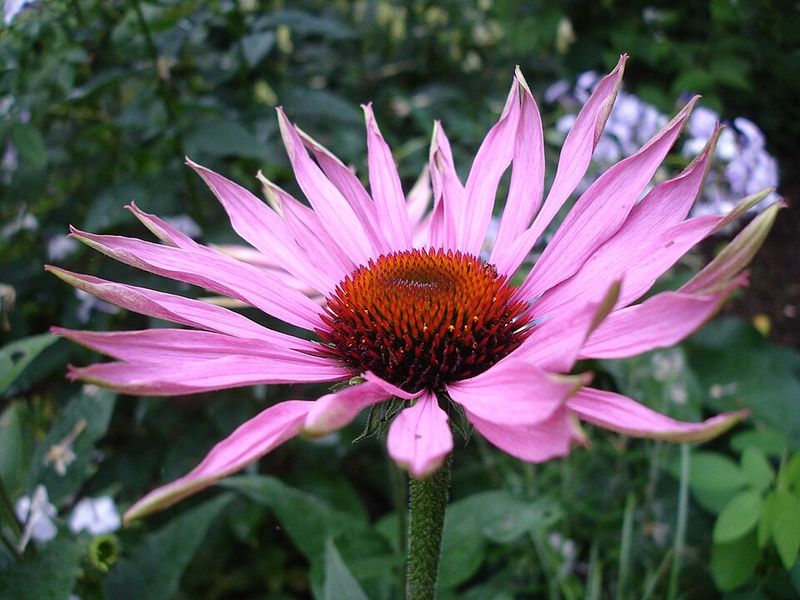
Summer borders always benefit from a plant that looks good from a distance and still rewards a close look, and coneflower does both. ‘Coral Craze’ brings warm coral pink petals around a prominent cone, creating a flower that reads strong and cheerful without feeling too bright. In Massachusetts, it fits naturally into mixed perennial borders where weather can swing from cool wet weeks to hot dry stretches.
You will want full sun and well drained soil, especially in winter, but established plants tolerate ordinary garden conditions better than many newer hybrids. Leaving some spent seed heads later in the season adds structure and gives birds something to visit, which extends the value well beyond flowering.
For cleaner clumps, cut back dead stems in late winter rather than rushing the job in autumn.
The color is easy to place with ornamental grasses, black eyed Susans, salvia, yarrow, and hydrangeas, particularly if you want a border that feels relaxed rather than formal. Repeating it in groups of three or five helps the shade read clearly across the bed instead of getting lost.
It also holds up well in cut arrangements, which is useful when you want to bring the garden indoors.
That mix of resilience, wildlife value, and color makes it a very practical coral choice.