
11 Golden Perennials Pennsylvania Homeowners Are Planting For Long Seasonal Color
Follow us on Google
Golden flowers do something special in a Pennsylvania yard – they catch cloudy light, brighten humid summer days, and keep borders looking cheerful long after spring fades. If you want color that feels warm, reliable, and easy to pair with shrubs, grasses, and evergreens, these perennials deserve a closer look.
Each one earns its spot by handling local seasons well and stretching bloom time farther than many gardeners expect. Here are the sunny standouts homeowners keep planting when they want their beds to stay vibrant for months.
Threadleaf Coreopsis
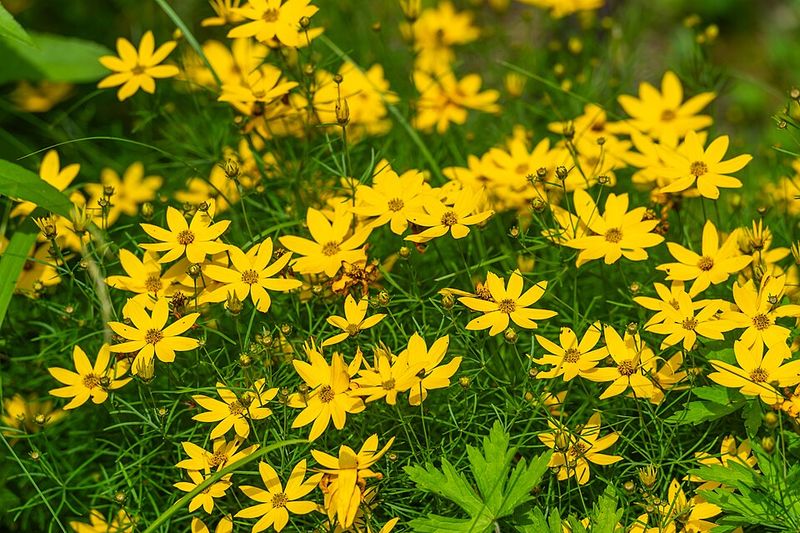
Few plants earn compliments as quickly as this airy bloomer once summer settles in across Pennsylvania. Fine, ferny foliage gives it a soft texture, and the cheerful yellow flowers keep appearing long after many spring favorites have taken a break.
You get the best show in full sun with reasonably well-drained soil, though established clumps handle brief dry spells better than their delicate leaves suggest. Deadheading helps, but newer varieties often bloom so freely that even busy homeowners still get a strong display.
In mixed borders, the loose habit blends beautifully with coneflowers, salvia, Russian sage, and compact grasses. That relaxed shape matters in smaller suburban yards because it softens hard edges near walkways, mailboxes, patios, and foundation beds without feeling bulky.
Winter wet is usually a bigger problem than summer heat, so avoid heavy spots where snowmelt lingers. If your planting area bakes in July and turns average gardeners nervous, this is one of those dependable choices that keeps your landscape bright without constant fuss.
Black-Eyed Susan
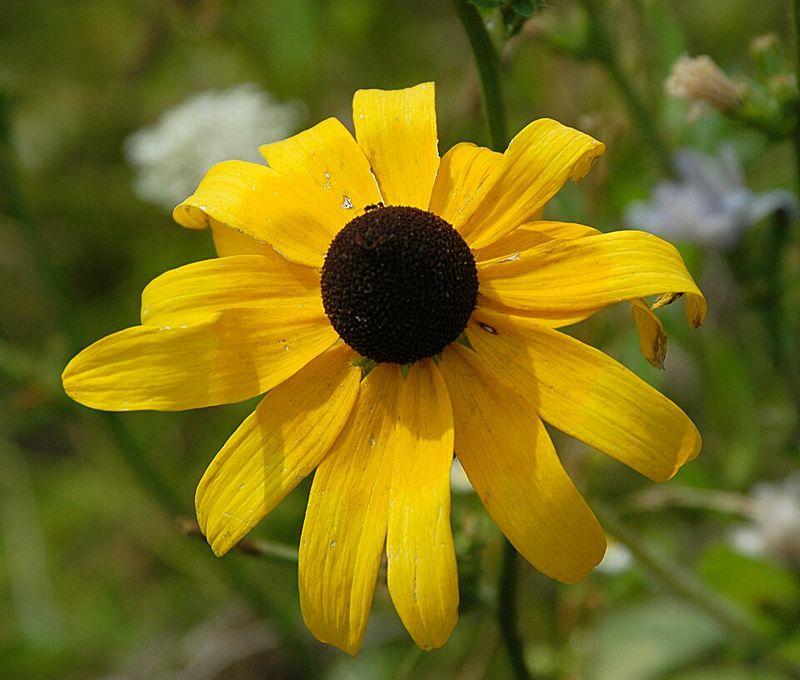
Late summer can make perennial beds look tired, but this classic keeps the color going when many borders need a lift. Golden petals surrounding dark centers read clearly from the street, which is why so many Pennsylvania homeowners use it for curb appeal.
Full sun produces sturdier stems and heavier flowering, especially in sites that dry out a bit between waterings. Rich soil is not essential, and that flexibility makes it useful in older neighborhoods where planting conditions vary from one foundation bed to the next.
Pollinators appreciate the blooms, and seed heads can feed birds if you leave some standing into fall. That means you are not just getting a bright patch of yellow, but also a planting that helps the garden feel alive later in the season.
To keep clumps looking fresh, divide every few years and remove weak interior growth in spring. Pair it with asters, sedum, and switchgrass if you want a Pennsylvania border that peaks beautifully from August into October without asking for complicated care.
Stella de Oro Daylily
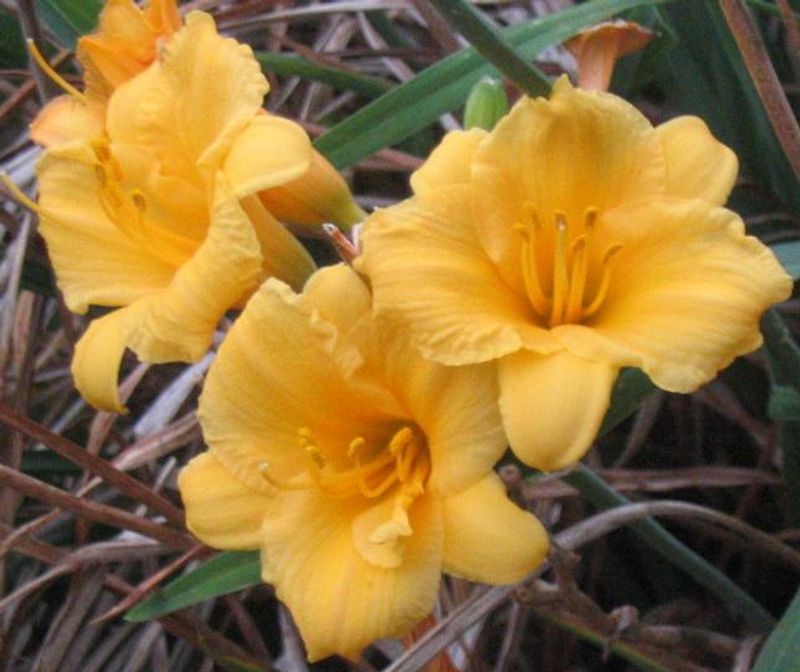
Compact size and repeat blooming make this one of the easiest ways to add long-lasting yellow near entries, sidewalks, and mailboxes. The grassy foliage stays tidy enough for formal spaces, while the flowers keep coming through much of summer in Pennsylvania gardens.
One bloom lasts only a day, yet the plant produces so many buds that the overall show feels continuous when conditions are decent. Give it six hours of sun, average moisture, and enough air flow, and you will usually see why homeowners keep returning to it.
This daylily shines in high-traffic spots because it tolerates heat, reflected light, and occasional neglect better than many fussier perennials. If your front bed gets baked beside a driveway, that resilience matters more than any catalog promise about rare color patterns.
Remove spent flower stalks to keep the clump polished, and divide every few years if blooming slows. Mixed with purple catmint or blue salvia, the rich golden flowers create the kind of clean contrast that looks intentional from spring cleanup until early fall.
Moonbeam Coreopsis
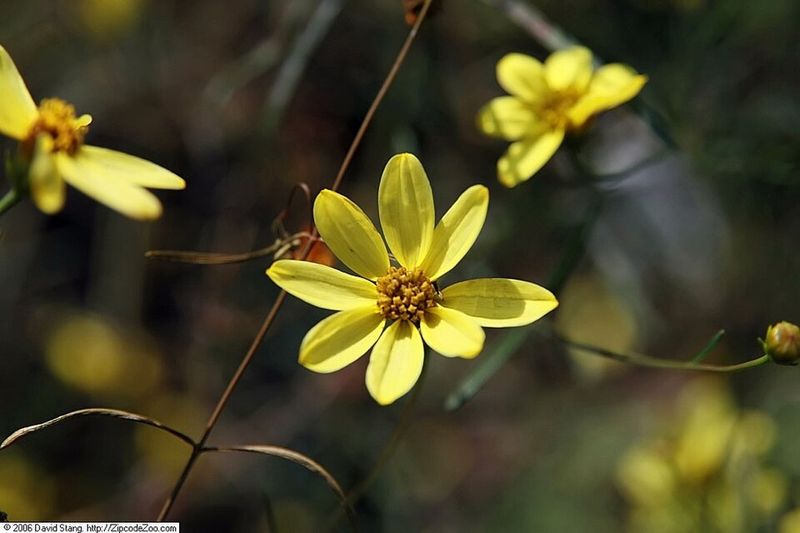
Soft yellow flowers and a lighter, more refined look give this perennial a different personality than bolder golden bloomers. It works especially well when you want a long season of color that does not overpower nearby pink, blue, or white flowers.
Pennsylvania gardeners often appreciate its mounded habit because it fills gaps neatly without swallowing neighboring plants. In full sun and well-drained soil, flowering can continue for weeks, and occasional shearing after the first heavy flush usually encourages a fresh round.
The foliage adds texture even when the plant is between bloom peaks, so beds never look empty or awkward. That matters in foundation plantings where every square foot needs to carry some visual weight across a long stretch of the growing season.
Keep an eye on drainage if your soil is clay based, since soggy winter conditions shorten its lifespan faster than summer stress does. Used near lavender, alliums, or low shrubs, this airy yellow performer gives you an easy, polished look that feels relaxed rather than rigid.
Yarrow
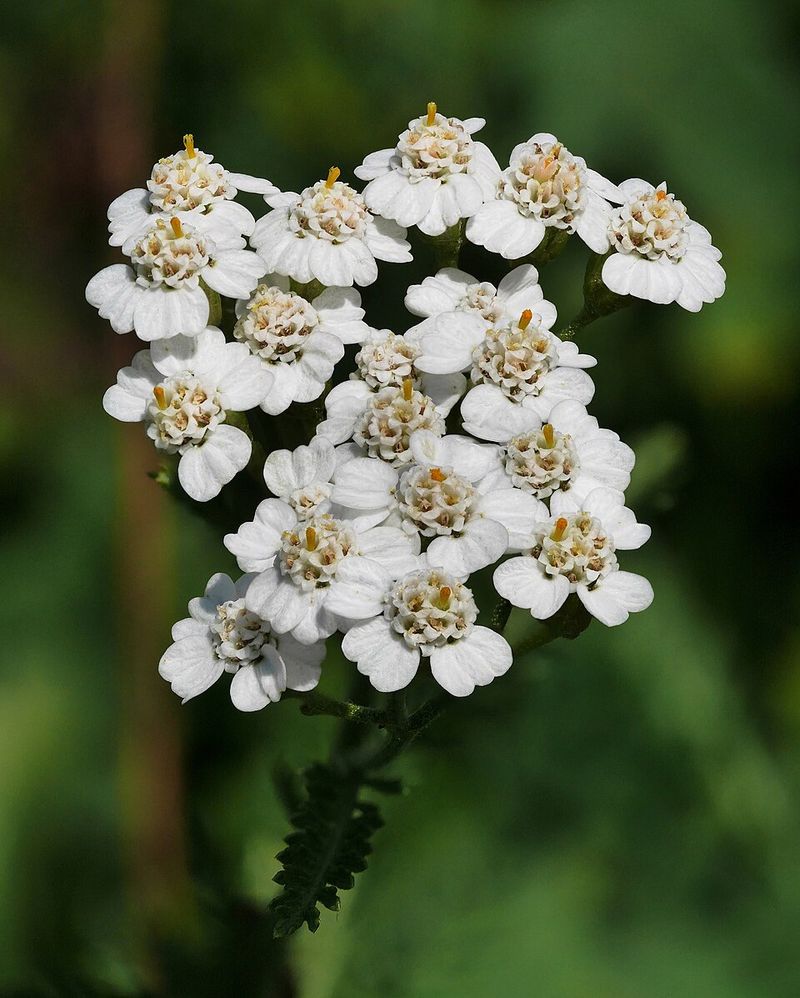
Flat clusters of golden flowers bring a strong horizontal shape that instantly changes the look of a sunny border. Instead of reading soft or floppy, this perennial adds structure, and that makes it useful in Pennsylvania landscapes where mixed plantings can quickly turn visually messy.
Dry, sunny spots suit it best, especially locations where irrigation is limited and soil drains well after summer storms. Once rooted, it handles heat admirably, and the ferny foliage stays attractive enough to carry the planting even when bloom cycles pause.
Cutting spent stems encourages another round, but many homeowners also leave a few flower heads for texture. In casual front yards, that slightly wild look pairs nicely with ornamental grasses, coneflowers, and blanket flowers without seeming neglected or overgrown.
Rich soil can make growth too floppy, so resist the urge to pamper it like a hungry annual. If your goal is dependable yellow from a plant that asks very little, this one rewards restraint and proves that a tougher perennial can still look thoughtful and beautifully placed.
False Sunflower
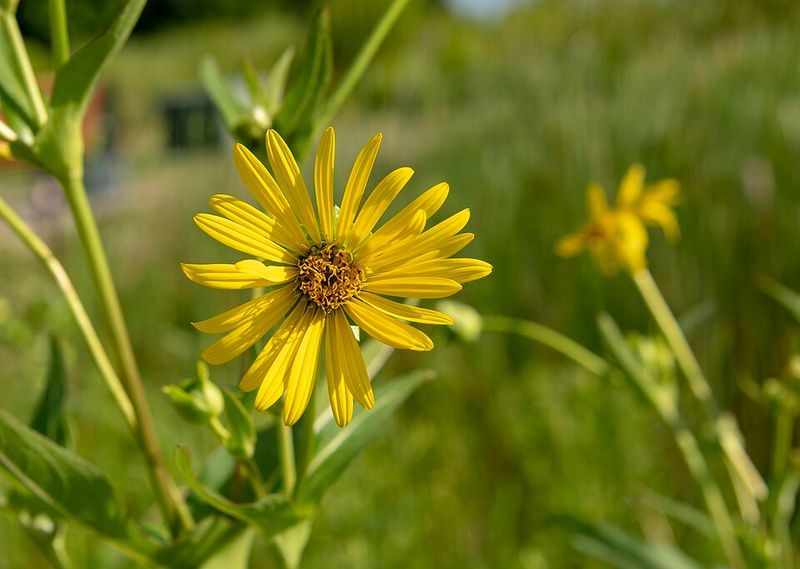
Height, strong stems, and clear yellow flowers make this perennial a smart choice when a border needs presence from midsummer into fall. It has the cheerful look of a sunflower but returns reliably, which is exactly why many Pennsylvania gardeners give it space.
Plant it where it gets ample sun and a bit of room to mature, because crowded stems do not show off its upright form well. Average garden soil is usually enough, and regular moisture during establishment helps create a clump that flowers generously for years.
The color reads beautifully against dark shrubs, fences, and evergreen backdrops, so it is useful in properties that need brightness near lot lines. Bees visit readily, and cut stems bring that same bold, happy look indoors when you want fresh color on the kitchen table.
Staking is rarely necessary with sturdier cultivars, though pinching in late spring can keep plants a little shorter in windy sites. Paired with asters or joe pye weed, this golden standout helps build the kind of layered Pennsylvania border that peaks right when outdoor living is best.
Golden Marguerite
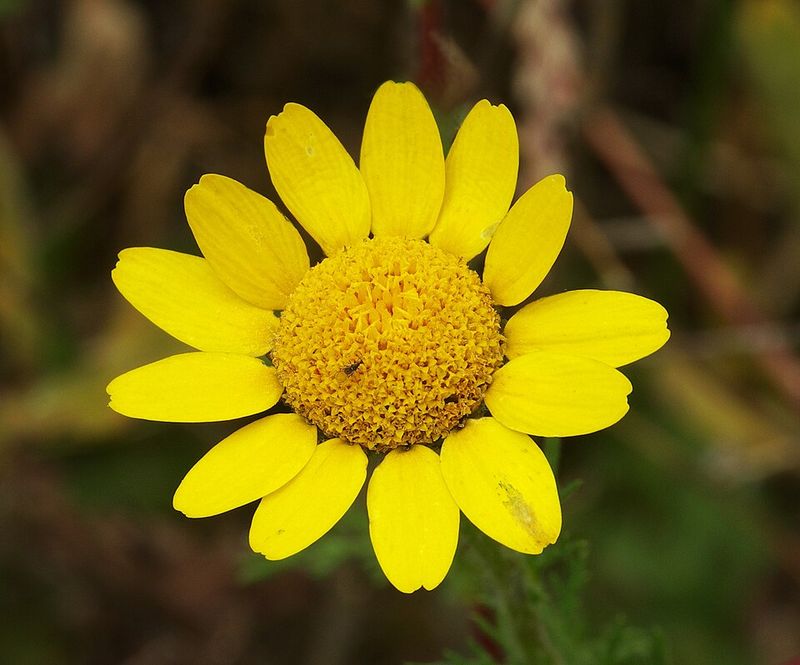
Bright daisy flowers and finely cut foliage give this perennial a crisp, fresh look that suits cottage gardens and cleaner modern beds alike. It brings a slightly herbal character to the border, and that texture helps yellow flowers feel more sophisticated than sugary.
Pennsylvania homeowners often succeed with it in full sun where drainage is sharp and winter moisture does not linger. If you shear the plant after its first heavy bloom, it often returns with a tidier shape and a second useful round of flowers.
The silver-green foliage is part of the appeal, especially when nearby plantings need contrast against darker leaves or heavier textures. Along walkways or patio edges, that lighter color catches evening light nicely and keeps the whole planting looking active after work hours.
Short-lived perennials can still earn their keep, and this is one of them if you divide or replace as needed. Think of it as a hardworking seasonal performer that bridges spring and summer beautifully while making surrounding blue salvias, catmint, and lavender look even richer.
Tickseed
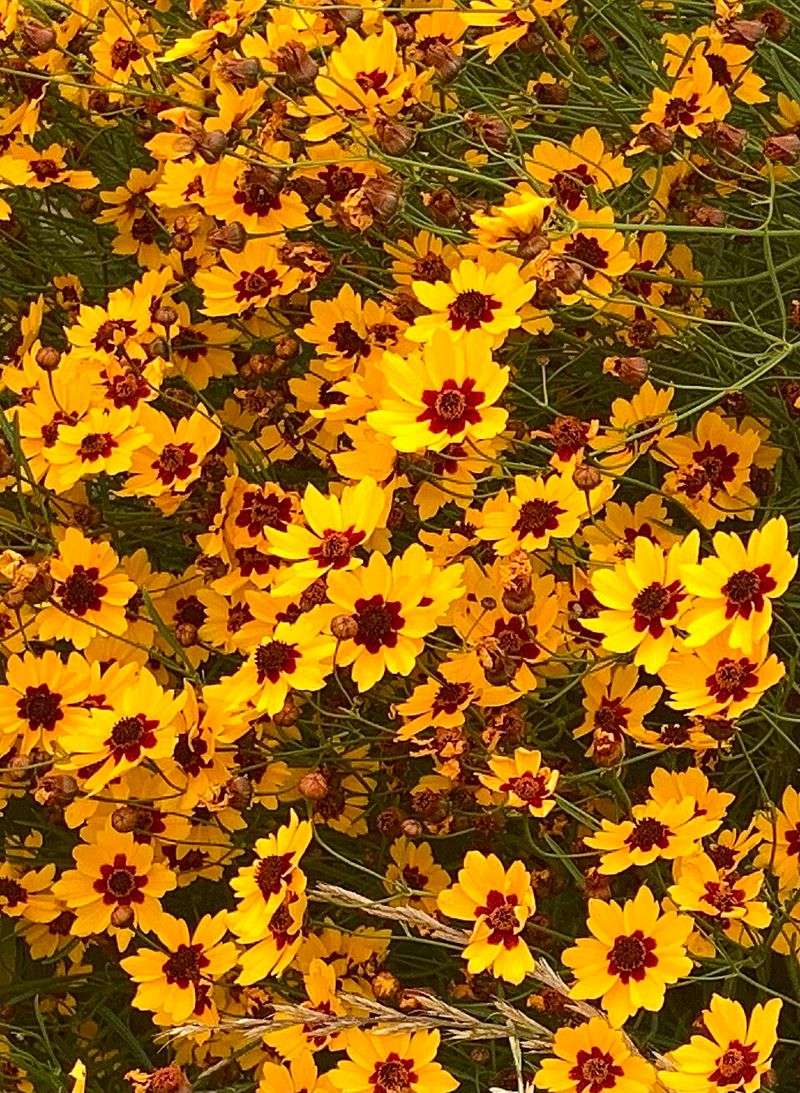
Some yellow perennials shine because they are dramatic, but this one wins by simply refusing to quit. Dense clumps covered in bright flowers hold a border together for weeks, which is why Pennsylvania gardeners often lean on it for dependable midsummer color.
Modern varieties vary in height and flower shape, yet most prefer full sun and soil that drains reasonably well after rain. Too much shade reduces bloom count, so use it where sunlight reaches the bed for most of the day, not just in the cooler morning hours.
Regular deadheading improves the display, though even lightly maintained plants often keep producing enough flowers to look worthwhile. In family yards where chores compete with weekend plans, that forgiving nature can matter more than a rare cultivar name on a nursery bench.
Try it near front steps, around a flagpole bed, or in long borders that need repeated yellow notes to connect separate plant groups. Combined with purple verbena, nepeta, or dark-leaved heuchera, it creates a clean color rhythm that keeps the entire garden feeling bright and intentional.
Butterfly Weed
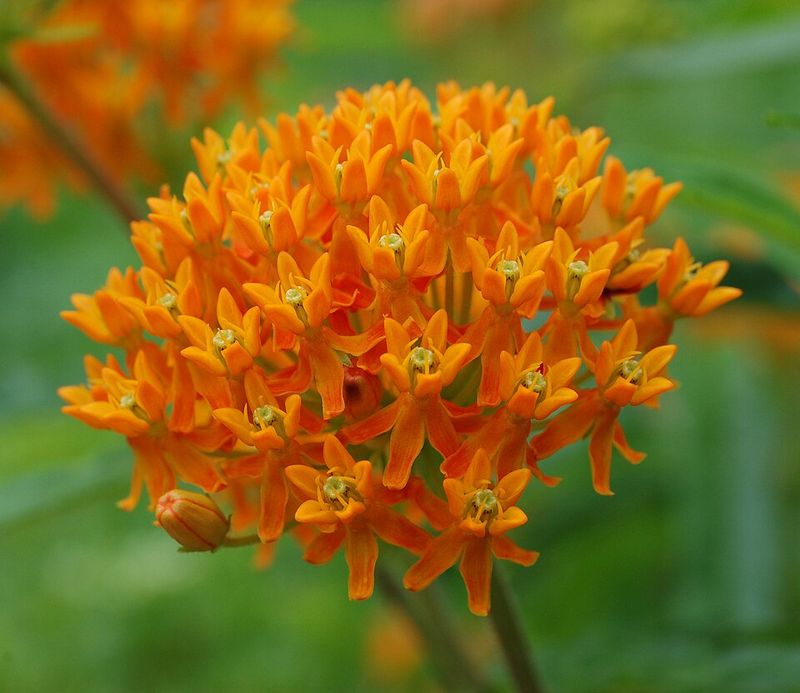
Golden-orange flower clusters bring more depth than plain yellow, and that richer tone looks especially good in Pennsylvania gardens during hot weather. Native roots also make this perennial practical, since it handles lean soil and dry conditions with an ease many showier plants cannot match.
Good drainage is essential, and full sun is nonnegotiable if you want sturdy growth and strong bloom production. Once established, deep roots help it ride through summer dry spells, though patience is important because young plants can be slower to size up.
Butterflies and other pollinators notice it quickly, so the bed feels active in a way that purely ornamental plantings sometimes miss. The upright habit fits nicely among shorter grasses, coreopsis, and echinacea, giving a border both color and a more natural rhythm.
Avoid moving mature plants if possible, because that long taproot prefers to stay put. If you want a golden perennial that supports wildlife, handles heat, and adds a native note without looking rough around the edges, this one quietly checks every important box.
Sundrops
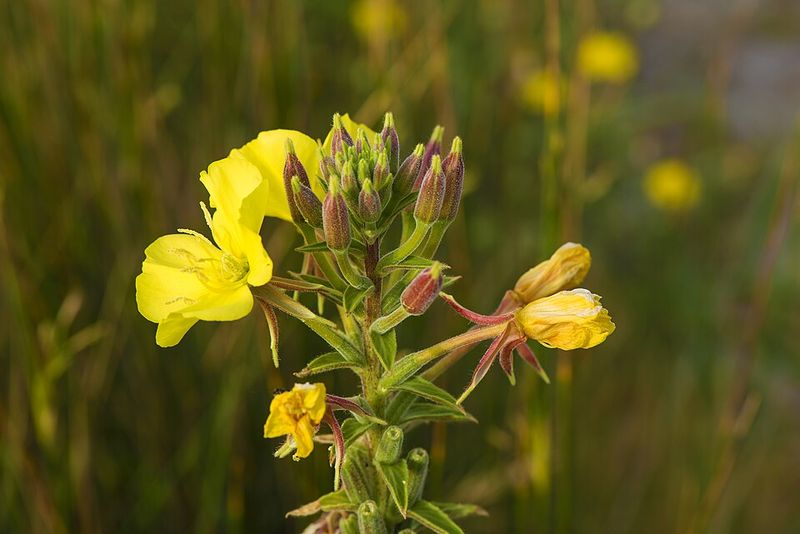
Low growth and vivid yellow flowers make this perennial a strong choice for the front of sunny borders and sloped beds. It brightens the garden without blocking views of taller plants, which helps smaller Pennsylvania yards feel layered instead of crowded.
Dry to average soil suits it well, and established plants handle heat better than many gardeners expect from such bright blooms. Full sun keeps flowering heavy and stems compact, while too much shade encourages looser growth that can look less intentional near paths.
Because it stays relatively manageable, you can tuck it into rock gardens, mailbox beds, and retaining wall edges where larger perennials would overwhelm the space. The flowers open with a clear, clean color that reads beautifully beside blue catmint, creeping phlox foliage, or gray stone.
Native plant gardeners value it for resilience, but even a more traditional landscape benefits from that toughness. If your site gets reflected heat, dries quickly, and still needs a cheerful yellow accent for weeks, this is one of the smartest understated choices you can make.
Yellow Coneflower
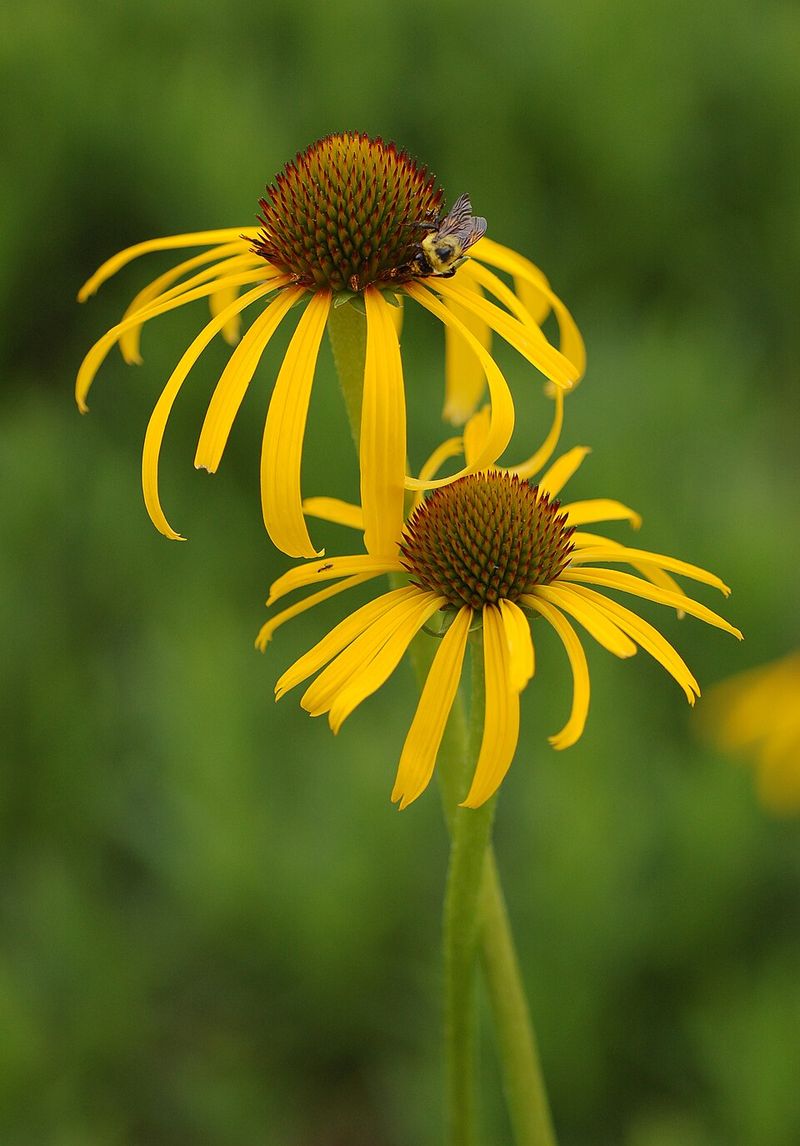
Tall stems topped with drooping golden petals create a looser, more natural look than many traditional border perennials. That shape fits beautifully in Pennsylvania plantings that borrow from meadow style design while still needing enough structure to look cared for.
Full sun is the key to strong stems and reliable flowering, especially in open spots where air circulation helps foliage stay healthy. It tolerates average soil well and often settles in nicely once roots establish, making it a useful long-term choice for less fussy gardens.
The flowers move gently in summer wind, adding motion that static shrubs simply cannot provide. Pollinators visit readily, and seed heads carry interest later, so the display keeps giving after peak bloom instead of collapsing into a forgettable patch of tired stems.
Use it behind shorter edging plants or alongside grasses to emphasize that relaxed vertical form. If your goal is long seasonal color with a native-friendly feel, this golden bloomer brings brightness, wildlife value, and a sense of place that feels right at home in Pennsylvania.