
10 White Perennials Shaping Elegant Massachusetts Coastal Garden Designs
Follow us on Google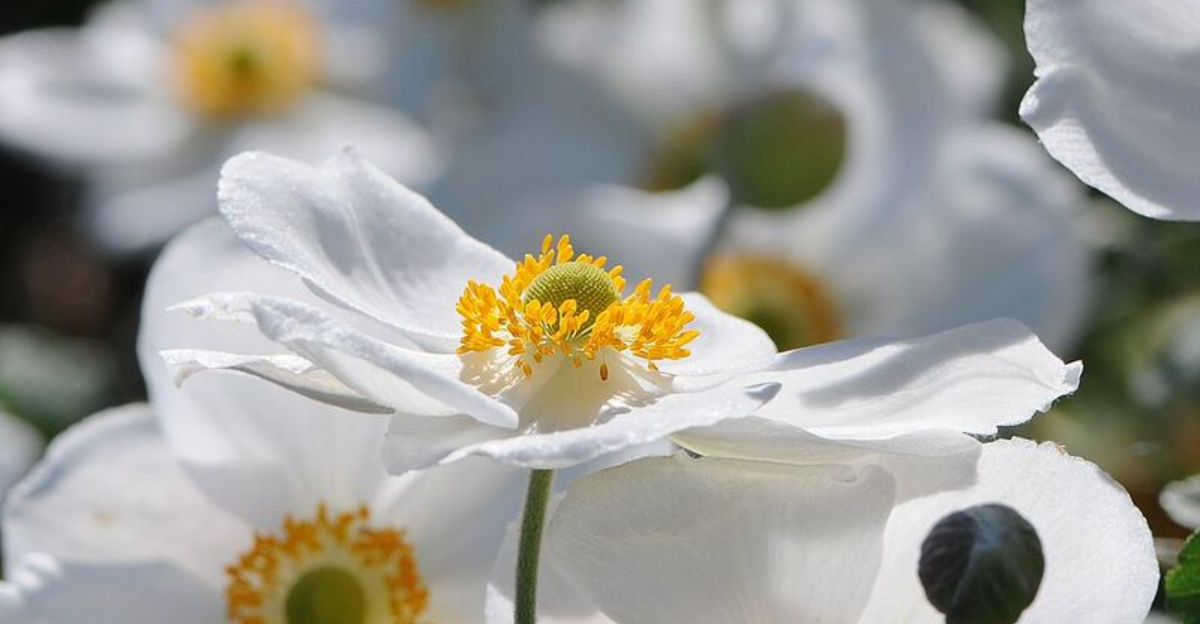
Along the Massachusetts coast, a garden has to do more than look pretty – it has to handle salt air, sandy soil, bright wind, and fast-changing weather. White perennials are especially effective here because they catch evening light, calm busy plantings, and give seaside landscapes a polished, timeless feel.
If you want a border that reads elegant instead of fussy, these dependable bloomers earn their place. Each one brings a different texture, bloom season, and design role, so you can build a garden that feels collected and intentional.
Shasta Daisy
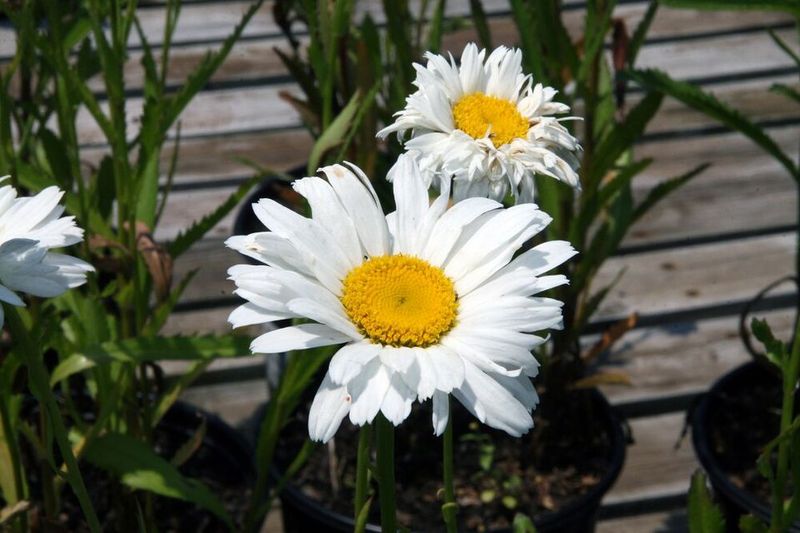
Few flowers give a coastal border that crisp, tailored look quite like white daisies. Against gray shingles, bluestone paths, and silvery seaside grasses, their clean petals read fresh instead of overly sweet.
You get strong summer color without asking the garden to feel crowded or formal.
In Massachusetts coastal conditions, this perennial performs best in full sun and well-drained soil. If your site holds winter moisture, mix in compost and grit before planting, because soggy crowns cause more trouble than salty air.
I like placing them in groups of five or seven so the white blooms feel intentional from the street.
Deadheading keeps the display neat and often stretches bloom time well into late summer. Their upright habit also pairs beautifully with lower mounds like candytuft or sea thrift, giving you a layered composition that still feels relaxed.
For an elegant scheme, repeat them near entry walks, mailbox beds, or a terrace edge where the flowers glow when evening fog rolls in.
White Garden Phlox
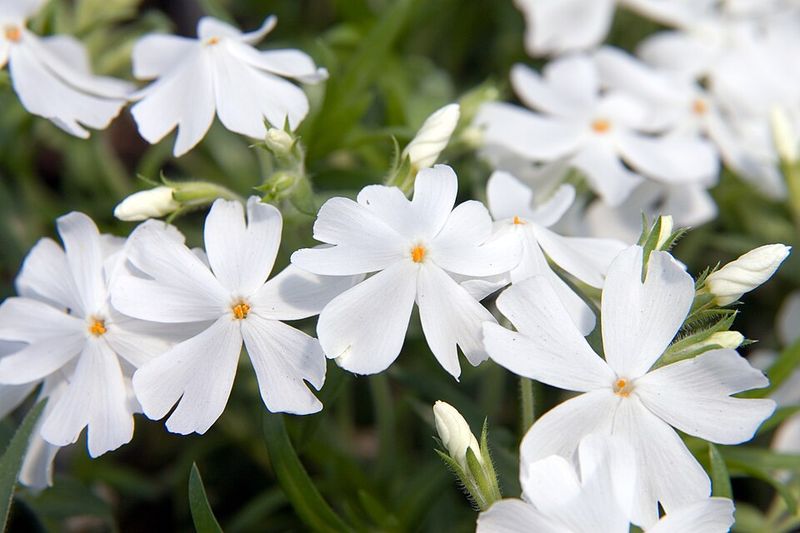
Height matters in a coastal garden, especially when you want structure without resorting to stiff hedging. Tall white phlox brings exactly that kind of vertical presence, lifting the eye above lower mounds and tying together a mixed border with easy grace.
The flowers also read beautifully at dusk, when many seaside gardens are at their most inviting.
You will get the strongest performance in full sun with decent air movement, which is useful near the shore where humidity can still encourage mildew. Look for resistant cultivars and avoid crowding them, since elegant planting starts with smart spacing.
A layer of mulch helps roots stay cool while keeping splashed sand from dirtying the lower foliage.
Because the bloom heads are generous, this plant works well beside finer textures like switchgrass, Russian sage, or nepeta, if you do not mind a touch of blue nearby. I especially like using it behind shorter white daisies and in front of shrubs, where it creates a soft column of color rather than a wall.
Cut a few stems for the house, and the border still looks full.
Candytuft
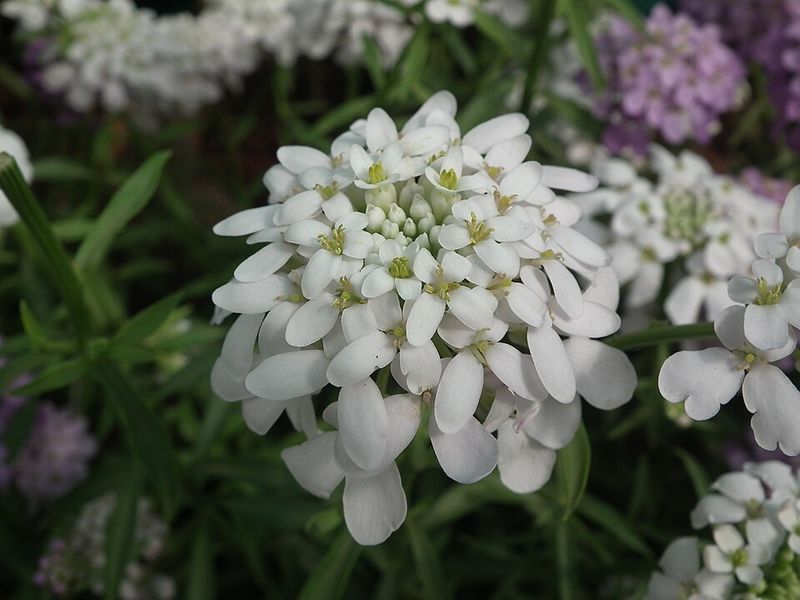
Low edging plants can make or break the polished look of a seaside garden, and candytuft is one of the neatest options you can choose. Its evergreen foliage stays tidy through much of the year, then spring flowers cover the mounds in bright white clusters.
That combination gives you structure first and bloom second, which is a smart formula for elegant design.
Because coastal Massachusetts sites often include sandy or sharply drained soil, this plant usually settles in happily once established. Full sun keeps growth compact, and too much shade tends to loosen the form.
I like tucking it along stone paths, in front of retaining walls, or at the lip of a raised bed where the flowers can spill slightly over the edge.
After flowering, a light trim helps maintain the cushion shape and prevents a woody center. You can pair it with sea thrift, dwarf boxwood, or small clumps of allium for a restrained palette that still feels layered.
If your goal is a garden that looks calm from April onward, this little perennial does an impressive amount of visual work without demanding attention.
Sea Thrift ‘Alba’
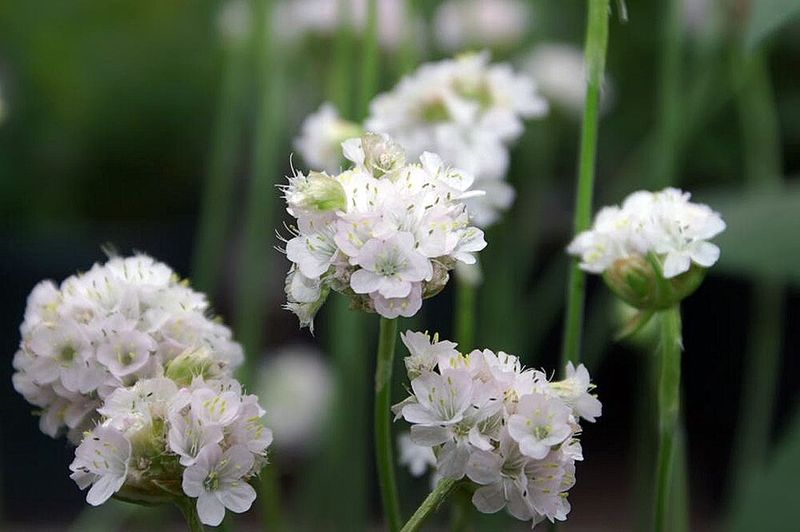
Some plants look as if they were made for the shoreline, and white sea thrift proves the point. Its compact grassy tufts and round flower heads feel crisp, airy, and perfectly at home near gravel, stone, and weathered wood.
The look is understated, which is often exactly what an elegant coastal design needs.
Since this perennial naturally prefers lean, well-drained conditions, it is a strong choice for exposed spots where richer border plants may sulk. You will have the best results in full sun and soil that never stays wet in winter.
Raised beds, rock gardens, and edges of shell or gravel paths are especially good placements because drainage stays sharp.
The white blooms float just above the foliage, giving you a clean punctuation mark rather than a heavy block of color. I like repeating small drifts along a front walk or mixing them with blue fescue and low sedums for a restrained palette that still has movement.
If your garden faces wind off the water, this is one of those practical but beautiful plants that quietly makes the whole composition feel more believable.
White Yarrow
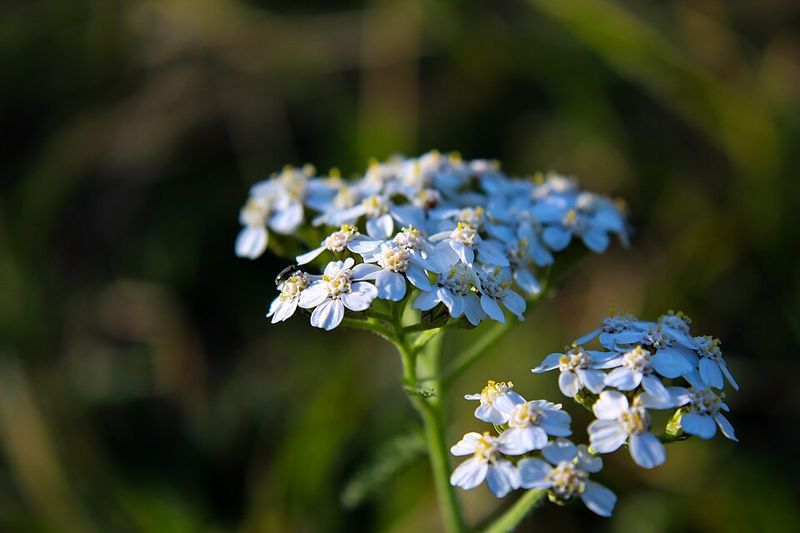
Flat flower heads can bring a garden together in a way rounded blooms never quite manage, and white yarrow does that with remarkable ease. Its airy clusters create a soft horizontal line that calms busy plant combinations and makes neighboring forms look more intentional.
In a coastal setting, that quiet structure feels sophisticated rather than showy.
This perennial appreciates full sun, modest soil, and good drainage, so many Massachusetts shore gardens are naturally suitable. Rich soil can make stems floppy, which is one reason I avoid pampering it.
If you keep the planting lean and bright, you are more likely to get sturdy growth that stands up to wind and summer dryness.
Use it to thread through roses, echinacea, catmint, or ornamental grasses, especially if you want the border to feel cohesive without relying on massed bloom. Cutting spent flowers often encourages another flush, and the foliage keeps contributing a feathery texture even between bloom cycles.
For a cleaner look, choose compact selections and place them where afternoon light catches the white umbels, because that glow can make an ordinary path edge feel thoughtfully designed.
Baptisia alba
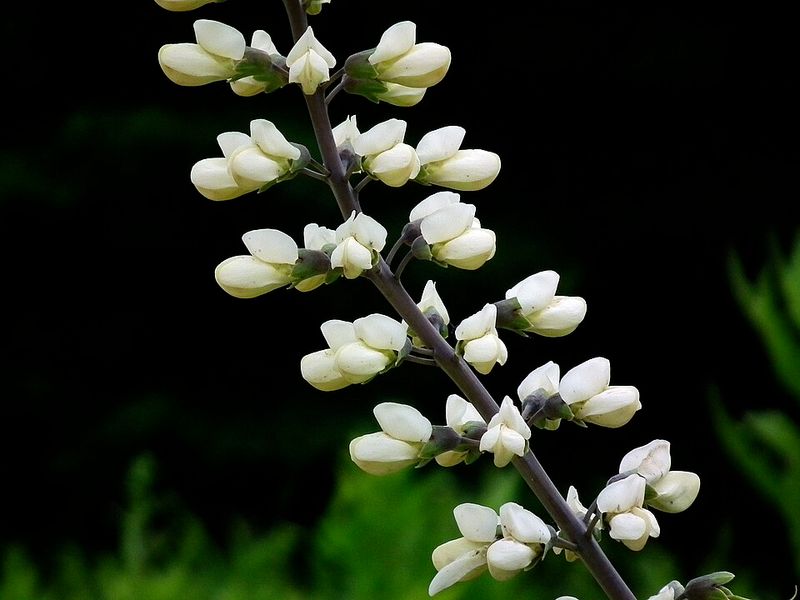
Strong bones matter in a border that has to look composed before and after bloom, and this native perennial delivers them. White false indigo rises in spring with a shrub-like presence, then sends up creamy spires that feel stately without becoming stiff.
The blue-green foliage stays handsome long after flowering, which gives your planting lasting discipline.
You should choose the site carefully because this is not a plant that enjoys moving once its roots settle in. Full sun and well-drained soil are essential, and the coastal climate suits it better than heavy inland clay.
I think of it as an anchor plant, something you build around rather than tuck in as an afterthought.
Because the mature clump becomes broad and rounded, it pairs well with finer grasses, low mounding perennials, and early bulbs that disappear beneath its summer canopy. The dark seed pods add another season of interest, especially in gardens that lean natural but still need elegance.
If you want a white perennial that feels substantial from May into fall, this one earns that premium real estate near a path junction, terrace corner, or sunny foundation bed.
White Japanese Anemone
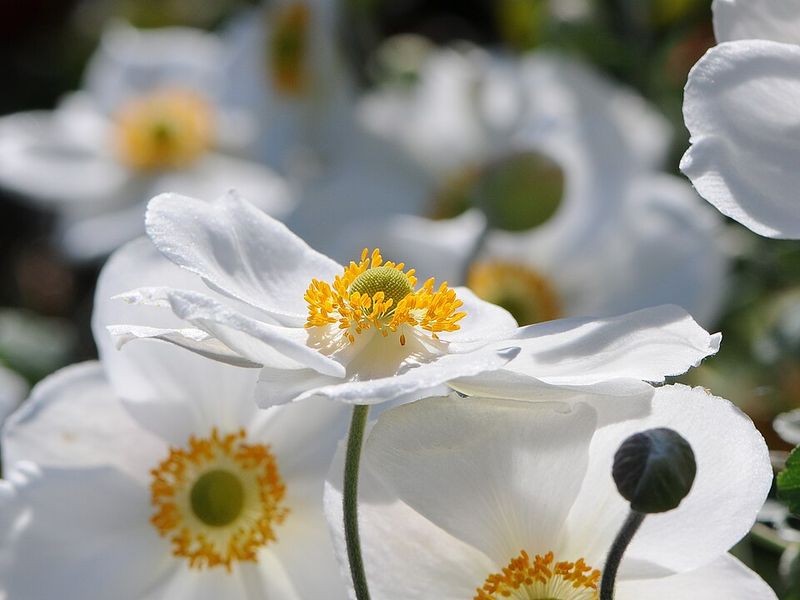
Late season beauty is where many coastal gardens lose momentum, but white Japanese anemones step in at exactly the right moment. Their blooms hover on wiry stems with a lightness that feels effortless beside heavier summer plantings.
When the air turns cooler and the sun sits lower, the flowers seem to catch every bit of available light.
Partial sun or bright shade suits them best, especially in gardens where afternoon exposure can be intense and drying. They prefer soil with some organic matter, so I usually amend sandy ground before planting and mulch lightly to hold moisture.
Give them room, because happy clumps slowly spread and can become one of the most graceful drifts in the garden.
These flowers look especially good near hydrangeas, hostas, ferns, or dark-leaved heucheras, where the white petals stand out cleanly. In a coastal Massachusetts design, I like using them near seating areas or along a side path that gets noticed in late summer and early fall.
Their motion in the breeze adds softness, which helps a garden feel settled and elegant rather than overly designed.
White Astilbe
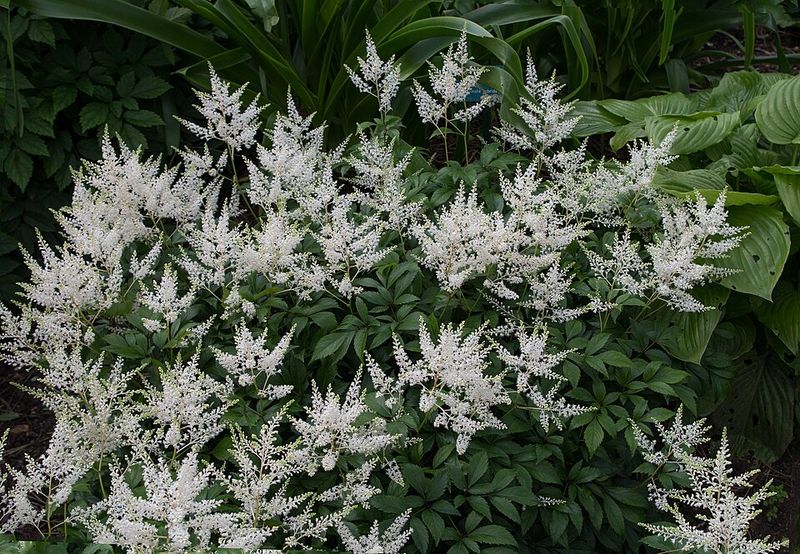
Not every coastal garden is blazing sun, and those shadier corners deserve as much refinement as the bright front border. White astilbe brings feathery plumes that brighten dim spots without making them feel flashy or artificial.
The flower texture is especially useful when you need contrast against broad hosta leaves or glossy shrubs.
Consistent moisture is the key here, so this perennial fits best where irrigation is possible or soil naturally stays cooler. You can still grow it near the Massachusetts coast, but dry sandy beds will need compost and regular watering to keep the foliage fresh.
I often reserve it for east-facing foundations, sheltered courtyard gardens, or borders protected from the harshest wind.
Because the blooms rise above compact foliage, astilbe creates an easy layered effect in part shade. Pair it with white hellebores, variegated sedges, or Japanese painted fern if you want a quiet palette with depth.
The spent plumes can even be left for a while if you enjoy their faded texture, though trimming them keeps the scene crisper in formal spaces where every detail matters.
White Coneflower
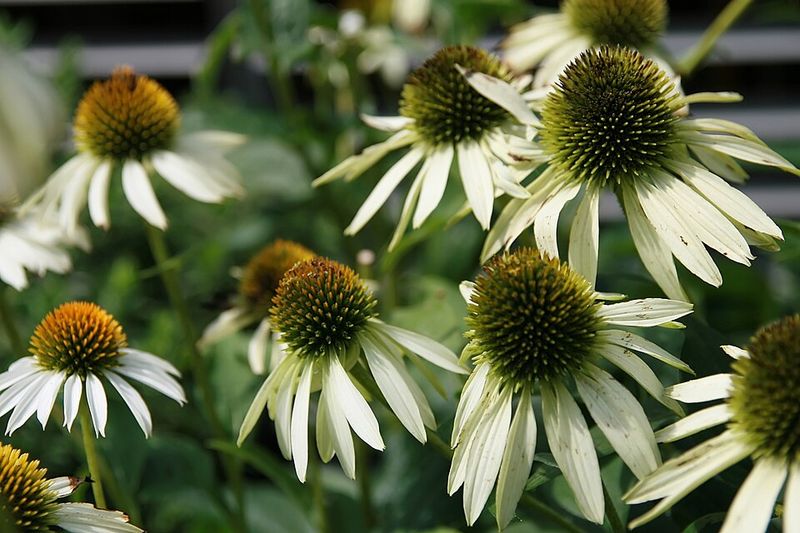
A white coneflower can give a seaside border a more contemporary feel than pink forms often do. The crisp petals and prominent centers bring clarity to mixed plantings, especially when nearby foliage leans blue, silver, or deep green.
You still get that relaxed meadow character, but the color choice keeps things tailored.
Sunny exposure and decent drainage are the priorities, and established plants usually handle coastal dryness better than many people expect. In the first season, regular watering helps roots settle before the summer heat and wind test them.
I like planting them in repeating groups instead of single dots, because rhythm matters when you want the border to read as designed.
The flowers are excellent with panicum, nepeta, salvias, and white phlox, creating a layered summer display that also supports pollinators. Leave some seed heads standing into fall if birds visit your garden, though you can deadhead earlier for a tidier look.
For Massachusetts coastal properties where you need beauty, resilience, and a hint of wildness kept under control, this perennial threads that needle very well.
White Hellebore
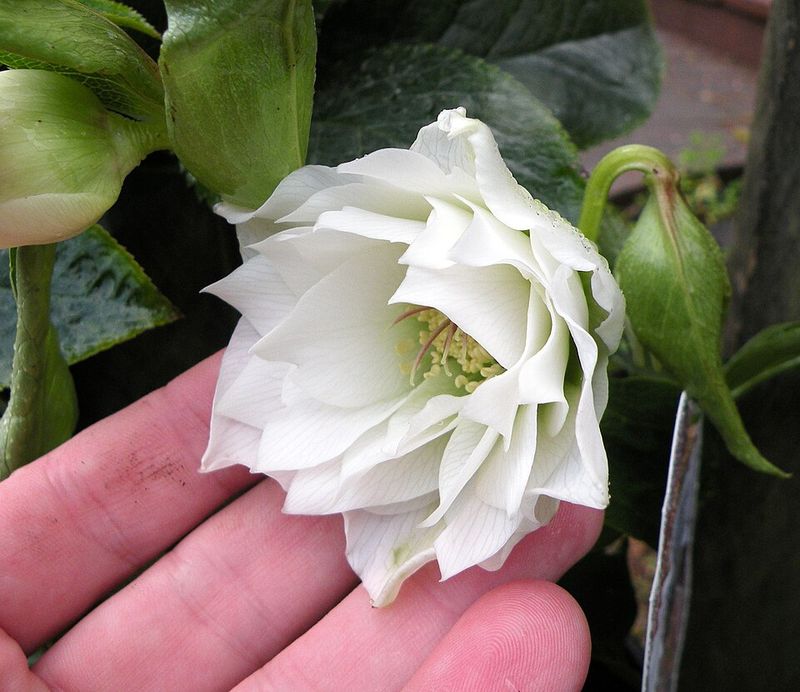
Early spring along the coast can feel bare for longer than you want, which is why white hellebores are so valuable. Their nodding blooms arrive when the garden still looks sleepy, adding exactly the kind of quiet sophistication that suits a New England setting.
The evergreen foliage also gives beds substance through much of the year.
These plants prefer partial shade and soil improved with compost, making them ideal beneath deciduous shrubs or along protected foundation beds. Good drainage is still important, especially through winter, but they appreciate more moisture than drought lovers like sea thrift or yarrow.
I find they are especially effective where you pass close by, since the flowers deserve a nearer look than a distant border allows.
Pair them with snowdrops, early daffodils, epimedium, or small ferns for a restrained spring picture that feels collected instead of busy. Removing old foliage before the buds open keeps the blooms visible and reduces the tired look that winter leaves can bring.
If your coastal design needs elegance before most perennials even wake up, this is one of the smartest white flowering choices you can plant.