
11 Pink Perennials Massachusetts Gardeners Use For Soft Spring Color Layers
Follow us on Google
A Massachusetts spring garden feels richer when pink perennials bloom in gentle waves instead of one quick burst. The best combinations start low, rise through the middle, and finish with airy flowers that soften paths, beds, and foundations.
If you want that layered look without guessing which plants can handle New England weather, these reliable favorites make planning much easier. Each one adds a different shade, height, and bloom moment so your garden reads as thoughtful from April into early summer.
Creeping Phlox
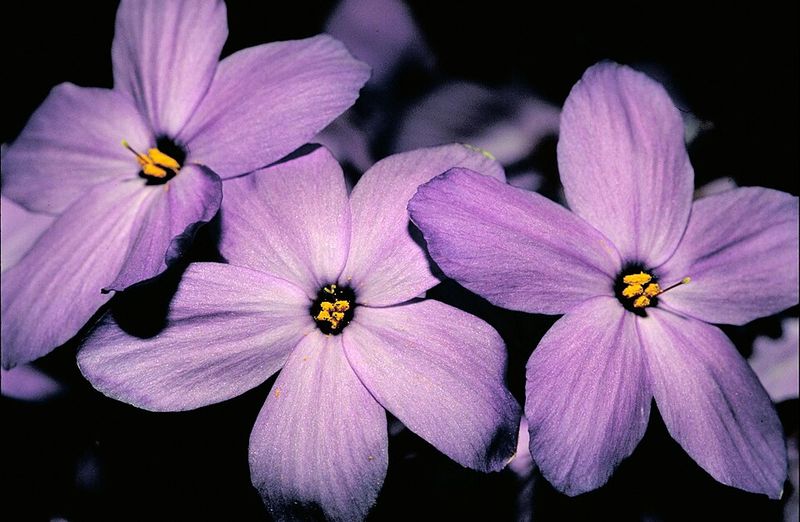
Right at the front of a border, this mat-forming perennial gives you the kind of soft pink sweep that makes every other plant look more intentional. In Massachusetts, it usually starts putting on its biggest show in mid to late spring, right when gardens need color after a long gray stretch.
The blooms sit so densely over the foliage that you barely notice the leaves at peak flowering.
You will get the best effect by tucking it along stone edging, at the lip of a retaining wall, or near a walkway where the flowers can spill naturally. Full sun matters here, especially in New England, because too much shade reduces bloom count and can leave the growth looking thin.
Good drainage also keeps winter damage from becoming a recurring headache.
Soft pink selections pair beautifully with tulips, dwarf daffodils, and early heuchera, giving you that layered spring look without much effort. After flowering, a light trim helps keep the mound tidy and encourages dense growth instead of woody centers.
That one quick haircut also keeps it from looking tired once the main show passes.
If your garden leans formal, this plant neatens the edge. If your space feels casual, it relaxes hard lines beautifully.
Bleeding Heart
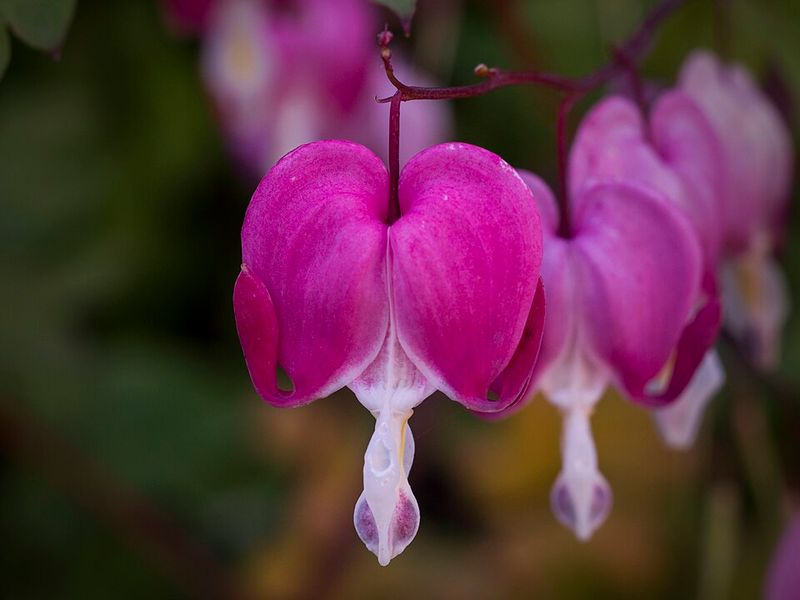
Few spring flowers create a softer mood than the dangling pink blooms of this old garden favorite. The arching stems have a graceful shape that instantly loosens up rigid planting lines, which is especially helpful near foundations, fences, or narrow side yards.
In Massachusetts gardens, it usually shines in late spring when woodland edges begin filling out.
Part shade suits it best, especially with protection from the hottest afternoon sun. Rich soil with steady moisture keeps the foliage looking fresh longer, though the plant may still go dormant by summer if heat arrives fast.
That is not a failure, so it helps to plant later-emerging companions nearby to cover the gap.
Hostas, ferns, brunnera, and astilbe all work well around it, creating a layered sequence instead of a bare patch after bloom time passes. Pink forms feel especially useful when you want color in shade without the sharper energy of red or orange.
They read as gentle and established, like a garden that has been loved for years.
A sheltered bed near a porch or path lets you actually notice the pendant flowers up close. Seen at eye level, they feel surprisingly delicate and memorable.
Pink Hellebore
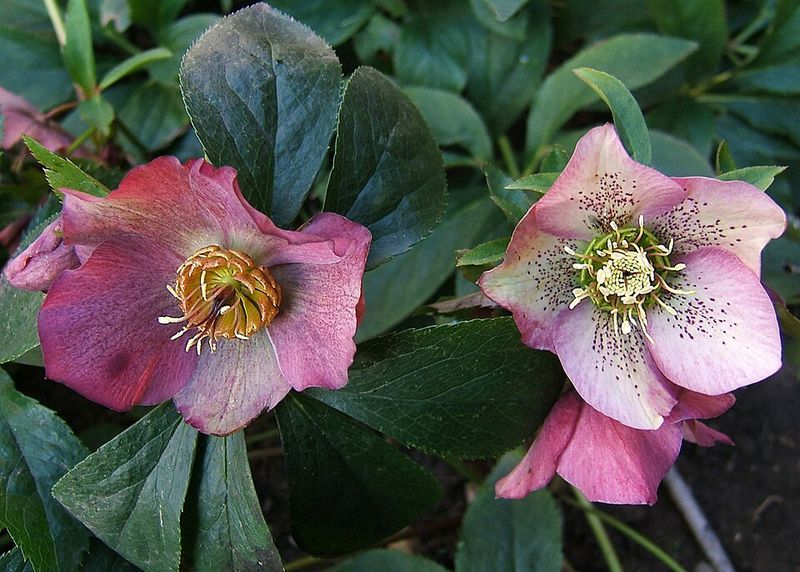
Just when Massachusetts yards still look sleepy, this perennial starts opening elegant pink flowers that seem almost unfazed by cold. That timing alone makes it valuable, but the leathery evergreen foliage gives it structure long after many spring bloomers fade.
In a layered border, it acts like an anchor that carries visual weight through multiple seasons.
Morning sun with afternoon shade tends to produce the best balance of bloom and leaf quality. It appreciates soil enriched with compost and decent drainage, especially during winter freeze-thaw cycles that can stress crowns.
Once established, it is far less needy than its refined flowers suggest.
Dusty rose and blush selections combine beautifully with snowdrops, early daffodils, and pulmonaria, creating a calm palette instead of a loud one. Because the blooms nod downward, planting it on a slight slope or raised bed makes the flowers easier to enjoy.
That small placement decision changes the experience a lot.
Old foliage can look rough by late winter, so cutting it back before the flower stems rise keeps everything cleaner. You end up highlighting the blooms instead of letting weathered leaves steal attention.
For gardeners trying to build soft spring layers from the ground up, this plant earns its space very quickly.
Bergenia
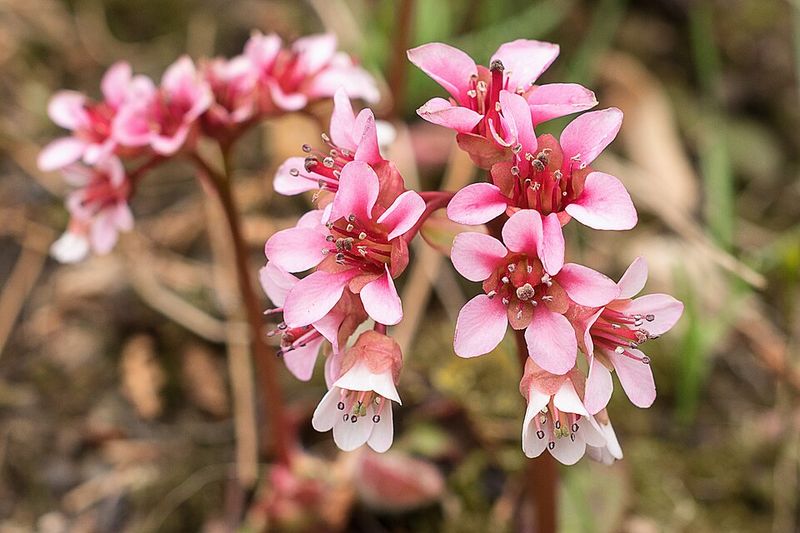
Thick glossy leaves and upright clusters of pink flowers give this perennial a sturdier look than many spring bloomers, which is exactly why it layers so well. The flowers arrive in spring, but the bold foliage keeps working through the rest of the year.
In Massachusetts, that durability matters when you want a border to hold shape between bloom cycles.
It handles part shade beautifully and can also take more sun if the soil does not dry out too fast. The leaves often bronze or redden in colder weather, adding another subtle season of interest after the flowers are gone.
That means you are not dedicating space to a one-moment plant.
Use it at the front or middle of a bed where its rounded leaves can contrast with finer textures like ferns, Siberian iris, or daffodil foliage. Pink cultivars look especially nice beside pale blue spring flowers and silver-toned leaves.
The effect feels soft but grounded rather than sugary.
Clumps slowly expand, making it useful for edging a path or filling the base of shrubs without becoming unruly. Removing tired flower stalks after bloom keeps it neat, and dividing every few years refreshes vigor.
If your spring garden needs a broad-leaved counterpoint to airy flowers, this one does the job quietly and well.
Pulmonaria
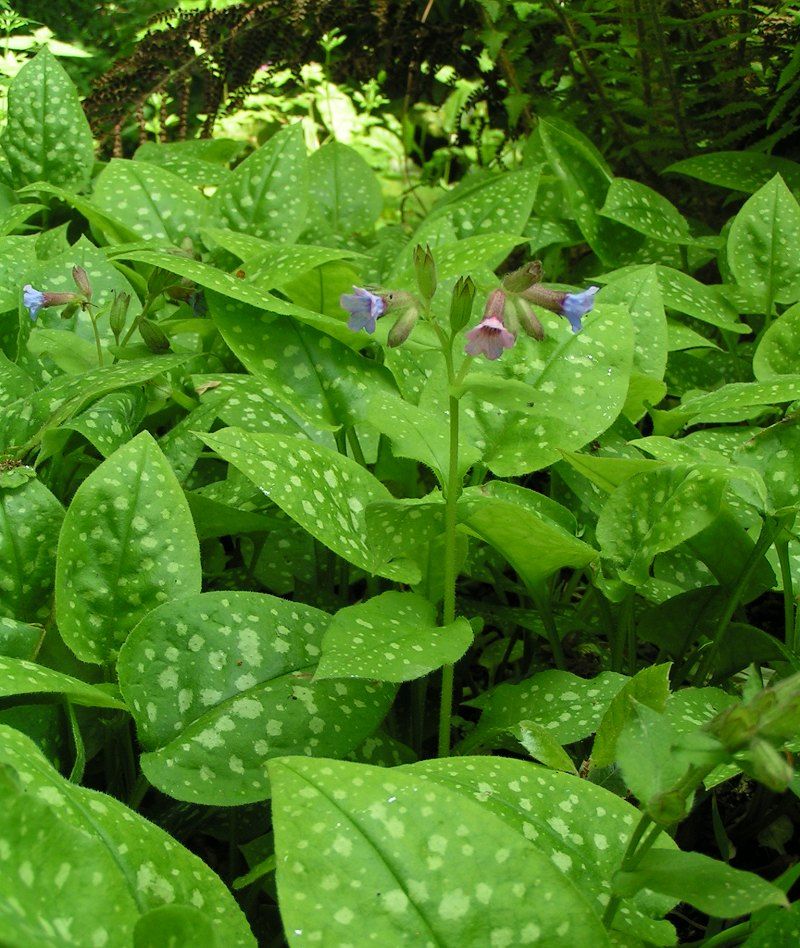
In shady Massachusetts gardens, this plant earns attention long before summer color arrives. The pink buds and newly opened flowers glow against silver-speckled leaves, creating contrast that reads bright even on cloudy spring days.
Because the foliage stays attractive after bloom, it helps keep lower planting layers from collapsing visually.
Moist, humus-rich soil is the sweet spot, especially under deciduous trees where spring sun reaches the ground before the canopy thickens. Afternoon shade keeps the leaves looking better as temperatures rise.
If the site gets too dry, the plant may survive, but it will not look nearly as polished.
Pairing it with hellebores, bleeding hearts, and small daffodils gives you a sequence of pinks, creams, and blues that feels natural rather than forced. The spotted leaves also help bridge bolder textures, making nearby plants look more intentionally grouped.
That is useful if your border tends to feel busy in spring.
After flowering, remove ratty stems and give it a little water during dry spells to encourage a fresh mound. It is not flashy from a distance, but close to a path or entry, the detail is hard to beat.
For soft color layers in shade, it is one of the smartest choices you can make.
Woodland Phlox
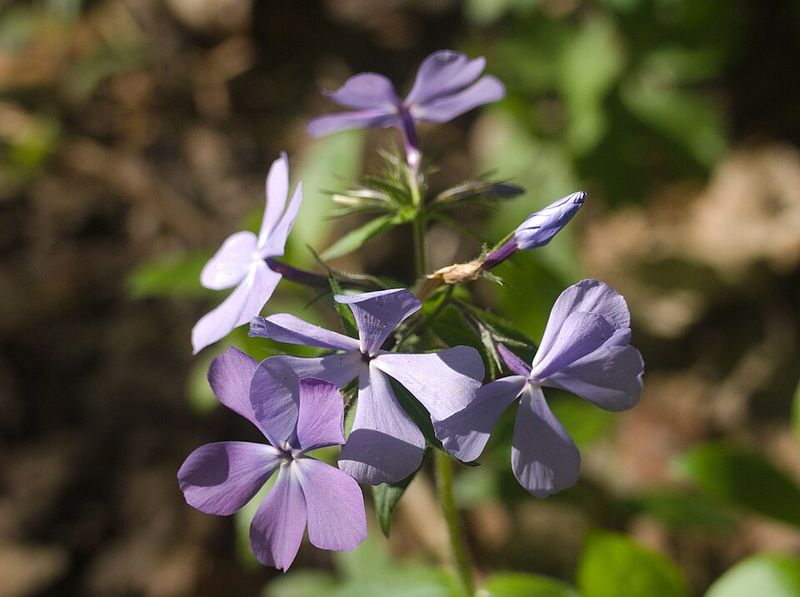
There is something especially easygoing about this native-leaning spring bloomer when it settles into light shade and starts knitting through the garden. The clusters of pale pink flowers float just above the foliage, creating a soft haze instead of a solid block of color.
That airy habit makes it perfect for blending bulbs, ferns, and emerging summer perennials.
Massachusetts gardeners usually get the best results in part shade with evenly moist, well-amended soil. It can handle more sun in cooler spots, but scorching exposure often shortens the bloom period and dulls the foliage.
A woodland edge or open shade near shrubs is usually a safer bet.
Unlike creeping phlox, this one behaves more like a gentle filler in the middle layer, so it helps connect shorter groundcovers to taller late-spring flowers. The pink forms are subtle enough to pair with almost anything, especially white narcissus, blue brunnera, and soft green hosta shoots.
That flexibility makes design decisions much easier.
Cutting plants back lightly after flowering can keep them tidier and may encourage denser growth. Over time, it forms pleasant colonies without feeling aggressive in a well-managed bed.
If your goal is a garden that looks settled and lightly romantic in spring, this plant contributes exactly that mood.
Peony
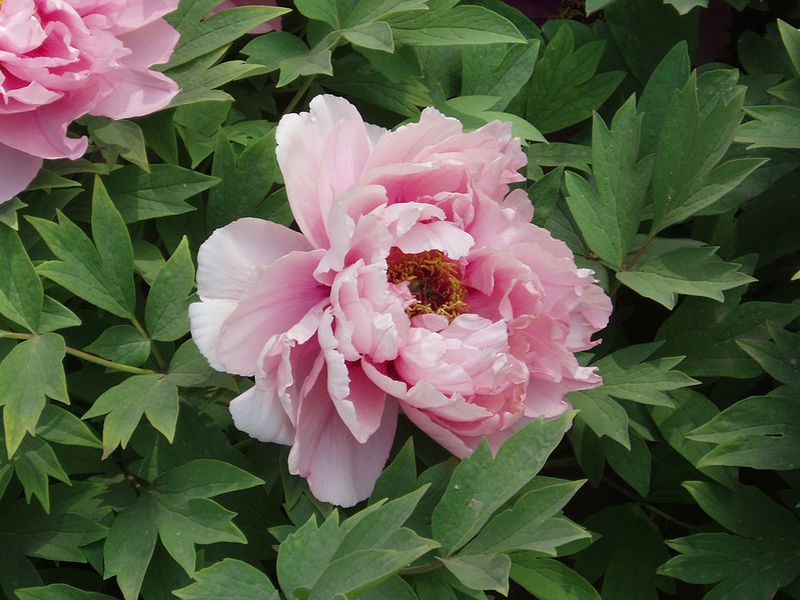
By late spring, these big pink flowers bring a fuller, more luxurious layer to the garden just as many early bloomers begin winding down. The mounded foliage stays handsome for months, so the plant continues contributing structure after the petals fall.
In Massachusetts, peonies are often one of the most anticipated moments of the season for good reason.
They need full sun for the strongest bloom set, though a little afternoon shade can help flowers last longer in warmer inland spots. Good air circulation matters because humid weather can encourage foliar issues, and deeply shaded corners usually lead to disappointment.
Planting eyes too deep is another common mistake that delays or reduces flowering.
Soft pink varieties fit beautifully into layered borders because they can read formal or relaxed depending on what surrounds them. Try them with alliums, lady’s mantle, salvia, or nepeta so the bed still feels active when bloom time ends.
Support rings are also worth using early, before the stems flop after heavy rain.
One established clump can anchor a planting scheme for years without asking much beyond patience. Ants on the buds are normal and harmless, so there is no need to panic when you see them.
If you want spring color that feels substantial instead of fleeting, this perennial delivers every time.
Pasque Flower
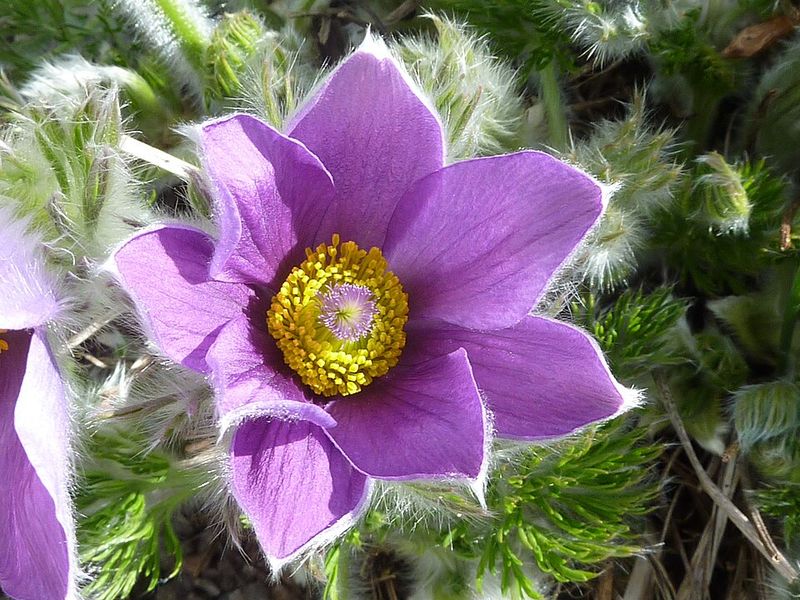
Early spring can still feel sparse in Massachusetts, which is why this compact perennial is so satisfying when its silky pink flowers appear. The blooms sit low but noticeable, especially against gravel, stone, or dark mulch where their color reads clearly.
Even after flowering, the feathery seed heads and ferny foliage keep the plant interesting.
Sharp drainage is the real priority here, more important than rich soil or heavy feeding. A sunny slope, rock garden, or raised bed usually suits it better than a flat area that stays wet after snowmelt.
Once planted in the right spot, it often performs with very little fuss.
Because it stays petite, it works best in the front layer where those details can actually be appreciated. Pair it with creeping phlox, dwarf iris, or early species tulips for a nuanced spring palette that feels collected rather than crowded.
The pink tones are usually clear but soft, not neon, which helps them fit into mixed borders.
It does not like being disturbed, so choose the location carefully and resist frequent transplanting. Gardeners who enjoy close-up seasonal changes tend to love this one because every stage has charm.
For a small-space perennial that contributes both flower and texture early, it punches well above its size.
Dianthus
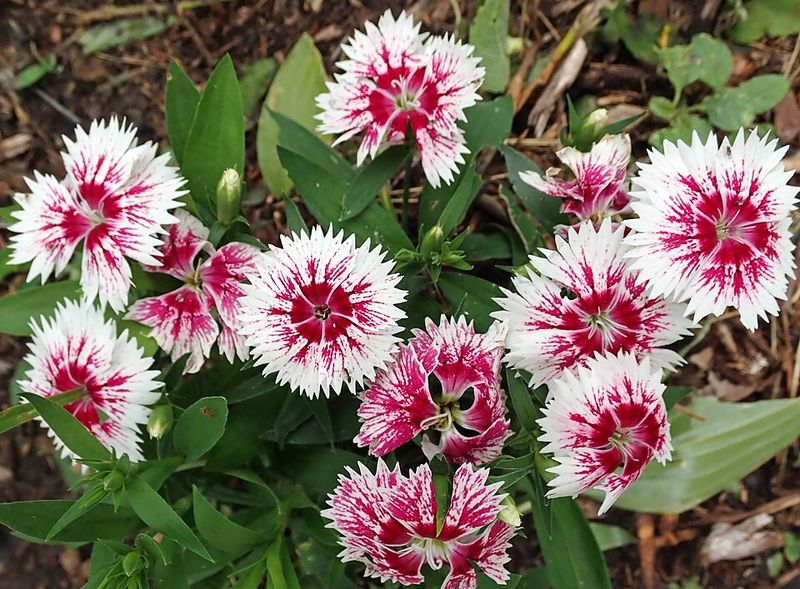
That classic clove scent and tidy blue-green foliage make this perennial especially useful when you want spring borders to feel polished close to paths and patios. Pink flowers rise just enough above the mound to add color without blocking neighboring plants.
In Massachusetts gardens, many varieties bloom in late spring and may repeat lightly if you keep them groomed.
Full sun and sharp drainage matter more than rich soil, which makes it a smart choice for edging, gravelly beds, and raised borders. Wet winter soil is often more damaging than summer dryness, so avoid tucking it into heavy, soggy spots.
A little air circulation also helps keep the foliage clean.
The compact habit makes it ideal for the front layer, especially paired with tulips, peonies, or low salvias. Soft pink selections can bridge stronger flower colors and keep a mixed border from feeling disjointed.
That is useful if you already have spring bulbs in several shades and need a calmer connector plant.
Deadheading is worth the effort because it extends the neat look and often encourages more bloom. Some gardeners overlook it because it seems familiar, but good cultivars are still incredibly effective.
When you want a refined pink edge that does not sprawl or disappear after bloom, this one remains a dependable favorite.
Geranium sanguineum
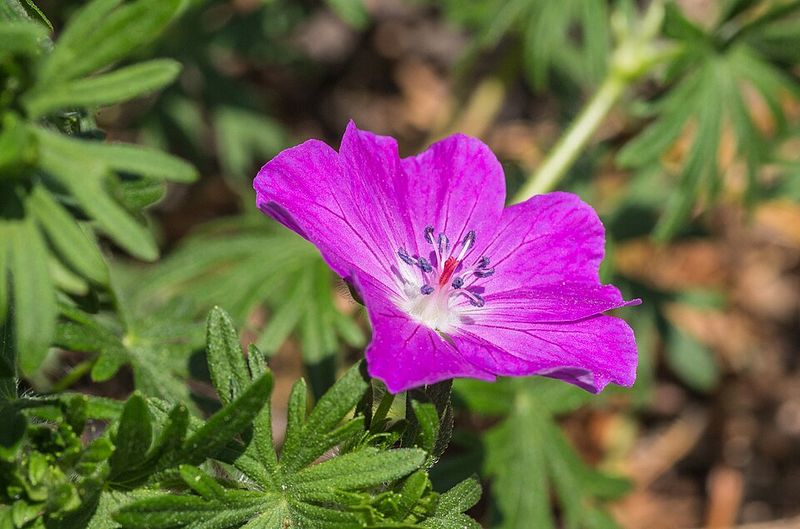
Hardy geraniums bring a softer, looser look than many compact border plants, and the pink forms are especially helpful in spring transitions. This species forms a low rounded mound that fills space neatly without reading stiff or formal.
In Massachusetts, it often begins flowering in late spring and can keep contributing color into summer.
Sun to light shade works well, and average garden soil is usually enough as long as drainage is decent. Once established, it handles ordinary conditions with less fuss than many gardeners expect.
That resilience makes it useful in mixed borders where not every plant can receive perfect attention.
The pink flowers are not oversized, which is part of their charm in layered plantings. They weave well among peonies, lady’s mantle, salvia, and alliums, softening stronger shapes and colors without disappearing.
The deeply cut foliage also gives you texture that stays attractive long after peak bloom.
If the plant starts looking tired after its first flush, a light shear can bring on fresh leaves and often another round of flowers. It spreads politely, so it can edge a bed or spill slightly between larger clumps without causing regret later.
For gardeners who want an adaptable middle-to-front layer in a pink spring scheme, it is a very practical choice.
Astilbe
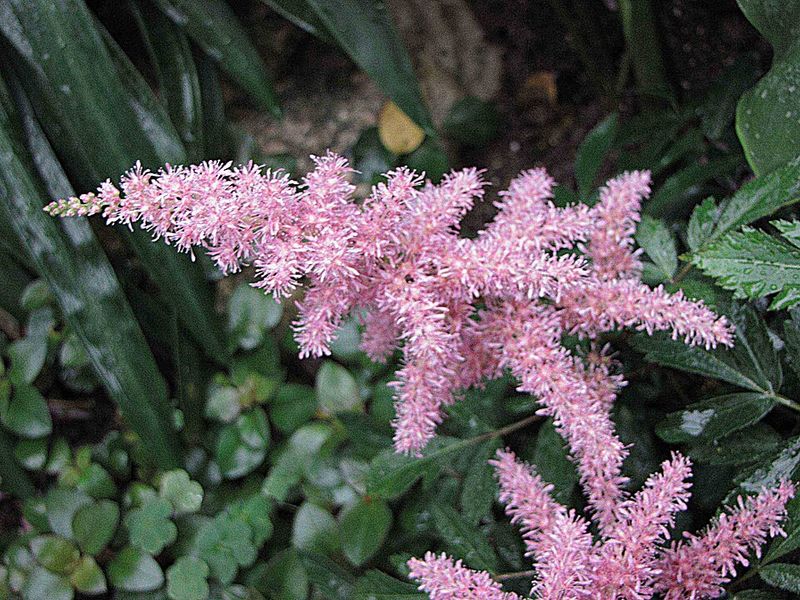
By the time early spring flowers begin fading, these feathery pink plumes step in and keep the garden from losing momentum. The texture is lighter than peonies or bergenia, so it adds an airy middle or back layer that helps a border feel finished.
In Massachusetts, astilbe bridges spring into early summer particularly well in shadier spaces.
Consistent moisture is the key to getting the best show. Rich soil and part shade suit it perfectly, though morning sun is usually fine if the ground does not dry out quickly.
In hot, exposed spots, the foliage can crisp and the flowers fade faster than you would like.
Pink cultivars range from pale blush to stronger rose, which makes matching them to your palette fairly easy. They look wonderful with hostas, ferns, brunnera, and bleeding hearts, especially when you want layered softness rather than bold contrast.
The plumes also make nearby broad leaves appear even more dramatic.
Leaving spent flower heads for a while can add texture, but trimming them keeps the planting cleaner if you prefer a tidier look. A yearly topdressing of compost helps maintain vigor and moisture retention.
If your Massachusetts garden has a damp, lightly shaded bed that feels flat in spring, this perennial can pull the whole composition together beautifully.