
10 Purple Perennials Transforming Pennsylvania Spring Gardens Into Vibrant Landscapes
Follow us on Google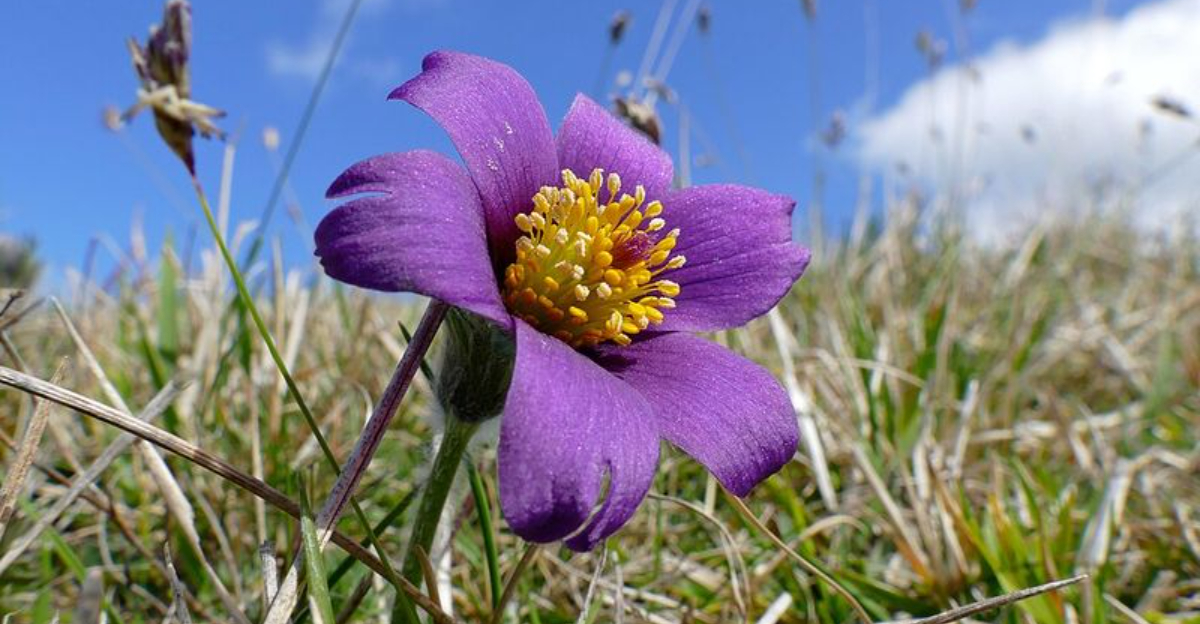
Pennsylvania spring gardens wake up fast, and purple perennials know how to steal the show. Their rich color stands out against fresh greens, flowering shrubs, and the soft light of early mornings after rain.
If you want beds that feel layered, vivid, and easy to love from April onward, these plants earn their space. A few smart choices can give you color, texture, and repeat interest without making your weekends feel like nonstop garden maintenance.
Creeping Phlox
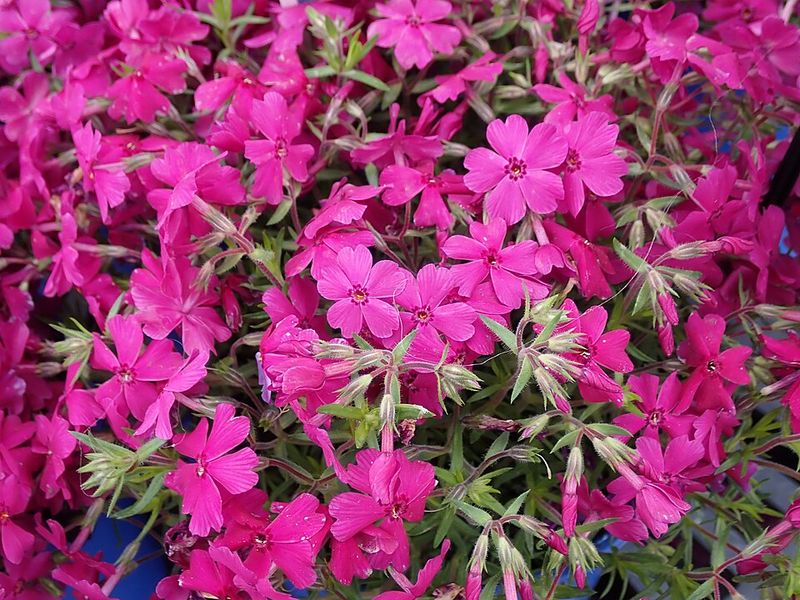
By the time Pennsylvania finally shakes off winter, this low-growing perennial starts putting on a dense carpet of purple that feels almost painted onto the ground. You get a soft mound of needle-like foliage first, then a flood of blooms that spills over edging, rocks, and slopes with real confidence.
That growth habit makes bare spots look intentional instead of unfinished.
Sun is the big requirement here, so place it where at least six hours of light hit the bed. Good drainage matters just as much, especially through freeze-thaw cycles that can stress roots in heavier regional soils.
If your yard holds moisture, tucking it into raised borders or stone-backed beds usually solves the issue quickly.
Color is only part of the appeal, because this plant also works as a practical design tool. It softens hard edges around walkways, links taller perennials together, and gives spring bulbs a polished backdrop once their flowers begin to fade.
In smaller front yards, that kind of visual continuity makes the whole space feel more planned.
After blooming, a light trim keeps the foliage neat and encourages a tighter habit for the rest of the season. You will not spend much time fussing over it once established, which is exactly why so many gardeners keep adding more.
Few spring perennials give this much payoff from such a compact footprint.
Woodland Phlox
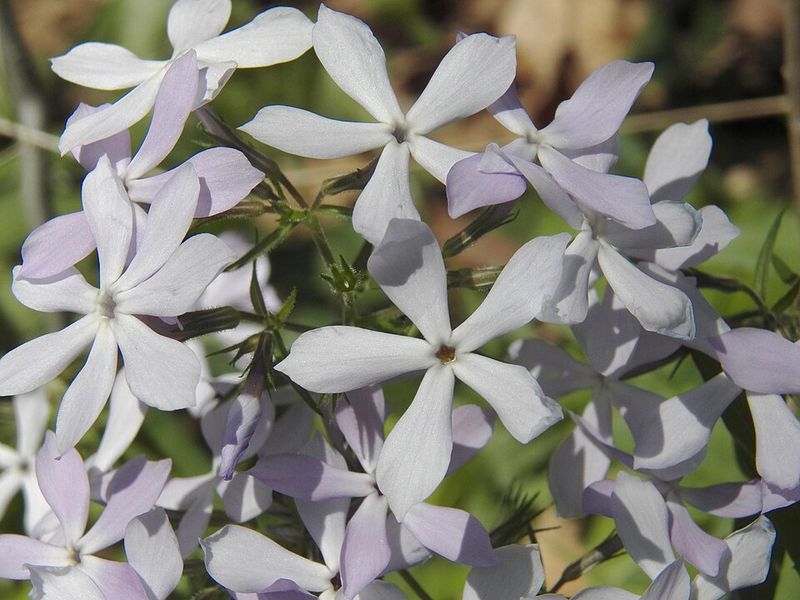
In those tricky spots where morning sun fades into afternoon shade, this perennial earns its keep with clusters of fragrant purple flowers that hover above fresh green foliage. The look is softer than creeping phlox, more relaxed and upright, which makes it perfect for woodland edges and informal cottage-style beds.
Pennsylvania gardens with mature trees often need exactly that kind of graceful filler.
Moist, humus-rich soil helps it perform best, so adding compost before planting pays off immediately. It appreciates consistent moisture in spring, especially during dry stretches that arrive faster than expected once temperatures begin rising.
Good air circulation is also worth planning for, since crowded conditions can invite mildew later.
Design-wise, it pairs beautifully with ferns, hellebores, and spring bulbs that are winding down by late May. Those combinations feel layered and natural without looking messy, and the purple tones pull cooler colors together in a way pinks often cannot.
If you want a bed to feel calm rather than flashy, this is a smart direction.
Deadheading can extend the tidy look, though the plant remains attractive even after the main bloom passes. Every few years, dividing clumps keeps vigor high and gives you easy extras for new planting pockets.
That simple maintenance routine makes it feel generous, especially in older Pennsylvania landscapes that benefit from slow, steady improvements.
Bearded Iris
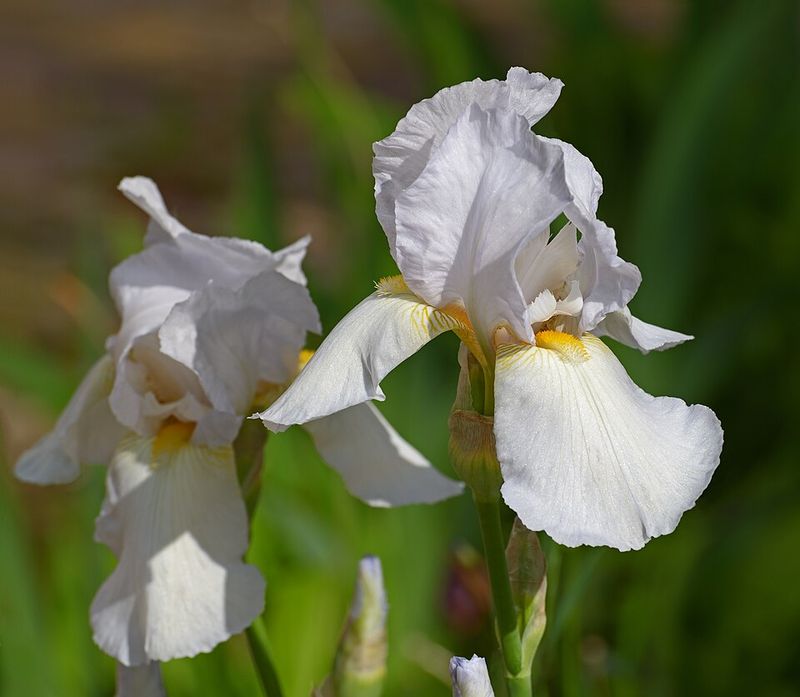
Few flowers make a stronger spring statement than a purple bearded iris standing upright in a sunny border. Its sculptural leaves show up early, then those ruffled blooms arrive with a kind of drama that instantly gives the garden structure.
When your beds still feel flat from winter, that vertical presence changes the whole mood.
Rhizomes need excellent drainage and plenty of sun, so avoid burying them too deeply or crowding them under heavier plants. In Pennsylvania, a sloped bed or gravelly amended soil helps keep rot problems away during wet stretches.
You will get better flowering too when the tops of the rhizomes can catch some warmth and light.
Because the blooms are so architectural, this perennial works especially well near paths, front borders, or places you pass every day. Pair it with low mounding companions like creeping phlox or catmint to balance the upright foliage.
That contrast keeps the bed from looking stiff while still letting the flowers command attention.
After blooming, the sword-like leaves continue providing shape through summer, so it does not disappear the way some spring stars do. Dividing every few years keeps clumps productive and prevents bloom decline.
If you want a perennial that looks collected rather than casual, this one delivers that refined, old-garden character without complicated care.
Pasque Flower
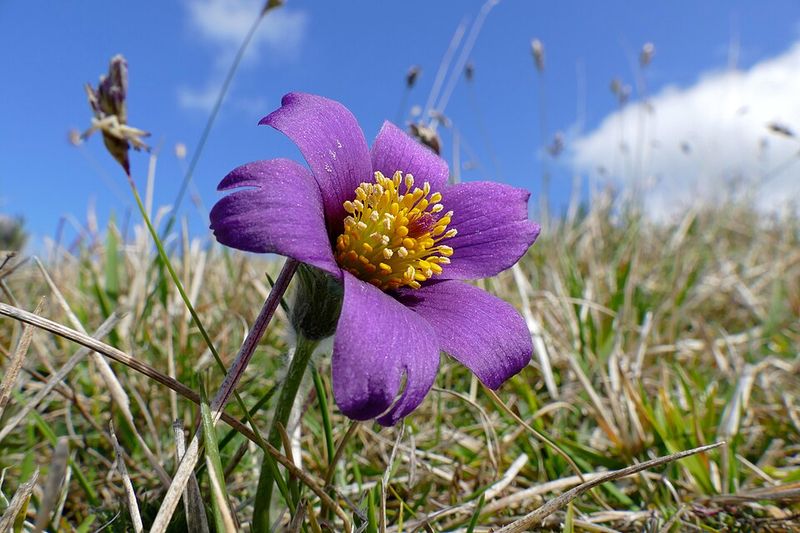
Early in the season, when most beds still look half awake, this petite perennial opens silky purple blooms that seem almost too delicate for the cold. The flowers rise above finely cut foliage and fuzzy stems, giving the plant a wildflower character that feels especially welcome after a long Pennsylvania winter.
It brings detail to the garden when larger perennials are barely moving.
Sharp drainage is the nonnegotiable here, which makes rock gardens, slopes, and gritty raised beds ideal homes. Full sun helps the flowers open well, and drier conditions keep the crown from sulking through wet springs.
If your soil tends to stay heavy, mixing in grit before planting is time well spent.
Beyond the bloom, the seed heads offer another round of interest with their soft, feathery texture. That extended display makes the plant more useful than its size suggests, especially near stepping stones or front-of-border spaces where small details matter.
It also pairs nicely with early bulbs without competing for attention.
Because it dislikes being disturbed, choose a spot carefully and let it settle in for the long haul. Once established, maintenance stays light and the plant becomes one of those quiet favorites you notice first each year.
For gardeners who value subtle beauty over bulk, it delivers charm with surprising staying power.
Lungwort
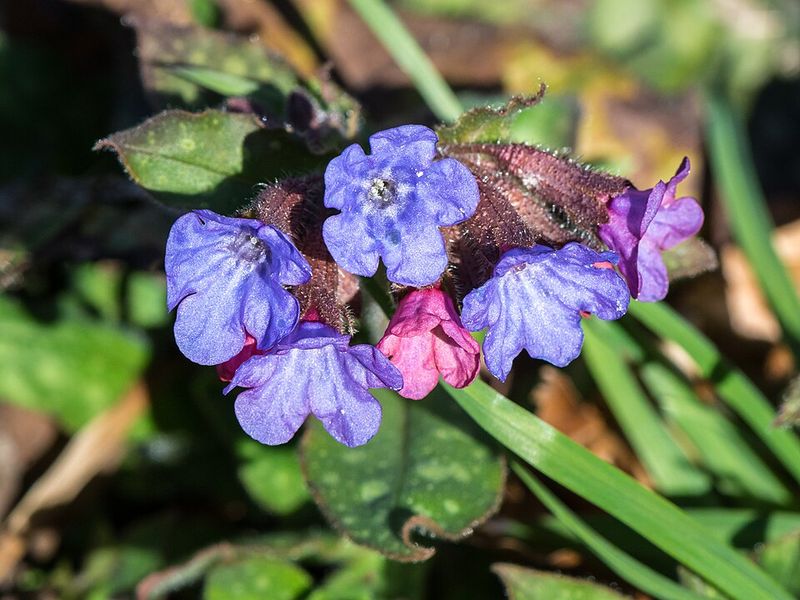
Shade gardens can feel sleepy in spring, but this perennial wakes them up with clusters of purple-toned flowers and leaves splashed in silver. Even after blooming slows, the foliage keeps earning attention, which is a big advantage in spaces that depend more on texture than nonstop floral color.
Pennsylvania gardeners with older trees often appreciate that double role.
Consistent moisture and rich soil help it look its best, especially during the first year after planting. It handles cold beautifully, yet it resents drying out once temperatures climb, so mulch is your friend here.
A spot with morning sun and afternoon shade usually gives the cleanest foliage and longest-lasting bloom.
Visually, those spotted leaves brighten darker corners in a way many plain green plants cannot. They mix well with hostas, ferns, epimedium, and spring bulbs, creating layers that still feel interesting after the earliest flowers pass.
If you want a shaded bed to read as intentional instead of leftover space, this plant helps fast.
Removing tired leaves after winter makes room for a fresh flush and keeps clumps looking crisp. Deer usually leave it alone, which matters if your neighborhood treats gardens like an open buffet.
For reliable spring purple in shade, it offers more staying power than many short-lived bloomers and asks very little in return.
Ajuga
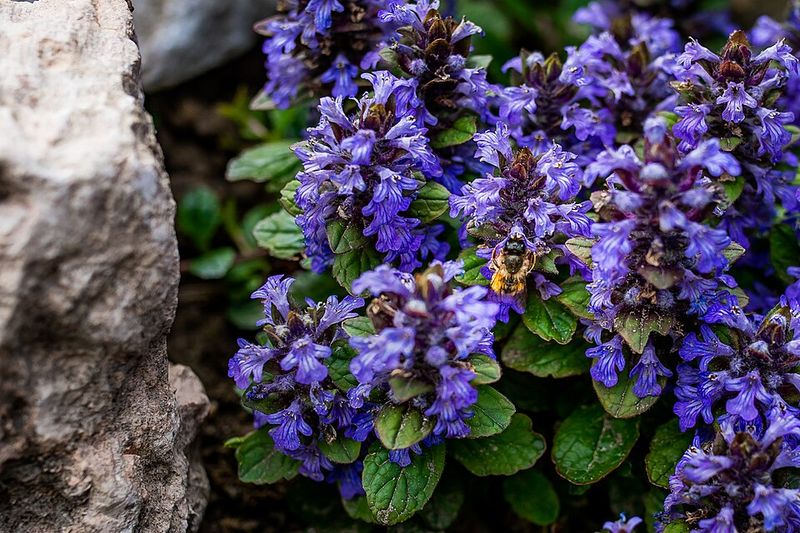
Groundcovers can either solve problems or create them, and this one usually lands on the helpful side when given the right space. In spring, purple flower spikes rise above dense foliage, adding height just long enough to keep the planting from feeling flat.
The leaves often carry bronze or deep green tones that hold interest long after bloom time ends.
Part sun to light shade suits it well in many Pennsylvania gardens, especially where soil stays moderately moist but not soggy. It spreads by runners, which is useful under shrubs, along path edges, or across awkward patches where grass struggles.
Just give it boundaries, because enthusiasm is one of its defining traits.
That vigorous habit makes it especially practical on slopes and in spots that need erosion help. It also works as a visual bridge between spring bulbs and taller summer perennials, covering fading foliage and keeping the bed looking finished.
In compact urban yards, that tidy, knitted-together effect can make a big difference.
Thin or divide crowded patches if airflow drops, since dense growth may invite rot in humid stretches. Beyond that, care stays simple, and the plant fills space faster than most perennials you could buy.
If your goal is strong purple color with dependable coverage, it offers a smart mix of beauty and utility.
Catmint
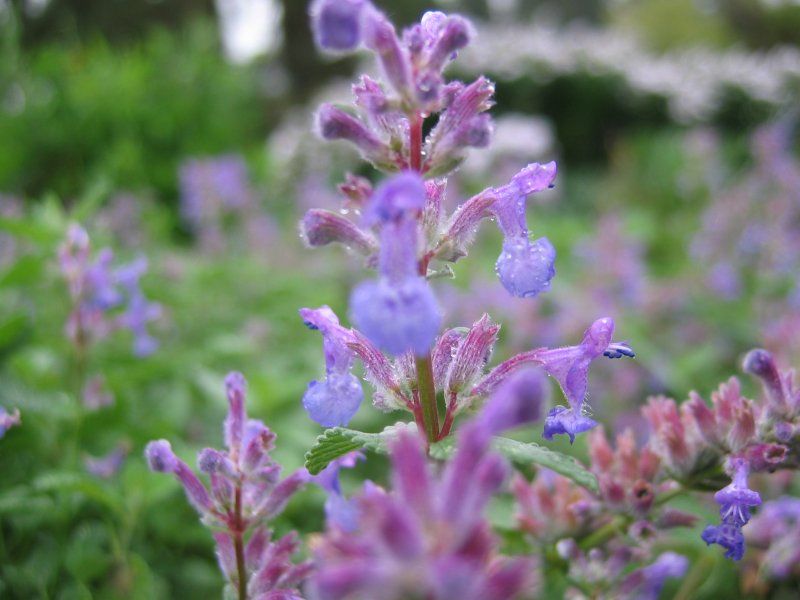
Not every purple perennial needs oversized blooms to make an impression, and this one proves it with soft clouds of color above aromatic gray-green foliage. The overall effect is airy yet substantial, which helps spring beds feel fuller without becoming visually heavy.
Pennsylvania gardeners often rely on that balance when mixing cottage-style looseness with a more structured layout.
Full sun and well-drained soil keep it happiest, and it handles dry spells better than many spring performers. That makes it a strong choice near sidewalks, driveways, or south-facing foundations where reflected heat can stress fussier plants.
You will also notice pollinators showing up quickly once the flowers begin.
Its mounded shape pairs beautifully with roses, irises, salvia, and ornamental alliums, especially when you want repeated purple notes across a border. Because the foliage stays attractive, it supports the overall design even before and after bloom.
In practical terms, that means fewer awkward gaps and less scrambling for seasonal filler.
Shearing after the first flush often encourages another round of flowers and keeps the mound compact. Deer and rabbits usually pass it by, which saves frustration in semi-rural Pennsylvania settings.
For gardeners who want color, movement, and easy upkeep in one plant, this perennial keeps justifying its popularity year after year.
Salvia
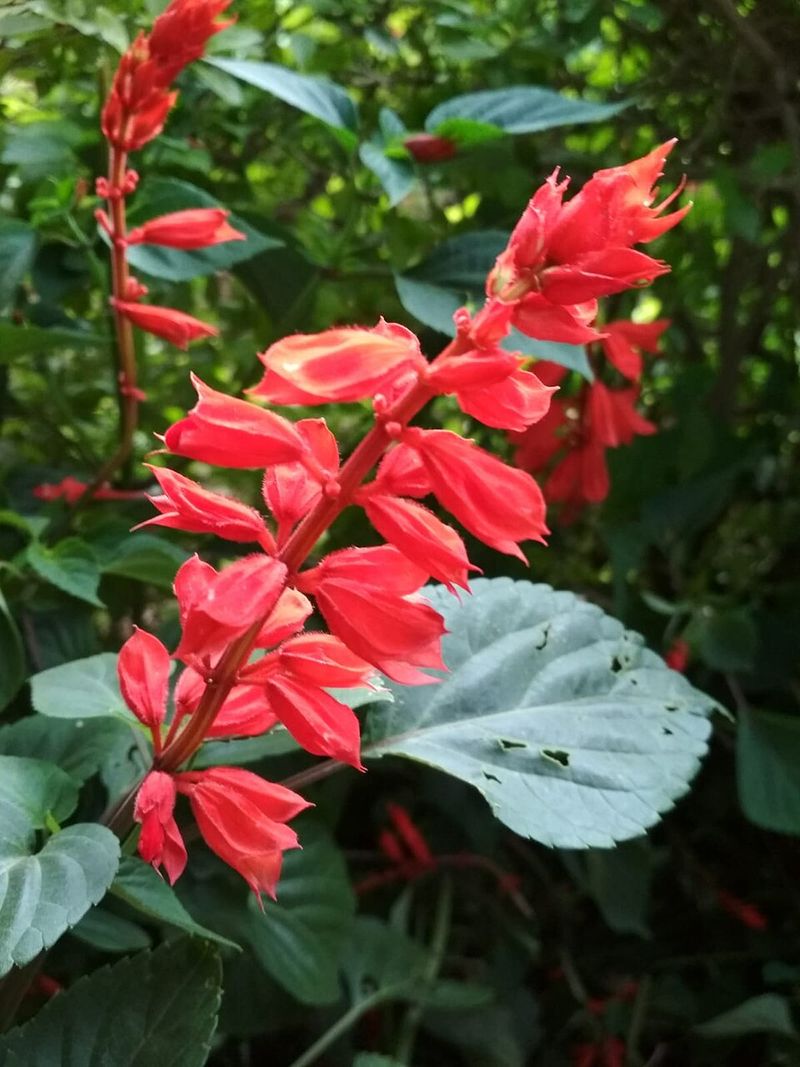
Strong vertical spikes can bring order to a spring border, and this perennial does that while adding clear, saturated purple. The flowers rise above tidy clumps of foliage, creating a rhythm that helps beds look composed instead of scattered.
If your planting mixes feel visually loose, adding a few salvia clumps often pulls everything together.
Sun is essential, and drainage matters more than rich soil, so avoid the temptation to overpamper it. In Pennsylvania gardens, it handles changing spring temperatures well, but wet feet remain the fastest route to disappointment.
Leaner soil can actually encourage sturdier growth and better flowering than overly amended beds.
Pollinators treat it like a magnet, which adds movement and life at the exact moment the garden starts getting noticed again. It combines especially well with peonies, catmint, alliums, and lady’s mantle for a layered late-spring look.
Those pairings feel polished without seeming formal, which is a useful middle ground in many home landscapes.
Cutting back spent flower spikes can prompt rebloom and keeps the plant from looking tired too early. Established clumps tolerate short dry periods, making them practical for gardeners who cannot baby every border.
When you want upright form, dependable color, and fewer maintenance headaches, this is one of the easier yeses in spring planning.
Ornamental Allium
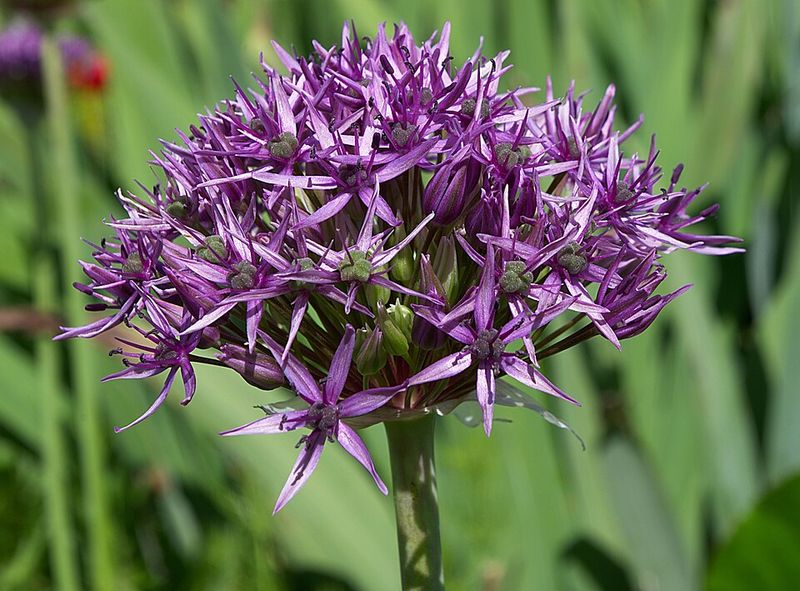
There is something instantly satisfying about seeing round purple flower spheres floating above a spring border. That distinct shape gives ornamental allium an architectural quality few other perennials can match, especially when planted in small drifts rather than as lonely singles.
In Pennsylvania gardens, those globes often arrive right when tulips fade and the bed needs a fresh focal point.
Full sun and excellent drainage are the keys to success, particularly through wetter springs and cold winters. Planting in groups improves the visual impact and helps disguise the fading strap-like foliage as the blooms mature.
A nearby skirt of catmint, lady’s mantle, or low geranium does that job beautifully.
Because the flower heads stand tall and clean, they mix easily into formal borders, cottage beds, and modern plantings alike. Pollinators love them, deer tend to ignore them, and the dried seed heads can remain attractive after bloom.
That combination makes allium far more useful than a single short floral moment might suggest.
Once planted in a suitable site, upkeep is refreshingly light, which is great if you prefer strong design with fewer chores. Resist cutting the foliage too early, since it feeds next year’s bulbs and supports reliable bloom.
For crisp purple punctuation in spring, very few plants create such a memorable silhouette.
Baptisia
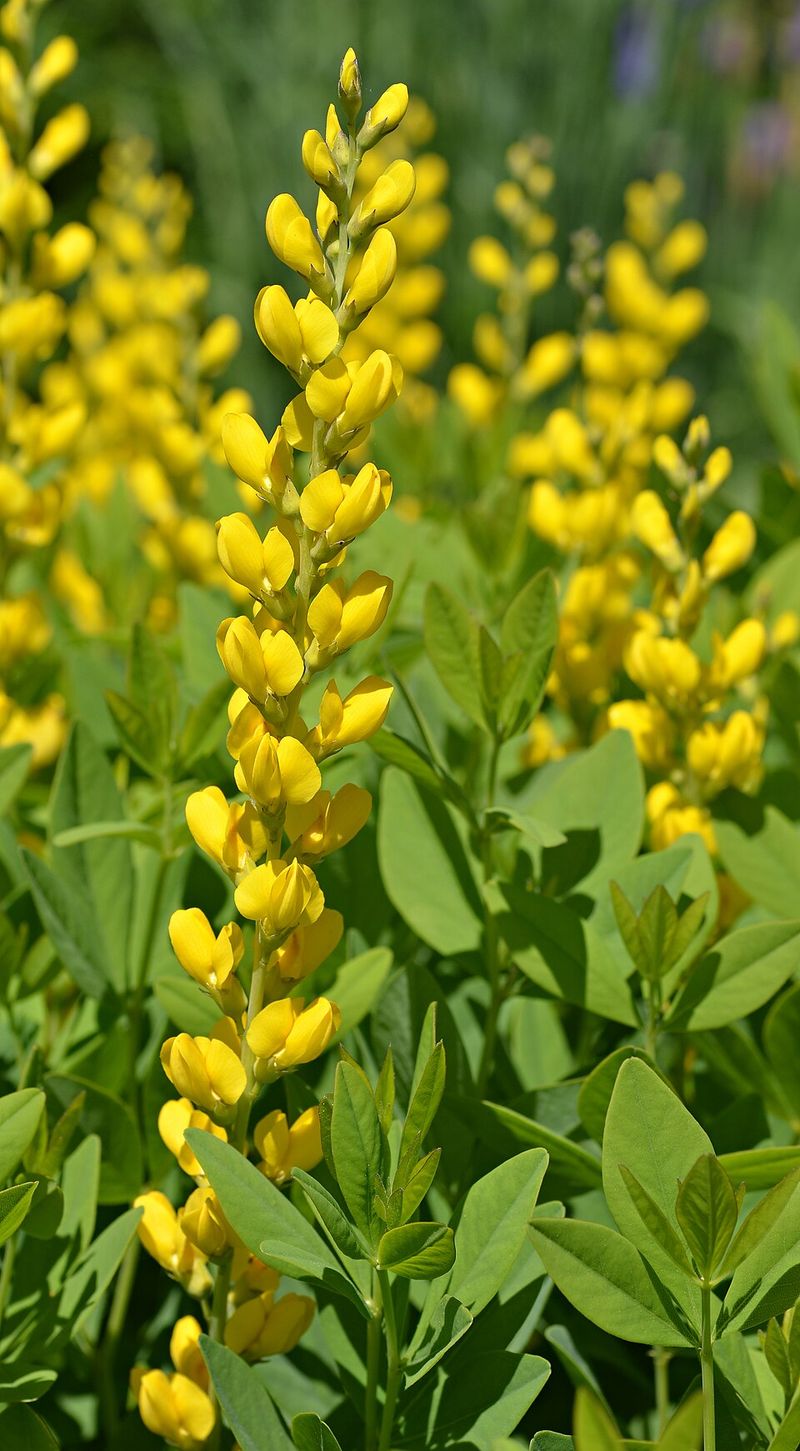
Once established, this perennial brings a grounded, shrub-like presence to spring borders with spires of violet-purple flowers and blue-green foliage. The habit feels substantial in a way many early bloomers do not, so the garden gains structure as well as color.
That staying power is especially useful in Pennsylvania landscapes that need plants to bridge spring into summer gracefully.
Patience matters at first, because baptisia spends time building deep roots before it really takes off. Give it full sun, decent drainage, and room to mature, since older plants do not enjoy being moved around.
In return, you get a long-lived clump that tolerates weather swings better than many fussier perennials.
The flowers pair well with peonies, salvia, and ornamental onions, while the foliage remains attractive long after petals fall. Later, dark seed pods add another layer of texture, extending the season without asking for extra work.
If you like plantings that look generous rather than temporary, this one fits the brief beautifully.
Because the root system runs deep, it handles dry periods once mature and rarely needs staking. That resilience can make weekend gardening feel simpler, especially in larger beds where every high-maintenance plant adds up.
For a richer purple accent with real backbone, baptisia offers presence, longevity, and a calm confidence that only improves over time.