
Why Pennsylvania Gardeners Are Choosing More Compact Flowering Trees
Follow us on Google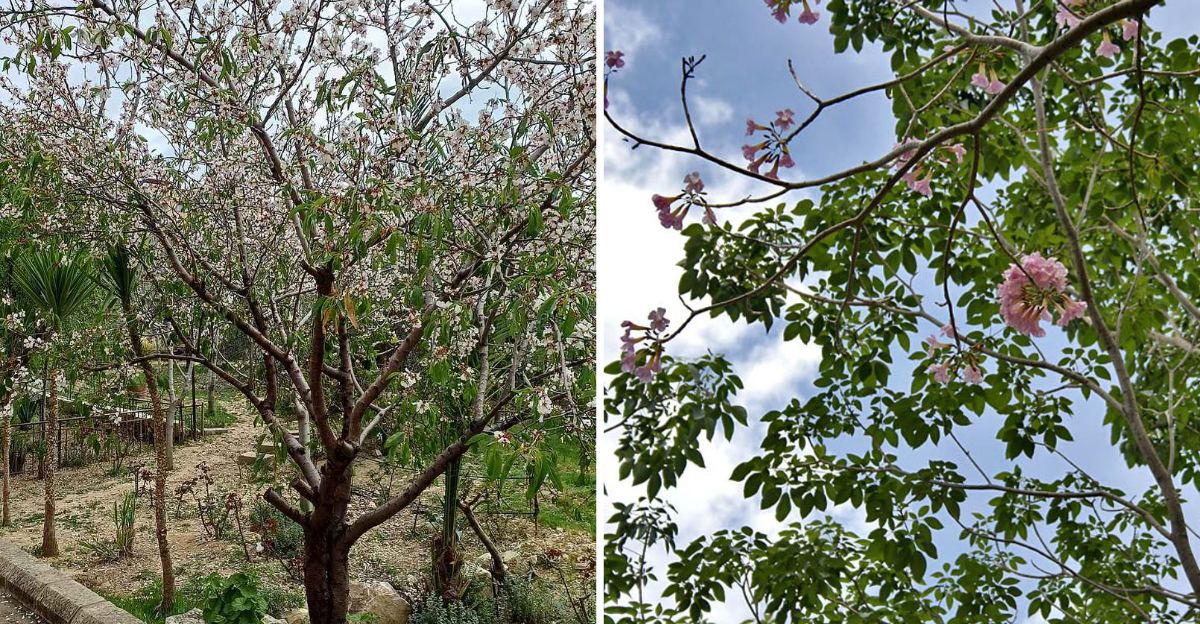
Across Pennsylvania, gardeners are rethinking the old idea that bigger trees are always better. Compact flowering varieties offer color, structure, and seasonal beauty without swallowing the whole yard or creating years of extra work.
They fit how people actually live now – with smaller lots, busier schedules, and a stronger interest in practical landscaping. If you have been wondering why these scaled-down trees are showing up everywhere, the reasons are surprisingly convincing.
They Fit Smaller Pennsylvania Lots
Across many Pennsylvania neighborhoods, yard sizes are not what they used to be, and that shift changes how people plant. A compact flowering tree gives you spring color, shape, and shade without overwhelming the house, blocking windows, or crowding the lawn.
You still get the charm of a blooming centerpiece, but it fits the scale of a modern property much better.
That matters in older towns with narrow lots, newer developments with closely spaced homes, and suburban yards where every planted foot has to work harder. Instead of devoting half the front yard to one oversized specimen, you can place a smaller tree exactly where it improves the view from the street and from inside the house.
It is a practical way to make the landscape feel finished rather than stuffed.
Many gardeners also like that compact trees leave room for hydrangeas, perennials, and walkways. You are not forced to choose between one dramatic tree and everything else you want to grow.
In a space-conscious garden, that flexibility feels like a smart upgrade instead of a compromise.
For Pennsylvania homeowners balancing beauty with limited square footage, smaller flowering trees simply make more sense.
They Are Easier to Prune and Maintain
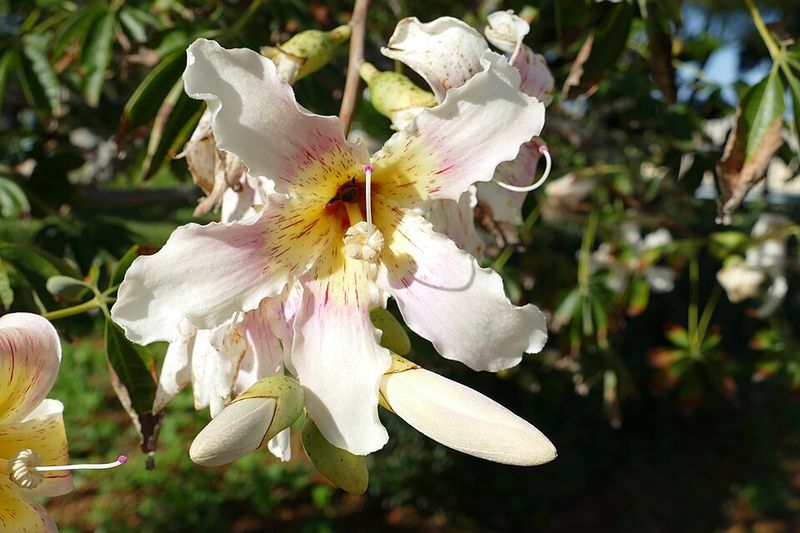
Maintenance is one of the biggest reasons gardeners move toward compact flowering trees. When a tree stays at a manageable height and spread, routine pruning feels realistic instead of like a weekend project that keeps getting postponed.
You can shape it, remove crossing branches, and keep it healthy without calling for a ladder and a crew every season.
That convenience matters even more in Pennsylvania, where weather swings can create broken limbs, dense growth, and occasional winter damage. A smaller flowering tree is easier to inspect after storms, easier to thin for air circulation, and easier to correct if something starts growing in the wrong direction.
Those small maintenance wins add up year after year.
There is also less worry about gutters, rooflines, and neighboring properties. Instead of constantly cutting back growth that has outgrown the original planting spot, you can enjoy a tree that behaves more predictably.
That makes the whole garden feel less like a chore list and more like a place you actually want to spend time.
For busy households, retirees, and anyone trying to simplify outdoor upkeep, compact trees offer beauty with a far more reasonable level of care.
They Work Better Near Patios and Entryways
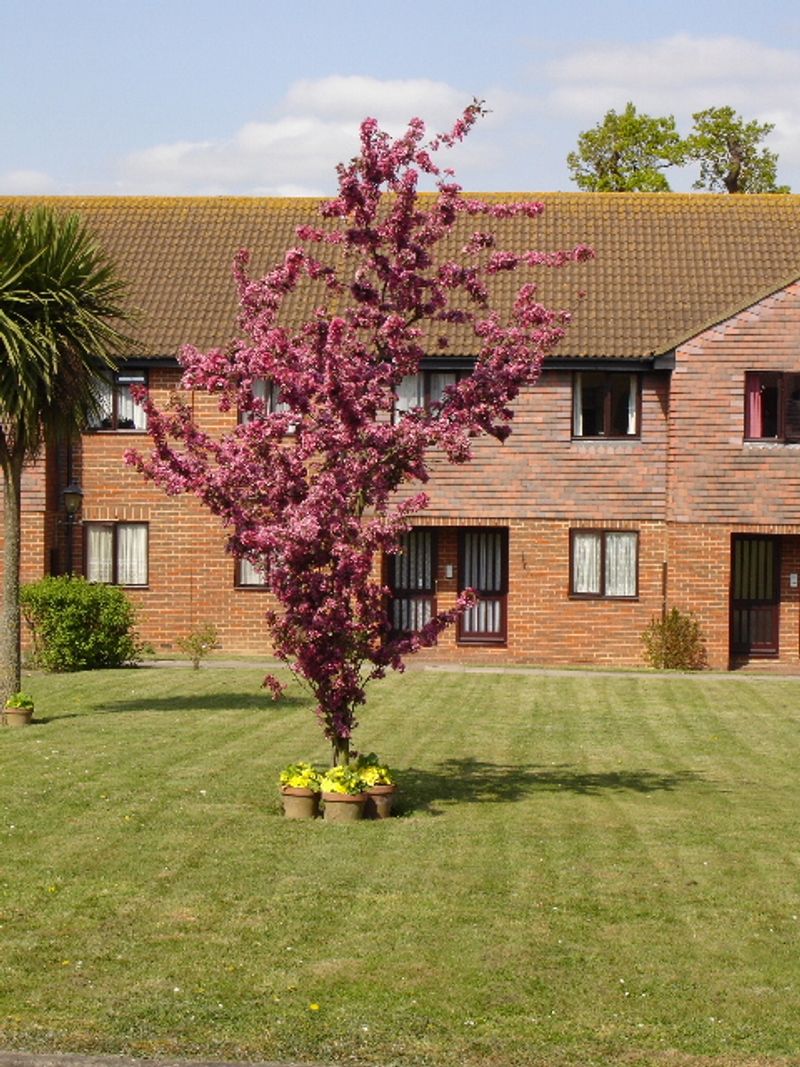
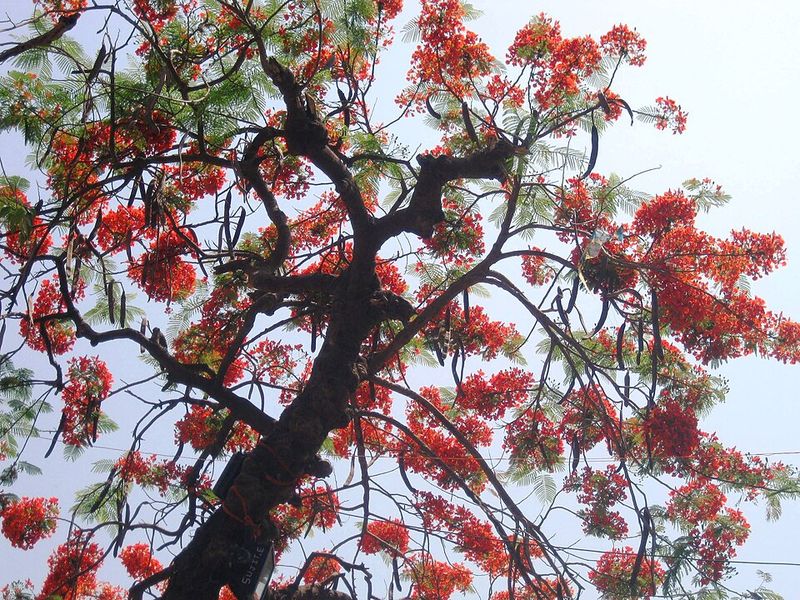
Placement is everything in a home landscape, and compact flowering trees open up spots that larger trees usually ruin. Near a patio, front walk, porch, or driveway, a smaller tree can add color and definition without creating heavy shade or dropping branches where people regularly gather.
That makes these trees especially appealing for gardeners who want beauty close to everyday living spaces.
In Pennsylvania homes with modest front foundations or backyard seating areas, scale is a constant design issue. A compact tree frames an entrance or softens a hardscape without swallowing the architecture.
You get blossoms at eye level, better seasonal interest from the windows, and a more welcoming feel when guests arrive.
There is also a comfort factor that often gets overlooked. People enjoy sitting under or beside a tree that feels intentional and airy, not one that dominates the entire space and makes everything feel darker.
If you have ever tried fitting a classic large ornamental into a tight patio border, you already know how quickly it can become too much.
Compact flowering trees solve that problem beautifully, giving Pennsylvania gardeners options that feel elegant, useful, and far easier to live with every day.
They Support Pollinators Without Taking Over
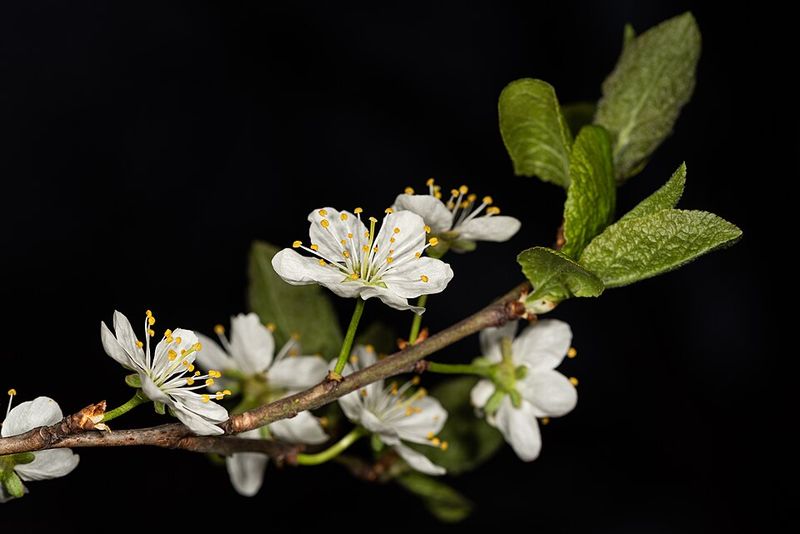
Pollinator-friendly gardening is a major priority for many Pennsylvania homeowners, but not everyone has room for large flowering trees. Compact varieties make it possible to support bees, butterflies, and other beneficial insects while still respecting the limits of a smaller yard.
You can add spring nectar sources without giving up valuable planting space needed for vegetables, shrubs, or family use.
This balance is especially useful in suburban settings, where every layer of the garden has to earn its place. A compact flowering tree contributes blossoms, structure, and wildlife value in one relatively small footprint.
When paired with native perennials and long-blooming border plants, it becomes part of a much more effective habitat plan.
Gardeners also appreciate that these trees make pollinator activity easier to observe. Blossoms sit lower, closer, and more visibly near seating areas or windows, so you actually notice the garden working.
That can be surprisingly satisfying, especially if you are trying to make the yard feel more alive and connected to the seasons.
Instead of choosing between ecological value and practical design, compact flowering trees let Pennsylvania gardeners have both. That combination is hard to ignore once you have seen it in action.
They Offer Four-Season Interest in Less Space
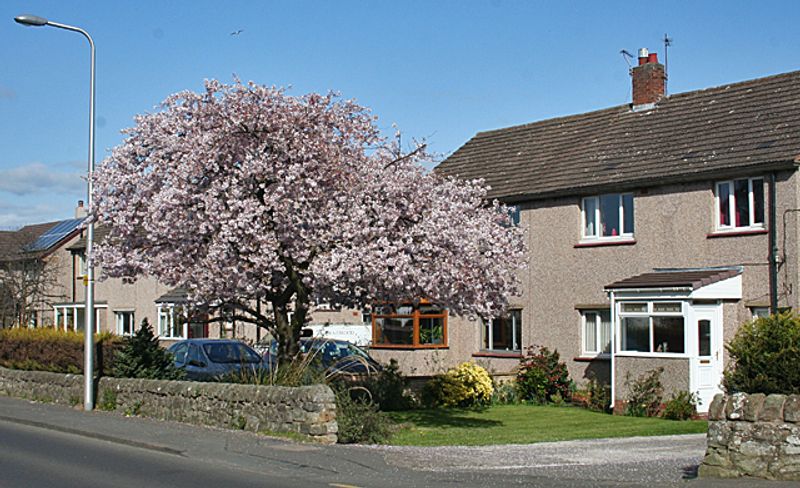
Many Pennsylvania gardeners want a tree to do more than bloom for one short moment, and compact flowering trees are often chosen with that expectation in mind. The best selections bring spring flowers, attractive leaves, good branching, and sometimes colorful fruit or fall color, all without requiring a huge footprint.
That makes them useful in landscapes where every plant needs to contribute for more than a few weeks.
In a smaller yard, one tree with multiple seasons of interest can carry a surprising amount of visual weight. It anchors a garden bed in April, shades nearby perennials in July, turns warm shades in October, and still looks sculptural in January.
That year-round performance feels especially valuable when outdoor space is limited and each view matters more.
There is also a design advantage in keeping those seasonal shifts closer to eye level. You notice buds, branching, bark, and color changes more easily when the tree is not towering above everything else.
The garden becomes more detailed and engaging because the best features are not hidden high overhead.
For homeowners trying to make a small Pennsylvania landscape feel richer through every season, compact flowering trees offer an impressively efficient solution.
They Reduce Conflicts With Power Lines and Foundations
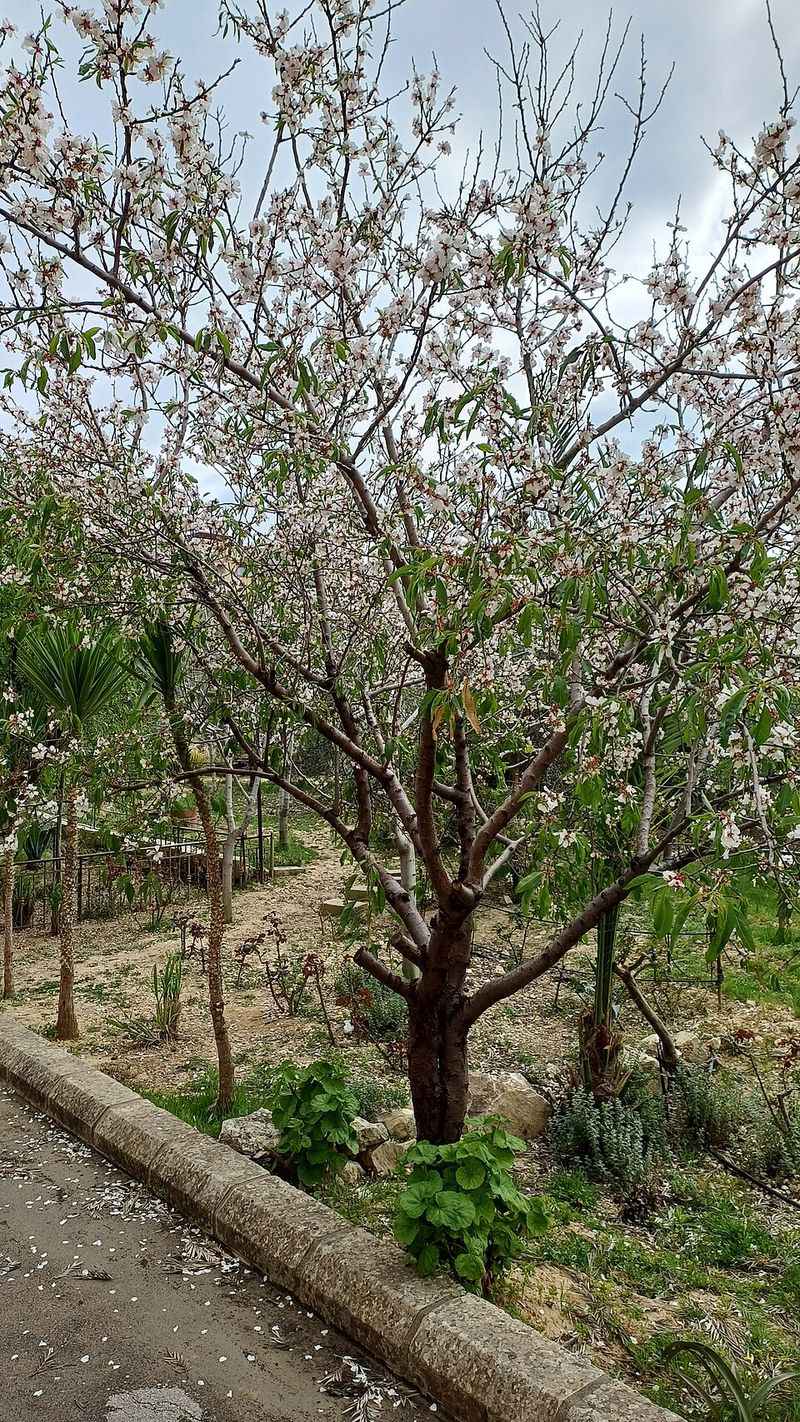
Practical concerns often drive better planting decisions, and compact flowering trees help avoid several common mistakes. In Pennsylvania neighborhoods with overhead utility lines, close-set houses, and older foundations, large trees can become a long-term problem almost from the day they are planted.
A smaller maturing tree gives you blossoms and curb appeal without setting up future headaches.
This is one of those choices that feels modest at first and brilliant later. Instead of dealing with aggressive roots near walkways, limbs reaching into wires, or a canopy pressing too close to the house, you start with a tree that suits the site.
That means less corrective pruning, fewer removal costs, and fewer expensive surprises down the road.
Garden centers and landscape designers across the state have also gotten better at matching plants to realistic conditions. Homeowners are more aware that planting a tree too large for the space is not ambitious, it is inefficient.
A compact flowering tree often performs better because it is not constantly fighting the limitations around it.
When the goal is a beautiful yard that still functions smoothly for decades, scale matters. Pennsylvania gardeners are increasingly choosing trees that solve problems before they start, not after they grow expensive.
They Handle Modern Landscape Design Better
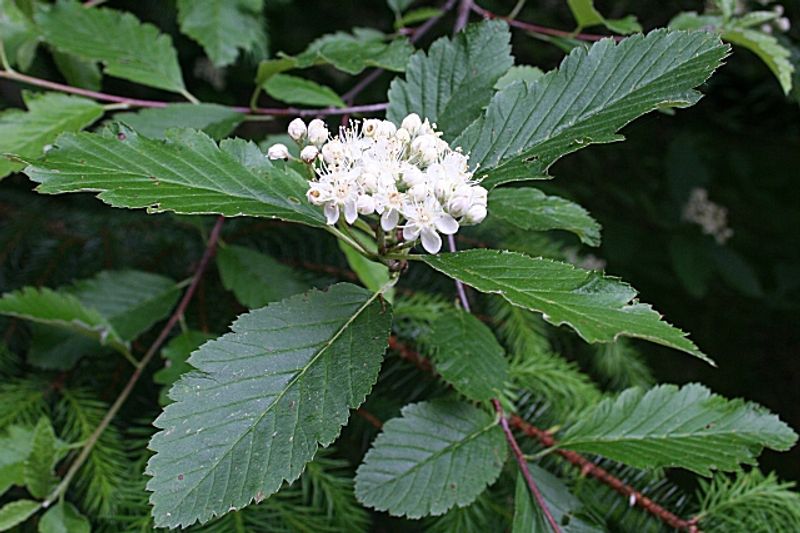
Landscape style has changed, and tree choices have changed right along with it. Many Pennsylvania homeowners now prefer cleaner planting lines, layered beds, and outdoor spaces that feel intentional rather than crowded.
A compact flowering tree fits that look beautifully because it adds softness and seasonal bloom without overwhelming the structure of the design.
In contemporary front yards, these trees act almost like living architecture. They can mark a corner, anchor a mixed border, or repeat a shape that ties the whole property together.
Because their size stays more controlled, they work especially well with ornamental grasses, boxwoods, hydrangeas, and the restrained planting palettes many people are choosing now.
This does not mean compact trees are only for sleek, modern homes. Even in traditional Pennsylvania settings, a smaller flowering tree can make the landscape feel more balanced and edited.
You still get romance and color, but with proportions that respect the house, the hardscape, and the surrounding plantings.
That design flexibility matters when gardeners want something polished without hiring constant maintenance. A compact tree often looks intentional with less effort, and that is a big part of its appeal.
People are not just buying a plant – they are choosing a shape that fits how they want the whole yard to feel.
They Pair Well With Native and Layered Plantings
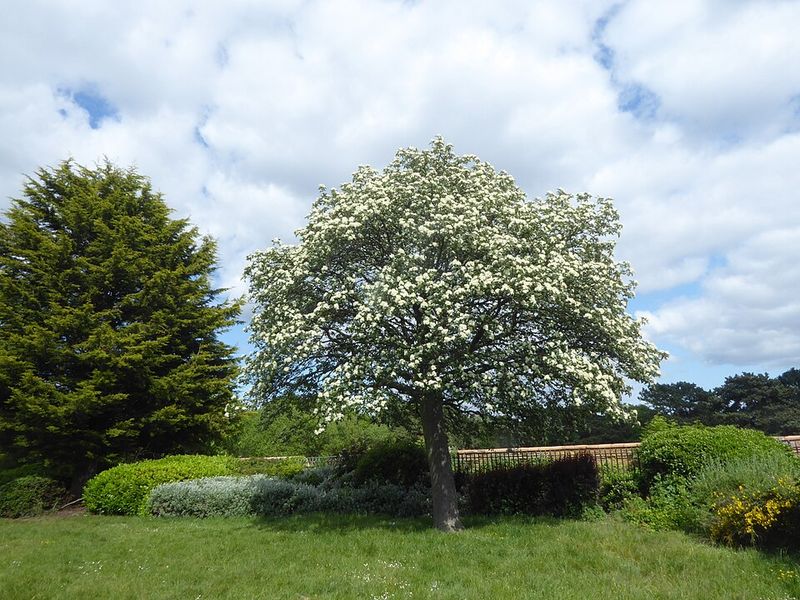
More Pennsylvania gardeners are building layered plantings instead of relying on a lawn plus a few isolated shrubs. In that kind of design, a compact flowering tree works as the upper layer without stealing light, moisture, and attention from everything growing beneath it.
That makes it easier to combine beauty, habitat value, and smart use of space in one cohesive garden.
A smaller tree can sit comfortably above inkberry, viburnum, fothergilla, asters, or native sedges without flattening the whole composition. You get a vertical element that helps the planting feel complete, but the lower layers still have room to show off.
This is especially useful in suburban yards where people want a natural look that still feels orderly.
There is also a practical planting benefit here. Because compact trees usually cast lighter shade and have less dominating root competition than larger specimens, companion plants establish more easily.
That means fewer frustrating gaps, fewer struggling perennials, and a garden that knits together faster.
For anyone in Pennsylvania trying to move toward a more ecological, layered yard, these trees are often the missing piece. They give the garden height and seasonal bloom while still playing nicely with the rest of the planting plan, which is exactly what thoughtful gardeners want.
They Bring More Beauty Closer to Eye Level
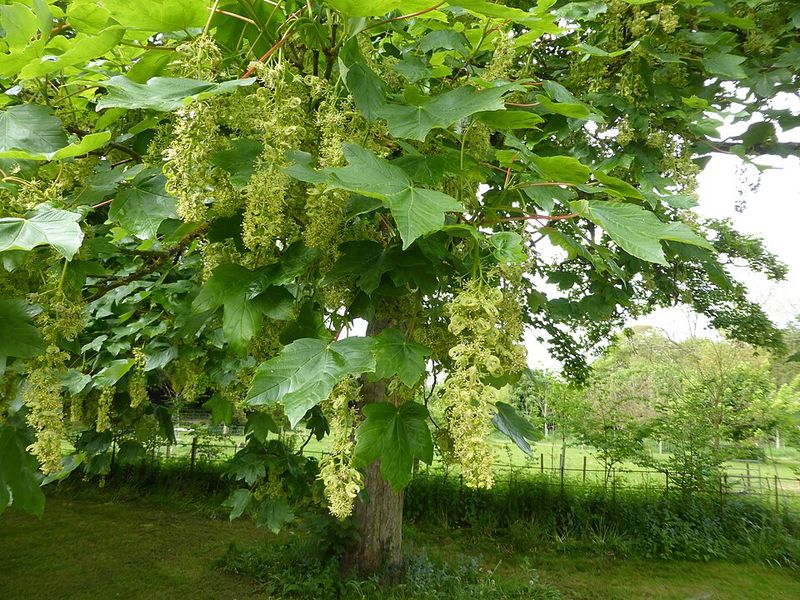
There is something especially appealing about a flowering tree that puts its best features where you can actually enjoy them. Compact varieties keep blossoms, branching, and seasonal details closer to eye level, which changes the entire experience of the garden.
Instead of admiring flowers from a distance or only after they fall, you get to live alongside them every day.
This feels important in Pennsylvania gardens where people spend spring waiting for color after a long winter. A smaller tree near a path, deck, or kitchen window makes that first bloom more personal and noticeable.
You catch fragrance on the way to the mailbox, see buds opening during breakfast, and notice visiting bees without having to crane your neck.
That intimacy can make even a modest yard feel richer. A tree does not need to be massive to create drama if it is placed where you experience it up close and often.
In many cases, the lower, more accessible canopy actually delivers more pleasure than a larger tree that keeps its flowers far overhead.
For gardeners who value daily enjoyment as much as landscape scale, compact flowering trees offer a strong argument. They turn bloom season into something you participate in, not just something you observe from the driveway.
They Make Long-Term Planning Much Simpler
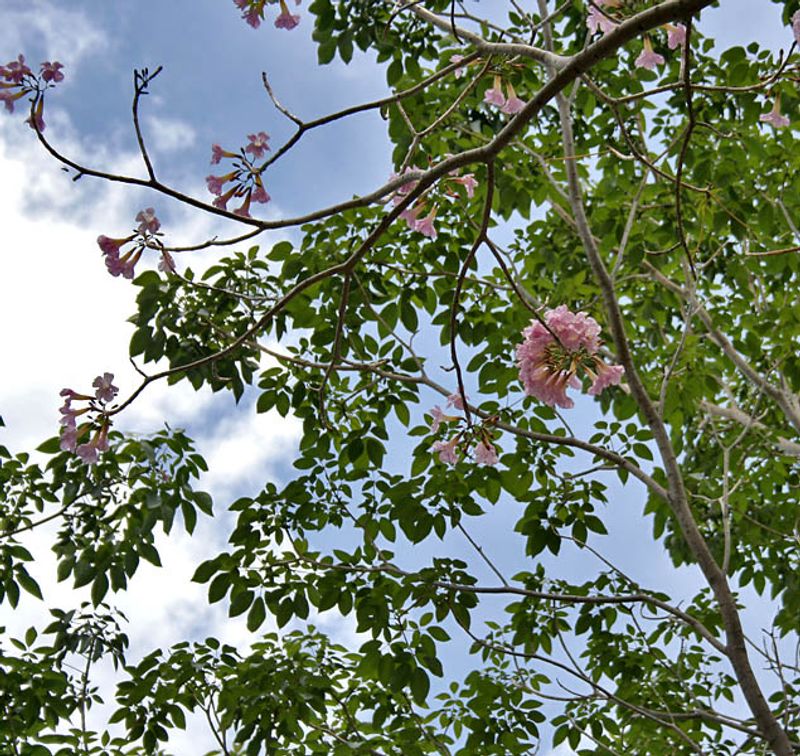
One of the smartest reasons Pennsylvania gardeners choose compact flowering trees is simple: they are easier to plan around for the long haul. When the mature size is realistic for the site, you can place beds, edging, patios, lighting, and companion plants with more confidence.
The garden you build now is far more likely to still make sense ten years from today.
That predictability matters in real life. A tree that stays within a known range is less likely to force expensive redesigns, heavy pruning, or the painful decision to remove a plant you once loved.
You can invest in surrounding shrubs and perennials knowing they will not be smothered as the years pass.
It also helps homeowners think more strategically about resale appeal and daily function. Buyers tend to appreciate landscapes that look mature, balanced, and manageable rather than overgrown and corrective.
A compact flowering tree supports that impression because it signals care, foresight, and a good understanding of space.
Gardeners across Pennsylvania are getting more selective, and that is a positive shift. Instead of planting for instant impact alone, they are choosing trees that age gracefully with the property.
Compact flowering trees succeed because they make beauty easier to sustain, not just easier to plant.