
The Massachusetts Perennials That Return Bigger And Fuller Every Year
Follow us on Google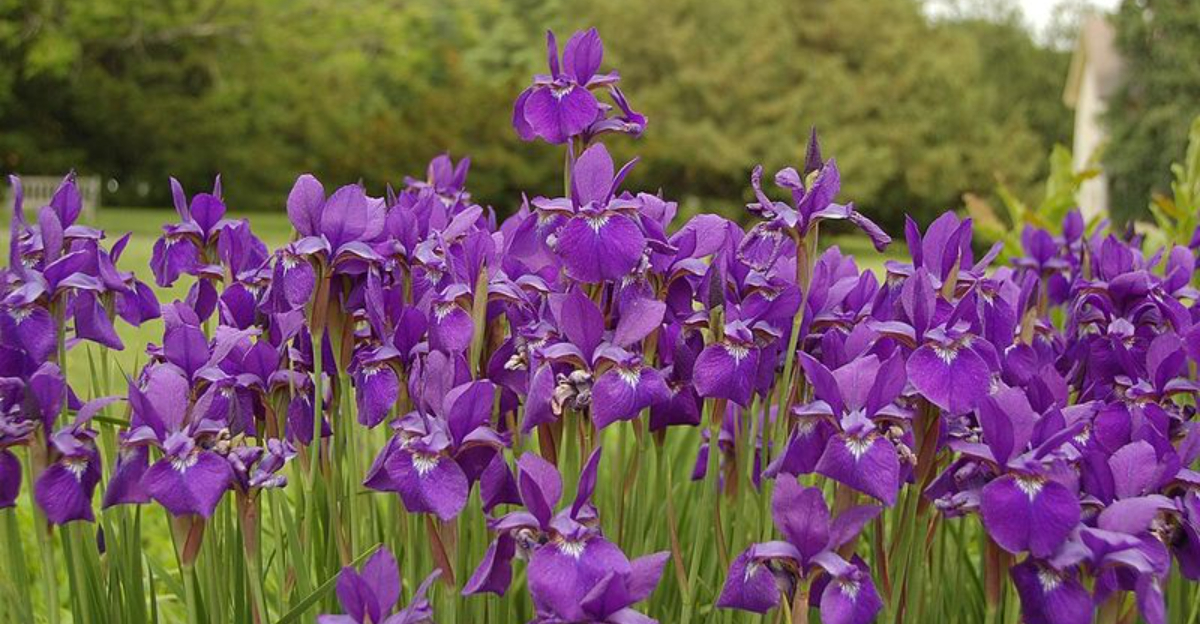
Some perennials do more than survive a Massachusetts winter – they come back looking stronger, thicker, and far more impressive than they did the year before. If you want a garden that rewards patience, these reliable returners deserve a spot in your beds.
Each one handles New England conditions well and gains presence with every season. Keep reading if you want flowers and foliage that make your yard look established without starting over every spring.
Peony
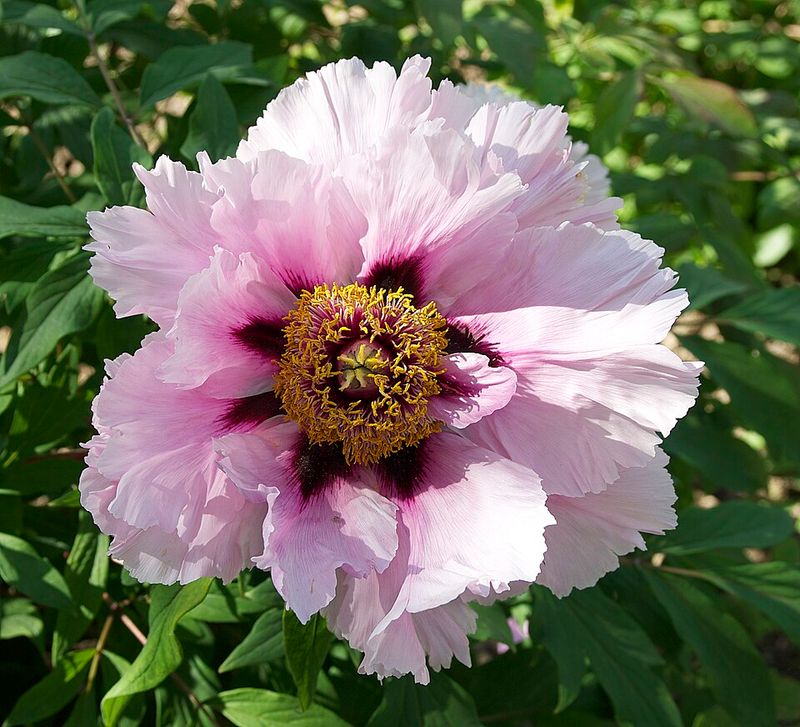
By the third spring, this old-fashioned favorite starts acting like it owns the border, and honestly, that confidence is deserved. You plant it once, give it sun, decent drainage, and a little patience, and it answers with thicker stems and a heavier bloom set each year.
In Massachusetts, cold winters actually help peonies perform, because they need that chill to reset and flower well.
You will get the best long-term show by resisting the urge to plant crowns too deeply. Keep the eyes just below the soil surface, support taller types before buds open, and cut spent flowers so the plant puts energy back into its roots.
A ring support hidden early in the season saves you from floppy stems after one hard rain.
What makes this perennial feel more generous over time is its steady increase in flower count and foliage mass. A young plant may seem sparse at first, but a settled clump becomes a true focal point that barely asks for attention.
If you want one planting that can still look better a decade from now, this is one of the smartest bets for a Massachusetts garden.
Daylily
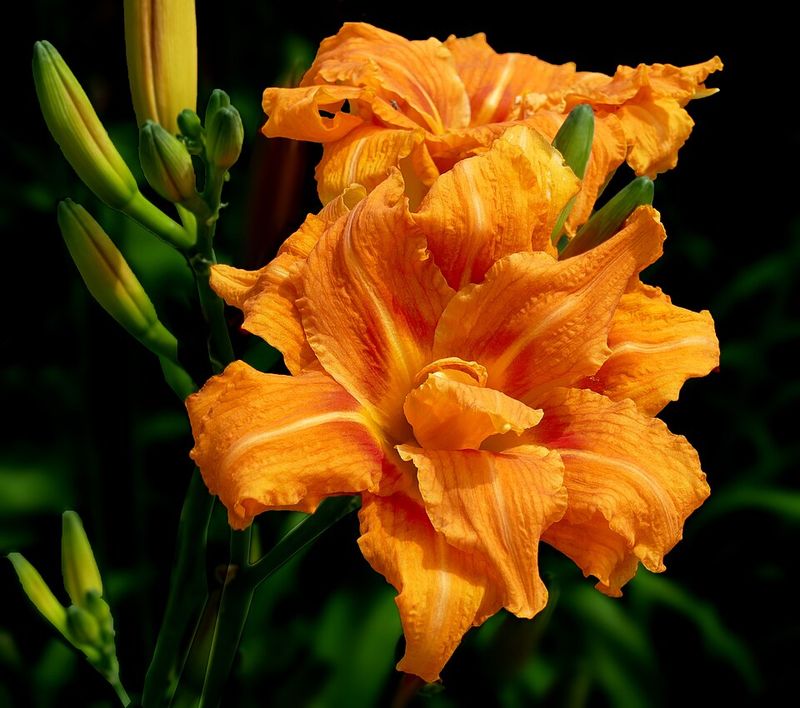
Few plants earn their space as quickly as this dependable summer bloomer, especially if your yard has spots that get hot and dry by July. Daylilies bulk up fast in Massachusetts gardens, forming wider fans of foliage and sending up more scapes every year once roots settle in.
Even a modest starter division can become a generous clump that fills an empty edge beautifully.
You do not need perfect soil to get results, but you will notice fuller growth if you add compost and divide crowded plants every few years. Deadheading helps the bed look cleaner, while cutting old scapes keeps energy focused on fresh growth.
If reblooming varieties are part of your plan, consistent watering during dry stretches pays off with a longer season.
The real appeal is how flexible this perennial feels around everyday life. It handles roadside conditions, weekend neglect, and those random heat spikes that make fussier plants sulk.
Once established, the foliage creates a substantial base that returns thicker each spring, so your border looks more finished without extra effort. For Massachusetts gardeners who want color and reliability without constant coddling, daylilies are hard to beat.
Bee Balm
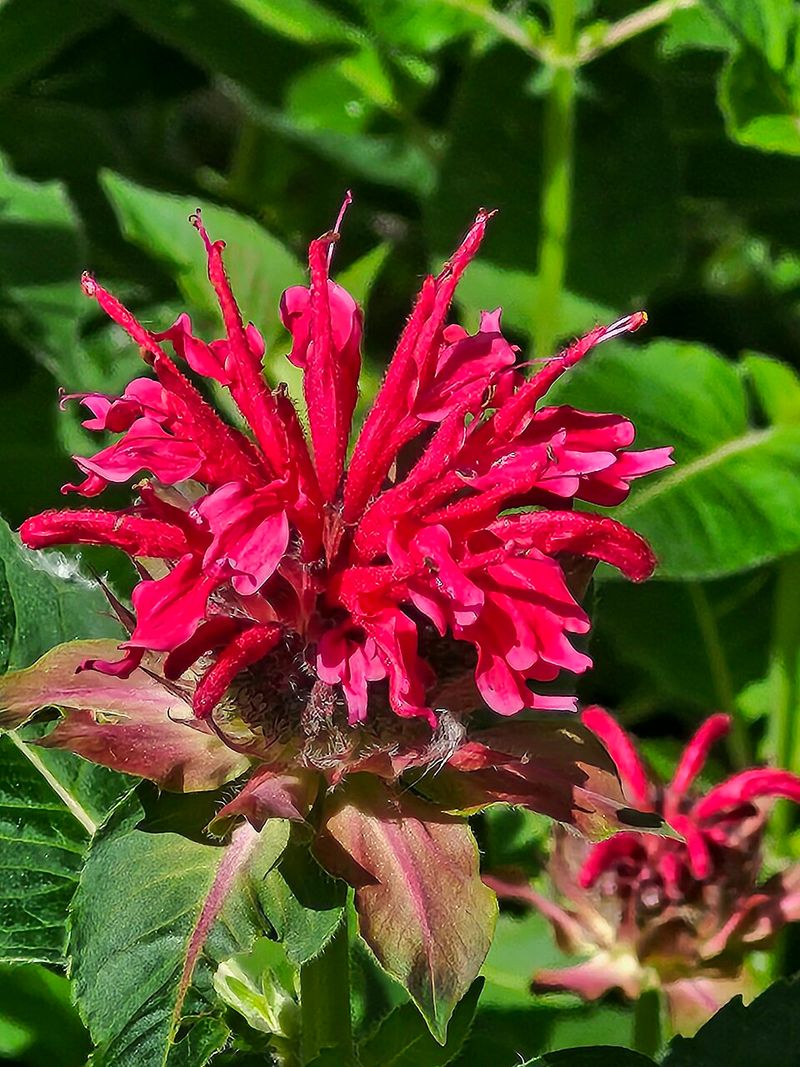
When you want a perennial that makes a border look busy in the best possible way, this pollinator magnet delivers fast. Bee balm expands into a fuller colony each season, and in Massachusetts it usually has enough winter hardiness to return with strong new shoots once temperatures warm.
The shaggy flowers pull in hummingbirds, bees, and plenty of compliments from anyone walking past.
You will get the healthiest growth by giving it sun, decent air circulation, and room to spread without crowding weaker neighbors. Powdery mildew can show up in humid weather, so thinning stems and choosing resistant varieties makes a real difference.
Cutting spent blooms can encourage tidier regrowth, and dividing every few years keeps the center from getting tired.
What stands out most is the way a small planting quickly turns into a substantial drift that feels intentional rather than sparse. It works especially well near patios or paths where you can notice the constant movement from pollinators.
In a Massachusetts yard, that combination of winter reliability, summer color, and increasing bulk makes bee balm one of those perennials that starts as a nice idea and ends up becoming a favorite part of the garden.
Black-Eyed Susan
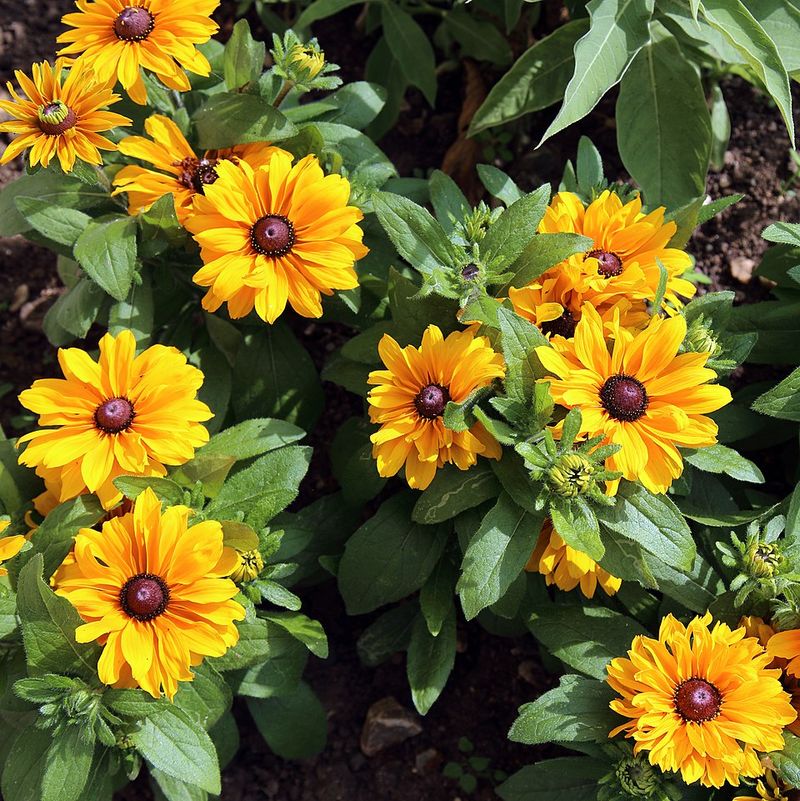
Late summer can make some borders look tired, which is exactly when this cheerful perennial starts carrying real weight. Black-eyed Susan returns in Massachusetts with more stems, broader clumps, and a longer-lasting burst of golden color once it gets established.
The bright petals and dark centers read clearly from a distance, so even a small patch can make an entire bed feel refreshed.
You will usually see the strongest performance in full sun with average soil that drains well and is not overly rich. Too much fertility can push soft growth, while leaner conditions often keep plants sturdier and easier to manage.
Deadheading extends the display, but leaving some seed heads later in the season gives birds something to visit and adds winter interest.
There is also something practical about how this plant fills space without becoming precious or demanding. It handles New England weather shifts well, looks right at home in cottage gardens or more naturalistic plantings, and pairs easily with ornamental grasses and asters.
If you want a perennial that steadily gets thicker and more generous every year while asking very little in return, black-eyed Susan deserves a permanent spot in your Massachusetts landscape.
Garden Phlox
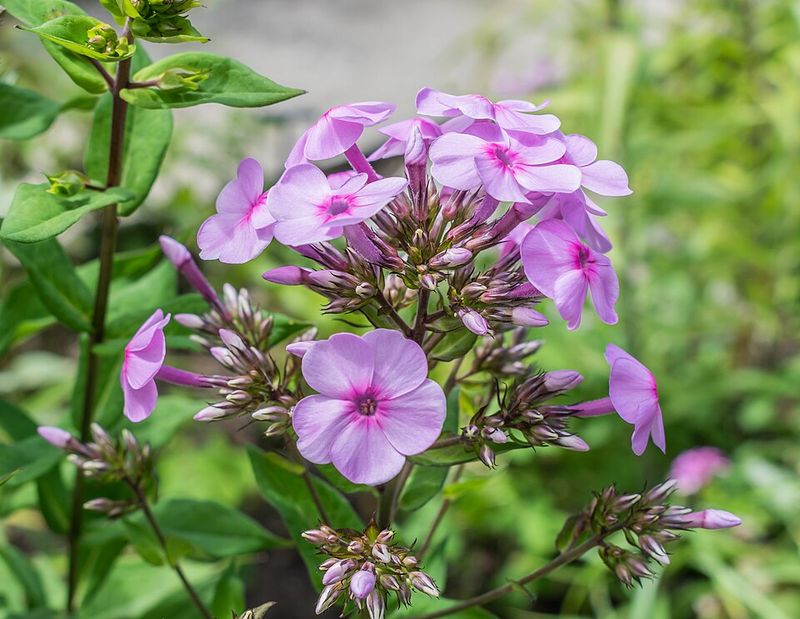
By midsummer, a good clump of garden phlox can completely change the energy of a border with tall stems and saturated color. In Massachusetts, it returns reliably when planted in sunny beds with decent airflow, and each year usually brings more flowering stalks and a broader footprint.
That means the small nursery pot you start with can become a strong anchor plant surprisingly quickly.
You will get better performance if you avoid crowding and water at the base rather than soaking the leaves. Mildew resistance matters here, so choosing improved cultivars saves frustration and keeps the foliage attractive longer.
A layer of compost in spring, plus staking taller varieties before they lean, helps those flower heads stay upright through summer storms.
The payoff is not just more blooms, but a fuller, more established look that makes neighboring plants appear better arranged. Fragrance adds another layer of appeal, especially near seating areas or windows where warm air carries it indoors.
If your Massachusetts garden needs height, color, and a perennial that grows into its role instead of fading after a season or two, garden phlox is one of the most rewarding choices you can make.
Hosta
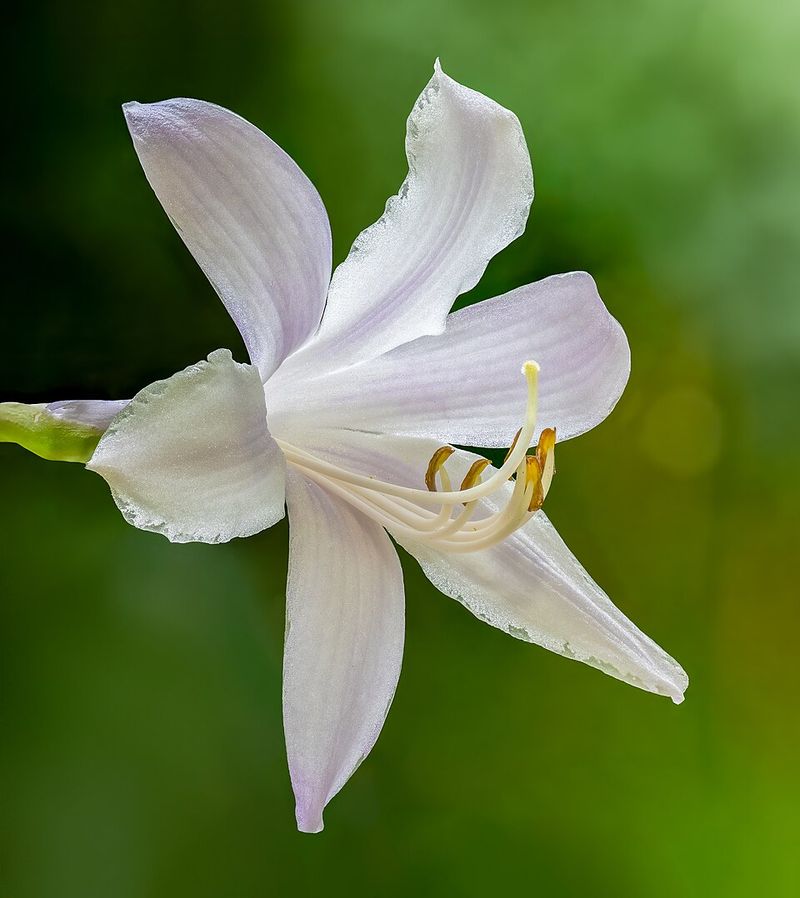
Shade can feel tricky until you remember how much visual weight a mature hosta brings to the ground layer. In Massachusetts gardens, these dependable perennials return with wider leaves, thicker crowns, and more dramatic presence each year when they have moisture and rich soil.
A small division can eventually become the kind of plant that makes a shady bed feel deliberate and finished.
You will see the most impressive growth in dappled light with compost-rich soil that stays evenly moist but never swampy. Slugs and deer are the main headaches, so barriers, iron phosphate baits, or resistant varieties are worth thinking about early.
Cutting flower stalks is optional, but cleaning away old foliage in fall or early spring helps keep the clump tidy and healthier.
What makes hostas so useful is the way they add volume without demanding bloom power to be beautiful. Their leaves create contrast with ferns, astilbes, and spring bulbs, and larger varieties can almost act like shrubs in the border.
For Massachusetts yards with maples, north-facing foundations, or woodland edges, hostas are one of the easiest ways to get a planting that looks fuller every single season.
Coneflower
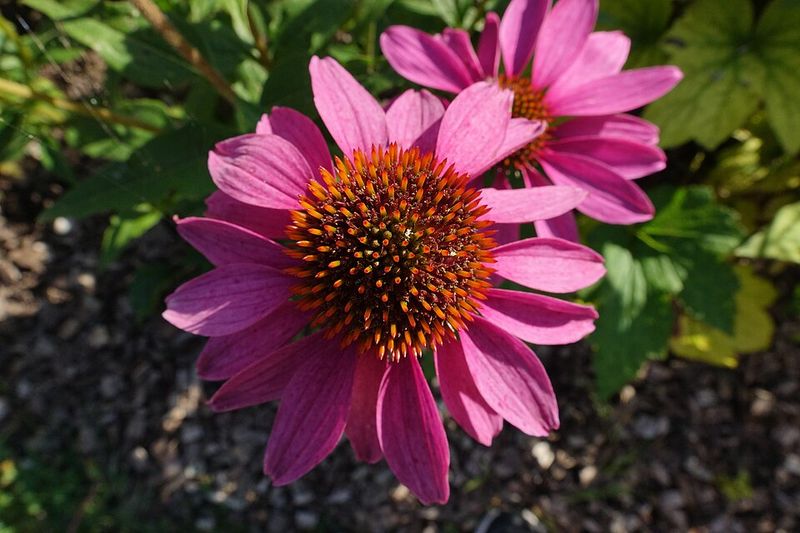
Some perennials earn their reputation because they look good for months, and this one keeps proving why gardeners rely on it. Coneflower settles into Massachusetts beds with deep roots, stronger stems, and increasing flower numbers after the first year or two.
Once established, it handles heat, occasional drought, and that unpredictable summer rhythm that can make more sensitive plants struggle.
You will get the strongest clumps in full sun and soil that drains well, even if it is not particularly rich. Overwatering or pampering too much often creates weaker growth, so a lighter touch is usually smarter here.
Leave some seed heads standing after bloom if you enjoy goldfinches, because they treat the dried cones like a seasonal snack bar.
The reason this plant feels better every year is not just flower count, but the way it adds vertical rhythm and a natural, confident shape to the bed. It mixes easily with bee balm, grasses, rudbeckia, and asters, giving your Massachusetts garden that layered late-season look without much fuss.
If you want a perennial that keeps thickening up while feeding pollinators and birds, coneflower is one of the most reliable choices around.
Astilbe
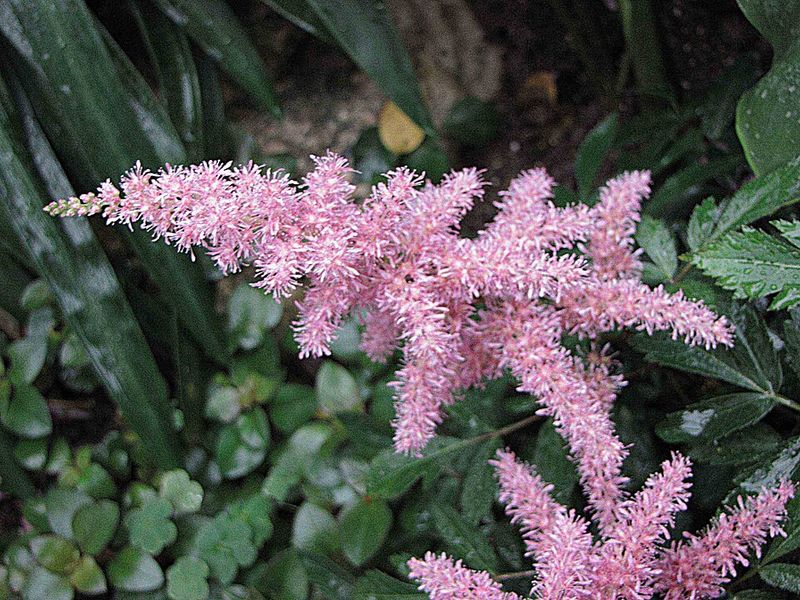
Not every perennial that grows fuller each year needs full sun, and this one proves shade gardens can gain drama too. Astilbe forms denser mounds of ferny foliage over time, then sends up larger plume-like flowers that brighten dim corners in Massachusetts landscapes.
It is especially useful where morning light and consistent moisture create conditions that many flowering plants would happily claim.
You will get the best long-term bulk by keeping the soil rich and evenly damp, especially during the heat of summer. Dry shade is not its favorite situation, so compost, mulch, and smart placement matter more than fancy feeding schedules.
Dividing older clumps every few years refreshes vigor and lets you spread that soft, feathery texture to other beds.
The appeal goes beyond the flowers, because the foliage itself helps fill gaps and knit a planting together from spring through fall. It pairs naturally with hostas, hellebores, and ferns, creating a layered look that feels calm rather than crowded.
For Massachusetts gardeners working with partial shade or woodland edges, astilbe is one of the best ways to build a border that looks more substantial each season without sacrificing elegance.
Shasta Daisy
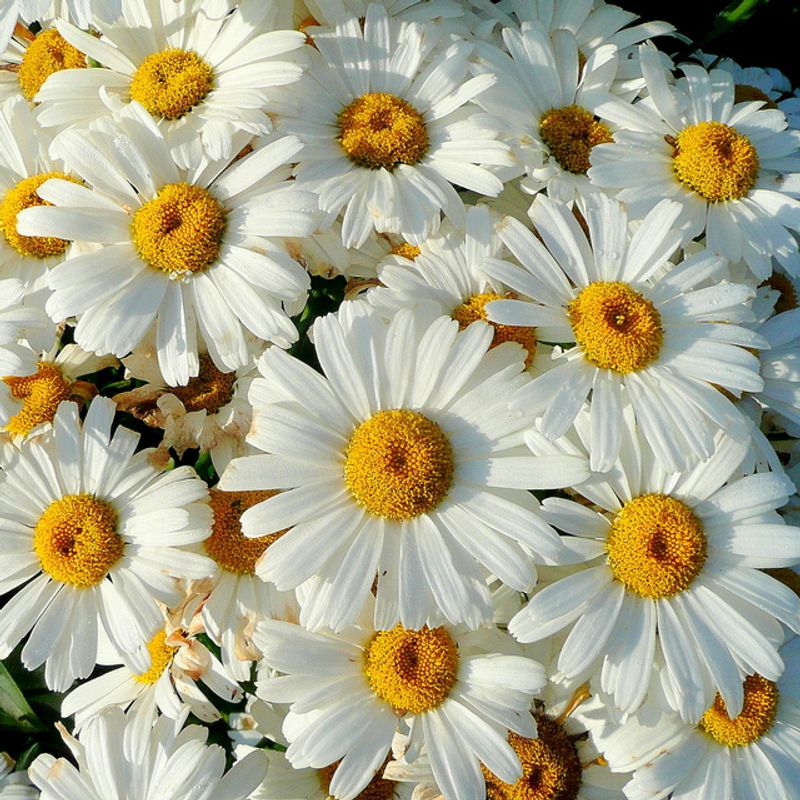
A clean white daisy can make an entire planting feel brighter, especially when summer color starts getting visually heavy. Shasta daisy returns in Massachusetts with broader clumps and a stronger flower show once roots have had time to settle deeply.
The neat form works in classic borders, cutting gardens, and casual cottage-style beds where you want something crisp and dependable.
You will see the best repeat performance in full sun with soil that drains well and does not stay wet through winter. Deadheading keeps flowers coming, while dividing every couple of years prevents the center from thinning out or becoming woody.
If heavy rain is common in your area, tucking them among supportive neighbors or adding a discreet ring can keep stems looking upright.
What makes this perennial worth repeating is its ability to add fullness without visual clutter. It combines easily with salvia, coneflower, nepeta, and ornamental grasses, and the flowers are excellent for cutting if you like bringing the garden indoors.
In a Massachusetts yard, that reliable return of stronger clumps and brighter midsummer bloom makes Shasta daisy one of the easiest ways to keep beds looking fresh year after year.
Baptisia
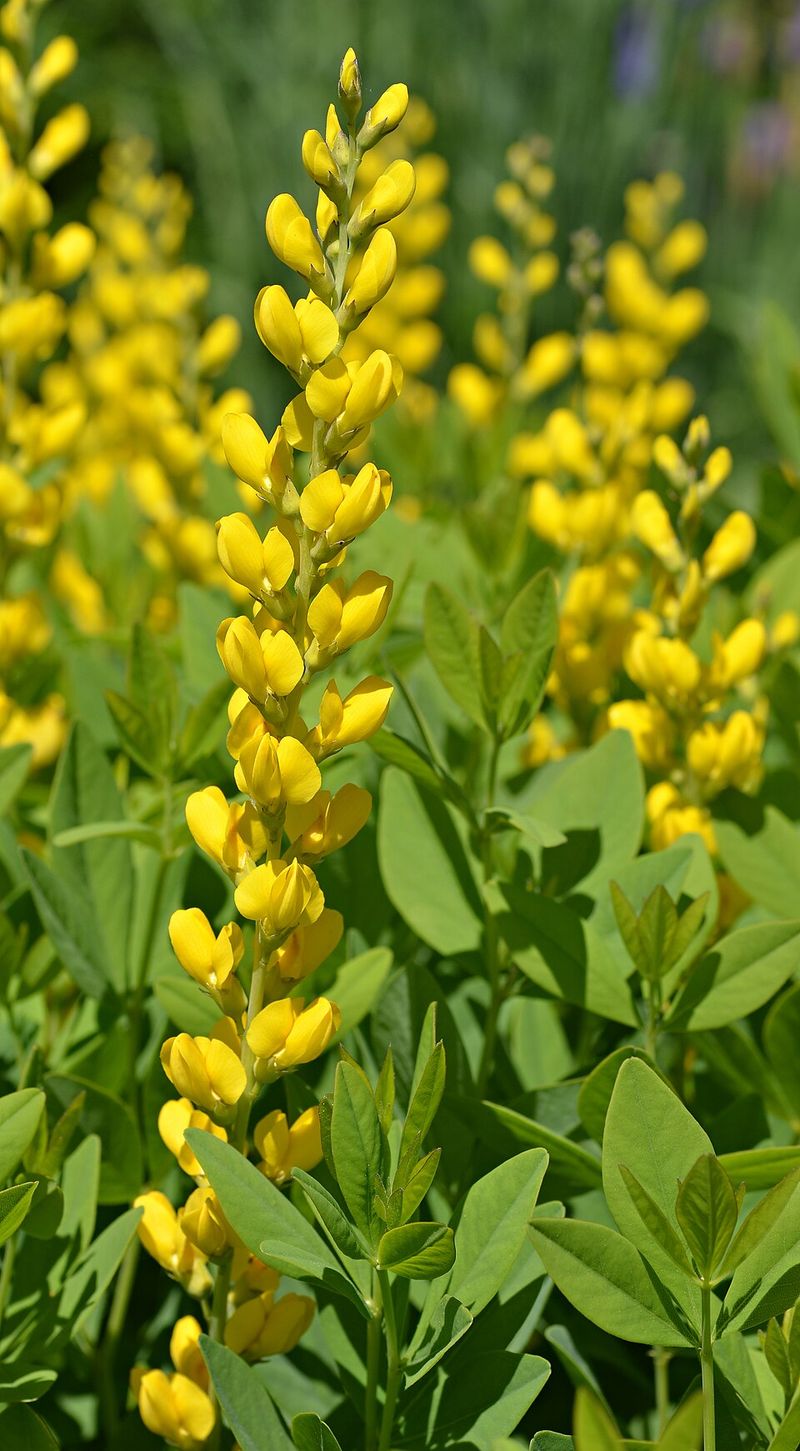
Patience matters with this perennial, because the first couple of years can seem quiet before the real show begins. Baptisia develops a deep root system in Massachusetts gardens, and once it settles, the plant returns with a broader, almost shrub-like body that looks more impressive every spring.
Those upright flower spikes and blue-green leaves bring structure long before many summer perennials hit their stride.
You will want to choose the planting spot carefully, since mature plants do not enjoy being moved. Full sun and decent drainage are the big requirements, while fertilizer is usually unnecessary and often pointless.
After bloom, the dark seed pods add interest, and the foliage continues giving the border a solid presence instead of collapsing into visual background.
The reason gardeners stay loyal to baptisia is that it eventually offers volume, durability, and a calm, tailored look with minimal maintenance. It handles drought better than many flowering perennials once established, and rabbits generally leave it alone.
For Massachusetts landscapes that need a long-lived anchor with increasing size and confidence each season, baptisia is one of those smart choices that feels better the longer you live with it.
Joe-Pye Weed
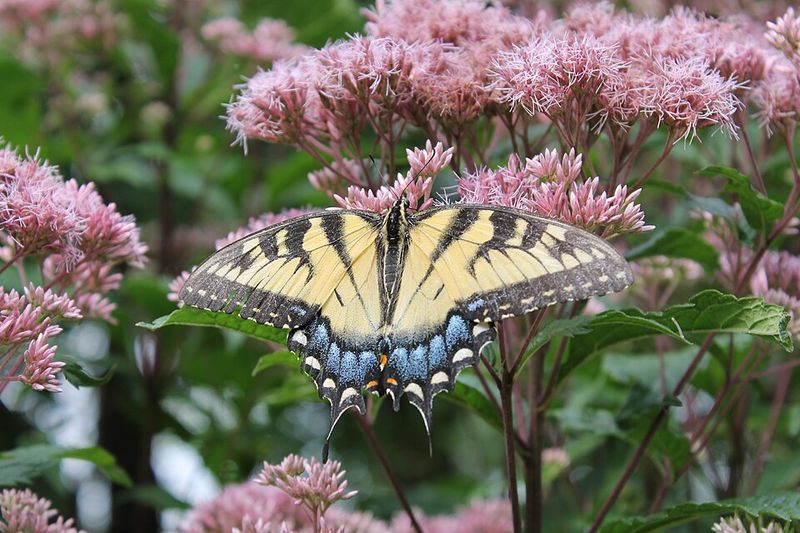
Height can be a gift in the garden when it comes from a plant that knows how to carry itself naturally. Joe-Pye weed returns in Massachusetts with thicker crowns and more commanding stems each year, often becoming a major late-season presence rather than a background extra.
The mauve-pink flower heads attract butterflies in numbers that make even a simple backyard bed feel lively.
You will get the best growth with full sun to part sun and soil that does not dry out completely for long stretches. Native or near-native forms tend to fit New England conditions especially well, though shorter cultivars are useful if your space is tighter.
Cutting stems back in late spring can reduce final height a bit, which helps near fences or smaller suburban borders.
What makes this perennial such a strong pick is the way it adds volume and ecological value at the same time. It partners beautifully with asters, coneflowers, and grasses, giving your Massachusetts garden that layered end-of-summer look people usually notice from the street.
If you want a plant that comes back bigger, fuller, and more alive with pollinator traffic every year, Joe-Pye weed deserves serious consideration.
Siberian Iris
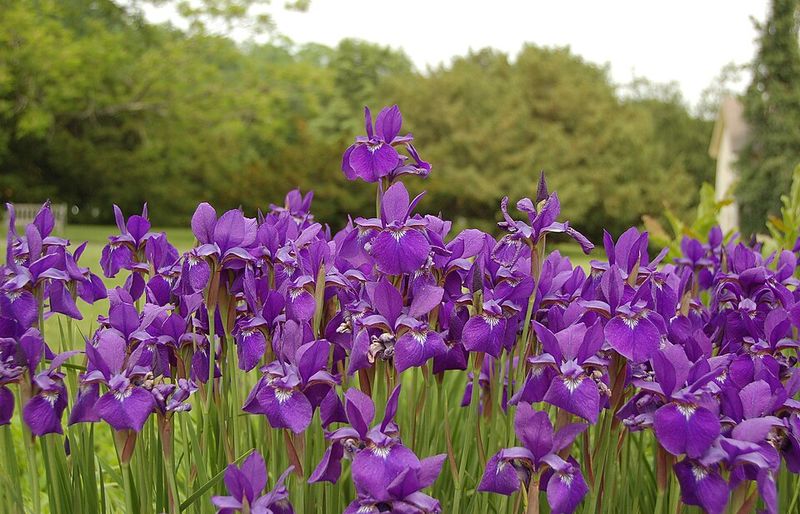
Graceful foliage can carry a garden even when flowers are not open, and that is one reason this perennial keeps gaining fans. Siberian iris forms denser clumps over time in Massachusetts, producing more fans of slender leaves and a stronger bloom display as the years pass.
The flowers have a refined look, but the plant itself is far tougher and more forgiving than it appears.
You will usually see the best results in full sun or light shade with soil that holds some moisture in spring yet still drains reasonably well. Unlike fussier bearded types, this iris is less bothered by harsher weather swings and keeps attractive foliage after flowering.
Dividing every several years can restore vigor if the center becomes crowded, but it is not a plant that demands constant intervention.
The real long-term value shows up in how the clump expands into a soft, architectural accent that works with both formal and naturalistic designs. It pairs beautifully with peonies, catmint, and early summer alliums while adding movement without looking messy.
For Massachusetts gardeners who want a perennial that returns with more presence every year and still feels elegant, Siberian iris is an easy plant to appreciate.