
12 North Carolina Garden Plants That Stay Healthy Through Humid Summers
Follow us on Google
North Carolina summers can turn a promising garden into a stressed, spotty mess fast. Heat hangs in the air, rain comes in bursts, and fungal problems seem ready to pounce the second leaves stay damp too long.
The good news is that plenty of plants actually handle those conditions beautifully, especially when you match them to your site. These picks stay attractive with less fuss, so you can spend more time enjoying the yard and less time troubleshooting it.
Oakleaf Hydrangea
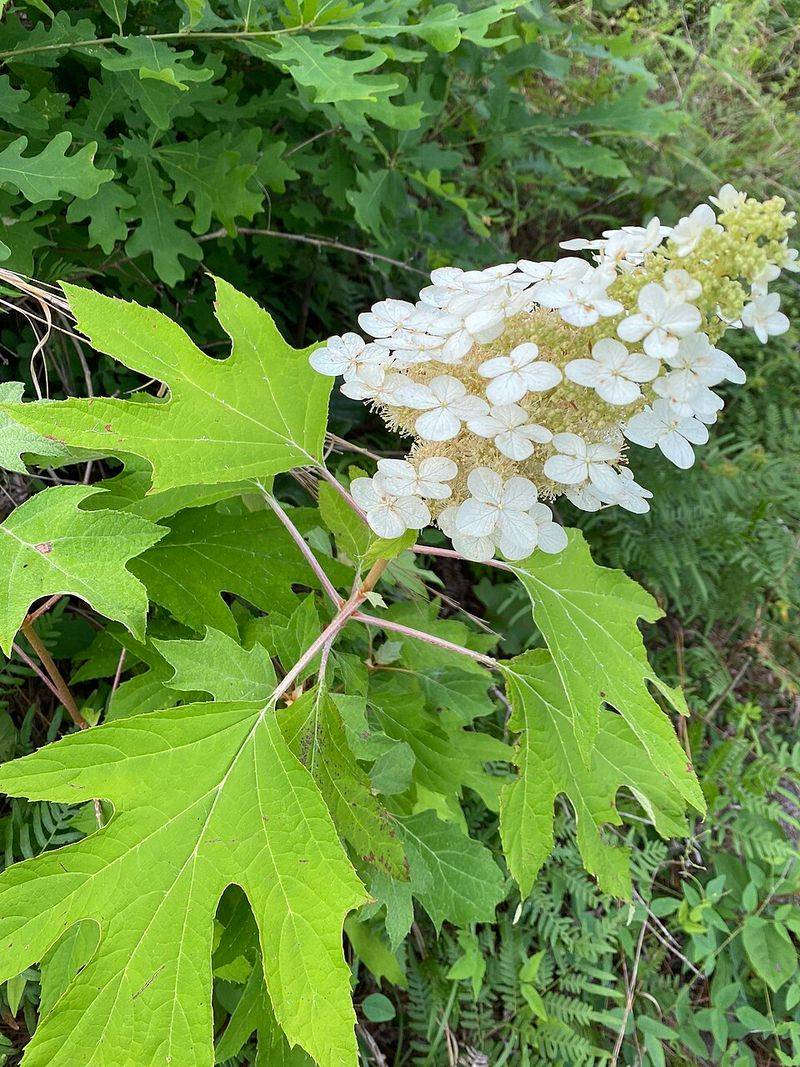
In a North Carolina yard, few shrubs look as settled and unfazed in sticky summer weather as this native hydrangea. The leaves are thick, the roots appreciate woodland-style soil, and the flower panicles hold up well through heat that flattens fussier bloomers.
You get a shrub that looks substantial without acting delicate.
Morning sun and afternoon shade usually give you the cleanest foliage, especially in the Piedmont and coastal plain. Rich soil helps, but drainage matters more than people expect because humid air plus soggy roots can still cause stress.
A two to three inch layer of mulch keeps moisture consistent and cuts down on splash-up that spreads disease.
If you have struggled with bigleaf hydrangeas that wilt by lunchtime, this one often feels much easier to live with. Older stems offer handsome peeling bark, and the leaves shift to burgundy tones in fall, so you get value beyond flowering season.
Prune only after blooming if shaping is needed, since buds form on old wood.
For a foundation bed, woodland edge, or shaded side yard, this shrub earns its space. Pair it with ferns, heuchera, or native sedges, and you will have a planting that still looks composed when July turns heavy and damp.
Inkberry Holly
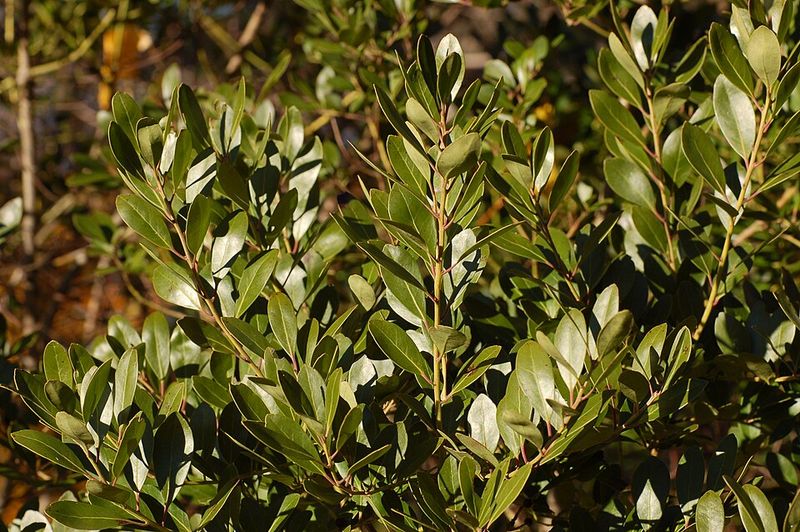
Evergreen structure matters when summer perennials come and go, and this native holly keeps looking neat through hot, wet spells. Its small dark leaves resist the tattered look that some broadleaf shrubs develop in prolonged humidity.
That steady texture makes borders and foundation beds feel anchored all season.
Moist, acidic soil suits it best, which is one reason it performs so comfortably in many North Carolina gardens. Unlike plants that sulk in a rainy stretch, it handles periodic wetness better than most evergreen substitutes.
Give it full sun to part shade, and water deeply during the first year so roots establish before the real summer stress arrives.
You will get the best shape by choosing a cultivar that naturally stays compact instead of relying on constant shearing. Heavy pruning can leave bare wood, so light tip cuts in spring work better if you want a tidier outline.
In mixed plantings, it pairs nicely with hydrangeas, grasses, and flowering perennials that need a dark green backdrop.
Another bonus is reliability in winter, when deciduous beds disappear and the garden needs substance. If your goal is a low-drama shrub that tolerates North Carolina humidity without looking tired by August, this one quietly solves several design problems at once.
Summersweet Clethra
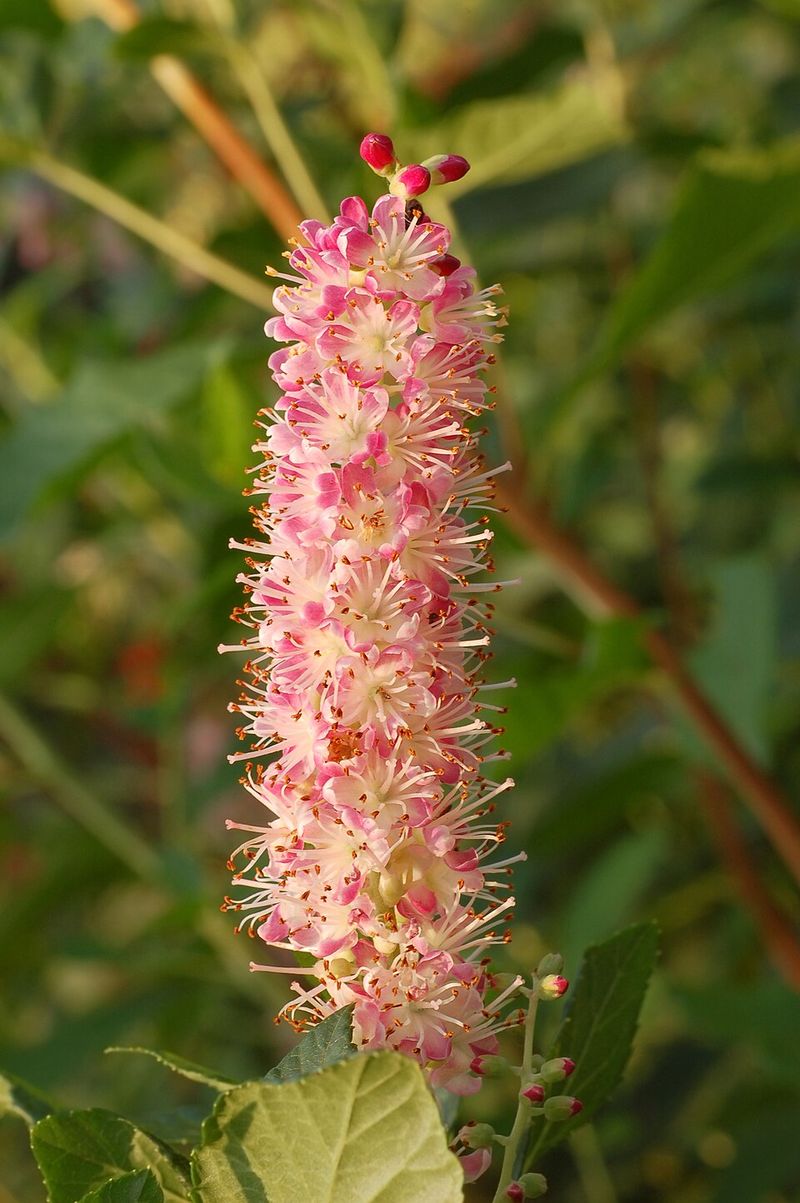
Sweet fragrance in midsummer can feel rare when many shrubs have already finished blooming, which is why this native plant stands out. Bottlebrush flowers open when the air is thick and the garden needs a fresh moment.
It also handles moisture with surprising grace, making it useful in spots that stay damp after storms.
Part sun is usually ideal, though it will flower well with enough light and regular moisture. In sandy coastal soils or fast-draining raised beds, extra compost helps roots stay cool and evenly hydrated.
Once established, it has a dependable, composed look that does not collapse just because the forecast says ninety with high humidity.
Pollinators flock to the blooms, so it earns a place near patios, paths, or kitchen windows where you will actually notice the activity. The foliage generally stays clean, and the rounded habit blends well with ferns, iris, and swamp sunflower.
If suckering concerns you, simply thin new shoots every spring and let the plant keep a natural shape.
For gardeners dealing with a muggy low area or a border that gets blasted by summer rain, this is a smart choice. Fragrance, native value, and moisture tolerance rarely come in one package this easy to maintain.
Virginia Sweetspire
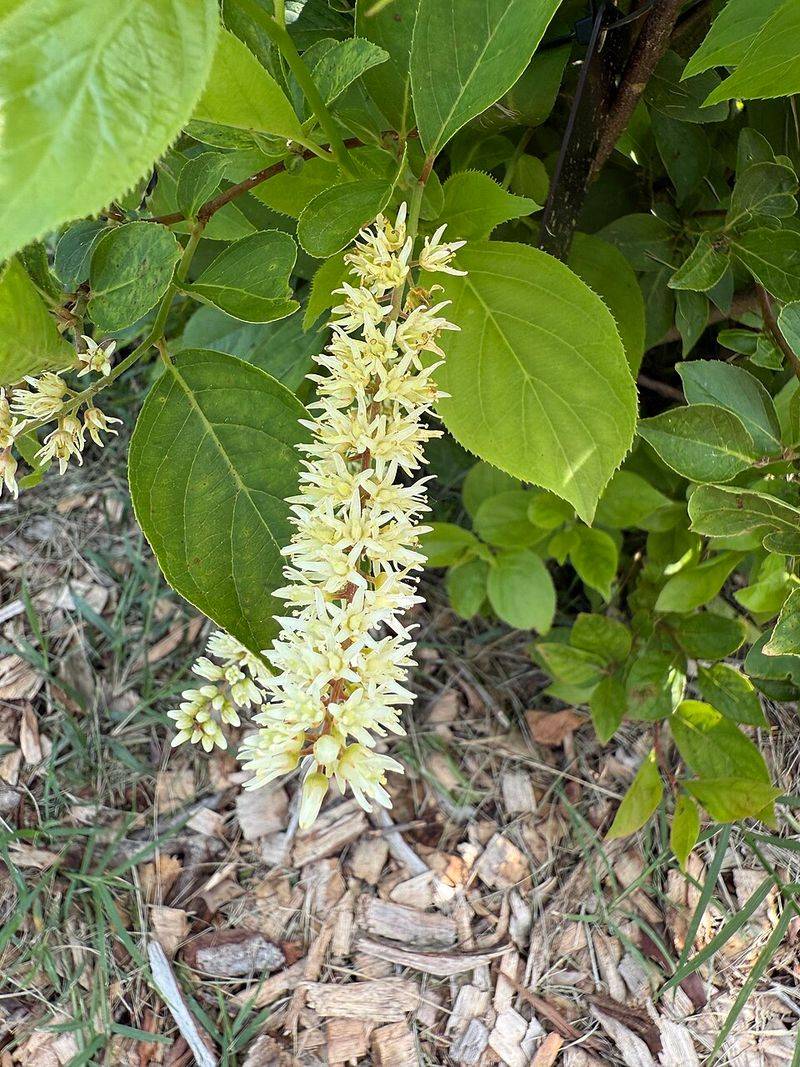
Some shrubs earn their keep by thriving where weather feels hard on everything else, and this native is one of them. It tolerates humidity, periodic wet feet, and summer heat without losing its graceful habit.
Arching stems and clean foliage give borders a relaxed look that still feels polished.
Full sun brings stronger fall color, but part shade often keeps the plant especially comfortable during the hottest part of a North Carolina summer. Soil can range from average to moist, which makes this a practical option for rain gardens, downspout areas, or low spots near patios.
A yearly layer of compost and mulch is usually enough to keep it happy.
You do not need to fuss much with pruning unless the shrub outgrows its space. After flowering, remove a few older stems at the base if you want a more open shape and better airflow.
That simple step helps maintain healthy foliage and makes the plant look refreshed without forcing it into a clipped form.
Design-wise, it works beautifully with coneflowers, sedges, and oakleaf hydrangeas for a mostly native planting that shrugs off muggy weather. If your garden has one area that stays wetter and more stagnant than the rest, this shrub often turns that headache into one of the easiest spots in the yard.
Blue Star Amsonia
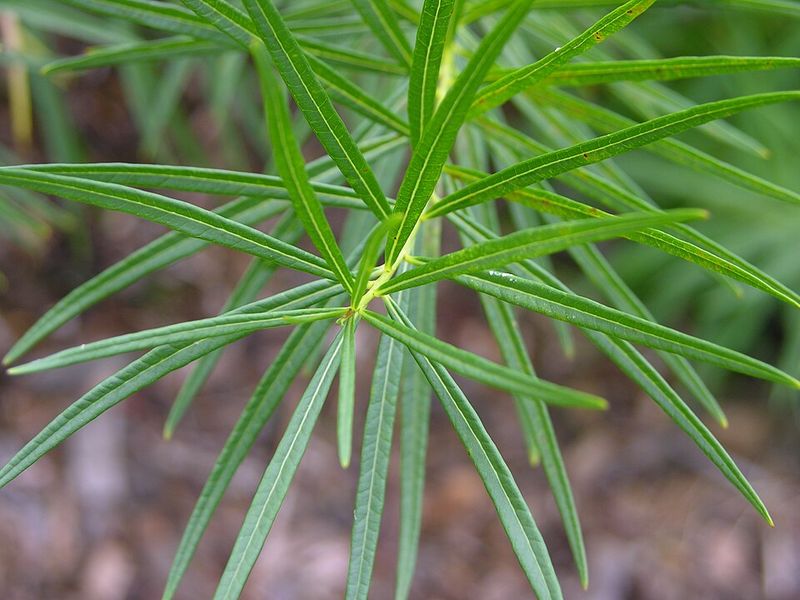
Fine texture can be hard to keep looking fresh in humid heat, yet this perennial usually holds itself together with very little help. After the spring flowers fade, the foliage becomes the real asset, staying upright and clean through summer.
That dependable structure makes nearby plants look better too.
Sunny sites with decent drainage are the sweet spot, especially in the Piedmont where clay can stay wet after heavy rain. Mixing compost into the planting area helps young roots settle in, but mature clumps are impressively resilient.
Once established, it rarely needs staking, frequent division, or the kind of coddling that high-humidity gardens often punish.
If you want a border that still looks intentional in August, this plant is a quiet workhorse. Pair it with black-eyed Susans, switchgrass, or rudbeckia for a layered planting that handles heat without turning floppy.
Cutting stems back by a few inches in late spring can create an even fuller mound if you prefer a tidier shape.
Fall color is another bonus, often shifting to golden tones that extend its usefulness well past bloom time. For gardeners tired of perennials that peak early then melt in moisture-heavy weather, this one offers calm, consistent performance with almost no drama.
Daylily
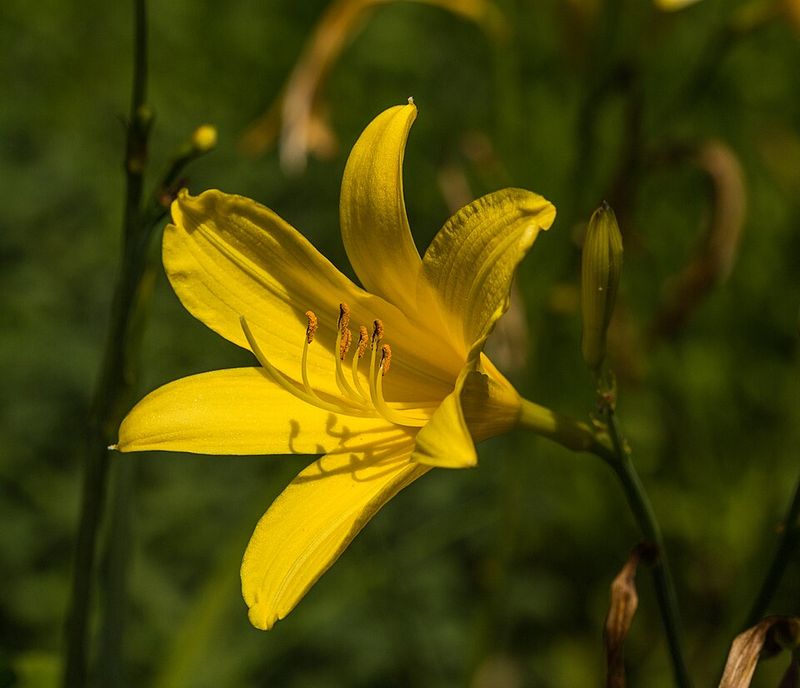
Reliable color matters when summer weather starts stressing more delicate plants, and daylilies keep showing up ready to perform. Their strappy foliage tolerates heat well, and established clumps bounce back quickly after heavy rain.
In many North Carolina gardens, they are one of the simplest ways to keep a border lively through the muggiest stretch.
Good airflow still helps, so avoid packing them too tightly against shrubs or fences where leaves stay wet for hours. Full sun brings the strongest bloom set, though a little afternoon shade can preserve flower color in especially hot inland sites.
Dividing overcrowded clumps every few years improves flowering and reduces the tired, congested look that can invite problems.
Choose modern varieties with strong bud count and good foliage quality rather than grabbing whatever is cheapest. You will notice the difference by late July when better selections still look tidy while weaker ones start browning at the edges.
A simple routine of deep watering during drought and deadheading spent scapes keeps the planting looking intentional.
These flowers also work well for busy gardeners who want impact without constant babying. Tuck them into mailbox beds, mixed borders, or sunny slopes, and they handle North Carolina humidity with a level of ease that is hard to argue with.
Purple Coneflower
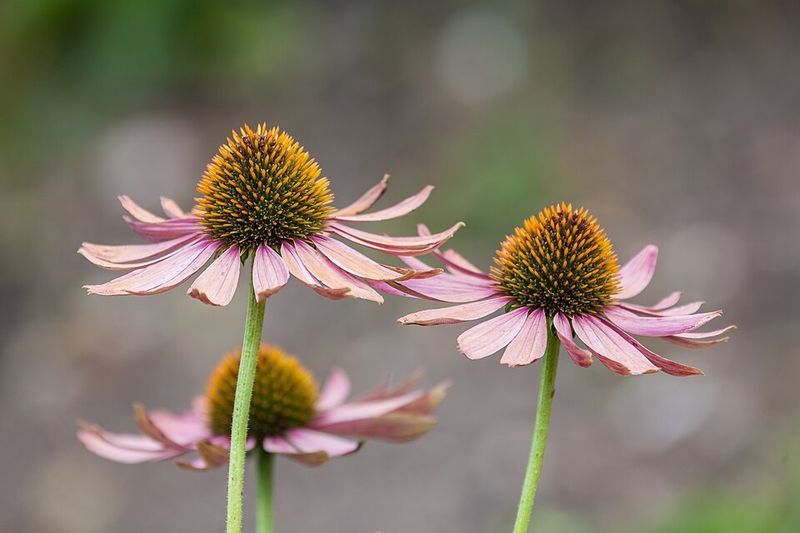
Strong stems and long bloom time make this perennial a smart answer to sticky southern summers. It handles heat, keeps flowering when deadheaded lightly, and draws pollinators from morning to evening.
In a sunny North Carolina bed, it often looks better with less pampering than more demanding cottage garden favorites.
Drainage is the key detail people sometimes miss. Humid air does not bother the plant much, but constantly soggy soil can shorten its life, especially in heavy clay.
Work in compost, plant a little high if needed, and resist the urge to overwater once roots are established.
For the healthiest stand, give each clump enough elbow room so leaves dry quickly after rain. That one spacing decision can make a bigger difference than any spray bottle or rescue treatment later in the season.
Leaving some seed heads standing after bloom adds texture and feeds birds, which gives the border another layer of usefulness.
Native-style plantings, pollinator beds, and sunny front yards all benefit from its upright form and easy color. Mixed with grasses or black-eyed Susans, it creates a look that feels natural but not messy.
If your goal is beauty that keeps its composure in humid weather, this plant rarely disappoints.
Black-Eyed Susan
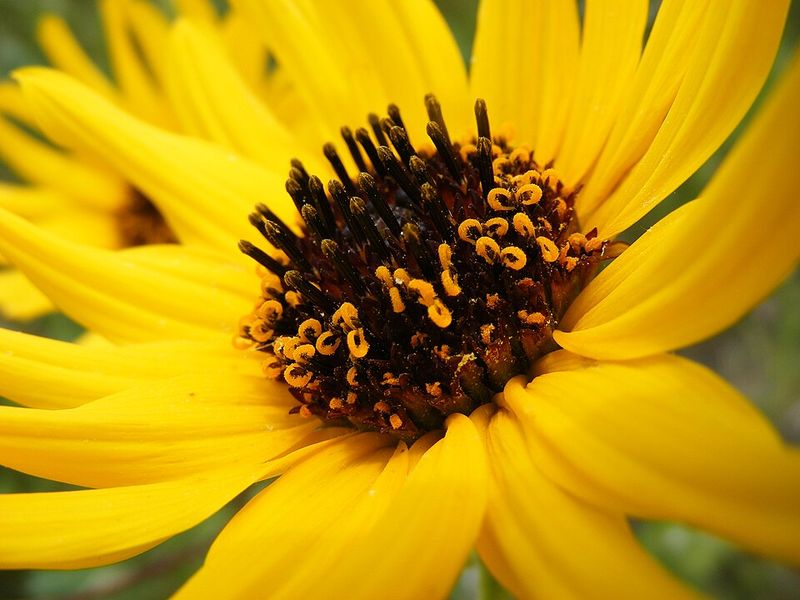
Bright gold flowers can carry a border through the thickest part of summer, and this perennial does it with very little attitude. It takes heat seriously, keeps blooming through humidity, and gives the garden a cheerful pulse when some plants start fading.
That combination makes it especially useful in beginner-friendly North Carolina landscapes.
Sun is important, and decent spacing matters more than most people think. Crowded clumps can hold moisture on leaves too long, so place them where air moves freely and avoid overhead watering late in the day.
A leaner soil is often fine, which is good news if you are gardening in a newer bed that has not been heavily amended.
Deadheading extends bloom, but leaving a few seed heads later in the season adds interest and feeds birds. If plants become floppy, cutting them back by about one-third in early summer usually creates a sturdier, bushier shape.
That trick is especially helpful in rich soil where growth can get a little too enthusiastic.
Use it with coneflowers, salvias, or ornamental grasses for a planting that still looks energetic in August. For anyone wanting color that can stand up to North Carolina humidity without a lot of monitoring, this is one of the most practical perennials to start with.
Switchgrass
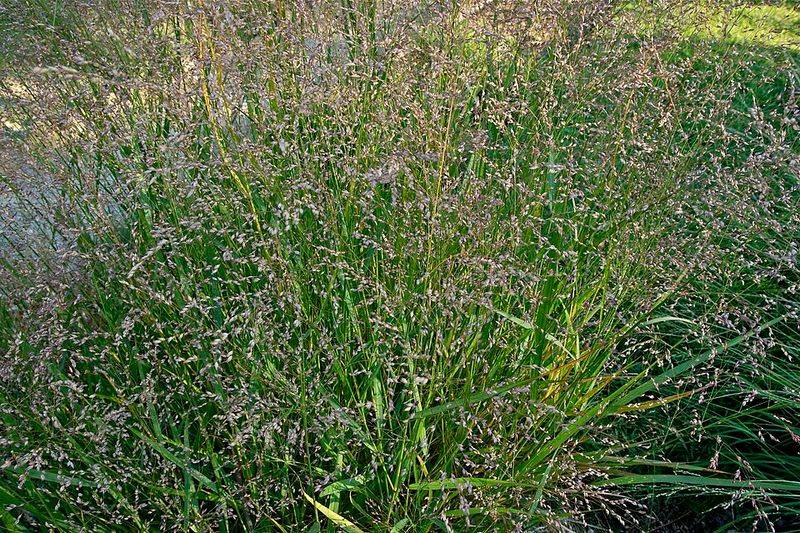
Ornamental grasses often shine when broadleaf plants start looking tired, and switchgrass is one of the best for humid conditions. Its upright habit stays appealing through summer, and the narrow foliage dries quickly after rain.
That simple trait helps it stay cleaner and healthier than many denser, moisture-trapping plants.
Choose a cultivar sized for your space because this grass can become a major visual element by midsummer. Full sun gives the strongest stems and best color, while overly rich soil may encourage flopping.
Once established, it handles heat and periodic drought well, which is handy during those North Carolina weeks when the weather swings from steamy storms to sudden dry spells.
The airy flower panicles add movement without making a bed feel chaotic. In mixed plantings, it balances bolder flowers like coneflower and black-eyed Susan and gives pollinator gardens a more natural rhythm.
Leave the foliage standing into winter for structure, then cut it back before spring growth starts.
Another advantage is reduced maintenance compared with thirsty annual fillers that need constant refreshing. If a border feels flat or repeatedly struggles in humid weather, adding this native grass often solves both problems at once.
You get texture, motion, and resilience from one plant that actually enjoys southern summer conditions.
Autumn Fern
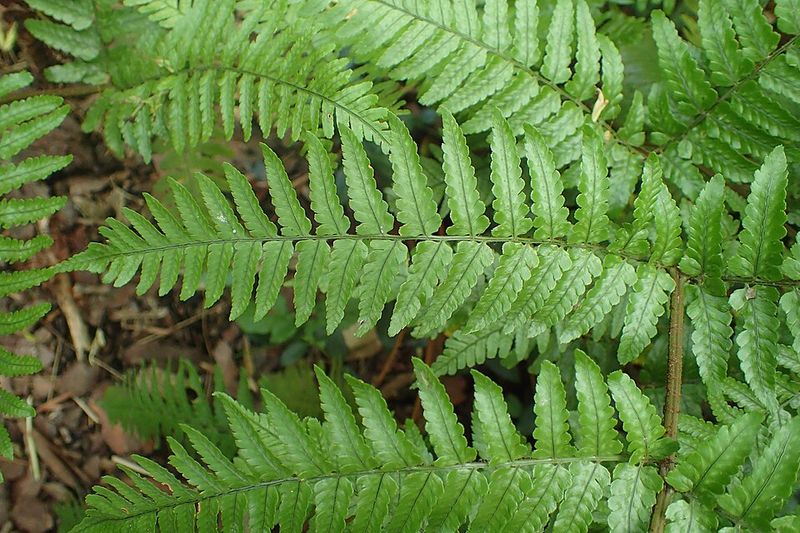
Shady gardens in humid climates need plants that can look fresh instead of mildewed or limp, and this fern usually meets that challenge beautifully. New fronds emerge with warm copper tones before deepening to glossy green, giving the planting subtle color shifts through the season.
It is especially useful where summer shade stays damp and heavy.
Consistent moisture helps, but the soil should still drain well enough that roots are not sitting in stagnant water. A woodland-style layer of shredded leaves or pine bark keeps the root zone cool and mimics the conditions ferns naturally enjoy.
In return, you get elegant texture that softens paths, foundation beds, and shaded entries.
Unlike fussier shade plants that scorch or collapse during hot spells, this one tends to hold its shape and color with minimal intervention. Remove damaged fronds in late winter before fresh growth begins, and the clump will quickly look renewed.
Pair it with oakleaf hydrangea, heuchera, or hostas if you want contrast between bold leaves and finer texture.
North Carolina gardeners often need shade plants that can handle humidity without becoming a maintenance project. That is where this fern earns its place.
It brings structure, season-long foliage interest, and a calm, polished look to spots where flowers are not the main event.
Southern Wax Myrtle
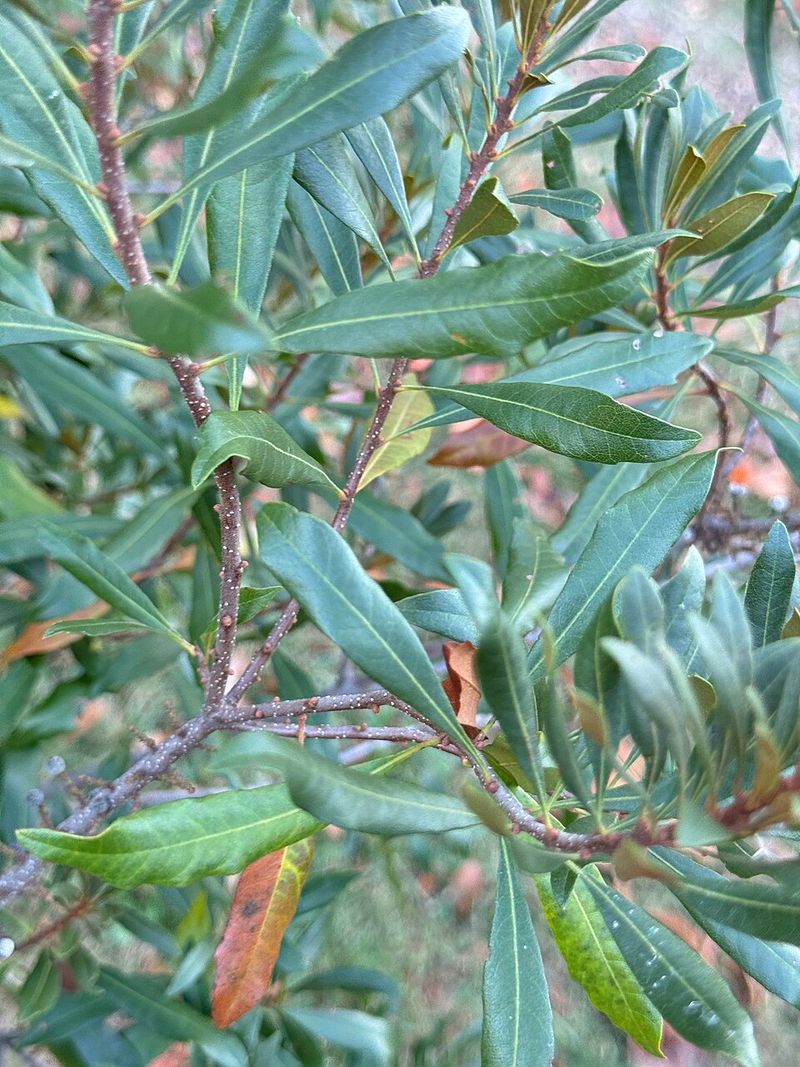
Fast privacy is tempting, but many screening plants struggle once North Carolina humidity, storms, and heat settle in for the season. This native evergreen handles those conditions far better than most quick-fix options.
Its aromatic foliage stays attractive through summer, and the plant adapts to a wide range of soils, including sandy or periodically wet spots.
Sun to light shade works well, though fuller sun usually produces the densest growth. It responds well to pruning, so you can keep it as an informal screen, a small tree, or a large background shrub.
Because it fixes nitrogen, it often performs surprisingly well in leaner soils where other shrubs need frequent feeding to maintain color.
Spacing is important if you want long-term health. Give each plant enough room for air circulation rather than jamming them together for instant coverage, because overcrowding can create avoidable stress.
Once rooted in, wax myrtle is notably tolerant of heat, salt, and weather swings, which makes it especially useful for coastal and southeastern gardens.
If you are tired of evergreens that bronze, thin out, or look miserable by late summer, this is a practical reset. Use it along property lines, around utility areas, or behind perennial beds where you need a durable green backdrop that does not wilt under humid pressure.
Cardinal Flower
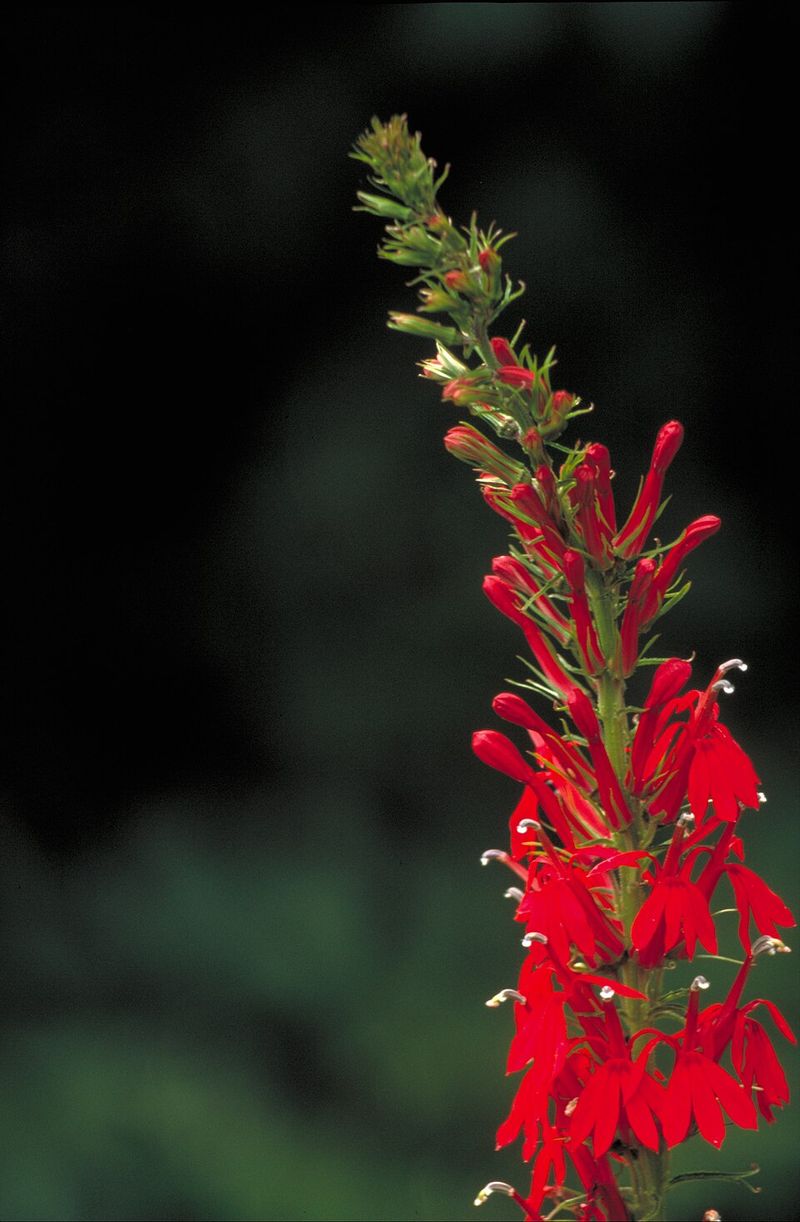
Brilliant red flowers can be hard to sustain through a southern summer, yet this native perennial often looks right at home in North Carolina humidity. It naturally grows where soil stays evenly moist, so muggy weather is not the enemy here.
In the right spot, those vertical blooms bring a dramatic shot of color just when gardens can start feeling visually tired.
A consistently moist bed is the difference between a thriving clump and a disappointing one. Think rain garden edges, streamside plantings, or a border that catches runoff without staying swampy for days.
Morning sun with afternoon shade is often ideal inland, while cooler mountain gardens can handle more direct light.
Hummingbirds find the flowers quickly, which makes this plant especially rewarding near porches, seating areas, or kitchen windows. Mulch helps preserve soil moisture, but avoid piling it against the crown.
If seedlings appear nearby, let a few remain because individual plants can be short lived and natural reseeding keeps the patch going.
Used with ferns, sweetspire, or blue flag iris, it creates a planting that feels grounded in the region instead of copied from a cooler climate. For gardeners dealing with humid conditions and a moist site, this perennial turns a potential problem area into a true highlight.