
Why Georgia Homeowners Are Replacing Bare Yard Corners With Hardy Shrubs
Follow us on Google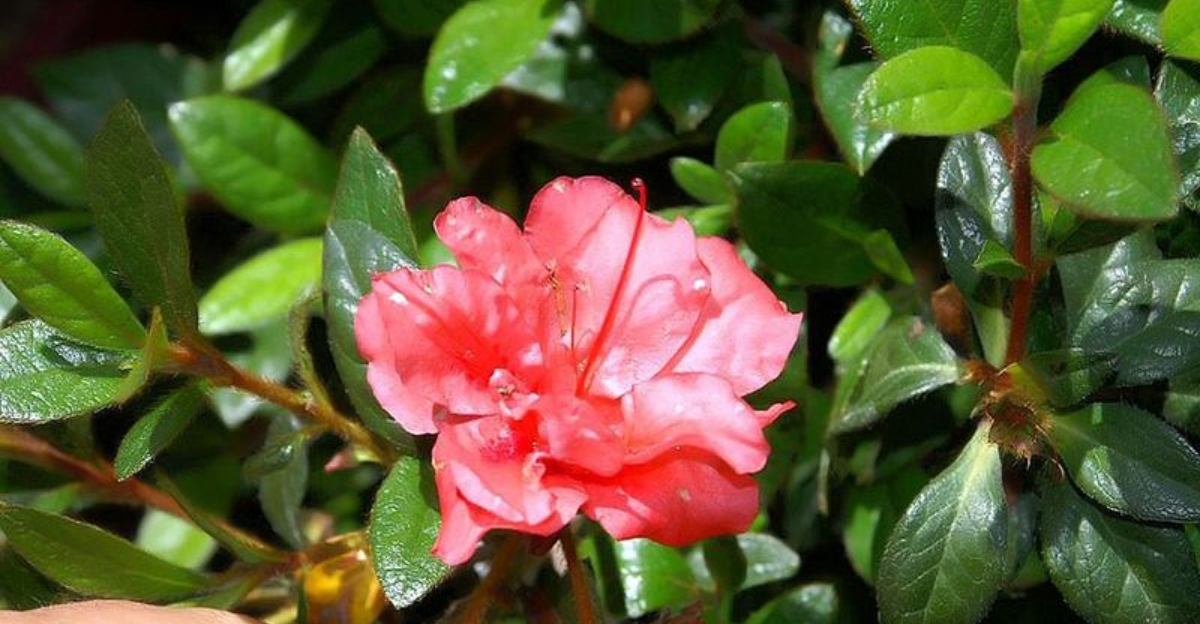
Bare yard corners tend to collect every problem at once – heat, runoff, patchy grass, and that unfinished look homeowners notice every time they pull into the driveway. In Georgia, hardy shrubs are becoming the smart fix because they handle humidity, long summers, and inconsistent rain without demanding constant attention.
They also make awkward spaces feel intentional, polished, and easier to maintain. If you are tired of staring at struggling turf and exposed soil, these shrub choices show why so many corners are getting a practical upgrade.
Oakleaf Hydrangea
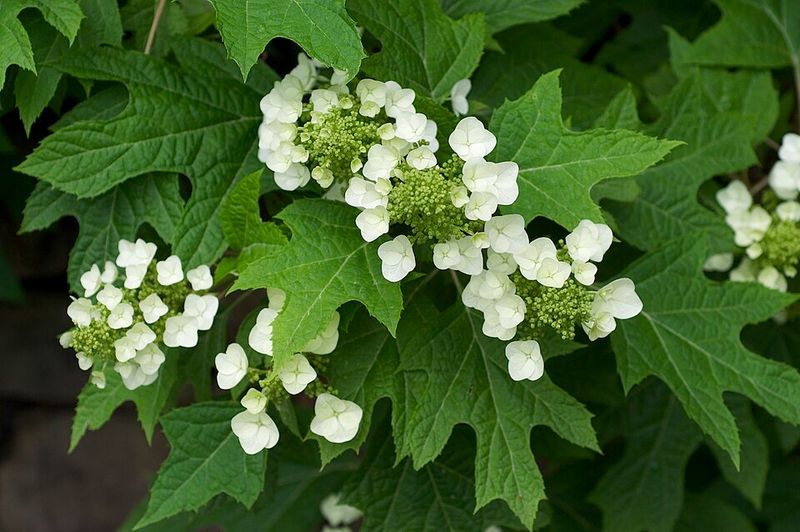
In many Georgia yards, the hardest spot to make attractive is that empty corner where grass thins out and sun shifts all day. Oakleaf hydrangea solves that problem with big leaves, strong structure, and blooms that still look natural instead of overly formal.
You get a shrub that feels substantial fast, which matters when a bare area has been bothering you for years.
Heat and humidity do not rattle it the way fussier flowering shrubs can, especially once roots are established and mulch keeps the soil cooler. I like that it keeps working after bloom season too, because the leaves turn rich shades in fall and the peeling bark adds winter interest.
That means one plant carries visual weight across several seasons, not just for a few spring weeks.
It also handles those awkward side-yard corners where drainage is decent but irrigation is limited. A layer of pine straw, a slow watering schedule during its first year, and light pruning after flowering are usually enough.
If you want a corner to look designed rather than forgotten, this shrub earns its space without turning into a weekly chore.
Distylium
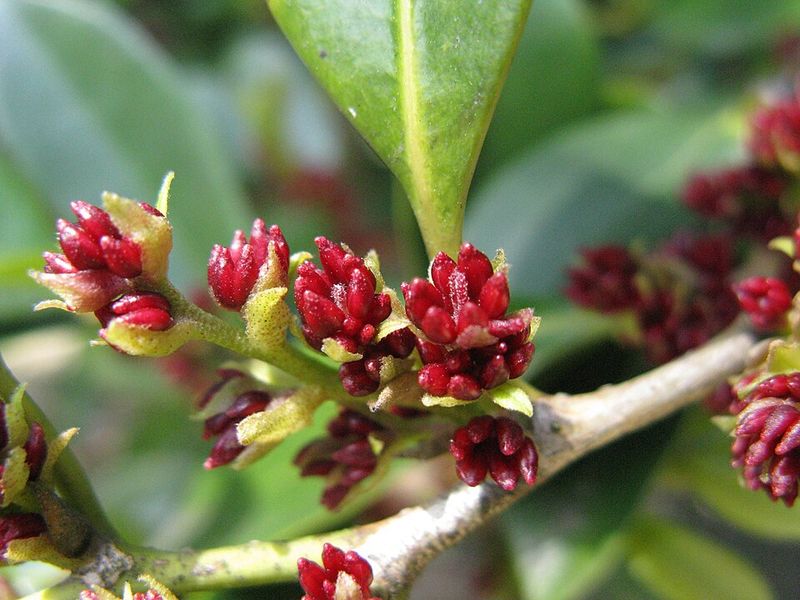
Some yard corners are simply too exposed, too dry, or too inconvenient for plants that need pampering. Distylium has become a favorite in Georgia because it stays evergreen, holds a refined shape, and tolerates heat swings without looking stressed by July.
That reliability is exactly why homeowners are swapping out bare soil and weak grass for a shrub that keeps its composure.
You do not have to build your watering schedule around it forever. Once established, it handles drought better than many traditional foundation plants, and it resists many of the pest and disease issues that make older shrub choices frustrating.
The branching habit also fills in low and wide, which helps soften harsh fence lines, HVAC units, or the sharp angle where a walkway meets the house.
There is also a practical design advantage here. Because distylium comes in several sizes, you can use a compact variety in a tight front bed or a broader one where you need coverage fast.
Add mulch, avoid soggy soil, and give it enough room to mature, and that blank corner starts looking like the yard was planned that way from the beginning.
Loropetalum
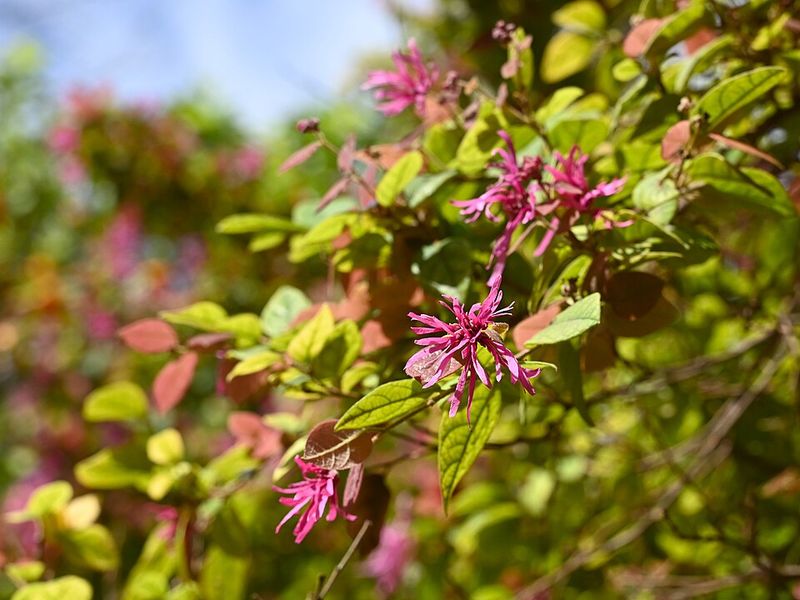
A corner that feels flat can change quickly when foliage brings color even before flowers arrive. Loropetalum is popular across Georgia because the deep purple leaves stand out against brick, siding, and pine straw, giving an underused area an instant focal point.
That color contrast does a lot of work in small spaces where you may only have room for one or two shrubs.
The real appeal is that it performs through the long southern growing season without asking for constant correction. Newer varieties stay more controlled than older oversized forms, so you are less likely to battle a plant that outgrows the bed in a few years.
In spring, the fringe-like blooms add another layer of interest, but the foliage is what keeps the corner looking finished the rest of the year.
Placement matters with this one. Give it sun to part shade, decent drainage, and enough width so you are not forced into tight shearing.
I usually suggest using loropetalum where a homeowner wants a softer screen near the driveway or property edge, because it fills visual gaps fast while still feeling decorative instead of heavy or blocky.
Encore Azalea
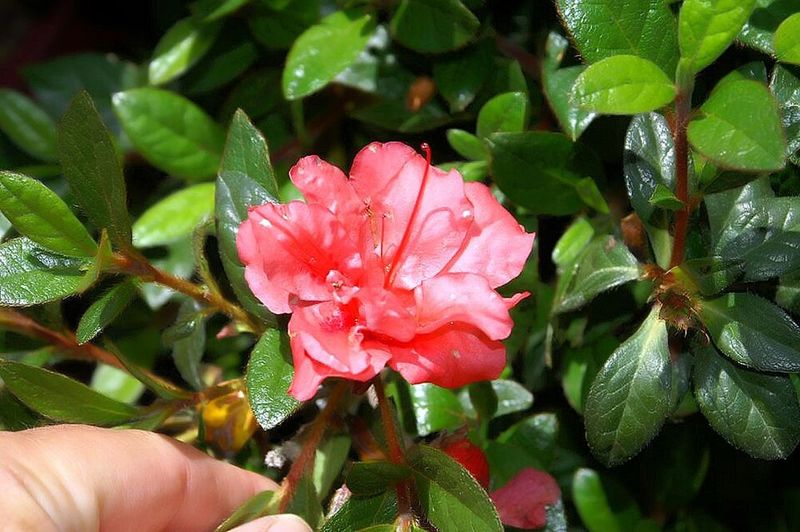
Not every yard corner needs a giant shrub to make sense. Encore azaleas are winning over Georgia homeowners because they fit smaller beds, stay attractive year-round, and bloom beyond the short spring window people usually expect from azaleas.
That reblooming habit makes a forgotten corner feel more connected to the rest of the landscape instead of fading into the background after April.
They are especially useful near porches, mailboxes, and front walk corners where color matters but space is tight. Many varieties handle more sun than older azaleas, which opens up spots that were once hard to plant successfully.
You still get the classic southern look, just with less disappointment from sparse bloom cycles and less pressure to fill the gap with seasonal annuals.
For the best results, give them acidic soil, mulch well, and avoid planting too deeply. A simple feeding routine and occasional shaping after major bloom periods usually keep them on track.
If you want a corner that looks cheerful for more than one brief season, Encore azaleas offer that balance of familiar beauty and practical performance that busy homeowners appreciate.
Indian Hawthorn
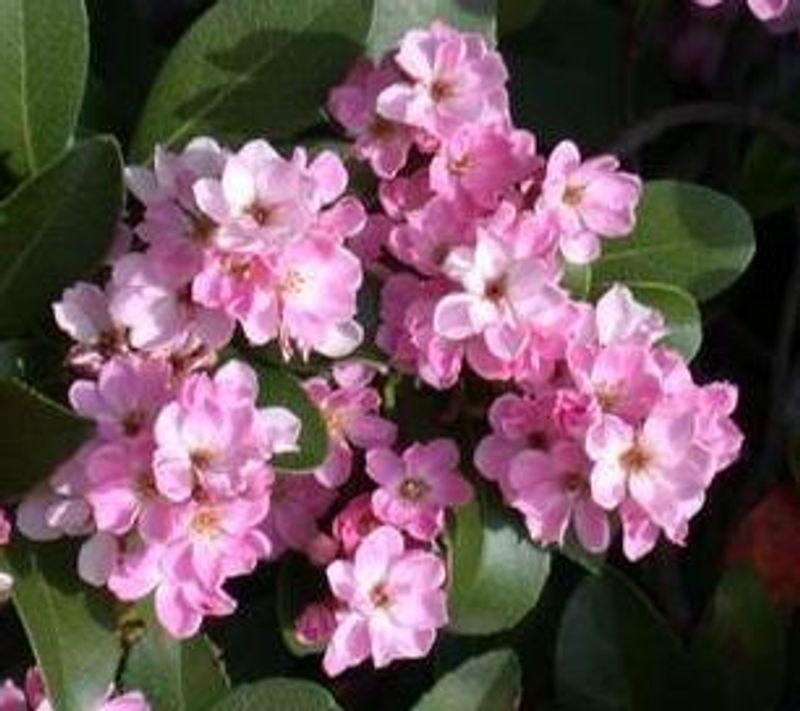
Driveway corners and front-bed edges often need a shrub that stays neat without demanding frequent pruning. Indian hawthorn has earned a place in many Georgia landscapes because it offers evergreen structure, spring flowers, and a naturally compact form that suits smaller homes and tighter planting zones.
When grass burns out near pavement, this shrub can make that difficult patch feel intentional again.
The glossy leaves give it a polished appearance even when nothing is blooming. In spring, clusters of pink or white flowers brighten the bed, and later the dark berries add another layer of seasonal interest.
It also tolerates heat well, which matters in spots where reflected warmth from concrete or brick can make lesser plants struggle.
Good air circulation is worth paying attention to, especially in humid regions where leaf spot can become an issue. Plant it where sun reaches the foliage, water at the roots instead of overhead when possible, and avoid overcrowding.
If your goal is to clean up a sunny corner without creating a maintenance headache, Indian hawthorn offers structure, color, and dependable curb appeal in one manageable package.
Abelia
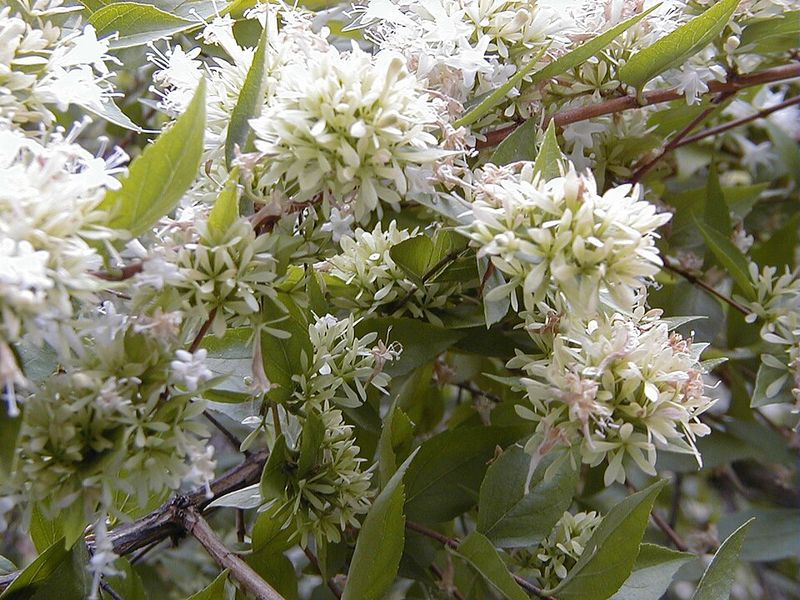
There is something useful about a shrub that softens a hard corner without turning messy. Abelia does that beautifully, with arching branches and glossy foliage that make a space feel lived-in and welcoming rather than stiff.
In Georgia, it has become a dependable answer for spots where homeowners want movement, flowers, and long seasonal value from one plant.
The bloom period is a major reason people keep coming back to it. Small tubular flowers appear over an extended stretch, bringing pollinators into areas that used to be visually dead and ecologically quiet.
Many varieties also offer foliage color that shifts through the year, so you are getting more than a simple green filler tucked into a bed corner.
It performs best with sun to light shade and reasonably well-drained soil, but it is forgiving once established. You can let it take on a graceful natural shape or lightly trim it if the space is more formal.
For homeowners who want a corner to feel softer near a patio, fence, or walkway, abelia gives steady color and structure without the constant upkeep that heavier blooming shrubs often require.
Yaupon Holly
Some corners need more than beauty. They need screening, year-round coverage, and a plant that can tolerate the mix of heat, humidity, and occasional neglect that comes with real life.
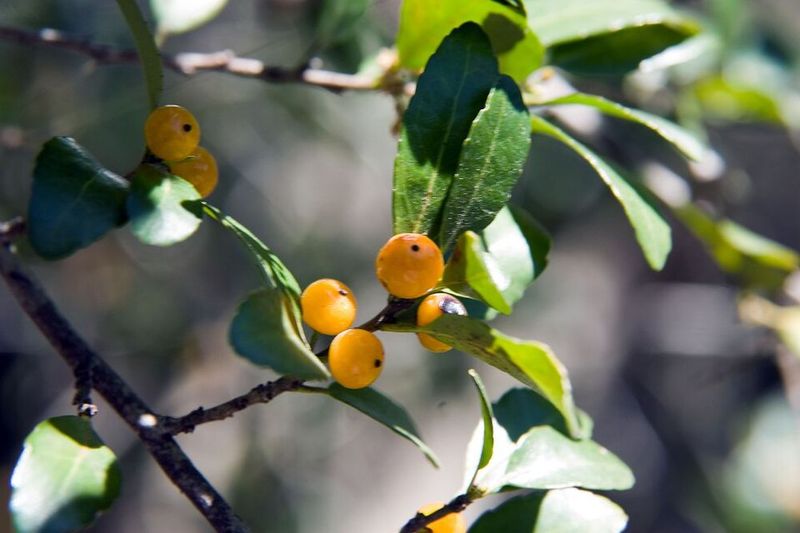
Yaupon holly fits that job in Georgia yards because it is adaptable, evergreen, and available in forms ranging from upright to compact, depending on how much space you have.
The fine texture gives beds a cleaner look than broader-leaf shrubs, especially around utility areas or lot-line corners that can feel heavy if planted poorly. Female plants also produce bright berries, adding color when many landscapes look flat.
That winter interest matters more than people expect, since a bare corner tends to feel most obvious after perennials die back and turf goes dormant.
Another advantage is toughness. Yaupon holly handles pruning well if you need control, yet it also looks natural when allowed to develop its own form.
Use it where drainage is decent, give it enough width from the start, and resist overwatering after establishment. If you are trying to replace a weak patch of lawn with something permanent and useful, this shrub offers privacy, structure, and dependable year-round presence.
Gardenia
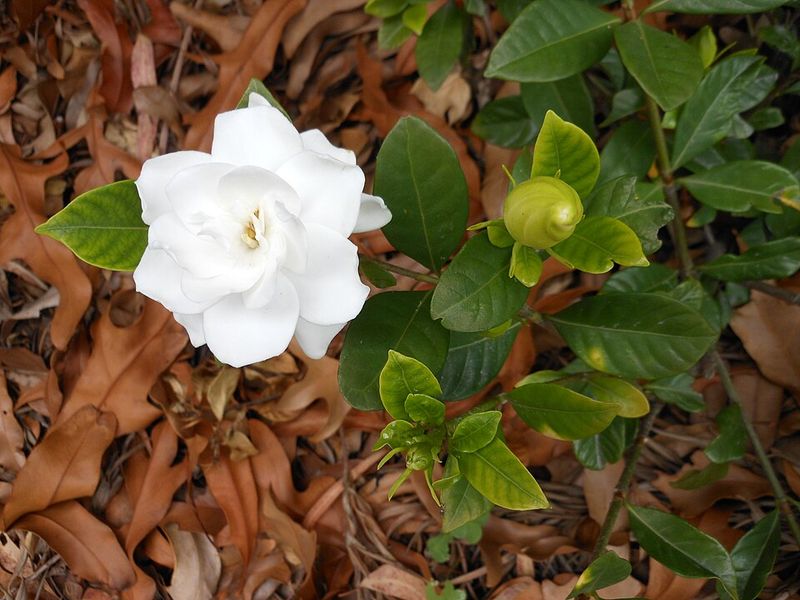
For homeowners who want a bare corner to feel special instead of merely covered, gardenia is hard to ignore. The glossy evergreen leaves bring polish all year, and the fragrance in bloom season can make a walkway or patio edge feel dramatically more inviting.
In Georgia, that sensory payoff is one reason people choose shrubs over another disappointing attempt at patchy grass.
This is not the most carefree option on the list, but newer varieties have made success easier in home landscapes. Morning sun with some afternoon protection often works well, especially in hotter parts of the state where harsh late-day exposure can stress the plant.
When the site is right, the reward is a corner that looks refined and smells incredible during peak bloom.
Good soil preparation matters here more than with tougher shrubs. Aim for acidic, well-drained soil, keep mulch off the crown, and water consistently while roots establish.
I usually recommend placing gardenias where you will actually pass by them, because their value is not just visual. If a neglected corner sits near an entry, seating area, or front path, this shrub turns dead space into something memorable.
Sweetspire
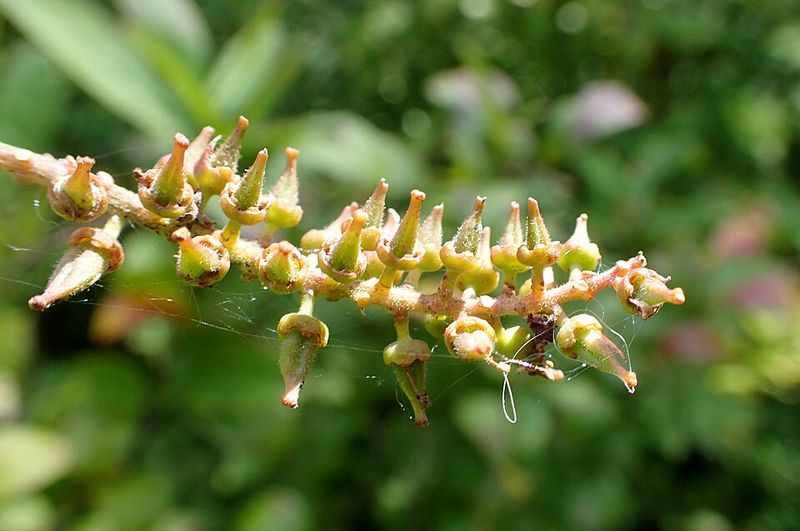
Low spots and moisture-prone corners can be some of the most frustrating places to landscape well. Sweetspire stands out in Georgia because it tolerates wetter conditions better than many flowering shrubs, yet still looks graceful and intentional in a residential bed.
That makes it a smart replacement for muddy corners where turf repeatedly fails and exposed soil keeps washing out.
In late spring, the bottlebrush flowers add a bright, airy look, and the fragrance is a welcome bonus near patios or side yards. Later in the year, the foliage turns strong shades of red and orange, which gives homeowners a fall show from an area that may have previously offered nothing but drainage headaches.
It is especially effective where you want a softer, more natural look instead of clipped formality.
Sweetspire can spread gradually, so give it room or be prepared to thin stems occasionally if the bed is tight. It handles part shade well and generally asks for less fuss than many bloom-focused shrubs.
If you have a corner that stays damp after storms or catches runoff from a downspout, this plant does more than fill space – it helps the site function better.