
Why North Carolina Gardeners Are Mixing Edible Plants Into Flower Beds
Follow us on Google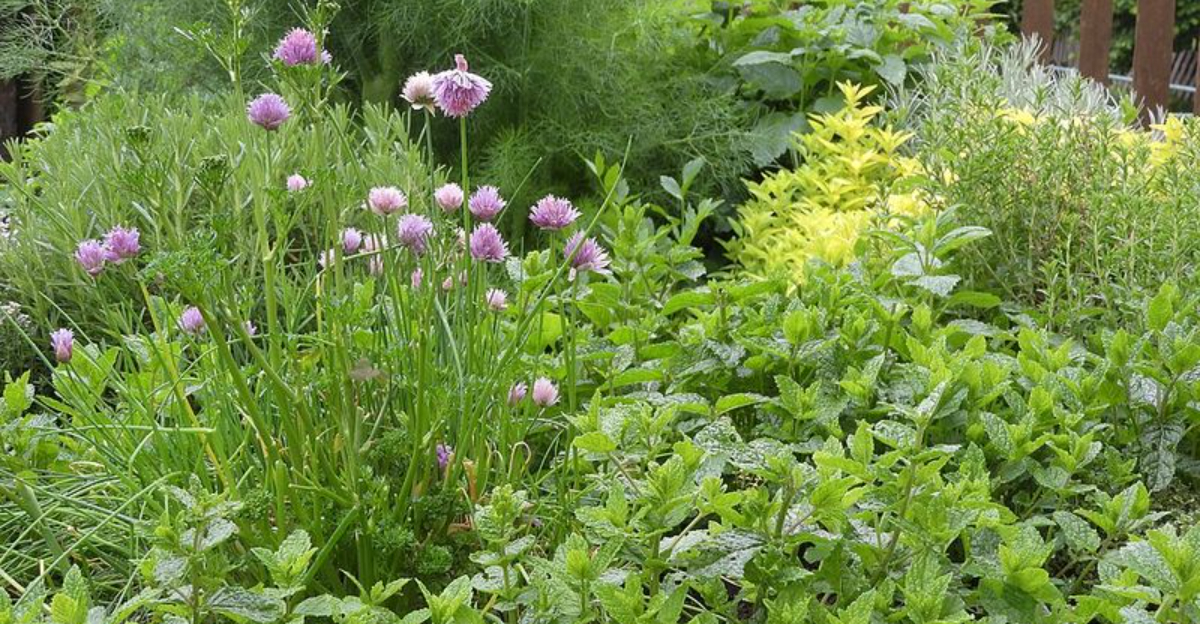
Across North Carolina, flower beds are starting to look a little more useful – and a lot more interesting. Gardeners are tucking basil beside zinnias, kale between salvias, and strawberries along sunny borders because beauty no longer has to stop at looks alone.
This approach saves space, cuts grocery trips, and keeps the yard working harder through long growing seasons. Once you see how well food plants blend into ornamental beds, a plain flower border starts to feel like a missed opportunity.
Beauty That Also Feeds You
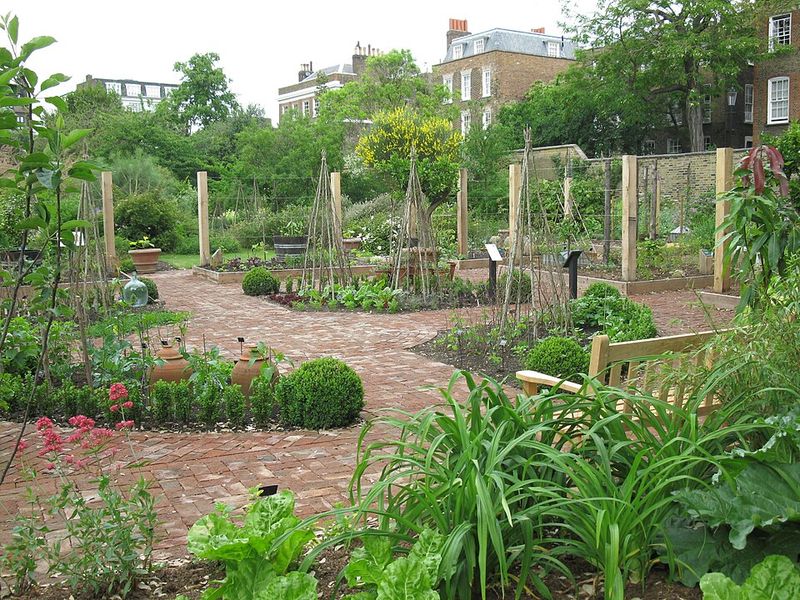
Plenty of gardeners in North Carolina are rethinking the old line between ornamental beds and vegetable rows. A border can look polished while still giving you basil for pasta, lettuce for sandwiches, and peppers for summer dinners.
That mix feels practical, especially when every square foot in the yard matters.
Color is one of the biggest reasons this trend works so well. Rainbow chard, purple basil, red lettuce, and rosy okra pods hold their own beside marigolds, coneflowers, and salvia, so the bed never looks like a stripped-down vegetable patch.
You get contrast, movement, and harvests from the same planting plan.
There is also something satisfying about stepping outside and cutting ingredients from a space that still looks intentional from the street. You do not need a fenced kitchen garden or a large backyard to grow useful crops.
By mixing edible plants into flower beds, you make everyday beauty more interactive, more personal, and more worth maintaining through the season.
Small Yards Need Double-Duty Plants
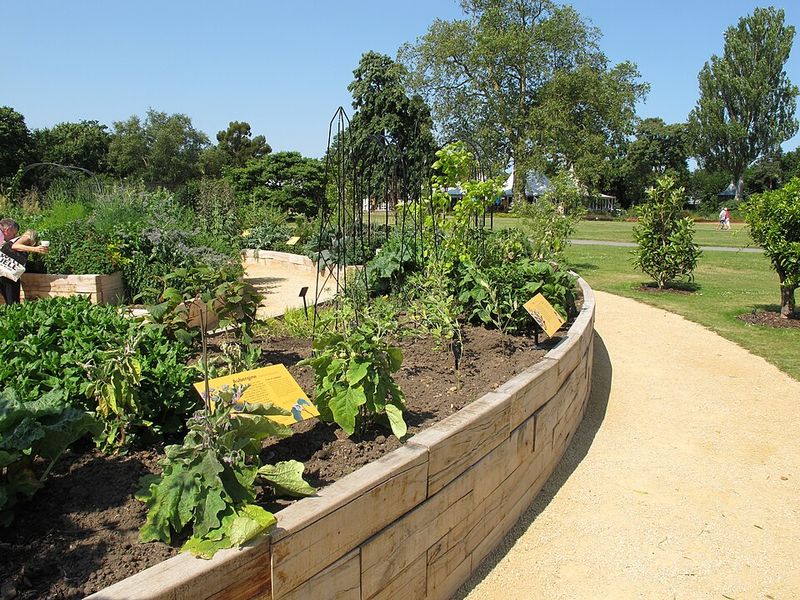
In many North Carolina neighborhoods, yard space is limited, but the desire to grow food keeps getting bigger. Mixing edible plants into flower beds solves that problem by asking one area to do two jobs at once.
Instead of choosing between curb appeal and a harvest, you can have both in the same footprint.
This matters a lot in newer developments where backyards are shallow and sunny space is hard to find. A front walkway bed might be the brightest area on the property, making it perfect for compact peppers, parsley, dwarf tomatoes, and leaf lettuce tucked among annuals.
Once you start using those sunny strips more intentionally, the whole yard becomes more productive.
Double-duty planting also helps you justify the work of watering, mulching, and weeding. If a bed already needs care for flowers, adding a few edibles gives you more return for the same effort.
That practical mindset is driving many gardeners to treat ornamental space as an opportunity rather than a display that only lasts until the next season changes.
Herbs Slip Easily Into Ornamentals
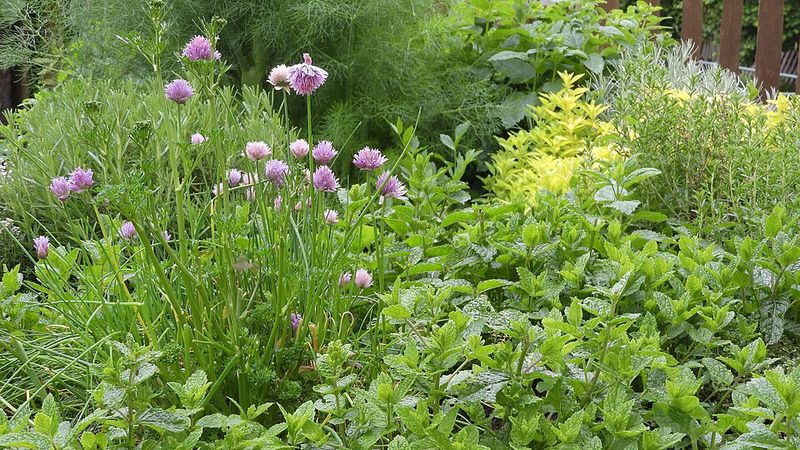
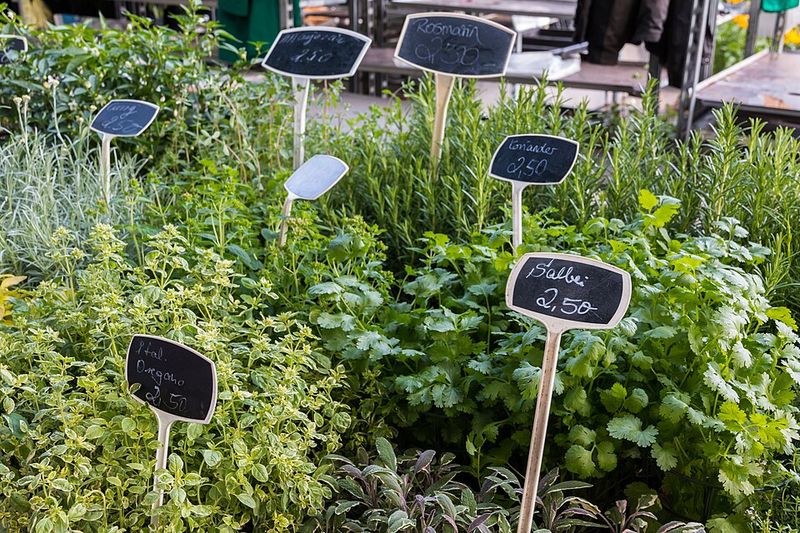
Herbs are often the easiest gateway plants for edible flower beds because they already look at home among ornamentals. Rosemary brings structure, thyme creeps neatly at the edge, and basil fills gaps with glossy leaves that read almost like annual color.
You get fragrance, texture, and dinner ingredients without changing the character of the bed.
North Carolina gardeners especially appreciate herbs because many handle heat better than delicate greens. In a sunny border, oregano and thyme can shrug off summer conditions that would flatten pansies or stress lettuce by noon.
That resilience makes the whole bed feel steadier when the weather turns hot and humid.
Another bonus is convenience. It is much easier to remember to snip herbs when they are planted near the front door, mailbox, or patio instead of hidden in a separate garden.
When a few stems for roasted vegetables or grilled chicken are only steps away, you actually use them more often, and that everyday usefulness makes ornamental beds feel more connected to real life.
Edibles Extend Seasonal Interest
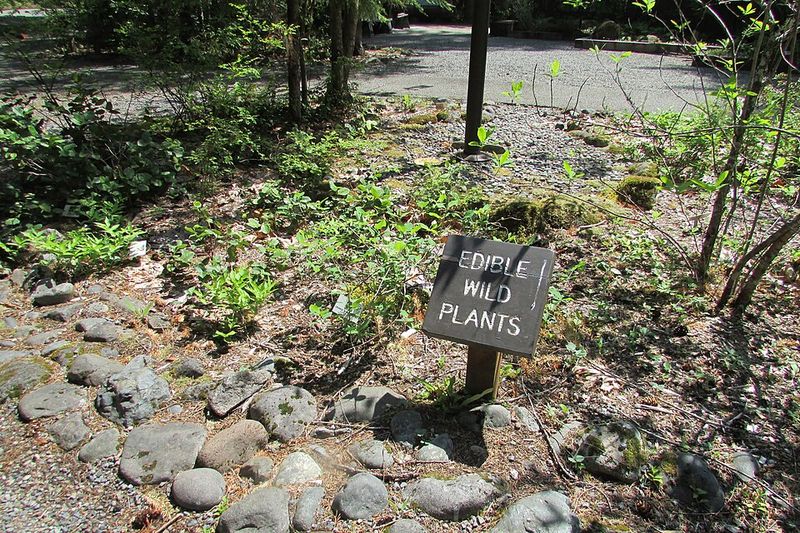
One reason this style catches on quickly is that edible plants can keep a bed interesting across more of the year. Spring lettuce, kale, and parsley look fresh when many summer flowers are still small, then basil, peppers, and compact tomatoes carry the display through heat.
By fall, chard and mustard can step back in with bold color and structure.
That rotation creates a layered garden rhythm instead of a short ornamental peak. North Carolina gardeners often work around long summers and uneven weather, so having flexible plants to swap in and out keeps beds looking active rather than tired.
It also softens the disappointment when one flowering annual fades earlier than expected.
Seasonal interest matters because most people see the same foundation beds every day. If those spaces can shift from edible greens in March to colorful herbs in July to cool-season leaves in October, the landscape feels more responsive and alive.
You are not just decorating for one month – you are creating a border that changes with your meals and the calendar.
Pollinators Love the Mix
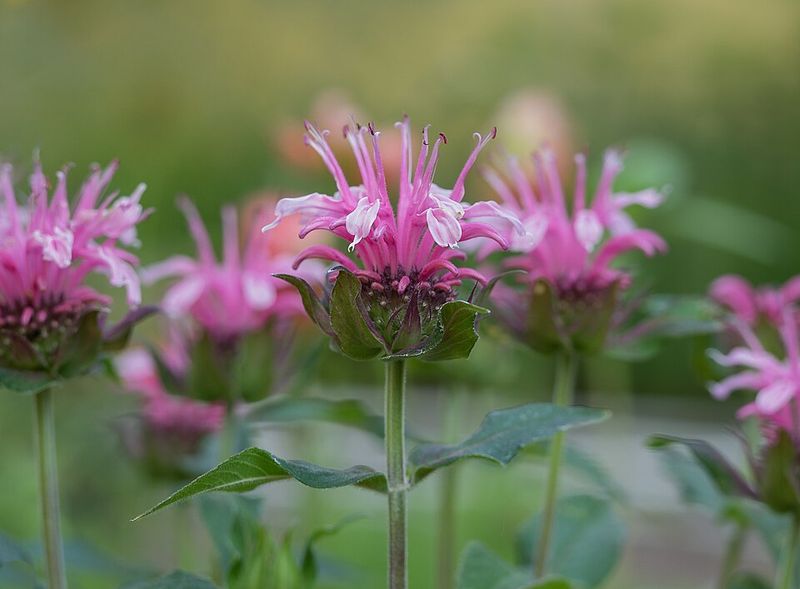
A mixed bed does more than feed people. It also creates a richer habitat for bees, butterflies, and other helpful insects because edible plants add flower shapes, bloom times, and scents that many ornamentals alone do not provide.
Dill, fennel, basil, borage, and chives are especially valuable when allowed to bloom alongside traditional flowers.
That matters in North Carolina gardens where pollination can directly affect crops like peppers, cucumbers, and squash growing elsewhere in the yard. Even if a flower bed holds only herbs and leafy greens, it can still support the insect traffic that benefits your whole landscape.
The garden starts working like a connected system instead of separate decorative zones.
There is also a visual payoff. Watching bees move from salvia to basil flowers or swallowtails hover around dill makes the border feel active in a way static plantings rarely do.
People notice that energy right away, and it becomes easier to understand why edible landscaping is appealing – it brings beauty, life, and function together in one space.
Raised Grocery Prices Change Priorities
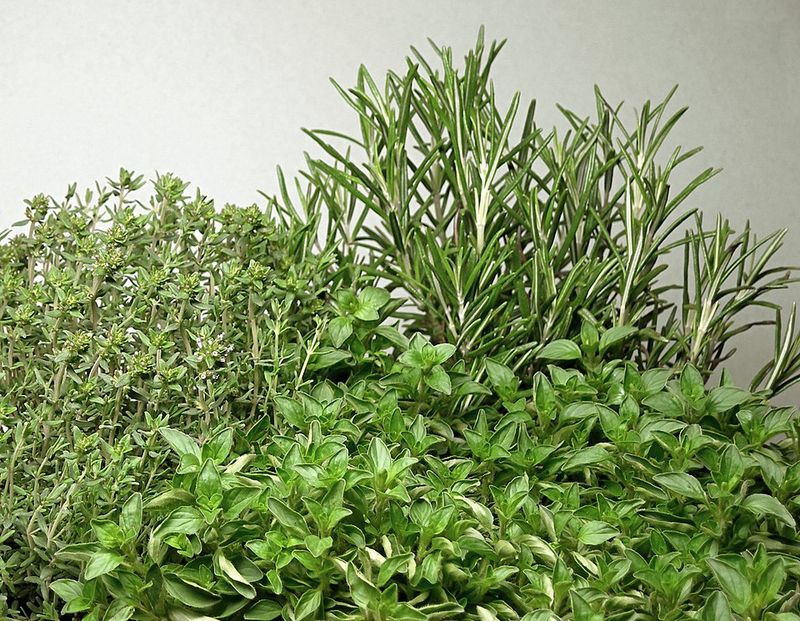
Practical economics are part of the story too. When grocery prices rise, it becomes easier to see the value in a flower bed that gives you salad greens, herbs, hot peppers, or a handful of cherry tomatoes every week.
The harvest may not replace the produce aisle, but it can noticeably trim small repeat purchases.
North Carolina gardeners often start with the ingredients they buy most often and use quickly. Basil, cilantro, parsley, green onions, lettuce, and peppers fit naturally into ornamental beds, and they are exactly the items that feel frustrating to pay for again and again.
Picking them fresh at home turns decorative space into something that contributes to daily meals.
That shift in priorities does not mean beauty stops mattering. It simply means people want their landscaping budget, watering time, and weekend effort to provide more than looks alone.
A bed that pleases the eye and cuts a few grocery costs feels smarter, especially when household spending is under pressure. Utility has become part of what makes a garden feel successful.
Edible Flowers Make Beds More Playful

Edible flowers add a playful layer that helps mixed beds feel intentional rather than improvised. Nasturtiums spill over edges with bright blooms, calendula brings warm color, and violas or pansies can brighten cool-season plantings while still ending up on a salad or dessert.
That crossover appeals to gardeners who want their landscape to surprise people a little.
In North Carolina, edible flowers also fit the long season nicely because you can rotate them in and out around weather patterns. Cool months suit violas and pansies, while warmer stretches open space for nasturtiums and other showier options.
The result is a bed that keeps changing texture and color without losing its usefulness.
There is a social side to this trend as well. Guests notice when garnish comes from the front border or when a kid learns that the bright flower by the path is actually edible.
Those moments make gardening feel interactive instead of purely decorative, and that sense of discovery is part of why mixed flower beds keep spreading from backyard experiments to more visible parts of the landscape.
Better Use of Sunny Foundation Beds
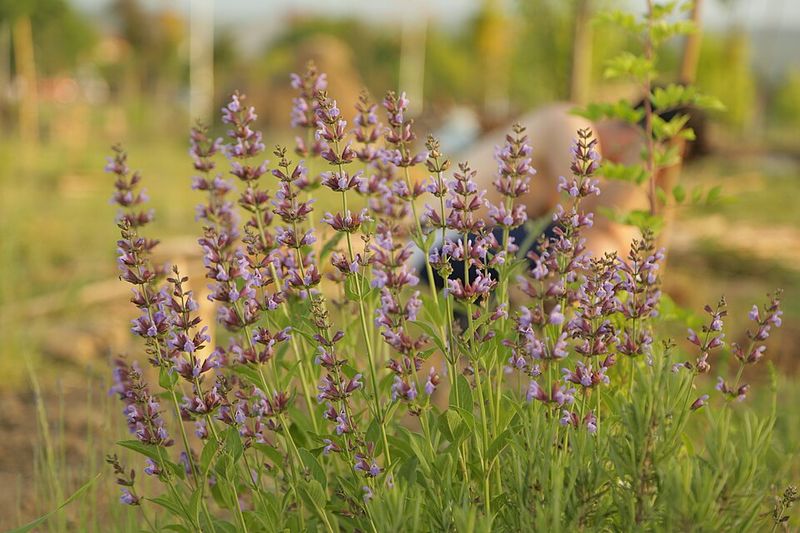
Many homes have sunny foundation beds that were planted once and then left to repeat the same formula every year. Those spaces usually receive decent light, irrigation, and regular attention, which makes them excellent candidates for edible additions.
Instead of relying only on shrubs and annual color, gardeners are filling openings with crops that look good and earn their place.
Compact peppers, kale, basil, and upright parsley work especially well because they stay tidy enough for prominent spots near entrances and walkways. Their foliage adds shape and contrast, and most people will not immediately read the bed as a vegetable garden unless they look closely.
That subtlety matters for gardeners who want productive landscaping without changing the overall style of the house.
Using foundation beds this way also changes daily habits. You pass those areas constantly, so it is easier to notice when something needs water, deadheading, or harvesting.
That visibility improves plant care almost by accident, and healthier plants simply look better. Convenience, in this case, becomes part of the design strategy, not just a bonus.
Kids Pay Attention to Food Plants
Flower beds that include food tend to draw children in faster than purely ornamental plantings. A strawberry at the edge, a cherry tomato warming in the sun, or a leaf of lemon balm to smell creates an immediate connection that labels and lectures never quite manage.
Curiosity grows naturally when kids can see, touch, and taste the garden in small safe ways.
That matters for busy families because edible landscaping brings learning into spaces everyone already walks past. You do not need a separate teaching garden hidden in the backyard when the front bed can show pollinators, ripening fruit, seasonal change, and basic plant care during ordinary routines.
Watering before school or checking peppers after dinner becomes part of home life instead of a special project.
North Carolina gardeners often mention this benefit once they try mixed beds for a season. Children start noticing what is ready to pick, which flowers attract bees, and why some plants fade in heat while others keep going.
The border becomes more than decoration – it turns into a living conversation about food, weather, and responsibility.
It Encourages Smarter Plant Choices
Once edible plants enter the flower bed, gardeners usually become more selective about what earns space. A filler annual that offers color for a month may lose out to something like basil, chard, or fennel that brings structure, texture, and a harvest at the same time.
That decision-making often leads to beds that are more purposeful and less crowded.
This does not mean every plant has to be useful in the kitchen. It simply encourages a better balance between beauty, maintenance, and function, which is valuable in North Carolina where summer care can become demanding fast.
Plants that attract pollinators, handle humidity, and contribute something edible start to look like smarter long-term investments.
The design benefits are real too. Gardeners begin paying closer attention to height, leaf shape, watering needs, and succession planting because edible crops make those factors impossible to ignore.
As a result, mixed beds are often better planned than purely ornamental ones thrown together for quick color. Productivity can sharpen aesthetics, and that is one reason this style keeps gaining loyal fans.
The Garden Feels More Personal
A flower bed planted only for appearance can be lovely, but a bed that also feeds you tends to feel more personal. You remember where the first pepper ripened, which border herb rescued dinner, and which patch of lettuce did best during a cool spring.
Those small experiences attach daily life to the landscape in a deeper way.
North Carolina gardeners often want their yards to reflect how they actually live, not just how a catalog photo looks. Mixing edibles into ornamentals makes that possible because the garden starts supporting meals, routines, and family habits while still looking welcoming from the street.
It becomes less about copying a style and more about shaping a space around what you value.
That personal connection may be the strongest reason the trend keeps growing. People care for gardens more consistently when the rewards are visible, useful, and immediate, and a mixed bed provides all three.
You are not maintaining a display from a distance – you are interacting with it, harvesting from it, and noticing it in every season. That changes the relationship completely.